Api Himal Trek Guide (2026): Route, Itinerary, Cost, Difficulty & First-Hand Experience

Api Himal Base Camp Trek Guide (2026): Route, Itinerary, Cost, Difficulty & First-Hand Experience 

Most things written about the Api Himal Base Camp Trek read the same way: “untouched wilderness,” “off the beaten path,” “raw and rugged.” All true. None of it tells you what the trek is actually like. I did this route in spring 2026, driving overland both ways from Kathmandu, and I want to write about it the way it deserves with the village nights, the permit paperwork, and the parts no brochure mentions. 

There is also a reason to write about Api Himal right now rather than later. In 2026, Prime Minister Balen Shah’s government named Api Himal in Darchula alongside Ramaroshan in Achham and Badimalika in Bajura as a priority trekking route in its 100-day governance reform plan for Sudurpashchim Province. For a region that has long been overshadowed by Everest and Annapurna, that is a meaningful signal. Infrastructure, route management and government attention are finally catching up to what trekkers who have already been there already know: this is one of the most rewarding and least crowded trekking regions left in Nepal. 

The Nepal Tourism Board continues to promote sustainable tourism across remote regions, including Sudurpashchim Province, and lists far-western routes among the destinations it is actively developing for international visitors. 

Api Himal Base Camp Trek: Quick Facts 

Detail  Information 
Trek region  Darchula District, Sudurpashchim Province, Far-West Nepal 
Max elevation  4,200m (Kalidhunga Lake); Base Camp at 3,861m 
Trek duration  ~12 days overland from Kathmandu (~10 days if flying to Dhangadhi) 
Trek difficulty  Moderate to challenging, no technical climbing required 
Best seasons  Spring (March–May) and Autumn (September–November) 
Permits required  Api Nampa Conservation Area Permit + TIMS Card 
Accommodation  Local homestays and basic lodges/camping 
Starting point  Makarigaad, via Darchula 
Conservation area  Api Nampa Conservation Area (1,903 sq. km) 


Why Api Himal, and Why Now 

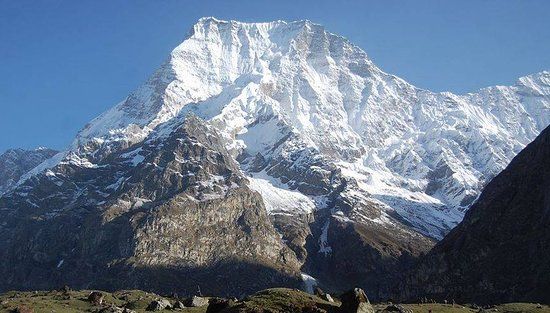
Mt. Api stands at 7,132 metres in the Api Nampa Conservation Area of Darchula district, the highest peak in Nepal’s Far-Western region. Unlike Everest Base Camp or Annapurna Circuit, where you share the trail with hundreds of trekkers a day, Api Himal sees a fraction of that traffic. On our 12 days, we passed more water buffalo than foreign trekkers. 

That is changing, slowly and deliberately, as a government priority not just marketing language. The far-west has the mountains (Api at 7,132m, neighbouring Saipal at 7,031m), the conservation area infrastructure, and now political attention. For trekkers who want the Everest-in-the-1960s experience without leaving Nepal, this window will not stay open as quietly as it is now. You can browse our full range of  

Nepal trekking and walking packages here to see how Api Himal compares with our more established routes. 

Getting There: The Overland Route 
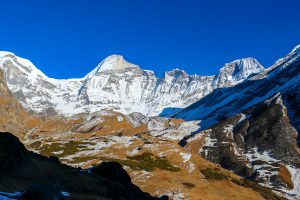
We chose to drive both ways rather than fly into Dhangadhi, mainly for cost and because we wanted to see the Mahakali Valley properly. It is long we split the Kathmandu to Dhangadhi leg into two driving days rather than attempting it in one push, which I would strongly recommend to anyone doing the same. The road past Bardiya National Park and across the Karnali Bridge is one of the better-looking drives in Nepal, but it is not a road you want to rush after dark. 

If your schedule is tighter than ours, flying Kathmandu to Dhangadhi cuts roughly two days off the trip and most operators offer it as an option. We do not regret the overland route – it added real context to where Darchula sits relative to the rest of the country – but it is a decision to make deliberately, not by default. 


The Trail: Villages Before Mountains 
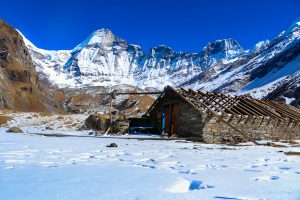
Everyone plans this trek around Api Base Camp and Kalidhunga Lake, and they should both are genuinely worth the effort. But if I am honest about what stayed with me afterward, it was not the high points. It was Ghusa Gaun and Siti Gaun, the homestay villages along the way. 

Staying with a local family in Ghusa Gaun, sharing a meal cooked over a wood fire, and being offered tika before continuing the next morning that is not something you get on the more commercialised trails further east, where teahouses have become standardised stopovers rather than someone’s home. Siti Gaun’s traditional four-storey mud houses are still lived in exactly the way they look like they should be lived in. These villages belong to the Shauka and Raji communities, and the trek is as much a walk through their daily life as it is a walk toward a mountain. 

This was, by a clear margin, the toughest and most memorable part of the trek for me – not the altitude, not the trail conditions, but adjusting to and being welcomed into a way of life this far removed from anything in Kathmandu. 

Api Base Camp and Kalidhunga Lake 
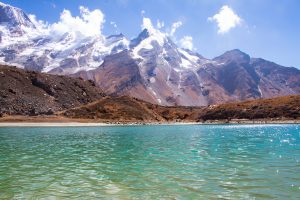
Api Base Camp sits at 3,861m, with a small temple site locally associated with Lord Shiva, who is believed to have meditated here after Kailash. It is a quiet, almost contemplative spot, and a sharp contrast to the energy of base camps in the Khumbu. 

The genuine high point in both senses is Kalidhunga Lake at 4,200m, a short push beyond base camp. The lake is glacier-fed, ringed by peaks including Nampa and Hardeol, and it is where most of our group’s photos came from. Altitude sickness risk here is lower than on treks that push past 5,000m, but it is not negligible, and a proper acclimatisation day before the push to the lake is worth keeping in the itinerary rather than cutting it. 


Suggested 12-Day Itinerary 

This reflects the overland version of the route. If you fly into Dhangadhi, you can shorten the front and back end by roughly two days. 

Day  Route  Notes 
1  Kathmandu → towards Dhangadhi (overland)  We split this into two driving days on the Mahendra Highway rather than one brutal 14-hour push 
2  Dhangadhi → Gokuleshwor / Darchula  Follows the Mahakali Valley along the Nepal-India border; first close views of the far-west hills 
3  Darchula → Makarigaad  Trailhead drive; permits checked at the Api Nampa Conservation Area office 
4  Makarigaad → Naupata  Trek begins through terraced fields and lower forest 
5  Naupata → Ghusa Gaun  First homestay night – this is where the trip really started for us 
6  Ghusa Gaun → Siti Gaun  Traditional four-storey mud houses; locals offered tika before we continued 
7  Siti Gaun → Dhauliodhar  Chameliya river valley, stone-stepped forest trail 
8  Dhauliodhar → Api Base Camp (3,861m)  Long climbing day; a small temple site at base camp is locally tied to Lord Shiva 
9  Api Base Camp → Kalidhunga Lake (4,200m) → back to Dhauliodhar  Highest point of the trek; the lake is the real reward, more than base camp itself 
10  Dhauliodhar → Ghusa Gaun  Retracing the route, second night with the same host family 
11  Ghusa Gaun → Makarigaad  Final trekking day back to the roadhead 
12  Makarigaad → Darchula → towards Kathmandu (overland)  Return journey begins 


Food on the Trail: What You’ll Actually Eat 

Food on the Api Himal Trek is a genuine mix, and that surprised us. In the homestay villages Ghusa Gaun and Siti Gaun especially – meals were proper local Far-West cooking: dal bhat with seasonal mountain greens, buckwheat and maize-based dishes that you do not see on the Everest or Annapurna menus, and milk tea made fresh each morning. Portions were generous and the hospitality made up for the lack of variety. 

Closer to the trailhead towns and on a few rest days, we also had access to more familiar trail food noodles, eggs, basic Western-style breakfasts – which was a welcome change of pace before pushing back into the remote stretches. If you are used to the teahouse menus of the Annapurna Circuit, recalibrate your expectations: this is simpler, more seasonal, and far more dependent on what a particular village has on hand that week. Carrying some of your own energy bars or snacks for the high-altitude push to Kalidhunga Lake is a sensible backup, since options thin out considerably above Dhauliodhar. 

Wildlife and Birds: What We Actually Saw 

The Api Nampa Conservation Area is one of the richer wildlife corridors in Nepal’s far-west, and it showed. We spotted Danphe (Nepal’s national bird) and Munal pheasants moving through the upper forest and meadow sections – both unmistakable once you see the colouring against the green. Higher up, near the base camp approach, we had two separate sightings of blue sheep grazing on the exposed slopes, and a brief but clear look at a Himalayan tahr on a rocky outcrop above the trail. 

The conservation area is also home to snow leopards, musk deer and Himalayan black bears, though sightings of these are rare and we did not see any ourselves – worth knowing so expectations stay realistic. What stood out more than any single sighting was how alive the whole route felt: the forest sections below Siti Gaun were thick with birdsong, and the alpine meadows near base camp had a density of wildflowers in spring that no photograph we took really captured. 

Trail Conditions: What to Actually Expect Underfoot 
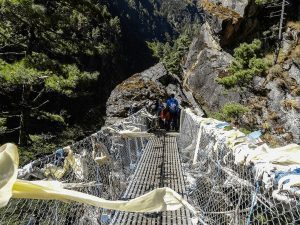
Route conditions varied more than any single trail description gives credit for. Through the lower villages Naupata, Ghusa Gaun, Siti Gaun – the trail is well-trodden, gently graded, and easy to follow, mostly stone-stepped paths through forest and farmland. It is the stretch from Dhauliodhar up to Api Base Camp where the trek earns its “moderate to challenging” rating: steeper, less defined in places, and exposed to weather changes that can move in quickly at altitude. 

None of it is technical no ropes, no scrambling but the combination of altitude, distance and underfoot conditions on that final push means fitness matters more than trekking experience here. We were glad to have built in an acclimatisation day before the push to Kalidhunga Lake rather than rushing it. 


Challenges We Didn’t See Coming 

  • The overland drive itself was more physically tiring than several trekking days combined budget real recovery time before starting the trail. 
  • Limited facilities in the homestay stretch: no hot showers, no laundry, and very little phone signal for days at a time. Mentally preparing for that mattered as much as physical training. 
  • Weather above Dhauliodhar changed faster than forecasts suggested we had clear skies turn to cloud cover within an hour on the approach to base camp. 
  • Sourcing reliable, up-to-date information before the trip was genuinely difficult, since so little has been written about this route compared to Nepal’s more popular treks – part of why we are writing this. 

The Highlight: Reaching Api Base Camp 
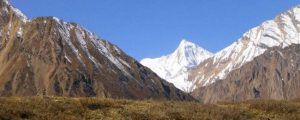
Of everything on this trek the villages, the wildlife, the lake – the single moment that stayed with us most was standing at Api Base Camp itself, 3,861m, with the full Api massif rising directly ahead and almost no one else around. After days of build-up through forest and farmland and homestays, the sudden scale of the mountain at close range was disorienting in the best way. The small temple site there, with its local association to Lord Shiva, added a quiet, almost meditative weight to the moment that we did not expect going in. 


Permits and Practical Information 

Permits and protected-area access for Api Himal are administered through the Api Nampa Conservation Area authority, under the oversight of Nepal’s Department of National Parks and Wildlife Conservation (DNPWC). Checking current permit fees and any conservation area regulations directly with these official sources before travel is recommended, since requirements can be updated. 

Permit / Document  Where Issued  Typical Purpose 
Api Nampa Conservation Area Permit  Conservation area office, Darchula  Required entry permit for the protected area 
TIMS Card  Registered trekking operator or TAAN/NTB  Trekker identification and safety tracking 
Local government registration  Darchula district office (via operator)  Some remote sections require local trail registration 


  • Best seasons: Spring (March–May) for wildflowers and milder trails, Autumn (September–November) for the clearest mountain views. Winter is not recommended at this altitude and remoteness. 
  • Trek difficulty: Moderate to challenging, mostly due to remoteness and trail length rather than technical terrain. No climbing skills required, but several months of cardio and strength preparation will make a real difference. 
  • Max altitude: 4,200m at Kalidhunga Lake low enough that altitude sickness risk is lower than on treks pushing past 5,000m, but proper acclimatisation still matters. 
  • Accommodation: A mix of homestays and basic camping/lodge facilities. This is not a teahouse trek in the Annapurna sense come prepared for simpler facilities, limited hot showers, and no laundry service. 
  • Connectivity: Limited to none for most of the trek. Plan for it, rather than fighting it. 

Is the Api Himal Trek Right for You 

This trek suits people who have done at least one moderate multi-day trek before and want something further off the beaten path than Everest, Annapurna or even Manaslu. It is not the right starting trek for a first-time visitor to Nepal, mainly because of the remoteness and the limited infrastructure if anything goes wrong. It is, however, exactly right for trekkers who keep saying they want “somewhere that hasn’t been ruined by tourism yet” because right now, that description is still accurate. 

With the government’s renewed attention on Sudurpashchim’s trekking routes, that may not stay true indefinitely. There is a real argument for going in the next year or two, while the trail still feels the way it does today. 

Frequently Asked Questions 

How difficult is the Api Himal Base Camp Trek? 

Moderate to challenging. The lower sections through villages like Naupata, Ghusa Gaun and Siti Gaun are gentle and well-trodden. The push from Dhauliodhar to Api Base Camp (3,861m) and on to Kalidhunga Lake (4,200m) is steeper and weather-exposed, though not technical. 

What wildlife can you see on the Api Himal Base Camp Trek? 

Danphe and Munal pheasants are commonly spotted in the forest and meadow sections. Blue sheep and Himalayan tahr are visible on the higher slopes near base camp. Snow leopards, musk deer and Himalayan black bears live in the Api Nampa Conservation Area but are rarely seen. 

What is the best season for the Api Himal Base Camp Trek? 

Spring (March–May) for wildflowers and milder conditions, Autumn (September–November) for the clearest mountain visibility. Winter is not recommended given the altitude and remoteness. 

Do you need a guide for the Api Himal Base Camp Trek? 

It is strongly recommended. Trail marking thins out considerably above Dhauliodhar, permits are processed through the Api Nampa Conservation Area office, and the homestay network in villages like Ghusa Gaun and Siti Gaun is far easier to access with a local guide or registered operator. 

How long is the Api Himal Base Camp Trek? 

Around 12 days door-to-door if travelling overland from Kathmandu, or roughly 2 days shorter if flying into Dhangadhi. Actual trekking days on the trail are closer to 7–8. 

Related Treks Worth Comparing 

If you are weighing Api Himal against Nepal’s more established routes, a few of our other guides may help: 

Also, Check Api Himal Base Camp Trek

Final Thoughts

The Api Himal Trek stands as one of Nepal’s most untouched and rewarding trekking experiences, offering breathtaking Himalayan scenery, rich local culture, and true wilderness far from the crowded trails. It is a perfect choice for adventurous trekkers seeking something unique and off the beaten path.

To dive deeper into planning, preparation, routes, and essential tips, don’t miss our detailed Api Himal Trek Complete Guide, designed to help you understand every aspect of this incredible journey.

Take the first step toward this remote Himalayan adventure and experience the raw beauty of far-west Nepal like never before.

Start your adventure today and experience one of Nepal’s most remote and rewarding trekking destinations.

Planning Your Trek with Guru Travels 

Having done this route ourselves, we now build Api Himal Base Camp itineraries informed by what actually works on the ground – from realistic driving-day planning to which villages are worth a rest day, not just a passing meal. If you are considering the far-west for your next trek, reach out to our team and we can plan a route that matches your timeframe, season and fitness level. 

Explore more of what we offer at Guru Travels Limited, Nepal’s first public limited travel company. 

1 Day Bhundole Hike Near Kathmandu

Bhundole Hike Near Kathmandu: The Ultimate One Day Hike Near Kathmandu Experience

Last Updated: July 10, 2026 | By Guru Travels Team

When Travel Experts Become Travelers

At Guru Travels Limited, travel is more than a profession, it is a passion that pulses through the heart of our operations. Based in the vibrant city of Kathmandu, our team spends countless hours curating itineraries, coordinating logistics, and ensuring that travelers from around the globe experience the magic of Nepal. However, we hold a firm belief that to truly sell the magic of the mountains, one must occasionally step away from the computer screen and step onto the trail.

We believe that the best travel experts are those who never stop exploring. Recently, 11 members of the Guru Travels family stepped away from their desks, swapped keyboards for walking sticks, and embarked on a refreshing Bhundole Hike Near Kathmandu. What began as a simple team outing soon evolved into an inspiring journey filled with adventure, shared learning, strengthened bonds, and a reaffirmed commitment to the environment.

This blog post details our experience at Bhundole Ground Pharping, offering not just a story of our team building, but a comprehensive guide for anyone looking for a One Day Hike Near Kathmandu that combines natural beauty with a cause.

Key Takeaway: Bhundole Hike Near Kathmandu

Bhundole Hike Near Kathmandu is a perfect one-day outdoor adventure from Kathmandu, offering peaceful forest trails, beautiful hill landscapes, and a relaxing escape from city life. Located in Pharping, this easy-to-moderate hike is ideal for beginners, families, students, and corporate groups looking for a refreshing nature experience with team-building activities and responsible tourism initiatives.

With a short travel distance, scenic walking routes, and a comfortable hiking experience, Bhundole Hike is one of the best short hiking destinations near Kathmandu for a memorable day trip.


Discovering Bhundole Ground Pharping

Located in the serene hills of Pharping, just on the southern edge of the Kathmandu Valley, Bhundole Ground Pharping is a hidden gem that has recently gained popularity among nature lovers. For those tired of the crowded trails of Nagarkot or the commercialized vibe of other nearby spots, the Bhundole Hike Near Kathmandu offers a breath of fresh air literally and figuratively.

Pharping itself is a town steeped in history and spirituality, known for its sacred caves and monasteries. However, just a short walk beyond the town’s spiritual center lies the expansive greenery of Bhundole. It is a destination that feels worlds away from the chaotic traffic of the capital, yet it is conveniently located only about 30 kilometers to the south, making it an accessible One Day Hike Near Kathmandu.


The Appeal of the Trail

The trail to Bhundole is a delight for beginners. Unlike the steep, lung-busting climbs of the Langtang region or the Annapurna Circuit, this hike is gentle, rolling, and forgiving. It winds through lush forests, opens up to panoramic views of the valley, and guides hikers through traditional villages where the pace of life remains slow and authentic.

For our team, the weather played a perfect co-host. Soft, drifting clouds created a dramatic canvas against the blue sky, keeping the temperature cool and the air crisp. It was the kind of weather that hikers dream of cool enough to climb without sweating profusely, yet clear enough to see the surrounding hills. This perfect climate is just one reason why the Bhundole Hike Near Kathmandu is becoming a favorite for locals and tourists alike.


The Itinerary: A Step-by-Step Breakdown

To help other travelers and teams plan their own adventure, we have documented our schedule. This itinerary is designed for a relaxed pace that allows for photography, team bonding, and responsible tourism activities.

Table 1: Bhundole Hike Near Kathmandu Itinerary – Guru Travels Experience

Time Activity Description & Highlights
08:00 AM Departure from Kathmandu The team gathers at the Guru Travels office. A short, scenic drive through the Ring Road towards Pharping, passing the bustling town of Chapagaon.
09:00 AM Arrival at Pharping Quick stop near the famous Pharping Hydropower Station. The team gears up, applies sunscreen, and adjusts trekking poles.
09:15 AM The Trek Begins The trail starts with a gentle ascent. The path is paved initially, moving into a dirt track lined with pine trees and rhododendrons.
10:30 AM First Viewpoint Stop A brief pause for water and a group photo. The view of the southern Kathmandu Valley starts to open up. Discussions begin about trail conditions for future clients.
11:30 AM Arrival at Bhundole Ground Reaching the vast meadow. The ground is flat, green, and surrounded by hills. The team spreads out to enjoy the open space.
12:00 PM Team Building & Lunch Unpacking packed lunches. The team engages in ice-breaking activities and shares personal stories away from the formal office setting.
01:00 PM Responsible Tourism Drive The Guru Travels cleanup initiative begins. Gloves on and bags in hand, the team scours the meadow for plastic waste.
02:00 PM Exploration & Relaxation Free time to explore the perimeter, meditate, or fly drones (if permitted). The focus is on soaking in the tranquility.
02:45 PM The Descent Beginning the walk back. The descent offers a different perspective of the landscape, with afternoon light casting long shadows.
04:00 PM Return to Pharping Reaching the vehicle. A quick refreshment stop at a local tea house to support the community economy.
05:30 PM Back in Kathmandu Arrival at the office. Tired legs but high spirits as the team disperses for the evening.

More Than a Hike: Learning Through Experience

At Guru Travels, we operate on a simple philosophy: Firsthand experience creates the best travel recommendations.

While we have read hundreds of brochures and seen thousands of photos of hikes around Kathmandu, walking the Bhundole Hike Near Kathmandu ourselves provided insights that no document could convey. As travel professionals, we naturally view destinations through a critical lens. We aren’t just looking at the view; we are analyzing the logistics.

The “Travel Agent” Gaze

During the hike, our team naturally shifted into work mode, discussing the trail from the perspective of our clients:

Accessibility: We noted that while the trail is beginner-friendly, certain sections can be slippery after rain. We made a mental note to advise future clients to wear sturdy hiking boots rather than sneakers for their One Day Hike Near Kathmandu.

Rest Spots: We identified the perfect shaded areas for elderly travelers or families with children to rest.

Safety: We observed the trail markers and noted where additional signage might be helpful for solo hikers.

For our newer team members, this was an invaluable field trip. It transformed abstract concepts about “difficulty grading” and “scenic value” into tangible reality. For our senior staff, it was a reminder that the foundation of a great itinerary is a deep, ground-level understanding of the destination.


Building Stronger Connections Beyond the Office

In the modern workplace, “team building” has become a buzzword that often conjures images of trust falls or awkward conference room seminars. However, we believe that true team building happens in nature, away from the hierarchy of the office.

The Bhundole Hike Near Kathmandu stripped away the formalities. The CEO and the intern walked side by side. The marketing manager and the finance officer shared snacks. Without the pressure of pending emails or ringing phones, colleagues became companions.


The Psychology of the Shared Trail

Hiking is a unique social equalizer. On a flat office floor, everyone has a designated role. On a mountain trail, everyone is a hiker. The shared physical effort creates a bond that is hard to replicate in a boardroom.

We found ourselves laughing at slips, cheering each other on during steep sections, and stopping in silence to admire a particularly vibrant butterfly. These small moments accumulated to create a profound sense of unity. By the time we reached Bhundole Ground, we weren’t just coworkers; we were a tribe that had shared a journey.

This experience reinforced our commitment to promoting Team Building Hike Nepal packages for other corporations. We realized that if a travel agency like ours, which is already close-knit, could benefit this much from a day on the trail, then other companies in Kathmandu desperately need this escape.


Walking the Green Path: Our Commitment to Responsible Tourism in Nepal

The highlight of the day and the aspect of the trip we are most proud of was our commitment to Responsible Tourism in Nepal.

As we reached the pristine meadows of Bhundole Ground, the contrast was jarring. The landscape was lush and green, but closer inspection revealed the scars of human negligence. Plastic bottles, wrappers, and discarded food containers littered the edges of the trail and the picnic spots.

It is a sad reality that many beautiful destinations near Kathmandu are suffering from the “plastic plague.” As a company specializing in Responsible Tourism in Nepal, we could not simply enjoy the view and ignore the trash.

The Cleanup Initiative

Before we began our lunch, the Guru Travels team paused. We distributed biodegradable trash bags and gloves. What followed was an hour of dedicated cleanup effort. We didn’t just pick up our own trash; we picked up the trash left by others who had visited the site before us.

We collected plastic bottles, noodle packets, and even old clothing items left behind. It was dirty work, but it was necessary work. This action was not for show; it was driven by a core value that guides every decision we make at Guru Travels:

“Travel should leave memories, not waste.”

Table 2: Responsible Tourism Impact – The Cleanup Data

Waste Category Estimated Quantity Collected Disposal Method Environmental Impact
Plastic Bottles (PET) ~35 bottles Segregated for recycling in Kathmandu Prevents microplastics in soil & waterways
Food Wrappers/Packets ~50+ packets Segregated for landfill Removes non-biodegradable eyesores
Cardboard/Paper ~10 items Compostable/Burnable (safe) Reduces bulk waste in the meadow
Miscellaneous (Clothing/Glass) 5 items Carried out Eliminates physical hazards to wildlife

Responsible tourism is not simply a trend or a marketing phrase for us. It is a commitment to preserving nature, supporting local communities, and ensuring that future generations can enjoy the same beautiful destinations we experience today. We urge every hiker and every agency to adopt a “pack it in, pack it out” policy when embarking on a One Day Hike Near Kathmandu.


Why Bhundole Ground Should Be on Your Weekend Hiking List

If you are looking for a peaceful escape from city life without the exhaustion of a multi-day trek, the Bhundole Hike Near Kathmandu deserves a place at the top of your travel list. It is the perfect One Day Hike Near Kathmandu for those who want to reconnect with nature without traveling far.

Highlights of the Bhundole Hike Near Kathmandu:

  • Easy and Beginner-Friendly: Perfect for those who haven’t hiked in years.
  • Ideal One Day Hike Near Kathmandu: Close enough to do in the morning and back by evening.
  • Beautiful Meadows: The flat ground at the top is rare in hilly Nepal; it’s perfect for yoga, picnics, or games.
  • Perfect for Team Building: The flat areas allow groups to gather and interact easily, making it a top choice for a Team Building Hike Nepal.
  • Great for Students and Families: Safe trails with plenty of places to stop and rest.
  • Photography Opportunities: The interplay of clouds and hills provides stunning landscape shots.

Practical Guide: Know Before You Go

To ensure your trip to Bhundole Ground Pharping is as smooth as ours, we have compiled a practical guide. This covers everything from what to wear to how to get there for your One Day Hike Near Kathmandu.

Table 4: Essential Information for the Bhundole Hike Near Kathmandu

Category Details & Tips
Best Time to Visit March-May (Spring) for flowers and greenery; Sept-Nov (Autumn) for clear skies. Winter is cold but clear; Monsoon (July-Aug) is muddy and leech-prone.
Transportation Hire a private vehicle (Jeep/Van) for comfort, or take a local bus to Pharping and walk/taxi to the trailhead.
Total Hiking Duration Approximately 3 to 4 hours (round trip) at a leisurely pace.
Permits Required None. It is a free hiking area, unlike Shivapuri or Nagarjun National Parks.
What to Wear Lightweight long pants (to protect from scratches), breathable t-shirt, sturdy hiking shoes, and a hat/cap.
What to Pack 2 Liters of water, sunscreen, sunglasses, a light rain jacket (weather changes fast), personal first aid kit, and a trash bag.
Food Options There are no restaurants on the trail or at the top. You must pack your own lunch and snacks. Local tea houses are available in Pharping Bazaar.
Connectivity NTC and Ncell networks are generally available throughout the hike.

Looking Ahead: More Adventures to Come

The success of this hike has energized the entire Guru Travels team. It reminded us why we got into this industry in the first place. We are not just booking agents; we are enablers of experiences.

Inspired by our day at Bhundole, we are committed to organizing more outdoor adventures that align with our values. We are currently developing a series of programs aimed at getting more people out of the city and into the green.

Upcoming Initiatives

In the near future, Guru Travels plans to introduce:

  • Free Guided Community Hikes: Monthly hikes for locals to rediscover their own backyard.
  • Student-Focused Outdoor Programs: Educational trips that combine biology, geography, and physical education for schools.
  • Responsible Tourism Campaigns: Organized cleanup drives for popular trails, partnering with other local agencies to promote Responsible Tourism in Nepal.
  • Corporate Retreat Packages: Tailored “Bhundole-style” experiences for companies looking to boost morale and team spirit through a Team Building Hike Nepal.

Our goal is simple: to inspire people to explore Nepal responsibly while building meaningful connections with nature and one another.

Final Thoughts

The Bhundole Hike Near Kathmandu reminded us that adventure does not always require remote mountains or long expeditions. Sometimes, the most memorable journeys are found just beyond the city limits, surrounded by good company, fresh air, and a willingness to explore.

We returned to our desks in Kathmandu tired, with slightly sore legs, but with spirits that were fully recharged. The air in the office felt lighter, and the collaboration felt smoother. We had walked the green path, cleaned up a corner of our earth, and strengthened the bonds that make Guru Travels a family.

As we continue discovering Nepal one trail at a time, we invite fellow travelers, students, professionals, and outdoor enthusiasts to join us. Whether it’s a Bhundole Hike Near Kathmandu or a trek to the base camp of Everest, the principle remains the same.

Because the best stories are never found behind a desk they are found on the trail.

“Travel is the only thing you buy that makes you richer, filling your life with unforgettable experiences, meaningful connections, cultural discoveries, and stories that stay with you forever.”

Our Philosophy: True tourism isn’t just about taking beautiful photos or selling tickets; it’s about leaving a positive footprint. At Guru Travels Limited, we are fiercely committed to promoting sustainable and responsible tourism. This cleanup wasn’t a one-time gesture—it is the standard we set for ourselves and the future of Nepali tourism. If we are the experts guiding travelers, we must lead by example.

Frequently Asked Questions About Bhundole Hike Near Kathmandu

Q1. What is Bhundole Hike Near Kathmandu?

Bhundole Hike Near Kathmandu is a short and scenic hiking trail located in Pharping, on the southern side of Kathmandu Valley. It is a peaceful one-day hiking destination featuring forest trails, village landscapes, open green meadows, and panoramic views, making it ideal for beginners, families, students, and corporate team-building activities.

The hike provides an easy escape from Kathmandu’s busy city life while offering a refreshing nature experience within a few hours.

Q2. Where is Bhundole Ground located?

Bhundole Ground is located in Pharping, Dakshinkali Municipality, in the southern region of Kathmandu Valley, Nepal. It is approximately 30 km from Kathmandu city and can be reached by road within 1.5–2 hours depending on traffic conditions.

The area is surrounded by forests, hills, and traditional settlements, creating a peaceful hiking environment close to the capital.

Q3. How long does the Bhundole Hike take?

The Bhundole Hike usually takes around 3–4 hours to complete, depending on walking speed, breaks, photography stops, and group activities.

The short duration makes it one of the best one-day hiking options near Kathmandu for people looking for a quick outdoor adventure.

Q4. Is Bhundole Hike suitable for beginners?

Yes, Bhundole Hike is suitable for beginners because the trail has a moderate walking distance, gradual elevation gain, and no technical climbing sections.

The hike is recommended for:

  • First-time hikers
  • Families with children
  • Students
  • Office groups
  • Corporate team-building programs
  • Nature lovers

Q5. How difficult is Bhundole Hike?

Bhundole Hike is an easy to moderate-level hike that does not require previous trekking experience.

Most of the trail passes through:

  • Forest paths
  • Village trails
  • Open grasslands
  • Gentle uphill sections

A basic level of fitness and comfortable walking shoes are enough to enjoy this hike.

Q6. How do I reach Bhundole Ground from Kathmandu?

To reach Bhundole Ground from Kathmandu, travelers usually follow the Kathmandu–Pharping route and continue toward the Bhundole hiking starting point.

Typical route:

Kathmandu → Kalanki → Chobhar → Dakshinkali → Pharping → Bhundole Ground

The journey takes approximately 1.5–2 hours by private vehicle depending on road conditions.

Q7. What is the best time for Bhundole Hike?

The best seasons for Bhundole Hike are spring (March–May) and autumn (September–November) because of pleasant weather, clear mountain views, and comfortable hiking conditions.

Winter is also suitable, while the monsoon season may make trails slippery due to rainfall.

Q8. What should I carry for Bhundole Hike?

For Bhundole Hike, hikers should carry basic hiking essentials including comfortable shoes, water, snacks, sun protection, and weather protection.

Recommended packing list:

  • Hiking shoes
  • Water bottle
  • Sunscreen
  • Sunglasses
  • Hat/cap
  • Light jacket
  • Rain protection
  • Personal medicine
  • Camera
  • Energy snacks

Q9. Is Bhundole Hike good for team-building activities?

Yes, Bhundole Hike is an excellent destination for corporate team-building activities because it combines outdoor adventure, group interaction, and nature-based experiences.

Companies can organize:

  • Team games
  • Outdoor challenges
  • Group walks
  • Picnic activities
  • Environmental awareness programs

Q10. Why choose Bhundole Hike instead of other hikes near Kathmandu?

Bhundole Hike is a great choice because it offers a peaceful natural environment, easy accessibility, short duration, and a combination of hiking and team activities.

Compared with longer hikes near Kathmandu, Bhundole requires less time while still providing a refreshing outdoor experience.

Feature Bhundole Hike
Duration 1 Day
Difficulty Easy to Moderate
Location Pharping, Kathmandu Valley
Best For Beginners, Families, Groups
Main Attraction Forest trails and open meadow

If this story has inspired you to lace up your boots, be sure to check out our full range of [Guru Travels Packages] for more curated experiences. You can also read more travel stories and tips in our [Guru Travels Blog]. Also, Check Trekking related contents and packages in [Gurutreks] & [Gurutreks Blogs].

📞 Contact us: +977-9851334626 | Email | Instagram | Facebook | Tiktok 

Let Guru Travels turn your dream vacation into reality connect with us today!

Guru Travels Limited

#1st Public Limited Travel in Nepal

Invest On Traveling