
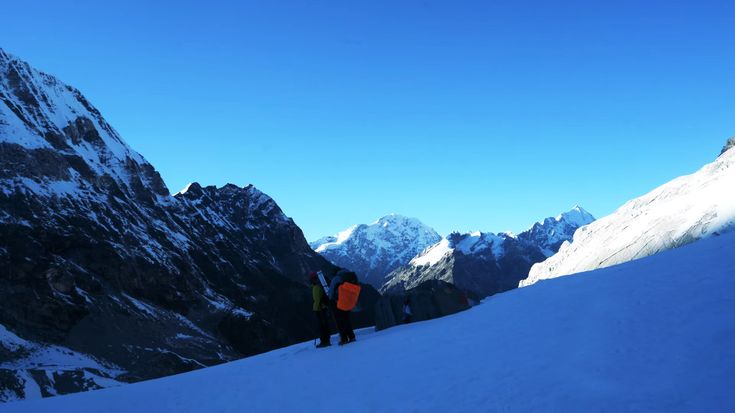
Tilman Pass Trek – 15 Days
Destination:
Nepal (Langtang – Tilman Pass – Panch Pokhari)
Trip Duration:
15 Days / 14 Nights
Max Altitude:
5,320 meters (Tilman Pass)
Activities:
Trekking, high-altitude pass crossing, glacier travel, camping, mountain lake exploration, cultural village visits, monastery visits, photography
Start Point:
Kathmandu
Ending Point:
Kathmandu
Region:
Langtang Region, Helambu Region (Sindhupalchok District)
Trip Grade:
Strenuous / Expedition Grade (technical high-altitude pass crossing)
Group Size:
1 – 6+ people
Accomodation:
Teahouses/lodges (Days 1–5, Langtang Valley section), camping with full crew support (Days 6–13, remote Tilman Pass to Panch Pokhari section)
Meals:
Full board (breakfast, lunch, dinner) throughout — teahouse meals in Langtang Valley, camp-cooked meals during the expedition section
Transportation:
Private jeep/vehicle (Kathmandu – Syabrubesi – Kathmandu), trekking on foot throughout the route
Permits Required:
TIMS Card, Langtang National Park Entry Permit, Local Area/Restricted Region Permit (for the Tilman Pass–Panch Pokhari section)
Best Season:
Spring (March–May) and Autumn (September–November) — stable weather and safer glacier/pass conditions; avoid monsoon (June–August) and peak winter (December–February) due to snow and avalanche risk at the pass
Tilman Pass Trek – 15 Days Highlights
- Cross the remote and challenging Tilman Pass (5,320m), named after legendary explorer H.W. Tilman
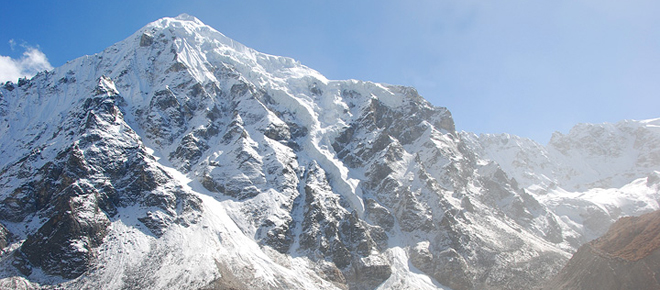
- Trek through the iconic Langtang Valley and Kyanjin Gompa, framed by Langtang Lirung (7,227m)
- Rest day acclimatization hike to Kyanjin Ri or Tserko Ri for panoramic Himalayan views
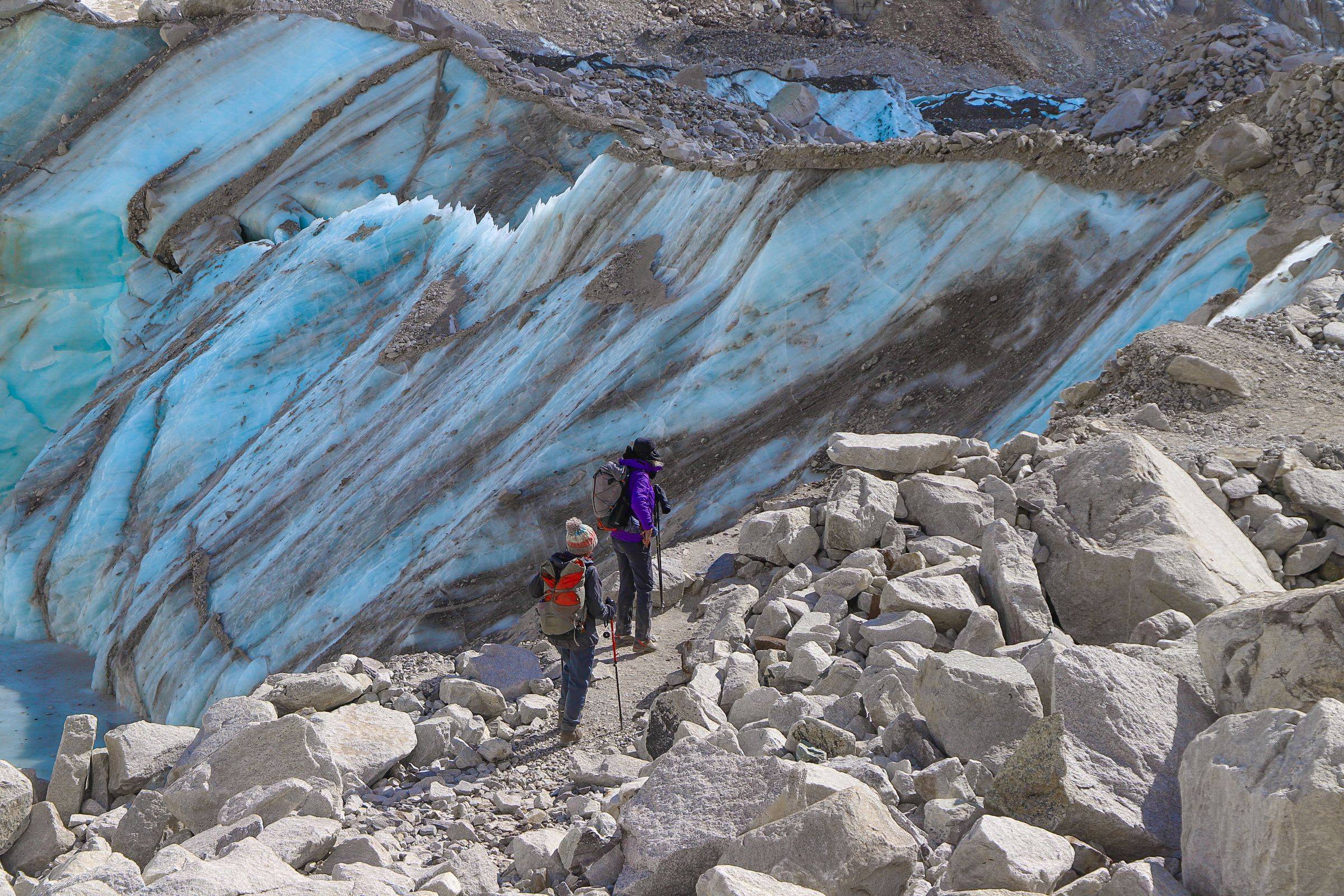
- Traverse glacier and moraine terrain around the Langtang Glacier
- Discover remote high-altitude lakes Dudh Pokhari, Tin Pokhari, and Panch Pokhari
- Experience true expedition-style trekking with full camping support
- Explore Tamang and Tibetan-influenced culture in Langtang Village and Kyanjin Gompa
- One of Nepal's most remote and least-crowded trekking routes
- Sample fresh, locally made yak cheese at Kyanjin Gompa's dairy
- A true off-the-beaten-path adventure for experienced, adventurous trekkers
Tilman Pass Trek Route Details – Langtang to Panch Pokhari via the Remote Himalayan Crossing
Include
- Airport pickup and drop-off in Kathmandu
- Hotel accommodation in Kathmandu (pre/post-trek nights, as per itinerary)
- Private jeep/vehicle transport (Kathmandu – Syabrubesi – Kathmandu / Chautara–Balefi return leg)
- Teahouse/lodge accommodation during Langtang Valley section (Days 1–5)
- Full camping accommodation and support crew during the remote expedition section (Days 6–13), including tents, kitchen crew, and camping equipment
- Full board meals throughout (breakfast, lunch, dinner) — teahouse meals in Langtang Valley, camp-cooked meals during the expedition section
- Experienced, licensed trekking guide with high-altitude/glacier crossing expertise
- Porter or yak/mule support for camping equipment and luggage
- All required permits (TIMS Card, Langtang National Park Entry Permit, local/restricted area permit for the Tilman Pass–Panch Pokhari section)
- Basic camping equipment (tents, kitchen tent, dining tent confirm sleeping mats/bags with operator)
- First aid kit and basic emergency oxygen/safety equipment
- Government taxes and agency service charges
Exclude
- International airfare to/from Nepal
- Nepal entry visa fees
- Personal trekking insurance, including high-altitude and emergency helicopter evacuation coverage (mandatory given the 5,320m technical pass crossing)
- Personal climbing/glacier gear (crampons, harness, ice axe confirm what's operator-provided vs. personal gear)
- Meals in Kathmandu outside of breakfast
- Personal expenses (snacks, drinks, laundry, etc.)
- Tips/gratuities for guide, porters, and camping crew
- Wi-Fi, charging, and hot shower fees where available (mostly unavailable during camping section)
- Emergency evacuation or rescue costs (covered by insurance, not tour price)
- Sleeping bag and sleeping mat (unless explicitly confirmed as operator-provided — flag this, since 4-season bags are often a personal item on expedition-style treks)
- Any additional costs from itinerary changes due to weather, snow conditions, or route closures at Tilman Pass
Tilman Pass Trek – 15 Days Itinerary
Your trek begins with a long but scenic drive out of the Kathmandu Valley, following the Pasang Lhamu Highway as it winds through the hills of Nuwakot and Rasuwa districts. The road descends into river valleys and climbs back over ridgelines, passing terraced farmland, roadside villages, and the confluence of the Trishuli and Bhote Koshi rivers, with road conditions growing progressively rougher the closer you get to Syabrubesi. This gateway town to the Langtang region sits at 1,672m, surrounded by forested hills, and serves as your last stop with reliable amenities before the trek proper begins. Overnight in a teahouse in Syabrubesi.
Leaving Syabrubesi, the trail crosses the Bhote Koshi River and enters Langtang National Park, following the Langtang Khola upstream through dense subtropical forest thick with rhododendron, oak, and bamboo. The path undulates along the riverbank, crossing several suspension bridges and passing through small settlements, with the occasional glimpse of red pandas or langur monkeys in the forest canopy for the fortunate. By afternoon you’ll reach Lama Hotel, a small cluster of lodges set deep in the forest at 2,670m, marking your first real elevation gain of the trek.
The trail continues climbing steadily out of the forest, with the vegetation gradually thinning as you gain altitude, revealing your first proper views of the Langtang Lirung massif towering above the valley. You’ll pass through Ghore Tabela, a former Tamang settlement, before entering more open pastureland dotted with chortens, mani walls, and prayer flags marking the increasingly Tibetan Buddhist cultural character of the upper valley. Langtang Village itself, tragically rebuilt after being destroyed in the 2015 earthquake-triggered avalanche, is a resilient community of Tamang and Tibetan-descent people, and this is a poignant, important stop for understanding both the culture and history of the region. Overnight in Langtang Village at 3,430m.
A shorter, gentler day compared to the climb into Langtang Village, the trail continues up the widening valley past yak pastures and small settlements, with the snow-capped peaks of Langtang Lirung (7,227m), Kimshung, and Yala Peak forming an increasingly dramatic backdrop. Kyanjin Gompa, a small settlement centered around a historic Buddhist monastery, sits at 3,700m and serves as the main hub for exploration deeper into the Langtang region, including cheese-making at the local dairy, considered some of the best yak cheese in Nepal. Overnight in Kyanjin Gompa.
A crucial rest day for acclimatization before pushing toward the higher, more remote sections of the trek ahead. Most trekkers use this day for an optional hike up Kyanjin Ri (around 4,600–5,000m depending on which viewpoint is chosen) or Tserko Ri (4,984m), both offering sweeping panoramic views of the Langtang range, Ganchenpo, and distant glimpses toward the Tibetan border. Alternatively, a gentler walk up to the Langtang Glacier or a visit to the monastery and cheese factory in the village offers lower-exertion acclimatization options. This day is essential given the altitude gains still to come over Tilman Pass.
Leaving the relative comfort of Kyanjin Gompa behind, the trail becomes noticeably wilder and less traveled as you head up-valley toward Langshisha Kharka, a seasonal yak-herding pasture used mostly in summer months. The path crosses moraine terrain and glacial streams, with the Langtang Glacier and its surrounding icefalls visible for much of the day, and traffic on the trail drops sharply — this marks your transition from the relatively well-trodden Langtang Valley trek onto the genuinely remote Tilman Pass route. Overnight camping or basic lodge accommodation at Langshisha Kharka.
Today’s shorter but steadily ascending trek takes you across rocky moraine fields and glacial debris left behind by the retreating Langtang Glacier, with the trail becoming increasingly rugged and route-finding more important. This is fully expedition-style trekking terrain now, with camping the primary accommodation option given the total absence of teahouses this deep into the valley. The base camp sits at 4,580m, surrounded by high peaks and glacial moraine, serving as a staging point for the approach to Tilman Pass itself.
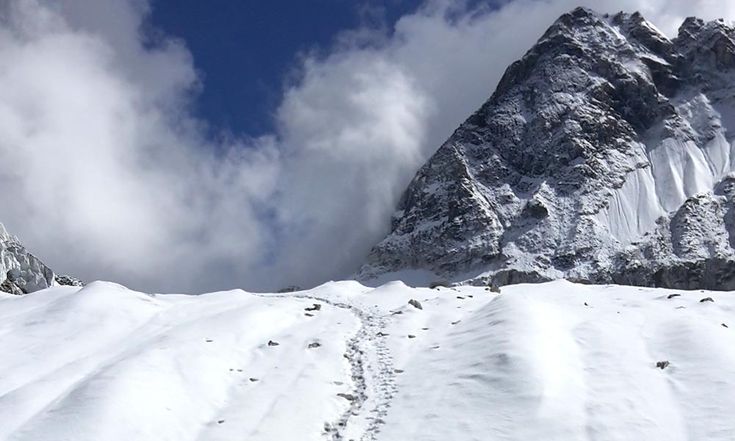
The trail continues climbing over increasingly technical moraine and rocky terrain, with the altitude now firmly in the range where acclimatization, pacing, and hydration become critical. Views open up toward the pass itself and the surrounding high peaks of the Langtang Himal, though the terrain offers little vegetation at this altitude — this is a stark, high-alpine environment of rock, ice, and scree. Camping at Tilman Pass Base Camp (4,850m) puts you in position for the crux of the entire trek the following day.
The most demanding and significant day of the trek: an early start to cross Tilman Pass at 5,320m, a challenging high-altitude pass named after the pioneering British mountaineer and explorer H.W. Tilman, who first explored this remote corridor between the Langtang and Rolwaling/Helambu regions in the 1940s.
The crossing involves glacier travel and potentially technical terrain depending on snow conditions, making a qualified, experienced guide essential this is not a pass to be attempted without proper mountaineering support. After the crossing, a long descent brings you to Dudh Pokhari, a high-altitude lake area, for a well-earned rest after one of the most physically and mentally demanding days of the entire route.
Having crossed the pass, today’s trek takes you down through a landscape of high alpine lakes Tin Pokhari (“Three Lakes”) being one of several sacred and scenic lake systems in this remote corner of Nepal. The descent brings noticeable relief from the thin air of the pass crossing, and the terrain gradually softens from bare rock and ice back toward alpine meadow and scrub vegetation.
The trail continues through this lake-studded high-altitude region toward Panch Pokhari (“Five Lakes”), a significant Hindu-Buddhist pilgrimage site in its own right (distinct from the Sindhupalchok Paanch Pokhari reached from Kathmandu directly). This remote version, reached only via this demanding trans-Himalayan route, sees very few visitors compared to its more accessible namesake, offering a genuinely off-the-beaten-path pilgrimage experience amid dramatic high-altitude scenery.
A shorter day allowing your body to continue adjusting after the sustained high-altitude stretch, the trail begins a more decisive descent, moving through changing terrain as you leave the highest sections of the trek behind. Nasimpati offers a relatively gentle overnight stop before the final push toward lower, forested terrain.
Continuing the descent, the trail passes through transitional terrain from high alpine pasture back into forested hillside, with yak kharkas (grazing pastures) dotting the route. The scenery softens considerably compared to the stark high-altitude sections of the trek, and trekkers typically feel a renewed burst of energy as oxygen levels increase with the drop in elevation.
The final trekking day brings you down out of the remote high country and back into inhabited hill villages, with Chautara or Balefi (in Sindhupalchok district) marking the point where the trek reconnects with road access. This is a day of noticeable cultural and environmental transition, from remote alpine wilderness back to the terraced hillsides and rural villages characteristic of Nepal’s mid-hills.
Your final day is a long but straightforward drive back to Kathmandu from Chautara or Balefi, retracing similar hill roads to those you departed on 15 days earlier, giving you time to reflect on what is genuinely one of Nepal’s most remote, technical, and rewarding trekking routes combining the well-known beauty of Langtang Valley with a true high-altitude wilderness crossing and a descent through rarely-visited pilgrimage lake country.
Video
Tilman Pass Trek Packing List – Essential Gear for a 15-Day High-Altitude Expedition
Clothing
- Down jacket (heavyweight, expedition-grade — essential above 4,500m)
- Waterproof/windproof hard-shell jacket and pants
- Insulated softshell or fleece jacket (mid-layer)
- Thermal base layers (multiple sets, top & bottom)
- Trekking pants (2–3 pairs)
- Moisture-wicking T-shirts/base tops
- Warm insulated hat/beanie
- Sun hat with neck cover
- Buff or neck gaiter
- Insulated gloves (heavyweight) + liner gloves
- Warm wool socks (multiple pairs) + liner socks
- Warm sleepwear for camp nights
Footwear
- Waterproof, insulated mountaineering-style trekking boots (well broken-in — critical for glacier/moraine terrain)
- Gaiters (for snow and scree)
- Microspikes or lightweight crampons (for Tilman Pass crossing, depending on conditions)
- Camp shoes/sandals for evenings
Trekking & Camping Gear
- Backpack (35–45L for daily use)
- Duffel bag for porter/yak transport
- 4-season sleeping bag (rated to at least -20°C given camping above 4,500m)
- Sleeping bag liner (added warmth/hygiene)
- Sleeping mat/insulated pad (if not provided by camping crew — confirm with operator)
- Trekking poles (essential for moraine and glacier terrain)
- Headlamp with spare batteries (critical for early pass-crossing start on Day 9)
- Basic climbing harness and glacier travel gear (if required — confirm with operator whether this is provided or personal gear)
Personal Care Items
- High-SPF sunscreen and lip balm (UV exposure is intense above 4,000m/on snow)
- Toothbrush, toothpaste, biodegradable soap, quick-dry towel
- Wet wipes and hand sanitizer (no washing facilities during camping section)
- Toilet paper/tissues
- Small quick-dry towel
Health & Safety
- Comprehensive first aid kit (with your guide, but personal basics recommended too)
- Personal medications
- Diamox or altitude sickness medication (doctor-prescribed)
- Painkillers, blister care, and basic wound supplies
- Water purification tablets or filter (backup to boiled water at camp)
Electronics & Accessories
- Mobile phone and charger
- Solar charger or high-capacity power bank (no charging facilities during camping days)
- Camera/GoPro
- Universal travel adapter
- Extra headlamp batteries
Optional but Recommended
- Energy bars, electrolyte tablets, and high-calorie snacks (limited food variety during remote camping days)
- Nepali Rupees in cash for tips and personal expenses
- UV-protection sunglasses (mandatory-level essential for glacier glare, not just optional)
- Small notebook or journal
- Earplugs (shared camping/lodge noise)
Two important flags for this specific trek:
- Technical glacier gear (crampons, harness, possibly an ice axe) — I’ve listed these as needed based on the pass’s technical nature, but you should confirm with the operator exactly what’s provided by the guide/crew versus what the trekker must bring personally, since this varies significantly by operator and season.
- Sleeping bag rating — because of extended camping above 4,500m with no teahouse warmth to fall back on, this is the single most important gear item to get right; a bag rated for milder treks like Poon Hill or even Paanch Pokhari would not be sufficient here.
Tilman Pass Trek – 15 Days FAQs
The Tilman Pass Trek is a remote, expedition-style 15-day trek in Nepal that crosses Tilman Pass (5,320m), linking the Langtang Valley to the Panch Pokhari and Helambu region. It’s named after H.W. Tilman, a British mountaineer and explorer who pioneered routes through this area in the 1940s.
It’s considered a strenuous, expedition-grade trek significantly harder than standard teahouse treks like Everest Base Camp or Annapurna Circuit. It involves glacier travel, moraine terrain, and a technical high-altitude pass crossing, so prior high-altitude trekking experience is strongly recommended.
While technical climbing skills aren’t mandatory, prior high-altitude trekking experience and a good level of fitness are essential. The pass crossing involves glacier travel, and a qualified guide with mountaineering expertise is required for safety.
No. This trek is not recommended for first-time trekkers. It’s better suited to experienced trekkers who have already completed at least one high-altitude trek (5,000m+) and are comfortable with multi-day camping in remote conditions.
Pricing typically scales with group size around $2,000 per person for solo trekkers, decreasing to roughly $1,750 per person for groups of 5–6, reflecting the shared cost of camping crew, guides, and logistics support.
Spring (March–May) and autumn (September–November) are best, offering stable weather and safer glacier/pass conditions. Monsoon (June–August) and peak winter (December–February) should be avoided due to snow instability and avalanche risk at the pass.
Typically a TIMS Card, Langtang National Park Entry Permit, and a local/restricted area permit for the remote Tilman Pass–Panch Pokhari section. Since this isn’t a standard commercial route, permit requirements should be confirmed directly with the operator.
It carries genuine risk due to the technical glacier crossing at 5,320m, remoteness, and limited rescue access. Risk is significantly reduced with an experienced guide, proper acclimatization, appropriate gear, and travel insurance that covers high-altitude evacuation.
The standard itinerary is 15 days from Kathmandu back to Kathmandu, including acclimatization and the Langtang Valley approach before and after the pass crossing.
Both the start and end point is Kathmandu, with the trek beginning via a drive to Syabrubesi and ending with a drive back from Chautara or Balefi in Sindhupalchok district.
The highest point is Tilman Pass itself at 5,320 meters.
Yes — while the Langtang Valley section (Days 1–5) uses teahouses, the remote middle section (roughly Days 6–13) requires full camping support, including tents and a dedicated camping crew, since there are no teahouses in this stretch.
Yes, significantly — the trek spends multiple days above 4,500m, with the pass itself at 5,320m. Proper acclimatization days, slow ascent, hydration, and awareness of AMS symptoms are essential.
The Langtang Valley Trek typically ends at Kyanjin Gompa (3,700m) as a standard teahouse trek. Tilman Pass Trek uses the same starting route but continues far beyond it into remote, technical, high-altitude terrain requiring camping and mountaineering support — making it a much longer and more demanding expedition.
No — due to the technical glacier crossing, remote and unmarked terrain, and lack of any rescue infrastructure in the middle section, a licensed, experienced guide is essential and typically required by regulation for this type of route.
This is a different, more remote Panch Pokhari (Five Lakes) site reached only via this trans-Himalayan crossing — distinct from the more accessible Paanch Pokhari trek that starts directly from Kathmandu via Chautara/Bhotang.
Reviews
No reviews found.