

Bhairav Kunda Trek 10 Days
Destination:
Bhairav Kunda (Sindhupalchok, Nepal)
Trip Duration:
10 Days
Max Altitude:
4,250m (Bhairav Kunda Lake)
Activities:
Trekking, hiking, cultural village visit, camping, pilgrimage experience, mountain viewing
Start Point:
Kathmandu (drive to Jalbire)
Ending Point:
Kathmandu (via Larche)
Region:
Langtang Region / Jugal Himal / Sindhupalchok
Trip Grade:
Moderate to Challenging
Group Size:
1–12 persons (typical guided group)
Accomodation:
Teahouse (lower section), camping (higher section)
Meals:
Breakfast, Lunch, Dinner (Nepali/trekking meals)
Transportation:
Private jeep / bus (Kathmandu–Jalbire–Larche–Kathmandu)
Permits Required:
TIMS Card, Langtang National Park Permit
Best Season:
Spring (March–May), Autumn (September–November)
Bhairav Kunda Trek
The Bhairav Kunda Trek is a hidden Himalayan journey in Nepal that combines remote trekking adventure, natural wilderness, and deep spiritual significance in a single route. Located in the Sindhupalchok district near the Langtang and Jugal Himal ranges, this trek leads toward the sacred alpine lake known as Bhairav Kunda, a pilgrimage site associated with Lord Shiva’s fierce manifestation, Bhairav. Unlike commercial trekking routes such as Everest or Annapurna, this trail remains relatively untouched, offering a raw and authentic Himalayan experience close to Kathmandu.
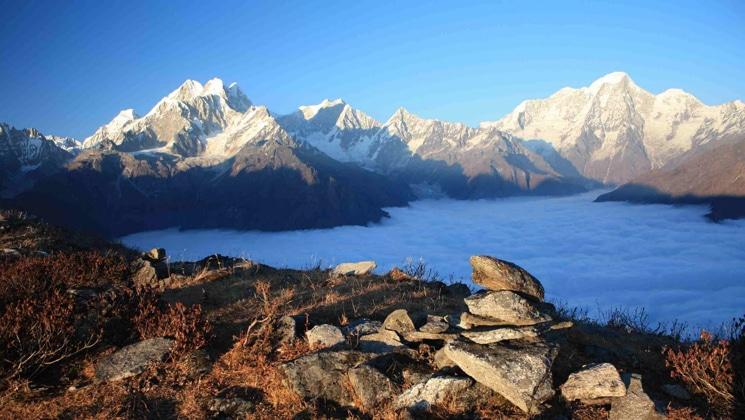
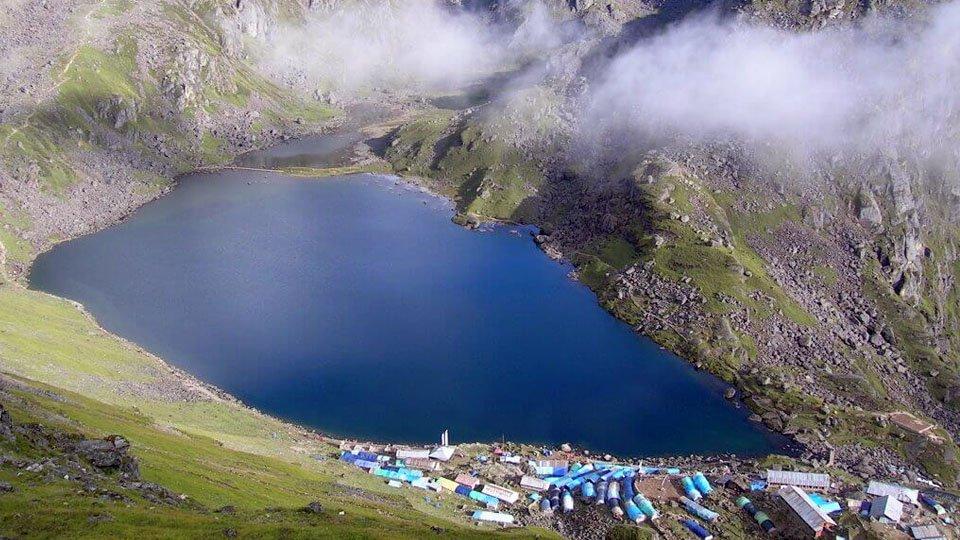
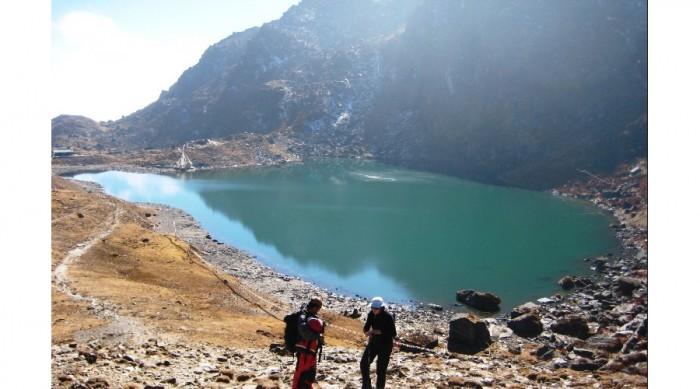
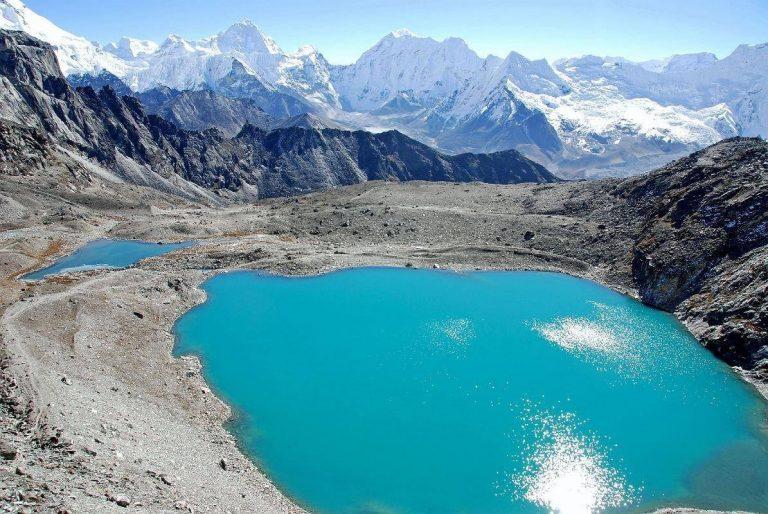
The highlight of the journey is the Bhairav Kunda lake trek Nepal, where trekkers reach a high-altitude glacial lake surrounded by dramatic mountain scenery, including views of Dorje Lakpa and surrounding Himalayan peaks. The experience is not only physically rewarding but also spiritually meaningful, as the lake is considered sacred by Hindu pilgrims who believe it holds purifying powers.
A Hidden Himalayan Escape Near Kathmandu
One of the most remarkable aspects of the Bhairav Kunda trek from Kathmandu is its accessibility. Within a short drive from the capital, the landscape transforms from urban valleys to steep hills, river gorges, and remote mountain settlements. This quick transition makes it one of the most convenient high-altitude trekking experiences in Nepal while still feeling extremely remote and wild.
The region remains less commercialized compared to other trekking destinations, which means fewer crowds, simpler infrastructure, and a stronger connection with nature. Trekkers pass through traditional villages where daily life continues in a very traditional way, shaped by agriculture, livestock, and mountain culture.
The Bhairav Kunda Trekking Route Experience
The Bhairav Kunda trekking route offers a gradual but diverse ascent through multiple ecological and cultural zones. The lower section begins with terraced farmland, small rivers, and scattered settlements. As the trail climbs higher, it enters dense forests filled with rhododendron, oak, and pine trees, creating a peaceful and immersive natural environment.
Further up, the landscape shifts dramatically into alpine terrain with open ridgelines, rocky paths, and panoramic Himalayan views. This transition from green mid-hills to barren high-altitude landscapes is one of the most striking features of the trek. The final section toward Bhairav Kunda is steep and remote, requiring physical endurance and proper acclimatization.
Spiritual Importance – Bhairav Kunda Pilgrimage Trek
The Bhairav Kunda pilgrimage trek holds strong religious importance in Hindu culture. The lake is dedicated to Lord Bhairav, a powerful form of Lord Shiva, and is believed to be a sacred site where devotees come to seek blessings and purification.
During special occasions such as Janai Purnima, the area becomes a pilgrimage destination where both locals and visitors gather for ritual bathing and worship. This spiritual atmosphere adds a unique dimension to the trekking experience, where natural beauty and religious devotion exist side by side.
The lake itself sits quietly in a high mountain basin, surrounded by rugged peaks and silence, creating a deeply peaceful and reflective environment that leaves a lasting impression on visitors.
Culture, Nature, and Remote Himalayan Life
Beyond its spiritual value, the trek also offers rich cultural encounters. The route passes through villages inhabited by ethnic communities such as Tamang and Sherpa groups, where traditional Himalayan lifestyles are still preserved. Stone houses, prayer flags, small monasteries, and farming terraces define the cultural landscape of the region.
The natural environment is equally diverse. Lower elevations feature subtropical vegetation, while mid-altitudes are dominated by dense forests. Higher regions transition into alpine grasslands and rocky terrain, offering trekkers a complete ecological journey within a relatively short trekking duration.
Unique Himalayan Adventure Experience
The Bhairav Kunda trekking route is ideal for trekkers seeking a combination of adventure, solitude, and cultural depth. Unlike heavily crowded trails, this route offers a sense of isolation and wilderness, where trekkers often walk long stretches without encountering large groups.
Camping is common in higher sections due to limited accommodation, adding a more adventurous and expedition-style feel to the journey. The changing weather conditions, steep ascents, and remote environment make it a moderately challenging trek suitable for those with basic trekking experience.
Despite its difficulty, the reward is immense—uninterrupted Himalayan views, peaceful landscapes, and a rare opportunity to explore one of Nepal’s lesser-known sacred destinations.
Trekking Similar to Bhairav Kunda Trek
- Annapurna Circuit Trek: 15 Night – 16 Days
- Manaslu Circuit trek-14N/15D
- Everest Base Camp Trek- 12 Days/ 11 Night
Nepal Pilgrimage & Cultural Tours
- Buddhist Pilgrimage Tour 6 Nights / 7 Days
- Kathmandu, Pokhara & Muktinath 7 Nights / 8 Days
- 8 Days Culture, Wildlife & Heritage of Nepal
- Mani Rimdu Festival in Everest Region 11 Nights / 12 Days
- 1-Day Kathmandu UNESCO Heritage Tour with Complimentary Nagarkot Sunrise & Rani Jhula
Final Thoughts
The Bhairav Kunda Trek stands as one of Nepal’s most underrated yet rewarding trekking experiences. It combines the thrill of high-altitude adventure with deep spiritual significance and authentic cultural immersion. From the quiet villages of Sindhupalchok to the sacred waters of Bhairav Kunda lake, every stage of the journey offers a unique perspective on Nepal’s Himalayan beauty.
Whether approached as a Bhairav Kunda lake trek Nepal, a cultural exploration, or a Bhairav Kunda pilgrimage trek, this route delivers a rare balance of nature, spirituality, and adventure. Its proximity to Kathmandu, combined with its remote and untouched character, makes it a perfect choice for trekkers seeking something different from mainstream Himalayan routes.
Bhairav Kunda Trek 10 Days Highlights
- Sacred alpine lake Bhairav Kunda (4,250m) with strong religious significance linked to Lord Shiva (Bhairav form)
- One of the least crowded hidden treks near Kathmandu
- Stunning Himalayan views of Dorje Lakpa, Jugal Himal, and surrounding peaks
- Authentic experience of remote Tamang and Sherpa villages
- Combination of pilgrimage + adventure trekking in one route
- Dense rhododendron and pine forests with rich biodiversity
- Camping experience in high-altitude wilderness zones
- Close proximity to Kathmandu yet feels completely remote and wild
- Opportunity to experience Janai Purnima pilgrimage festival atmosphere (seasonal)
- Gradual ascent from green hills to dramatic alpine landscapes in a short duration
Bhairav Kunda Trek Route Description
Include
- Airport pick-up and drop in Kathmandu
- Kathmandu to Jalbire and Larche to Kathmandu ground transportation
- Licensed trekking guide throughout the trek
- Required trekking permits (Langtang National Park Permit, TIMS card)
- Teahouse accommodation in lower sections of the trek
- Camping arrangements in higher altitude sections (tents, mattresses, basic kitchen setup)
- All meals during the trekking period (breakfast, lunch, dinner)
- Porter service (usually 1 porter for 2 trekkers, depending on package)
- First aid medical kit carried by guide
- Government taxes and service charges
Exclude
- International airfare to and from Nepal
- Nepal entry visa fees
- Meals in Kathmandu (breakfast, lunch, dinner in city stay)
- Personal trekking equipment (boots, jacket, sleeping bag, etc.)
- Travel insurance (mandatory but not included)
- Alcoholic beverages, soft drinks, snacks, and extra food items
- Hot showers, Wi-Fi, and device charging fees in teahouses
- Personal expenses (laundry, phone calls, shopping, etc.)
- Tips for guide and porter (customary but not included)
- Emergency evacuation or helicopter rescue if required
- Any costs arising from unforeseen circumstances (weather delays, route changes, etc.)
Bhairav Kunda Trek 10 Days Itinerary
Your journey begins early in the morning from Kathmandu with a drive heading northeast along the Arniko Highway, one of Nepal’s historic trade routes connecting to Tibet. The road gradually leaves the busy valley behind and follows the Sunkoshi River, offering continuous views of flowing water, terraced hillsides, and traditional settlements perched along the slopes.
The drive is both scenic and culturally immersive, as you pass small towns, roadside markets, and glimpses of rural life. After approximately 5–6 hours, depending on road conditions, you arrive at Jalbire. This peaceful village serves as the gateway to the Bhairav Kunda trek. In the evening, you can take a short walk around the village, observe local farming practices, and enjoy a quiet night in a basic lodge while preparing mentally and physically for the trek.
The first day of trekking is relatively easy and acts as a warm-up for the days ahead. After breakfast, you begin walking through terraced farmlands where locals cultivate crops like maize, millet, and vegetables. The trail is well-defined and passes through small villages where you can observe daily life, interact with locals, and experience the hospitality of rural Nepal.
Along the way, you will cross suspension bridges over streams and rivers, adding a touch of adventure to the day. The path gradually ascends but remains comfortable, allowing your body to adjust to trekking conditions. After about 4–5 hours, you reach Chanaute, a small settlement surrounded by greenery. Overnight accommodation is typically in a simple teahouse, where you can enjoy a warm meal and rest.
Today’s trek introduces more elevation gain and a noticeable shift in both landscape and culture. The trail becomes steeper in sections as you move away from lowland farming areas and enter forested terrain. You will pass through villages influenced by Tamang and Sherpa communities, where Buddhist culture, prayer flags, and traditional stone houses become more visible.
The walk involves a mix of gradual ascents and occasional challenging climbs, taking around 5–6 hours. As you approach Khani Gaun, the views open up, revealing surrounding hills and distant snow-capped peaks on clear days. Khani Gaun is a scenic village located on a ridge, offering a peaceful environment and a perfect place to rest. The evening is ideal for enjoying mountain views and preparing for higher altitude trekking.
This day is essential for proper acclimatization before heading into higher altitudes. Instead of complete rest, light activities are recommended. You can hike to nearby viewpoints above the village to gain altitude and then return, following the principle of “climb high, sleep low.” This helps your body adapt to reduced oxygen levels.
You may also explore the village, visit monasteries, or interact with local families to learn about their traditions and lifestyle. The slower pace allows you to conserve energy while reducing the risk of altitude sickness. Spending an extra night here greatly increases the safety and comfort of the overall trek.
Leaving Khani Gaun behind, the trail enters a dense forest dominated by rhododendron, oak, and pine trees. This section feels more remote and untouched, with fewer signs of human settlement. The climb becomes more sustained and physically demanding, requiring steady pacing and hydration.
During spring, the rhododendron forest blooms with vibrant colors, making the trek especially beautiful. Wildlife such as birds and small mammals may occasionally be spotted. After 5–6 hours of trekking, you arrive at Forest Camp, a basic stop with minimal facilities. The surroundings are quiet and isolated, providing a true wilderness experience. Overnight stay is often in simple shelters or tents.
Today’s trek marks a significant transition from forest to alpine landscape. As you ascend, trees gradually disappear, replaced by shrubs, grasslands, and rocky terrain. The trail often follows ridgelines, offering expansive views of the surrounding valleys and distant Himalayan peaks. The air becomes thinner, and temperatures drop noticeably, especially with wind exposure.
The climb is steady and requires careful pacing to avoid exhaustion. After 5–6 hours, you reach Pati, a high-altitude grazing area used by locals during certain seasons. Accommodation here is typically camping due to the lack of permanent lodges. The night can be very cold, so proper gear is essential.
This is the most rewarding yet physically demanding day of the trek. The trail is steep, rugged, and sometimes narrow, requiring focus and careful movement. As you climb higher, the environment becomes more barren and dramatic, with rocky slopes and panoramic mountain views. After about 4–5 hours, you reach Bhairav Kunda, a sacred alpine lake believed to be associated with Lord Shiva.
The lake sits quietly amidst the mountains, creating a peaceful and spiritual atmosphere. On clear days, you can enjoy stunning views of peaks like Dorje Lakpa and the Jugal Himal range. Pilgrims visit this site during Janai Purnima, adding cultural significance. You will spend time exploring the lake area before settling into camp near the shore.
After experiencing sunrise at the lake, you begin a long descent. The return journey takes a slightly different route, allowing you to experience new landscapes. The trail drops quickly in altitude, which makes breathing easier but can be tough on the knees. You pass through alpine ridges before re-entering forested areas and greener terrain. The descent takes around 5–6 hours and brings you to Sherpa Gaon, a culturally rich village with better facilities. The warmer climate and thicker air provide relief after the high-altitude environment.
Today’s trek is more relaxed and enjoyable, following a descending trail through forests, riversides, and small settlements. The path includes gentle slopes and occasional steeper sections but is generally easier compared to earlier days. Along the way, you may encounter natural hot springs (Tatopani), where trekkers often stop to relax and soothe tired muscles.
The journey takes about 5–6 hours, ending at Larche. This is your final night in the trekking region, where you can celebrate the completion of the adventure.
On the final day, you leave the mountains behind and drive back to Kathmandu. The journey takes approximately 5–6 hours, following the same scenic route along the Sunkoshi River. As you return to the city, you carry memories of remote landscapes, cultural encounters, and the spiritual experience of Bhairav Kunda. The trek officially concludes upon arrival in Kathmandu.
Video
Bhairav Kunda Trek Packing List
Clothing (Layering System)
- Thermal base layers (top & bottom)
- Fleece jacket or warm mid-layer
- Down jacket (essential for high altitude nights)
- Waterproof/windproof jacket
- Trekking pants (2 pairs)
- Warm hat/beanie
- Sun hat or cap
- Gloves (light + warm pair)
- Moisture-wicking t-shirts
Footwear
- Waterproof trekking boots (well broken-in)
- Light camp shoes or sandals
- Warm trekking socks (4–6 pairs)
- Inner liner socks (optional for comfort)
Trekking Gear
- Backpack (30–50L for personal use)
- Duffel bag (for porter use if applicable)
- Sleeping bag (rated -10°C to -15°C recommended)
- Trekking poles (very useful for descent)
- Rain cover for bag
Personal Essentials
- Sunscreen (SPF 30+)
- Lip balm (high SPF)
- Sunglasses (UV protection)
- Toiletries (toothbrush, toothpaste, wet wipes)
- Quick-dry towel
- Hand sanitizer and tissue paper
Health and Safety
- Basic first aid kit
- Altitude sickness medication (consult a doctor)
- Painkillers and personal prescription medicines
- ORS / electrolyte powder
- Blister plasters
Electronics
- Headlamp with extra batteries
- Power bank (10,000–20,000 mAh)
- Charging cable
- Camera or smartphone
Snacks and Energy
- Energy bars / protein bars
- Dry fruits and nuts
- Chocolate or glucose sweets
- Electrolyte drink mix
Documents
- Passport / ID copy
- TIMS card (if required)
- Langtang National Park Permit
- Travel insurance (recommended)
Optional Items
- Binoculars
- Lightweight sleeping liner
- Dry bag for valuables
- Notebook and pen
Bhairav Kunda Trek 10 Days FAQs
Bhairav Kunda is located in the Sindhupalchok district of Nepal, northeast of Kathmandu, near the Jugal Himal range close to the Tibetan border.
The trek is considered moderate to challenging. It involves steep ascents, remote trails, and high altitude hiking up to 4,250 meters.
The best seasons are spring (March–May) and autumn (September–November) when the weather is stable and mountain views are clear.
A standard itinerary takes around 8 to 10 days, depending on the pace and route variation.
The highest point is Bhairav Kunda Lake at approximately 4,250 meters above sea level.
Yes, a guide is highly recommended because the trail is remote, less marked, and passes through forest and high alpine terrain.
Yes, trekkers need a Langtang National Park Permit and a TIMS card to complete the trek legally.
Teahouses are available in lower villages, but camping is required in higher sections like Forest Camp, Pati, and near Bhairav Kunda.
Basic Nepali trekking meals such as dal bhat, noodles, rice, vegetables, eggs, and simple soups are available.
Yes, there is a risk above 3,000 meters, especially near Bhairav Kunda. Proper acclimatization and slow ascent are important.
You travel by road from Kathmandu (5–6 hours) to Jalbire, which is the main trekking starting point.
No, it is a quiet and less commercialized trekking route compared to Everest or Annapurna regions.
It combines natural beauty, spiritual significance, remote Himalayan landscapes, and cultural village experiences in one route.
Fit beginners can do it with proper preparation, but it is better suited for trekkers with some prior hiking experience.
Yes, camping is usually required in higher sections due to limited or no lodge facilities.
Reviews
No reviews found.