
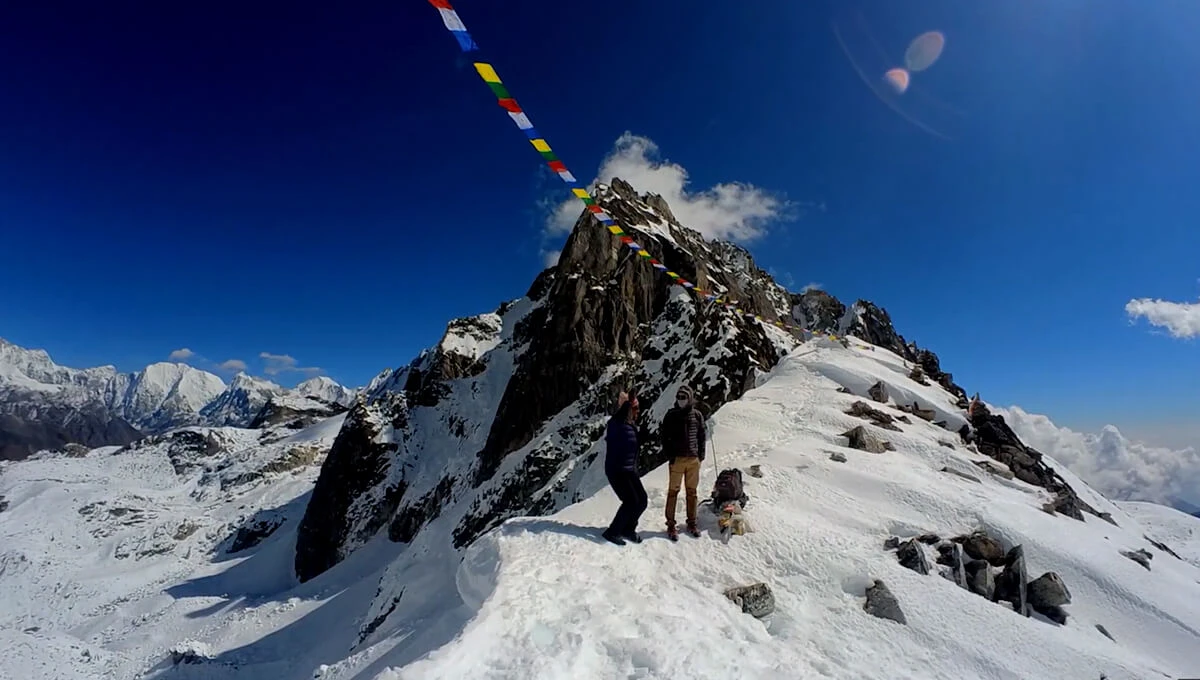
Ganja La Pass Trek 13 Days – Langtang to Helambu Adventure
Destination:
Nepal
Trip Duration:
13 Days
Max Altitude:
5,122 meters (Ganja La Pass)
Activities:
Trekking, hiking, high mountain pass crossing, cultural exploration, sightseeing
Start Point:
Kathmandu
Ending Point:
Kathmandu
Region:
Langtang Region & Helambu Region
Trip Grade:
Strenuous / Challenging
Group Size:
Min 2 – Max 10 people
Accomodation:
Hotel in Kathmandu; tea houses and camping during the trek
Meals:
Breakfast in Kathmandu; full board meals (Breakfast, Lunch, Dinner) during the trek
Transportation:
Private vehicle / local jeep (Kathmandu – Syabrubesi – Kathmandu)
Permits Required:
Langtang National Park Entry Permit & TIMS (Trekkers’ Information Management System) Card
Best Season:
Spring (March–May) and Autumn (September–November)
Ganja La Pass Trek – Ultimate High Pass Trek in Langtang Region Nepal
The Ganja La Pass Trek is one of the most demanding and rewarding high-altitude trekking experiences in Nepal. Known for its raw wilderness and technical challenge, the Ganja La Pass Trek in Nepal offers a rare opportunity to explore a less-traveled Himalayan route that combines adventure, isolation, and dramatic landscapes.
Positioned in the Langtang region, this trek is ideal for trekkers who are seeking a challenging trekking route in Nepal with a high mountain pass. Unlike more commercialized trails, the Langtang Ganja La Pass Trek remains relatively untouched, providing an authentic experience far from crowded trekking corridors.
Ganja La Pass Trek in Nepal for Experienced Trekkers
The Ganja La Pass Trek in Nepal is specifically designed for experienced trekkers who are comfortable with high altitudes and physically demanding conditions. This is not a beginner-friendly route, as it involves extended trekking days, steep ascents, and exposure to rugged terrain.
Trekkers attempting the Langtang Ganja La Pass Trek should be well-prepared for both physical and mental challenges. The trek requires endurance, adaptability, and the ability to handle rapidly changing weather conditions. Those who have prior experience in Himalayan trekking will find this route both challenging and deeply satisfying.
Langtang Ganja La Pass Trek Experience and Landscape Diversity
One of the defining features of the Langtang Ganja La Pass Trek is its incredible diversity of landscapes. The journey takes trekkers through multiple ecological zones, each offering a unique environment and visual experience.
Lower sections of the trail are characterized by dense forests, flowing rivers, and rich biodiversity. As the altitude increases, the terrain transforms into alpine meadows, rocky ridgelines, and glacial surroundings. This dramatic shift in scenery makes the Ganja La Pass Trek one of the most visually diverse trekking routes in Nepal.
The sense of progression from green valleys to high mountain terrain creates a powerful and immersive trekking experience that few routes can match.
Remote Trekking Experience in Langtang Region with Pass Crossing
For those seeking solitude, the remote trekking experience in Langtang region with pass crossing is one of the biggest attractions of this trek. Unlike mainstream routes, the Ganja La trail sees fewer trekkers, allowing for a more peaceful and undisturbed journey.
This remoteness also means that trekkers must be more self-reliant and prepared. The trail beyond the main Langtang Valley becomes increasingly isolated, requiring careful planning and proper support.
The Ganja La Pass Trek offers a true sense of exploration, making it ideal for adventurers who want to step away from heavily trafficked trekking routes and experience the Himalayas in a more authentic way.
High Altitude Challenge on Ganja La Pass Trek Nepal
The high altitude trekking route in Nepal like Ganja La Pass Trek presents significant challenges due to its elevation. Trekking at altitudes above 5,000 meters requires proper acclimatization and awareness of altitude-related risks.
The reduced oxygen levels at higher elevations can affect physical performance and overall comfort. Trekkers must pace themselves carefully and allow their bodies time to adjust. The ability to manage altitude effectively is a key factor in successfully completing the Ganja La Pass Trek in Nepal.
Despite these challenges, the high-altitude environment also provides some of the most stunning views and memorable moments of the trek.
Cultural Encounters on Langtang Ganja La Pass Trek
In addition to its natural beauty, the Langtang Ganja La Pass Trek offers meaningful cultural experiences. The region is home to communities with strong Tibetan influences, and trekkers have the opportunity to observe traditional lifestyles that have remained largely unchanged for generations.
Local villages along the trail provide insight into mountain life, including agriculture, livestock herding, and spiritual practices. Monasteries and prayer flags are common sights, adding a spiritual dimension to the trekking experience.
The cultural richness of the Ganja La Pass Trek enhances the journey, making it more than just a physical adventure.
Physical Preparation for Ganja La Pass Trek in Nepal
Preparing for the Ganja La Pass Trek in Nepal requires a strong focus on physical fitness and endurance. Trekkers should engage in regular cardiovascular training, strength exercises, and long-distance hiking before attempting the trek.
Building stamina is essential, as the trek involves consecutive days of walking at high altitude. Mental preparation is equally important, as the remote and challenging nature of the trek can test resilience.
Those who prepare thoroughly will find the Langtang Ganja La Pass Trek to be a rewarding and achievable goal.
Weather Conditions on Ganja La Pass Trek Nepal
Weather plays a crucial role in the overall experience of the Ganja La Pass Trek Nepal. Conditions can change rapidly, especially at higher elevations, where strong winds, snow, and temperature drops are common.
Trekkers should be prepared for a wide range of weather conditions, from mild temperatures in lower regions to freezing conditions near the pass. Proper timing and flexibility in the itinerary can help ensure a safer trekking experience.
Understanding weather patterns is an important aspect of planning a successful Ganja La Pass Trek in Nepal.
Mental Rewards of Completing Ganja La Pass Trek
Completing the Ganja La Pass Trek is not just a physical achievement, it is also a deeply rewarding mental experience. The challenges faced along the trail build confidence, resilience, and a strong sense of accomplishment.
Reaching and crossing the high pass is a significant milestone that represents determination and perseverance. The sense of achievement gained from completing the Langtang Ganja La Pass Trek stays with trekkers long after the journey ends.
Why Ganja La Pass Trek is a True Adventure Trek in Nepal
The Ganja La Pass Trek in Nepal stands out as a true adventure trek due to its combination of difficulty, remoteness, and natural beauty. It is not designed for casual trekkers but for those who are willing to push their limits and embrace the challenges of high-altitude trekking.
This trek offers a rare opportunity to experience the Himalayas in their purest form. From remote trails to high mountain passes, every aspect of the journey contributes to a sense of exploration and discovery.
For those seeking a challenging Himalayan trek in Nepal above 5000 meters, the Ganja La Pass Trek is one of the most rewarding choices available.
Trekking Similar to Ganja La Pass Trek
- Annapurna Circuit Trek: 15 Night – 16 Days
- Manaslu Circuit trek-14N/15D
- Everest Base Camp Trek- 12 Days/ 11 Night
Nepal Pilgrimage & Cultural Tours
- Buddhist Pilgrimage Tour 6 Nights / 7 Days
- Kathmandu, Pokhara & Muktinath 7 Nights / 8 Days
- 8 Days Culture, Wildlife & Heritage of Nepal
- Mani Rimdu Festival in Everest Region 11 Nights / 12 Days
- 1-Day Kathmandu UNESCO Heritage Tour with Complimentary Nagarkot Sunrise & Rani Jhula
Final Experience of Ganja La Pass Trek in Nepal
The Ganja La Pass Trek in Nepal is a demanding yet incredibly fulfilling trekking experience. It combines high-altitude adventure, cultural depth, and natural beauty into one unforgettable journey.
With its remote trails, diverse landscapes, and technical challenges, the Langtang Ganja La Pass Trek is best suited for experienced trekkers who are looking for something beyond the ordinary.
If your goal is to take on a remote trekking route in Nepal with a high mountain pass, this trek offers the perfect balance of challenge and reward, making it one of the most unique adventures in the Himalayas.
Ganja La Pass Trek 13 Days – Langtang to Helambu Adventure Highlights
- Cross the challenging Ganja La Pass (5,122m), one of the most adventurous high passes in Nepal
- Explore the stunning Langtang Valley, surrounded by himalayan peaks and glaciers
- Visit the sacred Kyangjin Gompa, a spiritual and scenic highlight of the trek
- Experience a mix of teahouse and camping trekking in remote Himalayan terrain
- Enjoy breathtaking views of Langtang Lirung, Dorje Lakpa, and Gangchempo
- Trek through diverse landscapes from dense forests to alpine meadows and high passes
- Discover the unique culture of Tamang and Sherpa communities
- Walk through the peaceful and less crowded Helambu region
- Witness dramatic scenery changes from high mountains to green hills and terraced fields
- Perfect for experienced trekkers seeking a remote and off-the-beaten-path adventure
Ganja La Pass Trek Route – Langtang to Helambu Trail
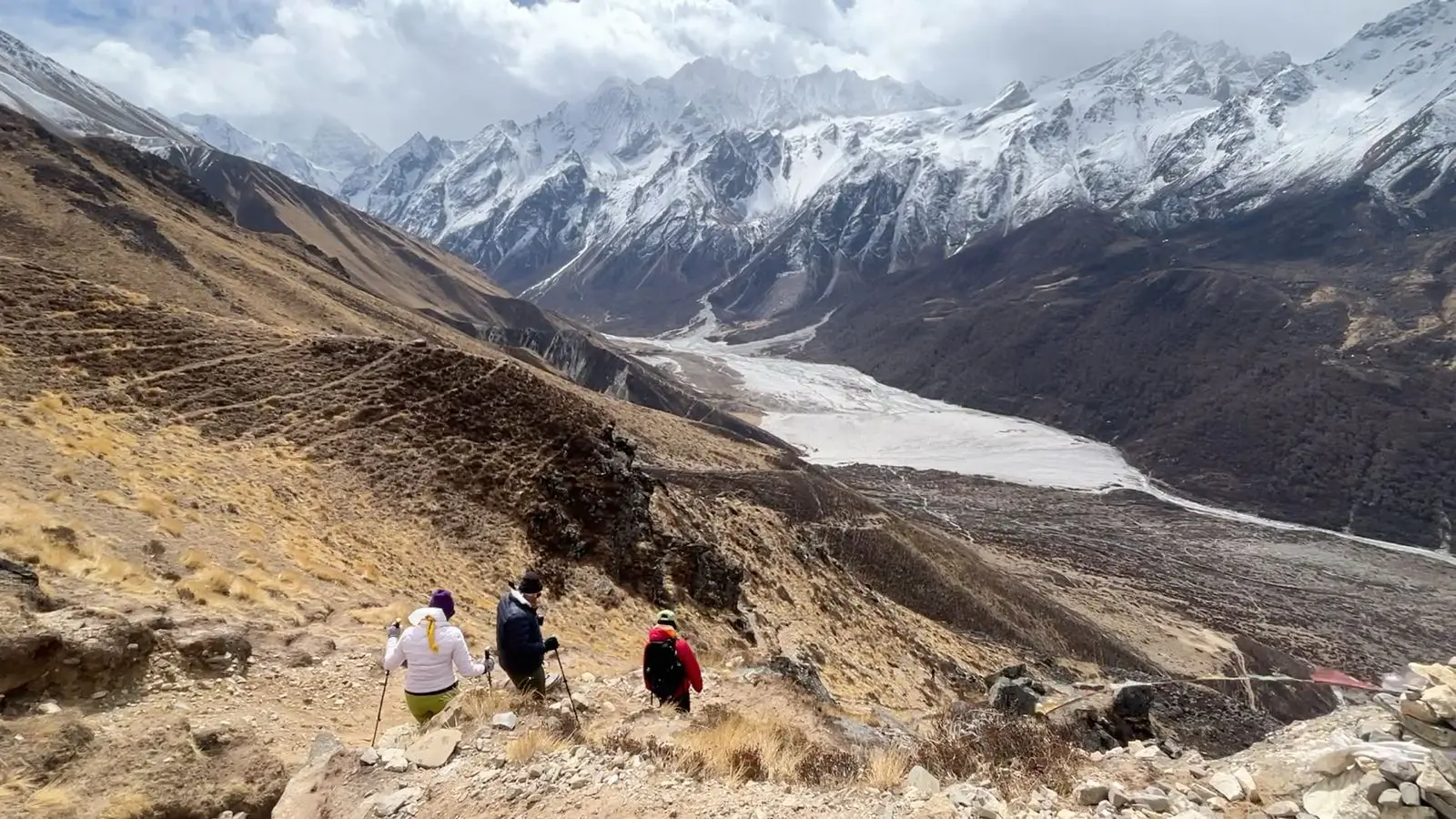
The Ganja La Pass Trek begins with a scenic drive from Kathmandu to Syabrubesi, the gateway to the Langtang region. The trail follows the beautiful Langtang River through dense forests of rhododendron and bamboo, gradually ascending to Lama Hotel and then to Langtang Village. As you move higher, the landscape opens into wide alpine valleys with spectacular views of snow-capped peaks.
The journey continues to Kyangjin Gompa, a culturally rich and spiritually significant village surrounded by towering mountains. After an acclimatization day, the route becomes more remote and rugged as you head towards Ganja La Phedi. Crossing the challenging Ganja La Pass (5,122m) is the most demanding yet rewarding part of the trek, offering breathtaking panoramic views of the Himalayan range.
After the pass, the trail descends into the less-traveled Helambu region, passing through remote settlements like Keldang, Dukpu, and Tarke Gyang. The route then continues through beautiful forests, terraced fields, and traditional villages before reaching Melamchi Bazaar. A drive back to Kathmandu marks the end of this adventurous and diverse trekking experience.
Include
- Airport pickup and drop-off in Kathmandu (private vehicle)
- Hotel accommodation in Kathmandu (2 nights, standard category with breakfast)
- Kathmandu to Syabrubesi and return transportation by private vehicle or jeep
- Licensed and experienced trekking guide (government registered)
- Porter service (1 porter for 2 trekkers, carrying up to 20–25 kg)
- All meals during the trek (Breakfast, Lunch, and Dinner)
- Tea house accommodation in Langtang region (twin sharing basis)
- Camping arrangement during Ganja La Pass section (tents, kitchen, staff)
- Trekking permits: Langtang National Park Entry Permit & TIMS (Trekkers’ Information Management System) Card
- Sleeping bag and down jacket (if provided by agency, return after trek)
- First aid kit carried by the guide
- Government taxes and service charges
Exclude
- International airfare to and from Nepal
- Nepal entry visa fees
- Travel insurance (must include high-altitude trekking and emergency evacuation)
- Personal expenses (laundry, phone calls, Wi-Fi, battery charging, hot showers)
- All beverages (hot, cold, alcoholic drinks)
- Meals in Kathmandu (except breakfast)
- Personal trekking equipment (boots, clothing, etc.)
- Tips for guide and porter (expected but not mandatory)
- Extra costs due to unforeseen circumstances (weather delays, landslides, itinerary changes)
- Emergency rescue and evacuation costs (covered by insurance)
Ganja La Pass Trek 13 Days – Langtang to Helambu Adventure Itinerary
Upon your arrival at Tribhuvan International Airport, you will be warmly welcomed by your trekking representative and transferred to your hotel in Kathmandu. As you drive through the bustling streets, you will immediately notice the blend of ancient heritage and modern chaos that defines Nepal’s Capital. After hotel check-in, you can take time to rest after your journey or explore nearby areas like Thamel, a lively tourist hub filled with trekking shops, restaurants, cafes, and local handicrafts.
In the evening, your guide will conduct a detailed briefing session about the Ganja La Pass Trek, including route overview, altitude challenges, safety precautions, and equipment preparation. This is also a great time to ask questions and finalize any last-minute gear rentals. Overnight stay at a hotel in Kathmandu.
After an early breakfast, you begin your long yet scenic drive from Kathmandu to Syabrubesi, the starting point of your trek in the Langtang region. The journey takes around 7 to 8 hours, depending on road conditions, and follows winding mountain roads alongside the Trishuli River. Along the way, you will pass through small roadside towns, terraced farms, lush hills, and occasional glimpses of snow-capped peaks in the distance.
The road becomes more rugged as you approach the higher hills, offering a true sense of adventure even before the trek begins. You will also witness rural Nepalese life, with farmers working in fields and children walking along village paths. Upon reaching Syabrubesi, a small but lively village, you will check into a local teahouse, relax, and prepare mentally and physically for the trekking journey ahead.
Today marks the official start of your trekking adventure. After breakfast, you cross a suspension bridge over the Bhote Koshi River and begin following the Langtang Khola upstream. The trail gently ascends through dense forests filled with oak, bamboo, and rhododendron trees, creating a peaceful and refreshing environment. As you move deeper into Langtang National Park, you may spot wildlife such as langur monkeys, birds, and possibly red pandas in more remote sections.
The path includes several ups and downs, passing through small settlements like Bamboo, where you can stop for lunch or tea. The sound of the flowing river accompanies you throughout the day, making the trek both scenic and relaxing. After several hours of gradual ascent, you reach Lama Hotel, a small settlement surrounded by forested hills. Overnight stay at a teahouse.
Today’s trek is relatively shorter but filled with breathtaking scenery as you move further into the high Himalayas. The trail passes through yak pastures, glacial streams, and open alpine landscapes with panoramic mountain views. You will cross small wooden bridges and walk alongside ancient moraines formed by retreating glaciers. Eventually, you reach Kyangjin Gompa, a beautiful settlement surrounded by towering peaks and glaciers.
This area serves as a spiritual and scenic highlight of the Langtang region. After lunch, you can explore the ancient monastery or visit the famous local cheese factory, which produces traditional yak cheese. The crisp mountain air and stunning surroundings make this an unforgettable stop. Overnight stay in Kyangjin.
This day is set aside for acclimatization, which is essential for adapting to high altitude and preventing altitude sickness. Instead of resting completely, you will take a short but steep hike to nearby viewpoints such as Kyangjin Ri or Tserko Ri. These hikes offer some of the most spectacular panoramic views of the Langtang range, including Langtang Lirung, Dorje Lakpa, and surrounding snow-covered peaks.
The experience of standing above the valley with 360-degree Himalayan views is truly unforgettable. After the hike, you return to Kyangjin Gompa for rest, hydration, and preparation for the challenging days ahead as you approach Ganja La Pass.
Leaving the main Langtang Valley trail, you head toward a more remote and less-traveled route. The path becomes steeper, rougher, and less defined as you ascend into higher alpine terrain. This section of the trek feels more adventurous and isolated, with fewer trekkers and minimal settlements.
The environment becomes increasingly barren, with rocky landscapes and sparse vegetation. You will trek slowly, maintaining a steady pace due to the altitude gain. After several hours of climbing, you reach Ganja La Phedi, the base camp for crossing the high mountain pass. Overnight stay in a basic camp or lodge, depending on availability and conditions.
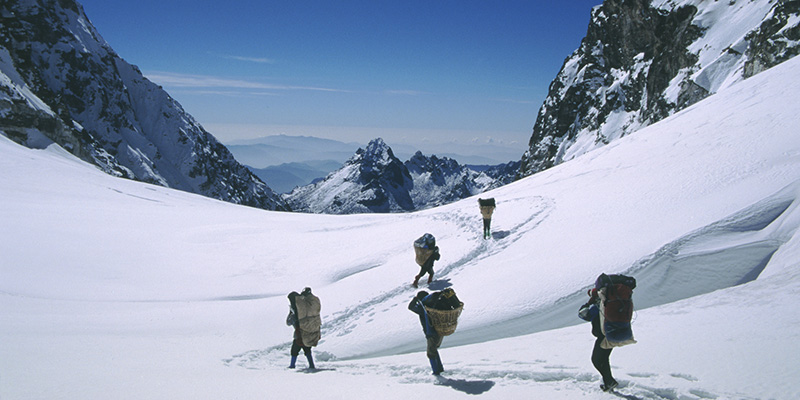
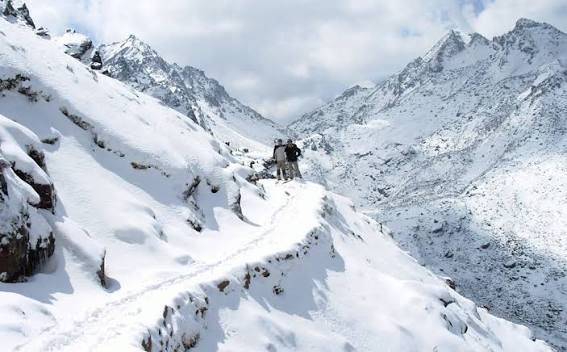
This is the most challenging and rewarding day of the entire trek. You will start very early in the morning to cross Ganja La Pass before weather conditions worsen. The ascent is steep and often involves snow or ice, making it physically demanding and sometimes requiring technical support like ropes.
Reaching the top of the pass is a huge achievement, offering breathtaking panoramic views of the Langtang and Jugal Himalayan ranges. After spending some time at the summit, you begin a long and careful descent on steep and rugged terrain. The trail eventually leads you to Keldang, a remote camping site. Overnight stay in camp after an exhausting but unforgettable day.
After the intense previous day, today’s trek is slightly more relaxed but still remote and scenic. You walk through high alpine landscapes, crossing ridges, meadows, and occasional yak grazing areas. The trail remains quiet and less crowded, offering a true wilderness experience. Gradually descending, you reach Dukpu, a peaceful highland area with minimal human settlement. The sense of isolation and untouched nature here is one of the highlights of the trek. Overnight stay in a basic lodge or tent.
Today, the landscape begins to change as you descend into the Helambu region. The barren alpine terrain gradually gives way to green hills, forests, and cultivated land. The trail becomes easier and more pleasant, passing through small villages and farmland. You finally reach Tarke Gyang, a culturally rich Sherpa village known for its monasteries, prayer flags, and traditional lifestyle. This is a great place to experience local culture and hospitality. Overnight stay in a comfortable teahouse.
The trek today is relatively easy and enjoyable, passing through beautiful forests, small settlements, and terraced fields. You will have opportunities to interact with locals and observe rural mountain life. The trail offers occasional views of the Himalayas while maintaining a gentle pace. Upon reaching Sermathang, you can relax and enjoy the peaceful surroundings. Overnight stay at a teahouse.
You descend further through villages, forests, and farmland until you reach Melamchi Bazaar, a bustling town at a much lower altitude. From here, you take a scenic drive back to Kathmandu, which takes several hours. Upon arrival, you will be transferred to your hotel where you can relax, enjoy hot showers, and celebrate the successful completion of your trek.
After breakfast, depending on your flight schedule, you will be transferred to the airport for your final departure. As you leave Nepal, you take with you unforgettable memories of the Ganja La Pass Trek, including stunning Himalayan landscapes, challenging high-altitude adventure, and rich cultural experiences.
Video
Ganja La Pass Trek Packing List
Clothing (Layering System)
Pack in layers to adapt to varying temperatures from lower valleys to high-altitude conditions.
- Moisture-wicking base layers (tops and bottoms)
- Insulating mid-layer (fleece or light down jacket)
- Waterproof and windproof outer jacket (Gore-Tex recommended)
- Trekking pants (2–3 pairs)
- Thermal underwear (for cold nights)
- Lightweight quick-dry T-shirts
- Down jacket (essential for high altitude)
- Waterproof trousers
- Warm hat or beanie
- Sun hat or cap
- Buff or neck gaiter
- Gloves (inner liner and insulated outer gloves)
Footwear
Proper footwear is essential for comfort and safety on rugged terrain.
- Sturdy, waterproof trekking boots (well broken-in)
- Camp shoes or sandals
- Warm trekking socks (4–5 pairs)
- Liner socks (optional)
- Gaiters (recommended for snow conditions)
Trekking Gear
These items are necessary for both teahouse and camping sections.
- Backpack (40–60 liters)
- Duffel bag (for porter use)
- Sleeping bag (-15°C to -20°C rating)
- Trekking poles (highly recommended)
- Headlamp with extra batteries
- Water bottles or hydration system (2–3 liters capacity)
- Water purification tablets or filter
- Dry bags or waterproof stuff sacks
Personal Items and Toiletries
Keep items minimal and lightweight.
- Toothbrush and toothpaste
- Biodegradable soap
- Quick-dry towel
- Wet wipes and hand sanitizer
- Sunscreen (SPF 50+)
- Lip balm with SPF
- Personal hygiene products
- Nail clipper
First Aid and Medications
A basic medical kit is important due to the remote nature of the trek.
- Personal medications
- Basic first aid kit (bandages, antiseptic, blister treatment)
- Diamox (consult a doctor before use)
- Pain relievers such as Ibuprofen
- Oral rehydration salts (ORS)
- Cold and cough medicine
Accessories
Useful small items for convenience and safety.
- Sunglasses with UV protection (category 3 or 4)
- Power bank or solar charger
- Camera or phone
- Notebook or reading material
- Snacks (energy bars, nuts, chocolate)
Technical and Camping Gear (Usually Provided by Trekking Agency)
These are typically arranged for the high pass section.
- Tent and camping equipment
- Cooking gear and kitchen setup
- Climbing rope (if required)
- Ice axe and crampons (depending on conditions)
Documents and Essentials
- Valid passport
- Travel insurance (covering high-altitude trekking)
- Trekking permits (Langtang National Park Entry Permit and TIMS Card)
- Passport-size photos
- Cash (Nepali Rupees for remote areas)
Pro Tip
Keep your daypack light (around 5–8 kg) and carry essentials such as water, snacks, extra layers, and important documents. Weather conditions at Ganja La Pass (5,122m) can change quickly, so proper preparation is crucial.
Ganja La Pass Trek 13 Days – Langtang to Helambu Adventure FAQs
The Ganja La Pass Trek is considered strenuous and challenging, suitable for experienced trekkers. It involves long trekking days, steep ascents, glacier sections, and crossing the high-altitude Ganja La Pass (5,122m). Prior trekking experience and good physical fitness are highly recommended.
The best seasons are spring (March to May) and autumn (September to November). These months offer stable weather, clear mountain views, and safer conditions for crossing the high pass.
Yes, hiring a licensed guide is highly recommended and often necessary. The route beyond Kyangjin Gompa is remote, less marked, and may require navigation skills and basic mountaineering support, especially during the pass crossing.
The standard itinerary is 13 days, including arrival and departure in Kathmandu. However, it can be customized depending on acclimatization needs and trekking pace.
You need:
- Langtang National Park Entry Permit
- TIMS (Trekkers’ Information Management System) Card
Yes, altitude sickness is a major concern as the trek reaches 5,122 meters. Proper acclimatization, hydration, and gradual ascent are essential. Many trekkers also carry medications like Diamox after consulting a doctor.
You will stay in teahouses in the Langtang Valley section and camping tents during the Ganja La Pass crossing due to the remote nature of the route.
The cost typically ranges from USD 1,500 to 2,500, depending on group size, guide/porter services, logistics, and trekking agency inclusions.
Yes, it is safe with proper planning, experienced guides, and good weather conditions. However, it is a high-risk trek compared to standard routes due to altitude, remoteness, and technical sections.
You should pack layered clothing, a down jacket, trekking boots, sleeping bag, trekking poles, and essential medications. Proper gear is crucial due to cold temperatures and unpredictable weather.
This trek is not recommended for beginners. It is best suited for trekkers with prior high-altitude trekking experience and good endurance.
You can enjoy views of Langtang Lirung, Dorje Lakpa, Gangchempo, and other Himalayan peaks throughout the journey.
Yes, travel insurance is mandatory, and it must cover high-altitude trekking (above 5,000 meters) and emergency helicopter evacuation.
Temperatures can drop to -10°C to -20°C at higher elevations, especially near Ganja La Pass and during nighttime.
Limited network and Wi-Fi are available in lower regions like Syabrubesi and Langtang Village, but connectivity is very limited or unavailable in remote and high-altitude sections.
Reviews
No reviews found.