
Guerrilla Trekking in Nepal – 14 Days Dhorpatan to Rolpa
Destination:
Nepal
Trip Duration:
14 Days
Max Altitude:
3,800m (Niseldhor Ridge)
Activities:
Trekking, Camping, Cultural Exploration, Off-the-Beaten-Path Adventure
Start Point:
Kathmandu
Ending Point:
Kathmandu
Region:
Dhaulagiri Region, Dhorpatan Hunting Reserve, Rolpa Region, Western Nepal
Trip Grade:
Moderate to Challenging
Group Size:
2–10 People
Accomodation:
Basic Teahouses, Homestays, and Camping
Meals:
Breakfast, Lunch, and Dinner (Local Nepali Cuisine)
Transportation:
Private Vehicle / Local Jeep
Permits Required:
Dhorpatan Hunting Reserve Permit, TIMS Card
Best Season:
Spring (March–May) and Autumn (September–November)
Guerrilla Trekking in Nepal – 14 Days Dhorpatan to Rolpa Highlights
- Experience Guerrilla Trekking in Nepal through one of the most remote and untouched regions of western Nepal
- Trek from Dhorpatan to Rolpa on an off-the-beaten-path route with very few trekkers
- Explore the wild landscapes of Dhorpatan Hunting Reserve, Nepal’s only hunting reserve
- Walk through dense forests, alpine meadows, and rugged mountain trails far from commercial routes
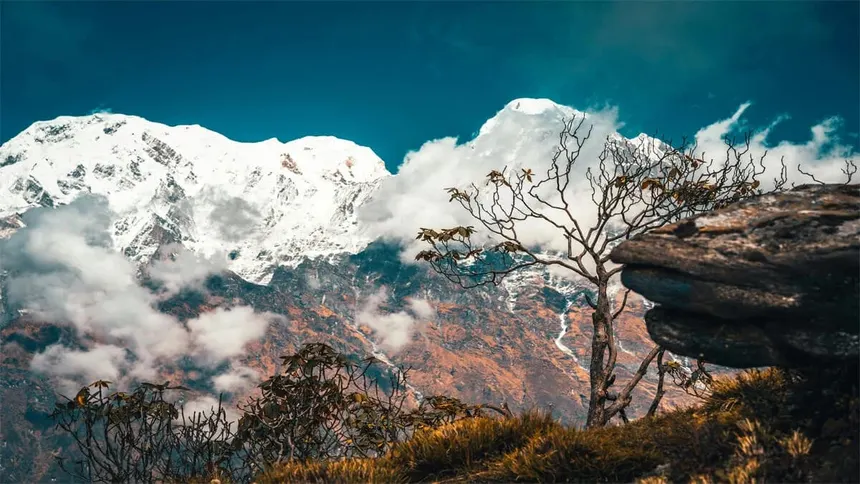
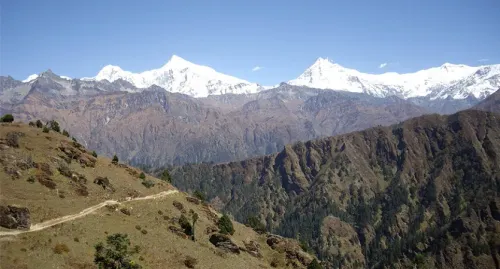
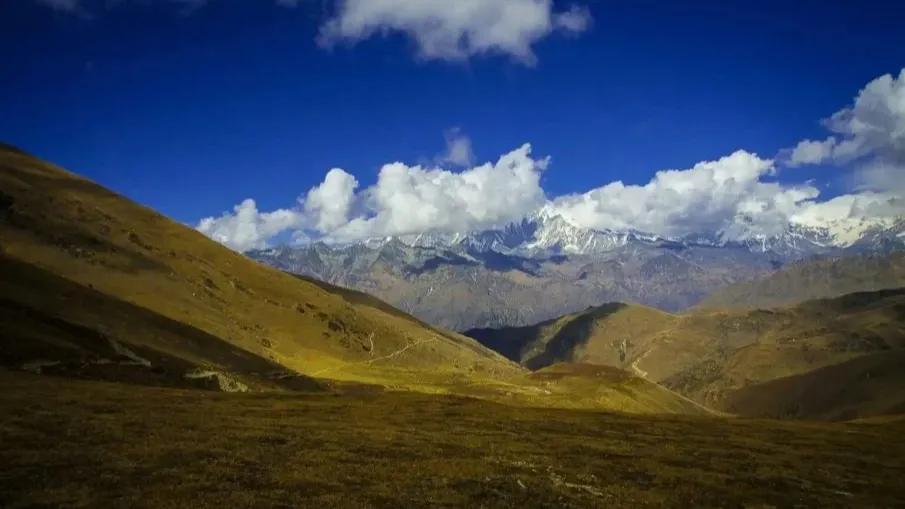
- Enjoy breathtaking views of the Dhaulagiri Himalayan range from high ridgelines like Niseldhor
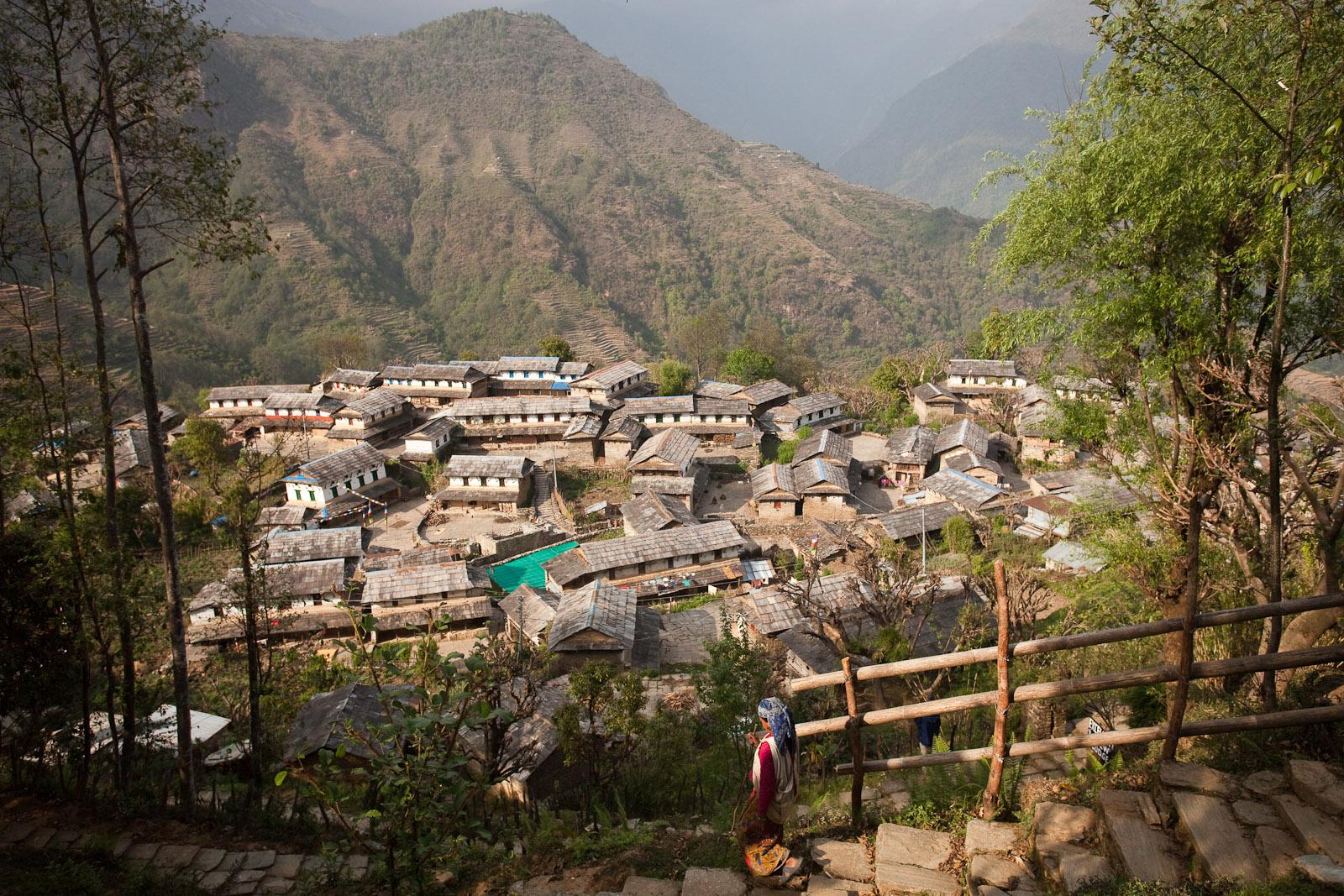
- Immerse yourself in authentic rural life with stays in Magar villages such as Takam, Lukum, and Thawang
- Experience true wilderness trekking with a mix of camping and basic homestays
- Discover hidden valleys, remote settlements, and untouched natural beauty rarely seen by tourists
- Cross isolated trails with minimal infrastructure, offering a raw and adventurous trekking experience
- Engage with local communities and learn about traditional culture, lifestyle, and history of the Rolpa region
- Witness diverse landscapes ranging from subtropical forests to high-altitude ridges within a single trek
- Perfect for adventure seekers looking for a non-touristic trekking experience in Nepal
Guerrilla Trekking in Nepal Route Details – Dhorpatan to Rolpa Trail
The Guerrilla Trekking in Nepal route follows a remote and off-the-beaten-path trail from Kathmandu to the wilderness of western Nepal, connecting the Dhaulagiri region with the hidden valleys of Rolpa. The journey begins with a scenic drive from Kathmandu to Beni and continues toward Darbang, the gateway to the Dhorpatan region. From here, the trekking route gradually ascends through traditional villages like Takam and Moreni, passing dense forests, terraced farmlands, and riverside trails.
As the trek progresses, you enter the pristine landscapes of Dhorpatan Hunting Reserve, where untouched alpine meadows and diverse wildlife define the experience. The trail then climbs to higher elevations such as Niseldhor Ridge (3,800m), offering panoramic views of the Dhaulagiri range and surrounding hills. Moving eastward, the route descends into the culturally rich Rolpa region, passing through remote settlements like Taka, Lukum, and Thawang—areas deeply rooted in history and traditional Magar culture.
The final section of the trek leads through forested hills and rural farmlands to Jelbang and Sulichaur, before returning to Kathmandu by road. This route is ideal for trekkers seeking a raw, adventurous journey far from commercial trekking circuits, combining wilderness, culture, and isolation into a truly unique Himalayan experience.
Include
- Airport pickup and drop-off in Kathmandu
- All ground transportation (Kathmandu – Beni – Darbang – Sulichaur – Kathmandu) by private vehicle or local jeep
- Accommodation during trek (basic teahouses, homestays, and camping where required)
- Three meals a day during the trek (Breakfast, Lunch, Dinner)
- Experienced licensed trekking guide
- Necessary support staff (porters/camping crew depending on group size)
- Dhorpatan Hunting Reserve Permit
- TIMS (Trekkers’ Information Management System) Card
- Basic first aid kit carried by the guide
- All government taxes and service charges
Exclude
- International airfare to and from Nepal
- Nepal entry visa fees
- Travel insurance (must include emergency evacuation coverage)
- Personal trekking equipment and gear
- Extra meals in Kathmandu (lunch and dinner)
- Beverages (tea, coffee, soft drinks, alcohol)
- Hot showers, charging, and other personal expenses during the trek
- Tips for guide and support staff
- Costs arising from delays, natural disasters, or unforeseen circumstances
- Any services not specifically mentioned in the “Includes” section
Guerrilla Trekking in Nepal – 14 Days Dhorpatan to Rolpa Itinerary
Your journey begins early in the morning with a long yet scenic drive from Kathmandu to Beni, which takes approximately 8–10 hours depending on road conditions. The drive follows the Prithvi Highway alongside the Trishuli River before branching toward Pokhara and then further west into the Myagdi district. Along the way, you will witness Nepal’s diverse landscapes from bustling towns and terraced farmlands to steep hills and river valleys.
As you approach Beni, the environment becomes more rural and less commercialized. Beni itself is a small but lively town located at the confluence of the Kali Gandaki and Myagdi rivers, serving as a major entry point to western trekking regions. You can explore the local market in the evening and prepare for the more remote journey ahead. Overnight in a lodge.
After breakfast, you begin an adventurous jeep ride toward Darbang. The road is rough, narrow, and often carved into hillsides, offering an exciting off-road experience. You pass through small settlements, suspension bridges, waterfalls, and dense forests. The journey provides a glimpse into rural Nepali life, where agriculture and traditional practices dominate daily routines. Darbang is a quiet settlement with very limited tourism infrastructure, making it an ideal starting point for a guerrilla-style trek. The remoteness begins to set in here, with fewer modern facilities and a slower pace of life. Overnight in a basic teahouse or homestay.
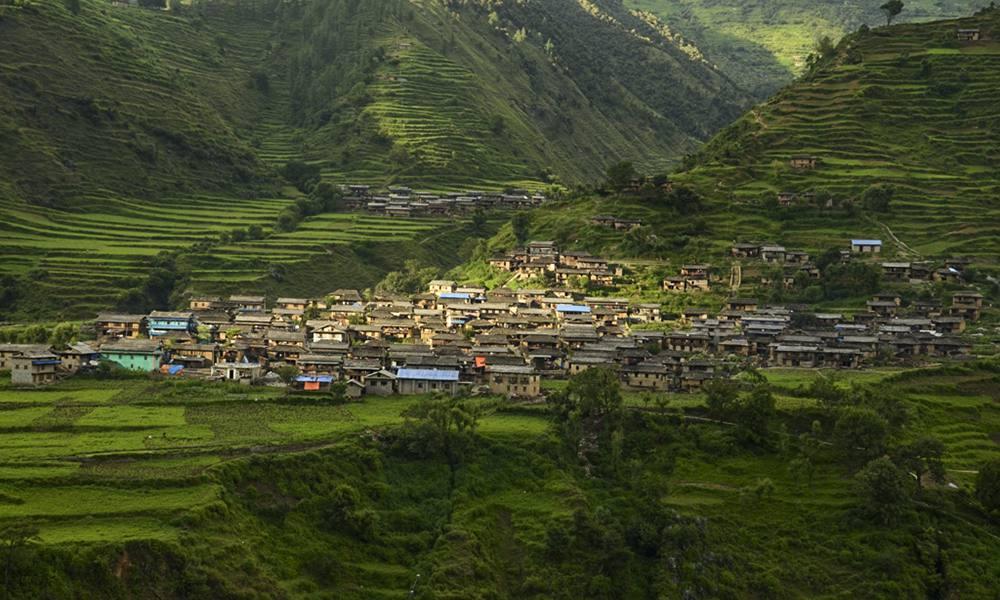
Today marks the official start of your trekking adventure. The trail gradually ascends through terraced farmlands, lush forests, and scattered Magar villages. You cross small streams and walk along narrow paths that are mostly used by locals rather than trekkers. The environment feels authentic and untouched, far from commercial trekking routes. As you gain elevation, you are rewarded with views of surrounding hills and distant snow-capped peaks. Takam is a culturally rich village where you can interact with locals, observe traditional lifestyles, and experience genuine hospitality. Overnight in a homestay or simple lodge.
Leaving Takam behind, you trek deeper into remote terrain. The trail becomes quieter and less defined, passing through dense forests filled with rhododendron, oak, and pine trees. Wildlife sightings are possible in this region, adding to the sense of wilderness. The journey involves steady ascents and descents, requiring good physical endurance. Moreni is a small and isolated stop with minimal facilities, often used by trekkers seeking solitude. This is where the true essence of guerrilla trekking begins—limited connectivity, raw nature, and complete immersion in the environment.
The trek continues through rugged and challenging terrain. You navigate steep trails, cross small rivers, and move through thick जंगल areas with almost no settlements in between. The silence of the forest and the absence of crowds create a deeply immersive experience. Gurjaghat is a remote resting point, often consisting of basic shelters or temporary camps. Facilities are extremely limited, so trekkers must rely on their own preparedness. The night here feels truly off-grid, surrounded by nature with minimal human interference.
Today’s trek gradually opens into wider landscapes as you approach Dhorpatan, Nepal’s only hunting reserve. The dense forests give way to alpine meadows, rolling hills, and expansive valleys. The scenery becomes dramatically different, offering breathtaking views of the surrounding mountains and grasslands. Dhorpatan is a unique area where conservation and controlled hunting coexist, and you may encounter local communities who rely on the reserve for their livelihood. Compared to previous days, Dhorpatan feels slightly more accessible, though still far from mainstream tourism. Overnight in a basic lodge.
Leaving Dhorpatan, you ascend toward higher ridgelines and remote passes. The trail becomes less distinct, often requiring navigation skills and guidance from locals or experienced guides. The climb to Niseldhor is physically demanding but incredibly rewarding, offering panoramic views of the Dhaulagiri range and surrounding Himalayan landscapes. The environment is raw and exposed, with strong winds and changing weather conditions. Niseldhor is a high-altitude stop with very basic accommodation, often requiring camping. This day perfectly captures the spirit of guerrilla trekking—challenging, remote, and deeply adventurous.
After a cold and windy night at the high ridge of Niseldhor, you begin your descent toward Taka. The morning often starts with breathtaking sunrise views over the Dhaulagiri massif, illuminating the rugged terrain you’ve crossed. The trail initially follows exposed ridgelines before gradually dropping into dense forests of pine and rhododendron. This descent is long and physically demanding, especially on uneven and less-defined trails, requiring careful navigation and strong knees.
As you lose altitude, the air becomes warmer and more breathable, and the harsh alpine environment transitions into lush greenery. You may encounter shepherds or locals along the way, but overall the trail remains quiet and isolated. Reaching Taka feels like returning to civilization after days in the wilderness. The village is small but culturally vibrant, offering a glimpse into traditional Magar life. Overnight in a local homestay with simple yet warm hospitality.
Today’s trek is more relaxed compared to previous days, allowing you to fully absorb the cultural richness of the region. The trail winds through terraced fields, forests, and scattered settlements where agriculture remains the backbone of daily life. You will notice traditional houses, livestock grazing, and locals engaged in farming activities.
The route offers a beautiful balance between nature and human interaction, making it a refreshing change after the isolation of higher altitudes. Lukum is one of the culturally significant villages in the Rolpa region, known for its strong community bonds and preserved traditions. The village setting, surrounded by hills and farmland, creates a peaceful and authentic rural atmosphere. Overnight stay in a homestay, where you may enjoy local cuisine and stories from villagers.
The trek from Lukum to Thawang takes you deeper into the historic Rolpa region. The trail gradually ascends and descends along forested ridges and hillside paths. This region holds historical importance and offers insight into Nepal’s socio-political past, adding another layer of depth to your journey. As you approach Thawang, the landscape opens up to reveal a larger settlement compared to previous villages.
Thawang is one of the biggest and most culturally rich Magar villages in the area, offering a unique blend of history, tradition, and scenic beauty. The village is surrounded by rolling hills and provides stunning viewpoints of the surrounding landscape. Interacting with locals here gives you a deeper understanding of their lifestyle, resilience, and cultural identity. Overnight in a lodge or homestay.
Leaving Thawang, you once again enter quieter and less-traveled paths. The trail moves through dense forests, narrow ridges, and occasional खुला (open) landscapes. This section of the trek feels more introspective, as the number of settlements decreases and the connection with nature deepens again. You may walk for hours without encountering other trekkers, reinforcing the guerrilla trekking experience. The sounds of birds, wind, and distant rivers dominate the environment. Sukulbang is a small and peaceful settlement with minimal infrastructure, offering basic accommodation. The simplicity of life here is striking, and the night sky, free from light pollution, provides a spectacular view of stars.
Today’s trek continues through rolling terrain, gradually descending toward more accessible areas. The trail becomes slightly more defined, though still far from commercial trekking routes. You pass through small villages where locals greet you with curiosity and warmth, as tourism is rare in this region. The journey offers continuous views of hills, forests, and terraced landscapes. Jelbang is a modest but welcoming village with slightly better facilities compared to earlier stops. It serves as an important connection point for nearby communities. Overnight in a local lodge or homestay.
The final trekking day is a steady descent toward Sulichaur. The trail follows river valleys and passes through cultivated land, suspension bridges, and small settlements. Compared to the rugged terrain of earlier days, this section feels easier and more relaxed. The gradual return to more developed areas is noticeable, with improved paths and occasional vehicle tracks. Sulichaur is a relatively developed town with better infrastructure, including shops and comfortable lodges. Reaching here marks the successful completion of your remote trekking journey. You can celebrate the end of your adventure and enjoy a well-deserved rest.
After breakfast, you begin the long drive back to Kathmandu. The road journey takes you through rural hills, river valleys, and eventually connects to the main highway leading to the capital. As you travel, you reflect on the stark contrast between the untouched wilderness you explored and the urban environment you are returning to. This final leg of the journey brings closure to an extraordinary guerrilla trekking experience one defined by isolation, raw landscapes, cultural authenticity, and a deep connection with Nepal’s lesser-known regions.
Video
Packing List for Guerrilla Trekking in Nepal (Dhorpatan–Rolpa)
Here’s a complete, field-tested packing list for your Guerrilla Trekking in Nepal adventure. Since this is a remote, partially camping trek, you’ll need to be more self-sufficient than on standard teahouse routes.
Clothing (Layering System)
- Moisture-wicking t-shirts (2–3)
- Thermal base layers (top & bottom)
- Fleece or softshell jacket
- Down jacket (for cold nights)
- Waterproof/windproof jacket & pants
- Trekking pants (2 pairs)
- Warm hat & sun hat
- Gloves (inner + insulated)
- Buff / neck gaiter
- Undergarments & quick-dry socks (4–5 pairs)
Footwear
- Sturdy trekking boots (well broken-in)
- Camp shoes / sandals
- Gaiters (recommended for rough trails)
Backpack & Storage
- Main backpack (50–70L)
- Daypack (optional)
- Dry bags / waterproof covers
- Packing cubes
Camping Gear (Important for Guerrilla Trekking)
- Sleeping bag (-10°C to -15°C recommended)
- Sleeping mat
- Lightweight tent (if not provided)
- Headlamp with extra batteries
Food & Hydration
- Water bottles / hydration bladder
- Water purification tablets or filter
- Energy bars, dry fruits, snacks
- Electrolyte powder
Personal Essentials
- Trekking poles
- Sunglasses (UV protection)
- Sunscreen (SPF 50+) & lip balm
- Personal first aid kit
- Toiletries (biodegradable recommended)
- Quick-dry towel
- Wet wipes / hand sanitizer
Medical & Safety
- Basic medications (pain relief, altitude meds if needed)
- Blister kit
- Personal prescriptions
- Whistle & small knife
- Map / GPS device (very important for remote routes)
Documents & Money
- Passport copy
- Permits (Dhorpatan Hunting Reserve Permit, TIMS)
- Travel insurance (must cover evacuation)
- Cash (no ATMs in remote areas)
Electronics
- Power bank / solar charger
- Charging cables
- Camera / phone
Optional but Recommended
- Binoculars (for wildlife in Dhorpatan)
- Notebook / journal
- Lightweight book or cards
- Trash bags (leave no trace)
Pro Tip for Guerrilla Trekking
Pack light but smart. Since this is a remote and less-supported trek, overpacking will slow you down, but missing essentials can be risky. Prioritize safety, warmth, and navigation gear.
Reviews
No reviews found.