


Limi Valley Trek – 20 Days Incredible Remote Himalayan Adventure in Nepal
- Limi Valley Trek is a restricted and remote trekking region, and special permits are required through a registered trekking agency in Nepal.
- Solo trekking is not permitted; a licensed guide and minimum group arrangement are mandatory as per government regulations.
- Flight operations to and from Simikot are highly weather-dependent and may be delayed or rescheduled at short notice.
- This trek involves high-altitude walking above 4,000m, so proper acclimatization and good physical fitness are essential.
- Accommodation in remote sections is basic and mostly camping-based, with limited facilities.
- Mobile network, internet, electricity, and modern amenities are extremely limited or unavailable during most of the trek.
- The itinerary may be adjusted due to weather conditions, local restrictions, or safety reasons by the guide.
- Travel insurance covering high-altitude trekking and emergency evacuation is compulsory.
- Trekkers are advised to carry sufficient cash, as ATMs and banking services are not available in the region.
Destination:
Limi Valley, Humla District, Far-Western Nepal
Trip Duration:
20 Days (Kathmandu to Kathmandu)
Max Altitude:
Approx. 4,940m (Nyalu La Pass)
Activities:
High-altitude trekking, Mountain pass crossing (Nara La & Nyalu La), Monastery visits (Halji, Yalbang), Camping in remote wilderness, Cultural exploration of Tibetan-influenced villages, Photography & wildlife spotting
Start Point:
Kathmandu, Nepal
Ending Point:
Kathmandu, Nepal
Region:
Kathmandu Valley → Nepalgunj → Simikot → Humla → Limi Valley (Far-West Nepal)
Trip Grade:
Challenging / Strenuous (Remote High-Altitude Expedition Trek)
Group Size:
2–12 trekkers (minimum 2 required for restricted area permit)
Accomodation:
Hotels (Kathmandu & Nepalgunj), Teahouses (limited sections) & Fully camping-based in remote Limi Valley region
Meals:
Breakfast, Lunch, Dinner during trek, Nepali & Tibetan-style local meals (dal bhat, soups, noodles, etc.), Full board during camping section
Transportation:
Flight: Kathmandu → Nepalgunj → Simikot, Trekking (on foot throughout trail) & Occasional local transport (if available in lower regions)
Permits Required:
Restricted Area Permit (RAP – Humla/Limi Valley), TIMS Card (if applicable depending on agency rules) & National Park/Conservation entry permits (where required)
Best Season:
May – June (spring/summer) & July – September (monsoon rain-shadow trekking ideal)
The Limi Valley Trek begins in Kathmandu, the capital city of Nepal, and gradually transitions from urban civilization to complete isolation. The journey takes travelers through Nepalgunj in the lowlands, followed by a thrilling mountain flight to Simikot, the administrative headquarters of Humla district.
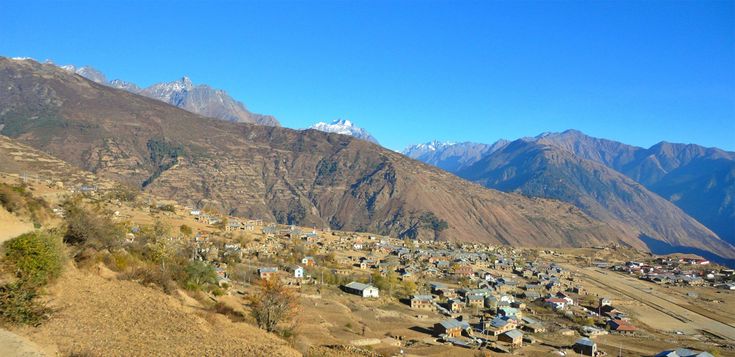
From Simikot, the trekking route enters a dramatically different world deep river valleys, pine forests, suspension bridges, and traditional settlements inhabited by ethnic communities influenced by Tibetan culture. As the trail progresses, the landscape becomes increasingly rugged, dry, and alpine, eventually opening into the vast, high-altitude Limi Valley.
This region is often compared to Tibetan plateaus due to its geography, climate, and culture. Prayer flags flutter across remote villages, ancient monasteries sit on rocky cliffs, and yaks graze in high pastures under vast Himalayan skies.
Natural Beauty and Landscape
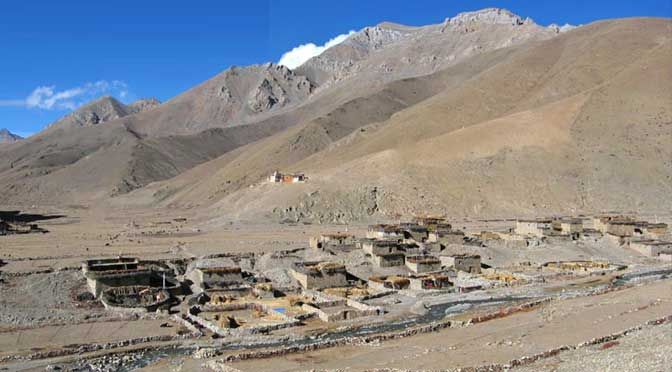
One of the defining features of the Limi Valley Trek is its extraordinary natural diversity. The journey begins in lush green river valleys and gradually transforms into barren high-altitude terrain resembling the Tibetan plateau.
Trekkers experience:
- Deep gorges carved by the Karnali River system
- Alpine forests with pine and juniper vegetation
- Wide open valleys surrounded by snow-capped peaks
- High mountain passes exceeding 4,500–5,000 meters
- Glacial rivers and remote highland deserts
The most dramatic highlights include crossing Nara La Pass (4,620m) and Nyalu La Pass (~4,940m), both offering panoramic views of the Himalayan ranges and vast trans-Himalayan landscapes. These sections of the trek are physically demanding but visually unforgettable, providing some of the most pristine mountain scenery in Nepal.
Culture and Local Lifestyle
The cultural aspect of the Limi Valley Trek is equally powerful as its natural beauty. The region is home to communities deeply influenced by Tibetan Buddhism, with traditions that have remained unchanged for centuries due to its isolation.
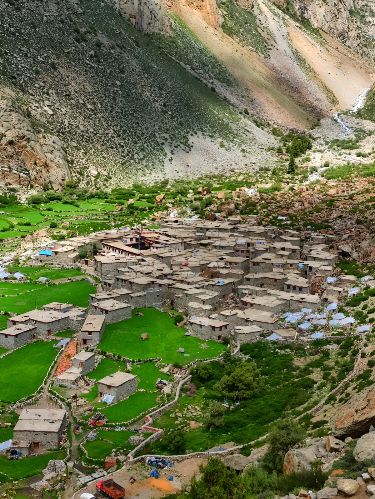
Villages such as Halji, Til, Jang, and Yalbang showcase a unique way of life where agriculture, yak herding, and traditional trade practices still dominate daily living. Ancient monasteries like Rinchenling Gompa in Halji stand as spiritual and cultural centers, preserving centuries-old manuscripts, rituals, and religious teachings.
Locals are known for their hospitality despite living in extremely harsh environmental conditions. Life in Limi Valley revolves around seasonal farming, livestock, and religious festivals, offering trekkers a rare insight into a self-sustained Himalayan society.
About Places – Limi Valley Trek
Simikot (Gateway to Humla)
Simikot is the starting point of the Limi Valley Trek and the main administrative center of Humla district. It is a small mountain town located at around 2,950 meters and serves as the last accessible hub before entering the remote Himalayas. From here, all trekking logistics and final preparations are completed.
Lower Humla Villages (Dharapuri & Kermi)
The trail first descends into the Karnali River valley, passing through Dharapuri and Kermi. These villages are surrounded by lush hills, forests, and river landscapes. Kermi is also known for its natural hot springs and peaceful environment, making it a popular acclimatization stop.
Yalbang
Yalbang is an important cultural and spiritual village along the route. It is home to the famous Yalbang Monastery, a major Buddhist center in Humla. The village reflects strong Tibetan cultural influence, prayer flags, and traditional Himalayan lifestyles.
Muchu & Tumkot
These villages mark the transition into more remote and rugged terrain. The settlements are small, traditional, and surrounded by steep valleys and rocky landscapes. Life here is simple and closely connected to agriculture and livestock.
Yari
Yari is one of the last major settlements before entering the high-altitude wilderness. It is an important acclimatization point as the landscape becomes dry, windy, and closer to the Tibetan plateau environment.
Hilsa (Border Region)
Hilsa is a remote border village near Tibet (China). Located along the Karnali River, it is one of the most isolated settlements on the route. The area marks the transition into high Himalayan trans-boundary landscapes.
Limi Valley Villages (Til, Halji & Jang)
These are the core destinations of the trek:
- Til: A high-altitude village surrounded by vast open valleys and dramatic mountain scenery
- Halji: Famous for Rinchenling Monastery, one of the oldest and most important monasteries in Nepal
- Jang: A remote settlement offering panoramic views and traditional Tibetan-influenced lifestyle
These villages represent the cultural and spiritual heart of Limi Valley.
High Mountain Passes
The trek also includes two major Himalayan passes:
- Nara La Pass (4,620m) – connects lower Humla with upper valleys
- Nyalu La Pass (~4,940m) – highest and most scenic point of the trek
These passes offer extreme landscapes, glacier views, and wide Himalayan panoramas.
Trekking Experience and Difficulty
The Limi Valley Trek is considered a strenuous and high-difficulty expedition trek. It is suitable only for experienced trekkers who are physically fit and comfortable walking long distances in high-altitude conditions.
Key challenges include:
- Long trekking days (5–8 hours daily on average)
- High altitude above 4,000 meters for extended periods
- Limited medical facilities and emergency access
- Basic or no accommodation in remote sections
- Weather-dependent flights to and from Simikot
- Crossing high mountain passes with steep ascents and descents
However, the reward is equally significant. Trekkers experience complete solitude, unspoiled nature, and one of the most authentic Himalayan journeys available in Nepal.
Accommodation and Facilities
Accommodation during the Limi Valley Trek varies significantly depending on location:
- Kathmandu and Nepalgunj: Comfortable hotel accommodation
- Lower Humla region: Basic tea houses or local lodges
- Upper Limi Valley: Fully camping-based trekking
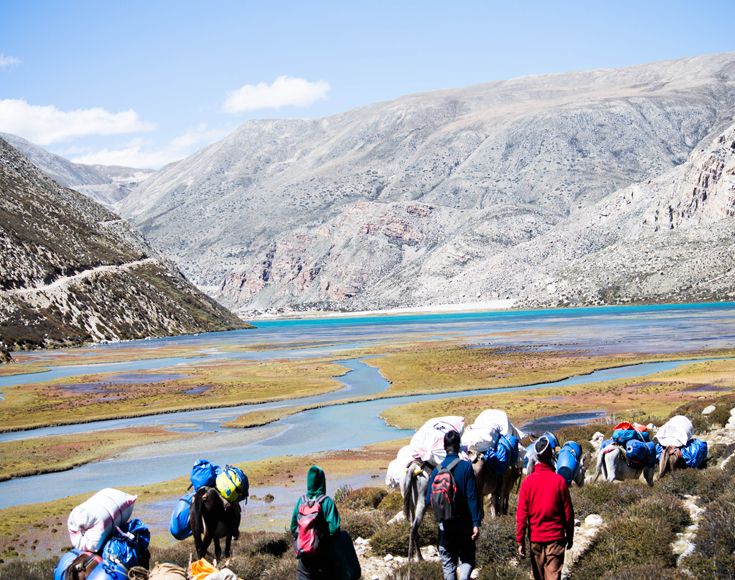
Camping is a major part of the journey, especially in remote sections where no permanent settlements exist. Professional trekking crews typically manage tents, meals, and logistics, ensuring safety and comfort in extremely isolated areas.
Facilities such as electricity, internet, hot showers, and communication networks are extremely limited or unavailable in most parts of the trek. This adds to the raw and authentic experience of the journey.
Permits and Regulations
The Limi Valley region falls under a restricted area zone, meaning special permits are required to enter. These permits must be arranged through a registered trekking agency in Nepal.
Trekkers must travel in groups and be accompanied by a licensed guide. Independent trekking is not allowed. These regulations are in place to protect both the fragile environment and the cultural heritage of the region.
Best Time to Visit
The best time to undertake the Limi Valley Trek is:
- May to September (Spring to Monsoon season in Nepal)
Interestingly, Limi Valley lies in a rain-shadow region, meaning it receives less rainfall compared to other parts of Nepal during monsoon. This makes it one of the few trekking regions suitable even during mid-year months.
Autumn and winter seasons are generally avoided due to extreme cold, heavy snowfall, and limited accessibility.
Why Choose Limi Valley Trek?
The Limi Valley Trek stands out because it offers something increasingly rare in modern travel true isolation and untouched wilderness. There are no crowded trails, no commercial tourism infrastructure, and no distractions from nature.
Instead, trekkers experience:
- Pure Himalayan wilderness
- Deep cultural immersion
- Ancient Buddhist heritage
- Extreme adventure and exploration
- One of Nepal’s most remote valleys
It is a journey designed for those who seek authenticity, challenge, and discovery rather than comfort and convenience.
Final Thoughts
The Limi Valley Trek is not just a trekking route; it is a journey into one of the most isolated corners of the Himalayas. It combines natural beauty, cultural depth, and physical challenge into a single unforgettable expedition.
For adventurers looking to go beyond mainstream trekking routes and explore the hidden heart of Nepal, Limi Valley offers an experience that is both humbling and transformative.
Trekking Similar to Limi Valley Trek
- Annapurna Circuit Trek: 15 Night – 16 Days
- Manaslu Circuit trek-14N/15D
- Everest Base Camp Trek- 12 Days/ 11 Night
Nepal Pilgrimage & Cultural Tours
- Buddhist Pilgrimage Tour 6 Nights / 7 Days
- Kathmandu, Pokhara & Muktinath 7 Nights / 8 Days
- 8 Days Culture, Wildlife & Heritage of Nepal
- Mani Rimdu Festival in Everest Region 11 Nights / 12 Days
- 1-Day Kathmandu UNESCO Heritage Tour with Complimentary Nagarkot Sunrise & Rani Jhula
Book Your Limi Valley Trek Today
Start your adventure into one of Nepal’s most remote Himalayan regions with the Limi Valley Trek Nepal, guided by experienced professionals and fully organized trekking support.
Explore hidden valleys of Humla, ancient Tibetan-influenced villages, sacred monasteries like Halji, and dramatic high mountain passes including Nara La and Nyalu La. Experience untouched landscapes, rich culture, and true wilderness far from crowded trekking routes.
From lush river valleys to high-altitude desert terrain near the Tibet border, the Limi Valley Trek Nepal offers a rare mix of adventure, culture, and breathtaking Himalayan scenery for true explorers.
📞 Contact us: +977-9851334626 | Email | Instagram | Facebook | Tiktok
Let Guru Travels turn your dream vacation into reality connect with us today!
Nepal 1’st public Travel Brand!
Invest On Travelling
Limi Valley Trek – 20 Days Incredible Remote Himalayan Adventure in Nepal Highlights
- Trek through one of Nepal’s most remote and least explored regions – Limi Valley, Humla
- Cross two dramatic high Himalayan passes: Nara La Pass (4,620m) and Nyalu La Pass (~4,940m)
- Experience a true expedition-style camping trek in complete wilderness
- Visit ancient Buddhist monasteries including Halji (Rinchenling Gompa) and Yalbang Monastery
- Explore traditional Tibetan-influenced villages with unique culture and lifestyle
- Spot rare Himalayan wildlife such as blue sheep, marmots, and possible snow leopard habitat zones
- Witness breathtaking views of the Trans-Himalayan landscapes and snow-capped peaks
- Follow ancient salt trade routes near the Tibet (China) border
- Perfect destination for raw landscape photography and cultural immersion
- Far from mass tourism – ideal for true adventure seekers and experienced trekkers
Route Details – Limi Valley Trek
The Limi Valley Trek begins with a scenic flight from Kathmandu to Nepalgunj, followed by a mountain flight to Simikot in the remote Humla region of far-western Nepal. From Simikot, the trail descends into river valleys and passes through traditional villages such as Dharapuri, Kermi, Yalbang, and Muchu, offering a blend of forested trails, suspension bridges, and Tibetan-influenced culture.
As the journey progresses deeper into the Himalayas, the route enters the isolated Limi Valley, passing ancient settlements like Yari, Til, Halji, and Jang. Trekkers then ascend into high-altitude wilderness, crossing dramatic mountain passes including Nara La Pass (4,620m) and Nyalu La Pass (~4,940m), before descending back toward Simikot.
The return route follows the same trail through Humla villages back to Simikot, concluding with flights back to Nepalgunj and Kathmandu. This circular expedition offers a complete experience of remote Himalayan landscapes, untouched culture, and extreme adventure trekking in Nepal’s hidden frontier.
Limi Valley Trek – 20 Days Incredible Remote Himalayan Adventure in Nepal Itinerary
Video
Packing List – Limi Valley Trek
Clothing
- Down jacket (high-quality, -10°C to -20°C rated)
- Fleece jackets and thermal layers (top & bottom)
- Quick-dry trekking shirts
- Woolen socks (4–6 pairs)
- Warm gloves (inner + outer waterproof gloves)
- Sun hat / cap + warm beanie
- Trekking pants (2–3 pairs)
- Waterproof trekking boots (well broken-in)
- Undergarments (quick-dry recommended)
Trekking Gear
- Backpack (50–70L for main trek)
- Daypack (20–30L for essentials)
- Sleeping bag (-15°C to -20°C rating)
- Trekking poles (strongly recommended)
- Duffel bag (for porters, if used)
- Headlamp with extra batteries
- Water bottles / hydration bladder
Personal Care
- Sunscreen (SPF 50+)
- Lip balm (SPF protection)
- Wet wipes / biodegradable soap
- Toothbrush & toothpaste
- Toilet paper / tissue paper
- Hand sanitizer
Health & First Aid
- Personal medications
- Altitude sickness medicine (Diamox – consult doctor)
- Basic first aid kit (band-aids, painkillers, antiseptic)
- ORS / hydration salts
Electronics & Accessories
- Power bank (high capacity)
- Extra batteries for devices
- Camera / smartphone
- Universal travel adapter
- Optional: satellite phone (for remote safety)
Snacks & Energy
- Energy bars / chocolates
- Dry fruits & nuts
- Electrolyte tablets
- Light snacks for trekking days
Important Documents
- Passport (original + copy)
- Permits (RAP, TIMS if applicable)
- Passport-size photos (2–4 copies)
- Travel insurance (high-altitude trekking coverage required)
Important Note
Limi Valley is a remote camping trek with no proper shops along the route, so all essentials must be carried from Kathmandu or Simikot. Pack smart, light, and complete.
Limi Valley Trek – 20 Days Incredible Remote Himalayan Adventure in Nepal FAQs
Limi Valley Trek is located in the Humla district of far-western Nepal, near the Tibet (China) border. It is one of the most remote and least explored regions in Nepal.
The Limi Valley Trek is considered strenuous to very challenging due to its high altitude, long walking days, remote terrain, and high mountain passes like Nara La (4,620m) and Nyalu La (~4,940m).
The standard itinerary takes around 20 days, including travel from Kathmandu, acclimatization, trekking, and return.
The highest point is Nyalu La Pass at approximately 4,940 meters.
Yes, you need a Restricted Area Permit (RAP) for Humla/Limi Valley, along with other required permits arranged through a registered trekking agency.
Accommodation is a mix of hotels in cities (Kathmandu/Nepalgunj), basic tea houses in lower regions, and full camping in remote Limi Valley sections.
Yes, Limi Valley Trek is recommended for experienced trekkers due to its remoteness, altitude, and long expedition-style journey.
The best time is May to September, as the region lies in a rain-shadow area and remains relatively stable even during monsoon.
Mobile network is very limited or unavailable in most parts of the Limi Valley Trek. Some signal may be available in Simikot or lower Humla areas.
During camping, trekkers are provided with freshly prepared meals such as rice, lentils (dal bhat), noodles, soups, and basic Western food options.
Yes, due to high elevation above 4,000m, there is a risk of altitude sickness. Proper acclimatization and gradual ascent are essential.
No, solo trekking is not allowed. You must trek with a licensed guide and registered agency due to restricted area regulations.
Reviews

EBC has consistently delivered a reliable and professional experience
EBC has consistently delivered a reliable and professional experience. Their team is responsive, knowledgeable, and focused on practical solutions. We appreciated the clarity of communication throughout the process
John Doe
,USA
EBC has been very positive
Our experience with EBC has been very positive. The onboarding was smooth, and their support team was readily available when questions arose. Overall, a dependable partner
Harley Smith
,UK