Tsum Valley Trek Guide 2027: 12-Day Itinerary and Permits
Tsum Valley Trek: Itinerary, Permits, Cost and Best Time (2027 Guide)
Last updated: 26 October 2026
Permit fees, trekking regulations, transport access and trail conditions may change. Confirm the latest information with Guru Travels and the relevant authorities before departure.
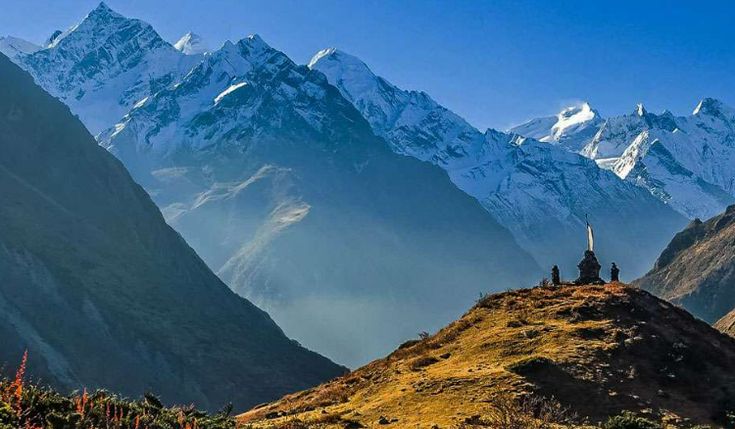
The Tsum Valley Trek is an 11–16-day guided journey into a remote Himalayan valley in northern Gorkha, Nepal, known for its Tibetan Buddhist culture, traditional villages and mountain scenery. The trek usually reaches Mu Gompa at approximately 3,700 metres and follows the Budhi Gandaki and Syar Khola valleys. Trekkers need a restricted-area permit, a Manaslu Conservation Area permit, a registered trekking agency and a licensed guide.
For travellers planning a trip in 2027, the best seasons are generally March to May and September to November. A 12-day itinerary is suitable for fit trekkers who want to explore Tsum Valley without crossing a high mountain pass, although the rapid increase in sleeping altitude means acclimatisation deserves careful attention.
Quick answer: Plan around 12 days for the standard itinerary, allow additional days for a more gradual pace or side trips, and confirm current permit fees, road access and trail conditions before departure. The actual cost depends on group size, transport, accommodation, meals and porter arrangements.
This guide is for international visitors, Nepal-based trekkers and travellers comparing guided Himalayan trekking packages. It explains the route, itinerary, permits, estimated costs, seasonal conditions, altitude risks and practical booking considerations using Guru Travels’ published trip itineraries as a planning reference.
This guide follows the 12-day Tsum Valley itinerary that Guru Travels publishes, compares it with longer versions, and sets out what the permits cost, who the trek suits and what to check before you book. Where sources disagree, we say so.
Key Takeaways: Planning the Tsum Valley Trek in 2027
- Duration: Allow around 12 days for the standard Guru Travels itinerary, or 14–16 days if you want a slower pace and additional exploration.
- Highest destination: Mu Gompa, approximately 3,700 metres above sea level.
- Best seasons: March–May and September–November, subject to local conditions.
- Permits: A Tsum Valley restricted-area permit and a Manaslu Conservation Area permit are required.
- Guide requirement: Book through a registered trekking agency with a licensed guide.
- Budget: Use published market prices only as an initial estimate; request a current, itemised quotation.
- Main health consideration: Plan for gradual acclimatisation and recognise symptoms of altitude sickness.
- Before travelling: Confirm road access, bridges, trail conditions, insurance coverage and permit requirements.
Planning recommendation: This trek is best suited to travellers who value traditional Himalayan culture, working monasteries and quieter trails more than luxury accommodation. If you are concerned about altitude or prefer shorter walking days, discuss a longer itinerary with your trekking agency.
Tsum Valley Trek at a Glance
| Item | Detail |
| Location | Tsum Valley, Gorkha District, Gandaki Province, in the Manaslu Conservation Area |
| Typical length | 11 to 16 days from Kathmandu. Guru Travels’ published itinerary is 12 days. |
| Highest point | Mu Gompa, about 3,700 m. A side trip to Ganesh Himal Base Camp on longer itineraries reaches about 4,200 m. |
| Trek starts at | Machha Khola, after an 8 to 10 hour drive from Kathmandu |
| Difficulty | Moderate but demanding: long walking days, steep sections, little acclimatisation on short itineraries. No technical ground and no high pass. |
| Permits | Tsum Valley restricted area permit, Manaslu Conservation Area permit, arranged by a registered agency |
| Guide | Licensed guide required. Independent trekking is not allowed. |
| Best seasons | March to May and September to November |
| Lodging | Basic teahouses and homestays |
| Related Guru Travels trips | Tsum Valley Trek 12 Days; Manaslu Tsum Valley Trek 19 Days; Scenic Manaslu Circuit Trek 14 Days |
Who Should Use This Tsum Valley Trek Guide?
This Tsum Valley Trek guide is for international tourists visiting Nepal, Nepal-based trekkers, cultural travellers interested in Tibetan Buddhist heritage, and adventure travellers comparing guided Himalayan trekking packages. It is designed to help travellers make informed decisions before booking a trekking holiday with a Nepal travel agency.
When Should You Use This Guide?
Use this guide when researching the Tsum Valley Trek, comparing itineraries, preparing a travel budget, choosing a trekking season or checking the requirements for a restricted-area trekking permit.
- For first-time Himalayan trekkers: Understand the walking duration, trail difficulty, sleeping altitudes and preparation required before choosing this route.
- For experienced trekkers: Compare the Tsum Valley-only itinerary with longer routes that combine Tsum Valley and the Manaslu Circuit.
- For cultural travellers: Learn about traditional villages, Tibetan Buddhist monasteries, local customs and responsible travel practices.
- For travellers planning a 2027 holiday: Compare spring and autumn travel windows, estimate costs and confirm current road access and permit requirements.
- For families and private groups: Discuss walking ability, group size, accommodation preferences and a suitable pace with a registered trekking agency before confirming a departure.
- For travellers comparing trekking companies: Review what is included in a package, including permits, licensed guides, transport, meals, accommodation and porter services.
Which Tsum Valley Trek Is Right for You?
The standard 12-day Tsum Valley Trek is a useful starting point for travellers who want to explore the valley without crossing a high mountain pass. A longer itinerary may be more suitable for trekkers who prefer additional acclimatisation time, cultural visits or side trips. Travellers seeking a more demanding Himalayan journey can compare the 19-day Manaslu Tsum Valley combination.
As a Nepal-based travel and trekking operator, Guru Travels provides itinerary information to help visitors compare available options and plan their trip. Before booking, request a personalised quotation and confirm the current permit rules, route conditions, accommodation arrangements and services included in the package. The best itinerary depends on your travel dates, budget, fitness, previous trekking experience and preferred pace.
Why Trek in Tsum Valley?
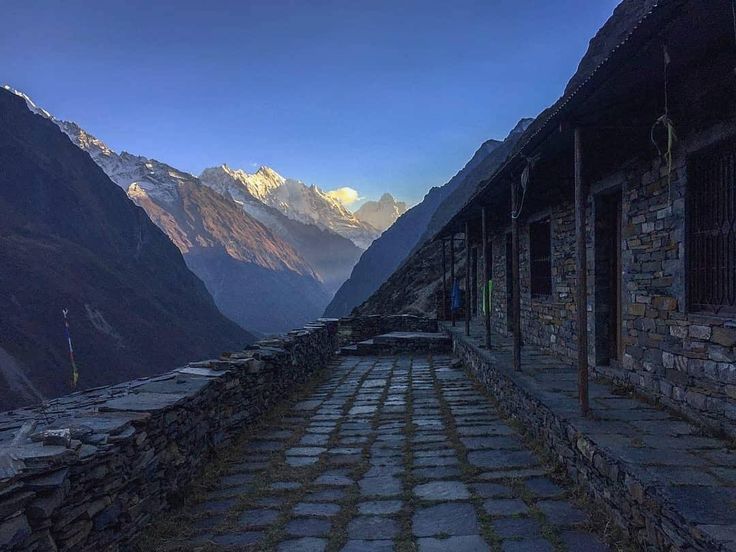
Tsum Valley lies between the Ganesh Himal and Sringi Himal ranges, close to the Tibetan border. Local tradition describes it as a beyul, a hidden valley held as a place of spiritual refuge in Tibetan Buddhism. It opened to trekkers only in the late 2000s (sources give 2007 or 2008), so it still sees far fewer visitors than the Everest or Annapurna routes.
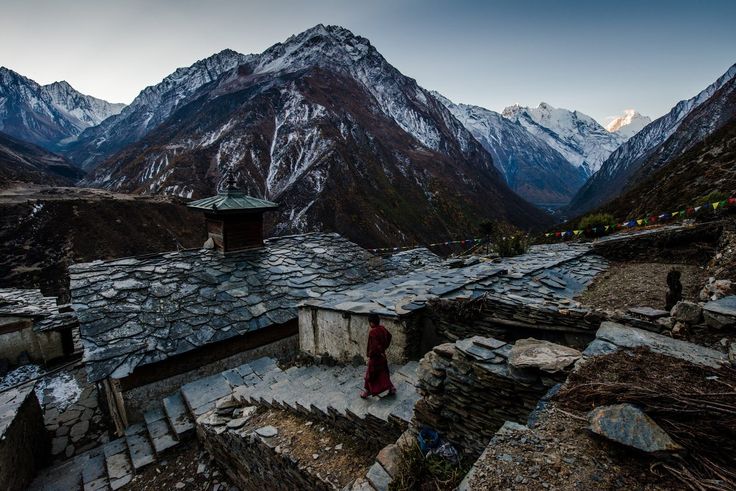
- Living culture. The Tsumba people, who speak a dialect of Tibetan origin, keep working monasteries, mani walls (stone walls carved with prayers) and chortens (Buddhist shrines) in daily use.
- Named sites. Rachen Gompa is a nunnery near Chhokangparo that many itineraries visit. Milarepa’s cave (Piren Phu) is linked by tradition to the Tibetan yogi Milarepa. Mu Gompa sits at the head of the walk.
- Mountain views without a pass. Ganesh Himal, Sringi Himal and Boudha Himal appear along the upper valley, and the route needs no high-pass crossing.
- A quieter trail. Villages are small and lodges are simple, which suits travellers who want culture over comfort.
Tsum Valley Trek Itinerary (12 Days)
The table follows the 12-day itinerary on the Tsum Valley Trek 12 Days trip page. Times are estimates for a fit trekker and change with weather, trail and road conditions.
| Day | Route | Sleep at (approx. m) | Time |
| 1 | Kathmandu to Machha Khola by road via Arughat and Soti Khola | Machha Khola 870 | Drive 8 to 9 hours |
| 2 | Machha Khola to Jagat, past the Tatopani hot spring | Jagat 1,340 | 6 to 7 hours |
| 3 | Jagat to Lokpa via Philim; the Tsum trail splits from the Manaslu Circuit trail near Lokpa | Lokpa 2,240 | 6 to 7 hours |
| 4 | Lokpa to Chumling, crossing the Syar Khola | Chumling 2,386 | 5 to 6 hours |
| 5 | Chumling to Chhokangparo, into the upper valley | Chhokangparo 3,010 | 5 to 6 hours |
| 6 | Chhokangparo to Nile, passing Milarepa’s cave | Nile 3,361 | 5 to 6 hours |
| 7 | Nile to Mu Gompa and back to Nile | Nile 3,361 (Mu Gompa 3,700) | 6 to 7 hours return |
| 8 | Nile to Ripchet | Ripchet 2,470 | 6 to 7 hours |
| 9 | Ripchet to Philim | Philim 1,570 | 6 to 7 hours |
| 10 | Philim to Machha Khola | Machha Khola 870 | 6 to 7 hours |
| 11 | Machha Khola to Kathmandu by road | Kathmandu about 1,350 | Drive 8 to 9 hours |
| 12 | Departure or free day in Kathmandu | Kathmandu | Flexible |
Longer versions and side trips
Many operators run 14 to 16 days to add rest days and side trips. Common additions are an extra night at Mu Gompa, a stop at Rachen Gompa, and a side trip from Dumje via Gumba Lungdang to Ganesh Himal Base Camp at about 4,200 metres. Extra days also slow the return, which helps tired legs. If you would like a gentler pace, ask us whether a longer version can be arranged for your dates. Guru Travels also lists a 19-day Manaslu Tsum Valley Trek, covered below.
How This Tsum Valley Trek Guide Was Prepared
This guide is based on Guru Travels’ published Tsum Valley and Manaslu trekking itineraries, the route and altitude information presented in those itineraries, and the planning considerations relevant to restricted-area trekking in Nepal. It compares the 12-day Tsum Valley route with longer itineraries that combine the valley with the Manaslu Circuit.
Permit fees, transport access, accommodation availability and trail conditions can change between seasons. These details should be reconfirmed with the relevant authorities and local trekking team before departure. Any advertised prices are identified by their reference date and should not be treated as guaranteed 2027 rates.
For an individual trip, Guru Travels can prepare a route proposal based on the traveller’s available dates, fitness, group size and preferred pace. Actual departures remain subject to permits, access conditions and local safety advice.
How Much Does the Tsum Valley Trek Cost?
Advertised prices we saw on 16 October 2026 for guided departures of 10 to 16 days from Kathmandu ranged from about USD 800 to about USD 2,100 per person. One operator’s three service tiers ran from USD 999 to USD 2,499. Those are advertised prices, not what travellers necessarily paid.
The main things that move the price are:
- group size, since guide and vehicle costs are shared
- transport: public bus or private jeep between Kathmandu and Machha Khola
- porters: one per trekker, one per two trekkers, or none
- meals included on the trek and the standard of the Kathmandu hotel
- permit season and the number of days spent in the restricted area
Guru Travels’ price for the 12-day trek: [CONFIRM: insert current price or range, group size basis and what it covers]. See the live Tsum Valley Trek 12 Days page for departures and details.
According to the 12-day trip page, the package includes airport transfers, a standard Kathmandu hotel, the required permits, a licensed guide, porter service as per group size, transport between Kathmandu and Machha Khola, meals on the trek, teahouse or homestay lodging, taxes and service charges, and a first-aid kit. It does not include international flights, the Nepal visa, travel insurance, personal expenses, hot showers, charging and Wi-Fi, extra Kathmandu nights and meals, tips, or rescue costs. Check the live page for the final list.
Tsum Valley Permits and Guide Rules
Tsum Valley is a restricted area because it lies near the Tibetan border. The Department of Immigration issues the restricted area permit through registered trekking agencies, not to individuals. Your agency needs your passport details, photographs and itinerary, so send them early and allow several working days. Permits are checked along the route, including at Jagat.
| Permit | Fee | Issued by |
| Tsum Valley restricted area permit | USD 40 per person for the first 7 days from September to November; USD 30 from December to August; USD 7 per day after week one | Department of Immigration, via your agency |
| Manaslu Conservation Area permit (MCAP) | NPR 3,000 for foreign nationals; NPR 1,000 for SAARC nationals | Manaslu Conservation Area Project and Nepal Tourism Board, via your agency |
| Chumnubri local fee | Reported as NPR 800 to NPR 1,000 | Local authority, often collected at Jagat |
| TIMS card | Sources conflict; one lists NPR 2,000, another says it is not needed | Via your agency |
| Annapurna Conservation Area permit | Normally only if you leave the Manaslu Circuit via Dharapani | Via your agency |
Fees can change by season, nationality and government decision. We checked these figures on 16 October 2026, and your quote should state the final amounts.
Can you trek Tsum Valley solo?
Not independently. On 22 March 2026 the Department of Immigration ended the rule that restricted area permits go only to groups of two or more, so a single traveller can now be issued one. The revised rules cover the Manaslu and Tsum Valley regions of Gorkha. The conditions remain: apply through a registered trekking agency, travel with a licensed guide, and keep groups to a maximum of seven trekkers per guide
| Planning for spring 2027? Send us your dates, group size and fitness level, and we will prepare a personalised itinerary, current pricing and the latest route status. Contact Guru Travels |
Best Time to Trek Tsum Valley
| Season | What to expect |
| March to May (spring) | Clearer skies and milder days, with rhododendrons in the lower valley according to operators. Popular, so book early. |
| September to November (autumn) | Post-monsoon stability and long mountain views. The busiest window, and the restricted area permit costs more (USD 40 against USD 30 for the first week). |
| December to February (winter) | Cold, with snow on the upper valley. One operator notes that many residents move to lower villages. Better for experienced, well-equipped trekkers. |
| June to August (monsoon) | Rain, landslides and washed-out roads. Generally not advised. Flood and landslide risk also extends into the edges of the season, as 2026 showed. |
How Hard Is the Tsum Valley Trek?
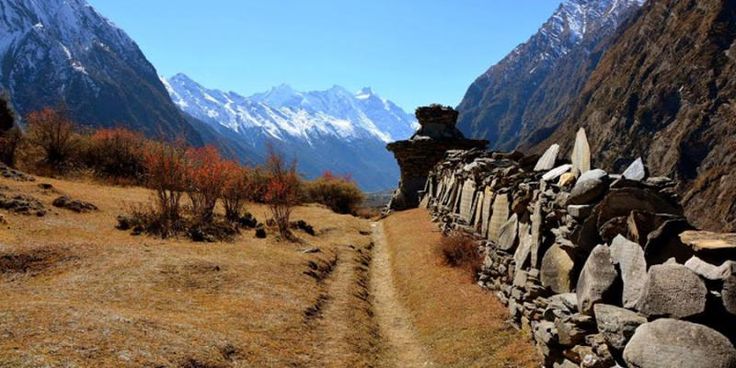
Most operators grade Tsum Valley as moderate, and one calls it strenuous. The 12-day plan is demanding because of consecutive walking days and little acclimatisation time. Expect 5 to 7 hours of walking on most days, steep sections above the river, suspension bridges and basic facilities. There is no technical climbing.
Altitude and acclimatisation
Altitude is the main risk. The table shows the gain in sleeping altitude on the published 12-day plan.
| Night | Sleeping altitude (m) | Gain from previous night (m) | Above 3,000 m? |
| Machha Khola | 870 | n/a | No |
| Jagat | 1,340 | +470 | No |
| Lokpa | 2,240 | +900 | No |
| Chumling | 2,386 | +146 | No |
| Chhokangparo | 3,010 | +624 | Yes |
| Nile | 3,361 | +351 | Yes |
| Mu Gompa (day visit) | 3,700 | +339 from Nile | Yes |
A widely used guideline for sleeping above 3,000 metres is to gain no more than about 500 metres a night and to rest every three to four days. The step from Chumling to Chhokangparo is about 620 metres, and the 12-day plan has no rest day. That is why some operators add a night at Mu Gompa. Speak to a travel-medicine doctor before you go.
- Symptoms to report to your guide at once: headache with nausea, dizziness, unusual tiredness, poor sleep or breathlessness at rest.
- Rules to follow: do not climb higher while symptoms persist, and descend if they worsen.
- Preparation: operators suggest one to two months of regular hill walking with a loaded daypack beforehand.
Lodging, Food, Transport and Connectivity
- Lodging: teahouses and homestays with simple twin rooms. In busy periods you may share a dormitory. Hot showers, charging and Wi-Fi often cost extra and may be unavailable higher up.
- Food: dal bhat (rice, lentils and vegetables), noodles, soups, Tibetan bread and potatoes. Vegetarian meals are the easiest to find. Treat all drinking water.
- Transport: the drive from Kathmandu to Machha Khola takes 8 to 10 hours via Dhading Besi, Arughat and Soti Khola, and the road beyond Arughat is unpaved. After the October 2026 flood, reports said bridges near Soti and Machhakhola were damaged, so confirm road and bridge status before you book.
- Connectivity and cash: mobile signal and Wi-Fi vary by village. Carry enough Nepali rupees for the whole trek, because there are no ATMs on the trail.
Culture, Monasteries and Responsible Travel
The monasteries in Tsum Valley are working religious places, not exhibits. Your guide will advise on local custom, and these habits help:
- Walk clockwise around mani walls, chortens and prayer wheels, keeping them on your right.
- Remove shoes and hats before entering a gompa (monastery) hall, and ask before taking photographs inside.
- Ask permission before photographing people, including monks and nuns.
- Dress modestly. Tight or revealing clothing can offend in these villages.
- Carry your rubbish out, use refilled or treated water where possible, and spend money in local lodges and shops.
Packing and Preparation
- Clothing: thermal base layers, fleece, down jacket, waterproof shell, trekking trousers, warm hat, sun hat, gloves and spare socks.
- Footwear and gear: broken-in waterproof boots, camp shoes, 30 to 40 litre daypack with rain cover, trekking poles, headlamp, sleeping bag rated for cold nights (rental is often possible in Kathmandu).
- Health and hygiene: personal medicines, blister kit, sunscreen, lip balm, wet wipes, toilet paper, water bottle with purification tablets or filter.
- Documents and money: passport, photocopies, insurance policy, passport photographs, cash in rupees, power bank.
Buy or rent gear in Kathmandu only if you leave a day for it. Keep non-trek luggage at your hotel.
Safety and Travel Insurance
- Insurance: buy before you leave home. The policy should cover trekking to at least the highest point of your itinerary, with a margin, and emergency helicopter evacuation. Ask your agency for its minimum. See Guru Travels’ insurance page.
- Remote terrain: rescue depends on weather and flight access. During the October 2026 flood, rescues relied on army helicopters because the trail was cut.
- Follow your guide: guides can change the day’s plan for weather, landslides or health. Their decision is part of what you pay for.
Tsum Valley or Manaslu Circuit?
Tsum Valley is a side valley. You do not need to walk the Manaslu Circuit to visit it, and the two routes share only the lower trail as far as Lokpa. The comparison below shows how the options differ.
| Tsum Valley only | Tsum Valley plus Manaslu Circuit | Manaslu Circuit only | |
| Guru Travels trip | Tsum Valley Trek 12 Days | Manaslu Tsum Valley Trek 19 Days | Scenic Manaslu Circuit Trek 14 Days |
| Highest point | Mu Gompa, about 3,700 m | Larkya La pass, about 5,100 m (sources give 5,106 to 5,165 m) | Larkya La pass |
| Difficulty | Moderate, no pass | Strenuous, crosses a high pass | Strenuous, crosses a high pass |
| Restricted area permits | Tsum Valley permit | Tsum Valley and Manaslu permits | Manaslu permit |
| Manaslu permit fee | Not needed | USD 100 per week (Sep to Nov) or USD 75 (Dec to Aug), then USD 15 or USD 10 per day | Same as left |
| Suits | Culture-first trekkers with under three weeks | Fit trekkers with about three weeks who want both | Trekkers who want the classic circuit and the pass |
Trip pages: Tsum Valley Trek 12 Days, Manaslu Tsum Valley Trek 19 Days, Scenic Manaslu Circuit Trek 14 Days. For a Manaslu itinerary that adds the Rupina La pass, see the 17 Days Rupina La Pass Trek. Manaslu permit fees are from the same official fee table as the Tsum permit.
Tsum Valley Trek FAQs
How many days are needed for the Tsum Valley Trek?
Most guided itineraries take 11 to 16 days from Kathmandu. Guru Travels’ published plan is 12 days, including two days of driving. Longer versions add rest days and side trips.
Is the Tsum Valley Trek open now?
As of 16 October 2026 it is not recommended. A flood on 11 October damaged bridges, and the Manaslu Conservation Area Project advised trekkers to suspend journeys into the valley. We found no reopening date, so check with us before booking.
How difficult is the Tsum Valley Trek?
Moderate but demanding. There is no technical ground or high pass, but days of 5 to 7 hours, steep sections and sleeping at 3,000 to 3,400 metres require good fitness and care.
How much does the Tsum Valley Trek cost?
Advertised prices for guided departures of 10 to 16 days ranged from about USD 800 to about USD 2,100 per person on 16 October 2026. Guru Travels’ price: [CONFIRM].
What permits do I need for Tsum Valley?
A Tsum Valley restricted area permit (USD 40 for the first week from September to November, USD 30 from December to August) and a Manaslu Conservation Area permit (reported as NPR 3,000). Your agency arranges both.
Can I trek Tsum Valley without a guide?
No. Since 22 March 2026 one person can obtain a restricted area permit, but only through a registered agency and with a licensed guide.
What is the best month for the Tsum Valley Trek?
March to May and September to November. Winter is cold and the monsoon brings landslide risk.
Do I have to do the Manaslu Circuit as well?
No. Tsum Valley is a side valley and can be trekked on its own. A 19-day combination adds the Manaslu Circuit and the Larkya La pass; the circuit alone is the 14-day Manaslu Circuit Trek.
Is altitude sickness a risk in Tsum Valley?
Yes. You sleep above 3,000 metres from Chhokangparo, and Mu Gompa is about 3,700 metres. Ascend steadily, report symptoms early and do not climb higher while unwell.
What should I pack for the Tsum Valley Trek?
Layers, a down jacket, waterproof shell, broken-in boots, a daypack, headlamp, water purification, a warm sleeping bag, personal medicines, cash in rupees and your insurance papers.
Related Trips from Guru Travels
The first four trips use the same lower Budhi Gandaki corridor as Tsum Valley, so check route status before choosing between them. Nar Phu Valley and Upper Mustang are in other regions with their own permits, seasons and access conditions.
- Tsum Valley Trek 12 Days: the trip this guide is built around.
- Manaslu Tsum Valley Trek 19 Days: Tsum Valley combined with the Manaslu Circuit.
- Scenic Manaslu Circuit Trek 14 Days: the classic circuit with the Larkya La pass.
- 17 Days Rupina La Pass Trek: a Manaslu Circuit itinerary with the Rupina La pass added.
- Nar Phu Valley Trek 14 Days: a restricted-area trek through Tibetan-influenced villages, with the Kang La pass.
- Upper Mustang Trek 11 Nights 12 Days: a restricted-area trek to Lo Manthang.
Plan Your Tsum Valley Trek with Guru Travels
If you are considering Tsum Valley for spring 2027, tell us your dates, group size and fitness level. We will prepare a personalised itinerary, current pricing and the latest route status, and explain the permit steps. See the Tsum Valley Trek 12 Days trip page, or contact Guru Travels, or message us on WhatsApp at +977 9851334626.
Check Other Blogs Similar to This