
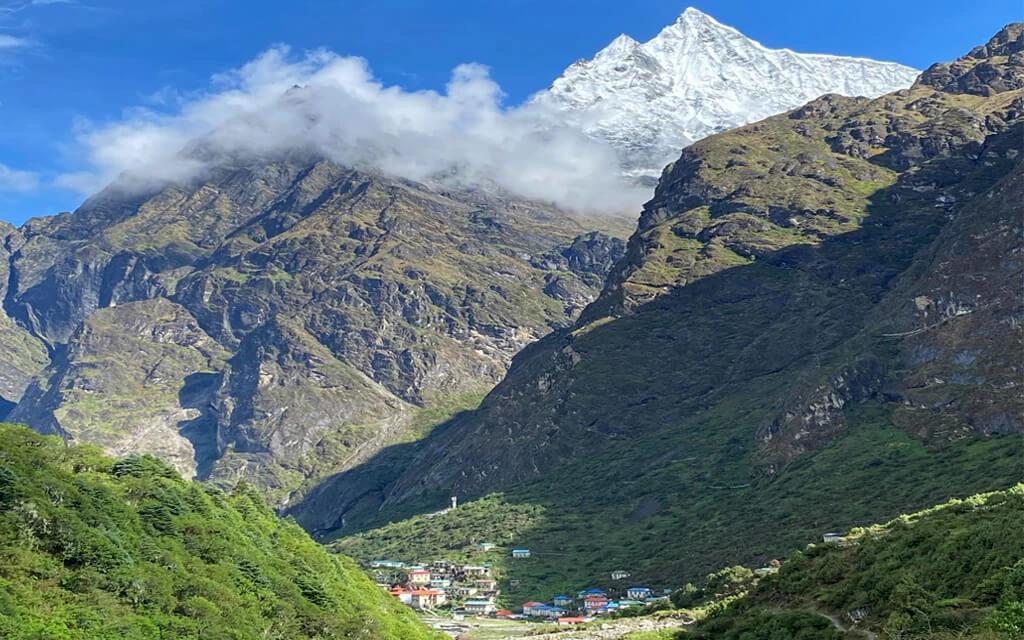
Rolwaling Valley & Tashi Labtsa Pass Trek 18 Days
Destination:
Nepal (Rolwaling Valley to Everest/Khumbu Region)
Trip Duration:
18 Days
Max Altitude:
5,755m at Tashi Labtsa Pass
Activities:
High-altitude trekking, glacier walking, pass crossing, cultural exploration, photography, wilderness adventure
Start Point:
Kathmandu → Drive to Gongar (trek begins)
Ending Point:
Lukla → Flight back to Kathmandu
Region:
Rolwaling Valley & Everest (Khumbu) Region
Trip Grade:
Very Strenuous / Technical High Pass Trek
Group Size:
2–10 people (recommended for safety and logistics)
Accomodation:
Teahouses/lodges during trek, tented camping near high camp (Tashi Labtsa Base Camp)
Meals:
Breakfast, Lunch & Dinner during trek (local + basic international cuisine)
Transportation:
Private vehicle (Kathmandu–Gongar), domestic flight (Lukla–Kathmandu)
Permits Required:
Rolwaling Restricted Area Permit, Gaurishankar Conservation Area Permit (GCAP), Sagarmatha National Park Permit & TIMS Card (Trekkers’ Information Management System)
Best Season:
Spring (March–May) and Autumn (September–November)
Rolwaling Valley & Tashi Labtsa Pass Trek 18 Days Highlights
- Cross the challenging Tashi Labtsa Pass (5,755m), a technical high-altitude glacier crossing connecting Rolwaling and Everest regions
- Explore the remote and untouched Rolwaling Valley, one of Nepal’s least crowded trekking routes
- Visit traditional Himalayan villages like Simigaon and Beding with strong Sherpa and Tibetan cultural influence
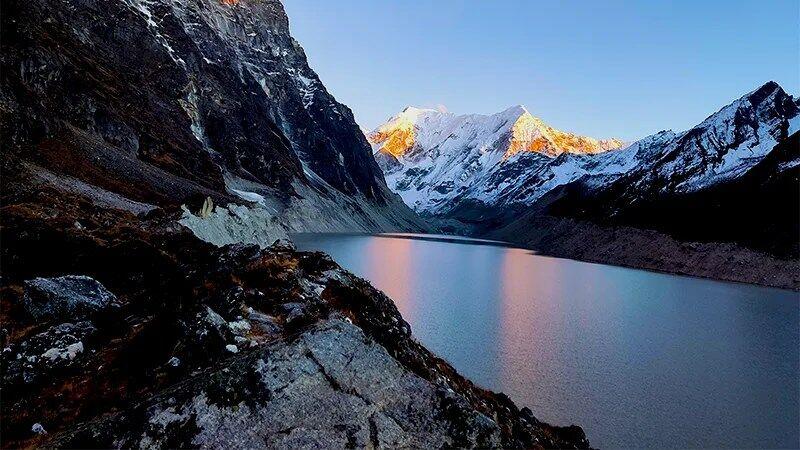
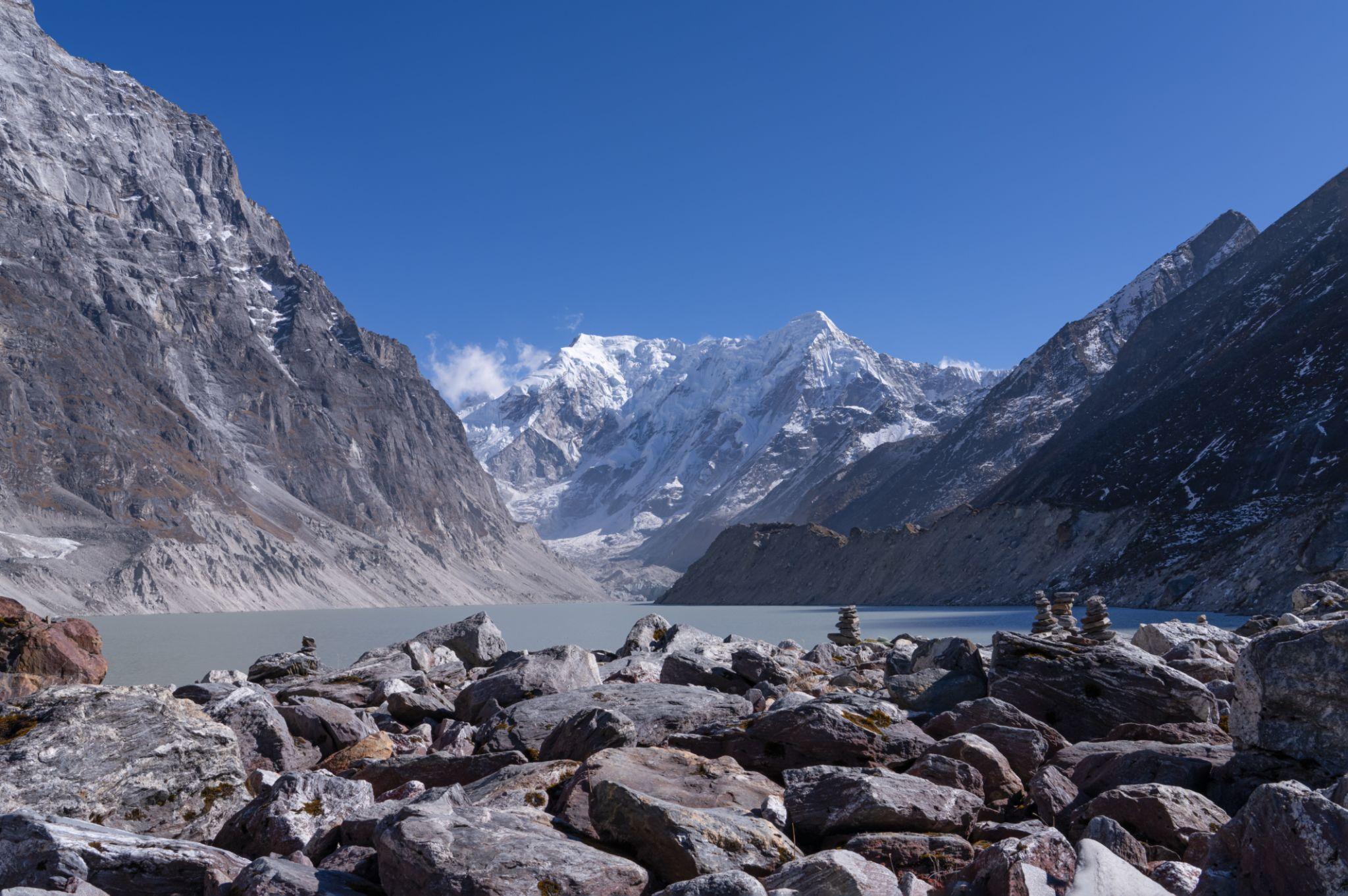
- Experience the stunning beauty of Tsho Rolpa Lake, one of Nepal’s largest glacial lakes
- Trek through dramatic landscapes including forests, alpine valleys, glaciers, and high mountain terrain
- Enjoy breathtaking views of sacred peaks like Gauri Shankar Himal throughout the journey
- Connect two legendary regions: the isolated Rolwaling Valley and the famous Everest (Khumbu) region
- Reach iconic Everest region destinations like Thame and Namche Bazaar
- Walk through less-traveled trails offering a true off-the-beaten-path Himalayan adventure
- Experience glacier walking, rope-assisted sections, and technical high-pass trekking conditions
- Discover ancient monasteries, prayer flags, and rich Buddhist culture along the route
- Ideal for experienced trekkers seeking extreme adventure and wilderness exploration in Nepal
Route Details – Rolwaling Valley & Tashi Labtsa Pass Trek
The Rolwaling Valley & Tashi Labtsa Pass Trek begins in Kathmandu, followed by a scenic and adventurous drive towards Gongar via Charikot, marking the entry point to the remote Rolwaling region. From here, the trekking trail gradually ascends through dense forests, suspension bridges, and traditional settlements such as Simigaon and Beding, where trekkers experience authentic Sherpa culture and untouched Himalayan lifestyle.
As the trail progresses deeper into the valley, the landscape transforms dramatically into alpine terrain leading toward the spectacular Tsho Rolpa Lake, one of Nepal’s largest glacial lakes surrounded by towering ice formations and rugged mountain scenery. Beyond this point, the route becomes more technical and challenging as it approaches the high-altitude base camp of Tashi Labtsa Pass at 5,400m.
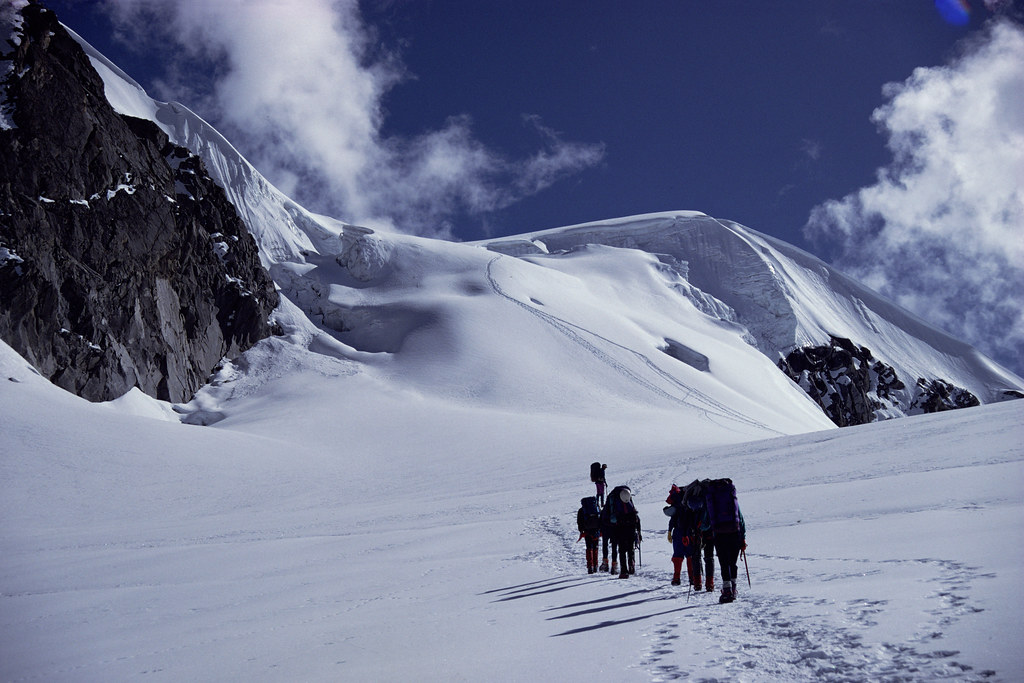
The most demanding section is the crossing of Tashi Labtsa Pass (5,755m), which involves glacier travel, steep ascents, and potential rope-assisted climbing, offering breathtaking views of both Rolwaling and Everest Himalayan ranges. After successfully crossing the pass, the route descends into the Khumbu region, passing through remote Sherpa settlements like Thame and reaching the bustling trading hub of Namche Bazaar.
Finally, the trek concludes with a descent toward Lukla, followed by a scenic flight back to Kathmandu, completing one of the most adventurous and remote trekking journeys in Nepal that combines wilderness, culture, and technical high-altitude exploration.
Include
- Airport pick-up and drop-off in Kathmandu
- Hotel accommodation in Kathmandu (twin sharing basis)
- All required trekking permits (Rolwaling Restricted Area Permit, GCAP, Sagarmatha National Park Permit, TIMS)
- Kathmandu to Gongar ground transportation
- Lukla to Kathmandu domestic flight
- Experienced licensed trekking guide
- Required number of porters (based on group size)
- Teahouse/lodge accommodation during trek
- Three meals per day during trek (breakfast, lunch, dinner)
- Tea/coffee and seasonal fruits during trek
- First aid medical kit carried by guide
- Government and local taxes
Exclude
- International airfare to and from Nepal
- Nepal visa fee
- Personal trekking equipment (boots, jacket, sleeping bag, etc.)
- Travel insurance (must cover high-altitude trekking and emergency evacuation)
- Hot showers, Wi-Fi, and device charging fees during trek
- Extra meals and drinks in Kathmandu
- Alcoholic and soft drinks
- Personal expenses (snacks, shopping, tips for staff)
- Emergency evacuation or helicopter rescue costs
- Optional sightseeing tours in Kathmandu
- Any services not mentioned in the includes section
Rolwaling Valley & Tashi Labtsa Pass Trek 18 Days Itinerary
Upon your arrival at Tribhuvan International Airport in Kathmandu, you will be greeted by your trekking representative and transferred to your hotel in the bustling tourist hub of Thamel. The drive takes around 20–30 minutes depending on traffic. After check-in, you’ll have time to rest and recover from your international journey.
Later in the afternoon or evening, there will be a comprehensive trek briefing where your guide will explain the route, safety protocols, altitude risks, and gear requirements. You can also use this time to explore the lively streets of Thamel, exchange currency, or rent/buy any missing trekking gear. The evening is usually relaxed with a welcome dinner, giving you a first taste of Nepali hospitality and cuisine before heading into the remote Himalayas.
This is an essential preparation and buffer day to ensure everything is ready for the challenging trek ahead. After breakfast, you will finalize all necessary trekking permits, including special permits required for the restricted Rolwaling region. Your guide will thoroughly inspect your equipment, especially items needed for high-altitude and glacier sections such as crampons, harness, and warm layers. If anything is missing, Thamel has plenty of trekking shops for last-minute purchases or rentals.
If time permits, you can take a short guided sightseeing tour to some of Kathmandu’s UNESCO World Heritage Sites such as Swayambhunath Stupa, which offers panoramic views of the valley, or the sacred Hindu temple of Pashupatinath Temple, located along the Bagmati River. This day also helps your body adjust slightly before heading into higher elevations. In the evening, you pack your duffel bags, separating essentials for the trek and items to leave at the hotel.
Today begins early with a long yet scenic drive out of Kathmandu toward eastern Nepal. The journey initially follows smooth highways before transitioning into winding mountain roads. As you leave the Kathmandu Valley, the landscape changes into rolling hills, terraced farmlands, and rivers flowing through deep gorges. You pass through the district headquarters of Charikot, where you may stop briefly for lunch and enjoy views of Gauri Shankar Himal if the weather is clear.
Beyond Charikot, the road becomes rough and off-road, often dusty or muddy depending on the season, making the journey slower and more adventurous. You continue descending toward the Tama Koshi River valley until reaching Gongar (also known as Chetchet), a small riverside settlement that serves as the starting point of the trek. The environment here feels noticeably more remote, marking the transition from road travel to true Himalayan trekking. Overnight stay is in a basic lodge
Your trekking journey officially begins today. After breakfast, you cross a suspension bridge over the Tama Koshi River and begin a steady uphill climb. The trail initially passes through subtropical forests filled with lush vegetation, terraced farmland, and scattered rural houses. The climb is continuous but manageable, gradually gaining altitude.
As you ascend higher, the trail becomes steeper and more scenic, offering views of the valley below. You’ll encounter local villagers carrying daily supplies, giving insight into life in remote mountain regions. After several hours of climbing, you reach Simigaon, a beautiful Sherpa village perched on a hillside. From here, you can enjoy your first distant views of snow-capped peaks and the entrance to the Rolwaling Valley. The village also features a small monastery and traditional stone houses, providing a culturally rich overnight stop.
Leaving Simigaon, the trail gradually enters a more remote and forested section of the Rolwaling Valley. The path winds through dense rhododendron, bamboo, and pine forests, creating a peaceful and shaded trekking environment. You will frequently walk along narrow trails carved into cliffs and cross several suspension bridges over the roaring Rolwaling River below.
The day involves a mix of ascents and descents, making it moderately challenging. The forest is rich in birdlife, and if you’re lucky, you may spot Himalayan wildlife such as langurs or mountain goats. As you gain elevation, the air becomes cooler and thinner. Eventually, you arrive at Dovan, a small and quiet settlement surrounded by forest. Accommodation here is basic, but the setting is serene and isolated, offering a true wilderness experience.
Today’s trek marks a significant transition as you move from forested terrain into a more open alpine environment. The trail gradually climbs alongside the Rolwaling River, with fewer trees and more expansive views of the surrounding mountains. You pass small seasonal herding settlements and yak pastures along the way.
After several hours of steady trekking, you reach Beding, the largest and most important village in the Rolwaling region. The village is deeply rooted in Tibetan Buddhist culture, with prayer flags, mani walls, and a monastery adding spiritual charm to the setting. Towering above the valley, you can witness the impressive presence of Gauri Shankar Himal, a sacred peak highly revered by locals. Due to the significant altitude gain, it’s important to walk slowly and stay hydrated. Beding is also where you begin to truly feel the effects of altitude, making proper acclimatization crucial from this point onward.
Today is a crucial acclimatization day in Beding, allowing your body to properly adjust to the increasing altitude before heading further into more extreme elevations. Instead of complete rest, you will follow the principle of “climb high, sleep low” by taking a short hike to higher viewpoints above the village. One popular option is hiking towards Malung La or nearby ridgelines, where you can gain additional elevation and enjoy spectacular views of Gauri Shankar Himal and surrounding peaks.
During the day, you can also explore the village, interact with locals, and visit the monastery to observe traditional Buddhist practices. Beding offers a unique glimpse into the preserved culture of the Rolwaling region, heavily influenced by Tibetan heritage. Hydration, proper meals, and slow movement are key today, as altitude sickness symptoms can begin to appear if the body is not adapting well. This rest day significantly improves your chances of safely crossing the high Tashi Labtsa Pass later in the trek.
After proper acclimatization, you begin trekking deeper into the upper Rolwaling Valley. The trail from Beding to Na Gaon is relatively short but involves a steady ascent through open alpine terrain. Vegetation becomes sparse, replaced by rugged landscapes, glacial streams, and expansive yak grazing fields. The air is noticeably thinner, and you’ll find yourself walking at a slower pace.
You will pass Mani walls and prayer flags fluttering in the wind, reflecting the strong Buddhist presence in the region. Eventually, you reach Na Gaon, a small seasonal settlement primarily used by herders. The setting is incredibly remote and peaceful, surrounded by towering Himalayan peaks and vast open spaces. Due to the altitude, temperatures can drop significantly, especially in the evening, so proper layering is essential.
Today’s trek takes you to one of the most spectacular highlights of the Rolwaling region — the stunning Tsho Rolpa Lake, the largest glacial lake in Nepal. The trail becomes more rugged and rocky as you approach the moraine of the glacier. You will walk along uneven terrain with loose stones, requiring careful footing.
As you gain altitude, the scenery becomes dramatically alpine, with snow-covered peaks reflecting on the turquoise waters of the lake. Upon reaching Kabuk near Tsho Rolpa, you are rewarded with breathtaking panoramic views of glaciers and surrounding mountains. The campsite here is exposed and cold, often with strong winds in the afternoon. This is one of the highest overnight points before reaching base camp, so maintaining hydration and monitoring your physical condition is critical.
This is a demanding day as you move closer to the base of the technical high pass. The trail follows glacial moraines and involves navigating across rocky, icy, and uneven terrain. The landscape is barren and dramatic, dominated by ice formations and massive mountain walls.
You gradually ascend to the base of Tashi Labtsa Pass, reaching the base camp situated at around 5,400 meters. The environment here is harsh, with freezing temperatures, strong winds, and minimal shelter. Depending on conditions, you may need to use basic mountaineering gear such as crampons and ropes in preparation for the pass crossing the next day.
The afternoon is spent resting, hydrating, and mentally preparing for the most कठिन (challenging) section of the entire trek. Your guide will brief you on safety techniques, route conditions, and timing for the early morning start.
This is the most demanding and rewarding day of the entire expedition. You begin very early, often around 2–4 AM, to ensure stable weather and firm snow conditions. The climb to the pass involves glacier travel, steep ascents, and potentially fixed rope sections depending on the conditions. The use of crampons, harness, and guidance from experienced trekking staff is essential.
Reaching the top of Tashi Labtsa Pass (5,755m) is a major achievement, offering breathtaking views of the Himalayas, including peaks in both the Rolwaling and Everest regions. After spending a short time at the summit, you begin a long and careful descent on the Khumbu side. The descent can be technical and tiring, requiring focus and steady movement.
Eventually, the terrain becomes less extreme as you descend further, reaching Thyangbo, a remote high-altitude grazing area. After such a long and exhausting day, reaching camp brings a strong sense of accomplishment and relief.
After the intense previous day, today feels significantly easier as you descend into the Khumbu region. The trail gradually becomes more defined and less technical, following alpine landscapes into greener valleys. You will start to see signs of civilization again, including stone houses, yak herds, and monasteries.
You eventually arrive at Thame, a traditional Sherpa village known for its deep cultural roots and connection to mountaineering history. Thame is also the birthplace of several famous climbers. The village features an ancient monastery set against a dramatic mountain backdrop. After days in remote wilderness, Thame feels welcoming and comfortable, with better lodge facilities and warmer hospitality.
After breakfast in Thame, you begin a pleasant trek along a well-established trail that contours along the hillside above the Bhote Koshi River. Compared to the rugged and remote Rolwaling section, this part of the journey feels more developed, with clearly marked paths and frequent encounters with fellow trekkers and local traders. The trail passes through small settlements, mani walls, and prayer wheels, reflecting the strong Buddhist culture of the Khumbu region.
As you approach Namche Bazaar, the landscape opens up to reveal a natural amphitheater of colorful houses built into the hillside. Namche is the main trading hub of the Everest region, offering a surprising range of facilities including bakeries, cafes, gear shops, and even internet access. After days in remote wilderness, arriving here feels vibrant and lively. You can relax with a warm meal, enjoy fresh coffee, or simply soak in the incredible mountain atmosphere.
Today is a relatively short and easy trekking day, allowing your body to recover from previous high-altitude exertion. After a relaxed morning in Namche, you descend along a well-maintained trail through pine and rhododendron forests. The route offers occasional views of distant peaks while following the Dudh Koshi River downstream.
You will pass through several small villages and checkpoints before reaching Monjo, located just inside the entrance of Sagarmatha National Park. The walk is mostly downhill, making it less physically demanding, but still requires careful footing on stone steps. Monjo provides a quieter and more peaceful environment compared to Namche, making it a comfortable stop for the night.
This is your final day of trekking, and the trail continues descending along the Dudh Koshi River. You will cross several suspension bridges, including some of the iconic high bridges of the Everest region. The trail passes through villages like Phakding and Ghat, where you can stop for tea or lunch.
Gradually, you begin the final ascent towards Lukla, which can feel surprisingly challenging after many days of trekking. Upon arrival in Lukla, you can celebrate the successful completion of your incredible journey across the Rolwaling Valley and over Tashi Labtsa Pass. The evening is usually spent enjoying a farewell dinner with your trekking team, reflecting on the adventure and achievements.
Early in the morning, you take a short but thrilling flight from Lukla back to Kathmandu. The flight offers stunning aerial views of the Himalayas, giving you one last look at the mountains you’ve just crossed. Flights are typically scheduled early due to weather conditions, but delays are common, so patience is important.
Upon arrival in Kathmandu, you will be transferred to your hotel. The rest of the day is free to relax, enjoy a hot shower, and perhaps indulge in a good meal in the city. After weeks in the mountains, the comforts of Kathmandu feel especially rewarding.
This day serves as a buffer in case of flight delays from Lukla, which are quite common due to unpredictable mountain weather. If everything goes as planned, you can use this free day to explore more of Kathmandu at your own pace.
You may choose to visit cultural landmarks, do some souvenir shopping in Thamel, or simply relax at a café. It’s also a great opportunity to enjoy a spa, massage, or celebrate the successful completion of your trek. Many trekkers use this day to reflect on the journey and organize photos and memories.
Your adventure officially comes to an end today. Depending on your flight schedule, you will be transferred to Tribhuvan International Airport in Kathmandu for your international departure. As you leave Nepal, you carry with you unforgettable memories of remote valleys, high mountain passes, rich culture, and one of the most adventurous trekking experiences in the Himalayas.
Video
Packing List – Rolwaling Valley & Tashi Labtsa Pass Trek
Clothing (Layering System for High Altitude)
- Thermal base layers (top and bottom) for cold conditions
- Fleece jacket or warm mid-layer
- Insulated down jacket (essential for above 5,000m)
- Waterproof and windproof shell jacket
- Trekking pants (quick-dry recommended)
- Warm hat, sun hat, and neck gaiter
- Thermal gloves and waterproof outer gloves
- Woolen socks (multiple pairs)
Footwear (Very Important for Safety)
- Waterproof trekking boots (well broken-in)
- Lightweight camp shoes or sandals
- Thick wool trekking socks
- Gaiters for snow, mud, and glacier sections
Technical and Trekking Gear (Essential for Tashi Labtsa Pass)
- Crampons (mandatory for pass crossing)
- Ice axe (for glacier safety)
- Climbing harness and safety rope
- Climbing helmet
- Trekking poles
- Headlamp with extra batteries
Backpack and Bags
- 50–70L trekking backpack (main gear)
- 20–30L daypack for daily essentials
- Waterproof backpack cover
- Duffel bag (for porter use if applicable)
Personal Essentials and Hygiene
- First aid kit (bandages, painkillers, altitude medication)
- Sunscreen (SPF 50+) and lip balm
- Toothbrush, soap, tissues, wet wipes
- Hand sanitizer
- Water purification tablets or water filter
Electronics and Accessories
- Power bank (10,000–20,000 mAh minimum)
- Headlamp
- Smartphone or camera for photos
- Charging cables and universal adapter
- Optional solar charger for remote areas
Food and Energy Items
- Energy bars and protein snacks
- Electrolyte powder
- Dry fruits and nuts
- Chocolate or quick energy food
Optional but Useful Items
- Sleeping bag rated -15°C to -20°C
- UV protection sunglasses
- Lightweight towel
- Small notebook or journal
- Small lock for bag security
Important Notes
- Temperatures drop significantly above 4,500m
- Proper layering is essential for survival and comfort
- Technical gear is mandatory for crossing Tashi Labtsa Pass (5,755m)
- Keep backpack weight balanced between comfort and safety
Rolwaling Valley & Tashi Labtsa Pass Trek 18 Days FAQs
1. Where is the Rolwaling Valley & Tashi Labtsa Pass Trek located?
The trek is located in eastern Nepal, connecting the remote Rolwaling Valley with the Everest (Khumbu) region via the high-altitude Tashi Labtsa Pass. It starts from the Dolakha district and ends in the Everest region.
2. How difficult is the Rolwaling Valley & Tashi Labtsa Pass Trek?
This trek is considered very strenuous and technical. It involves long trekking days, high-altitude exposure above 5,000m, and glacier crossing at Tashi Labtsa Pass, making it suitable only for experienced trekkers with good fitness and prior trekking experience.
3. What is the maximum altitude of this trek?
The highest point of the trek is 5,755 meters at Tashi Labtsa Pass.
4. How many days does the trek take?
The standard itinerary for the Rolwaling Valley & Tashi Labtsa Pass Trek is approximately 18 days, including arrival, acclimatization, trekking, and return to Kathmandu.
5. What is the best time for this trek?
The best seasons are spring (March to May) and autumn (September to November), when the weather is stable, skies are clear, and mountain views are excellent.
6. Do I need special permits for this trek?
Yes, trekkers need multiple permits including the Rolwaling Restricted Area Permit, Gaurishankar Conservation Area Permit (GCAP), Sagarmatha National Park Permit, and TIMS card.
7. Is previous trekking experience required?
Yes, prior high-altitude trekking experience is strongly recommended due to the technical nature of the Tashi Labtsa Pass crossing and remote wilderness conditions.
8. What kind of accommodation is available?
Accommodation is mainly in teahouses and basic lodges in lower regions, while higher sections near Tsho Rolpa and base camp may require camping depending on conditions.
9. What kind of food is available during the trek?
Meals typically include dal bhat (rice and lentils), noodles, soups, pasta, potatoes, and basic international dishes. Food variety decreases as altitude increases.
10. Is altitude sickness a risk on this trek?
Yes, altitude sickness is a significant risk due to elevations above 4,000m. Proper acclimatization, hydration, and a slow pace are essential for safety.
11. What is the highlight of this trek?
The major highlights include crossing the challenging Tashi Labtsa Pass, visiting the remote Rolwaling Valley, and seeing the stunning Tsho Rolpa Lake.
12. How do I reach the starting point of the trek?
The journey starts with a drive from Kathmandu to Gongar (Chetchet) via Dolakha and Charikot, followed by trekking into Rolwaling Valley.
13. Is the Tashi Labtsa Pass dangerous?
Yes, it is a technical high-altitude glacier pass that requires careful navigation, proper equipment, and experienced guides. Weather conditions can make it more challenging.
14. Can beginners do this trek?
No, this trek is not suitable for beginners. It is designed for experienced trekkers with good fitness, endurance, and prior exposure to high-altitude trekking.
15. Do I need a guide for this trek?
Yes, a licensed guide is mandatory due to the restricted area and technical nature of the route, especially for safe navigation across glaciers and high passes.
Reviews
No reviews found.