

Arun Valley Trek – 15 Days
Destination:
Arun Valley (Tumlingtar to Lukla), Eastern Nepal
Trip Duration:
15 Days
Max Altitude:
2,990m (Guranse)
Activities:
Trekking, village exploration, river valley walking, suspension bridge crossing, cultural interaction, forest trekking, ridge walking, mountain flight
Start Point:
Tumlingtar
Ending Point:
Lukla
Region:
Arun Valley, Makalu–Everest transition, Eastern Nepal
Trip Grade:
Moderate to Challenging
Group Size:
2–12 people
Accomodation:
Hotels in Kathmandu, teahouses/lodges during trek
Meals:
Breakfast, lunch, dinner during trek (Nepali and basic international food)
Transportation:
Domestic flights (Kathmandu–Tumlingtar–Lukla), trekking on foot, private transfers in Kathmandu
Permits Required:
TIMS Card, Makalu Barun National Park Permit, local area permits (if required)
Best Season:
March–May (Spring), September–November (Autumn)
Arun Valley Trek
The Arun Valley Trek is one of Nepal’s most remarkable and least-explored trekking journeys, offering a perfect blend of remote wilderness, cultural authenticity, and diverse landscapes. Unlike popular trekking routes, this hidden trail follows the classic Tumlingtar to Lukla trek, connecting the lowland Arun River basin with the iconic Everest region. The journey is not just about reaching a destination; it is about experiencing a gradual transformation of geography, culture, and environment across eastern Nepal.
The Arun Valley Trek Nepal stands out for its unique ability to combine multiple trekking regions into one continuous experience. It forms a natural bridge between the Makalu region trekking route and the Everest trekking trails, making it one of the most diverse and immersive Himalayan adventures. For trekkers seeking solitude, authenticity, and a deeper connection with nature, the Arun Valley to Everest route offers something truly special.
A Hidden Valley in Eastern Nepal
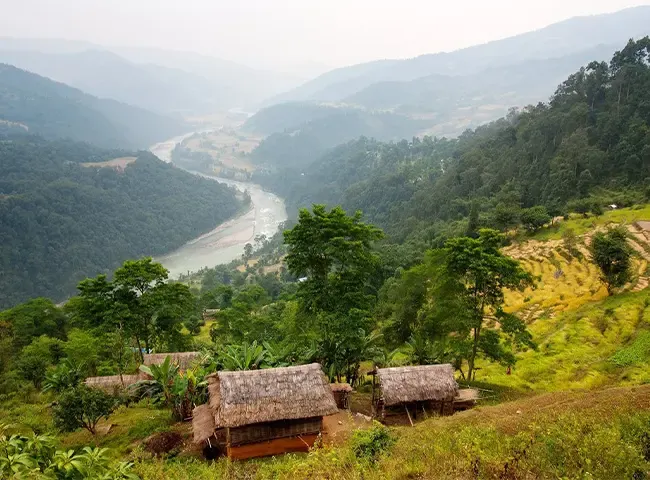
The Arun Valley is one of the deepest river valleys in the world, carved by the powerful Arun River that flows from Tibet into Nepal. This remote region remains largely untouched by modern tourism, allowing trekkers to experience an authentic Himalayan environment. The Arun Valley Trek begins in this lush valley, where subtropical forests, terraced farmlands, and traditional villages create a vibrant and welcoming atmosphere.
Unlike other trekking regions that start at higher altitudes, the Arun Valley Trek Nepal begins at a lower elevation, providing a gradual ascent that is both physically manageable and scenically rewarding. The valley is rich in biodiversity, with dense forests, flowing rivers, and diverse wildlife forming an important part of the Makalu region trekking route ecosystem.
As trekkers move along the Tumlingtar to Lukla trek, they pass through remote settlements where life continues in traditional ways. These villages offer insight into local cultures, farming practices, and daily routines that have remained unchanged for generations.
Cultural Diversity Along the Trail
One of the most fascinating aspects of the Arun Valley Trek is its cultural diversity. The trail passes through regions inhabited by Rai, Limbu, and Sherpa communities, each with their own traditions, languages, and lifestyles. This cultural richness makes the Arun Valley Trek Nepal more than just a physical journey—it becomes a meaningful cultural experience.
Throughout the Arun Valley to Everest route, trekkers encounter traditional houses, prayer flags, local festivals, and warm hospitality. The interaction with local communities adds depth to the journey, offering a rare opportunity to understand life in remote Himalayan villages.
As the trail ascends, the cultural landscape gradually shifts from Rai and Limbu communities to Sherpa settlements closer to the Everest region. This transition reflects the historical and geographical significance of the Makalu region trekking route, which has long served as a corridor connecting different Himalayan cultures.
Diverse Landscapes and Natural Beauty
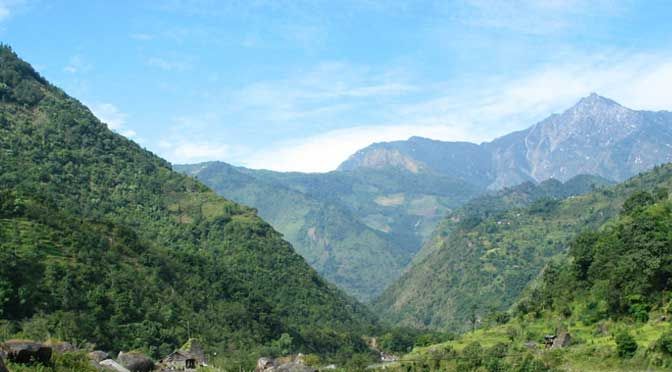
The Arun Valley Trek is known for its incredible diversity of landscapes. Starting from lush green valleys, the route gradually transitions into forested hills, alpine ridges, and rugged mountain terrain. This variation makes the Tumlingtar to Lukla trek one of the most visually dynamic trekking experiences in Nepal.
The lower sections of the Arun Valley Trek Nepal are dominated by subtropical vegetation, including bamboo forests, waterfalls, and fertile farmlands. As trekkers climb higher, the scenery changes to rhododendron forests, pine trees, and open ridges with expansive views.
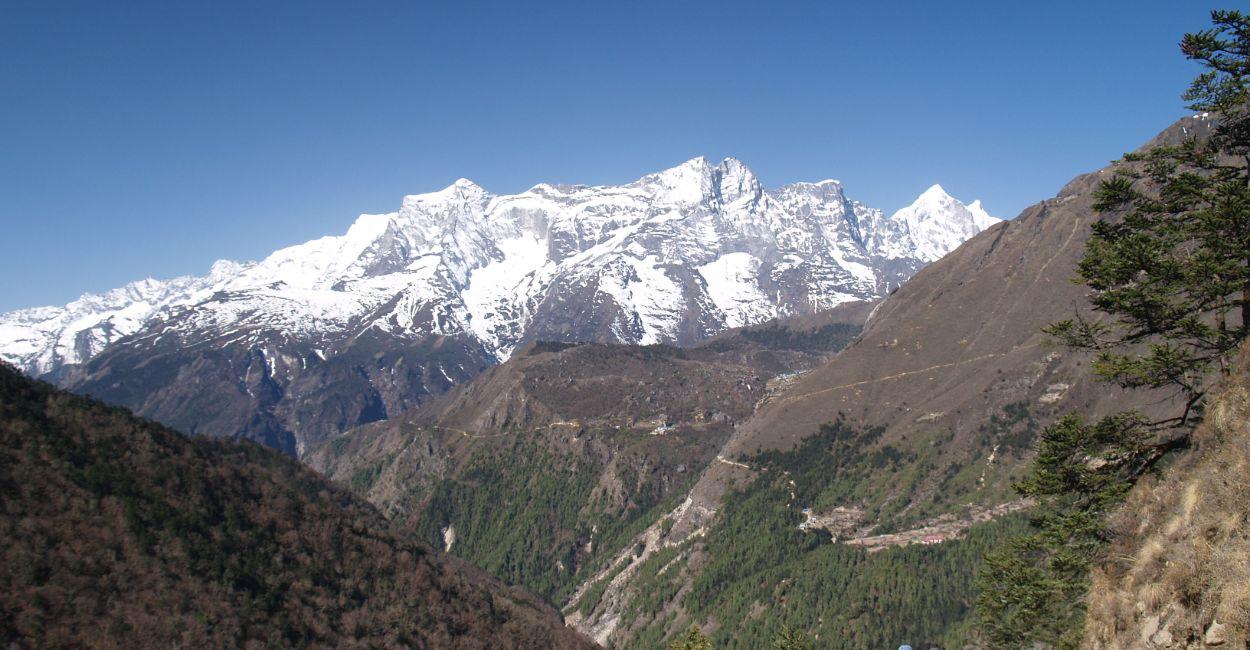
The higher sections of the Arun Valley to Everest route offer dramatic mountain landscapes, including steep ridges, deep valleys, and panoramic viewpoints. This continuous change in scenery keeps the trek engaging and rewarding throughout its duration.
A True Off-the-Beaten-Path Experience
One of the defining features of the Arun Valley Trek is its remoteness. Unlike the busy trails of Everest or Annapurna, this route sees very few trekkers, making it ideal for those seeking solitude and peace. The Arun Valley Trek Nepal provides a rare opportunity to explore untouched trails and experience the Himalayas in their purest form.
The Makalu region trekking route is known for its isolation, and the Arun Valley section enhances this experience by offering long stretches of quiet trails, minimal infrastructure, and a strong connection to nature. This makes the Tumlingtar to Lukla trek particularly appealing for experienced trekkers who want to escape crowded routes.
Connection to the Everest Region
A unique highlight of the Arun Valley Trek is its connection to the Everest region. As trekkers approach the final stages of the journey, the Arun Valley to Everest route gradually merges with the well-established trails leading to Lukla. This transition is both symbolic and practical, marking the completion of a cross-region Himalayan journey.
Reaching Lukla at the end of the Arun Valley Trek Nepal provides a sense of accomplishment, as trekkers complete a route that connects remote valleys with one of the most famous trekking regions in the world. This connection makes the Tumlingtar to Lukla trek a truly unique and rewarding experience.
A Journey Through the Makalu Region
The Arun Valley Trek is closely linked with the broader Makalu region trekking route, known for its pristine environment and rich biodiversity. Although the trek does not reach the high altitudes of Makalu Base Camp, it shares many of the region’s natural and cultural characteristics.
This connection enhances the overall experience of the Arun Valley Trek Nepal, allowing trekkers to explore one of Nepal’s most untouched regions while gradually transitioning toward the Everest area. The Arun Valley to Everest route thus serves as a natural extension of the Makalu trekking network.
Internal Exploration Opportunities
Travelers interested in expanding their adventure can combine the Arun Valley Trek with other trekking routes in eastern Nepal. Some popular options include:
- Arun Valley Trek Nepal extended itineraries
- Makalu Base Camp trekking routes
- Everest region trekking extensions from Lukla
These internal options allow trekkers to customize their journey and explore more of Nepal’s diverse trekking regions.
Trekking Similar to Arun Valley Trek
- Annapurna Circuit Trek: 15 Night – 16 Days
- Manaslu Circuit trek-14N/15D
- Everest Base Camp Trek- 12 Days/ 11 Night
Nepal Pilgrimage & Cultural Tours
- Buddhist Pilgrimage Tour 6 Nights / 7 Days
- Kathmandu, Pokhara & Muktinath 7 Nights / 8 Days
- 8 Days Culture, Wildlife & Heritage of Nepal
- Mani Rimdu Festival in Everest Region 11 Nights / 12 Days
- 1-Day Kathmandu UNESCO Heritage Tour with Complimentary Nagarkot Sunrise & Rani Jhula
Final Thoughts
The Arun Valley Trek is more than just a trekking route; it is a complete Himalayan journey that combines nature, culture, and adventure into one unforgettable experience. From the lush lowlands of the Tumlingtar to Lukla trek to the rugged ridges of the Arun Valley to Everest route, every step reveals a new dimension of Nepal’s beauty.
For trekkers seeking authenticity, solitude, and diversity, the Arun Valley Trek Nepal stands as one of the best alternatives to mainstream trekking routes. With its strong connection to the Makalu region trekking route and its unique transition into the Everest region, this trek offers a rare and rewarding adventure that few have experienced.
Whether you are drawn by remote landscapes, cultural encounters, or the thrill of a long-distance Himalayan journey, the Arun Valley Trek delivers an experience that is both meaningful and unforgettable.
Arun Valley Trek – 15 Days Highlights
- One of Nepal’s most remote and least-crowded trekking routes connecting Arun Valley with the Everest region
- Scenic flight between Kathmandu–Tumlingtar–Lukla with breathtaking Himalayan aerial views
- Trek through diverse landscapes from subtropical river valleys to alpine forests and high ridges
- Authentic cultural experience with Rai and Sherpa communities in traditional mountain villages
- Walk along the pristine Arun River valley, crossing multiple suspension bridges and rural trails
- Explore untouched, off-the-beaten-path villages like Chiyabesi, Dobhane, Bung, and Pangom
- Gradual ascent through rhododendron and dense Himalayan forests rich in biodiversity
- Panoramic views of surrounding hills and glimpses of the Makalu and Everest region landscapes
- Unique transition trek that connects two major regions: Makalu–Arun Valley and Everest trekking routes
- Final arrival at Lukla, the gateway to Everest, marking completion of a historic trekking corridor
- Perfect blend of adventure, culture, nature, and isolation away from commercial trekking routes
Arun Valley Trek Route Details – Complete Journey from Tumlingtar to Lukla via Remote Himalayas
The Arun Valley Trek is a long and remote Himalayan journey that begins with a flight from Kathmandu to Tumlingtar, the gateway to eastern Nepal’s Arun River basin. From here, the trail descends into the lush valley floor and follows the Arun River through a network of small villages, terraced fields, suspension bridges, and dense subtropical forests. The early sections of the trek offer a warm climate, vibrant rural lifestyle, and rich biodiversity, giving trekkers a gentle introduction to this less-explored region.
As the route progresses, the trail gradually ascends into mid-hill landscapes where villages like Chiyabesi, Tabular, and Dobhane reflect traditional mountain life. The terrain becomes more varied with forested climbs, ridge walking, and occasional steep ascents. Trekkers experience increasing isolation as the route moves away from major settlements, offering an authentic off-the-beaten-path experience in eastern Nepal.
Beyond Salpa Phedi, the trek enters higher alpine zones with rhododendron forests, cool temperatures, and expansive Himalayan views. The trail becomes more challenging as it climbs toward Guranse and then descends through culturally rich villages like Sanam and Bung, where Rai and Sherpa communities preserve ancient traditions and farming lifestyles in remote mountain environments.
In the final section, the route transitions toward the Everest region through Pangom and Puiyan, where the landscape becomes more rugged and distinctly Himalayan. Eventually, the trail merges with the classic Everest trekking network and reaches Lukla, marking the completion of a rare cross-valley expedition that connects Arun Valley’s wilderness with the world-famous Everest trail.
Include
- Airport pick-up and drop-off in Kathmandu
- Hotel accommodation in Kathmandu (as per itinerary)
- Domestic flights: Kathmandu to Tumlingtar and Lukla to Kathmandu
- All necessary ground transportation as per itinerary
- Full-board meals during the trek (breakfast, lunch, dinner)
- Teahouse/lodge accommodation during trekking days
- Experienced, licensed trekking guide
- Porter service (1 porter for 2 trekkers, if included)
- Guide and porter wages, meals, accommodation, and insurance
- Required trekking permits (TIMS Card, Makalu Barun National Park entry, local permits)
- Basic first aid kit carried by guide
- Trekking route planning and logistics management
- Government taxes and service charges
Exclude
- International airfare to and from Nepal
- Nepal entry visa fees
- Extra nights’ accommodation in Kathmandu (due to early arrival, late departure, or delays)
- Personal trekking equipment and gear
- Travel insurance (mandatory but not included)
- Personal expenses (drinks, snacks, hot showers, Wi-Fi, charging, etc.)
- Lunch and dinner in Kathmandu
- Tips for guide and porter (expected but not mandatory)
- Costs due to flight delays, cancellations, or natural events
- Emergency rescue and evacuation (covered by insurance)
Arun Valley Trek – 15 Days Itinerary
Upon your arrival at Tribhuvan International Airport, you will be warmly greeted by our representative and transferred to your hotel in the bustling capital city of Kathmandu. After check-in, you can take time to rest and recover from your journey or step out to explore the vibrant streets of Thamel, a popular tourist hub filled with trekking shops, restaurants, and cultural attractions.
In the evening, you will attend a detailed pre-trek briefing where your guide will explain the route, altitude considerations, safety measures, and daily expectations. This is also a great time to check your gear, ask questions, and mentally prepare for the adventure ahead. Overnight stay in Kathmandu.
After an early breakfast, you will head to the domestic terminal for a scenic flight to Tumlingtar. This short yet spectacular flight offers panoramic views of rolling green hills, winding rivers, and distant Himalayan peaks. As you leave the Kathmandu Valley behind, you will notice a transition into eastern Nepal’s lush and less-explored landscapes.
Upon arrival, you will immediately feel the warmer, subtropical climate compared to Kathmandu. After settling into your lodge, you can take a short walk around the area, interact with locals, and observe daily life in this quiet town. Your guide will also ensure that all trekking arrangements are in place for the next day’s journey. Overnight stay in Tumlingtar.
Today marks the official beginning of your trekking adventure. Leaving Tumlingtar, the trail descends gradually toward the banks of the Arun River, one of Nepal’s major river systems. You will walk through terraced farmlands, small settlements, and subtropical forests rich in biodiversity.
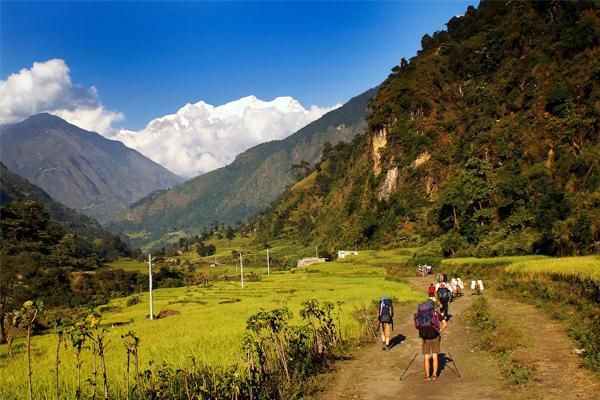
The route includes crossing suspension bridges and following riverside paths, offering a peaceful and scenic experience. Along the way, you may encounter local farmers, children walking to school, and traditional houses that reflect rural Nepali life. The trail is relatively gentle, making it a comfortable introduction to multi-day trekking. You will reach Chiyabesi, a small and quiet village surrounded by greenery, where you will spend the night.
After breakfast, the trail begins to gradually ascend as you move deeper into remote terrain. The path winds through dense forests, narrow ridges, and occasional open sections that provide views of the surrounding hills. The environment becomes quieter and more isolated, offering a true off-the-beaten-path experience.
You will pass scattered villages where traditional farming and livestock rearing remain the main livelihoods. The trek involves a mix of uphill and downhill sections, requiring steady pacing and endurance. By late afternoon, you will arrive at Tabular, a peaceful settlement with limited facilities but a serene natural setting. Overnight stay in Tabular.
Today’s journey continues along forested trails and river valleys. The route includes several suspension bridge crossings, adding both excitement and scenic variety to the trek. The sound of flowing rivers and the presence of dense vegetation create a tranquil atmosphere throughout the day.
As you move further into the region, you will notice fewer settlements and a stronger sense of remoteness. The trail remains moderately challenging, with gradual ascents and descents. You will arrive at Dobhane, a small settlement typically located near the meeting point of two rivers. This peaceful stop offers a perfect place to rest and recharge for the next day’s climb.
Today marks a transition toward higher elevations as you begin a more consistent ascent. The trail climbs steadily through forests filled with diverse plant life and occasional clearings that reveal stunning hillside views. The air becomes cooler and fresher as you gain altitude.
You will pass small villages where you can observe traditional lifestyles that have remained unchanged for generations. The trek requires a steady pace, as the elevation gain becomes more noticeable. By the end of the day, you will reach Salpa Phedi, which serves as a base point before crossing into higher mountain terrain. Overnight stay in Salpa Phedi.
This is one of the more physically demanding days of the trek as you gain significant altitude. The trail ascends through dense rhododendron forests, which bloom beautifully during spring, creating a colorful and vibrant landscape. The terrain becomes steeper and more rugged, requiring determination and proper pacing.
As you climb higher, the vegetation begins to change, and you may start to see panoramic views of surrounding ridges and distant peaks. The cooler temperatures and thinner air remind you that you are entering high-altitude territory. You will reach Guranse, a high-altitude settlement surrounded by forests and mountain scenery. Overnight stay in Guranse.
After the challenging ascent of the previous day, today’s trek offers a more balanced experience with gradual descents and gentle climbs. The trail follows scenic ridgelines and forest paths, providing breathtaking views of the surrounding hills and valleys.
You will pass through culturally rich settlements where you can interact with locals and learn about their traditions, lifestyle, and connection to the land. The journey is both visually rewarding and culturally enriching. By late afternoon, you will arrive at Sanam, a charming mountain village known for its peaceful environment and welcoming community. Overnight stay in Sanam.
Leaving the peaceful village of Sanam, the trail descends gradually through a mix of dense forests, terraced farmlands, and scattered settlements. This is a longer trekking day with varied terrain, requiring steady endurance and careful footing, especially on steeper downhill sections.
As you move deeper into inhabited regions, you will encounter the warm hospitality of local Rai communities, known for their rich cultural traditions and strong connection to agriculture and land. The trail offers occasional views of distant ridges and valleys, making the journey visually engaging despite its length. By late afternoon, you will reach Bung, a larger village with basic amenities and a vibrant rural atmosphere. Overnight stay in Bung.
Today’s trail begins with a steady ascent as you leave the lower villages behind and gradually enter higher alpine terrain. The path winds through dense forests, small grazing lands, and open ridges where yaks and livestock are often seen. The air becomes noticeably cooler and fresher as altitude increases.
This section of the trek is less populated, offering a more remote and peaceful trekking experience. You will experience the raw beauty of eastern Nepal’s untouched landscapes. By the end of the day, you will reach Gaikharka, a quiet grazing settlement surrounded by natural beauty, often used by herders during seasonal migration. Overnight stay in Gaikharka.
Today involves a challenging yet rewarding ascent through rugged Himalayan terrain. The trail climbs steadily through forested hills and rocky ridges, offering panoramic views of valleys and distant mountain ranges. The route is physically demanding but highly scenic, especially as you gain elevation.
As you approach Pangom, you will begin to notice strong Sherpa cultural influence in the architecture, monasteries, and lifestyle of the local people. Pangom is a culturally rich settlement known for its traditional houses, prayer flags, and spiritual atmosphere. This is a great place to experience authentic Himalayan mountain life. Overnight stay in Pangom.
The trail today continues through dense forests, ridgelines, and remote mountain paths. The route involves both ascents and descents, requiring consistent energy and focus. As you move closer to the Everest region, the trail becomes more defined and slightly busier with trekkers.
You will pass through peaceful landscapes filled with rhododendron forests, moss-covered trees, and occasional open viewpoints. By afternoon, you will reach Puiyan, a small settlement with basic lodges that serves as a connecting point for trekkers heading toward Lukla and Everest Base Camp routes. Overnight stay in Puiyan.
Today is a relatively shorter and more comfortable trekking day as you make your final approach to Lukla. The trail gradually ascends and passes through a mix of forested sections, stone steps, and small villages. You will notice an increase in trekking activity as you near the main Everest trail system.
Reaching Lukla is a major milestone, as it is the gateway to the Everest region and one of the most famous trekking hubs in the world. The town is lively, filled with lodges, cafes, and trekkers from around the globe. This is your final night in the mountains, offering a chance to celebrate the completion of your long journey from Tumlingtar.
Early in the morning, you will take a scenic mountain flight from Lukla back to Kathmandu. This flight is considered one of the most spectacular in the world, offering breathtaking views of snow-capped peaks, deep valleys, and winding Himalayan ridges.
Upon arrival in Kathmandu, you will be transferred to your hotel. The rest of the day is free for relaxation, souvenir shopping, or optional sightseeing in the city. Many trekkers use this time to rest, reflect on their journey, and enjoy a comfortable evening after days in the mountains.
On your final day, you will be transferred to Tribhuvan International Airport according to your flight schedule. Our team will assist you with departure arrangements and ensure a smooth transfer.
As you leave Nepal, you carry unforgettable memories of remote valleys, cultural encounters, high mountain passes, and the unique connection between the Makalu and Everest regions. This marks the end of your Himalayan adventure.
Video
Packing List – Arun Valley Trek
Clothing
- Moisture-wicking base layers (thermal top and bottom)
- Fleece jacket or warm mid-layer
- Down jacket (essential for high altitude sections)
- Waterproof and windproof jacket
- Trekking pants (quick-dry recommended)
- Lightweight t-shirts (2–4 pieces)
- Warm hat / beanie and sun cap
- Gloves (light + warm pair)
- Extra underwear and socks (wool or thermal)
Footwear
- Waterproof trekking boots (well broken-in)
- Comfortable camp shoes or sandals
- Warm trekking socks (4–6 pairs)
Trekking Gear
- Backpack (30–40L for day use)
- Duffel bag (carried by porter if used)
- Sleeping bag (rated -10°C to -15°C)
- Trekking poles (highly recommended)
- Rain cover for backpack
Personal Essentials
- Sunscreen (SPF 50+)
- Lip balm with SPF
- Sunglasses (UV protection)
- Personal toiletries (biodegradable preferred)
- Quick-dry towel
- Hand sanitizer and wet wipes
Health and Safety
- Personal first aid kit
- Altitude sickness medicine (Diamox if required)
- Pain relievers and basic medicines
- Water purification tablets or filter bottle
Electronics
- Power bank (10,000–20,000 mAh)
- Headlamp with extra batteries
- Phone and charger
- Camera (optional but recommended)
Snacks
- Energy bars and chocolates
- Electrolyte powder
- Dry fruits and nuts
Documents
- Passport copy
- Travel insurance (recommended)
- Required permits (TIMS, national park entry if applicable)
- Cash in Nepalese rupees for trek expenses
Arun Valley Trek – 15 Days FAQs
The Arun Valley Trek is a remote and scenic trekking route in eastern Nepal that connects the lowland Arun River valley with the Everest region, offering diverse landscapes, rich culture, and fewer crowds compared to popular trails.
It is considered a moderate to challenging trek due to long walking days, remote terrain, and continuous ascents and descents, but it does not involve extreme high-altitude risk compared to Everest Base Camp.
The standard itinerary takes around 14–16 days, including arrival, trekking, and return to Kathmandu.
The best seasons are spring (March to May) and autumn (September to November) when the weather is stable, skies are clear, and mountain views are at their best.
Yes, hiring a licensed guide is highly recommended due to the remote nature of the route, limited infrastructure, and navigation challenges.
You will need a TIMS Card, Makalu Barun National Park Entry Permit, and possibly local area permits depending on the route.
The trek starts from Tumlingtar and ends at Lukla, connecting eastern Nepal with the Everest region.
No, it is one of the least crowded trekking routes in Nepal, making it ideal for those seeking solitude and off-the-beaten-path experiences.
Accommodation includes basic teahouses and lodges during the trek, with simple rooms and shared facilities.
Teahouses provide Nepali and basic international meals such as dal bhat, noodles, rice, soups, eggs, and tea.
The risk is lower compared to high-altitude treks like Everest Base Camp, but proper acclimatization and hydration are still important.
You take a domestic flight from Kathmandu to Tumlingtar to begin the trek.
Yes, travel insurance is strongly recommended and should cover trekking, emergencies, and evacuation.
It is not ideal for complete beginners; prior trekking experience and good physical fitness are recommended.
Its uniqueness lies in its remote trails, cultural authenticity, diverse landscapes, and the rare connection between Arun Valley and the Everest region.
Reviews
No reviews found.