


Vipassana Meditation Retreat in Nepal – 10 Days
Destination:
Kathmandu, Nepal
Trip Duration:
10 Days / 11 Nights
Max Altitude:
Approximately 1,400 m (4,593 ft)
Activities:
Vipassana Meditation, Anapana Meditation, Metta Meditation, Mindfulness, Silent Retreat, Self-Observation
Start Point:
Dhamma Shringa, Budhanilkantha, Kathmandu
Ending Point:
Dhamma Shringa, Budhanilkantha, Kathmandu
Region:
Kathmandu Valley, Nepal
Trip Grade:
Easy
Group Size:
Depends on the scheduled Vipassana course
Accomodation:
Residential accommodation at the Vipassana Centre
Meals:
Vegetarian meals provided according to the retreat schedule
Transportation:
Private/local transportation to and from Dhamma Shringa; transportation during the meditation course is not required
Permits Required:
No trekking permit required; course registration/acceptance is required
Best Season:
September–November and March–May
Vipassana Meditation Retreat in Nepal
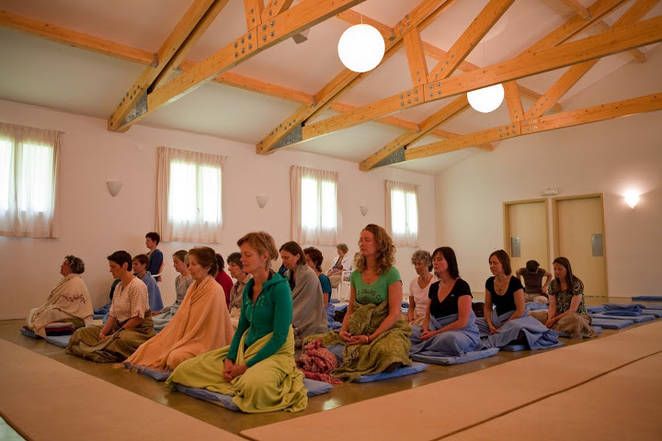
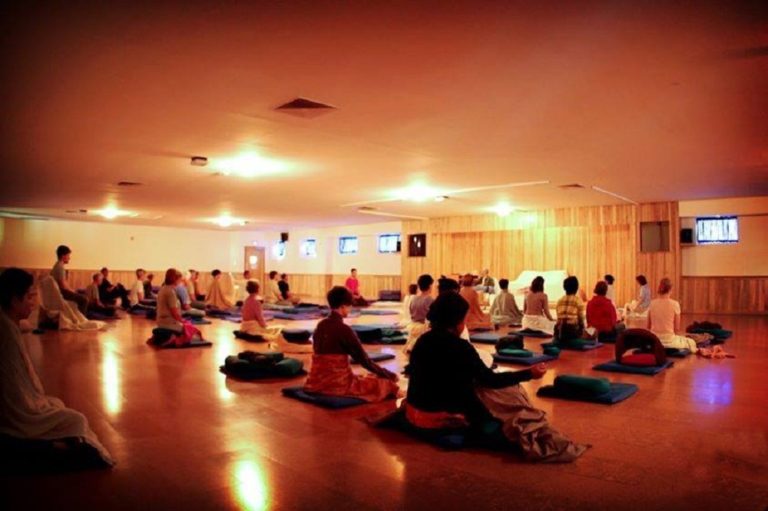
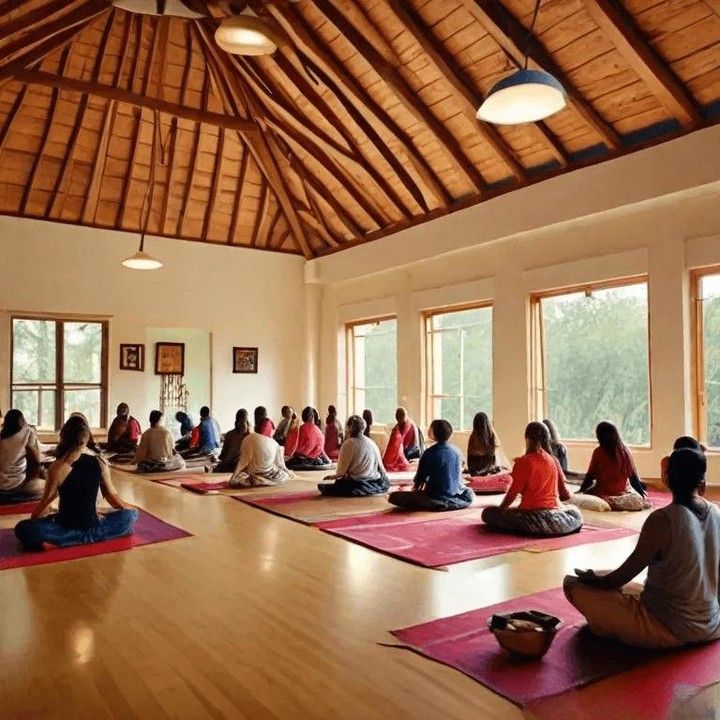
A Vipassana Meditation Retreat in Nepal offers a meaningful opportunity to step away from the distractions of everyday life and dedicate time to mindfulness, self-observation, and inner awareness. Set in the peaceful surroundings of Kathmandu Valley, this retreat provides a structured environment for people who want to explore meditation while experiencing a different side of Nepal. Rather than focusing on conventional sightseeing, the Vipassana Meditation Retreat in Nepal is centered on developing awareness through disciplined meditation practice.
Experience Authentic Vipassana Meditation
The Vipassana Meditation Retreat in Nepal follows the traditional Vipassana approach associated with S.N. Goenka. Vipassana is an ancient meditation technique that emphasizes observing one’s own experience with awareness and equanimity. Participants learn to observe physical sensations and mental reactions without immediately responding to them.
This makes the retreat different from an ordinary holiday or recreational wellness program. A Vipassana Retreat Nepal experience is designed around simplicity, concentration, observation, and personal practice. The environment encourages participants to reduce unnecessary external stimulation and devote their attention to understanding their own mind and body.
A Meaningful Wellness Experience
Modern lifestyles often involve continuous exposure to technology, social media, work responsibilities, and other sources of distraction. A Vipassana Meditation Retreat in Nepal creates an opportunity to temporarily step away from these influences and establish a more focused routine.
The retreat’s approach to wellness is primarily inward rather than recreational. Instead of depending on spa treatments or entertainment, participants explore mindfulness through meditation and disciplined observation. This makes a Meditation Retreat in Nepal particularly appealing to travellers searching for a more purposeful and reflective experience.
The practice can also encourage participants to become more aware of their habitual reactions. By observing sensations and mental responses without immediately judging or reacting to them, participants can develop a greater understanding of their own patterns of thought and behaviour.
Discover a Peaceful Side of Kathmandu
Kathmandu is well known for its historic temples, cultural heritage, and vibrant urban environment, but the Kathmandu Valley also contains quieter locations suitable for contemplation. The setting of the Vipassana Meditation Retreat Kathmandu experience provides a contrast to the busy rhythm of city life.
Located in the northern area of Kathmandu Valley, the retreat environment allows participants to spend dedicated time away from ordinary urban distractions. This setting complements the objectives of a Vipassana Retreat Nepal, where maintaining concentration and awareness is more important than continuously moving between tourist attractions.
For travellers visiting Nepal, the experience can provide an opportunity to explore the country’s contemplative traditions from a different perspective. Instead of simply observing Nepal’s spiritual heritage as a tourist, participants can devote time to their own meditation practice.
Develop Mindfulness and Self-Awareness
A central purpose of the Vipassana Meditation Retreat in Nepal is learning through direct observation. Participants are encouraged to pay attention to their own experience and develop greater awareness of changing sensations and mental reactions.
The practice emphasizes equanimity, encouraging participants to observe pleasant and unpleasant experiences without automatically developing attachment or aversion. Through continued practice, this approach can help participants become more conscious of their responses to everyday situations.
The benefits of a 10 Day Vipassana Retreat Nepal experience are therefore not limited to the time spent at the meditation centre. Participants can take the principles of awareness and observation into their daily routines and may choose to continue practicing meditation after completing the retreat.
Who Is This Retreat For?
A Vipassana Meditation Retreat in Nepal can be suitable for people who are interested in meditation, mindfulness, personal reflection, and developing greater mental awareness. It can appeal to first-time participants as well as people who already have an interest in meditation and want to dedicate more time to their practice.
The retreat requires commitment and patience. Participants should understand that Vipassana is a disciplined meditation practice rather than a quick relaxation program. Approaching the experience with an open mind and realistic expectations can make the retreat more meaningful.
For travellers seeking an alternative to conventional tourism, a Vipassana Retreat Nepal experience provides an opportunity to slow down and focus on personal development. The simplicity of the retreat encourages participants to give greater attention to the present moment rather than constantly seeking external stimulation.
Nepal Pilgrimage & Cultural Tours
- Buddhist Pilgrimage Tour 6 Nights / 7 Days
- Kathmandu, Pokhara & Muktinath 7 Nights / 8 Days
- 8 Days Culture, Wildlife & Heritage of Nepal
- Mani Rimdu Festival in Everest Region 11 Nights / 12 Days
- 1-Day Kathmandu UNESCO Heritage Tour with Complimentary Nagarkot Sunrise & Rani Jhula
- Muktinath Yatra from Kathmandu – 5 Days
Why Choose a Vipassana Meditation Retreat in Nepal?
Choosing a Vipassana Meditation Retreat in Nepal allows travellers to combine a visit to Nepal with a dedicated period of meditation and self-observation. The experience offers a different way of engaging with the country, moving beyond sightseeing and creating space for personal reflection.
A 10 Day Vipassana Retreat Nepal can be particularly valuable for anyone looking to establish a consistent meditation routine, explore mindfulness, or simply take intentional time away from a demanding lifestyle. The structured nature of the experience encourages participants to remain focused on their practice and gradually develop greater awareness.
If you are searching for a Meditation Retreat in Nepal that emphasizes authentic practice rather than luxury, this experience offers a purposeful way to spend time in Kathmandu Valley. The combination of a peaceful environment, traditional meditation practice, and dedicated personal reflection makes the Vipassana Meditation Retreat in Nepal a distinctive wellness experience for mindful travellers.
FAQs – Vipassana Meditation Retreat in Nepal
1. What is a Vipassana Meditation Retreat in Nepal?
It is a residential meditation retreat focused on mindfulness, self-observation and developing mental awareness through the Vipassana meditation technique.
2. How long is the Vipassana retreat?
The standard Vipassana course is 10 days of meditation practice, with arrival and departure arrangements extending the overall stay.
3. Where is the Vipassana retreat held in Nepal?
The retreat is held at Dhamma Shringa, Nepal Vipassana Centre, Budhanilkantha, Kathmandu.
4. Is the Vipassana retreat suitable for beginners?
Yes. Previous meditation experience is not required for a standard 10-day course. Participants must be willing to follow the meditation instructions and retreat discipline.
5. What is the daily schedule like?
The retreat follows a structured schedule beginning early in the morning and continuing until evening, with approximately 10 hours of meditation distributed throughout the day, along with meal and rest periods.
6. Is silence required during the retreat?
Yes. Participants observe Noble Silence during the main meditation period and are expected to follow the centre’s communication and conduct rules.
7. Are accommodation and meals included?
Yes. Residential accommodation and simple vegetarian meals are provided as part of the Vipassana course arrangements.
8. Can I use my phone during the retreat?
No. Electronic devices such as mobile phones are generally deposited with the centre’s management for the duration of the course.
9. What should I bring to the retreat?
Bring comfortable and modest clothing, personal toiletries, suitable footwear, essential medication if required, and other basic personal necessities. Avoid unnecessary electronic devices, entertainment materials and valuables.
10. How do I register for a Vipassana course in Nepal?
You need to apply for an available course through the official Vipassana course registration system and receive confirmation before attending.
Vipassana Meditation Retreat in Nepal – 10 Days Highlights
- Authentic 10-Day Vipassana Meditation Retreat following the S.N. Goenka tradition
- Peaceful retreat environment at Dhamma Shringa in Budhanilkantha, Kathmandu
- Noble Silence to minimize external distractions and encourage inner awareness
- Anapana Meditation to develop concentration through observation of the natural breath
- Vipassana Meditation focused on systematic observation of bodily sensations and equanimity
- Metta (Loving-Kindness) Meditation during the concluding stage of the course
- Self-Observation and Mindfulness through structured daily meditation sessions
- Simple vegetarian meals provided according to the retreat schedule
- Residential retreat experience with accommodation at the meditation centre
- Digital and social detox through the retreat's disciplined environment
- Quiet Kathmandu Valley setting away from the usual pace of city life
- Practical meditation experience to support continued practice after the retreat
Vipassana Meditation Retreat in Nepal Route – Kathmandu to Dhamma Shringa
The Vipassana retreat begins with travel from Kathmandu to Dhamma Shringa, the Nepal Vipassana Centre, in Budhanilkantha. The centre is situated in the northern part of Kathmandu Valley, providing a quiet environment suitable for residential meditation. Participants travel from Kathmandu to Budhanilkantha and continue to the Dhamma Shringa meditation centre for registration and check-in.
Once participants arrive at Dhamma Shringa, the entire meditation program is conducted within the centre. Unlike a conventional Nepal tour, there is no sightseeing circuit or daily transportation during the retreat. Participants remain at the centre throughout the course and follow the prescribed schedule of meditation, meals, rest and evening discourses. The retreat includes Anapana meditation during the initial stage, followed by Vipassana practice and concluding Metta meditation.
After completion of the formal retreat, participants check out from Dhamma Shringa and travel back toward Kathmandu, where they can continue their onward journey or arrange additional accommodation and sightseeing separately.
Horizontal Route Map
Kathmandu → Budhanilkantha → Dhamma Shringa Vipassana Centre → 10-Day Retreat → Budhanilkantha → Kathmandu
Approximate Route: Kathmandu → Budhanilkantha → Dhamma Shringa
Route Type: Road transfer + residential meditation retreat
Main Retreat Location: Dhamma Shringa, Budhanilkantha, Kathmandu
Important: The route map represents the travel route to and from the meditation centre. The 10-day Vipassana program itself takes place at Dhamma Shringa and does not involve regular sightseeing or travel between destinations.
Include
- Accommodation at the designated Vipassana meditation centre during the residential course
- Simple vegetarian meals provided according to the retreat schedule
- Daily Anapana, Vipassana and Metta meditation sessions
- Guided meditation instructions and evening discourses
- Access to the meditation hall and designated meditation areas
- Retreat facilities and basic residential services provided by the centre
- Registration and participation in the scheduled Vipassana course, subject to acceptance and availability
- Quiet retreat environment and Noble Silence period as required by the course discipline
Exclude
- International or domestic flight tickets
- Nepal visa or visa-related expenses
- Transportation to and from Dhamma Shringa, unless specifically arranged as part of your travel package
- Personal expenses and purchases
- Travel insurance
- Medical expenses or personal medication
- Additional hotel accommodation outside the retreat centre
- Sightseeing and tours in Kathmandu or elsewhere in Nepal
- Spa treatments, massages or other commercial wellness services
- Laundry and other personal services, where applicable
- Tips, donations or voluntary contributions not specifically included in the package
- Any services not explicitly mentioned under What's Included
Vipassana Meditation Retreat in Nepal – 10 Days Itinerary
Participants arrive at Dhamma Shringa, the Nepal Vipassana Centre in Budhanilkantha, Kathmandu, during the designated afternoon registration period. After completing registration, participants are allocated their accommodation and introduced to the basic facilities and retreat arrangements. Personal belongings and items that may create distractions are deposited according to the centre’s rules. Before the course begins, participants attend an orientation explaining the meditation schedule, Noble Silence, code of discipline, and practical arrangements for meals, accommodation and meditation sessions. The formal meditation course begins in the evening with the taking of the precepts and an introduction to Anapana meditation, which involves observing the natural breath. Participants then retire for the night and prepare for the intensive meditation schedule beginning the following morning.
The second day begins early in the morning with meditation. Participants follow a structured timetable consisting of group meditation, individual practice, meals and designated rest periods. The main practice remains Anapana, with attention focused on the natural flow of respiration. Participants gradually learn to observe the breath without attempting to control or change it. Throughout the day, meditation sessions are complemented by recorded or guided instructions and an evening discourse explaining aspects of the practice. Noble Silence continues, allowing participants to reduce external distractions and concentrate on their inner experience. The day concludes with evening meditation and rest.
On Day 3, participants continue practicing Anapana meditation and work toward developing a steadier and more concentrated mind. The practice involves observing the natural breath and progressively refining awareness. Long periods of sitting meditation are balanced with meal breaks and short periods of rest. Participants remain in Noble Silence and generally avoid reading, writing, electronic devices and other activities that can interfere with the meditation process. The evening discourse provides further explanation of the meditation practice and prepares participants for the transition to Vipassana meditation on the following day. The day ends with an evening meditation session and overnight rest.
Day 4 marks an important transition in the course. After several days of developing concentration through Anapana, participants are introduced to the Vipassana technique. The practice involves systematically observing physical sensations throughout the body while maintaining awareness and equanimity. Participants begin applying the technique during individual and group meditation sessions under the guidance provided by the course. The remainder of the day follows the established retreat timetable, with meditation sessions, simple vegetarian meals, rest periods and evening instructions. Noble Silence remains in effect, enabling participants to focus primarily on their meditation practice and direct observation of their own experience.
Participants continue practicing Vipassana on Day 5, becoming more familiar with systematic observation of bodily sensations. Meditation sessions encourage participants to observe sensations as they arise and pass away without immediately reacting to them. The structured timetable provides repeated opportunities to practice both in the meditation hall and during individual meditation periods. Meals remain simple and vegetarian, while the quiet environment minimizes ordinary social and technological distractions. The evening discourse offers further guidance on the principles behind the practice and helps participants understand how awareness and equanimity are developed through continued observation.
The sixth day continues the intensive Vipassana practice. Participants spend much of the day alternating between group meditation and individual meditation, following the instructions of the course. Greater emphasis is placed on maintaining continuous awareness and developing an increasingly balanced attitude toward pleasant, unpleasant and neutral sensations. Noble Silence continues, allowing participants to remain focused on their personal meditation experience. The daily routine also includes scheduled meals and rest periods to support the demanding meditation schedule. An evening discourse provides further teaching and reflection on the meditation technique before participants return to their accommodation for the night.
By Day 7, participants have spent several days practicing Vipassana and continue working toward deeper awareness and steadiness of mind. The day’s schedule remains highly structured, with early-morning meditation followed by further group and individual sessions throughout the day. Participants systematically observe bodily sensations and practice responding to them with equanimity rather than habitual reaction. The retreat environment remains intentionally simple, with limited external communication and no ordinary entertainment or sightseeing activities. Evening instructions and discourse provide additional understanding of the practice, while the quiet surroundings allow participants to maintain their inward focus.
Day 8 continues the intensive stage of the retreat. Participants maintain the established meditation schedule and devote significant portions of the day to Vipassana practice. As concentration develops, participants continue observing sensations throughout the body while remaining aware and equanimous. The purpose of the practice is not entertainment or physical relaxation but developing greater awareness of one’s own mind-body experience. Participants continue observing Noble Silence and following the centre’s discipline. Regular meals and rest periods are incorporated into the schedule, while evening discourse and meditation provide further instruction and support for the continuing practice.
The ninth day is another full day of Vipassana meditation. Participants continue applying the technique independently as well as during scheduled group sittings. The focus remains on maintaining awareness and equanimity while observing changing physical sensations. After several days of practice, participants are encouraged to sustain their attention and continue following the technique carefully rather than becoming distracted by expectations or outside concerns. The day follows the same disciplined pattern of meditation, meals, rest and evening instruction. Participants remain in silence and prepare mentally for the final day of the formal course.
Day 10 marks the conclusion of the intensive Noble Silence period. Participants continue Vipassana practice before being introduced to Metta Bhavana, or loving-kindness meditation, as part of the concluding stage of the course. The practice focuses on developing goodwill and sharing positive intentions with others. Later in the day, Noble Silence is gradually brought to an end according to the course schedule, allowing participants to begin communicating with fellow participants again. This provides an opportunity to reflect on the retreat experience and prepare for the transition back to normal daily life. Participants continue following the centre’s instructions and prepare their belongings for departure.
The final morning begins with meditation and the concluding activities of the residential course. Participants complete the remaining formal practice and receive final guidance concerning the continuation of Vipassana meditation in everyday life. After breakfast and the required departure arrangements, participants collect their belongings and leave Dhamma Shringa. The retreat concludes with participants returning to Kathmandu or continuing onward with their travel plans. Those wishing to extend their Nepal experience can arrange separate post-retreat accommodation, sightseeing or wellness activities, but these should be treated as additional travel services rather than part of the official Vipassana course.
Important Package Note
This itinerary reflects the actual nature of a Goenka-style Vipassana retreat: meditation, silence, discipline, simple accommodation and vegetarian meals. It should not advertise massages, yoga classes, spa treatments, sightseeing or entertainment as activities included within the official 10-day course. The exact daily timetable, registration times, accommodation arrangements and course dates should always be confirmed with Dhamma Shringa before publishing a commercial package.
Video
10-Day Vipassana Meditation Retreat in Nepal – Route Map
For the 10-Day Vipassana Meditation Retreat in Nepal, participants should pack light and bring only practical items needed for a simple residential meditation stay.
Essential Items
- Comfortable, modest clothing for 10–11 days
- Loose-fitting trousers, track pants, or comfortable traditional clothing
- Comfortable shirts and T-shirts with appropriate coverage
- Light sweater, jacket, or warm layer depending on the season
- Comfortable undergarments and socks
- Comfortable indoor footwear and sandals/slippers
- Personal toiletries
- Toothbrush and toothpaste
- Soap, shampoo, and other basic hygiene products
- Personal towel
- Reusable water bottle
- Small personal bag for daily essentials
Meditation & Personal Items
- Comfortable shawl or meditation wrap
- Personal meditation cushion, if preferred
- Simple alarm clock or permitted timekeeping device
- Any essential personal reading or meditation item only if permitted under the centre’s course rules
Weather-Related Items
- Light rain jacket or umbrella during the monsoon period
- Warm layers during cooler months
- Sun hat/cap for travel to and from the centre
- Sunscreen
- Comfortable walking shoes
Personal Necessities
- Required prescription medicines and essential personal health supplies
- Basic personal first-aid items
- Necessary travel documents
- Small amount of cash for travel-related expenses
Items to Avoid Bringing
- Alcohol, tobacco, cigarettes, vaping products or recreational drugs
- Weapons or dangerous items
- Excessive valuables or expensive jewellery
- Entertainment devices
- Unnecessary electronic equipment
- Books, newspapers or other distracting reading materials where prohibited
- Cameras and recording equipment where prohibited
- Food or snacks unless specifically permitted
- Anything that conflicts with the centre’s meditation discipline
Important: The exact list of permitted and prohibited items can vary according to the course rules. Participants should follow the instructions provided by Dhamma Shringa/Nepal Vipassana Centre after their course is accepted.
Reviews
No reviews found.