
Saribung Pass Trek – 22 Days
Destination:
Nepal (Upper Mustang to Naar Phu Valley)
Trip Duration:
22 Days
Max Altitude:
6,042 meters (Saribung Pass)
Activities:
Trekking, camping, cultural exploration, high pass crossing, glacier walk
Start Point:
Kathmandu
Ending Point:
Kathmandu
Region:
Annapurna Region (Upper Mustang & Naar Phu Valley)
Trip Grade:
Strenuous / Technical (High Altitude Trek)
Group Size:
2–10 people
Accomodation:
Hotel, teahouse, and camping (mixed)
Meals:
Breakfast in cities; full board (Breakfast, Lunch, Dinner) during trek
Transportation:
Domestic flights, private jeep, trekking on foot
Permits Required:
Restricted Area Permit (Upper Mustang & Naar Phu), ACAP Permit, TIMS Card
Best Season:
Spring (March–May) and Autumn (September–November)
Saribung Pass Trek
The Saribung Pass Trek is one of the most remote and demanding trekking adventures in Nepal, designed for experienced trekkers seeking a true Himalayan expedition. This journey connects the hidden landscapes of Upper Mustang with the isolated Naar Phu Valley, offering an unmatched combination of wilderness, culture, and high-altitude challenge.
As part of the broader Saribung Pass Trek Nepal experience (secondary keyword), this route takes you far beyond the typical trekking circuits. It explores restricted regions where ancient traditions remain preserved and natural landscapes remain untouched by modern development.
Why Choose Saribung Pass Trek Nepal
The Saribung Pass Trek Nepal route stands out for its exclusivity and raw adventure. Unlike popular trekking routes, this journey offers solitude, authenticity, and a deeper connection to the Himalayas.
Trekkers choosing this expedition can expect:
- Remote trails with minimal crowds
- Unique cultural encounters in Upper Mustang and Naar Phu
- A mix of desert landscapes and glaciated terrain
- A true expedition-style trekking experience
For those looking for something beyond standard trekking routes, this journey offers a rare and rewarding alternative.
Saribung Pass Trek Itinerary Experience
The Saribung Pass Trek itinerary (secondary keyword) is carefully designed to ensure proper acclimatization and gradual progression through diverse landscapes. The route typically begins in the Mustang region and slowly ascends toward more remote and higher-altitude areas.
The journey includes:
- Exploration of Upper Mustang’s ancient villages
- Trekking through remote valleys and canyon systems
- Gradual ascent toward high-altitude camps
- Crossing into the isolated Naar Phu region
Each phase of the itinerary introduces new terrain, making the overall experience dynamic and engaging.
22 Days Saribung Pass Trek Itinerary Insights
The 22 days Saribung Pass Trek itinerary (long-tail keyword) allows sufficient time for acclimatization, which is crucial for high-altitude trekking. This extended duration ensures a safer and more enjoyable journey.
Key features of this itinerary include:
- Balanced trekking pace with rest days
- Cultural exploration in restricted regions
- Preparation for high mountain pass crossing
- Safe descent through remote valleys
This duration is considered ideal for managing altitude and completing the trek successfully.
Saribung Pass Trek Cost and Difficulty
Understanding the Saribung Pass Trek cost and difficulty (long-tail keyword) is essential for proper planning. This trek is both physically demanding and logistically complex, which influences its overall cost.
Difficulty Level
The trek is classified as strenuous to extreme due to:
- High altitude (above 6000 meters)
- Glacier travel and snow sections
- Long trekking days
- Remote and isolated environment
Cost Factors
The cost of this trek generally depends on:
- Permit fees for restricted regions
- Guide and support staff services
- Camping logistics and equipment
- Transportation and accommodation
Due to these factors, it is considered a premium trekking experience in Nepal.
Landscape and Terrain Diversity
The Saribung Pass Trek offers a wide range of landscapes, making it one of the most visually diverse treks in the Himalayas.
Trekkers will experience:
- Dry and rugged Mustang terrain
- Deep gorges and canyon trails
- Alpine meadows and grazing lands
- Snow-covered high-altitude sections
This variation enhances both the challenge and beauty of the journey.
Cultural Highlights Along the Route
The cultural richness of this trek is a major highlight. The regions of Upper Mustang and Naar Phu are deeply influenced by Tibetan traditions.
Along the route, trekkers can explore:
- Ancient monasteries and Buddhist heritage sites
- Traditional villages with unique architecture
- Spiritual landmarks and prayer sites
- Isolated communities with preserved lifestyles
These cultural elements make the trek more than just a physical journey.
Best Time to Trek
The best seasons for the Saribung Pass Trek Nepal are:
- Spring (April to May)
- Autumn (September to November)
These periods provide stable weather, clear skies, and better visibility, which are essential for high-altitude trekking.
Accommodation and Logistics
Accommodation during the trek varies depending on the region. Lower areas offer basic tea house facilities, while remote sections require camping.
Typical arrangements include:
- Tea house stays in Mustang
- Camping in high-altitude areas
- Meals prepared by trekking staff
- Support from porters and guides
This combination ensures access to remote areas while maintaining basic comfort.
Permits and Regulations
The Saribung Pass Trek Nepal requires special permits due to restricted regions. These permits must be arranged through a licensed trekking agency.
Required permits include:
- Upper Mustang Restricted Area Permit
- Naar Phu Restricted Area Permit
- Annapurna Conservation Area Permit
Preparation and Safety
Preparation is crucial for completing the Saribung Pass Trek safely. The high altitude and remote conditions require careful planning.
Key preparation tips:
- Follow proper acclimatization schedules
- Maintain good physical fitness
- Use appropriate trekking gear
- Travel with experienced guides
Travel insurance covering high-altitude trekking and emergency evacuation is strongly recommended.
Trekking Similar to Sarinung Pass Trek
- Annapurna Circuit Trek: 15 Night – 16 Days
- Manaslu Circuit trek-14N/15D
- Everest Base Camp Trek- 12 Days/ 11 Night
Nepal Pilgrimage & Cultural Tours
- Buddhist Pilgrimage Tour 6 Nights / 7 Days
- Kathmandu, Pokhara & Muktinath 7 Nights / 8 Days
- 8 Days Culture, Wildlife & Heritage of Nepal
- Mani Rimdu Festival in Everest Region 11 Nights / 12 Days
- 1-Day Kathmandu UNESCO Heritage Tour with Complimentary Nagarkot Sunrise & Rani Jhula
Final Thoughts
The Saribung Pass Trek is a complete Himalayan expedition that combines adventure, culture, and extreme landscapes. With a well-structured Saribung Pass Trek itinerary, a carefully planned 22 days Saribung Pass Trek itinerary, and a clear understanding of Saribung Pass Trek cost and difficulty, trekkers can fully prepare for this extraordinary journey.
For those seeking a true off-the-grid experience, the Saribung Pass Trek Nepal stands as one of the most rewarding and challenging treks in the Himalayas.
Saribung Pass Trek – 22 Days Highlights
- Cross the high-altitude Saribung Pass (6,042m) one of Nepal’s most remote and challenging Himalayan passes
- Experience a rare trans-Himalayan journey connecting Upper Mustang and Naar Phu Valley
- Explore the ancient walled kingdom of Lo Manthang, rich in Tibetan culture and heritage
- Discover mysterious sky caves in Chhosar, carved into towering cliffs thousands of years ago
- Trek through the hidden and untouched landscapes of Naar Phu Valley, far from mainstream routes
- Witness dramatic scenery from arid Mustang deserts to glaciers and snow-covered peaks
- Visit sacred monasteries like Ghar Gompa, one of the oldest in the region
- Enjoy a true wilderness camping experience in remote high-altitude terrain
- Cross glaciers and rugged terrain, adding a sense of adventure and expedition-style trekking
- Encounter authentic Tibetan-influenced culture, traditions, and isolated mountain communities
- Traverse part of the classic Annapurna Circuit trail toward the end of the journey
- Capture breathtaking panoramic views of the Himalayas stretching toward the Tibet border
Saribung Pass Trek Route Details
Include
- Airport pick-up and drop-off services
- Domestic transportation (flight or drive as per itinerary)
- All necessary permits (Upper Mustang, Naar Phu, ACAP)
- Licensed trekking guide
- Assistant guide (for larger groups)
- Porter service (1 porter for 2 trekkers)
- Staff insurance, salary, meals, and accommodation
- Accommodation during trek (tea houses + camping)
- Three meals a day during the trek (breakfast, lunch, dinner)
- Camping equipment (tents, kitchen, dining, toilet tents)
- Group trekking/climbing gear (ropes, crampons, ice axe if included)
- Sleeping bag and down jacket (if provided)
- First aid kit carried by guide
- All government taxes and service charges
Exclude
- International airfare
- Nepal visa fees
- Travel insurance (high-altitude + evacuation required)
- Personal trekking gear
- Extra hotel nights outside itinerary
- Meals in Kathmandu and Pokhara
- Personal expenses (snacks, drinks, Wi-Fi, showers, charging)
- Tips for guide and porter
- Emergency rescue/evacuation costs
- Costs due to delays, weather, or itinerary changes
Saribung Pass Trek – 22 Days Itinerary
Upon your arrival in Kathmandu, you will be greeted at Tribhuvan International Airport by your trekking representative and transferred to your hotel in the vibrant Thamel area. After check-in, you can relax and recover from your journey or take a leisurely walk through the bustling streets filled with trekking gear shops, handicraft stores, and local restaurants.
In the evening, your guide will conduct a detailed pre-trek briefing covering the Saribung Pass route, altitude risks, required gear, and overall logistics. This day is important for orientation and ensuring all final arrangements are perfectly in place before heading toward the mountains.
After breakfast, you spend the morning completing final preparations such as permit verification (ACAP and restricted area permits), gear organization, and last-minute shopping if necessary. Once everything is ready, you take a short but scenic flight to Pokhara. During the flight, you can enjoy breathtaking aerial views of snow-capped peaks including Annapurna, Machhapuchhre, and Dhaulagiri.
Upon arrival, you are transferred to your hotel near Phewa Lake, where you can relax and enjoy the peaceful lakeside environment. In the afternoon, you may explore the lakeside market, enjoy a boat ride, or simply rest and mentally prepare for the journey into the remote Mustang region.
Early in the morning, you take a thrilling mountain flight to Jomsom, known for its dramatic landscapes and strong winds. After landing, you begin your trek along the wide, windswept Kali Gandaki riverbed. The trail offers stunning views of Nilgiri and Dhaulagiri peaks while passing through dry, desert-like terrain that contrasts sharply with the greenery of lower Nepal.
After several hours of gradual walking, you reach Kagbeni, a fascinating medieval village with narrow alleys, ancient monasteries, and traditional mud-brick houses. Kagbeni serves as the gateway to Upper Mustang, and you will spend time exploring its cultural richness before settling into your lodge for the night.
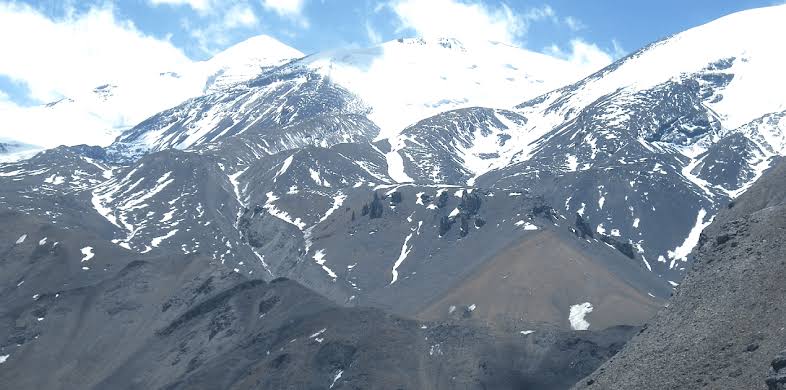
Today marks your official entry into the restricted Upper Mustang region after permit checks at the checkpoint. The trail gradually ascends along the Kali Gandaki River, passing through barren cliffs, deep gorges, and wind-carved rock formations that define Mustang’s unique geography. The environment becomes increasingly arid, with minimal vegetation and dramatic canyon scenery. You pass small settlements like Tangbe, known for its whitewashed houses and apple orchards, before climbing steep ridges toward Chele.
The final ascent can be physically demanding due to altitude gain and strong winds, but the panoramic views make it worthwhile. Upon reaching Chele, a small village perched above the valley, you rest and enjoy the tranquil surroundings.
This is a challenging yet rewarding day involving multiple ascents and descents over high passes. The trail climbs steeply through rugged terrain, crossing narrow ridges and descending into deep canyons before ascending again. Along the way, you visit the sacred Rachung Cave monastery, an important pilgrimage site for locals, offering a peaceful spiritual atmosphere. As you continue, the landscape opens into vast dry plateaus with expansive views of the Mustang region.
The altitude gain becomes more noticeable, so maintaining a slow and steady pace is essential. Eventually, you reach Syangboche at 3,600 meters, a quiet settlement surrounded by barren hills and distant snow peaks. Overnight stay here allows further acclimatization.
Today’s trek takes you across one of the most visually stunning sections of Upper Mustang. You begin with a gradual ascent to a high pass, offering spectacular panoramic views of the surrounding valleys and distant Himalayan peaks. From the pass, the trail descends into Dhakmar, famous for its striking red and orange cliffs. According to local legend, these cliffs were formed from the blood of a defeated demon, adding cultural significance to the already breathtaking scenery.
The village itself is small but incredibly picturesque, with traditional houses set against the dramatic backdrop. The unique landscape, combined with the spiritual stories, makes this one of the most memorable days of the trek.
After breakfast, you begin the day with a gentle ascent toward one of Mustang’s most historically significant monasteries, Ghar Gompa. This ancient monastery, believed to be over a thousand years old, holds deep spiritual importance and is associated with Guru Rinpoche. Pilgrims believe that making a wish here can fulfill desires, adding a sacred dimension to your journey.
After spending time exploring the monastery, the trail gradually opens into vast high-altitude plains with sweeping views of the Mustang landscape. As you approach Lo Manthang, the terrain becomes flatter and more expansive. Entering the walled city feels like stepping back in time, with its narrow alleys, royal palace, and centuries-old monasteries. You will have time to explore the cultural richness of this former kingdom and interact with locals who still follow traditional Tibetan-influenced lifestyles.
This day is dedicated to acclimatization and exploration around Lo Manthang, which is crucial for preparing your body for higher altitudes ahead. You take a side trip to Chhosar village, located a few hours away, where you can explore the mysterious sky caves carved high into vertical cliffs. These caves, some of which are multi-storied, were historically used for living, meditation, and burial purposes.
The most famous among them, the Jhong Cave, features interconnected chambers, narrow passageways, and ancient relics that provide a glimpse into Mustang’s ancient civilization. Throughout the day, you also enjoy panoramic views of the surrounding arid valleys and distant snow peaks. Returning to Lo Manthang, you can spend the evening visiting monasteries or simply resting to aid acclimatization.
Leaving the historic capital behind, you head toward the less-explored eastern region of Upper Mustang. The trail descends gradually from Lo Manthang into remote valleys that see very few trekkers compared to the main route. The landscape becomes more rugged and isolated, with dramatic cliffs, eroded hills, and vast open spaces dominating the scenery.
You may encounter occasional shepherds or small settlements, but the sense of remoteness is very strong. After several hours of trekking through these wild terrains, you reach Yara, a peaceful village surrounded by barren hills. This part of the trek offers a more authentic and untouched experience of Mustang, far from the more frequented routes.
Today is one of the spiritual highlights of the trek. You begin with a relatively short but scenic hike toward the hidden Luri Cave Monastery, located within a towering cliff. The trail involves crossing small streams and navigating narrow paths along the rugged terrain. Upon reaching the cave, you explore its fascinating interior, which includes ancient Buddhist murals, chortens, and religious artifacts that date back centuries.
The atmosphere inside the cave is peaceful and mystical, reflecting the deep spiritual heritage of the region. After spending time at the monastery, you either return to Yara or stay nearby depending on the trekking plan. The day is less physically demanding but highly rewarding culturally and spiritually.
From today onward, the trek becomes more remote and expedition-like as you leave behind permanent settlements. The trail heads deeper into isolated wilderness, following faint paths across rocky terrain, dry riverbeds, and open valleys. There are no proper villages along this route, and camping becomes necessary. The sense of isolation is profound, with only the sound of wind and distant rivers accompanying you.
Ghuma Thanti is a basic camping site where you set up tents and rest for the night. The lack of infrastructure and increasing altitude require careful pacing and good physical endurance. This section marks the transition from a cultural trek to a more adventurous high-altitude expedition.
Today’s journey continues through rugged and untouched terrain as you follow the trail along riverbeds and rocky paths toward Namta Khola. The route may involve crossing small streams and navigating uneven surfaces, making the trek physically demanding but incredibly scenic. The surrounding landscape is wild and dramatic, with towering cliffs, glacial valleys, and no signs of modern civilization.
Upon reaching Namta Khola, you set up camp near the river, where you can rest and enjoy the serene natural environment. The sound of flowing water and the vast open sky create a peaceful yet adventurous atmosphere, preparing you for the higher altitude challenges that lie ahead in the coming days.
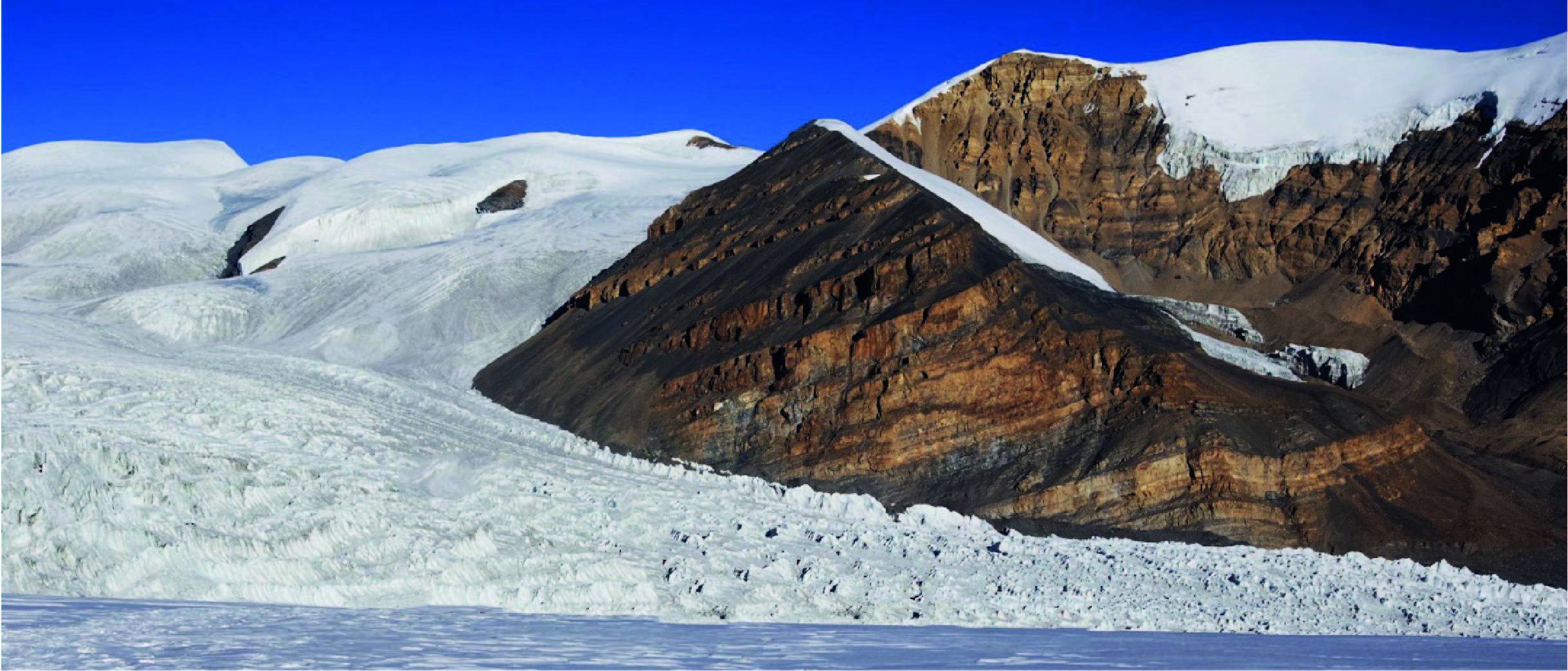
Leaving Namta Khola behind, you gradually ascend toward the high alpine zone where vegetation becomes almost nonexistent and the terrain turns increasingly rugged and glacial. The trail follows a steady uphill route across rocky moraines, loose scree, and occasional snow patches depending on the season. As you gain elevation, the air becomes thinner and colder, requiring a slower pace and frequent rest stops.
The surrounding scenery transforms into a dramatic high-mountain environment with towering peaks, icy ridges, and vast open silence. After several hours of careful trekking, you arrive at Saribung Base Camp, a remote and windswept campsite situated beneath the massive glacier leading to the pass. Here, your team sets up camp, and you prepare for the upcoming high-altitude crossing, ensuring all gear such as crampons and ropes are ready if required.
This is a crucial acclimatization day that significantly increases your chances of safely crossing the high pass. Instead of complete rest, you take short hikes to higher elevations and return to base camp, following the principle of “climb high, sleep low.” These acclimatization walks help your body adapt to reduced oxygen levels while also allowing you to familiarize yourself with the terrain.
Your guide may also conduct basic training on using trekking equipment such as crampons or ice axes if snow conditions demand it. Throughout the day, you stay well-hydrated, eat nutritious meals, and monitor your physical condition closely. The peaceful yet extreme environment of the base camp, surrounded by glaciers and snow-covered peaks, creates a true expedition atmosphere and prepares you mentally for the most challenging day ahead.
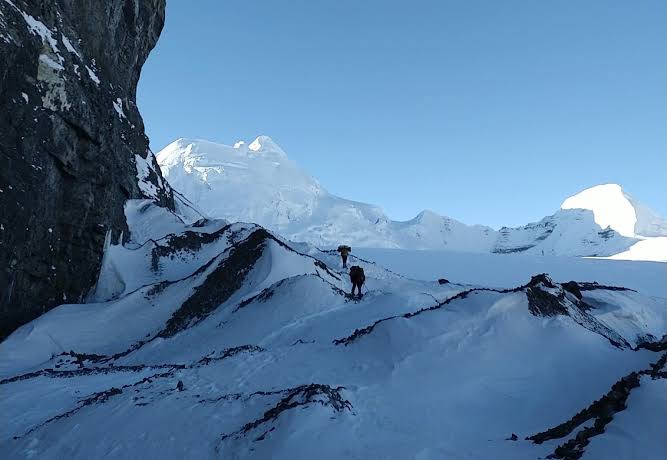
This is the most demanding and rewarding day of the entire trek. You start very early, often before dawn, to ensure stable snow conditions for crossing Saribung Pass, which rises above 6,000 meters. The ascent involves navigating glaciers, steep snow slopes, and potentially icy sections where careful footing is essential. Depending on conditions, ropes and technical support may be used for safety.
Reaching the top of the pass is a truly unforgettable achievement, offering breathtaking panoramic views of the Himalayan giants stretching into Tibet. After spending a short time at the summit due to extreme altitude and cold, you begin a long and careful descent toward Nagoru. The descent can be equally challenging, requiring focus and stamina. Upon reaching Nagoru, you set up camp and celebrate the successful crossing of one of Nepal’s most remote high passes.
After the intensity of the previous day, today’s trek involves a gradual descent into the hidden and culturally rich valley of Phu Gaon. The trail follows rugged terrain along narrow paths, rocky slopes, and glacial streams before opening into a wide valley where Phu village is located. This ancient settlement is one of the most isolated villages in Nepal, characterized by tightly clustered stone houses, prayer flags, and centuries-old monasteries. The local lifestyle here remains deeply rooted in Tibetan traditions, offering a rare cultural experience. Upon arrival, you have time to explore the village, visit monasteries, and interact with locals, gaining insight into their unique way of life.
Leaving Phu Gaon, you descend along a scenic trail that follows the river through deep gorges and dramatic landscapes. The path involves a series of ascents and descents along rocky cliffs, suspension bridges, and narrow trails carved into hillsides. As you move lower, the environment gradually becomes greener, with patches of vegetation and grazing lands appearing along the route. The journey offers spectacular views of the surrounding mountains and valleys, making it both physically engaging and visually rewarding. After several hours of trekking, you reach Meta, a small settlement situated on a plateau. This peaceful location serves as a comfortable resting point after a long day of trekking.
Today you continue descending toward greener landscapes as you leave behind the remote high-altitude wilderness of the Naar Phu region. The trail gradually transitions into forested areas filled with pine and fir trees, accompanied by the sound of flowing rivers and waterfalls. You pass through small settlements and cross suspension bridges before eventually reaching Koto, which lies on the popular Annapurna Circuit trail. The contrast between the dry, barren Mustang landscapes and the lush greenery of this region is striking. Upon arrival in Koto, you check into a teahouse and enjoy the comforts of a more developed trekking route, marking a significant milestone as the most remote section of the journey comes to an end.
After breakfast in Koto, you begin trekking along the well-established Annapurna Circuit trail. The path follows the Marsyangdi River, passing through dense pine and fir forests, cascading waterfalls, and charming hillside villages. Compared to the remote and rugged trails of the previous days, today’s route feels more comfortable and lively, with fellow trekkers and better trail infrastructure. The gradual descent allows your body to recover from high-altitude fatigue while still offering scenic beauty. You cross several suspension bridges and walk along stone-paved paths before reaching Dharapani, a busy junction where different trekking routes meet. The village offers good teahouses, warm meals, and a relaxing environment after many days of camping and isolation.
Today’s trek continues descending through increasingly green and fertile landscapes. The trail winds through traditional villages, terraced farmlands, and subtropical forests, offering a completely different experience compared to the barren Mustang region. You pass through settlements such as Tal and other small villages where you can observe daily rural life, including farming and livestock activities. The warmer climate and oxygen-rich air make trekking easier and more enjoyable. As you approach Jagat, the trail becomes broader and more accessible, eventually leading you to this charming village with stone-paved streets and traditional houses. Jagat marks the end of your trekking journey, and you can celebrate the successful completion of this incredible high-altitude adventure.
After breakfast, you begin a long yet scenic drive back to Kathmandu. The journey follows winding mountain roads alongside rivers, waterfalls, and terraced hillsides, providing a final opportunity to enjoy Nepal’s diverse landscapes. Depending on road conditions, the drive may take several hours, but it is filled with beautiful views and occasional stops for meals and rest. Upon arrival in Kathmandu, you are transferred to your hotel where you can relax, take a hot shower, and enjoy the comforts of the city after weeks in remote wilderness. In the evening, you may choose to explore the city, shop for souvenirs, or attend a farewell dinner organized by your trekking company.
Your unforgettable Saribung Pass Trek concludes today. Depending on your flight schedule, you will be transferred to Tribhuvan International Airport for your international departure. As you leave Nepal, you carry with you incredible memories of diverse landscapes—from the desert terrain of Upper Mustang to the icy heights of Saribung Pass and the hidden valleys of Naar Phu. This trek is not just a physical journey but a deeply enriching experience filled with cultural encounters, natural beauty, and personal achievement that will stay with you for a lifetime.
Video
Saribung Pass Trek Packing List
This is a high-altitude, remote, and partially technical trek (6000m pass), so packing must be careful, layered, and expedition-ready.
Clothing (Layering System)
Base Layers
- Thermal tops (2–3 sets, moisture-wicking)
- Thermal bottoms (2 sets)
- Quick-dry trekking t-shirts
Mid Layers
- Fleece jacket or pullover
- Lightweight down jacket
- Insulated trekking pants
Outer Layers (Shell)
- Waterproof jacket (Gore-Tex recommended)
- Waterproof trekking pants
- Windproof jacket
Extreme Cold Gear (High Pass)
- Heavy down jacket (-20°C rated)
- Thick wool sweater (optional)
Lower Body & Accessories
- Trekking pants (2–3 pairs)
- Warm trekking trousers
- Innerwear (quick-dry)
- Wool socks (4–5 pairs)
- Liner socks
- Gaiters (for snow sections)
Footwear
- High-quality trekking boots (waterproof, broken-in)
- Camp shoes or sandals
- Crampon-compatible boots (recommended)
Hand, Head & Eye Protection
- Warm gloves (inner + outer waterproof)
- Beanie or wool hat
- Sun hat or cap
- Neck gaiter or buff
- UV protection sunglasses (Category 3 or 4)
Technical & Trekking Gear
- Backpack (50–70L)
- Daypack (20–30L)
- Sleeping bag (-20°C to -30°C)
- Trekking poles
- Headlamp with extra batteries
- Water bottles or hydration system
Technical Gear (For Saribung Pass)
- Crampons
- Ice axe
- Harness (may be required)
- Helmet (recommended)
Note: These are often provided by trekking agencies—confirm in advance.
Personal Items & Toiletries
- Sunscreen (SPF 50+)
- Lip balm (SPF)
- Toothbrush and toothpaste
- Wet wipes or tissue
- Hand sanitizer
- Quick-dry towel
First Aid & Health
- Personal medications
- Diamox (consult a doctor)
- Basic first aid kit (bandages, painkillers, ORS)
- Blister kit
Electronics & Essentials
- Power bank
- Camera or phone
- Charging cables
- Travel adapter
Snacks & Extras
- Energy bars or chocolate
- Electrolyte powders
- Dry fruits and nuts
Documents
- Passport (with copies)
- Permits (Upper Mustang and Naar Phu)
- Travel insurance (must cover 6000m trekking and evacuation)
- Flight tickets
Important Tips
- Pack light but efficiently (12–15 kg max)
- Use a duffel bag and daypack combination
- Follow a layering system instead of bulky clothing
- Keep essential items in your daypack
Saribung Pass Trek – 22 Days FAQs
It is a strenuous to extreme trek involving high altitude (over 6000m), glacier travel, and some technical sections.
The highest point is Saribung Pass at 6,042 meters (19,823 ft).
Yes. Previous high-altitude trekking experience is strongly recommended. Basic mountaineering skills are helpful.
Yes. This trek is in a restricted region, so a licensed guide and agency are required.
- Upper Mustang Restricted Area Permit
- Naar Phu Restricted Area Permit
- Annapurna Conservation Area Permit (ACAP)
Typically 18–22 days, including acclimatization.
Spring (April–May) and Autumn (September–November) offer the best conditions.
Yes. Proper acclimatization and gradual ascent are essential.
Tea houses in lower regions and camping in remote/high areas.
Yes. It must cover high-altitude trekking (6000m) and emergency evacuation.
Reviews
No reviews found.