
Kapuche Glacier Lake Trek – 9-Day
Destination:
Kapuche Glacier Lake, Nepal
Trip Duration:
9 Days
Max Altitude:
2,546 meters (Kapuche Lake)
Activities:
Trekking, hiking, cultural exploration, sightseeing
Start Point:
Kathmandu
Ending Point:
Kathmandu
Region:
Annapurna Region
Trip Grade:
Easy to Moderate
Group Size:
1–12 people
Accomodation:
Hotels in Kathmandu & Pokhara; teahouse/lodge during trek
Meals:
Breakfast in cities; full board meals (Breakfast, Lunch, Dinner) during trek
Transportation:
Tourist bus or flight (Kathmandu–Pokhara–Kathmandu), private jeep to/from Sikles
Permits Required:
ACAP (Annapurna Conservation Area Permit) & TIMS Card
Best Season:
Spring (March–May) & Autumn (September–November)
Kapuche Glacier Lake Trek
The Kapuche Glacier Lake Trek is one of Nepal’s most rewarding short trekking experiences, offering a perfect blend of natural beauty, cultural immersion, and accessible adventure. Located in the Annapurna region near the traditional Gurung village of Sikles, this trek takes you to Kapuche Glacier Lake (2,546m), known as the lowest glacier lake in the world. Despite its relatively low altitude, the trek delivers breathtaking views of snow-covered peaks, serene alpine landscapes, and untouched Himalayan wilderness.
Ideal for beginners and trekkers with limited time, the Kapuche Lake Trek Nepal is rapidly gaining popularity as a hidden gem alternative to crowded trekking routes like Annapurna Base Camp or Everest Base Camp. This trek is not only scenic but also culturally enriching, making it suitable for families, solo travelers, and small groups seeking an authentic Himalayan experience.
Why Choose the Kapuche Glacier Lake Trek?
The Kapuche Glacier Lake Trek stands out for its accessibility and raw beauty. Unlike longer and more demanding treks, this route requires fewer days while still offering stunning mountain views and glacier-fed landscapes. The trail is less commercialized, allowing trekkers to enjoy peaceful surroundings, pristine forests, and traditional villages without the hustle of mass tourism.
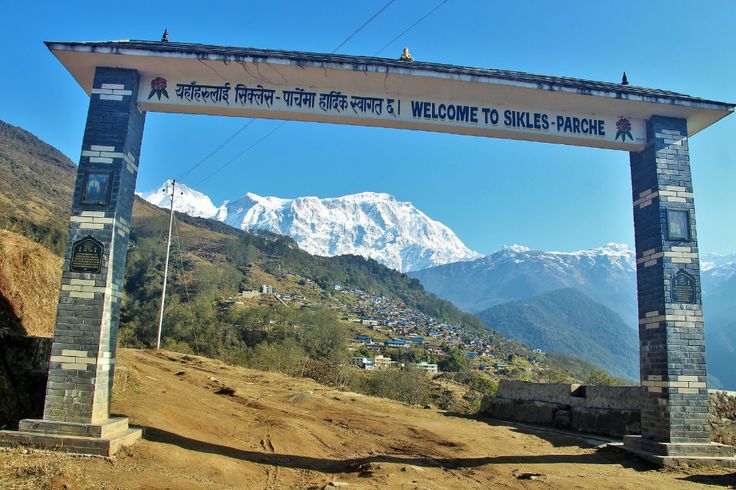
Another highlight is the trek’s starting point—Sikles village—which is one of the largest and most culturally rich Gurung settlements in Nepal. As you pass through this village, you’ll get an authentic glimpse into local traditions, architecture, and lifestyle. The journey also features diverse terrain, from terraced farmlands and rhododendron forests to alpine meadows and glacial valleys.
Kapuche Glacier Lake Trek Route Experience
The trekking route begins after reaching Pokhara and driving to Sikles. If you’re wondering how to reach Kapuche Lake from Pokhara, the journey typically involves a scenic jeep ride of around 4–5 hours through rural landscapes, rivers, and hillside villages.
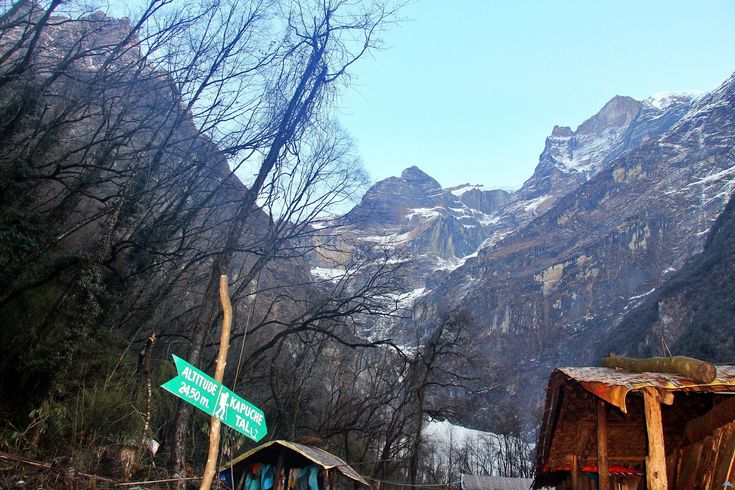
From Sikles, the trail gradually ascends through lush forests and quiet paths toward Hugu Goth and eventually Kapuche Lake. The route is well-defined but still retains a sense of wilderness. Along the way, trekkers encounter diverse flora and fauna, including rhododendron forests, waterfalls, and occasional wildlife sightings.
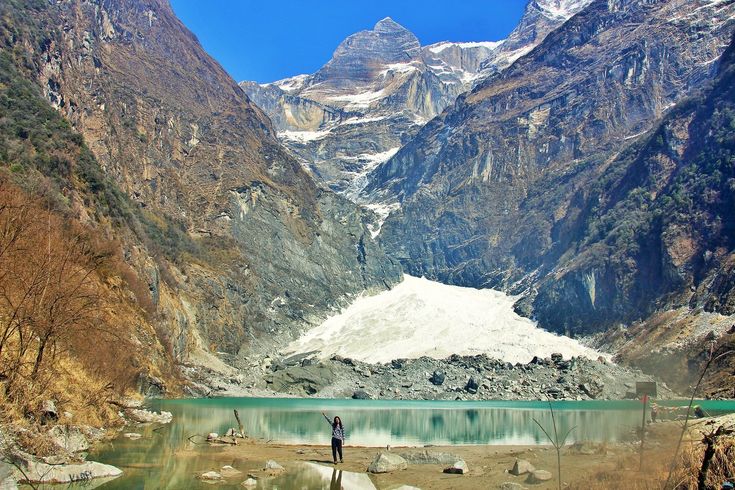
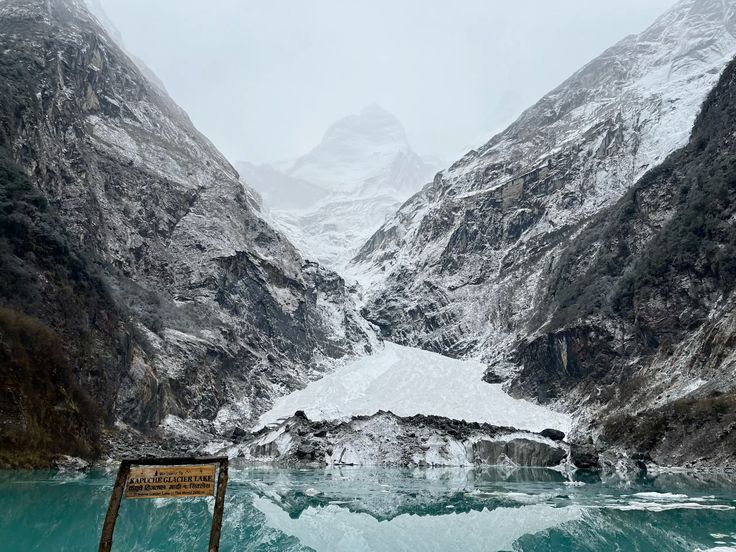
The highlight of the trek is reaching Kapuche Glacier Lake itself. Surrounded by towering peaks such as Annapurna II, Lamjung Himal, and other snow-capped giants, the lake offers a mesmerizing reflection of the Himalayas in its turquoise waters. This peaceful and less-crowded destination makes the trek truly special.
Sikles Kapuche Glacier Lake Trek Itinerary 9 Days
The Sikles Kapuche Glacier Lake trek itinerary 9 days is designed to provide a balanced and comfortable trekking experience. It includes acclimatization, cultural exploration, and enough time to fully enjoy the surroundings without rushing.
Starting from Kathmandu, the journey continues to Pokhara, followed by a drive to Sikles village. From there, trekking days are carefully planned to ensure gradual altitude gain and proper rest. The itinerary also includes time for exploring Pokhara, making the trip more diverse and enjoyable.
This itinerary is suitable for trekkers of all experience levels and can be customized based on preferences, fitness levels, and available time.
Natural Beauty and Scenic Highlights
The Kapuche Glacier Lake Trek is rich in natural beauty. The trail offers ever-changing scenery, starting from green hills and terraced farms to dense forests and alpine landscapes. During spring, the route is decorated with blooming rhododendrons, Nepal’s national flower, adding vibrant colors to the trek.
As you gain altitude, the landscape becomes more dramatic, with rugged terrain and snow-capped peaks dominating the horizon. The final destination, Kapuche Lake, is surrounded by glaciers and towering mountains, creating a breathtaking amphitheater of natural beauty.
The peaceful environment and untouched nature make this trek ideal for those looking to disconnect from busy city life and reconnect with nature.
Cultural Experience Along the Trail
One of the unique aspects of the Kapuche Lake Trek Nepal is its cultural richness. The trek passes through Sikles village, home to the Gurung community, known for their hospitality and traditional lifestyle.
Trekkers have the opportunity to stay in local teahouses or homestays, where they can experience authentic Nepali culture, cuisine, and daily life. Interacting with locals, observing traditional farming practices, and learning about Gurung customs add depth to the trekking experience.
This cultural connection makes the trek more than just a physical journey—it becomes a meaningful exploration of Nepal’s heritage.
Accessibility and Trek Difficulty
The Kapuche Glacier Lake itinerary is considered easy to moderate, making it suitable for beginners and those new to trekking in Nepal. The trails are not overly steep, and the altitude remains relatively low compared to other Himalayan treks.
This makes it an excellent choice for travelers who want a Himalayan experience without extreme physical challenges. However, basic fitness and preparation are still recommended to fully enjoy the trek.
The accessibility of the trek is another advantage. With well-connected transportation options from Kathmandu to Pokhara and then to Sikles, reaching the starting point is convenient and straightforward.
Best Time to Experience the Trek
The best time for the Kapuche Glacier Lake Trek is during spring (March to May) and autumn (September to November). During these seasons, the weather is stable, skies are clear, and mountain views are at their best.
Spring offers blooming flowers and lush greenery, while autumn provides crisp air and excellent visibility. Although the trek can be done in winter, colder temperatures and possible snowfall may affect accessibility.
A Perfect Short Trek in Nepal
For those seeking a short yet fulfilling Himalayan adventure, the Kapuche Lake Trek Nepal is an ideal choice. It combines stunning landscapes, cultural richness, and manageable trekking conditions into one unforgettable journey.
Whether you are a first-time trekker or an experienced traveler looking for a peaceful alternative, this trek offers a refreshing experience away from crowded trails. The combination of scenic beauty, cultural immersion, and accessibility makes it one of the best short treks in Nepal.
Trekking Similar to Kapuche Glacier Lake Trek
- Annapurna Circuit Trek: 15 Night – 16 Days
- Manaslu Circuit trek-14N/15D
- Everest Base Camp Trek- 12 Days/ 11 Night
Nepal Pilgrimage & Cultural Tours
- Buddhist Pilgrimage Tour 6 Nights / 7 Days
- Kathmandu, Pokhara & Muktinath 7 Nights / 8 Days
- 8 Days Culture, Wildlife & Heritage of Nepal
- Mani Rimdu Festival in Everest Region 11 Nights / 12 Days
- 1-Day Kathmandu UNESCO Heritage Tour with Complimentary Nagarkot Sunrise & Rani Jhula
Final Thoughts
The Kapuche Glacier Lake Trek is more than just a trek—it’s an experience that captures the essence of Nepal’s natural and cultural beauty. From the charming village of Sikles to the serene glacier lake, every step of the journey offers something unique and memorable.
With its growing popularity, now is the perfect time to explore this hidden gem before it becomes mainstream. If you are looking for a short, scenic, and culturally enriching trek, the Kapuche Glacier Lake itinerary is a perfect choice that promises unforgettable memories.
Kapuche Glacier Lake Trek – 9-Day Highlights
- Lowest Glacier Lake: Witness Kapuche Glacier Lake, the lowest-elevation glacier lake in Nepal at approximately 2,546 meters.
- Stunning Turquoise Waters: Marvel at the surreal, icy turquoise lake nestled dramatically between towering glaciers and moraines.
- Gurung Culture: Experience the rich traditions and hospitality of the Gurung people in Sikles, one of the most beautiful and well-preserved villages in the Annapurna region.
- Off-the-Beaten-Path: Escape the crowds and explore a relatively untouched route that offers tranquility and raw Himalayan beauty.
- Panoramic Mountain Views: Enjoy breathtaking views of iconic peaks like Annapurna II, Annapurna IV, Lamjung Himal, and Machhapuchhre (Fishtail).
- Alpine Wilderness: Trek through diverse landscapes, from dense rhododendron and oak forests to rocky alpine meadows and high-altitude moraines.
- Beginner Friendly: A moderate trek suitable for beginners with reasonable fitness, offering high-altitude scenery without extreme altitude risks.
Route Details – Kapuche Glacier Lake Trek
The Kapuche Glacier Lake Trek route offers a scenic and culturally rich journey through the Annapurna region, beginning from Kathmandu and gradually moving towards Pokhara, the gateway to many trekking adventures in Nepal. From Pokhara, the route continues with a picturesque drive to Sikles village, a traditional Gurung settlement that serves as the starting point of the trek.
From Sikles, the trail ascends gently through terraced farmlands, dense rhododendron forests, and peaceful countryside paths. The route passes through Hugu Goth (Goth Camp), a quiet grazing area surrounded by alpine landscapes, before reaching the stunning Kapuche Glacier Lake. This section of the trail is less crowded and offers a more raw and untouched trekking experience compared to other popular routes in Nepal.
The journey to Kapuche Lake is filled with diverse natural scenery, including waterfalls, rivers, and panoramic views of Himalayan peaks such as Annapurna II and Lamjung Himal. Upon reaching the lake, trekkers are rewarded with a breathtaking glacial setting, where turquoise waters reflect the surrounding snow-capped mountains.
After exploring the lake, the route retraces back to Sikles and then returns to Pokhara. The overall trail is well-paced, making it suitable for beginners while still offering enough adventure and variation to keep experienced trekkers engaged. This route is ideal for those seeking a short, scenic, and culturally immersive trekking experience in Nepal.
Include
- Airport Transfers: Pick-up and drop-off at Tribhuvan International Airport (Kathmandu)
- Accommodation: 3-star hotel in Kathmandu and Pokhara, teahouse/homestay in Sikles and Goth Camp
- Meals: Breakfast throughout the trek; lunch and dinner during trekking days
- Transportation: Tourist bus or flight between Kathmandu and Pokhara; private jeep/drive to Sikles
- Permits: Annapurna Conservation Area Project (ACAP) Permit and TIMS Card
- Guide & Porter: Experienced English-speaking trekking guide and porter (if required)
- Welcome & Farewell Dinners: Traditional Nepali meals in Kathmandu
Exclude
- International Flights: Airfare to and from Nepal
- Nepal Entry Visa: Visa fees (available on arrival)
- Lunch & Dinner in Cities: Meals in Kathmandu and Pokhara (except welcome/farewell dinners)
- Personal Expenses: Snacks, drinks, souvenirs, and tips for guide/porter
- Travel Insurance: Comprehensive travel and trekking insurance (mandatory)
- Extra Activities: Paragliding, zip-lining, hot springs, boat rides, or other optional excursions
- Emergency Evacuation: Helicopter rescue costs (covered by travel insurance)
Kapuche Glacier Lake Trek – 9-Day Itinerary
Your adventure begins upon your arrival in the vibrant Kathmandu Valley. After completing customs and immigration at Tribhuvan International Airport, you will be transferred to your hotel in the Thamel district. This day is designated for rest and acclimatization to the local environment. In the afternoon, you may meet your trekking guide for a pre-trip briefing where you will review the itinerary, check your gear, and discuss the cultural and natural highlights of the upcoming journey. Enjoy a welcome dinner featuring traditional Nepali cuisine, perhaps sampling the famous dal bhat, while soaking in the bustling atmosphere of the capital city.
On the morning of the second day, you will depart Kathmandu for Pokhara, the City of Lakes. You have the option of taking a scenic 25-minute flight that offers breathtaking aerial views of the Himalayan range, or a comfortable tourist bus drive that takes approximately 6 to 7 hours. The drive traverses the winding Prithvi Highway, following the Trishuli River and passing through rural villages and terraced hillsides. Upon arrival in Pokhara, you will check into your hotel. The remainder of the day is at your leisure to explore the lakeside area, relax by Phewa Lake, or enjoy the sunset views of the towering Machhapuchhre (Fishtail) Mountain.
After breakfast, you will embark on a drive towards the Annapurna region to reach Sikles Village. The journey involves a rough road drive of approximately 4 to 5 hours from Pokhara, passing through Bijayapur Khola and ascending into the hills. Sikles is one of the largest and most beautiful Gurung villages in Nepal, renowned for its traditional slate-roofed houses, well-preserved culture, and organized community. Upon arrival, you will check into a local teahouse or homestay. In the afternoon, take a guided tour of the village to interact with the friendly locals, visit the monastery, and witness the unique lifestyle of the Gurung people, all while enjoying panoramic views of the surrounding mountains.
Leaving Sikles behind, you will begin your trek towards Goth Camp. The trail initially ascends steeply through dense forests of rhododendron and oak, offering occasional glimpses of the snow-capped peaks. As you gain altitude, the landscape transitions into alpine meadows and rocky terrain. The trek to Goth Camp is challenging but rewarding, taking approximately 5 to 6 hours. Goth Camp serves as a high-altitude settlement used by herders and serves as the perfect acclimatization point before reaching the lake. You will set up camp or stay in a basic teahouse here, surrounded by the serene wilderness of the Annapurna Conservation Area.
Today is the highlight of the trek as you make your way to Kapuche Glacier Lake, the lowest-elevation glacier lake in Nepal. Starting early from Goth Camp, the trail winds through moraines and rocky paths before revealing the stunning turquoise waters of Kapuche Lake (approximately 2,546 meters). The lake is nestled dramatically between towering glaciers and offers a surreal, icy landscape. After spending time exploring the area, taking photographs, and enjoying a packed lunch amidst the glacial valley, you will begin the descent. The return journey follows a steep trail back to Sikles Village, where you will arrive by late afternoon to rest and celebrate the successful hike.
Following a hearty breakfast in Sikles, you will drive back to Pokhara. The descent offers a different perspective of the landscape you traversed days prior. Upon reaching Pokhara, you will check back into your hotel. This afternoon provides a perfect opportunity to soothe your tired muscles with a visit to a hot spring or simply relax by the lake. You may also opt for a short boat ride on Phewa Lake to visit the Tal Barahi Temple located on an island in the center of the lake.
This day is dedicated to exploring the natural and cultural wonders of Pokhara. You can start with an early morning drive to Sarangkot to witness a spectacular sunrise over the Annapurna and Dhaulagiri mountain ranges. After returning for breakfast, visit the Devi’s Fall, a fascinating waterfall that disappears into an underground tunnel, and the Gupteshwor Mahadev Cave located nearby. For the adventurous, options include paragliding or zip-lining, while those seeking culture may visit the International Mountain Museum. The evening is free for last-minute souvenir shopping or enjoying a quiet dinner at a lakeside restaurant.
You will return to Kathmandu today, choosing between a morning flight or a tourist bus. If you choose the flight, you will arrive in the capital by mid-morning, allowing ample time for further exploration or shopping. You can visit the historic Kathmandu Durbar Square, the sacred Swayambhunath Stupa (Monkey Temple), or the Boudhanath Stupa. If you take the bus, you will arrive in the late afternoon. Regardless of the mode of transport, you will spend your final night in Kathmandu, enjoying a farewell dinner with your trekking team or fellow travelers.
On your final day, you will be transferred to Tribhuvan International Airport for your departure flight. Depending on your flight schedule, there may be time for some last-minute shopping for handicrafts, pashminas, or trekking gear in Thamel. With a heart full of memories and stunning photographs of the Kapuche Glacier Lake and the Himalayas, you will bid farewell to Nepal, concluding your 9-day adventure.
Video
Packing List for Kapuche Glacier Lake Trek
Essential Documents
– Valid Passport (with at least 6 months validity)
– Nepal Entry Visa (can be obtained on arrival)
– Travel Insurance Documents (must cover trekking up to 4,000m and emergency evacuation)
– Passport-sized Photos (4-5 copies for permits)
– Cash (Nepali Rupees for tips, snacks, and personal expenses)
Clothing
– Trekking Boots: Waterproof, broken-in, with good ankle support
– Base Layers: Moisture-wicking t-shirts (2-3)
– Trekking Pants: Lightweight, quick-drying (2 pairs)
– Fleece Jacket or Sweater: For cool evenings
– Down Jacket: Essential for cold mornings and higher altitudes
– Thermal Underwear: Top and bottom for cold nights
– Rain Jacket/Poncho: Waterproof and breathable
– Trekking Socks: Wool or synthetic (3-4 pairs)
– Underwear: Comfortable and moisture-wicking
– Sun Hat: For protection during the day
– Warm Beanie: For cold mornings and evenings
– Light Gloves: Optional but recommended
Trekking Gear
– Backpack: 30-40L with rain cover (or daypack if using porter)
– Sleeping Bag: Rated for -10°C to -15°C (check with your agency)
– Trekking Poles: Highly recommended for knee support
– Headlamp or Flashlight: With extra batteries
– Water Bottle or Hydration Bladder: 2-liter capacity
– Water Purification Tablets: Or filter bottle (optional)
Toiletries & Personal Items
– Sunscreen: SPF 50+ (high altitude sun is strong)
– Lip Balm: With SPF protection
– Wet Wipes: For quick freshening up
– Hand Sanitizer: Trekking hygiene essentials
– Toothbrush & Toothpaste: Travel-sized
– Personal Medications: With prescriptions if needed
– First Aid Kit: Blister plasters, painkillers, band-aids, etc.
– Quick-Dry Towel: Lightweight microfiber
Optional Items
– Camera: With extra batteries/memory card
– Power Bank: To charge electronic devices
– Snacks: Energy bars, nuts, chocolates (trail mix)
– Book or Kindle: For relaxation at teahouses
– Trekking Towel: Quick-dry
– Gaiters: Useful in muddy or snowy conditions
Pro Tips for Packing
– Pack Light: Aim for 8-10kg maximum if using a porter
– Layer System: Dress in layers for easy temperature adjustment
– Break in Boots: Wear your trekking boots before the trip to avoid blisters
– Keep Essentials Handy: Passport, money, and water in your daypack
Kapuche Glacier Lake Trek – 9-Day FAQs
Yes, the Kapuche Glacier Lake Trek is considered a moderate trek suitable for beginners with reasonable fitness levels. The trails are well-defined, and the maximum altitude reached is around 2,546 meters, which significantly reduces the risk of altitude sickness compared to higher treks.
The most common route is driving from Pokhara to Sikles Village (approximately 4-5 hours by jeep). From Sikles, you trek to Goth Camp and then hike to Kapuche Lake the following day before returning to Sikles.
The best times are during the spring (March to May) and autumn (September to November) seasons. These months offer stable weather, clear skies, and excellent visibility of the surrounding mountains. Winter (December to February) is possible but very cold, and the monsoon (June to August) brings leeches and slippery trails.
The standard itinerary is 9 days, including arrival in Kathmandu, travel to Pokhara, the trekking portion (Sikles to Kapuche Lake and back), and return to Kathmandu. The actual trekking involves roughly 3-4 days of hiking.
While the trails from Sikles to Kapuche are relatively navigable, hiring a guide is highly recommended. A guide enhances your experience by sharing insights about local Gurung culture, ensuring you don’t get lost in foggy conditions, and handling permit formalities and accommodations.
You need two main permits:
1. Annapurna Conservation Area Project (ACAP) Permit
2. TIMS Card (Trekkers’ Information Management System)
These are usually arranged by your trekking agency in Kathmandu or Pokhara.
Wi-Fi is available in Sikles Village and some teahouses, but it can be unreliable and slow. Electricity for charging devices is available at homestays in Sikles, but you should carry a power bank. At Goth Camp, facilities are very basic, so expect limited or no connectivity.
In Sikles Village, teahouses and homestays serve traditional Nepali dishes like Dal Bhat (lentil soup with rice), as well as Tibetan bread, momos (dumplings), and pasta. During the trek to Goth Camp and Kapuche Lake, meals are prepared by your guide or camping staff, typically consisting of simple, nutritious food like noodles, soup, and locally available ingredients.
The hike from Goth Camp to Kapuche Lake is challenging due to the steep, rocky terrain and moraines. It requires a good level of fitness and sturdy hiking boots. However, the distance is manageable (approximately 3-4 hours one way), and the stunning views of the turquoise lake make the effort worthwhile.
Altitude sickness is less of a concern on this trek compared to others in Nepal because the maximum elevation is 2,546 meters. However, everyone acclimatizes differently. It is essential to stay hydrated, walk at a steady pace, and inform your guide immediately if you feel dizzy or short of breath.
Yes, you can easily combine the Kapuche Glacier Lake Trek with visits to other nearby attractions like the Mardi Himal Base Camp or the Annapurna Base Camp if you have extra days and fitness. Alternatively, you can extend your stay in Pokhara for paragliding, boating, or cultural tours.
In Sikles, you will stay in traditional Gurung homestays or basic teahouses that offer clean rooms with shared bathrooms. At Goth Camp, accommodation is in tents or very basic shelters. The experience is rustic but authentic, offering a glimpse into the traditional mountain lifestyle.
The cost varies depending on the group size, level of service (budget vs. luxury), and whether you include international flights. On average, a 9-day package including domestic transport, permits, guide, food, and accommodation ranges from $500 to $800 USD per person.
Reviews
No reviews found.