

17 Days Rupina La Pass Trek
Destination:
Nepal
Trip Duration:
17 Days
Max Altitude:
Larke Pass – 5,160 m (16,929 ft)
Activities:
Trekking, Camping Trek, Teahouse Trek, High Pass Crossing, Sightseeing, Cultural Exploration
Start Point:
Kathmandu / Drive to Barpak
Ending Point:
Besisahar / Drive to Kathmandu or Pokhara
Region:
Manaslu Region
Trip Grade:
Strenuous to Challenging
Group Size:
2–12 People (Private departures available)
Accomodation:
Local Lodges/Teahouses and Fully Serviced Camping
Meals:
Breakfast, Lunch, and Dinner during the trek (BLD)
Transportation:
Private Vehicle, Local Jeep, and Tourist Bus (customizable)
Permits Required:
Manaslu Conservation Area Project (MCAP) Permit, Annapurna Conservation Area Project (ACAP) Permit, Manaslu Restricted Area Permit (RAP)
Best Season:
Spring (March–May) and Autumn (September–November)
Rupina La Pass Trek with Manaslu Circuit
17 Days Rupina La Pass Trek Highlights
- Experience the adventurous 17-day Rupina La Pass Trek with Manaslu Circuit through one of Nepal's most remote Himalayan regions.
- Cross two spectacular high mountain passes: Rupina La Pass (4,720 m) and Larke Pass (5,160 m).
- Begin the trek from the traditional Gurung village of Barpak, known for its rich culture and panoramic mountain views.
- Trek through untouched forests, alpine meadows, glacial valleys, and remote Himalayan landscapes far from the busy trekking routes.
- Join the classic Manaslu Circuit trail after crossing Rupina La and experience its unique Tibetan Buddhist culture.
- Enjoy breathtaking views of Mount Manaslu, Himalchuli, Ganesh Himal, Ngadi Chuli, Peak 29, Cheo Himal, Himlung Himal, and Annapurna II.
- Explore authentic mountain villages including Lho, Sama Gaun, and Samdo.
- Visit the stunning glacial Birendra Lake during the acclimatization day at Sama Gaun.
- Experience both fully serviced camping in the remote Rupina La section and comfortable teahouse accommodation along the Manaslu Circuit.
- Walk through the protected landscapes of the Manaslu Conservation Area, home to diverse wildlife, alpine flora, and pristine Himalayan ecosystems.
- Discover the traditions, monasteries, prayer flags, mani walls, and warm hospitality of the Gurung and Tibetan-influenced communities.
- Perfect for experienced trekkers seeking an off-the-beaten-path Himalayan adventure that combines wilderness, culture, and high-altitude trekking.
Rupina La Pass Trek with Manaslu Circuit Route Details
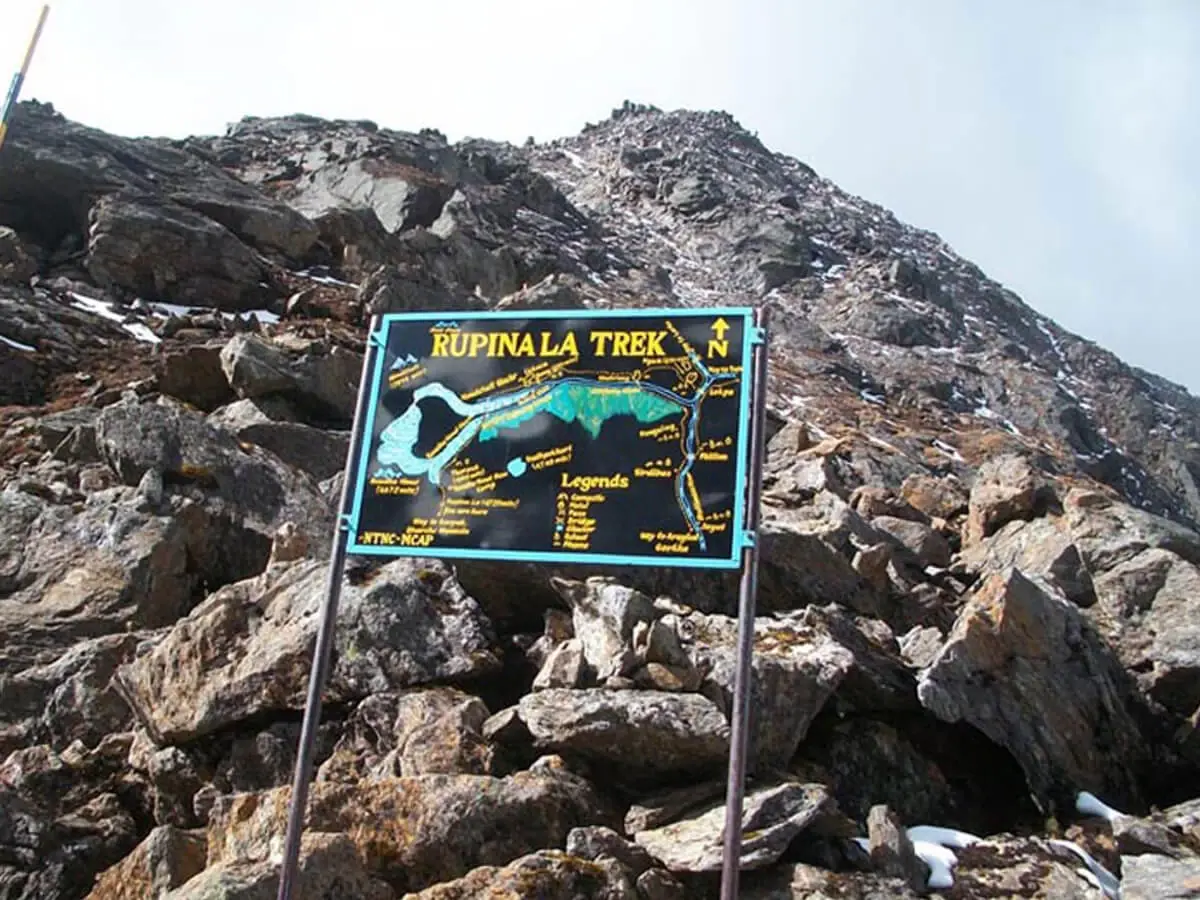
he Rupina La Pass Trek with Manaslu Circuit begins with a scenic drive from Kathmandu to Barpak, a traditional Gurung village that serves as the trek’s starting point. The trail follows a remote camping route through Yak Kharka, Bhedi Goth, and Rupina La Base Camp before crossing the spectacular Rupina La Pass (4,720 m). After descending to Jorang and Gomna, the route joins the classic Manaslu Circuit at Nyak, continuing through Ghap, Lho, Sama Gaun, and Samdo.
Following an acclimatization day at Sama Gaun, the trek ascends to Dharmasala before crossing the iconic Larke Pass (5,160 m), the highest point of the journey. The trail then descends through Bimthang, Gowa, and Chyamje before driving to Besisahar and onward to Kathmandu or Pokhara. Combining a remote high-pass crossing with the renowned Manaslu Circuit, this route offers an exceptional mix of wilderness camping, traditional mountain villages, breathtaking Himalayan scenery, and authentic cultural experiences.
Include
- Airport pick-up and drop-off by private vehicle.
- Private transportation from Kathmandu to Barpak.
- Shared/local jeep transportation from Chyamje to Besisahar and onward transportation to Kathmandu or Pokhara (as per itinerary).
- Three meals a day (Breakfast, Lunch, and Dinner) during the trek.
- Accommodation in local teahouses during the Manaslu Circuit section.
- Fully serviced camping accommodation during the remote Rupina La Pass section.
- Professional English-speaking, government-licensed trekking guide.
- Required number of experienced porters (1 porter for every 2 trekkers; carrying up to 20 kg).
- Complete camping staff, including cook and kitchen crew, for the camping section.
- Tents, dining tent, kitchen tent, toilet tent, tables, chairs, kitchen equipment, and camping gear.
- Sleeping mattress during the camping section.
- Manaslu Restricted Area Permit (RAP).
- Manaslu Conservation Area Project (MCAP) Permit.
- Annapurna Conservation Area Project (ACAP) Permit.
- Guide and porter wages, meals, accommodation, insurance, equipment, and transportation.
- Comprehensive first-aid kit carried by the guide.
- Government taxes and official service charges.
- Trek completion certificate.
Exclude
- International airfare to and from Kathmandu.
- Nepal entry visa fees.
- Travel insurance, including high-altitude trekking and emergency helicopter evacuation.
- Hotel accommodation and meals in Kathmandu before or after the trek unless specified.
- Personal trekking equipment and clothing.
- Sleeping bag and down jacket rental (available upon request).
- Personal expenses such as laundry, shopping, snacks, chocolates, and soft drinks.
- Costs arising from itinerary changes due to weather, natural disasters, political events, flight or road delays, illness, or any circumstances beyond the company's control.
- Hot showers, Wi-Fi, battery charging, and other personal services at teahouses.
- Tips and gratuities for guides, porters, drivers, and camping staff.
- Personal medications and medical expenses.
- Alcoholic beverages and bottled drinks.
- Any services not specifically mentioned under "Trip Includes."
17 Days Rupina La Pass Trek Itinerary
Begin your adventure with an early morning drive from Kathmandu to Barpak, a picturesque Gurung village in the Gorkha district and the starting point of the Rupina La Pass Trek. The drive takes approximately 8–10 hours, passing along the Prithvi Highway, scenic river valleys, terraced farmlands, traditional villages, and winding mountain roads. Enjoy lunch en route before continuing the uphill journey with beautiful views of the surrounding hills and, on clear days, distant Himalayan peaks. Upon arrival in Barpak, check into a local lodge and spend the evening exploring the village, interacting with the friendly locals, and enjoying the peaceful mountain atmosphere. Overnight at a lodge.
After breakfast, begin trekking along a gradual uphill trail through cultivated fields, rhododendron and pine forests, and small grazing areas. As you leave the villages behind, the trail enters peaceful alpine meadows with beautiful views of Ganesh Himal, Buddha Himal, and surrounding mountain landscapes. After about 6–7 hours of trekking, arrive at Yak Kharka, a seasonal grazing pasture where local herders bring their yaks during summer. Relax while enjoying the fresh mountain air and spectacular sunset before an overnight stay at a tented camp.
Today’s trail continues through remote alpine meadows before entering dense forests of pine, fir, and rhododendron. This quiet section of the trek offers a true wilderness experience, with chances to spot Himalayan birds and other wildlife. The route includes several gradual ascents and descents while offering beautiful mountain scenery throughout the day. After approximately 5–6 hours of trekking, reach Bhedi Goth, a traditional shepherd campsite surrounded by forest. Enjoy the peaceful surroundings and spend the night at a fully serviced tented camp.
Leaving the forest behind, today’s trek climbs steadily into rugged alpine terrain with rocky trails, mountain streams, and wide-open landscapes. As you gain altitude, enjoy impressive views of Himalchuli, Ganesh Himal, Buddha Himal, and the surrounding peaks. After about six hours of trekking, arrive at Rupina La Base Camp, located in a beautiful alpine meadow beneath the towering pass. The afternoon is reserved for rest, acclimatization, and preparing for tomorrow’s challenging pass crossing. Overnight at a tented camp.
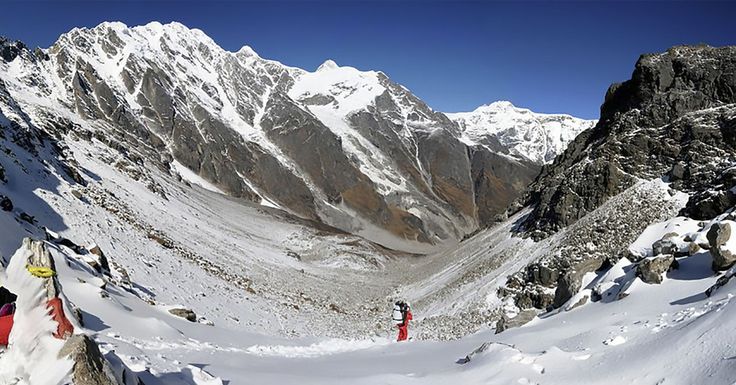
Start early before sunrise for the most challenging day of the trek. A steep climb leads to Rupina La Pass, where colorful prayer flags and breathtaking views of Mount Manaslu, Himalchuli, Ganesh Himal, and surrounding snow-capped peaks reward your efforts. After enjoying the spectacular scenery, descend carefully through rocky alpine terrain and high meadows into the remote Jorang Valley. After 8–9 hours of trekking, reach your campsite beside a mountain stream and enjoy a well-earned dinner before an overnight stay in camp.
After breakfast, leave the remote campsite at Jorang and begin a gradual descent through peaceful alpine meadows, dense pine and rhododendron forests, and narrow mountain trails. The route follows crystal-clear streams and passes occasional shepherd huts, offering a quiet and untouched Himalayan experience.
Along the way, enjoy beautiful views of surrounding hills and distant snow-capped peaks while observing the changing landscape as you descend into lower elevations. After approximately 5–6 hours of trekking, arrive at the small settlement of Gomna, where you can relax and enjoy the tranquil surroundings before spending the night at a tented camp or basic local accommodation.
Today’s trek continues through beautiful forests and traditional mountain landscapes as the trail gradually descends toward the Budhi Gandaki Valley. Cross several wooden and suspension bridges over rushing mountain streams while passing small villages and cultivated fields.
As you approach Nyak, the route joins the famous Manaslu Circuit Trek, and Tibetan Buddhist influences become more noticeable through mani walls, prayer flags, chortens, and ancient monasteries. The day’s walk takes approximately 5–6 hours and offers a pleasant combination of natural beauty and cultural encounters before reaching the welcoming village of Nyak for an overnight stay at a comfortable teahouse.
Leaving Nyak after breakfast, follow the scenic trail alongside the Budhi Gandaki River through dense forests of pine, rhododendron, and bamboo. The route crosses several suspension bridges and passes waterfalls, prayer wheels, and traditional stone houses, providing excellent opportunities to experience the unique culture of the Manaslu region.
Gentle ascents and descents make today’s trek enjoyable while offering occasional views of surrounding mountain ridges. After around 5 hours of walking, arrive at the peaceful village of Ghap, known for its Tibetan-style architecture and serene atmosphere. Spend the evening relaxing at a local teahouse while enjoying warm hospitality and traditional mountain cuisine.
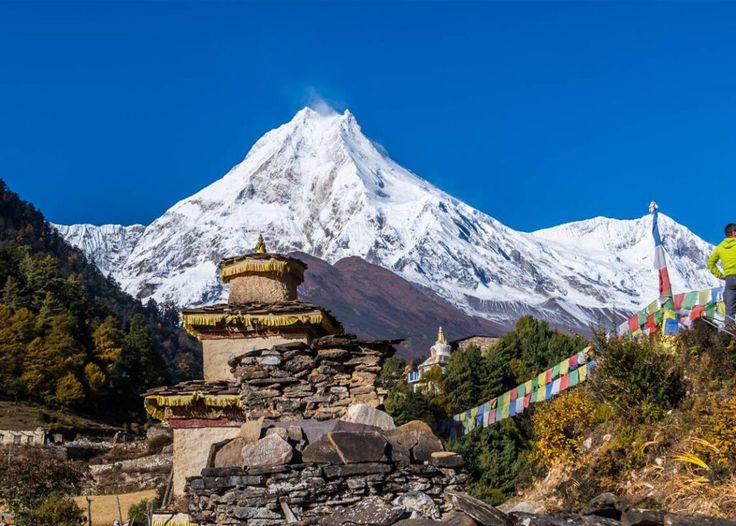
Today’s trail gradually climbs through beautiful forests, rocky paths, and traditional Himalayan villages while following the Budhi Gandaki Valley deeper into the Manaslu region. As you gain elevation, the vegetation begins to thin and the mountain scenery becomes increasingly dramatic. Along the route, pass colorful prayer flags, mani walls, and small monasteries before reaching the picturesque village of Lho.
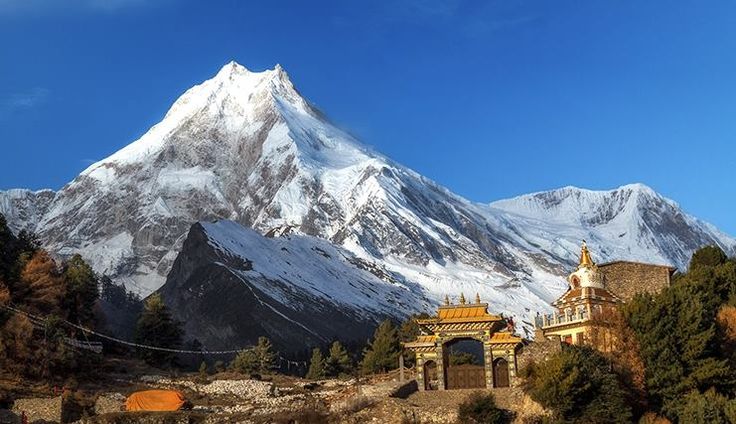
On clear days, enjoy spectacular close-up views of Mount Manaslu, one of the world’s highest mountains, rising majestically above the valley. After 6–7 hours of trekking, explore the village, visit the local monastery if time permits, and witness a breathtaking sunset over the snow-covered peaks before an overnight stay at a teahouse.
After breakfast, continue trekking through alpine meadows, yak pastures, and scattered stone settlements as the trail gently ascends toward Sama Gaun. Pass through the beautiful village of Shyala, one of the finest viewpoints on the trek, where panoramic views of Mount Manaslu, Himalchuli, Peak 29, Ngadi Chuli, and nearby glaciers create an unforgettable Himalayan landscape.
The relatively easy 4–5 hour walk allows plenty of time to enjoy the scenery and photograph the spectacular surroundings. Upon reaching Sama Gaun, the largest and most important settlement in the upper Manaslu region, spend the afternoon exploring its traditional Tibetan-influenced culture, ancient monastery, and surrounding fields while preparing for the higher-altitude sections of the trek. Overnight at a comfortable teahouse.
Today is reserved for acclimatization to help your body adjust to the increasing altitude before heading toward Larke Pass. Rather than remaining inactive, take an optional hike to the beautiful Birendra Lake, a turquoise glacial lake located beneath the massive Manaslu Glacier, or continue higher toward Manaslu Base Camp for even more spectacular views of the surrounding snow-covered peaks.
These hikes not only improve acclimatization but also provide unforgettable scenery of glaciers, alpine landscapes, and the majestic Mount Manaslu. Return to Sama Gaun in the afternoon to explore the village, visit the local monastery, interact with local residents, and enjoy another comfortable overnight stay at the teahouse.
After breakfast, follow a gentle trail north through a wide glacial valley with magnificent views of Mount Manaslu, Simnang Himal, and surrounding peaks. The route passes yak grazing pastures, seasonal settlements, and ancient mani walls before gradually climbing toward the traditional Tibetan village of Samdo.
Located close to the Tibetan border, Samdo has a rich cultural heritage, and many residents continue to practice traditional lifestyles based on yak herding and trade. The trek takes approximately 3–4 hours, leaving ample time to explore the village, enjoy the mountain scenery, or take a short acclimatization walk to nearby viewpoints. Overnight at a local teahouse.
Today’s trek is relatively short but involves a steady climb through rugged alpine terrain. Cross wooden bridges over glacial streams and follow rocky trails as the vegetation gradually disappears, replaced by barren mountain landscapes and impressive glacial moraines. Along the way, enjoy outstanding views of Larke Glacier and the surrounding Himalayan peaks.
After approximately 4–5 hours of trekking, arrive at Dharmasala, also known as Larke Phedi, the final stop before crossing Larke Pass. Spend the afternoon resting, hydrating, and preparing your equipment for tomorrow’s early start. Overnight at a basic mountain lodge.
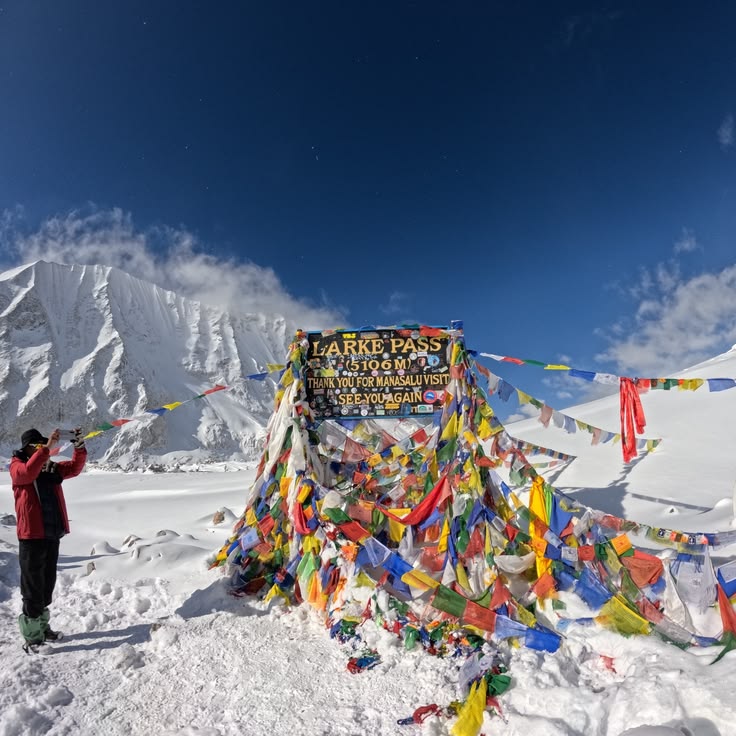
Begin the day before sunrise for the most challenging and rewarding section of the Manaslu Circuit. The trail climbs steadily over rocky slopes and glacial terrain to reach Larke Pass, the highest point of the trek at 5,160 metres. From the summit, enjoy breathtaking panoramic views of Himlung Himal, Cheo Himal, Kang Guru, Annapurna II, and numerous surrounding snow-covered peaks.
After celebrating your successful pass crossing, descend carefully through alpine meadows, glacial valleys, and rocky trails to the beautiful settlement of Bimthang. The journey takes around 8–9 hours and rewards you with some of the finest mountain scenery in Nepal. Overnight at a comfortable teahouse.
Leaving Bimthang, descend through scenic rhododendron forests, yak pastures, and beautiful alpine meadows while following the Dudh Khola River. Cross several wooden bridges and enjoy changing landscapes as the trail gradually enters greener valleys filled with pine forests and cultivated farmland. Along the way, pass small settlements and enjoy occasional views back toward the towering peaks you crossed the previous day.
After approximately 6–7 hours of trekking, arrive at Gowa, a peaceful mountain village surrounded by forests and terraced fields. Spend the evening relaxing at a local teahouse and reflecting on the incredible high-altitude adventure.
After breakfast, continue your descent through lush forests of pine, oak, and rhododendron, following well-established trails that pass traditional Gurung villages, cultivated terraces, and scenic river valleys. Cross several suspension bridges over the Marsyangdi River and walk through villages such as Tilije and Dharapani, where you can observe the unique blend of Tibetan and Gurung cultures.
As the altitude decreases, the landscape becomes warmer and greener, with waterfalls, farmland, and dense vegetation replacing the alpine scenery of previous days. After approximately 6–7 hours of trekking, arrive at Chyamje, a small village nestled beside the Marsyangdi River. Check into a comfortable lodge, relax after your final day on the trail, and enjoy a celebratory dinner while reminiscing about the unforgettable journey through the remote Rupina La Pass and the spectacular Manaslu region. Overnight at a lodge.
After an early breakfast, board a local jeep for the scenic drive along the Marsyangdi River to Besisahar, passing charming hillside villages, terraced fields, waterfalls, and winding mountain roads. From Besisahar, continue your journey by private vehicle or tourist bus to Kathmandu or Pokhara, enjoying the final views of Nepal’s beautiful countryside along the Prithvi Highway. The drive to Kathmandu takes approximately 6–7 hours, while Pokhara can be reached in about 4–5 hours.
Upon arrival, your remarkable 17-day Rupina La Pass Trek with the Manaslu Circuit comes to an end, leaving you with unforgettable memories of remote mountain trails, high Himalayan passes, breathtaking landscapes, rich cultural encounters, and one of Nepal’s most rewarding trekking adventures.
Video
Packing List for Rupina La Pass Trek with Manaslu Circuit
17 Days Rupina La Pass Trek FAQs
The Rupina La Pass Trek with Manaslu Circuit is a 17-day Himalayan adventure that combines the remote camping route over Rupina La Pass (4,720 m) with the classic Manaslu Circuit, finishing by crossing Larke Pass (5,160 m). It offers a blend of wilderness, camping, teahouse trekking, and rich Himalayan culture.
This is considered a strenuous to challenging trek. It includes two high mountain passes, long trekking days, remote camping, and multiple nights above 3,500 metres. Previous high-altitude trekking experience is highly recommended.
The standard itinerary takes 17 days, including transportation, acclimatization, camping, and teahouse trekking.
The highest point is Larke Pass at 5,160 metres (16,929 ft). The trek also crosses Rupina La Pass at 4,720 metres (15,486 ft).
Yes. The trek passes through remote and restricted areas where a licensed guide is essential for navigation, logistics, and permit requirements. The remote Rupina La section is not recommended for independent trekking.
You need a Manaslu Restricted Area Permit (RAP), a Manaslu Conservation Area Permit (MCAP), and an Annapurna Conservation Area Permit (ACAP).
The best seasons are March to May (spring) and September to November (autumn), when the weather is generally stable, mountain views are clear, and trail conditions are most favorable.
Yes. The initial section between Barpak and the Manaslu Circuit is a remote camping route with very limited accommodation. Once you join the Manaslu Circuit, accommodation is available in local teahouses.
Yes. Since the trek reaches elevations above 5,000 metres, there is a risk of altitude sickness. A gradual ascent, proper acclimatization, hydration, and following your guide’s advice are important for reducing this risk.
This trek is not recommended for beginners. It is better suited to experienced trekkers who are comfortable with multi-day mountain trekking, high-altitude conditions, and camping.
The trek combines fully serviced camping in the remote Rupina La section with comfortable teahouses and mountain lodges after joining the Manaslu Circuit.
Trekkers enjoy spectacular views of Mount Manaslu, Himalchuli, Ganesh Himal, Ngadi Chuli, Peak 29, Cheo Himal, Himlung Himal, Shringi Himal, and Annapurna II.
Daily trekking generally ranges from 4 to 9 hours, depending on the terrain, elevation gain, weather conditions, and itinerary.
Yes. The Rupina La approach is one of Nepal’s least-traveled trekking routes, offering a much quieter and more remote experience before joining the more popular Manaslu Circuit.
The complete Rupina La Pass Trek with Manaslu Circuit covers approximately 180–200 km (112–124 miles), depending on the exact itinerary and side trips.
Reviews
No reviews found.