

Saipal Base Camp Trek – 21 Days Remote Camping Trek in Humla
Destination:
Humla District, Far West Nepal
Trip Duration:
21 Days
Max Altitude:
Saipal East Base Camp (~5,000m approx.)
Activities:
Trekking, Camping, Cultural Exploration, High Pass Crossing
Start Point:
Kathmandu → Nepalgunj → Simikot
Ending Point:
Simikot → Nepalgunj → Kathmandu
Region:
Far West Nepal (Humla Region)
Trip Grade:
Challenging / Strenuous (Remote High-Altitude Trek)
Group Size:
2 – 12 People (Ideal for logistics and safety)
Accomodation:
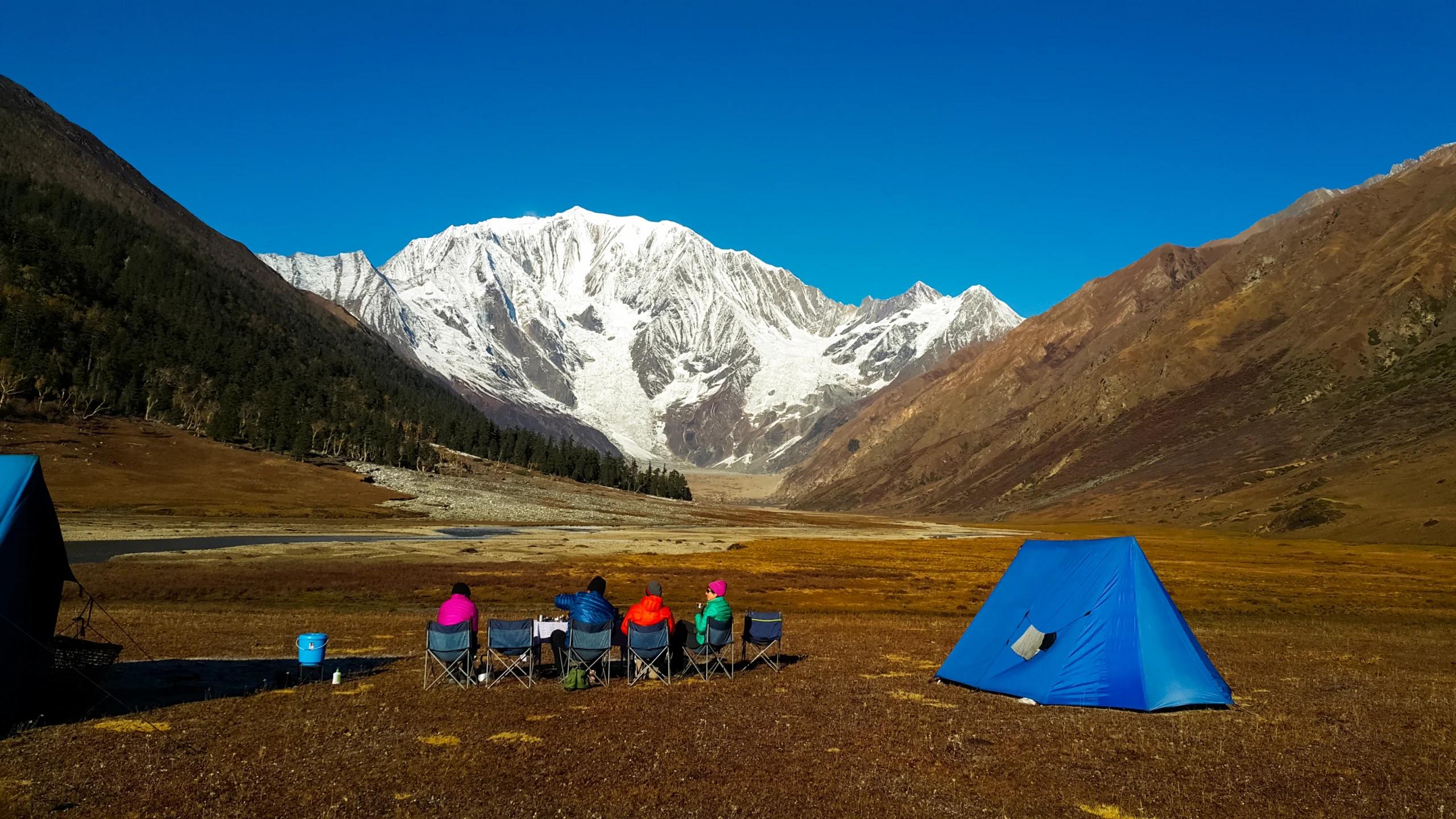
Hotel in cities, Fully Tented Camping during trek
Meals:
Breakfast in cities; Full board meals (Breakfast, Lunch, Dinner) during trek
Transportation:
Domestic Flights (Kathmandu–Nepalgunj–Simikot) + Trekking on foot
Permits Required:
Restricted Area Permit (Humla) & Nepal Tourism Board Trekking Permit
Best Season:
Spring (April–June) & Autumn (September–November)
Saipal Base Camp Trek – A Remote Himalayan Expedition in Far West Nepal
The Saipal Base Camp Trek is one of Nepal’s most remote and least explored trekking adventures, offering a truly off-the-beaten-path experience in the far western region of Humla District. Unlike the more commercial trekking routes in Everest Region and Annapurna Region, the Saipal Base Camp Trek takes you deep into untouched wilderness where raw natural beauty, authentic culture, and complete isolation define the journey. This is not just a trek—it is a full-scale Himalayan expedition ideal for serious adventurers.
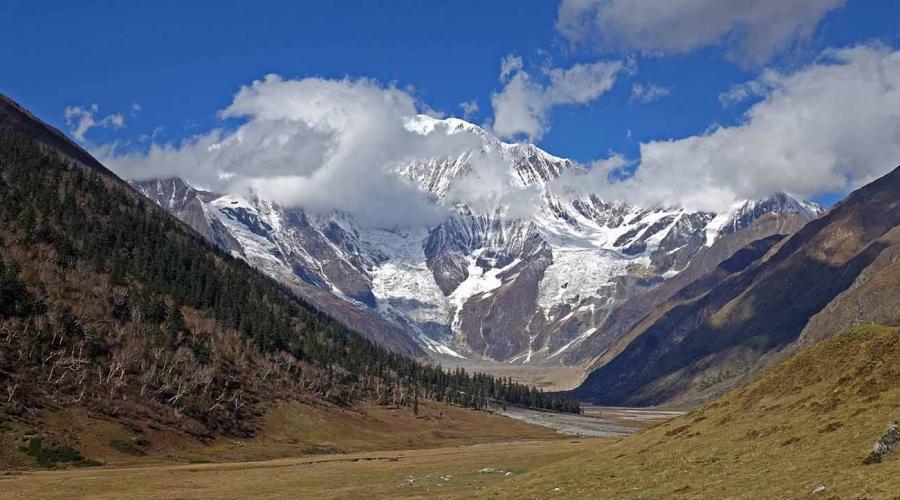
Located in far-western Nepal, Mount Saipal dominates the skyline and serves as the ultimate destination of the Saipal Base Camp Trek. Reaching both the west and east base camps of this majestic peak is a challenging yet incredibly rewarding experience. The trek offers pristine landscapes, high mountain passes, and rare cultural encounters, making the Saipal Base Camp Trek in Nepal a hidden gem for experienced trekkers.
A Journey into Nepal’s Hidden Wilderness
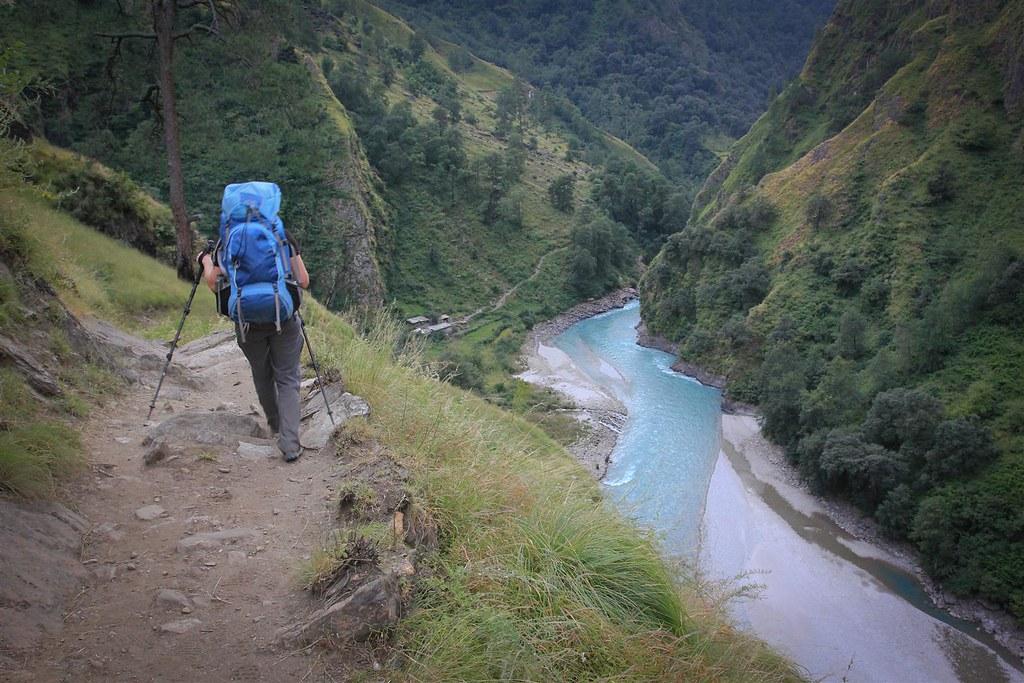
The Saipal Base Camp Trek itinerary begins with a scenic flight from Kathmandu to Nepalgunj, followed by a dramatic mountain flight to Simikot. From Simikot, the trekking route follows ancient trails along the Karnali River, passing through traditional villages such as Dharapori, Kermi, and Yalbang.
As you continue the Saipal Base Camp Trek route, the landscape gradually shifts from lush valleys and cultivated terraces to rugged alpine terrain. The remoteness of this trek is one of its biggest highlights—there are no teahouses in the upper sections, making the Saipal Base Camp Trek a fully supported camping expedition. This isolation offers a rare sense of exploration that few trekking routes in Nepal can provide.
Cultural Richness of the Humla Region
The Saipal Base Camp Trek is not only about mountains but also about culture. The remote villages of Humla District are deeply influenced by Tibetan Buddhism. Trekkers encounter monasteries, prayer flags, mani walls, and ancient traditions that have remained unchanged for generations.
Villages like Yalbang and Kermi provide an authentic cultural experience during the Saipal Base Camp Trek Nepal journey. The locals live a simple lifestyle based on agriculture and trade, and their warm hospitality adds a meaningful dimension to the trek. Compared to other trekking regions, the cultural encounters on the Saipal Base Camp Trek feel genuine and untouched.
High Mountain Passes and Adventure
Adventure is at the core of the Saipal Base Camp Trek. One of the major highlights is crossing Syakup Lagna Pass (4,215m), which leads into the high alpine zone of the Saipal Himal. As the trek progresses, you reach the stunning Saipal West Base Camp, surrounded by glaciers and dramatic mountain scenery.
The most challenging section of the Saipal Base Camp Trek route is crossing Sakya Lagna Pass (4,710m), the highest point of the trek. This high-altitude pass offers breathtaking panoramic views of snow-capped peaks and untouched valleys, making it one of the most rewarding moments of the Saipal Base Camp Trek.
Dual Base Camp Experience
A unique feature of the Saipal Base Camp Trek is the opportunity to explore both the west and east base camps of Mount Saipal. The west base camp is known for its rugged glacier landscapes, while the east base camp offers a completely different perspective with steep rock faces and serene alpine surroundings.
This dual base camp experience makes the Saipal Base Camp Trek itinerary more diverse and exploratory than most treks in Nepal. It allows trekkers to fully experience the grandeur of the Saipal region.
A True Camping Trek Experience
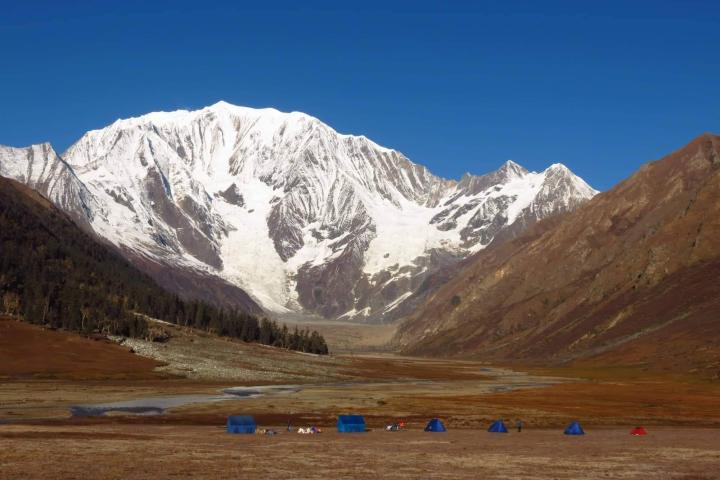
Unlike Everest or Annapurna treks, the Saipal Base Camp Trek is a fully camping-based journey. All logistics—including food, accommodation, and equipment—are managed by a professional trekking crew. This allows trekkers to access extremely remote areas where infrastructure is minimal.
Camping in the wilderness is a highlight of the Saipal Base Camp Trek Nepal experience. The quiet surroundings, star-filled skies, and complete disconnection from modern life create a truly immersive Himalayan adventure.
Best Time and Trek Difficulty
The best time for the Saipal Base Camp Trek is during spring (April to June) and autumn (September to November). These seasons offer clear skies, stable weather, and the best mountain views. However, due to the remoteness of the region, flights to Simikot can sometimes be affected by weather.
In terms of difficulty, the Saipal Base Camp Trek is considered challenging. It requires good physical fitness, prior trekking experience, and proper acclimatization. Long trekking days, high passes, and remote conditions make the Saipal Base Camp Trek Nepal suitable for experienced trekkers seeking a serious adventure.
Why Choose the Saipal Base Camp Trek?
The Saipal Base Camp Trek stands out as one of the most unique trekking experiences in Nepal. It offers:
- Remote and untouched Himalayan landscapes
- Authentic cultural experiences in Humla
- Challenging high-altitude adventure
- Exploration of both west and east base camps
- A true wilderness camping trek
For those looking to avoid crowded trails and explore a hidden region, the Saipal Base Camp Trek is an exceptional choice.
Trekking Similar to Saipal Base Camp Trek
- Annapurna Circuit Trek: 15 Night – 16 Days
- Manaslu Circuit trek-14N/15D
- Everest Base Camp Trek- 12 Days/ 11 Night
Nepal Pilgrimage & Cultural Tours
- Buddhist Pilgrimage Tour 6 Nights / 7 Days
- Kathmandu, Pokhara & Muktinath 7 Nights / 8 Days
- 8 Days Culture, Wildlife & Heritage of Nepal
- Mani Rimdu Festival in Everest Region 11 Nights / 12 Days
- 1-Day Kathmandu UNESCO Heritage Tour with Complimentary Nagarkot Sunrise & Rani Jhula
Final Experience
Completing the Saipal Base Camp Trek is a life-changing achievement. It is more than just a trekking journey—it is an expedition into one of Nepal’s last untouched frontiers. From crossing high mountain passes to experiencing remote Himalayan culture, every moment of the Saipal Base Camp Trek Nepal is filled with challenge and reward.
As you return to Kathmandu, you carry unforgettable memories of pristine landscapes, cultural richness, and the raw beauty of the Himalayas. For trekkers seeking a true adventure, the Saipal Base Camp Trek is one of the most rewarding and inspiring journeys in Nepal.
Saipal Base Camp Trek – 21 Days Remote Camping Trek in Humla Highlights
- Trek through the remote and untouched landscapes of Humla District, one of Nepal’s least explored regions
- Visit both base camps of Mount Saipal (West & East) – a rare dual base camp experience
- Cross high mountain passes like Syakup Lagna (4,215m) and Sakya Lagna (4,710m)
- Enjoy diverse landscapes from lush valleys to alpine meadows and glacial terrain
- Follow the scenic trails along the Karnali River valley
- Experience authentic Tibetan-influenced culture in villages like Yalbang and Kermi
- Take thrilling mountain flights from Kathmandu to Nepalgunj and Simikot
- Experience a fully supported camping trek in complete wilderness
- Enjoy stunning night skies and peaceful isolation in the Himalayas
- Perfect for adventure seekers looking for an off-the-beaten-path trekking experience
- A challenging high-altitude trek ideal for experienced trekkers
- Witness breathtaking panoramic views of the far western Himalayas
Route Details – Saipal Base Camp Trek
The Saipal Base Camp Trek route begins with a scenic flight from Kathmandu to Nepalgunj, followed by a dramatic mountain flight to Simikot, the gateway to the remote Humla region. From Simikot, the trail gradually descends and follows the fertile valley of the Karnali River, passing through traditional settlements such as Dharapori, Kermi, and Yalbang. These lower sections offer a blend of green landscapes, terraced fields, and rich Tibetan-influenced culture, making for a smooth acclimatization phase.
As the trek progresses beyond Yalbang, the trail becomes more rugged and remote, entering high alpine terrain. The route climbs steadily towards Syakup Lagna Pass (4,215m), marking the transition into the wilderness of the Saipal Himal. From here, trekkers move through isolated grazing lands and glacial valleys to reach Saipal West Base Camp, where dramatic views of glaciers and the towering massif of Mount Saipal unfold.
The journey continues with a challenging crossing of Sakya Lagna Pass (4,710m), the highest point of the trek, leading to the eastern side of the mountain. This section is more remote and less traveled, offering pristine alpine landscapes and complete isolation. Trekkers then explore Saipal East Base Camp, gaining a different perspective of the mountain’s rugged beauty.
After exploring both base camps, the trail forms a loop as it descends through remote valleys, passing through Dhaulekharka, Lampato, and Lama Chaur before returning to Simikot. This circular route not only enhances the adventure but also provides a comprehensive exploration of the far western Himalayan wilderness, making the Saipal Base Camp Trek one of Nepal’s most unique and rewarding trekking experiences.
Include
- Domestic flights: Kathmandu – Nepalgunj – Simikot – return
- Hotel accommodation in Kathmandu & Nepalgunj (twin-sharing basis)
- Fully supported camping accommodation during the trek
- Full board meals during trekking (Breakfast, Lunch, Dinner)
- Experienced licensed trekking guide and supporting crew (cook, porters, helpers)
- All camping equipment (tents, kitchen tent, dining tent, sleeping arrangements)
- Trekking logistics, staff insurance, and wages
- Restricted Area Permit for Humla District
- Trekking permits via Nepal Tourism Board
- Basic first aid kit and emergency support arrangement
- Porter/mule services for luggage during trek
- Airport transfers (pickup and drop)
Exclude
- International airfare to/from Kathmandu
- Nepal visa fees and travel insurance (mandatory)
- Meals in Kathmandu & Nepalgunj (except specified breakfast)
- Personal expenses (drinks, snacks, Wi-Fi, hot showers, battery charging, etc.)
- Personal trekking gear (sleeping bag, down jacket, etc. if not provided)
- Personal medical expenses and evacuation costs (helicopter rescue if required)
- Tips for guide, porters, and trekking staff (expected but not mandatory)
- Extra activities or sightseeing not mentioned in the itinerary
- Costs arising due to flight delays, weather conditions, or unforeseen circumstances
Saipal Base Camp Trek – 21 Days Remote Camping Trek in Humla Itinerary
Your journey to the remote Saipal region begins with your arrival in Kathmandu, the vibrant capital city of Nepal. Upon landing at Tribhuvan International Airport, you will be warmly welcomed by your trekking team and transferred to your hotel. The rest of the day is kept flexible to recover from jet lag and prepare mentally for the adventure ahead.
In the evening, a detailed trek briefing is conducted where you will meet your guide and support crew, review the itinerary, and discuss safety measures, altitude awareness, and logistics. You may also use this time to explore nearby cultural landmarks or finalize any missing trekking gear. This day is crucial for organization, as the Saipal Base Camp Trek is a fully remote camping expedition requiring careful preparation. Overnight at hotel.
After breakfast, the morning is dedicated to completing official procedures, including the Humla Restricted Area Permit, which is mandatory for trekking in this isolated region of Far West Nepal. Your trekking agency will assist with documentation, ensuring all permits and logistics are properly arranged. Later in the day, you take a scenic one-hour flight from Kathmandu to Nepalgunj, descending dramatically from the Himalayan foothills to the hot and humid Terai plains.
Nepalgunj serves as the main gateway to Humla and is often used as a transit hub for remote mountain flights. The change in climate is noticeable, offering a brief contrast before heading into the high Himalayas. The evening is spent resting and preparing for the early morning flight to Simikot, which is highly weather-dependent. Overnight at hotel.
An early morning flight takes you from Nepalgunj to Simikot, a small mountain airstrip perched above the Karnali River valley. This short but spectacular flight offers breathtaking views of remote Himalayan landscapes and deep gorges. Upon arrival, you officially begin your trek. The trail descends gradually toward Dharapori, following the Karnali River through terraced fields, pine forests, and scattered villages.
This initial section is relatively easy and plays an important role in acclimatization as you descend before gradually ascending in the coming days. The region reflects traditional lifestyles with stone houses, prayer flags, and agricultural terraces. By late afternoon, you reach Dharapori and set up camp by the riverside. Overnight in a tented camp.
Today’s trek follows the Karnali River upstream through a dramatic landscape of narrow gorges and forested hills. The trail gradually ascends, offering a mix of uphill climbs and relatively flat sections. Along the way, you pass small settlements and farmland cultivated by local communities. As you gain altitude, the scenery becomes more rugged and scenic. Kermi is a culturally rich village known for its ancient Buddhist monasteries and natural hot springs, where trekkers often relax after a long day’s walk. This area provides an early glimpse into the unique blend of Hindu and Tibetan-Buddhist traditions found in Humla. The moderate trekking hours allow your body to adapt naturally to increasing elevation. Overnight at tented camp.
Leaving Kermi, the trail gradually climbs through pine forests and crosses suspension bridges over roaring mountain streams. The route offers beautiful views of valleys and surrounding hills as you move deeper into the Humla region. After several hours of trekking, you reach Yalbang, one of the largest and most culturally significant villages along the route. The village is home to a well-known monastery, where you can observe traditional Buddhist practices and interact with local monks. The area reflects centuries-old traditions, largely untouched by modern development. This stage is important for acclimatization as you steadily approach higher elevations while maintaining a comfortable trekking pace. Overnight at tented camp.
This is the first truly challenging day of the trek as you leave the lower valleys and ascend toward high alpine terrain. The trail climbs steeply toward the Syakup Lagna Pass (4,215m), one of the key highlights of the route. The ascent requires steady pacing due to increasing altitude, thinner air, and rugged terrain. As you reach the top of the pass, you are rewarded with stunning panoramic views of surrounding Himalayan peaks, deep valleys, and untouched wilderness. After crossing the pass, the trail descends toward Chala, where you set up camp in a remote alpine environment. This day marks a significant transition into high-altitude trekking and showcases the raw beauty and isolation that define the Saipal region.
After an early breakfast at Chala, the trail continues through remote alpine terrain with gradual ascents and descents across open ridgelines. The landscape becomes increasingly wild and isolated as you move deeper into the Saipal region. You will pass through scattered grazing areas used by local herders and may encounter yak caravans along the way. The views of surrounding hills and distant snow-capped peaks begin to open up, offering a glimpse of the high Himalayas. The trek is moderately challenging but rewarding, with a peaceful environment and minimal human settlement. Overnight stay at a tented camp in Puekharka.
Today’s trek takes you further into the untouched wilderness of Humla District. The trail follows rugged terrain with occasional steep climbs and narrow paths along hillsides. As you ascend gradually, vegetation becomes sparse and the landscape transitions into alpine meadows and rocky terrain. The isolation of this region becomes more apparent, making it a true expedition-style trekking experience. Sumjumkharka is a remote highland pasture area surrounded by dramatic mountain scenery. Overnight at tented camp.
This is one of the most important and exciting days of the trek. You will explore the Saipal West Base Camp, located beneath the towering massif of Mount Saipal. The area features glaciers, moraines, and rugged mountain landscapes that showcase the raw beauty of the Himalayas. You can spend time hiking around the base camp, taking photographs, and enjoying the stunning surroundings. The sense of remoteness and achievement is immense, as very few trekkers reach this region. Overnight at tented camp.
After exploring the west base camp, the trail retraces part of the route before branching toward Karang Khola. The descent offers a different perspective of the landscapes you previously crossed, with changing light and scenery enhancing the experience. The trek includes a mix of downhill and gradual sections, making it relatively easier compared to previous days. You will camp near a river or grazing area, surrounded by peaceful natural surroundings. Overnight at tented camp.
The journey continues through remote valleys and rugged terrain, gradually gaining elevation again. The trail is less defined in some sections, requiring careful navigation and guidance from your trekking team. You will cross streams, pass through rocky paths, and experience the true wilderness of the Saipal region. The campsite near Gurgure Khola or Khaniphukharka offers a serene setting with minimal human presence, making it ideal for rest and acclimatization. Overnight at tented camp.
This is one of the most challenging and rewarding days of the trek as you cross Sakya Lagna Pass (4,710m), the highest point of the journey. The ascent is steep and demanding, requiring endurance and proper acclimatization. From the top of the pass, you are rewarded with breathtaking panoramic views of the surrounding Himalayan ranges. After enjoying the views, the trail descends into a remote valley leading to Lepcha Khola or Lepchekharka. The dramatic change in landscape and sense of achievement make this a memorable day. Overnight at tented camp.
After crossing the high pass the previous day, today’s trek is comparatively moderate as you descend into a more open and scenic valley. The trail passes through alpine meadows, rocky ridges, and isolated grazing lands where you may encounter herders during seasonal movements. The environment remains remote and untouched, with expansive views of surrounding hills and distant peaks. As you approach Ranikharka, the terrain becomes slightly gentler, offering a comfortable campsite in a quiet highland setting. This day also helps with recovery after the strenuous pass crossing. Overnight at tented camp.
Today is another major highlight of the trek as you explore the Saipal East Base Camp, located on the opposite side of Mount Saipal. This base camp presents a completely different perspective of the mountain, with steep rock faces, glaciers, and dramatic alpine surroundings. You can take short hikes around the area, enjoy photography, and immerse yourself in the raw Himalayan environment. The sense of isolation and grandeur here is truly remarkable, as very few trekkers reach this region. After exploration, return to the campsite at Ranikharka. Overnight at tented camp.
Leaving the base camp area behind, the trail begins its gradual descent through remote valleys and highland pastures. The route passes through rugged terrain with a mix of downhill sections and gentle climbs. As you lose altitude, the landscape slowly transitions from harsh alpine conditions to slightly greener surroundings. The trail remains quiet and isolated, maintaining the expedition feel of the trek. Dhaulekharka serves as a peaceful campsite surrounded by hills and natural beauty. Overnight at tented camp.
Today’s trek continues descending through less rugged terrain, offering a more relaxed walking experience compared to earlier days. The trail passes through open landscapes, small streams, and grazing fields. As you move further down, signs of vegetation increase, and the air becomes slightly warmer. The journey provides a pleasant contrast to the high-altitude sections, allowing trekkers to enjoy a more comfortable pace. Lampato is a scenic camping spot, ideal for rest and recovery. Overnight at tented camp.
The trail today follows a mix of forested paths and open terrain, gradually reintroducing greenery into the journey. You may pass through small settlements or seasonal shelters used by locals. The route includes gentle ups and downs, making it relatively easier compared to earlier stages of the trek. Lama Chaur is a beautiful location with grassy fields and a tranquil environment, perfect for camping. The change in landscape marks your return toward more inhabited regions. Overnight at tented camp.
As the trek nears its final phase, the trail becomes more defined and easier to navigate. You will descend further through mixed terrain, including forest sections and open hillsides. Occasional views of villages and cultivated land begin to appear, signaling your gradual return to civilization. The walk is relatively moderate, allowing you to reflect on the incredible journey through the remote Saipal region. Chhipra is a small settlement where you will camp for the night. Overnight at tented camp.
On the final trekking day, the trail gradually ascends and descends along well-defined paths leading back to Simikot. Compared to the remote upper sections, this part of the journey feels more lively, with occasional encounters with locals and small settlements. The landscape features a mix of terraced fields, hillsides, and scattered villages, marking your return to the more inhabited areas of Humla District. Upon reaching Simikot, you can enjoy the comfort of a guesthouse or camp and celebrate the successful completion of your trekking adventure. Overnight stay at guesthouse or tented camp.
After breakfast, you will take a scenic mountain flight from Simikot to Nepalgunj. This short yet dramatic flight offers stunning aerial views of the remote Himalayas you have just explored. After a brief stop in Nepalgunj, you will board another flight back to Kathmandu. Upon arrival, you will be transferred to your hotel where you can relax, enjoy a hot shower, and reflect on your journey through one of Nepal’s most remote trekking regions. Overnight stay at hotel.
Your incredible journey concludes today in Kathmandu. Depending on your flight schedule, you may have some free time for last-minute shopping or sightseeing in the city. Our team will transfer you to the international airport for your onward departure. You leave Nepal with unforgettable memories of the Saipal Base Camp Trek, having experienced remote wilderness, high mountain passes, and authentic Himalayan culture in one of the least explored regions of the country.
Video
Packing List – Saipal Base Camp Trek
Preparing for the Saipal Base Camp Trek in the remote wilderness of Humla District requires careful planning. As this is a fully camping, high-altitude trek, you need to be equipped for varying weather conditions, rugged terrain, and limited facilities.
Clothing Essentials
- Moisture-wicking base layers (top and bottom)
- Insulating layers (fleece or down jacket)
- Waterproof and windproof jacket and pants
- Trekking pants and quick-dry shirts
- Thermal innerwear for cold conditions
- Warm hat, sun hat, and buff/scarf
- Gloves (inner and insulated outer)
- Undergarments and extra socks (preferably wool)
Footwear
- Sturdy, well broken-in trekking boots
- Camp shoes or sandals
- Warm wool socks (multiple pairs)
- Gaiters for snow and dust protection
Trekking Gear and Equipment
- Duffel bag (for porters)
- Daypack (20–30L for daily essentials)
- Sleeping bag (-15°C to -20°C recommended)
- Trekking poles
- Headlamp with extra batteries
- Water bottles or hydration system
- Sunglasses with UV protection
Personal Items and Toiletries
- Toothbrush and toothpaste
- Biodegradable soap
- Quick-dry towel
- Sunscreen (SPF 50+) and lip balm
- Hand sanitizer and wet wipes
- Personal hygiene products
Health and Safety
- Personal medications
- Basic first aid kit (bandages, antiseptic, pain relief)
- Altitude sickness medication (consult a doctor)
- Water purification tablets or filter
- Blister care kit
Food and Snacks
- Energy bars
- Dry fruits and nuts
- Electrolyte powder
- Chocolates or quick energy snacks
Documents and Essentials
- Passport and photocopies
- Travel insurance (mandatory)
- Trekking permits for Humla District
- Cash (Nepali Rupees for personal expenses)
Optional Items
- Power bank or solar charger
- Camera or smartphone
- Notebook or journal
- Binoculars
Packing Tip
Pack efficiently and avoid unnecessary items. Since this is a remote camping trek, prioritize essential gear and proper layering to ensure safety and comfort throughout the journey.
Saipal Base Camp Trek – 21 Days Remote Camping Trek in Humla FAQs
The Saipal Base Camp Trek is located in Humla District in far western Nepal. It is one of the most remote trekking regions in the country, far from popular routes like Everest and Annapurna.
Saipal Base Camp Trek is considered challenging to strenuous. It involves long trekking days, remote trails, and high mountain passes such as Syakup Lagna and Sakya Lagna. It is best suited for experienced trekkers with good physical fitness.
The highest point of the trek is around 5,000 meters at Saipal East Base Camp, with high passes reaching up to 4,710 meters.
Yes, prior high-altitude trekking experience is highly recommended. The remoteness, camping style, and physical demands make it unsuitable for beginners.
You need a Restricted Area Permit for Humla and trekking permits issued through the Nepal Tourism Board.
The best seasons are spring (April to June) and autumn (September to November), when the weather is stable and mountain views are clear.
This is a fully supported camping trek. There are no tea houses in the upper regions, so all accommodation and meals are arranged by the trekking crew.
You need to fly from Kathmandu to Nepalgunj, then take another flight to Simikot, which is the trek starting point.
Yes, altitude sickness is a potential risk due to high elevations. Proper acclimatization, hydration, and a gradual ascent are essential.
Yes, hiring a guide and support crew is mandatory for logistics, safety, and permit management, especially in remote areas like Humla District.
You will stay in hotels in cities and tented camps during the trek. Camping is fully organized with dining and kitchen tents.
You will get full board meals (breakfast, lunch, and dinner) prepared by the trekking crew. Meals are typically simple, nutritious, and suitable for high-altitude trekking.
The trek typically takes around 21 days, including travel, acclimatization, and exploration of both base camps.
Yes, travel insurance is mandatory, and it should cover high-altitude trekking and emergency evacuation.
This trek offers a true wilderness experience, fewer crowds, untouched landscapes, and a unique opportunity to explore both sides of Mount Saipal—making it ideal for serious adventure seekers.
Reviews
No reviews found.