
Upper Dolpo Trek – 25 Days
Destination:
Upper Dolpo, Shey Phoksundo Lake & Shey Gompa Region, Nepal
Trip Duration:
25 Days
Max Altitude:
5,350m (Kang La Pass)
Activities:
High-altitude trekking, mountain pass crossing, cultural village exploration, monastery visits, camping, wildlife observation, photography
Start Point:
Kathmandu Kathmandu
Ending Point:
Kathmandu Kathmandu
Region:
Dolpa District, Western Nepal (Shey Phoksundo National Park & Upper Dolpo)
Trip Grade:
Strenuous / Challenging (Remote, high-altitude expedition trek)
Group Size:
2–12 trekkers (recommended small group for logistics and safety)
Accomodation:
Hotel in Kathmandu & Nepalgunj; Teahouse + fully camping-based accommodation in remote Dolpo region
Meals:
Full board during trek (Breakfast, Lunch, Dinner) + tea/coffee; variety depends on remoteness (Nepali, Tibetan, basic international meals)
Transportation:
International flight to Nepal, domestic flights (Kathmandu–Nepalgunj–Jhupal), trekking on foot, jeep ride Jhupal–Dunai
Permits Required:
Restricted Area Permit (Upper Dolpo), Shey Phoksundo National Park Permit & TIMS Card (if applicable depending on route regulation)
Best Season:
Spring (April–June) – Clear skies, stable weather, ideal trekking conditions & Autumn (September–November) – Best visibility, dry trails, peak season for Dolpo trekking
Upper Dolpo Trek – 25 Days Highlights
- Experience one of Nepal’s most remote and least-explored trekking regions, deep in the trans-Himalayan wilderness of Dolpo
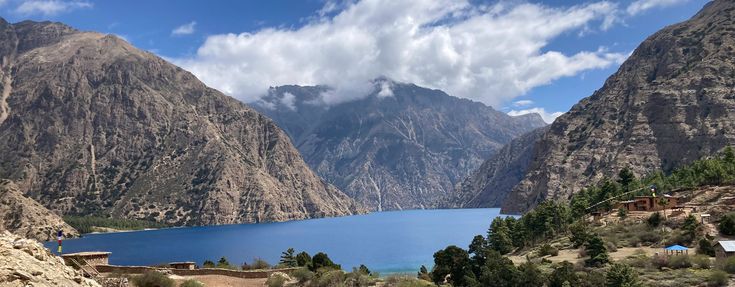
- Witness the breathtaking turquoise waters of Phoksundo Lake, considered one of the most beautiful alpine lakes in the Himalayas
- Cross legendary high mountain passes including Kang La (5,350m), Sela La, and Jeng La, offering dramatic Himalayan panoramas
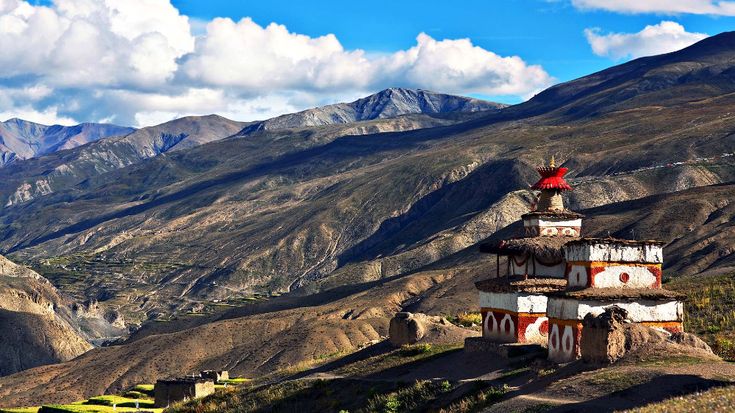
- Explore the sacred and spiritually significant Shey Gompa, also known as the Crystal Monastery
- Trek through ancient Tibetan-influenced villages such as Saldang, Dho Tarap, and Namgung, where traditional lifestyles remain unchanged for centuries
- Enter the protected wilderness of Shey Phoksundo National Park, home to rare wildlife, alpine forests, and dramatic landscapes
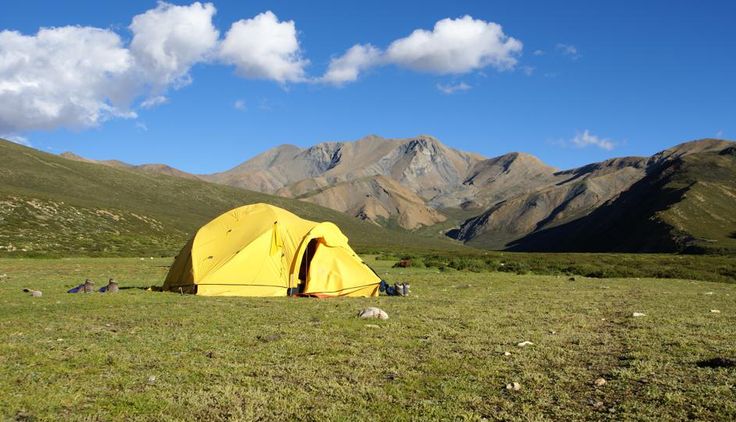
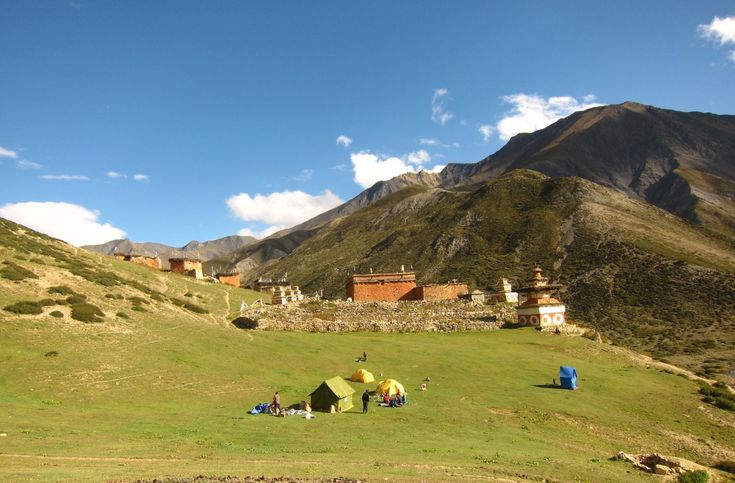
- Experience true expedition-style trekking with camping in remote valleys, river gorges, and high-altitude passes
- Discover the unique Bon and Tibetan Buddhist culture preserved in isolation for generations
- Walk through dramatic landscapes ranging from lush pine forests to barren high-altitude deserts within a single journey
- Enjoy uninterrupted views of snow-capped peaks, deep canyons, and untouched Himalayan terrain far from modern civilization
Route Details – Upper Dolpo Trek
Include
- Airport pickup and drop from Kathmandu international airport
- Hotel accommodation in Kathmandu and Nepalgunj on a twin-sharing basis with breakfast
- Domestic flights: Kathmandu–Nepalgunj–Jhupal–Nepalgunj–Kathmandu
- Required trekking permits (Restricted Area Permit, Shey Phoksundo National Park Permit, TIMS if applicable)
- Full-board meals during the trekking period (breakfast, lunch, and dinner)
- Tea/coffee during meals on the trek
- Experienced licensed trekking guide and necessary support staff
- Porters (shared basis) to carry trekking luggage
- Camping equipment including tents, kitchen gear, and dining setup in remote sections
- Accommodation during trek (teahouse where available and fully camping-based in Upper Dolpo region)
- First aid medical kit carried by guide
- Government taxes and agency service charges
Exclude
- International airfare to and from Nepal
- Nepal entry visa fees
- Travel and rescue insurance (must cover high-altitude trekking above 5,500m and emergency evacuation)
- Personal trekking equipment and clothing
- Personal expenses such as snacks, drinks, bottled water, hot showers, Wi-Fi, and charging fees
- Alcoholic beverages and extra hotel services in Kathmandu and Nepalgunj
- Tips for guide, porter, and support staff (expected but not mandatory)
- Extra accommodation or meals due to early return, weather delays, or flight cancellations
- Any costs arising from unforeseen circumstances such as natural disasters, illness, or evacuation
- Optional sightseeing or activities in Kathmandu not mentioned in the itinerary
Upper Dolpo Trek – 25 Days Itinerary
Upon arrival in Kathmandu, you’ll be welcomed by your trekking representative and transferred to your hotel in the vibrant tourist hub of Thamel. This day is intentionally kept light to help you recover from international travel and adjust to Nepal’s atmosphere. Depending on your arrival time, you can stroll through the bustling streets filled with trekking shops, cafes, and cultural sights, or simply relax at your hotel.
In the evening, a detailed trek briefing will be conducted where your guide will explain the journey ahead, check your gear, and ensure all necessary permits for Upper Dolpo are in order. This is also a good time to ask questions and mentally prepare for one of Nepal’s most remote and adventurous trekking regions.
After breakfast, you begin a guided cultural tour of Kathmandu Valley’s UNESCO World Heritage Sites. You’ll visit the sacred Pashupatinath Temple, one of the holiest Hindu temples, where cremation rituals take place along the Bagmati River. Next, explore the massive Boudhanath Stupa, a spiritual center for Tibetan Buddhism surrounded by monasteries and prayer wheels. You may also visit Swayambhunath Stupa, famously known as the Monkey Temple, offering panoramic views of the valley.
In the afternoon, you take a flight to Nepalgunj, located in the Terai lowlands near the Indian border. The climate here is much warmer compared to Kathmandu, giving you a stark contrast before heading into the Himalayas. Nepalgunj is a busy transit town with a mix of cultures and serves as the gateway to remote western Nepal. Overnight stay at a hotel.
Early in the morning, you board a scenic mountain flight to Jhupal, one of the highest airstrips in Nepal. The flight itself is an unforgettable experience, offering views of rolling hills, deep river valleys, and distant snow-capped peaks. Upon landing, you officially begin your trek.
The trail starts with a gentle descent through terraced farmland and traditional villages, giving you your first glimpse into rural Himalayan life. You’ll pass fields of barley, millet, and local crops while interacting with friendly villagers. Following the Thulo Bheri River, you continue along a relatively easy path to reach Dunai, the administrative headquarters of Dolpo. Dunai is a charming settlement with basic lodges, shops, and government offices. Overnight stay in a teahouse.
Today’s trek follows the scenic Thulo Bheri River upstream. The trail gradually ascends through narrow gorges, crossing suspension bridges and passing small settlements like Sulighat, the entry point of Shey Phoksundo National Park. Here, your permits are checked before entering this protected region.
As you continue, the environment becomes more lush with dense forests of pine, cedar, and walnut trees. The sound of flowing rivers and chirping birds creates a peaceful trekking atmosphere. You may also spot wildlife such as langur monkeys or colorful Himalayan birds. The climb becomes slightly steeper as you approach Chhepka, a small but beautiful village surrounded by greenery. This is your first real taste of trekking in remote Dolpo terrain. Overnight at a local lodge.
Leaving Chhepka, the trail continues through dense forest sections dominated by pine, juniper, and bamboo. The path winds along cliffs and riverbanks, offering occasional glimpses of waterfalls cascading down steep rock faces. This region is rich in biodiversity, and with some luck, trekkers might spot blue sheep or signs of other Himalayan wildlife.
The gradual ascent helps your body begin acclimatizing to higher elevations. Along the way, you’ll pass small shepherd settlements and prayer flags fluttering in the wind, indicating the growing influence of Tibetan Buddhist culture. Eventually, you arrive at Samdua village, a quiet and less-visited settlement that offers a peaceful overnight stop. The air is cooler here, and the landscape starts transitioning toward alpine terrain.
This is one of the most visually spectacular days of the trek. The trail climbs steadily through forests before opening up to dramatic landscapes of cliffs and waterfalls. One of the highlights is witnessing one of Nepal’s highest waterfalls plunging down rugged rock faces.
As you approach your destination, the terrain becomes more barren and dramatic. Suddenly, the stunning Phoksundo Lake appears a mesmerizing turquoise alpine lake set beneath towering cliffs. Its pristine beauty and unique color make it one of Nepal’s most iconic natural wonders.
Nearby lies Ringmo village, a traditional Tibetan-style settlement where locals practice ancient Bon and Buddhist traditions. The village features stone houses, mani walls, and prayer wheels, giving you a deep cultural experience alongside natural beauty. Overnight stay near the lake.
Today is a crucial rest and acclimatization day at the breathtaking Phoksundo Lake. Instead of complete rest, you’ll take short exploratory hikes around the lake to help your body adjust to the altitude. The deep turquoise waters of the lake change shades depending on sunlight, creating an almost surreal landscape.
You can visit Ringmo village, where locals follow ancient Tibetan Buddhist and Bon traditions. Walk past mani walls, prayer wheels, and chortens while observing daily life in this remote Himalayan settlement. A short hike above the lake offers panoramic views of the entire valley, with steep cliffs dramatically rising above the water. This day also gives you time to relax, do laundry, and mentally prepare for the more remote and challenging sections ahead.
Leaving the main settlement behind, today marks your entry into more isolated and rugged Dolpo terrain. The trail becomes narrower and more adventurous, carved along steep cliffs above the lake and river. In some sections, you’ll walk on wooden planks fixed into rock walls, adding a sense of thrill to the journey.
As you follow the trail along the Phoksundo Khola (river), the landscape gradually transitions from forested areas to a more barren, high-altitude environment. The vegetation becomes sparse, replaced by rocky terrain and alpine shrubs. The sound of flowing water echoes through the valley as you move deeper into remote wilderness. You’ll camp or stay in a basic setup near the river, surrounded by untouched natural beauty.
Today’s trek is shorter in duration but significant in altitude gain. The trail steadily climbs through glacial valleys and rocky terrain, with fewer signs of human settlement. As you ascend, the air becomes thinner, and the surroundings feel more raw and Himalayan.
Reaching Phoksundo Bhanjyang, you find yourself in a high-altitude grazing area used occasionally by yak herders. The views here are vast and dramatic, with snow-capped peaks and windswept landscapes dominating the horizon. This is an important acclimatization point before crossing one of the trek’s highest passes the following day. Expect a cold night due to the elevation.
This is one of the most challenging and rewarding days of the entire trek. You begin early in the morning to cross the high Kang-La Pass, ascending gradually over rocky and sometimes snow-covered terrain. From the top of the pass, you are rewarded with breathtaking panoramic views of the Dolpo region, including glimpses of the Tibetan plateau.
After spending some time at the pass, you descend carefully along steep trails into a completely different landscape drier, more Tibetan in character. Eventually, you arrive at the sacred Shey Gompa, also known as the Crystal Monastery. This ancient monastery sits beneath the sacred Crystal Mountain, a site of deep spiritual importance for pilgrims. The peaceful atmosphere and isolation make this a truly special place to stay overnight.
Another acclimatization day, but also one of the most culturally enriching experiences of the trek. You’ll explore Shey Gompa, interact with resident monks, and learn about the monastery’s history and spiritual significance. Pilgrims from surrounding regions visit this site to perform rituals and circumambulate the Crystal Mountain.
You can take a short hike around the monastery area, enjoying views of barren hills, ancient caves, and high-altitude landscapes. The silence and spiritual energy of this place are truly unique. This rest day also helps your body recover before crossing more high passes in the coming days.
Today involves crossing another high mountain pass, Sela La (also called Gela La). The climb is steady but demanding due to the altitude. The views from the top are expansive, showcasing the dry, wind-carved terrain of Upper Dolpo with distant snow peaks.
After crossing the pass, the trail descends toward Namgung village, a remote settlement rich in Tibetan culture. The village is home to an ancient monastery perched on a hillside, offering stunning views of the valley below. The architecture, prayer flags, and lifestyle here reflect strong Tibetan influence, giving you a deeper cultural immersion. Overnight stay in a basic lodge or camp.
After breakfast in Namgung, the trail gently descends and contours along wide, open valleys typical of the trans-Himalayan landscape. The terrain here is dry and windswept, with eroded hills, ancient trade paths, and scattered settlements that reflect centuries-old Tibetan influence. As you walk, you’ll notice long mani walls carved with Buddhist prayers and prayer flags fluttering across ridgelines.
Eventually, you reach Saldang, one of the largest and most important villages in Upper Dolpo. Historically, Saldang has been a key trading hub between Tibet and Nepal, and even today, you can observe a unique lifestyle shaped by isolation and tradition. The village is surrounded by barley fields and stone houses, and its monasteries reflect deep-rooted spiritual practices. Overnight stay in a local lodge or camp.
Leaving Saldang, the trail climbs gradually through increasingly rugged and barren terrain. The landscape feels remote and untouched, with vast open spaces and minimal vegetation. The route passes through small seasonal settlements and yak grazing areas, giving you a glimpse into the nomadic lifestyle of Dolpo’s inhabitants.
As you gain elevation, the air becomes thinner and the environment harsher. Reaching Chagaon, a high-altitude settlement, you’ll experience a true sense of remoteness. The surroundings are dominated by rocky slopes and distant snow-covered peaks. This is a quieter and less-visited stop, ideal for experiencing the raw beauty of Upper Dolpo. Overnight at camp.
Today’s trek is long and physically demanding as you traverse remote trails far from permanent settlements. The route involves crossing high ridges, descending into river valleys, and walking along narrow paths carved into hillsides. You’ll pass isolated grazing lands used by yak herders during seasonal migrations.
The highlight of the day is reaching the Dachu Khola area, where you camp beside a river in complete wilderness. The silence here is profound, broken only by the sound of wind and flowing water. With no villages nearby, this night offers a true expedition-style trekking experience under the vast Himalayan sky.
Another challenging high-altitude day awaits. You start early to ascend toward Jyanta-La Pass, climbing over loose rocky terrain and possibly snow patches depending on the season. The thin air makes the ascent slow but steady.
From the top of Jyanta-La, you are rewarded with sweeping views of rugged Dolpo landscapes and distant Himalayan ranges. After taking in the scenery, you descend carefully toward Phedi, a base camp area used by trekkers before and after crossing the pass. The descent can be steep and requires caution, especially on loose gravel. Overnight at camp in Phedi.
Today involves crossing yet another high pass—Jeng La—one of the most scenic points of the trek. The climb is gradual but long, passing through high alpine terrain with dramatic mountain views. From the top, you may catch glimpses of Dhaulagiri and surrounding peaks on clear days.
Descending from the pass, the landscape begins to change noticeably. The barren highlands give way to greener valleys as you enter the beautiful Tarap region. You arrive at Tokyu Gaon, a traditional village known for its monasteries and agricultural fields. The presence of greenery and human settlement after days of wilderness feels refreshing. Overnight stay in a lodge or camp.
The trail today is relatively easier as you descend gradually through the wide and fertile Tarap Valley. This region is one of the highest permanent settlements in the world and is culturally rich with Tibetan Buddhist traditions.
You reach Dho Tarap, a large village with stone houses, monasteries, and cultivated fields of barley and buckwheat. The people here maintain a traditional lifestyle, largely untouched by modern development. You may see locals in traditional dress, spinning prayer wheels or tending livestock. This is a great place to observe authentic Himalayan culture while enjoying a more comfortable stop after several high-altitude days.
Leaving Dho Tarap, the trail begins a long descent following the Tarap Khola. The wide, open valley gradually narrows into a dramatic gorge, and the trekking experience shifts from high alpine plains to steep canyon landscapes. The path winds along rocky cliffs, with sections requiring careful footing as you navigate narrow trails above the river.
You’ll pass through small seasonal shelters used by herders and cross several suspension bridges along the way. The sound of the river grows louder as the valley tightens, creating a more rugged and adventurous atmosphere. After a long trekking day, you arrive at Ghyamgar, a simple resting point surrounded by steep canyon walls. Overnight at camp or basic lodge.
Today continues through one of the most dramatic sections of the trek. The trail follows the river through deep gorges, with towering rock faces rising sharply on both sides. You’ll cross multiple suspension bridges and traverse narrow, sometimes exposed paths carved into the cliffside.
Passing through Chhyugar, a small settlement nestled within the gorge, you’ll notice how isolated life is in this region. The terrain remains rugged but gradually begins to open slightly as you descend further. Reaching Tarap Khola, you camp near the river, surrounded by raw natural beauty. This section truly highlights the wild and untouched character of Dolpo.
The trail becomes more forgiving today as you continue descending through forests and river valleys. The vegetation becomes denser, with pine and juniper trees reappearing after many days in barren highlands. The climate also feels warmer and more comfortable as you lose altitude.
Eventually, you reach Tarakot, an ancient fortress village that once served as a key trading post along the salt trade route between Tibet and Nepal. The village features remnants of old fortifications and a rich historical atmosphere. Overnight stay in a lodge or camp.
Your final trekking day follows a familiar route along the Bheri River back toward Dunai. The trail is relatively easier, passing through villages, cultivated fields, and forested sections. Reaching Dunai marks the completion of your long Dolpo circuit.
After a short rest, you take a jeep drive to Jhupal. The rough mountain road offers one last adventurous experience before leaving the remote region. Overnight stay in Jhupal.
In the morning, you take a scenic flight from Jhupal to Nepalgunj, followed by a connecting flight to Kathmandu. As you fly back, you’ll witness a dramatic transition from remote Himalayan landscapes to bustling city life.
Upon arrival in Kathmandu, transfer to your hotel. The rest of the day is free to relax, enjoy a hot shower, and celebrate the successful completion of your trek. Many trekkers choose to explore Thamel for souvenirs or enjoy a farewell dinner.
This extra day is kept as a buffer in case of flight delays, which are common in remote regions like Dolpo. If everything goes as planned, you can use this day for personal activities shopping, spa treatments, or visiting additional cultural sites around Kathmandu Valley.
Optional activities include short hikes, heritage tours, or simply relaxing after your long Himalayan adventure. This flexibility ensures your international travel plans remain smooth.
Your incredible Upper Dolpo journey comes to an end today. You will be transferred to the international airport in Kathmandu for your onward flight. As you depart, you carry unforgettable memories of remote landscapes, high mountain passes, ancient monasteries, and one of Nepal’s most untouched trekking regions.
Video
Packing List – Upper Dolpo Trek
Upper Dolpo Trek – 25 Days FAQs
The Upper Dolpo Trek is a remote and restricted trekking route in western Nepal that explores the hidden valleys of Dolpa District. It passes through Shey Phoksundo National Park, ancient Tibetan villages, high mountain passes, and sacred sites like Shey Gompa and Phoksundo Lake.
The trek is considered strenuous and expedition-level. It involves long trekking days, remote wilderness camping, and crossing high passes above 5,000 meters such as Kang La and Jeng La. It is suitable only for experienced trekkers with good physical fitness and prior altitude trekking experience.
The highest point of the trek is Kang La Pass at approximately 5,350 meters above sea level.
The standard Upper Dolpo Trek takes around 23 to 25 days, depending on the itinerary, weather conditions, and acclimatization days.
The best seasons are:
- Spring (April to June) – stable weather and clearer skies
- Autumn (September to November) – best visibility and ideal trekking conditions
Winter is extremely cold and most passes are blocked by snow, while monsoon season makes access difficult.
Yes, trekkers need special permits:
- Restricted Area Permit (Upper Dolpo)
- Shey Phoksundo National Park Permit
- TIMS Card (depending on updated regulations)
These permits must be arranged through a registered trekking agency.
No, it is primarily a camping trek. Only limited teahouse facilities are available in lower sections like Dunai and Chhepka. Most of the Upper Dolpo region requires fully supported camping with a crew.
Accommodation includes hotels in Kathmandu and Nepalgunj, teahouses in lower Dolpo, and tented camping throughout most of the Upper Dolpo route.
Meals are fully organized by the trekking crew. Expect basic but nutritious food such as rice, lentils, noodles, potatoes, Tibetan bread, soups, and occasional Western-style meals in lower regions.
Yes, altitude sickness is a major risk due to elevations above 4,000–5,000 meters. Proper acclimatization days, hydration, and a slow trekking pace are essential to reduce risk.
Upper Dolpo is one of the most remote trekking regions in Nepal. Many areas have no roads, no internet, and very limited communication. Supplies are carried in by porters or yaks.
No, this trek is not suitable for beginners. It requires prior high-altitude trekking experience and strong physical endurance due to its length, remoteness, and elevation.
Trekkers may encounter Himalayan blue sheep, musk deer, marmots, and rare bird species within Shey Phoksundo National Park. Snow leopards exist in the region but are extremely rare to spot.
The region preserves ancient Tibetan Buddhist and Bon traditions that have remained largely unchanged for centuries due to isolation. Villages like Saldang and Dho Tarap reflect this unique heritage.
Unlike popular routes like Everest or Annapurna, Upper Dolpo is remote, less commercialized, and highly adventurous. It combines extreme wilderness, cultural isolation, and long expedition-style trekking.
Reviews
No reviews found.