
Mani Rimdu Festival Trek 11 Days
- This itinerary involves high-altitude trekking in the Everest (Khumbu) region, where altitude can exceed 3,800m, so proper acclimatization and physical fitness are strongly recommended before joining the trek.
- Weather conditions in the Himalayas are highly unpredictable, especially around Lukla flights, which may be delayed, rescheduled, or canceled due to poor visibility, wind, or rainfall; flexibility in your travel schedule is essential.
- The Mani Rimdu Festival at Tengboche Monastery follows the Tibetan lunar calendar, so exact festival dates may vary slightly each year depending on the monastery schedule.
- Accommodation during trekking is in basic teahouse lodges, which offer simple rooms and limited facilities such as shared bathrooms, variable hot water availability, and basic electricity.
- Mobile network coverage, Wi-Fi, and internet connectivity are limited or unreliable in higher mountain areas, especially beyond Namche Bazaar.
- Trekkers are advised to carry warm layered clothing and proper trekking gear, as temperatures can drop significantly at night even during peak trekking seasons.
- Respect local customs and religious sites, especially in monasteries; dress modestly and follow guide instructions during visits and festival participation.
- Travel insurance is mandatory, and must cover high-altitude trekking and emergency helicopter evacuation up to at least 4,000m or above.
- Altitude sickness is a potential risk; drinking plenty of water, walking at a steady pace, and following guide instructions are crucial for safety.
- Any changes in itinerary due to weather, trail conditions, or safety concerns will be made by the guide for the best interest of the group.
Destination:
Everest Region – Tengboche & Khumbu Valley, Nepal
Trip Duration:
11 Days
Max Altitude:
3,867m (Tengboche Monastery)
Activities:
High-altitude trekking, mountain flight, cultural exploration, monastery visit, Mani Rimdu Festival participation, acclimatization hikes, photography, village tours
Start Point:
Kathmandu (1,400m)
Ending Point:
Kathmandu (1,400m)
Region:
Everest (Khumbu) Region, Sagarmatha National Park, Nepal
Trip Grade:
Moderate to Challenging (due to altitude gain and trekking duration)
Group Size:
1–12 trekkers (flexible for private or group departures)
Accomodation:
3-star hotel in Kathmandu; teahouse lodges during trek
Meals:
Breakfast in Kathmandu; full board meals (breakfast, lunch, dinner) during trekking days
Transportation:
Private airport transfers, domestic flight Kathmandu–Lukla–Kathmandu
Permits Required:
Sagarmatha National Park Permit, Khumbu Pasang Lhamu Rural Municipality Permit
Best Season:
: March–May (spring) and September–November (autumn), with Mani Rimdu Festival season typically in October/November depending on Tibetan lunar calendar
Mani Rimdu Festival Trek 11 Days Highlights
- Experience the iconic Everest Region trek through Lukla, Namche Bazaar, and Tengboche
- Scenic Kathmandu to Lukla mountain flight with breathtaking Himalayan aerial views
- Trek through the legendary trails of Sagarmatha National Park (UNESCO World Heritage Site)
- Authentic Sherpa cultural experience in traditional mountain villages and monasteries
- Visit the famous Tengboche Monastery, the spiritual heart of the Khumbu region
- Witness the rare and sacred Mani Rimdu Festival, featuring masked dances and Buddhist rituals
- Stunning panoramic views of Mount Everest, Ama Dablam, Lhotse, and Nuptse
- Acclimatization hike to Khumjung village with Everest viewpoint experiences
- Cross iconic suspension bridges over the Dudh Koshi River
- Immersive teahouse trekking experience with local hospitality in the Himalayas
- Photography opportunities of glaciers, alpine forests, and dramatic mountain landscapes
- Guided trek with experienced Sherpa support team ensuring safety and cultural insight
- A perfect blend of adventure, spirituality, and Himalayan natural beauty
Everest Region Mani Rimdu Festival Trek Route Details
The journey begins in Kathmandu, the cultural and historical gateway of Nepal, where travelers complete preparation and briefing before taking a scenic mountain flight to Lukla, the starting point of the Everest trekking region. From Lukla, the trail descends gradually through pine forests, suspension bridges, and traditional Sherpa settlements along the Dudh Koshi River to reach Phakding. The route then continues with a steady and challenging ascent toward Namche Bazaar, passing through Monjo and entering Sagarmatha National Park, a UNESCO World Heritage Site known for its rich biodiversity and dramatic Himalayan landscapes. After proper acclimatization with a hike to Khumjung village, the journey proceeds through alpine forests and ridgelines toward Tengboche, home to the iconic monastery surrounded by panoramic views of Everest, Lhotse, and Ama Dablam.
At Tengboche, the trek pauses for the sacred Mani Rimdu Festival, offering deep cultural and spiritual immersion before retracing the same route back through Namche Bazaar and Lukla, allowing trekkers to experience the landscape from a new perspective during descent. The final leg includes a return flight from Lukla to Kathmandu, completing a full Himalayan circuit that blends adventure trekking, altitude progression, Sherpa culture, and Buddhist spiritual traditions in the heart of the Everest region.
Include
- Airport pick-up and drop-off in Kathmandu
- 3-star hotel accommodation in Kathmandu with breakfast (2 nights)
- Domestic flights: Kathmandu ↔ Lukla (both ways)
- All necessary trekking permits: Sagarmatha National Park entry permit and Khumbu local permit
- Experienced licensed trekking guide and porter service (2 trekkers : 1 porter basis)
- All meals during trekking (breakfast, lunch, and dinner)
- Teahouse/lodge accommodation during the entire trekking route
- First aid medical kit carried by the guide
- Government taxes and official service charges
- Cultural experience and guidance during Mani Rimdu Festival at Tengboche Monastery
- Trekking route map and briefing before departure
- Staff insurance and equipment for guides and porters
Exclude
- International airfare to and from Nepal
- Nepal entry visa fees (available on arrival at Kathmandu Airport)
- Personal travel insurance (must cover high-altitude trekking & helicopter evacuation)
- Meals in Kathmandu (except breakfast)
- Extra accommodation in Kathmandu due to early arrival or late departure
- Personal expenses (snacks, drinks, hot showers, Wi-Fi, charging fees in lodges)
- Personal trekking equipment (sleeping bag, jackets, boots, etc.)
- Tips for guides and porters (recommended but not mandatory)
- Emergency evacuation or helicopter rescue costs if required
- Any services not mentioned in the “Trip Includes” section
Mani Rimdu Festival Trek 11 Days Itinerary
Upon your arrival at Tribhuvan International Airport in Kathmandu, you will be warmly greeted by your trekking representative and transferred to your hotel located in the vibrant tourist district of Thamel or a nearby central area, where you can rest after your international flight and recover from jet lag while slowly adjusting to the atmosphere of Nepal’s bustling capital city filled with temples, narrow streets, prayer flags, and lively markets; later in the day, a detailed pre-trek briefing is conducted covering the full Everest region route, altitude gain, safety protocols, emergency procedures, weather expectations, and equipment checks, along with permit verification and introduction to your guide and support crew, and if time permits, you may explore nearby heritage areas, try local Nepali cuisine, or simply relax at a rooftop café before spending the night in Kathmandu preparing for the adventure ahead.
Early in the morning, you will be transferred to the domestic airport for a thrilling mountain flight to Lukla, one of the most scenic and weather-dependent flights in the world, offering breathtaking aerial views of snowcapped Himalayan peaks and deep valleys before landing at the famous Tenzing-Hillary Airport; after meeting your Sherpa guides and porters, you begin your trek with a gentle descent through lush pine and rhododendron forests, passing small traditional settlements, mani walls carved with Buddhist prayers, colorful prayer flags, and multiple suspension bridges over the Dudh Koshi River, gradually immersing yourself in the rhythm of trekking life until reaching the peaceful riverside village of Phakding, where you stay overnight in a cozy teahouse surrounded by the sounds of flowing water and mountain silence.
After breakfast, the trail follows the Dudh Koshi River valley through scenic landscapes, passing villages such as Monjo and Jorsalle while crossing several iconic suspension bridges, including the Hillary Suspension Bridge, and after entering Sagarmatha National Park, a UNESCO World Heritage Site known for its rich biodiversity and Himalayan ecosystems, the trail gradually becomes steeper and more physically demanding as you ascend through pine and rhododendron forests, where altitude begins to be felt more noticeably, and on clear days, your first distant views of Mount Everest, Lhotse, and Nuptse may appear before the final strenuous climb leads you to Namche Bazaar, a vibrant Sherpa town built into a natural amphitheater surrounded by towering Himalayan peaks, where you settle in for acclimatization and rest.
This important acclimatization day is designed to help your body adjust to higher altitude conditions, and after a relaxed breakfast in Namche Bazaar, you hike uphill to Khumjung Village, a traditional Sherpa settlement located above Namche that offers stunning panoramic views of Everest, Ama Dablam, Thamserku, and surrounding peaks, where you may visit local monasteries, the historic Hillary School, and cultural landmarks that reflect the strong Sherpa heritage of the region, before returning to Namche in the afternoon for rest, hydration, light walking, and preparation for the higher elevations ahead while enjoying the town’s bakeries, viewpoints, and relaxed mountain atmosphere.
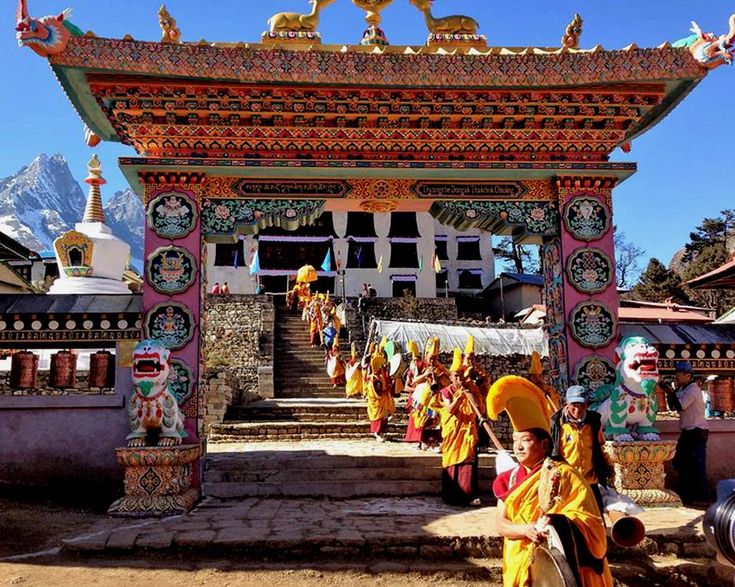
The trail begins with a gradual ascent offering breathtaking views of Ama Dablam, Everest, and Lhotse before descending to Phunki Tenga along the Dudh Koshi River, where trekkers usually rest before starting a steep and physically demanding uphill climb through dense rhododendron and pine forests filled with mountain birds and prayer flags, and as you gain elevation, the landscape becomes increasingly dramatic until you reach Tengboche Monastery, the most significant spiritual center in the Everest region, beautifully situated on a ridge surrounded by towering Himalayan peaks, where the peaceful atmosphere, crisp mountain air, and panoramic scenery create one of the most memorable highlights of the entire trek.
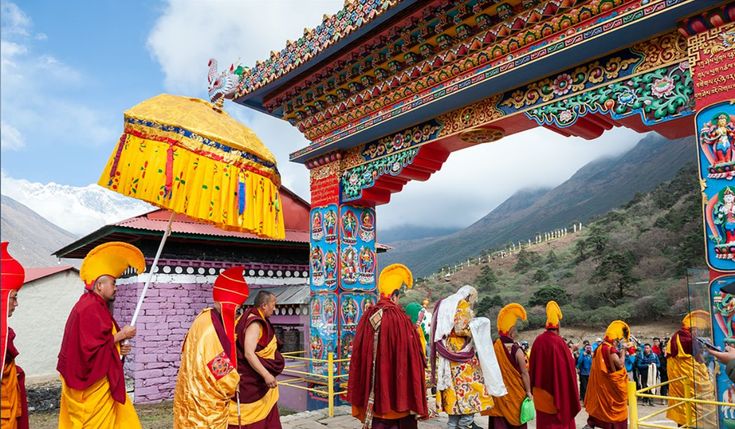
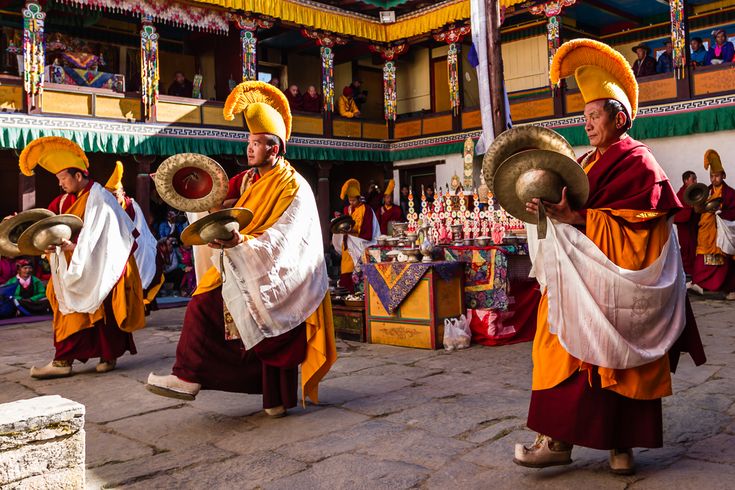
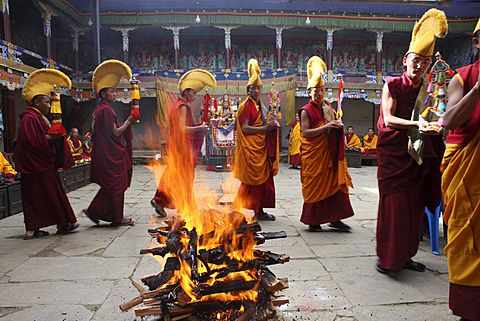
Today is fully dedicated to experiencing the sacred Mani Rimdu Festival at Tengboche Monastery, one of the most important Buddhist celebrations in the Everest region, where monks perform elaborate masked dances, ritual chants, symbolic ceremonies, and spiritual storytelling representing the triumph of enlightenment over negativity, while the monastery courtyard fills with pilgrims, locals, and trekkers witnessing centuries-old Tibetan Buddhist traditions, making it not only a cultural event but also a deeply spiritual experience set against the backdrop of the towering Himalayan peaks of Ama Dablam and Everest.
The second day of the Mani Rimdu Festival unfolds with even greater spiritual intensity, as Tengboche Monastery becomes fully alive with rhythmic chanting, ceremonial music, and intricate masked dances performed by monks representing ancient Buddhist deities and moral teachings, while the morning air carries the sound of long horns and cymbals echoing across the Himalayan valley; as a participant-observer, you find yourself slowly absorbing not just the visual spectacle but the deeper emotional and spiritual rhythm of the ceremony, where every gesture, costume, and chant symbolizes centuries of Himalayan Buddhist philosophy, and between rituals you can walk around the monastery ridge, interact quietly with pilgrims and locals who have traveled from remote villages, and take in uninterrupted views of Ama Dablam standing sharp and majestic against the sky, creating a surreal contrast between human devotion and natural grandeur that makes this day feel less like tourism and more like a spiritual pause in the mountains.
Leaving Tengboche after the festival feels like stepping out of a sacred world back into the rhythm of the trail, as you begin your descent through familiar forest paths where the air gradually thickens with oxygen and the landscape softens into pine, rhododendron, and scattered Sherpa settlements, while prayer flags flutter overhead marking your passage through the Khumbu; the trek, though physically easier due to downhill terrain, becomes emotionally reflective as you retrace steps taken earlier with a completely transformed perspective shaped by the festival experience, and along the way you pause at viewpoints that now feel familiar yet different, as if the mountains themselves are quietly closing the chapter of Tengboche before you return to the lively Sherpa town of Namche Bazaar, where bakeries, lodges, and fellow trekkers bring back a sense of energy and comfort.
The final trekking day carries a mix of fatigue, satisfaction, and quiet nostalgia as you descend through the Dudh Koshi Valley, crossing long suspension bridges swaying gently over rushing glacial rivers and passing through villages where children wave and porters continue their steady rhythm along the trail, while the once-challenging uphill sections now feel like memories embedded in the landscape; each step downward symbolizes the closing of a journey, and as you pass Monjo and Phakding once again, the sense of familiarity blends with accomplishment, until Lukla appears as the final gateway back to civilization, where the evening is usually marked by a heartfelt farewell gathering with your guide and support team, sharing stories, laughter, and gratitude for the shared mountain experience.
Early morning brings the final mountain flight from Lukla, where weather conditions once again determine departure, and as the aircraft lifts off from the short mountain runway, you witness a final sweeping view of the Himalayas fading into the distance, a moment that often feels both peaceful and emotional as the scale of the journey settles in; upon landing in Kathmandu, the contrast is immediate noise, traffic, color, and urban movement replace the silence of the mountains, and after transfer to your hotel, the day opens into free time where many travelers choose to rest deeply, shop for souvenirs, explore heritage sites, or simply sit quietly processing the transition from high-altitude wilderness back to city life.
On your final day, after breakfast, you are transferred to Tribhuvan International Airport for your international departure, but the journey feels less like an ending and more like a quiet return with something new inside you, as memories of Tengboche Monastery, the Mani Rimdu Festival, suspension bridges, and Himalayan horizons continue to echo long after leaving Nepal, marking the completion of an experience shaped not just by trekking distance, but by culture, altitude, silence, and the enduring presence of the Everest region.
Video
Packing List – Everest Region Mani Rimdu Festival Trek
Clothing (Layer System)
- Moisture-wicking base layers (thermal tops & bottoms)
- Fleece jacket or warm mid-layer
- Down jacket (essential for high altitude & cold nights)
- Waterproof and windproof jacket (Gore-Tex or similar)
- Trekking pants (quick-dry, 2–3 pairs)
- Warm hat/beanie and sun cap
- Buff or neck gaiter (dust & cold protection)
- Lightweight gloves + insulated warm gloves
- Comfortable innerwear and socks (wool/thermal recommended)
Footwear
- Broken-in trekking boots (waterproof, high ankle support)
- Light camp shoes or sandals (for teahouse use)
- Extra trekking socks (4–6 pairs)
- Gaiters (optional for dust/snow protection)
Trekking Gear
- Backpack (30–40L daypack)
- Duffel bag (for porter, 60–80L)
- Sleeping bag (rated -10°C to -15°C recommended)
- Trekking poles (highly recommended for descents)
- Headlamp with extra batteries
- Water bottles or hydration system (2–3 liters capacity)
Personal Items
- Sunscreen (SPF 50+) and lip balm
- Sunglasses (UV protection essential)
- Personal hygiene kit (toothbrush, soap, sanitizer, wet wipes)
- Quick-dry towel
- Basic first aid kit (bandages, blister care, pain relief)
- Personal medications (if any)
Documents & Essentials
- Passport (valid for at least 6 months)
- Required trekking permits
- Travel insurance (must cover high-altitude trekking & evacuation)
- Passport-size photos (for permits if needed)
- Cash in Nepalese rupees (for snacks, tips, personal expenses)
Optional but Useful
- Camera or smartphone with power bank
- Lightweight snacks (energy bars, nuts, chocolates)
- Book or journal for downtime
- Lightweight binoculars for mountain views
- Earplugs (for shared teahouse rooms)
Reviews
No reviews found.