

Red Panda Trail Trek in Nepal | 7-Day Ilam to Sandakphu
Destination:
Ilam, Dobate, Sandakphu & Mai Pokhari, Eastern Nepal
Trip Duration:
7 Days
Max Altitude:
3,636m (Sandakphu)
Activities:
Red panda tracking, jungle walks, sunrise viewing, waterfall hike, cultural homestay experience
Start Point:
Kathmandu (fly to Bhadrapur)
Ending Point:
Kathmandu (fly from Bhadrapur)
Region:
Eastern Nepal / Kanchenjunga Region (Ilam & Panchthar districts, Singalila Ridge)
Trip Grade:
Easy to Moderate
Group Size:
2–10 people (customizable)
Accomodation:
Hotels (Ilam) and community homestays/lodges (Dobate, Sandakphu, Mai Pokhari)
Meals:
Breakfast, Lunch, Dinner during the trek (as per itinerary)
Transportation:
Domestic flight (Kathmandu–Bhadrapur–Kathmandu) and private jeep/vehicle for all ground transfers
Permits Required:
Local conservation/forest area entry permit (Ilam/Dobate red panda tracking zone); check current requirements with your operator, as these vary by district
Best Season:
October–December and March–May
Red Panda Trail Trek in Nepal | 7-Day Ilam to Sandakphu Highlights
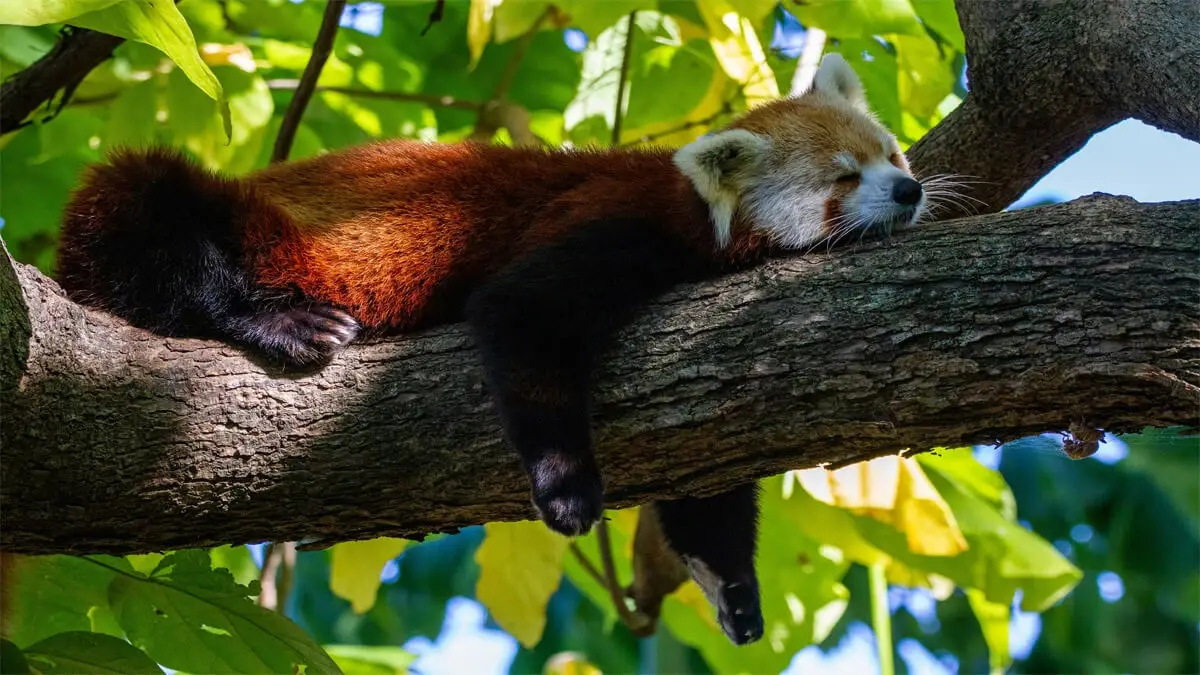
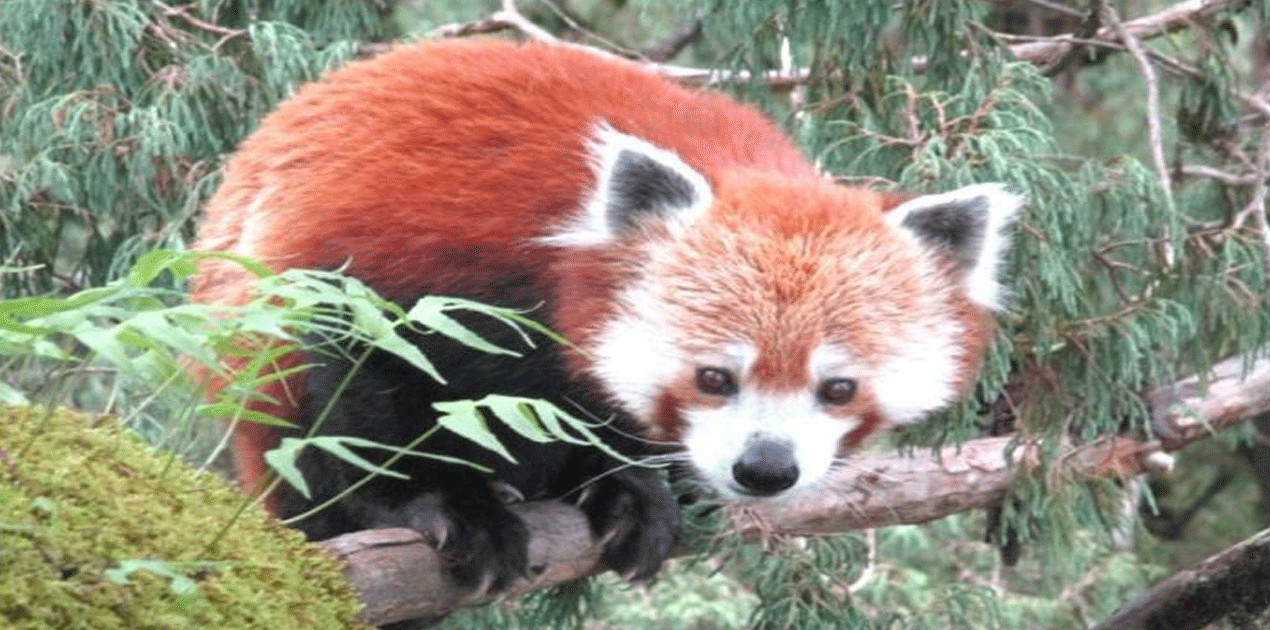
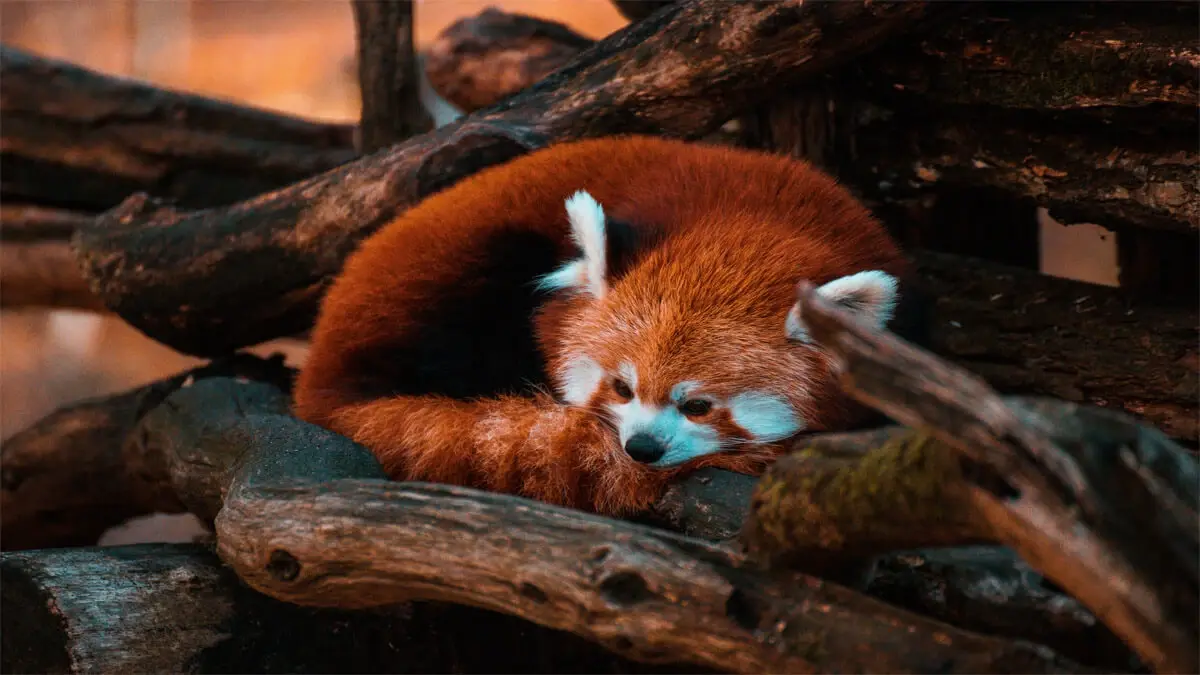
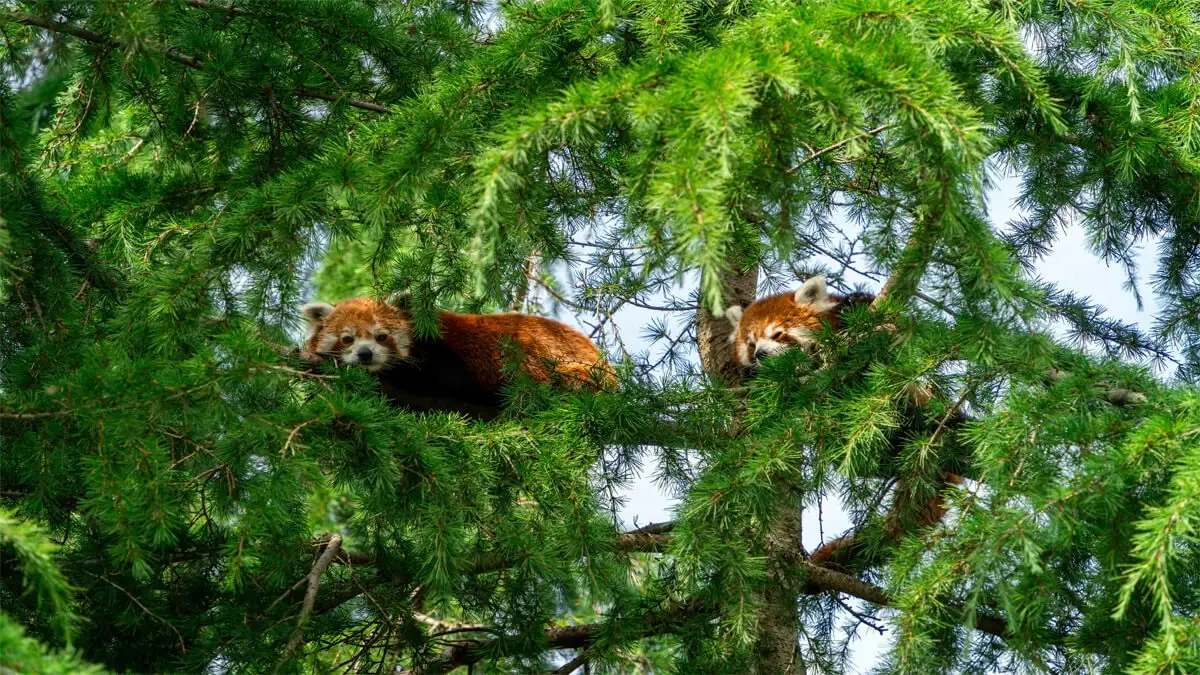
- Track wild red pandas in their natural bamboo and rhododendron forest habitat around Dobate, one of Nepal's best-kept wildlife secrets
- Watch a spectacular Himalayan sunrise from Sandakphu (3,636m), with views of four of the world's highest peaks — Everest, Kanchenjunga, Lhotse, and Makalu
- Explore Ilam's famous rolling tea gardens and enjoy freshly brewed local orthodox tea
- Stay in authentic community homestays with Rai and Tamang families, sharing meals and daily life in remote eastern Nepal
- Hike to Tadke Waterfall and explore the tranquil, orchid-rich wetlands of Mai Pokhari
- Trek off the beaten path through untouched forests and villages along the Singalila Ridge, far from Nepal's crowded trekking trails
- Join hands-on cultural experiences, including a traditional Nepali tea-making session and a visit to a local cheese factory
- Support grassroots wildlife conservation and community-based tourism that directly benefits local households
- Easy-to-moderate trekking suitable for a wide range of fitness levels and travelers, including families
- Rich birdwatching and biodiversity throughout the rhododendron and oak forest trails
Red Panda Trail Trek Route
The Red Panda Trail Trek begins with a scenic flight from Kathmandu to Bhadrapur, followed by a drive into the hills of Ilam, Nepal’s tea capital. From Ilam, the route climbs north through forested terrain to the remote village of Dobate, deep within red panda habitat along the Singalila Ridge.
Several days are spent tracking red pandas through Dobate’s oak, rhododendron, and bamboo forests, offering some of the best chances in Nepal to spot these elusive animals in the wild.
From Dobate, the trail continues up to Sandakphu (3,636m), the trek’s highest point, straddling the Nepal-India border and offering sweeping views of Everest, Kanchenjunga, Lhotse, and Makalu.
From Sandakphu, the route descends through Dobate again to Mai Pokhari, a peaceful highland lake area known for its orchid gardens and waterfall hikes, before returning via Ilam to Bhadrapur for the flight back to Kathmandu.
The journey combines forest trekking, jeep transfers, and homestay stays across one of eastern Nepal’s least-visited and most biodiverse regions.
Include
- Domestic flights (Kathmandu–Bhadrapur–Kathmandu)
- All ground transportation by private jeep/vehicle throughout the trip
- Accommodation as per itinerary (hotel in Ilam, community homestays/lodges in Dobate, Sandakphu, and Mai Pokhari)
- All meals during the trek (breakfast, lunch, and dinner)
- Government-licensed, English-speaking trekking guide
- Experienced local red panda trackers
- Required porters
- All necessary permits and local conservation/forest entry fees
- Salary, insurance, food, and accommodation for guide, driver, and support staff
- Basic first-aid/medical kit carried by the guide
- Welcome/farewell arrangements with homestay families
- All government and local taxes
Exclude
- International airfare to and from Nepal
- Nepal visa fees
- Meals and accommodation in Kathmandu (before and after the trek, unless specified)
- Travel and medical/emergency evacuation insurance
- Personal trekking gear and equipment
- Alcoholic beverages, soft drinks, and bottled mineral water
- Hot showers, WiFi, and battery charging where charged locally (limited electricity in some villages)
- Tips and gratuities for guide, driver, and porters
- Personal expenses (souvenirs, laundry, phone calls, etc.)
- Any costs arising from flight delays, cancellations, itinerary changes, natural disasters, or other circumstances beyond the operator's control
- Emergency rescue and evacuation costs, if required
Red Panda Trail Trek in Nepal | 7-Day Ilam to Sandakphu Itinerary
Your trek begins with an early morning domestic flight from Kathmandu to Bhadrapur, a short hop of under an hour that whisks you from the capital’s hustle into the flat, tropical lowlands of eastern Nepal’s Terai region. On landing, you’ll be met by your guide and driven up into the hills toward Ilam, a scenic drive of a few hours that climbs steadily through terraced farmland and thick forest.
Ilam is Nepal’s tea capital, famous for its rolling emerald tea gardens draped over the hillsides, and you’ll likely arrive in the late afternoon with time to stroll through the bazaar, sip a cup of locally grown orthodox tea, and settle into a hotel for the night while acclimatizing to the cooler hill climate.
After breakfast, you’ll set off on a long but spectacular drive north from Ilam toward Dobate, a remote village tucked into the forested hills near the Singalila Ridge. The road (partly paved, partly rough jeep track) winds through rhododendron and oak forest, small Rai and Tamang settlements, and increasingly wild terrain as you gain altitude.
This is red panda habitat, and the drive itself often offers glimpses of the dense bamboo understory these animals depend on. By evening you’ll reach Dobate and check into a community homestay, where a local family will host you and serve a traditional eastern Nepali meal.
This is the heart of the trip. You’ll head out early with experienced local trackers and guides who know the forest intimately, following quiet trails through misty oak, rhododendron, and bamboo groves in search of the elusive red panda.
Red pandas are shy, mostly arboreal, and most active in the cooler morning and late afternoon hours, so the day is paced around those windows, with a packed lunch eaten in the forest. Even without a sighting, the day rewards you with rich birdlife, dramatic ridge-top views, and a real sense of Nepal’s least-visited wilderness. Trackers here report strong success rates given three full days dedicated to the search.
You’ll spend the morning on another forest walk around Dobate, continuing the search for red pandas and taking in more of the biodiverse habitat before returning to the homestay for lunch. In the afternoon, you’ll drive up to Sandakphu, the highest point on the trek at 3,636 meters and the highest peak in West Bengal, sitting right on the Nepal-India border along the Singalila Ridge.
The climb is the most demanding stretch of the trip, but the reward is a dramatic change in scenery, from subtropical forest to high-altitude ridge, with sweeping views in every direction. You’ll overnight at a lodge here, wrapped up warmly against the thin mountain air.
Set your alarm early for one of the great sunrise views in the Himalaya. From Sandakphu, on a clear morning, you can see four of the world’s five highest peaks in a single sweep, including Everest, Kanchenjunga, Lhotse, and Makalu.
After soaking in the panorama and a hot breakfast, you’ll begin the descent, driving back down through Dobate and on to Mai Pokhari, a serene highland lake area known for its orchid gardens and peaceful community homestays. The lower elevation here brings back warmer temperatures and a gentler landscape.
This day is dedicated to Mai Pokhari itself. In the morning, you’ll hike out to Tadke Waterfall, a scenic cascade tucked into the forest near the village, before returning to the homestay for lunch.
The afternoon is given over to cultural immersion: joining your host family for a traditional Nepali tea-making session, visiting a small local cheese factory, and wandering through Mai Pokhari’s wetland and its noted orchid garden, one of the richest orchid habitats in eastern Nepal. It’s a slower, more reflective day after the physical demands of Sandakphu.
Your final day begins with a long drive back down from the hills to Bhadrapur, retracing much of the route from Day 1 in reverse and giving you one last look at the tea gardens and forested valleys of Ilam district. From Bhadrapur, you’ll catch your return flight to Kathmandu, arriving with the afternoon or evening free, bringing the trip to a close.
Video
Packing List for the Red Panda Trail Trek
Documents & Essentials
- Passport and visa copies
- Domestic flight tickets (Kathmandu–Bhadrapur)
- Travel/medical insurance details
- Cash in Nepali rupees (ATMs are only available in Kathmandu and Bhadrapur)
- Copies of permits (arranged by your operator)
Clothing
- Waterproof, sturdy hiking boots with ankle support (forest trails get steep and muddy)
- Comfortable trekking/walking shoes for lower-altitude days
- Moisture-wicking base layers (short and long sleeve)
- Fleece jacket or warm mid-layer
- Insulated down jacket (for Sandakphu’s cold mornings, especially sunrise)
- Waterproof/windproof outer jacket
- Trekking trousers (quick-dry)
- Rain poncho or waterproof shell (forest region gets frequent rain/mist)
- Warm hat, gloves, and a buff or scarf (for Sandakphu)
- Sun hat
- Extra socks (wool or synthetic, several pairs)
- Comfortable clothes for evenings at homestays
Gear
- Daypack (30–40L) with a rain cover
- Trekking poles (helpful for muddy, uneven forest trails)
- Headlamp with spare batteries (useful for early sunrise hike and homestays with limited lighting)
- Reusable water bottle or hydration bladder (eco-conscious trek, avoid plastic)
- Water purification tablets or filter
- Binoculars (very useful for red panda spotting and birdwatching)
- Camera with extra batteries/memory cards
- Power bank (charging may be limited in Dobate and Mai Pokhari)
- Small padlock for bags
Health & Personal
- Personal first-aid kit (blister care, pain relievers, altitude medication if prescribed)
- Sunscreen and lip balm with SPF
- Insect repellent
- Hand sanitizer and wet wipes
- Personal medications
- Toiletries (quick-dry towel, biodegradable soap)
Miscellaneous
- Cloth/reusable bags (plastic is discouraged in this eco-sensitive region)
- Snacks/energy bars for forest tracking days
- Notebook or journal (optional, for recording sightings and cultural notes)
- Basic Nepali phrasebook (a nice touch for homestay interactions)
Note: Layering is key on this trek since you’ll move from the humid lowlands near Bhadrapur to the cold, high-altitude ridge at Sandakphu (3,636m) within a few days. Pack light but don’t skip the warm layers and waterproof gear — the forest sections around Dobate can be wet and muddy even outside monsoon season.
Red Panda Trail Trek in Nepal | 7-Day Ilam to Sandakphu FAQs
Yes. The trek is rated easy to moderate, involving 4-6 hours of walking on trekking days over gradual, non-technical terrain. No mountaineering experience or specialist equipment is required, and families with older children can comfortably complete it.
The best chances of spotting red pandas are from October to December and March to May, when skies are clearer and the animals are more active. Some trackers specifically point to February and March as peak visibility months in the Ilam district.
Red pandas are found across roughly 24 mountain districts in eastern and central Nepal, including Langtang, Sagarmatha, and Makalu Barun National Parks and the Kanchenjunga Conservation Area, but the Ilam district (particularly around Dobate) is widely considered the most reliable place to spot them in the wild.
No sighting can be guaranteed, since red pandas are shy, well-camouflaged, and mostly arboreal. However, spending three full tracking days in the Dobate forest with experienced local trackers significantly increases the odds, and even without a sighting, the forest, wildlife, and homestay experience make the trek worthwhile.
The climb to Sandakphu (3,636m) is the most physically demanding day of the standard itinerary, but it remains manageable for anyone with a reasonable base fitness level or regular walking habit.
The trek requires a local conservation/forest area entry permit for the Ilam and Dobate region. Requirements can vary, so it’s best to confirm current permit details with your trekking operator before departure.
Accommodation is a mix of hotels in Ilam and community homestays or basic lodges in Dobate, Sandakphu, and Mai Pokhari. Expect simple, comfortable amenities rather than luxury, occasional power outages, limited hot water, and genuinely home-cooked meals with local families.
The trek starts with a short domestic flight from Kathmandu to Bhadrapur, followed by a road transfer into the hills toward Ilam.
The forests along the Singalila corridor are also home to species like the clouded leopard, Himalayan black bear, and yellow-throated marten, along with over 300 recorded bird species, making it a strong destination for birdwatching even beyond red panda tracking.
Yes. Many operators can adjust the trip to 5-6 days by focusing purely on red panda tracking near Dobate, or extend it to 9-12 days to include more villages, tea garden tours, and cultural activities.
Yes. The trek is built around community homestays and directly supports local livelihoods and red panda conservation efforts, including partnerships with organizations like the Red Panda Network’s Forest Guardian program based in Dobate.
Since the trek moves from the humid lowlands near Bhadrapur to the cold, high-altitude ridge at Sandakphu, layering is essential — light breathable clothing for lower elevations and a warm insulated jacket, hat, and gloves for the Sandakphu sunrise viewing.
Reviews
No reviews found.