

Simikot Hilsa Trek via Limi Valley – 18 Days
Destination:
Nepal
Trip Duration:
18 Days
Max Altitude:
4,370 meters (Talung)
Activities:
Trekking, cultural exploration, sightseeing, mountain views, remote village experience
Start Point:
Kathmandu
Ending Point:
Kathmandu
Region:
Humla / Karnali Region (Limi Valley)
Trip Grade:
Challenging (Remote high-altitude trekking with long walking days)
Group Size:
2 – 10 people
Accomodation:
Hotels in Kathmandu; basic teahouses and camping during the trek
Meals:
Breakfast in Kathmandu; full board meals (Breakfast, Lunch, Dinner) during the trek
Transportation:
Domestic flights (Kathmandu–Nepalgunj–Simikot) and return
Permits Required:
Restricted Area Permit (Humla/Limi Valley), National Park/Conservation Area & Permit TIMS Card
Best Season:
Spring (April–June) and Autumn (September–November)
Simikot Hilsa Trek via Limi Valley
The Simikot Hilsa Trek is one of Nepal’s most remote and culturally immersive trekking adventures, taking you deep into the far-western Himalayas through the untouched landscapes of the Limi Valley in Humla. Unlike the more commercial trekking routes in Everest or Annapurna regions, the Simikot to Hilsa Trek Nepal offers an authentic journey into isolated mountain terrain where Tibetan-influenced culture, ancient traditions, and raw Himalayan beauty remain largely unchanged by modern development. This route is ideal for trekkers seeking solitude, wilderness, and a truly off-the-beaten-path experience.
The Limi Valley Trek Nepal is not just a physical journey but also a cultural exploration. As you move through remote settlements, you will encounter centuries-old monasteries, prayer walls, and traditional stone houses that reflect deep-rooted Buddhist traditions. The region shares close cultural ties with Tibet, making the Humla Limi Valley Trek a unique blend of Nepali and Tibetan heritage.
Remote Himalayan Experience in Humla
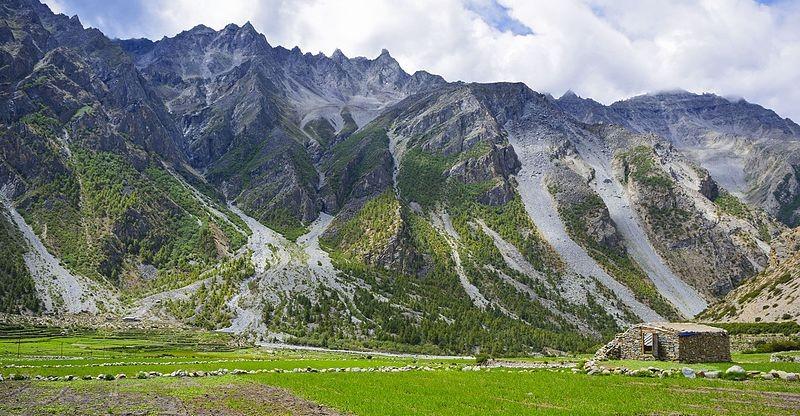
The remote trekking in Nepal Humla region is vastly different from other trekking destinations. Due to its isolation and restricted access, this area sees very few trekkers each year. This means you can enjoy peaceful trails, untouched landscapes, and a genuine connection with nature. The Humla trekking route Nepal passes through rugged terrain, deep river gorges, high mountain passes, and vast barren plateaus that create a dramatic and ever-changing environment.
One of the most fascinating aspects of the Simikot Hilsa Limi Valley Trek itinerary is the diversity of landscapes. Starting from green hills and forests near Simikot, the trail gradually transitions into dry, high-altitude desert-like terrain as you approach Limi Valley. Snow-capped peaks, wide valleys, and the powerful Karnali River add to the visual beauty of this journey. The remoteness of the region also means limited infrastructure, making this trek more adventurous and rewarding.
Cultural Richness of Limi Valley
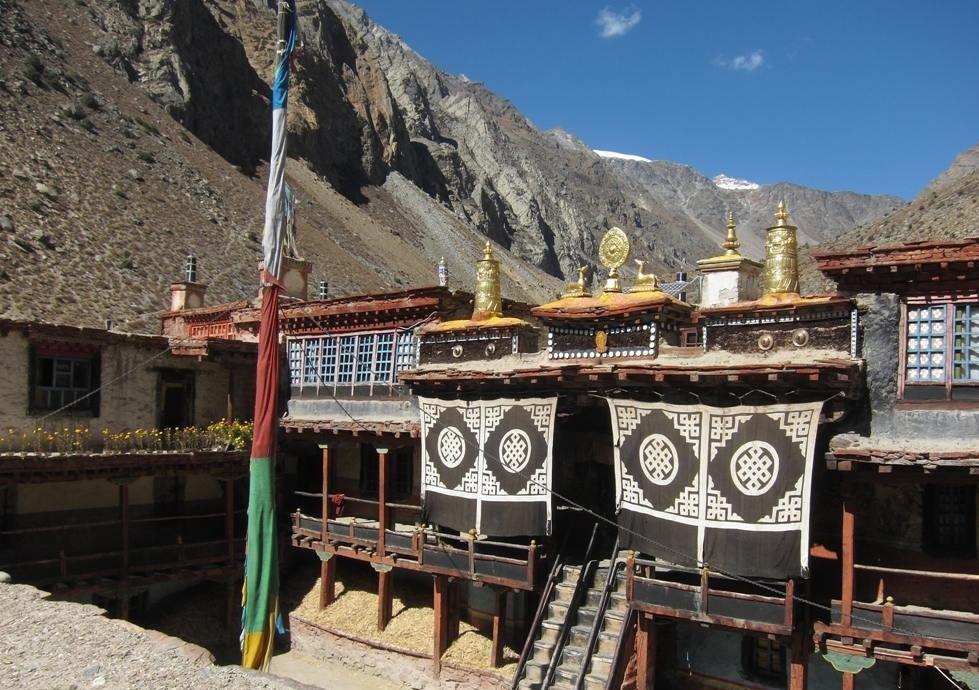
The Limi Valley trekking route Nepal is renowned for its preserved Tibetan culture and traditional lifestyle. Villages like Jhang, Halji, and Til offer rare insights into a way of life that has remained unchanged for centuries. The people here practice Tibetan Buddhism, and their daily routines revolve around agriculture, livestock, and spiritual practices.
A highlight of the Humla Limi Valley Trek is the visit to ancient monasteries such as Halji Monastery, which is believed to be one of the oldest in the region. These monasteries are not only religious centers but also repositories of art, history, and local traditions. Walking through these villages, you will see prayer flags fluttering in the wind, mani walls carved with sacred texts, and locals dressed in traditional attire.
Journey to Hilsa – Nepal–Tibet Border
A defining feature of the Simikot to Hilsa Trek Nepal is reaching Hilsa, a small settlement located at the Nepal–Tibet border. This area serves as an important trade and pilgrimage route, especially for travelers heading toward Mount Kailash in Tibet. The dramatic setting of Hilsa, surrounded by steep cliffs and the roaring Karnali River, creates a powerful and unforgettable experience.
The trail leading to Hilsa showcases the raw beauty of the Himalayas, with deep gorges, rocky paths, and vast open landscapes. For many trekkers, reaching Hilsa marks a significant milestone in the detailed Simikot Hilsa trek itinerary 18 days, symbolizing both physical achievement and cultural discovery.
Why Choose the Simikot Hilsa Trek
The off the beaten path treks Nepal category includes many routes, but the Simikot Hilsa Trek stands out due to its remoteness, cultural depth, and natural beauty. Unlike crowded trails, this trek offers a sense of exploration and discovery that is becoming increasingly rare in modern trekking.
The restricted area trekking Nepal Humla ensures that the region remains protected and less commercialized. This exclusivity adds to the appeal of the trek, making it a perfect choice for experienced trekkers who want to go beyond the usual routes. Additionally, the journey provides a balanced combination of adventure, culture, and scenic beauty.
Difficulty and Preparation
The how difficult is Simikot to Hilsa trek Nepal question is common among trekkers, and the answer lies in its challenging nature. The trek involves long walking days, high altitude, and limited facilities. Proper physical preparation, acclimatization, and mental readiness are essential for a successful journey.
Since this is a remote Himalayan trekking Nepal experience, trekkers must be prepared for basic accommodations, unpredictable weather, and flight delays. However, these challenges are part of what makes the trek so rewarding. With the support of experienced guides and proper planning, the journey becomes both safe and enjoyable.
Cost and Logistics
The cost of Simikot Hilsa trek package Nepal is generally higher than other trekking routes due to its remote location and reliance on domestic flights. Logistics such as permits, flights, guides, and food supplies contribute to the overall cost. However, the unique experience offered by the Simikot Hilsa Trek makes it a worthwhile investment for those seeking a rare Himalayan adventure.
Traveling with a Simikot Hilsa trek with guide and porter is mandatory, as independent trekking is not permitted in this restricted area. Organized packages typically include all necessary arrangements, ensuring a smooth and hassle-free experience.
Trekking Similar to Simikot Hilsa Trek
- Annapurna Circuit Trek: 15 Night – 16 Days
- Manaslu Circuit trek-14N/15D
- Everest Base Camp Trek- 12 Days/ 11 Night
Nepal Pilgrimage & Cultural Tours
- Buddhist Pilgrimage Tour 6 Nights / 7 Days
- Kathmandu, Pokhara & Muktinath 7 Nights / 8 Days
- 8 Days Culture, Wildlife & Heritage of Nepal
- Mani Rimdu Festival in Everest Region 11 Nights / 12 Days
- 1-Day Kathmandu UNESCO Heritage Tour with Complimentary Nagarkot Sunrise & Rani Jhula
Best Time and Final Thoughts
Choosing the best time for Limi Valley trek Nepal is crucial for a successful trip. Spring and autumn are the most favorable seasons, offering clear skies, stable weather, and excellent visibility of the surrounding mountains. During these periods, the landscapes are at their most beautiful, and trekking conditions are ideal.
In conclusion, the Simikot Hilsa Trek via Limi Valley is a remarkable journey that combines natural beauty, cultural richness, and adventure in one of Nepal’s most remote regions. From the vibrant streets of Kathmandu to the quiet, windswept valleys of Humla and the dramatic borderlands of Hilsa, this trek offers an unforgettable experience for those willing to explore beyond the ordinary.
Simikot Hilsa Trek via Limi Valley – 18 Days Highlights
- Experience one of the most remote and untouched trekking routes in Nepal
- Trek through the stunning and isolated Limi Valley in Humla region
- Reach Hilsa (Nepal–Tibet border) with dramatic views of the Karnali River gorge
- Explore ancient Tibetan-influenced villages like Halji and Jhang
- Visit Halji Monastery, one of the oldest Buddhist monasteries in Nepal
- Enjoy breathtaking high-altitude landscapes, barren hills, and snow-capped peaks
- Walk along historic salt trading routes between Nepal and Tibet
- Witness authentic Tibetan culture, traditions, and lifestyle untouched by modernization
- Cross high mountain passes and experience challenging yet rewarding trekking trails
- Observe unique flora, fauna, and yak grazing pastures in remote Himalayan terrain
- Enjoy peaceful trails with very few trekkers compared to popular routes
- Scenic mountain flights to and from Simikot, offering spectacular aerial views
Simikot Hilsa Trek Route via Limi Valley (18 Days)
Include
- Airport pickup and drop-off in Kathmandu
- Hotel accommodation in Kathmandu (with breakfast)
- Domestic flights: Kathmandu – Nepalgunj – Simikot – Nepalgunj – Kathmandu
- All necessary trekking permits (Restricted Area Permit, National Park/Conservation Permit, TIMS)
- Licensed, experienced trekking guide (English-speaking)
- Porter service (1 porter for 2 trekkers, carrying main luggage)
- Full board meals during the trek (Breakfast, Lunch, Dinner)
- Accommodation in teahouses/lodges or camping during the trek
- Trekking staff insurance (guide and porter)
- Basic first aid kit carried by guide
- Government taxes and service charges
Exclude
- International airfare to/from Nepal
- Nepal entry visa fees
- Travel insurance (must include high-altitude evacuation)
- Personal trekking gear and equipment
- Extra hotel nights in Kathmandu (due to early arrival, late departure, or flight delays)
- Lunch and dinner in Kathmandu
- Personal expenses (snacks, drinks, Wi-Fi, hot showers, battery charging, etc.)
- Tips for guide and porter (expected but not mandatory)
- Emergency evacuation costs (helicopter rescue, if needed)
- Any expenses arising from unforeseen circumstances (weather delays, flight cancellations, natural disasters, etc.)
Simikot Hilsa Trek via Limi Valley – 18 Days Itinerary
Upon your arrival at Tribhuvan International Airport in Kathmandu, you will be greeted by your trekking representative and transferred to your hotel in a comfortable private vehicle. After completing the check-in formalities, you can take some time to rest and recover from your journey. Depending on your arrival time, you may explore the bustling streets of Thamel, a popular tourist hub filled with trekking shops, cafes, restaurants, and cultural attractions.
In the evening, you will attend a comprehensive pre-trek briefing session conducted by your guide. During this session, you will receive detailed information about the Simikot–Hilsa trek, including route conditions, altitude risks, safety guidelines, and daily expectations. You will also have the opportunity to ask questions and double-check your trekking gear to ensure everything is properly packed and ready for the adventure ahead.
After breakfast, you will embark on a guided sightseeing tour of Kathmandu Valley, visiting some of the most iconic UNESCO World Heritage Sites. These may include Swayambhunath Stupa (also known as the Monkey Temple), Boudhanath Stupa one of the largest Buddhist stupas in the world and Pashupatinath Temple, a sacred Hindu pilgrimage site located along the Bagmati River. These visits offer deep insight into Nepal’s spiritual traditions, architecture, and cultural diversity. Meanwhile, your trekking permits and documentation for the restricted Humla region will be processed.
In the afternoon, you will have free time to explore local markets or rent/purchase any missing trekking equipment such as warm clothing, sleeping bags, or trekking accessories. Since the Humla region is extremely remote with limited facilities, proper preparation is essential. The day concludes with a final gear check and briefing to ensure you are fully ready for the journey.
Today, you will take a domestic flight from Kathmandu to Nepalgunj, a major city located in the western Terai region of Nepal. The flight lasts approximately one hour and offers scenic views of Nepal’s diverse geography, transitioning from hilly terrain to flat plains. Upon arrival in Nepalgunj, you will immediately notice the warmer climate and subtropical environment, which is quite different from Kathmandu.
Nepalgunj is a culturally diverse city influenced by both Nepali and Indian traditions. After checking into your hotel, you can explore the vibrant local markets, taste regional cuisine, or simply relax. Since flights to Simikot operate early in the morning and are weather-dependent, you will be advised to rest early and prepare for the next day’s mountain flight.
Early in the morning, you will board a small aircraft for a scenic and thrilling flight to Simikot, the district headquarters of Humla. This flight is one of the highlights of the journey, offering breathtaking aerial views of remote Himalayan ranges, deep river gorges, and untouched landscapes. Upon landing at Simikot’s mountain airstrip, you will meet your trekking crew and begin your trek. The trail initially descends through terraced farmlands, traditional villages, and lush pine forests.
You will observe local lifestyles, including farming practices and simple rural living. The trail continues along a hillside path with occasional glimpses of the Karnali River valley below. After several hours of trekking, you will reach Yakpa Pul, a peaceful riverside location where you will spend the night. This first trekking day is relatively moderate and helps your body adjust to the walking routine.
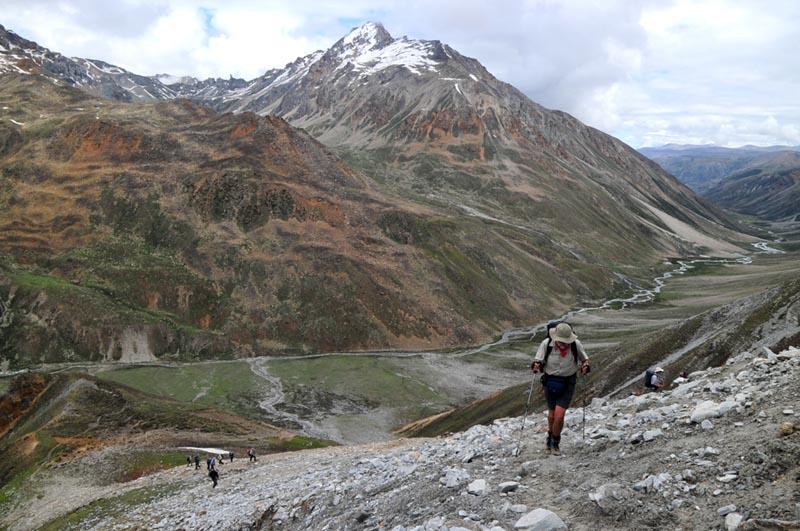
After breakfast, you begin your trek with a gradual ascent that becomes steeper as the day progresses. The trail winds through narrow valleys, crosses suspension bridges, and passes small scattered settlements where you may encounter local villagers and livestock. As you climb higher, the lush greenery gradually gives way to more rugged and alpine terrain. The air becomes cooler and thinner, and you may begin to feel the effects of altitude.
It is important to maintain a slow and steady pace while staying hydrated. The trail offers beautiful views of surrounding hills and distant snow-capped peaks. After several hours of trekking, you arrive at Dhinga, a high-altitude settlement with basic accommodation facilities. The evening is spent resting and acclimatizing to the increasing altitude.
Today’s trek takes you deeper into the remote highlands of Humla, where the landscape becomes increasingly barren and dramatic. The trail climbs steadily through alpine terrain, with fewer trees and more open, windswept hillsides. You will walk along rocky paths and ridgelines that offer expansive views of the surrounding mountains and valleys. The sense of isolation becomes more apparent as settlements become scarce.
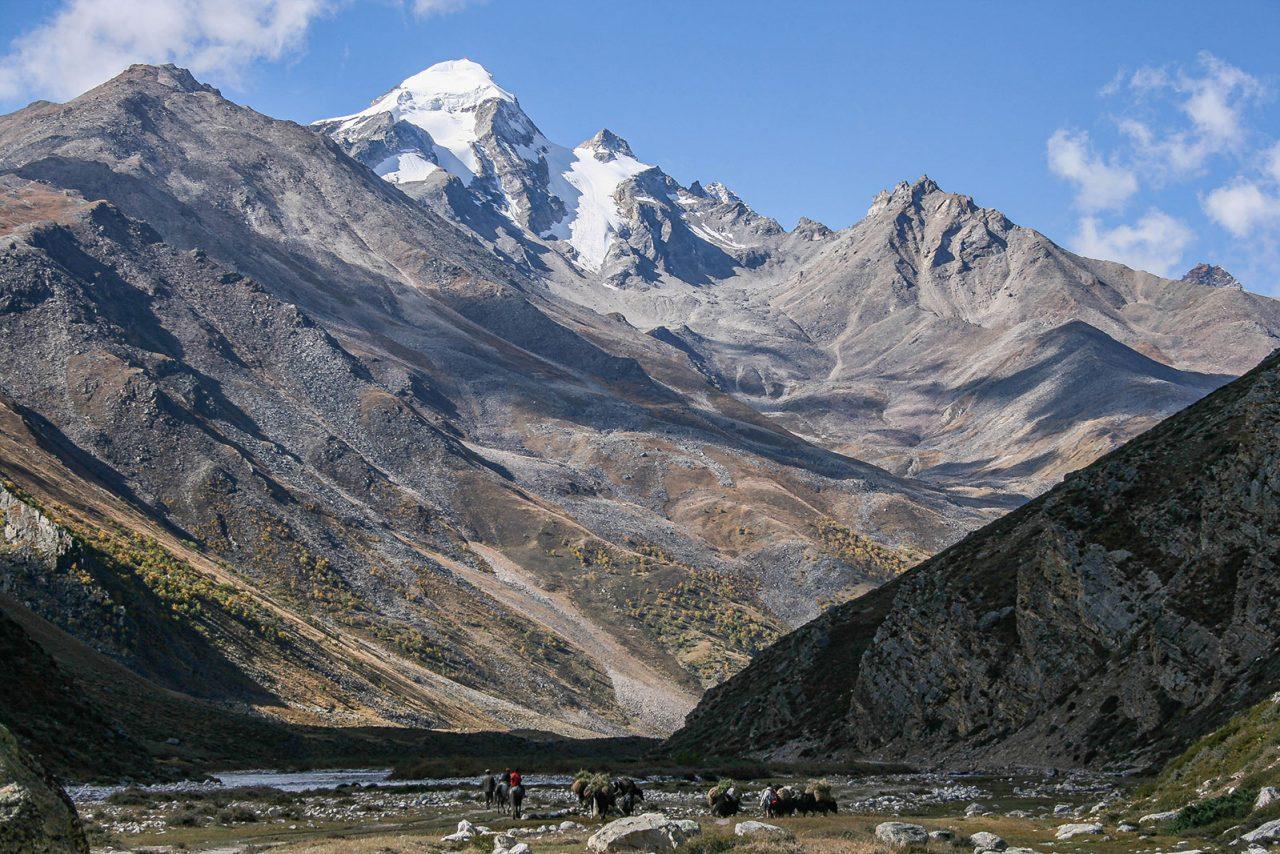
The altitude gain is significant, so careful pacing and regular breaks are essential. Along the way, you may encounter grazing yaks and traditional herders. Upon reaching Shechi Lagna, you will be rewarded with panoramic views of the high Himalayas. This quiet and remote location provides a true wilderness experience, making it an unforgettable part of the trek.
Today’s trek continues through remote high-altitude terrain with a combination of gentle ascents and descents. The trail traverses vast open landscapes, offering uninterrupted views of the Limi Valley and distant snow-covered peaks. The environment is dry and barren, yet incredibly beautiful in its raw Himalayan form. As you walk, you may notice ancient trade routes and paths once used by traders traveling between Nepal and Tibet.
The altitude gain is gradual but steady, requiring careful pacing and hydration. Upon reaching Talung, one of the highest overnight points of the trek, you will experience colder temperatures and thinner air. The campsite offers breathtaking views of the surrounding mountains, making it a memorable stop despite the challenging conditions.
After spending time at high altitude, today’s trek involves a gradual descent into the beautiful and culturally rich Limi Valley. As you descend, the landscape begins to change, with more signs of vegetation and human settlement appearing. The trail leads you through wide valleys, riverbeds, and traditional pathways lined with mani walls and prayer flags.
As you approach Jhang, you will notice distinctive Tibetan-style houses built from stone and mud, reflecting the strong cultural ties to Tibet. Jhang is a picturesque village where agriculture and traditional lifestyles are still preserved. The warmer conditions and lower altitude provide a welcome relief, allowing you to relax and fully enjoy the cultural atmosphere.
Today’s trek is relatively easy and enjoyable as you follow the gentle terrain of the Limi Valley. The trail passes through fertile fields, grazing lands, and small streams, offering a pleasant walking experience. Along the way, you will encounter local villagers engaged in farming and herding activities. Halji is one of the most significant settlements in the valley and is known for its ancient monastery, which is believed to be over a thousand years old.
Upon arrival, you will have time to explore the monastery, observe traditional rituals, and interact with the local community. The village provides a deep cultural experience, showcasing a way of life that has remained largely unchanged for centuries.
Leaving Halji behind, you continue your journey through the scenic Limi Valley. The trail involves gentle ups and downs, passing through open pastures where yaks and sheep graze freely. The landscape is peaceful and expansive, with distant mountain views adding to the beauty of the trek. You may pass small settlements and interact with local herders, gaining insight into their daily lives. Til is a small and quiet village characterized by traditional stone houses and a tranquil atmosphere. The slower pace of life here allows you to fully appreciate the cultural richness and natural beauty of the region.
Today’s trek takes you further into remote territory as you move closer to the Nepal–Tibet border region. The trail gradually ascends through barren hills and high-altitude terrain, with fewer signs of vegetation and human activity. The environment feels isolated and untouched, offering a true sense of wilderness. You will walk along ancient trails that have been used for centuries by traders and pilgrims. The altitude gain requires steady pacing and proper acclimatization. Manepeme is a simple and remote stop with limited facilities, but it provides a unique opportunity to experience life in one of the most isolated parts of the Himalayas. The quiet surroundings and vast landscapes make this a memorable overnight location.
After breakfast, you begin your descent toward Hilsa, following a rugged trail that gradually drops along the Karnali River valley. The landscape is dry and windswept, with dramatic cliffs and deep gorges carving through the terrain. As you move closer to the border, the trail becomes more defined and occasionally busier, as this route is also used by pilgrims heading toward Mount Kailash in Tibet.
The sound of the Karnali River flowing far below adds to the dramatic atmosphere of the trek. Upon reaching Hilsa, you will find a small settlement located right at the Nepal–Tibet border. This area is an important trading and transit point, offering a unique glimpse into cross-border activity and cultural exchange. You can relax near the river and observe the movement of people and goods between the two regions.
Today begins with crossing a suspension bridge over the Karnali River, marking your departure from the border area. Immediately after the crossing, you face a steep and physically demanding ascent toward Yari. This climb is one of the toughest sections of the trek due to its sharp incline and altitude, requiring patience, steady breathing, and frequent rest breaks.
As you climb higher, you are rewarded with stunning views of the river gorge below and the rugged mountain landscape surrounding you. The trail is narrow and winding, adding to the sense of adventure. After several hours of uphill trekking, you finally reach Yari, a small but important resting point for trekkers and pilgrims. The sense of achievement upon arrival makes the challenging effort worthwhile.
Leaving Yari, the trail continues across high-altitude terrain with a series of ascents and descents. You will cross ridgelines and traverse rocky paths that offer expansive views of the surrounding mountains and valleys. The route passes through isolated areas with very few settlements, emphasizing the remoteness of the Humla region. As you gradually descend, the landscape begins to change, with more vegetation appearing and the air becoming slightly warmer. You may encounter herders and small groups of livestock along the way. After a long day of trekking, you arrive at Muchu, a quiet village where you can rest and enjoy the peaceful mountain environment.
Today’s trek involves a steady descent into lower altitudes, bringing noticeable changes in the environment. The barren high-altitude terrain gradually transitions into greener landscapes with forests, shrubs, and flowing rivers. The trail follows riverbanks and passes through shaded forest sections, providing a more comfortable and relaxing walking experience compared to previous days. You will cross small streams and suspension bridges while enjoying the natural beauty of the surroundings. The warmer temperatures and increased oxygen levels make the trek easier on the body. Salli Khola is a scenic riverside location where you will spend the night, offering a calm and refreshing atmosphere.
Continuing your descent, the trail leads you through lush forests, terraced fields, and traditional rural villages. This part of the trek provides a glimpse into everyday life in the Humla region, where locals rely on agriculture and livestock for their livelihood. The path is relatively gentle, allowing you to walk at a comfortable pace while enjoying the scenery. You may pass children playing, farmers working in fields, and villagers going about their daily routines. As you reach Dandafaya, you will notice the warmer climate and more hospitable environment. This is your final night in the mountains, giving you time to reflect on the incredible journey through one of Nepal’s most remote regions.
On the final day of your adventure, you complete the last stretch of trekking by returning to Simikot. The trail gradually ascends and descends along familiar paths, offering a final opportunity to enjoy the mountain scenery. Upon reaching Simikot, you will prepare for your return flights. Weather permitting, you will take a scenic flight back to Nepalgunj, followed by a connecting flight to Kathmandu. During the flights, you can reflect on the diverse landscapes, cultural encounters, and physical challenges you experienced throughout the trek. Once back in Kathmandu, you will be transferred to your hotel, marking the successful completion of the Simikot–Hilsa trek. The evening is free for rest, celebration, or exploring the city one last time.
Video
Packing List – Simikot Hilsa Trek (Limi Valley Route)
Clothing
- Moisture-wicking base layers (tops & bottoms)
- Insulating layers (fleece/down jacket)
- Waterproof & windproof jacket and pants
- Trekking pants and lightweight shirts
- Thermal innerwear for cold nights
- Warm hat, sun hat, and neck gaiter/buff
- Gloves (inner + insulated outer)
- Comfortable underwear and extra socks (wool recommended)
Footwear
- Sturdy, well-broken-in trekking boots
- Lightweight shoes/sandals for camp
- Gaiters (useful for dust/snow)
Trekking Gear
- Backpack (50–70L) or duffel bag
- Daypack (20–30L)
- Trekking poles
- Sleeping bag (-10°C to -20°C recommended)
- Headlamp with extra batteries
- Water bottles or hydration bladder
- Sunglasses (UV protection)
Personal Items
- Toiletries (toothbrush, toothpaste, wipes, etc.)
- Quick-dry towel
- Sunscreen (SPF 50+) and lip balm
- Hand sanitizer and wet wipes
- Basic first aid kit (bandages, painkillers, personal meds)
Documents & Essentials
- Passport and copies
- Trekking permits
- Travel insurance
- Cash (remote areas don’t accept cards)
Food & Snacks
- Energy bars, nuts, chocolates
- Electrolyte powders
Optional but Recommended
- Power bank/solar charger
- Camera or smartphone
- Binoculars
- Notebook/pen
Tip: Since this is a remote trekking route with limited facilities, pack carefully and avoid unnecessary weight while ensuring all essentials are covered.
Simikot Hilsa Trek via Limi Valley – 18 Days FAQs
The trek is considered challenging due to its remote location, high altitude (up to 4,370m), long walking days, and limited infrastructure. It is best suited for experienced trekkers with good physical fitness and some prior high-altitude trekking experience.
The best seasons are spring (April–June) and autumn (September–November). During these periods, the weather is relatively stable, skies are clear, and mountain views are majestic. Winters are very cold, and monsoon can make flights and trails unpredictable.
The standard itinerary takes around 18 days, including arrival, flights, trekking, and return. It can vary slightly depending on acclimatization days and flight conditions.
Yes, this trek requires a Restricted Area Permit (Humla/Limi Valley), along with a National Park/Conservation Area Permit and a TIMS card. These permits must be arranged through a registered trekking agency.
No, independent trekking is not allowed in this region. You must travel with a licensed guide and obtain permits through a registered agency due to its restricted and remote nature.
Accommodation is basic teahouses and homestays, with very limited facilities. In some sections, camping may be required depending on availability.
You need to take a flight from Kathmandu to Nepalgunj, then another flight to Simikot, which is the starting point of the trek. Flights are weather-dependent and may be delayed.
Yes, altitude sickness is a major concern as the trek goes above 4,000 meters. Proper acclimatization, hydration, and a gradual pace are essential to reduce risks.
The cost typically ranges from $2,200 to $3,500 per person, depending on group size, services, permits, and logistics due to the remoteness of the region.
Limi Valley is one of the most isolated and culturally preserved regions in Nepal. It offers ancient monasteries, Tibetan-influenced villages, and untouched landscapes rarely visited by trekkers.
Connectivity is very limited or unavailable in most parts of the trek. You should be prepared for a complete digital disconnect.
You need proper high-altitude trekking gear, including warm clothing, a sleeping bag, trekking boots, first aid kit, and personal essentials, as facilities are minimal in this remote region.
Reviews
No reviews found.