

Ama Dablam Base Camp Trek – 8 Days in Nepal
Destination:
Ama Dablam Base Camp, Everest Region, Nepal
Trip Duration:
8 Days / 7 Nights
Max Altitude:
4,600 m (15,092 ft)
Activities:
Trekking, hiking, sightseeing, cultural exploration, mountain viewing
Start Point:
Lukla
Ending Point:
Lukla
Region:
Everest Region / Khumbu
Trip Grade:
Moderate to Challenging
Group Size:
2–15 people
Accomodation:
Teahouse/Lodge; Deluxe Hotel in Kathmandu
Meals:
Breakfast, Lunch & Dinner (BLD); Breakfast on departure day
Transportation:
Domestic flight (Kathmandu–Lukla–Kathmandu) and trekking
Permits Required:
Sagarmatha National Park Entry Permit, Khumbu Pasang Lhamu Rural Municipality Permit
Best Season:
Spring (March–May) and Autumn (September–November)
Ama Dablam Base Camp Trek
The Ama Dablam Base Camp Trek is a spectacular Himalayan journey into Nepal’s Khumbu region, created for travelers who want to experience the dramatic landscapes surrounding one of the most recognizable mountains in the Himalayas. Rather than following the busier route toward Everest Base Camp, this adventure takes you toward the foot of Ama Dablam, a mountain renowned for its distinctive pyramid-shaped summit and striking ridges. The journey combines mountain scenery, Sherpa heritage, Buddhist culture, and the experience of walking through the legendary Everest region.
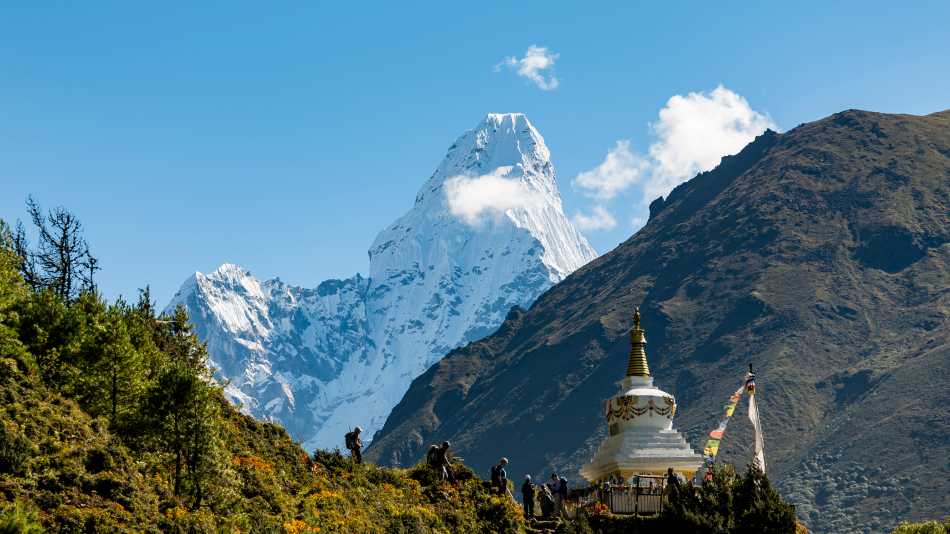
Ama Dablam has long been an iconic presence in the Khumbu landscape. Its name is commonly associated with the Sherpa words for “mother” and “necklace,” reflecting the mountain’s distinctive appearance. From different points along the trail, the mountain rises dramatically above the surrounding valleys, creating one of the most memorable Himalayan landscapes in Nepal. Reaching its base camp provides an opportunity to appreciate the mountain from a much closer perspective while experiencing the changing environment of the high Khumbu.
The journey begins in the famous trekking gateway of Lukla. From here, the trail gradually leads into the Dudh Koshi valley before reaching the bustling mountain settlement of Namche Bazaar. The changing landscape is one of the defining features of the journey. Lower sections of the trail have forested surroundings and flowing rivers, while higher sections gradually become more rugged and alpine. This progression allows trekkers to experience several distinct Himalayan environments during a relatively compact adventure.
Ama Dablam Base Camp Trek Experience
One of the most rewarding aspects of the Ama Dablam Base Camp Trek in Nepal is the combination of natural scenery and local culture. The trail passes through communities where traditional Sherpa life remains closely connected with the mountains. Prayer flags, mani walls, Buddhist monuments, traditional houses, and monasteries provide cultural context to the landscape, while the surrounding peaks create a constantly changing backdrop.
Namche Bazaar is an important part of this experience. Set within a natural mountain amphitheater, the settlement is one of the best-known communities in the Khumbu and has historically served trekkers and mountaineers traveling deeper into the region. Its location also provides an opportunity to experience the transition from the lower valleys to the high Himalayan environment.
From Namche, the journey continues toward Tengboche, an area famous for its monastery and exceptional mountain scenery. The trail in this section offers impressive views across the Khumbu landscape, with Ama Dablam becoming an increasingly dominant feature. Tengboche is also an important spiritual center for the local Sherpa community, making the stop significant beyond its scenic value.
Beyond Tengboche, the landscape becomes progressively more rugged as the trail approaches Pangboche and the Ama Dablam area. The mountains appear larger and closer, while vegetation becomes more limited. The sense of remoteness increases as trekkers move away from the busier sections of the Everest trail.
Trekking Toward Ama Dablam Base Camp
The central objective of the Ama Dablam Base Camp Trek is the journey toward the mountain’s base camp. The approach provides a different perspective from the viewpoints seen around Namche and Tengboche. Instead of simply looking toward Ama Dablam from a distance, trekkers gradually move into the mountain’s immediate surroundings.
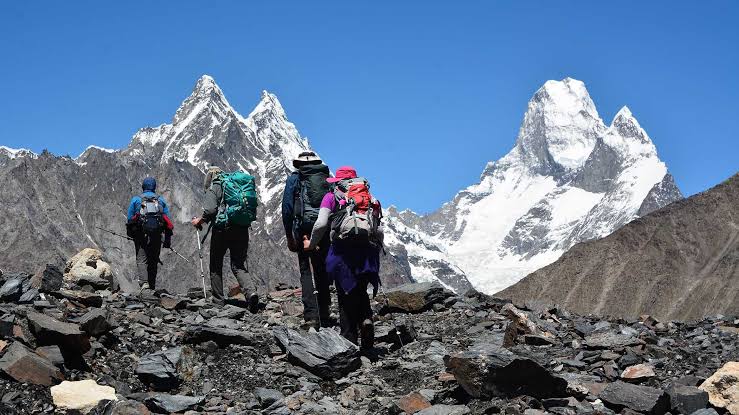
The approach toward base camp is particularly rewarding for mountain enthusiasts because the scale of the surrounding peaks becomes increasingly impressive. Ama Dablam dominates the landscape, while neighboring Himalayan summits contribute to the dramatic setting. The changing terrain also gives the trek a genuine high-altitude character without requiring technical mountaineering.
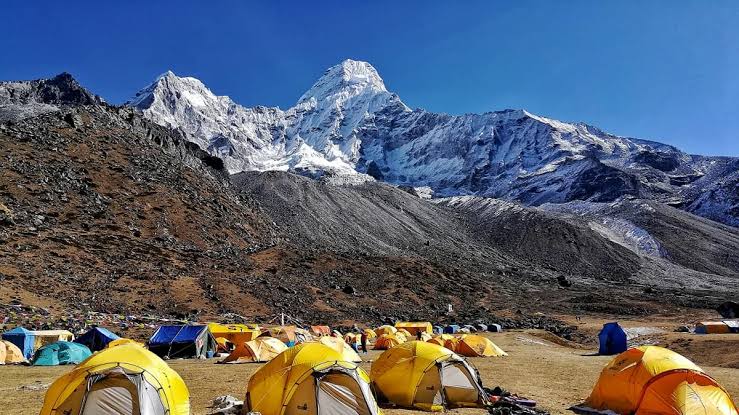
Reaching approximately 4,600 meters at the base camp is a significant trekking achievement. The location provides an opportunity to pause, appreciate the surrounding Himalayan environment, and experience the atmosphere of a mountain expedition area. Depending on the season and expedition activity, the surroundings may also offer glimpses of mountaineering preparations associated with attempts on Ama Dablam.
Importantly, visiting Ama Dablam Base Camp should not be confused with climbing Ama Dablam. The trek is designed as a hiking and trekking experience and does not require participants to undertake the technical climbing involved in reaching the summit. This makes it an attractive option for travelers who want a closer encounter with one of Nepal’s famous expedition mountains without committing to a technical peak-climbing expedition.
Why Choose the Ama Dablam Base Camp Trek?
The Ama Dablam Base Camp Trek itinerary offers a particularly appealing alternative for travelers who want an Everest-region adventure with a different objective. The journey uses some of the classic Khumbu trail while taking trekkers toward a less conventional destination.
The mountain scenery is one of the strongest reasons to choose this adventure. Ama Dablam is recognizable from many parts of the Khumbu, but the perspective changes dramatically as the trail progresses toward its base. The surrounding Himalayan panorama also makes the journey rewarding for photographers and mountain enthusiasts.
Another advantage is the cultural dimension of the trail. Walking through Sherpa settlements provides opportunities to observe traditional Himalayan architecture, Buddhist practices, prayer flags, mani stones, monasteries, and everyday mountain life. The experience is therefore about more than reaching a particular altitude; it is also about understanding the landscape and communities through which the trail passes.
The trek can also appeal to travelers who have limited time but still want to experience the Everest region. Compared with longer expeditions that travel farther into the Khumbu, this journey focuses specifically on Ama Dablam and the surrounding landscapes.
For travelers considering other Everest-region experiences, Guru Travels also offers an Everest Base Camp Trek with a longer itinerary and a different trekking objective.
Landscape and Mountain Views
The landscape changes continuously throughout the journey. The lower sections around Lukla and Phakding have greener surroundings, forested hills, and river valleys. As the trail climbs, the vegetation gradually changes and the mountains become more prominent.
The Khumbu landscape is particularly impressive because several major Himalayan peaks can appear along the trail. Views toward Ama Dablam are among the most memorable, while the wider panorama can include Everest, Lhotse, Nuptse, Thamserku, Kongde, and other surrounding peaks depending on the location and weather.
The approach toward Tengboche is especially scenic, with forested sections opening toward broad mountain views. Higher sections beyond Tengboche provide a stronger alpine character, with fewer trees and more exposed terrain. This gradual transformation is an important part of the trekking experience.
For travelers interested in the wider Everest region, the area forms part of the Sagarmatha National Park, a protected Himalayan landscape recognized by UNESCO for its exceptional natural and cultural importance. You can learn more about the protected area through the UNESCO World Heritage Centre.
Sherpa Culture and Himalayan Heritage
The Khumbu is closely associated with the Sherpa people, whose culture and history are deeply connected with the mountains. Throughout the trek, travelers encounter settlements shaped by centuries of life in a high-altitude environment.
Monasteries and Buddhist cultural features are an important part of the region. Tengboche, in particular, is widely recognized for its monastery and spiritual significance. Prayer flags and mani walls are common sights along the trail, adding cultural meaning to the natural landscape.
The experience of staying in mountain communities also allows trekkers to appreciate the hospitality and practical lifestyle of people living in remote Himalayan settlements. Local lodges, traditional food, mountain architecture, and community life all contribute to the character of the journey.
This cultural element is one of the reasons the Ama Dablam Base Camp Trek Nepal experience extends beyond a conventional mountain hike. The trail provides an opportunity to encounter both the physical environment of the Himalayas and the communities that have adapted to life within it.
A Different Perspective of the Everest Region
Many travelers first associate the Khumbu with Everest Base Camp, but the region contains numerous trails and destinations that offer different perspectives of the Himalayas. The Ama Dablam Base Camp route is one such experience.
Rather than making Everest the sole objective, the journey places Ama Dablam at the center of the adventure. This creates a more focused experience for travelers who are particularly interested in the mountain and its surrounding landscapes.
The route also provides an opportunity to experience well-known parts of the Everest region while moving toward a distinctive destination. Namche Bazaar and Tengboche provide cultural and scenic depth, while the approach to Pangboche and the base camp introduces a more remote mountain atmosphere.
For those comparing different trekking experiences, Guru Travels’ Everest Base Camp Trek package provides another option for exploring the Khumbu.
Preparing for the Journey
A successful Ama Dablam Base Camp Trek requires a sensible approach to preparation. Although this is a trekking adventure rather than a technical climbing expedition, the journey reaches a high-altitude environment where terrain, weather, and reduced oxygen availability can make walking more demanding.
Physical preparation should focus on endurance, uphill walking, and spending several hours on your feet. Regular hiking before departure can help build confidence and improve your ability to manage consecutive trekking days.
The right clothing and equipment are equally important. Conditions can vary considerably between lower valleys and higher elevations, so a layering system is useful. Proper trekking footwear, warm clothing, weather protection, sun protection, and reliable personal equipment help make the journey more comfortable.
Altitude awareness is another important consideration. Trekkers should follow the planned pace, allow their bodies time to adjust, remain hydrated, and communicate openly with their trekking guide if they feel unwell. The objective is not simply to walk quickly but to enjoy the journey while adapting responsibly to the changing altitude.
Ama Dablam Base Camp Trek for Mountain Lovers
For photographers, hikers, and mountain enthusiasts, the journey offers countless opportunities to appreciate the Himalayan environment. The changing light across the mountains, traditional villages, suspension bridges, prayer flags, monasteries, and expansive valleys provide a rich variety of subjects.
Ama Dablam itself is the defining visual feature. Its unusual shape distinguishes it from many other Himalayan peaks, and its appearance changes dramatically depending on the viewpoint. As the trail approaches the mountain, the surrounding ridges and slopes become increasingly imposing.
The combination of mountain scenery and cultural landscapes makes this an especially rewarding journey for travelers who want more than a single destination. Each section of the trail contributes something different, from river valleys and forests to high alpine terrain.
Final Perspective
The Ama Dablam Base Camp Trek offers a memorable way to experience the Everest region while focusing on one of Nepal’s most iconic Himalayan mountains. Its appeal comes from the complete experience: the transition from Lukla into the Khumbu, the atmosphere of Namche Bazaar, the spiritual character of Tengboche, the traditional communities around Pangboche, and the increasingly dramatic landscape leading toward Ama Dablam.
Standing at the mountain’s base provides a powerful sense of scale and achievement. At the same time, the journey offers opportunities to experience Sherpa culture, Himalayan landscapes, Buddhist heritage, and the unique atmosphere of the Khumbu.
For travelers searching for an Ama Dablam Base Camp Trek 8 days experience that combines adventure, culture, and spectacular mountain scenery, this journey provides a focused introduction to one of Nepal’s most remarkable Himalayan environments.
Trekking Similar to Ama Dablam Base Camp Trek
- Annapurna Circuit Trek: 15 Night – 16 Days
- Manaslu Circuit trek-14N/15D
- Everest Base Camp Trek- 12 Days/ 11 Night
Nepal Pilgrimage & Cultural Tours
- Buddhist Pilgrimage Tour 6 Nights / 7 Days
- Kathmandu, Pokhara & Muktinath 7 Nights / 8 Days
- 8 Days Culture, Wildlife & Heritage of Nepal
- Mani Rimdu Festival in Everest Region 11 Nights / 12 Days
- 1-Day Kathmandu UNESCO Heritage Tour with Complimentary Nagarkot Sunrise & Rani Jhula
Frequently Asked Questions – Ama Dablam Base Camp Trek
1. What is the Ama Dablam Base Camp Trek?
The Ama Dablam Base Camp Trek is an adventure in Nepal’s Everest region that takes you to Ama Dablam Base Camp at approximately 4,600 meters. The trek passes through Phakding, Namche Bazaar, Tengboche, and Pangboche before reaching the spectacular base camp.
2. How difficult is the Ama Dablam Base Camp Trek?
The trek is moderate to challenging due to high altitude, steep sections, and long walking days. Good physical fitness and previous hiking experience are recommended, although technical climbing skills are not required.
3. What is the highest altitude of the Ama Dablam Base Camp Trek?
The highest point of this itinerary is Ama Dablam Base Camp at 4,600 meters (15,092 feet).
4. How many days does the Ama Dablam Base Camp Trek take?
This package takes 8 days, including flights between Kathmandu and Lukla, trekking to Ama Dablam Base Camp, and the return journey to Kathmandu.
5. What is the best season for the Ama Dablam Base Camp Trek?
The best seasons are spring (March–May) and autumn (September–November), when weather conditions are generally more favorable and mountain visibility is excellent.
6. What permits are required for the Ama Dablam Base Camp Trek?
The trek requires the Sagarmatha National Park Entry Permit and Khumbu Pasang Lhamu Rural Municipality Permit. Your trekking company can arrange the required permits.
7. Do I need climbing experience for the Ama Dablam Base Camp Trek?
No. This is a non-technical trekking adventure to Ama Dablam Base Camp, so previous mountaineering or technical climbing experience is not required. However, good physical fitness is important.
8. What is the route of the Ama Dablam Base Camp Trek?
The main route is Lukla – Phakding – Namche Bazaar – Tengboche – Ama Dablam Base Camp – Pangboche – Namche Bazaar – Lukla.
9. Is the Ama Dablam Base Camp Trek suitable for beginners?
Fit beginners can undertake the trek with proper preparation and guidance. However, the high altitude and long trekking days make it more demanding than a typical beginner-level hike.
10. What is included in the Ama Dablam Base Camp Trek package?
The package generally includes Kathmandu–Lukla–Kathmandu flights, accommodation, meals during the trek, trekking guide, porter service, required permits, airport transfers, and applicable government taxes and service charges. Exact inclusions depend on the selected package.
Ama Dablam Base Camp Trek – 8 Days in Nepal Highlights
- Trek to the spectacular Ama Dablam Base Camp at 4,600 m.
- Enjoy breathtaking views of Ama Dablam, Everest, Lhotse, Nuptse, Thamserku, and Kongde.
- Experience the legendary Everest region and Khumbu Valley.
- Explore the vibrant Sherpa town of Namche Bazaar.
- Visit the historic Tengboche Monastery, one of the region’s most important Buddhist monasteries.
- Cross scenic suspension bridges and walk through Sagarmatha National Park.
- Experience traditional Sherpa culture, villages, monasteries, and mountain life.
- Enjoy an acclimatization day in Namche with spectacular Himalayan viewpoints.
- Trek through beautiful rhododendron forests, alpine landscapes, and high-altitude valleys.
- Experience a scenic Kathmandu–Lukla flight and the famous Lukla mountain airport.
- Enjoy a rewarding 8-day Himalayan adventure without trekking all the way to Everest Base Camp.
Ama Dablam Base Camp Trek – Route Details
Lukla – Phakding – Namche – Tengboche – Ama Dablam Base Camp – Pangboche – Namche – Lukla
The Ama Dablam Base Camp Trek follows a scenic route through the heart of Nepal’s Everest region, beginning with a flight from Kathmandu to Lukla. The trail passes through Phakding and Namche Bazaar before continuing to the beautiful Tengboche and Pangboche villages. From Tengboche, the trek reaches Ama Dablam Base Camp at 4,600 m, offering spectacular views of Ama Dablam and surrounding Himalayan peaks. After returning to Pangboche, the route retraces the trail through Namche Bazaar to Lukla for the return flight to Kathmandu.
Include
- Airport pickup and drop-off in Kathmandu
- Kathmandu–Lukla–Kathmandu domestic flights
- 3-star/deluxe hotel accommodation in Kathmandu
- Teahouse/lodge accommodation during the trek
- Breakfast, lunch, and dinner during the trek
- Experienced, English-speaking trekking guide
- Porter service (1 porter for every 2 trekkers)
- Sagarmatha National Park entry permit
- Khumbu Pasang Lhamu Rural Municipality permit
- Guide and porter salary, food, accommodation, and insurance
- Trekking map and necessary documentation
- Government taxes and service charges
- First-aid kit carried by the trekking team
- Farewell dinner in Kathmandu
Exclude
- International airfare
- Nepal visa fee
- Travel and trekking insurance
- Personal expenses such as laundry, drinks, snacks, and phone calls
- Extra accommodation or meals caused by flight delays or itinerary changes
- Emergency helicopter evacuation
- Personal trekking equipment and clothing
- Tips for guides, porters, and drivers
- Additional expenses due to bad weather, natural disasters, strikes, or unforeseen circumstances
- Any services or expenses not specifically mentioned under Trip Includes
Ama Dablam Base Camp Trek – 8 Days in Nepal Itinerary
Flight: 30–40 minutes
Trekking: Approximately 4 hours
Your Everest region adventure begins with a scenic morning flight from Kathmandu to Lukla, flying above the green hills and rugged Himalayan landscape before landing at Tenzing-Hillary Airport. After meeting your trekking crew and organizing your belongings, begin your first walk toward Phakding. The trail passes through small Sherpa settlements, stone-built houses, prayer wheels, and forested surroundings while crossing the Dudh Koshi River several times. Since this is your first day at altitude, the trek is intentionally kept relatively short and gentle, allowing your body to begin adjusting to the Himalayan environment. Upon reaching Phakding, check into a local teahouse and enjoy the remainder of the afternoon relaxing or exploring the village. Overnight at a teahouse in Phakding.
Max Altitude: 2,610m
Meals: Breakfast, Lunch & Dinner
Accommodation: Teahouse
Trekking: Approximately 6 hours
After breakfast, continue your journey along the Dudh Koshi Valley toward Namche Bazaar, the main trading and gateway town of the Everest region. The trail passes through beautiful pine and rhododendron forests before reaching Monjo, where you officially enter Sagarmatha National Park. After completing the necessary entrance procedures, continue through Jorsalle and cross several suspension bridges over the rushing Dudh Koshi River. The final section is the most demanding part of the day, involving a sustained uphill climb toward Namche Bazaar. As you approach the town, you may catch your first distant views of Everest and other Himalayan peaks depending on the weather. Upon arrival in Namche, check into your teahouse and enjoy the lively atmosphere of this famous mountain town. Overnight at a teahouse in Namche Bazaar.
Max Altitude: 3,440m
Meals: Breakfast, Lunch & Dinner
Accommodation: Teahouse
Today is dedicated to acclimatization in Namche Bazaar, allowing your body to adjust to the increasing altitude before continuing toward the higher elevations of the Everest region. Rather than remaining completely inactive, you can take a short hike around the surrounding hills to gain some altitude and then return to Namche to sleep. Popular options include the viewpoint around the Everest View Hotel, from where clear-weather views may include Everest, Ama Dablam, Lhotse, Nuptse, and other surrounding peaks. You can also explore the narrow streets of Namche, visit local shops and cafés, or learn more about Sherpa culture and mountaineering history. The relaxed pace of the day helps prepare you physically for the trek toward Tengboche and Ama Dablam Base Camp. Overnight at a teahouse in Namche Bazaar.
Max Altitude: 3,440m
Meals: Breakfast, Lunch & Dinner
Accommodation: Teahouse
Duration: Acclimatization day
Trekking: Approximately 7 hours
After breakfast, leave Namche Bazaar and follow a scenic trail along the hillside with impressive views of Everest, Lhotse, Nuptse, and Ama Dablam. The route initially offers relatively gentle walking before descending toward Phunki Tenga, a small settlement beside the Dudh Koshi River. From Phunki Tenga, the trail climbs steadily through pine, rhododendron, and fir forests toward Tengboche. The uphill section can feel demanding as you gain altitude, but the magnificent mountain scenery provides plenty of motivation. Upon reaching Tengboche, visit the famous Tengboche Monastery, one of the most important Buddhist monasteries in the Khumbu region. If weather permits, enjoy spectacular views of Ama Dablam rising dramatically above the valley. After exploring the area, settle into your teahouse and enjoy a warm evening surrounded by Himalayan scenery. Overnight at a teahouse in Tengboche.
Max Altitude: 3,867m
Meals: Breakfast, Lunch & Dinner
Accommodation: Teahouse
Trekking: Approximately 8–9 hours
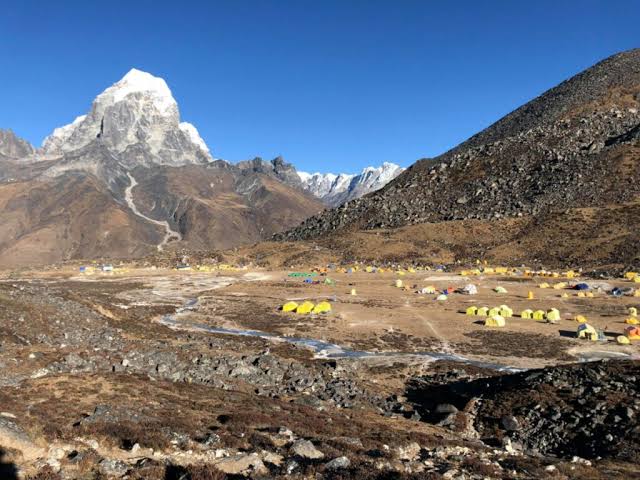
Today is the most adventurous and demanding day of the trek as you leave the main Everest Base Camp route and head toward the impressive Ama Dablam Base Camp. After leaving Tengboche, descend and continue toward Pangboche before turning onto a less-traveled trail leading toward the base camp. As you move deeper into the mountain wilderness, the trail becomes quieter and the spectacular Ama Dablam dominates the landscape. The route gradually climbs through rugged alpine terrain until you reach Ama Dablam Base Camp at approximately 4,600 meters. During climbing seasons, you may see expedition tents, equipment, climbers, guides, and support teams preparing for their ascent of Ama Dablam. Spend some time taking in the dramatic surroundings before beginning the return journey. Since there are no regular teahouses at the base camp, descend back toward Pangboche for your overnight stay. Overnight at a teahouse in Pangboche.
Max Altitude: 4,600m
Meals: Breakfast, Lunch & Dinner
Accommodation: Teahouse
Trekking: Approximately 7 hours
After breakfast, begin your return journey toward Namche Bazaar, retracing sections of the trail through the beautiful Khumbu landscape. The route takes you through Tengboche and descends toward Phunki Tenga before gradually climbing toward Kyangjuma. Along the way, enjoy familiar views of Ama Dablam, the surrounding valleys, and the forested hills of Sagarmatha National Park. Although parts of the route are familiar from the outward journey, the return trek offers a different perspective of the mountains and villages. Continue along the trail until you reach Namche Bazaar in the afternoon. After checking into your teahouse, take time to relax, enjoy the cafés and shops, or simply rest after the long trekking day. Overnight at a teahouse in Namche Bazaar.
Max Altitude: 3,440m
Meals: Breakfast, Lunch & Dinner
Accommodation: Teahouse
Trekking: Approximately 8 hours
Your final trekking day begins with an early breakfast in Namche Bazaar before starting the long descent toward Lukla. Follow the familiar trail through Monjo and Phakding, crossing suspension bridges and walking alongside the Dudh Koshi River. As you continue losing altitude, the vegetation becomes greener and the air gradually feels warmer. Although you have already walked this route, the experience feels different knowing that your mountain journey is coming to an end. Continue through the Sherpa villages and forested sections until you reach Lukla. After checking into your teahouse, you can relax and enjoy your final evening with your trekking team. This is also a good opportunity to reflect on your journey to Ama Dablam Base Camp and celebrate the completion of your trek. Overnight at a teahouse in Lukla.
Max Altitude: 2,860m
Meals: Breakfast, Lunch & Dinner
Accommodation: Teahouse
Flight: Approximately 30–40 minutes
After breakfast, head to Lukla Airport for your scenic flight back to Kathmandu. The short mountain flight offers a final aerial perspective of the Himalayan landscape before descending toward the Kathmandu Valley. Please note that flights from Lukla are highly dependent on weather and visibility, so departure times can sometimes change or flights may be delayed. Upon arrival in Kathmandu, our representative will transfer you to your hotel. The rest of the day is free to recover from the trek, relax at your hotel, explore nearby areas, or do some shopping in Thamel. You can enjoy a comfortable evening in the city after completing your Himalayan adventure. Overnight at a deluxe hotel in Kathmandu.
Max Altitude: 1,400m
Meals: Breakfast
Accommodation: Deluxe Hotel
Video
Packing List – Ama Dablam Base Camp Trek
Clothing
- 2–3 moisture-wicking T-shirts
- 1–2 long-sleeve trekking shirts
- 1 fleece or warm mid-layer
- 1 warm down jacket
- 2 pairs of trekking trousers
- 1 pair of thermal innerwear
- 1 waterproof/windproof jacket
- 1 pair of waterproof trousers
- 4–5 pairs of trekking socks
- 2 pairs of warm woolen socks
- 1 warm fleece or woolen hat
- 1 sun hat or cap
- 1 pair of lightweight gloves
- 1 pair of warm insulated gloves
Footwear
- Sturdy, waterproof trekking boots
- Lightweight sandals or camp shoes
- Comfortable trekking socks
Bags & Sleeping Gear
- 40–50L trekking backpack
- 20–30L daypack
- Duffel bag for porter service
- Sleeping bag suitable for cold temperatures
- Backpack rain cover
- Waterproof/dry bags for valuables and electronics
Trekking Equipment
- Trekking poles
- Headlamp with spare batteries
- Reusable water bottles or hydration bladder
- Water purification tablets/filter
- Sunglasses with UV protection
- Water-resistant trekking gaiters
Personal & Toiletries
- Sunscreen (SPF 30–50+)
- Lip balm with SPF
- Toothbrush and toothpaste
- Biodegradable soap
- Quick-dry towel
- Toilet paper and wet wipes
- Hand sanitizer
- Personal toiletries
- Small first-aid kit
- Personal medications
Electronics
- Mobile phone
- Power bank
- Charging cables
- Universal travel adapter
- Camera and spare batteries, if required
Documents & Money
- Passport
- Travel insurance documents
- Trekking permits and required documents
- Emergency contact details
- Sufficient Nepalese cash for personal expenses
Optional Items
- Binoculars
- Camera
- Earplugs
- Book or e-reader
- Snacks and energy bars
- Trekking map
- Small thermos/flask
Packing Tip: Keep your main belongings in a porter-accessible duffel bag and carry only daily essentials in your daypack. Pack according to the season, as temperatures can drop significantly at higher elevations.
Reviews
No reviews found.