

Sikles Community Trek: A 15-Day
Destination:
Sikles Village, Annapurna Region, Nepal
Trip Duration:
15 Days
Max Altitude:
1,980m/6,496ft (Sikles Village)
Activities:
Trekking, Cultural Immersion, Village Homestay Experience, Sightseeing Tour, Local School Visit
Start Point:
Kathmandu (via drive to Pokhara and Bhurjung Khola)
Ending Point:
Kathmandu
Region:
Annapurna Region, Kaski District
Trip Grade:
Easy to Moderate
Group Size:
2–12
Accomodation:
Hotel in Kathmandu and Pokhara; Community Teahouses/Lodges and Homestays in Sikles and surrounding villages
Meals:
Breakfast, Lunch, and Dinner during the trek; Breakfast only in Kathmandu and Pokhara (unless full board specified)
Transportation:
Private Vehicle/Tourist Bus (Kathmandu–Pokhara–Bhurjung Khola), Domestic Flight (Pokhara–Kathmandu)
Permits Required:
Annapurna Conservation Area Permit (ACAP), Trekkers' Information Management System (TIMS) Card
Best Season:
Spring (March–May) and Autumn (September–November)
Sikles Community Trek
The Sikles Community Trek is one of Nepal’s most rewarding homestay-style adventures in the Annapurna region — a trip built around genuine community-based tourism rather than a standard commercial teahouse circuit. Unlike busier routes where lodges are privately owned and competition-driven, the Sikles Village Trek channels its tourism revenue directly back into the Gurung community that has called this plateau home for generations. This overview covers the practical details you need before booking a Sikles Community Trek: cost, difficulty, group options, accommodation standards, safety, sustainability, and packing.
Cost and Budget for the Sikles Community Trek
Pricing for a Sikles Village Trek typically depends on group size, trip duration, and whether flights, permits, and Kathmandu/Pokhara hotels are bundled in. As a general guide, community-based treks in the Annapurna region tend to sit lower in cost than heavily commercialized routes like Annapurna Base Camp, since lodge rates in Sikles and neighboring villages are set by the community rather than competing private operators. Costs usually cover accommodation, meals during the trek, a licensed guide, porter support, and permit fees, while international flights, travel insurance, and personal gear are typically arranged separately. Requesting a detailed cost breakdown from your operator before booking an Annapurna Sikles Trek is always worth doing, since inclusions can vary significantly between providers.
Difficulty Level and Fitness Requirements
The Sikles Community Trek is generally graded as moderate rather than strenuous. Elevations stay well below the altitude-sickness danger zone, and daily walking hours are manageable for most people with an average fitness level. That said, the trail does involve sustained uphill and downhill stretches on stone steps and uneven paths, so a few weeks of preparatory walking, stair-climbing, or light cardio training beforehand makes the days noticeably easier. Trekkers with prior hiking experience will find the pace comfortable, while complete beginners should expect some muscle soreness in the first two or three days as their legs adjust.
Group Size and Booking Options
A Sikles Community Trek can typically be arranged as a private trip for solo travelers, couples, or families, as well as joined as part of a small group departure. Smaller groups tend to allow for a more personal experience with host families in Sikles village, since larger numbers can strain the capacity of community lodges. If group interaction and flexibility matter to you, ask about private departures with custom start dates rather than only fixed group trips.
Meals and Accommodation Standards
Accommodation on the Sikles Village Trek is arranged through community-managed lodges rather than privately owned teahouses, meaning furnishings are simple but clean, typically with shared bathroom facilities in the more remote stretches of the route. Meals lean heavily on local, seasonally available ingredients — dal bhat (lentils, rice, and vegetables) remains the most reliable and filling option throughout, supplemented by soups, noodles, and simple egg dishes. Because Sikles operates on a community tourism model, meal profits are reinvested locally rather than flowing to outside businesses, which is part of what distinguishes this trek from more commercialized alternatives in the Annapurna region.
Safety, Guides, and Communication
Reputable operators running a Sikles Community Trek assign a licensed local guide, often supported by porters, for the full duration of the trip. Mobile network coverage is patchy in the more remote sections around Sikles, so most travelers rely on their guide for local knowledge and emergency coordination rather than personal devices. It’s worth confirming what evacuation and insurance protocols are in place, and ensuring your own travel insurance explicitly covers trekking at altitude in Nepal, since not all standard travel policies do.
Sustainability and Community Impact
The defining feature of the Sikles Community Trek is its ownership structure: lodges, guiding services, and much of the trekking infrastructure are managed by the Sikles community itself, with conservation and sustainable tourism oversight across the wider region. Money spent on an Annapurna Sikles Trek goes disproportionately back into local schools, healthcare, and forest management compared with treks run through externally owned lodge chains. For travelers who care about the downstream impact of their tourism spending, this is one of the strongest arguments for choosing Sikles over more commercialized alternatives.
Essential Packing List for the Sikles Community Trek
Beyond standard trekking gear, a few items are worth prioritizing specifically for community-based routes like the Sikles Community Trek: a headlamp for evenings without reliable electricity, a lightweight sleeping bag liner for added warmth and hygiene in community lodges, cash in small denominations (card payments are not available once you leave Pokhara), and a basic phrasebook or translation app, since English proficiency varies more in Sikles than on heavily touristed routes. Bringing school supplies, stationery, or small gifts for the village school is also a common and appreciated gesture, though entirely optional.
Visa and Entry Requirements
Most nationalities can obtain a Nepal tourist visa on arrival at Tribhuvan International Airport, though it’s worth checking current requirements for your specific nationality before departure, since visa rules and fees are updated periodically. Passport photos and visa fee payment (in cash, USD preferred) are typically required on arrival, and this applies equally whether you’re arriving for a Sikles Village Trek or any other Nepal trekking itinerary.
Trekking Similar to Sikles Community Trek
- Annapurna Circuit Trek: 15 Night – 16 Days
- Manaslu Circuit trek-14N/15D
- Everest Base Camp Trek- 12 Days/ 11 Night
Nepal Pilgrimage & Cultural Tours
- Buddhist Pilgrimage Tour 6 Nights / 7 Days
- Kathmandu, Pokhara & Muktinath 7 Nights / 8 Days
- 8 Days Culture, Wildlife & Heritage of Nepal
- Mani Rimdu Festival in Everest Region 11 Nights / 12 Days
- 1-Day Kathmandu UNESCO Heritage Tour with Complimentary Nagarkot Sunrise & Rani Jhula
Book Your Trip Today
Few treks in Nepal offer the same blend of moderate difficulty, rich Gurung culture, and direct community impact as the Sikles Community Trek. If you’re ready to trade crowded trails for genuine homestays, sweeping Annapurna views, and a trip that gives back to the village you walk through — book your trip today and start planning your Sikles Community Trek.
Sikles Community Trek: A 15-Day Highlights
- Immersive homestay experience in Sikles, one of the largest Gurung villages in Nepal
- Authentic cultural exchange with the Gurung community, including language, tradition, and history
- Visit to a local school to interact with students and learn about rural education
- Traditional Gurung song and dance performances and community gatherings
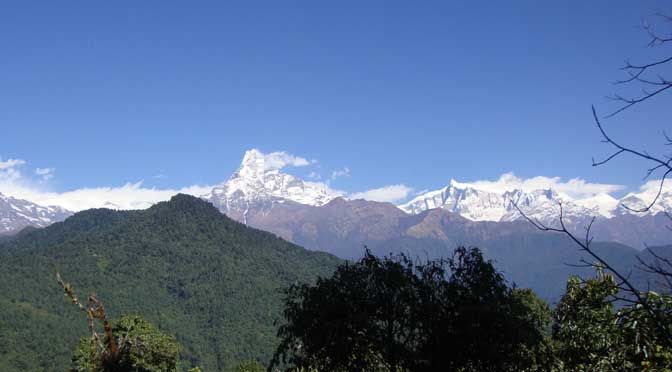
- Panoramic views of Annapurna, Machhapuchhre (Fishtail), and Lamjung Himal
- Off-the-beaten-path trekking route, far less crowded than mainstream Annapurna trails
- Learn about the Gurung people's renowned Gurkha heritage and military legacy
- Walk through terraced farmland and traditional stone-and-slate architecture
- Community-run lodges that directly support local livelihoods
- Sightseeing tour of Kathmandu's UNESCO World Heritage Sites (Swayambhunath, Pashupatinath, Kathmandu Durbar Square)
- Relaxing lakeside time in Pokhara with optional sunrise views from Sarangkot
- Scenic mountain flight between Pokhara and Kathmandu
- Suitable for trekkers of easy-to-moderate fitness seeking cultural depth over high-altitude challenge
Sikles Community Trek Route
Include
- Airport pick-up and drop-off transfers in Kathmandu
- 2 nights hotel accommodation in Kathmandu (as per itinerary, on bed & breakfast basis)
- 2 nights hotel accommodation in Pokhara (as per itinerary, on bed & breakfast basis)
- Kathmandu sightseeing tour with private vehicle and licensed tour guide, including entrance fees
- All ground transportation (Kathmandu–Pokhara–Bhurjung Khola and Kalikasthan–Pokhara) by private vehicle or tourist bus
- Domestic flight ticket from Pokhara to Kathmandu
- All accommodation during the trek (community teahouses/lodges/homestays in Sikles and surrounding villages)
- All meals (breakfast, lunch, and dinner) during the trekking days
- Experienced, licensed, English-speaking trekking guide
- Porter service (typically 1 porter per 2 trekkers) including their insurance, meals, and accommodation
- Annapurna Conservation Area Project (ACAP) permit
- Trekkers' Information Management System (TIMS) card
- Community/local development fees at Sikles (where applicable)
- First-aid medical kit carried by the guide
- Government taxes, VAT, and official service charges
- Farewell dinner in Kathmandu
Exclude
- International airfare to and from Nepal
- Nepal entry visa fee (available on arrival at Tribhuvan International Airport)
- Travel and medical/emergency evacuation insurance
- Lunch and dinner in Kathmandu and Pokhara (except welcome and farewell dinners)
- Personal trekking gear and equipment
- Extra porter (beyond the standard ratio) if requested
- Tips/gratuities for guide, porter, and driver (customary in Nepal)
- Alcoholic beverages, bottled/boiled water, hot showers, WiFi, and battery charging during the trek (available at extra cost in teahouses)
- Personal expenses (souvenirs, phone calls, laundry, etc.)
- Costs arising from natural calamities, flight delays/cancellations, political disturbances, illness, or other events beyond the operator's control
- Any additional costs incurred due to early return from the mountain (voluntarily or due to health issues)
- Optional activities or side excursions not mentioned in the itinerary
Sikles Community Trek: A 15-Day Itinerary
Your journey begins with your flight touching down at Tribhuvan International Airport in Kathmandu, where a representative will greet you and transfer you to your hotel. Depending on your arrival time, the rest of the day is free to rest after your travels, settle into your room, and adjust to the altitude and time zone. In the evening, there will be a short briefing about the trip ahead, followed by a welcome dinner featuring traditional Nepali cuisine, giving you a first taste of the culture and hospitality you’ll experience throughout the trek. Overnight stay in a Kathmandu hotel.
After breakfast, set out on a guided cultural tour of Kathmandu Valley’s UNESCO World Heritage Sites. Typical stops include Swayambhunath (the “Monkey Temple”) perched on a hilltop overlooking the city, the sacred Hindu temple complex of Pashupatinath along the Bagmati River, and the medieval architecture of Kathmandu Durbar Square with its palaces and pagoda-style temples. In the afternoon, return to the hotel for final trek preparations — repacking your duffel bag, renting or purchasing any last-minute gear, and reviewing the trekking route with your guide. A pre-trek briefing covers what to expect on the trail, altitude awareness, and packing essentials. Overnight in Kathmandu.
Leave Kathmandu early and travel west along the scenic Prithvi Highway, which winds alongside the Trishuli and Marsyangdi Rivers. The drive offers glimpses of terraced hillsides, rural villages, and, on clear days, distant mountain views as you approach the Pokhara Valley. Arrive in Pokhara by early afternoon, with time to relax by Phewa Lake, stroll through the lakeside district, or simply enjoy the laid-back atmosphere that contrasts with the bustle of Kathmandu. Overnight in Pokhara.
After breakfast, drive roughly 2–3 hours from Pokhara to the trailhead at Bhurjung Khola (also spelled Bhirjung Khola), passing through Gurung and Chhetri villages and increasingly rural countryside as the road climbs. From the trailhead, begin your first day of trekking, following a trail through forested hillsides and small farming settlements. The path climbs steadily to Ghale Kharka, a small Gurung settlement named for the Ghale clan, offering your first proper views of the Annapurna and Lamjung Himal ranges. Overnight in a teahouse or community lodge.
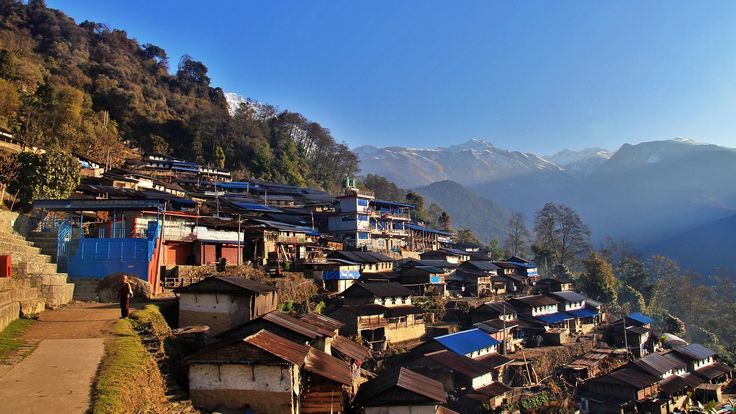
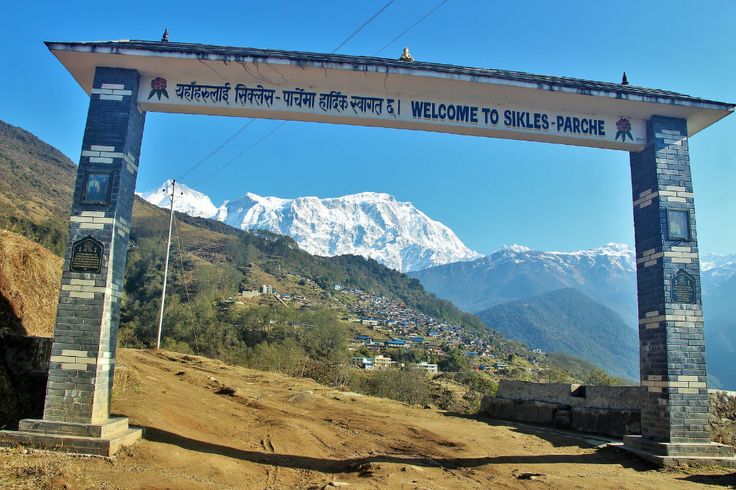
Continue trekking through rhododendron and oak forest, gaining elevation as you traverse ridgelines with expanding mountain panoramas. The trail passes through terraced fields and smaller hamlets before arriving at Sikles, one of the largest Gurung villages in Nepal and the heart of this community trek. Sikles sits on a scenic plateau with the Annapurna range, Machhapuchhre (Fishtail), and Lamjung Himal forming a dramatic backdrop. The village is known for its traditional stone-and-slate architecture and its strong Gurung cultural identity. Settle into a community-run lodge for the next several nights.
Spend the day exploring Sikles village and its surroundings at a relaxed pace. Wander through narrow stone alleyways between traditional Gurung houses with slate roofs, visit the village’s Annapurna Conservation Area Project (ACAP) information center to learn about local conservation efforts, and take in sweeping views of the Annapurna Himal from various vantage points around the village. Optional short hikes lead to nearby viewpoints or waterfalls in the surrounding hills. This is also a good day to rest and acclimatize before the more immersive cultural days ahead.
Today’s focus is on community engagement. Visit the local school in Sikles, where you can meet teachers and students, observe classes, and learn about education in this remote Himalayan community. Many visitors bring school supplies or books as a gesture of goodwill, and some interact directly with students to share stories about life outside Nepal. Afterward, take a walk through the surrounding farmland to see how local families cultivate crops like millet, maize, and potatoes on the terraced slopes, gaining insight into the self-sufficient lifestyle of the village.
Dedicate this day to cultural immersion. Local hosts and guides introduce you to basic Nepali and Gurung phrases, and you’ll learn about Gurung customs, including their Tibetan-Buddhist and animist spiritual traditions, traditional dress, and the significant role of the Gurung people in Nepal’s history — notably their long legacy of serving in the Gurkha regiments. You may have the chance to observe or participate in traditional weaving, try local millet-based alcohol (raksi or tongba), and enjoy a cultural program in the evening featuring traditional Gurung songs and dance performed by villagers.
Use this final day in Sikles for any remaining exploration — perhaps a hike to a nearby ridge for sunrise views over the Annapurna range, a visit to a local mill, or simply more time connecting with the host family and community members who have hosted you. In the evening, a farewell gathering often takes place, giving you a chance to thank your hosts and reflect on the days spent immersed in Gurung village life before continuing the trek onward the next morning.
Depart Sikles and begin descending gradually through forested trails and terraced farmland toward Tangting, another Gurung village known for its own distinct charm and mountain views. The trail offers a different perspective of the valley below and the peaks behind you as you leave Sikles. Tangting has its own ACAP checkpoint and community lodges, and it’s worth taking a short walk around the village in the afternoon to see its temples and traditional houses before settling in for the night.
The trail continues its gradual descent, passing through mixed forest, small streams, and scattered villages as you make your way to Yangjakot. This lower-altitude walk brings warmer temperatures and increasingly cultivated landscapes, a sign that you’re approaching the more populated lower hills of the Kaski district. Yangjakot offers simple accommodation and a quieter, more rural pace compared to the bigger trekking hubs, making it a peaceful stop for the night.
Complete the final stretch of trekking to Kalikasthan, named after a local Kali temple, passing through more farmland and small settlements. From here, connect with a waiting vehicle for the drive back to Pokhara, which takes you through the countryside back to the lakeside city. Arrive in Pokhara in the evening with a well-earned sense of accomplishment after completing the Sikles Community Trek. Enjoy a comfortable hotel stay and perhaps a celebratory dinner overlooking Phewa Lake.
Spend a full day exploring Pokhara’s highlights at a relaxed pace. Popular stops include a sunrise excursion to Sarangkot for panoramic views of the Annapurna range and Machhapuchhre, a boat ride on Phewa Lake to the Tal Barahi Temple, a visit to the World Peace Pagoda, and exploration of the Davis Falls and Gupteshwor Cave. The city’s lakeside area is also perfect for relaxing at a cafe, shopping for souvenirs, or simply unwinding after nearly two weeks on the trail.
Transfer to Pokhara Airport for a short scenic flight back to Kathmandu (approximately 25–30 minutes), often offering aerial views of the Himalayan range along the way. Once back in Kathmandu, the remainder of the day is free for last-minute souvenir shopping in areas like Thamel, relaxing at the hotel, or revisiting any sites you’d like to see again. A farewell dinner in the evening is a fitting way to celebrate the completion of your trekking adventure with your guide and fellow travelers.
Depending on your flight schedule, enjoy a final breakfast in Kathmandu before being transferred to Tribhuvan International Airport for your departure flight home, bringing your Sikles Community Trek adventure to a close.
Video
Packing List – Sikles Community Trek
Sikles Community Trek: A 15-Day FAQs
The Sikles Community Trek is a cultural and moderate-altitude trekking route in Nepal’s Annapurna region that takes travelers to Sikles, one of the largest Gurung villages in the country, offering an authentic homestay and community-based trekking experience.
This trek is rated easy to moderate, making it suitable for beginners and families, as it stays below 2,000m and doesn’t require prior high-altitude trekking experience.
The full Sikles Community Trek itinerary, including Kathmandu and Pokhara sightseeing, typically takes around 15 days, though the trekking portion itself can be done in 6–9 days depending on the route and pace.
The highest point on this trek is Sikles village itself, at approximately 1,980m (6,496ft), making it a low-altitude trek compared to routes like Annapurna Base Camp or Everest Base Camp.
Yes, trekkers need an Annapurna Conservation Area Project (ACAP) permit and a Trekkers’ Information Management System (TIMS) card, both of which are typically arranged by your trekking agency.
The best times to trek to Sikles are during spring (March–May) and autumn (September–November), when weather is stable and mountain views are clearest.
Yes, thanks to its lower altitude and gradual trails, the Sikles Community Trek is considered one of the more beginner-friendly cultural treks in the Annapurna region.
Unlike busier routes such as Poon Hill or Annapurna Base Camp, the Sikles trek focuses on community immersion, homestays, and direct interaction with Gurung culture, with far fewer trekkers on the trail.
Sikles is one of the largest Gurung settlements in Nepal, known for its traditional stone-and-slate houses, strong Gurkha heritage, and stunning views of Annapurna, Machhapuchhre, and Lamjung Himal.
Trekkers stay in community-run teahouses and homestays, which are basic but comfortable, and directly support the local village economy.
While technically possible to trek independently, a licensed guide is highly recommended, both for navigation and to help facilitate meaningful cultural interactions with the Gurung community.
The Gurung people are well known for their strong presence in the British and Indian Gurkha regiments, as well as their distinct language, traditional dress, animist and Buddhist spiritual practices, and mountain-based agricultural lifestyle.
Trekkers usually drive from Pokhara to the trailhead at Bhurjung Khola (around 2–3 hours), then trek for one to two days through Ghale Kharka to reach Sikles village.
Yes, due to its gentle trails, lower altitude, and cultural focus, it’s often recommended for families, older travelers, or those seeking a meaningful trek without extreme physical demands.
Essentials include moderate warm layers, comfortable trekking boots, rain gear, a sleeping bag, sun protection, and personal medications — a full packing list can be provided based on season and trip length.
Yes, travel insurance covering trekking activities and emergency evacuation is strongly recommended for all trekkers in Nepal, including on lower-altitude routes like Sikles.
Reviews
No reviews found.