

Everest Base Camp Trek- 12 Days/ 11 Night
Destination:
Everest Base Camp, Khumbu Region, Nepal
Trip Duration:
12 Days / 11 Nights
Max Altitude:
5,545 m / 18,192 ft (Kala Patthar)
Activities:
Trekking, Hiking, Sightseeing, Acclimatization, Helicopter Ride
Start Point:
Kathmandu
Ending Point:
Kathmandu
Region:
Everest / Khumbu Region
Trip Grade:
Moderate to Challenging
Group Size:
1–12 Pax (confirm with operations team)
Accomodation:
3/4-Star Hotel in Kathmandu and Mountain Teahouses/Lodges
Meals:
Breakfast, Lunch and Dinner during the trek (confirm package inclusion)
Transportation:
Private Vehicle, Domestic Flights and Shared Helicopter Transfer
Permits Required:
Sagarmatha National Park Entry Permit and Khumbu Pasang Lhamu Rural Municipality Permit
Best Season:
Spring (March–May) and Autumn (September–November)
Everest Base Camp Trek – A Journey into the Heart of the Himalayas
The Everest Base Camp Trek is more than just a journey to the foot of the world’s highest mountain. It is an opportunity to experience the Himalayan way of life, walk through traditional Sherpa villages, explore ancient Buddhist monasteries and witness some of the most breathtaking mountain scenery in Nepal. For travellers who dream of standing beneath Mount Everest, this adventure offers a memorable combination of natural beauty, local culture and authentic mountain experiences.
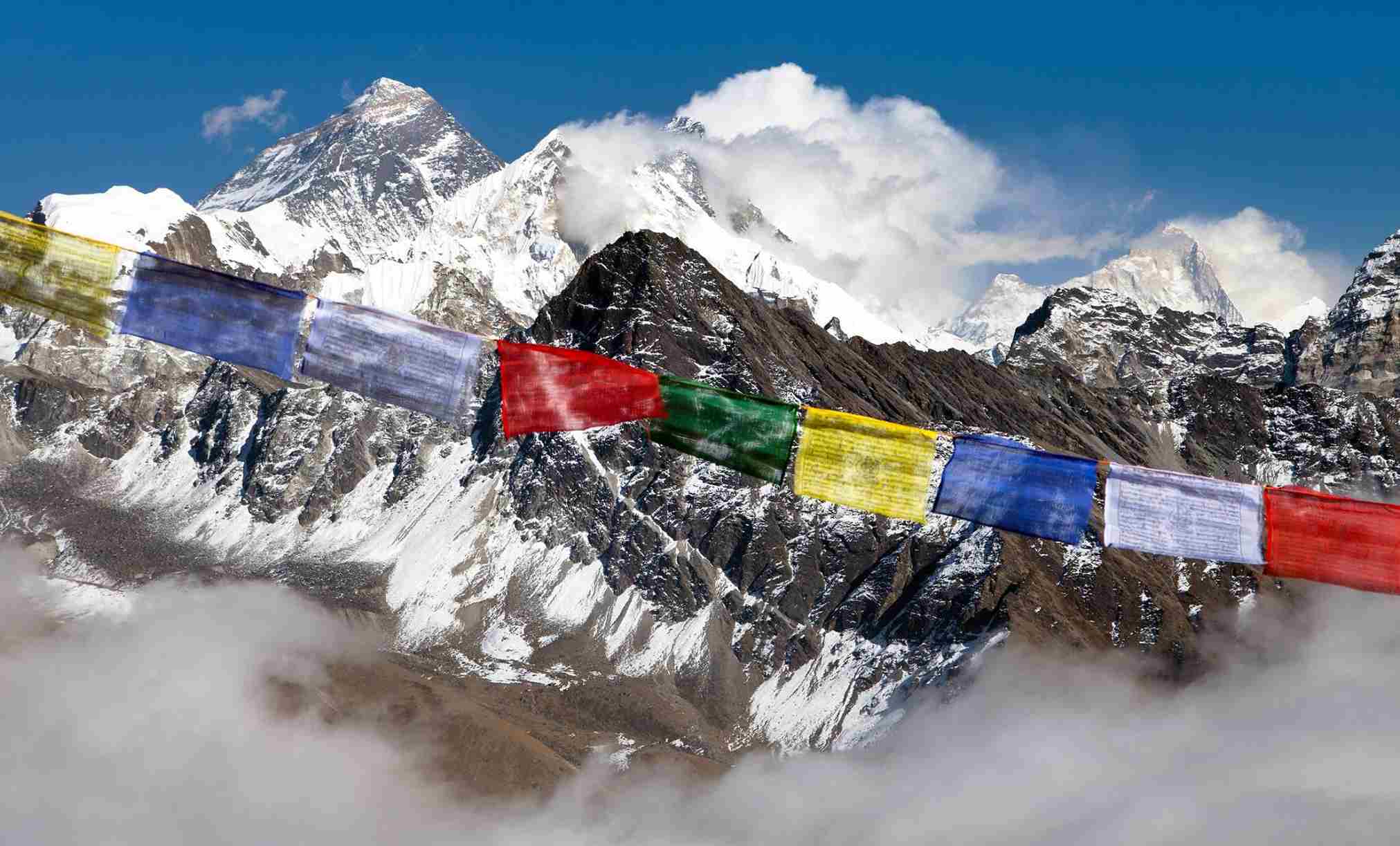
The Khumbu region has a special atmosphere that makes every part of the journey meaningful. From colourful prayer flags fluttering above suspension bridges to small mountain settlements surrounded by snow-covered peaks, the trail introduces you to a side of Nepal that cannot be experienced through ordinary sightseeing.
Discover the Beauty of the Khumbu Region
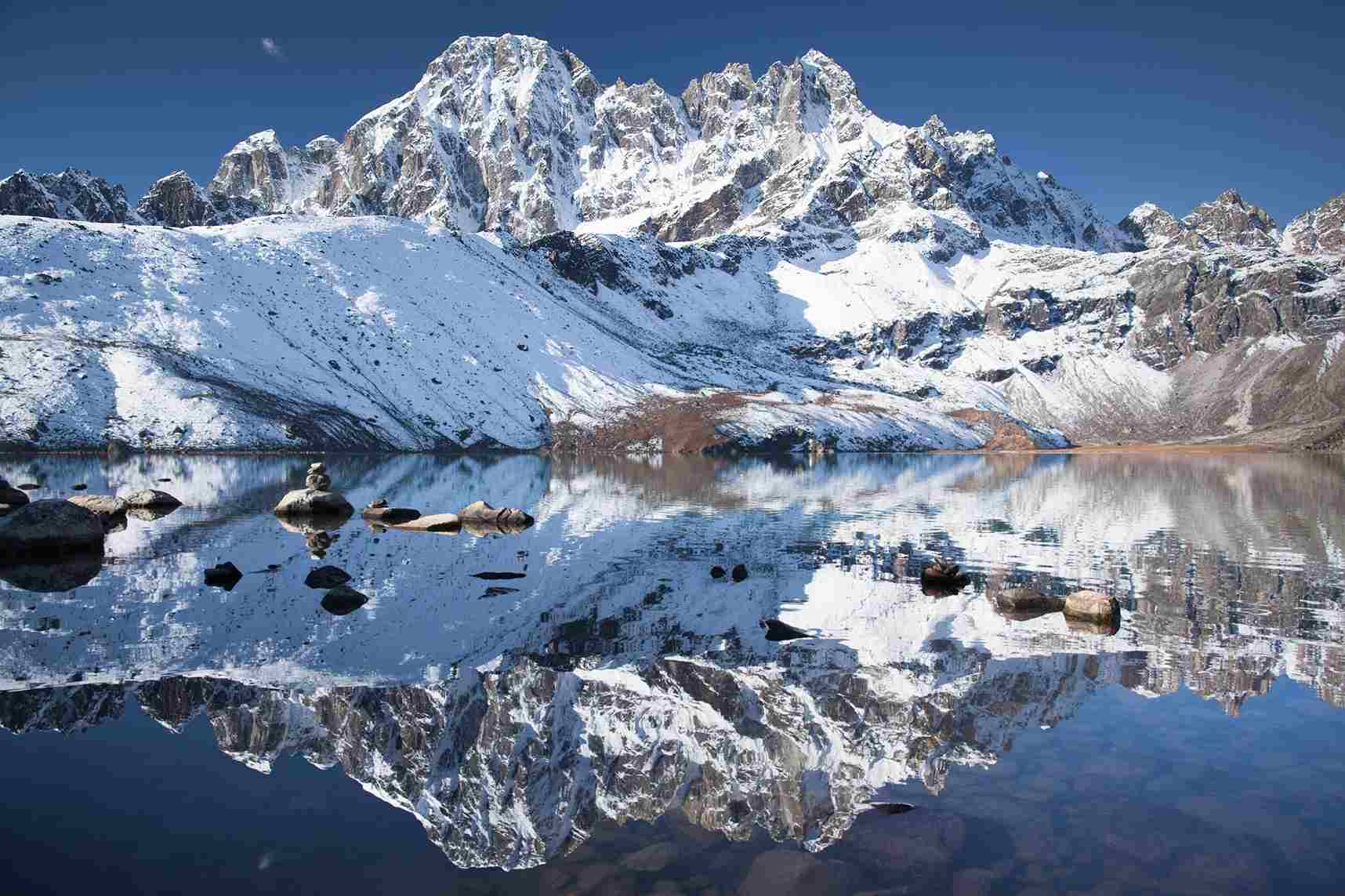
The Everest region is famous for its dramatic mountain landscapes, traditional villages and rich Sherpa heritage. As you travel deeper into the mountains, the scenery changes from green forests and river valleys to rugged alpine terrain and impressive glaciers.
Along the way, you can experience:
-
Traditional Sherpa villages with distinctive mountain architecture.
-
Beautiful suspension bridges decorated with colourful prayer flags.
-
Ancient Buddhist monasteries and peaceful spiritual surroundings.
-
Panoramic views of some of the world’s highest mountains.
-
Glacial valleys, alpine landscapes and natural mountain formations.
-
Local teahouses offering traditional Himalayan hospitality.
These experiences make the Everest Base Camp Trek in Nepal particularly rewarding for travellers interested in nature, photography and local culture.
Experience Sherpa Culture and Himalayan Traditions
One of the most interesting aspects of trekking in the Everest region is meeting the Sherpa communities who have made these mountains their home for generations. Their traditions, hospitality and connection with the Himalayas are an important part of the region’s identity.
Namche Bazaar provides an excellent opportunity to experience local mountain life. Often considered the commercial centre of the Khumbu region, it features traditional shops, bakeries, cafés and local markets. You can explore the settlement, interact with local people and learn about the history of Himalayan mountaineering.
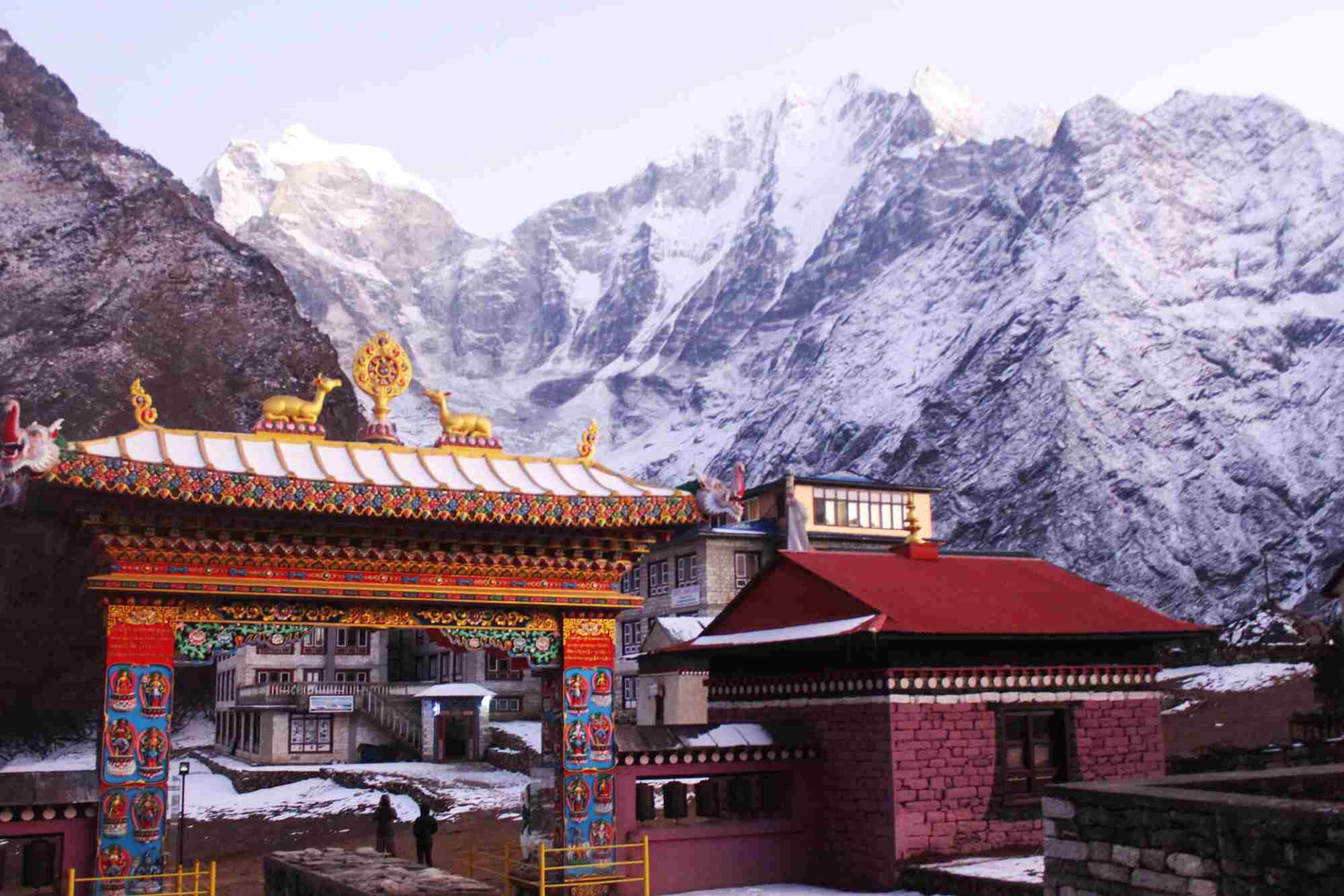
Another cultural highlight is Tengboche Monastery, an important Buddhist spiritual centre surrounded by magnificent mountain scenery. Its peaceful atmosphere, traditional architecture and colourful prayer flags offer an opportunity to appreciate the Buddhist heritage of the region.
Mountain Scenery and Photography Opportunities
The Everest region is a dream destination for photography enthusiasts. Every section of the trail presents different landscapes, from forested valleys and rushing rivers to rocky mountain paths and enormous glaciers.
Some of the most memorable photography opportunities include:
-
Mount Everest rising above the surrounding Himalayan peaks.
-
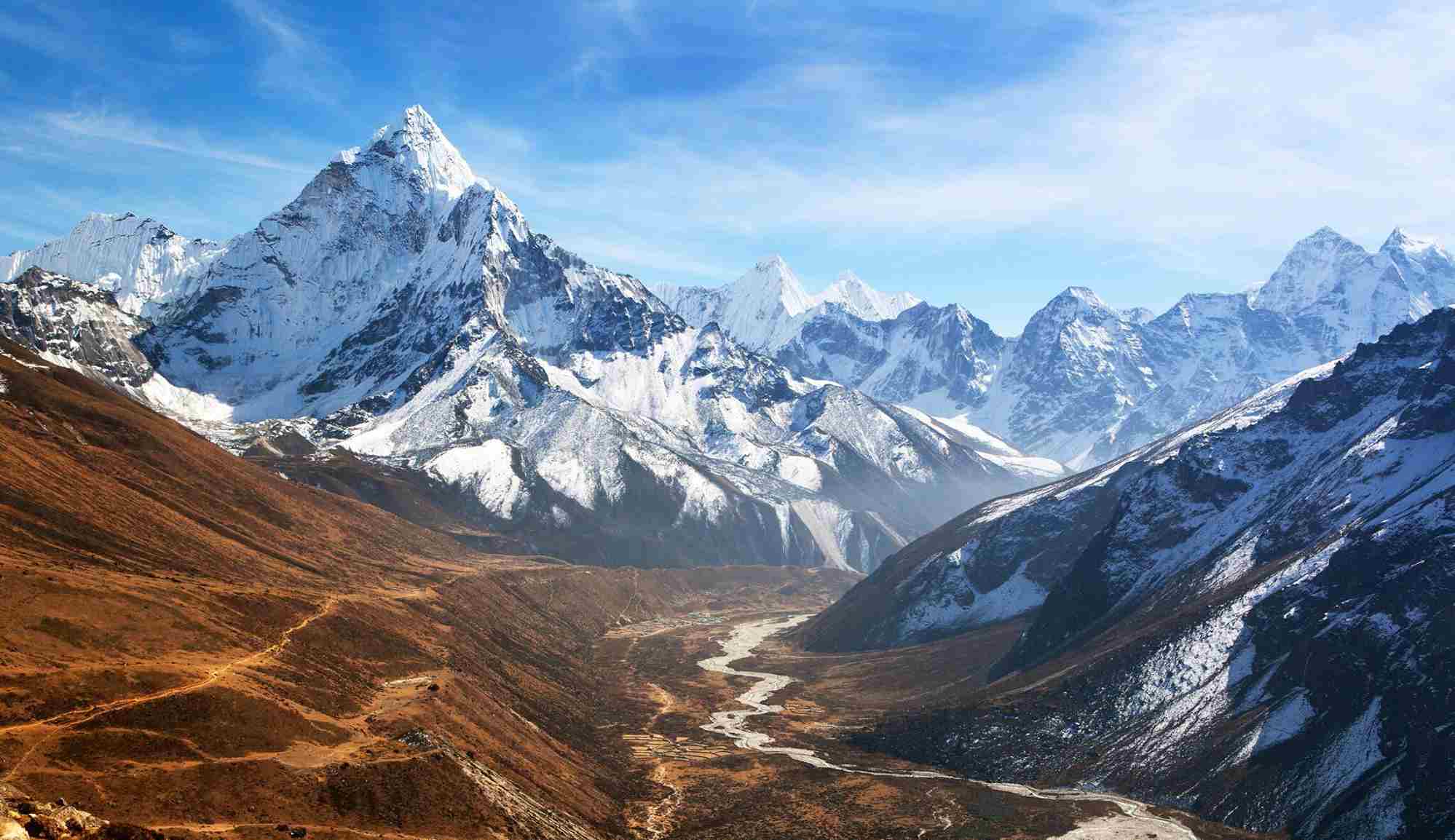
The distinctive pyramid-shaped summit of Ama Dablam.
-
Traditional suspension bridges crossing mountain rivers.
-
Prayer flags and Buddhist stupas along the trekking route.
-
The dramatic landscape surrounding the Khumbu Glacier.
-
Sunrise views from Kala Patthar.
The changing light throughout the day creates different perspectives of the mountains, making the region especially rewarding for landscape photography.
Local Food and Mountain Accommodation Experience
Mountain life is an important part of the overall trekking experience. The local teahouses provide simple and welcoming accommodation where travellers can rest after exploring the surrounding landscapes.
You can also experience traditional Nepali and Sherpa-inspired meals during your stay in the mountains.
| Food | Description |
|---|---|
| Dal Bhat | Traditional Nepali meal with rice, lentils and vegetables |
| Sherpa Stew | Warm and filling mountain-style stew |
| Momo | Popular dumplings served with dipping sauce |
| Thukpa | Traditional noodle soup |
| Tibetan Bread | Local-style fried bread, commonly served for breakfast |
| Garlic Soup | Warm soup commonly found on Himalayan trekking menus |
Food availability and menus can vary between mountain settlements and teahouses.
What Makes the Everest Base Camp Trek Special?
The appeal of this adventure comes from the combination of natural landscapes, cultural experiences and the opportunity to explore an internationally recognised mountaineering destination.
| Experience | What Makes It Special |
|---|---|
| Sherpa Culture | Discover traditional mountain communities and their heritage |
| Buddhist Heritage | Explore monasteries, prayer flags and spiritual landmarks |
| Himalayan Landscapes | Enjoy spectacular views of the world’s highest mountain range |
| Everest Base Camp | Visit the iconic starting point for Everest climbing expeditions |
| Kala Patthar | Experience remarkable panoramic mountain views |
| Khumbu Glacier | Witness the dramatic glacial environment |
| Mountain Hospitality | Interact with local communities and experience teahouse culture |
Best Time to Experience the Everest Region
Spring and autumn are generally the most popular trekking seasons because of their favourable weather conditions and mountain visibility.
| Season | Months | Experience |
|---|---|---|
| Spring | March–May | Pleasant trekking conditions, blooming rhododendrons and active climbing season |
| Autumn | September–November | Generally clear skies, excellent mountain visibility and comfortable trekking conditions |
| Winter | December–February | Colder temperatures, quieter trails and possible snow |
| Monsoon | June–August | Rain, clouds, slippery trails and reduced mountain visibility |
Spring and autumn are recommended for travellers seeking a more favourable combination of weather and mountain views.
Who Should Consider This Trek?
The Everest Base Camp Trek package is suitable for adventurous travellers who enjoy walking, mountain exploration and cultural experiences. However, the high altitude and demanding terrain mean that preparation is important.
This adventure is particularly appealing to:
-
Mountain lovers who want to experience the Everest region.
-
Photography enthusiasts interested in Himalayan landscapes.
-
Travellers curious about Sherpa culture and Buddhist traditions.
-
Adventure seekers looking for a challenging trekking experience.
-
Experienced hikers interested in high-altitude mountain environments.
Good physical preparation, appropriate equipment and responsible acclimatization are important. Altitude sickness can affect anyone, regardless of fitness level, so following your guide’s safety advice is essential.
A Memorable Himalayan Experience
The beauty of the Everest region is not limited to reaching a famous destination. It is also found in the small moments along the way: watching the mountains change colour in the morning light, sharing a warm meal in a mountain teahouse, crossing suspension bridges above rushing rivers and experiencing the hospitality of local communities.
The Everest Base Camp Trek in Nepal brings all these experiences together in one remarkable Himalayan adventure. From the cultural charm of the Khumbu villages to the extraordinary landscapes surrounding Everest, every part of the journey offers something worth remembering.
For anyone dreaming of exploring the Himalayas and experiencing the world around Mount Everest, this adventure is an opportunity to discover Nepal’s mountain heritage, natural beauty and unforgettable trekking culture.
Everest Base Camp Trek- 12 Days/ 11 Night Highlights
- Scenic Kathmandu to Lukla flight over the Himalayas
- Acclimatization & culture in Namche Bazaar
- Spiritual energy at Tengboche Monastery with views of Ama Dablam
- Trekking inside Sagarmatha National Park, a UNESCO World Heritage Site
- Overnight stay at Everest Base Camp (5,364m)
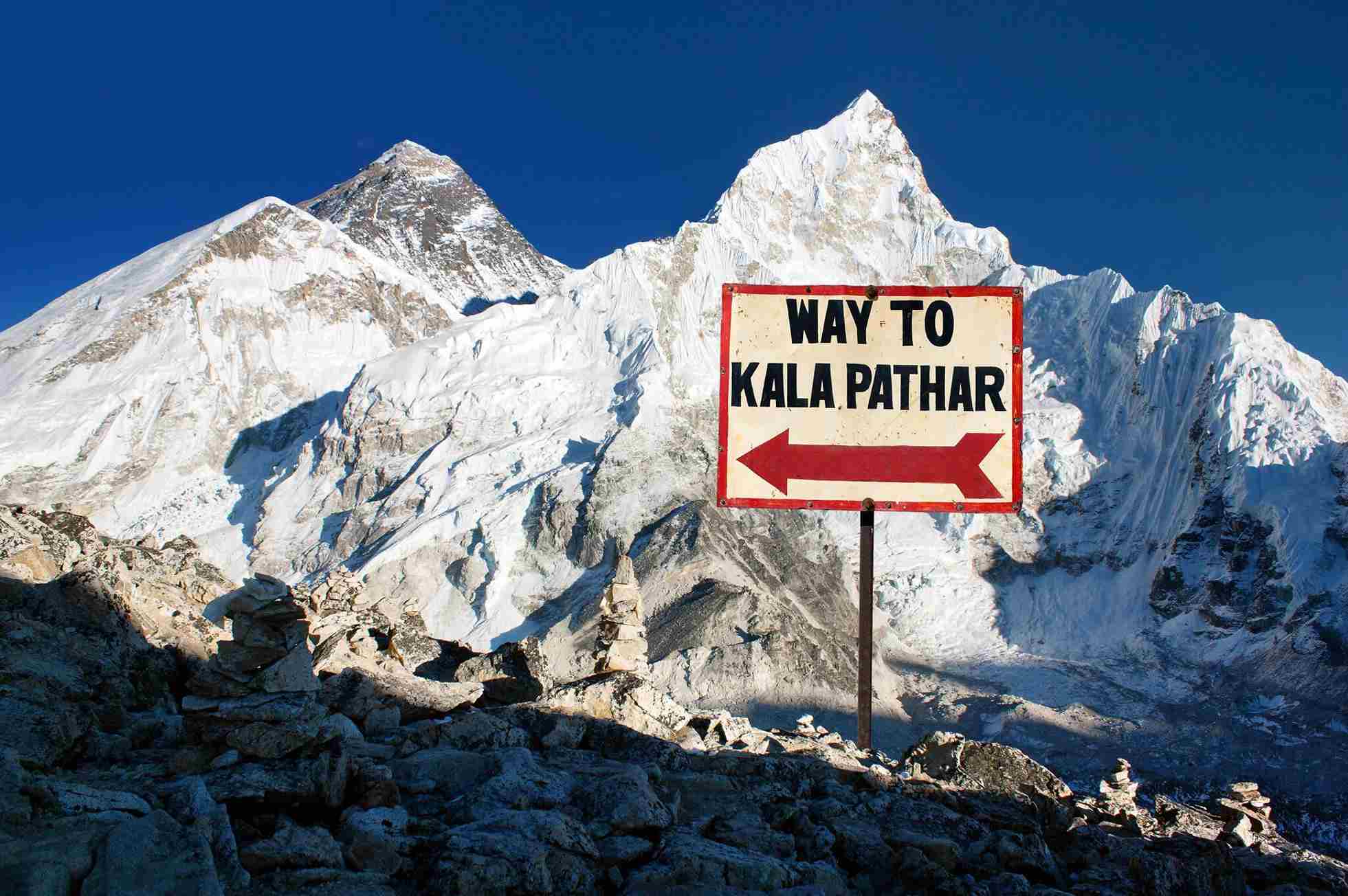
- 360° mountain views from Kala Patthar (5,545m)
- Experience of Sherpa hospitality and mountain teahouses
- Crossing iconic suspension bridges over glacial rivers
- Stunning views of Mount Everest, Lhotse, Nuptse, Ama Dablam, and Thamserku
- Passing through villages like Phakding, Dingboche, Lobuche, and Gorakshep
Everest Base Camp Trek Route Map
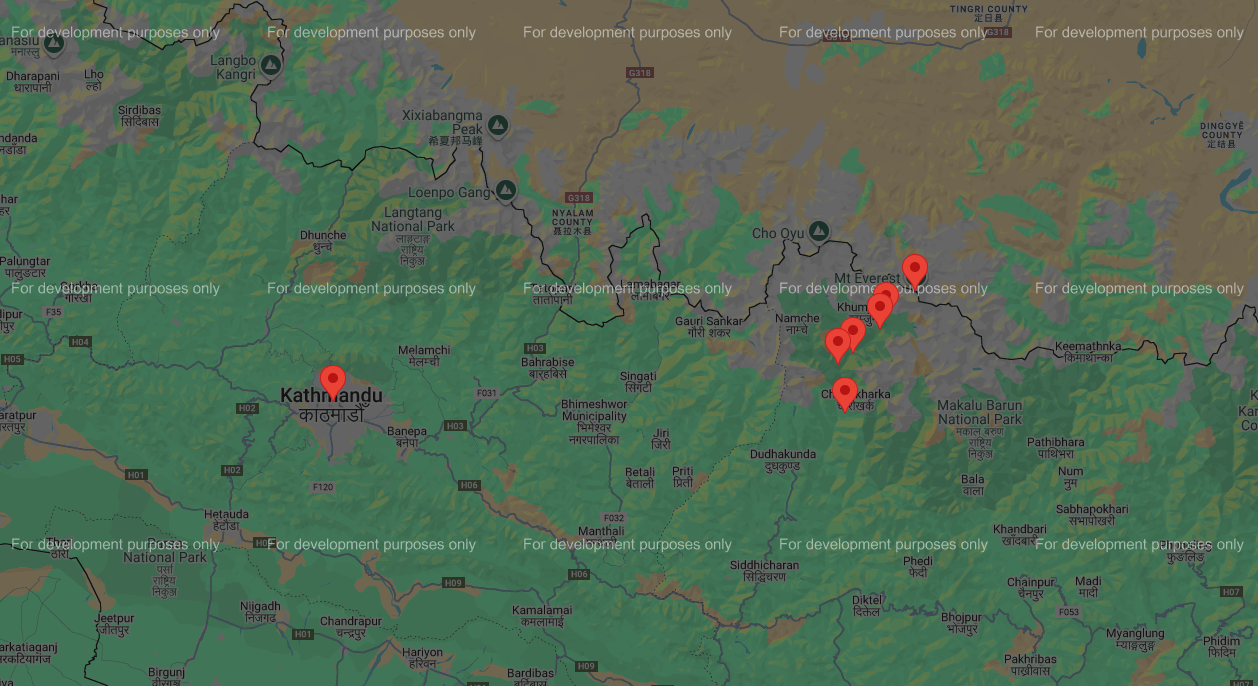
Kathmandu → Lukla → Phakding → Namche Bazaar → Tengboche → Dingboche → Lobuche → Gorak Shep → Everest Base Camp (5,364 m) → Kala Patthar (5,545 m) → Helicopter Transfer to Lukla → Kathmandu.
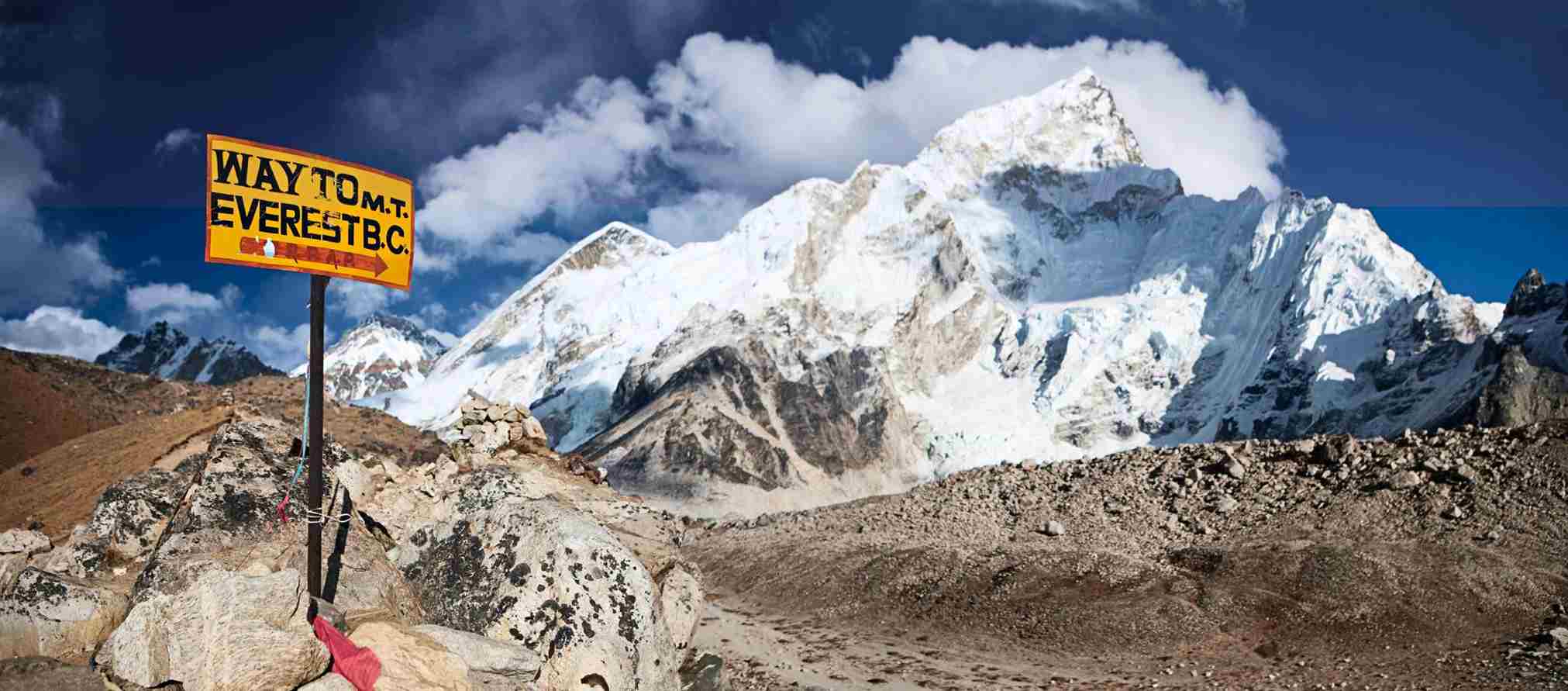
Follow the legendary Everest Base Camp trekking trail through the beautiful Khumbu Valley, traditional Sherpa villages, ancient monasteries and spectacular Himalayan landscapes. Enjoy breathtaking views of Mount Everest, Ama Dablam and the surrounding peaks throughout the journey.
Include
- Airport pick-up and drop-off by private vehicle.
- Private ground transportation as per the itinerary.
- Domestic flights between Kathmandu and Lukla (round trip).
- Shared helicopter transfer from Gorak Shep to Lukla, as per the itinerary.
- Hotel accommodation in Kathmandu on a twin-sharing basis.
- Comfortable teahouse/lodge accommodation during the trek.
- Breakfast, lunch and dinner during the trekking period.
- Experienced, English-speaking, licensed trekking guide.
- Porter service for carrying trekking luggage (subject to package arrangement).
- Sagarmatha National Park Entry Permit.
- Khumbu Pasang Lhamu Rural Municipality Permit.
- Basic first-aid kit carried by the trekking guide.
- Government taxes and applicable service charges.
Exclude
- International airfare to and from Nepal.
- Nepal entry visa fees.
- Travel insurance, including high-altitude trekking and emergency helicopter evacuation coverage.
- Personal expenses such as snacks, beverages, bottled water and laundry.
- Hot showers, Wi-Fi and device charging fees at mountain lodges.
- Additional accommodation and meals caused by flight delays or itinerary extensions.
- Extra baggage charges on domestic flights.
- Personal trekking equipment, clothing and gear.
- Tips and gratuities for trekking guides, porters and drivers.
- Emergency evacuation and rescue expenses.
- Additional costs arising from unforeseen circumstances, bad weather or natural events.
- Any services not specifically mentioned under Trip Includes.
Everest Base Camp Trek- 12 Days/ 11 Night Itinerary
Arrive at Tribhuvan International Airport, Kathmandu, where our representative will welcome you and transfer you to your hotel by private vehicle. After check-in, take some time to relax and recover from your journey. Depending on your arrival time, you can explore the nearby streets or enjoy the local atmosphere of Kathmandu. In the evening, meet your trekking guide for a briefing about the Everest Base Camp Trek, including the route, safety precautions and preparations for the journey.
Overnight: Hotel in Kathmandu.
After breakfast, transfer to the airport for a scenic mountain flight to Lukla, the gateway to the Everest region. Upon arrival, meet the trekking crew and begin your journey towards Phakding. The trail gradually descends through beautiful mountain landscapes, traditional Sherpa settlements and pine forests. Cross suspension bridges over the Dudh Koshi River and enjoy your first views of the surrounding Himalayan scenery.
Walking Duration: Approximately 3–4 hours.
Overnight: Teahouse in Phakding.
After breakfast, continue trekking along the Dudh Koshi River through the beautiful villages of Toktok, Benkar and Monjo. Enter Sagarmatha National Park and complete the necessary permit formalities before continuing towards Namche Bazaar. Cross several suspension bridges, including the famous Hillary Suspension Bridge. The final section involves a steady uphill climb through forested trails before reaching Namche Bazaar, the main trading centre of the Khumbu region.
Walking Duration: Approximately 5–6 hours.
Overnight: Teahouse in Namche Bazaar.
Spend the day acclimatizing to the increasing altitude. After breakfast, enjoy an optional acclimatization hike towards the Everest View Hotel or nearby viewpoints, where you can admire spectacular views of Mount Everest, Ama Dablam, Lhotse and other Himalayan peaks. Return to Namche Bazaar and explore its traditional markets, bakeries, museums and local shops. This rest day helps your body gradually adjust to the higher elevation before continuing the trek.
Walking Duration: Approximately 3–4 hours for the optional hike.
Overnight: Teahouse in Namche Bazaar.
After breakfast, leave Namche Bazaar and follow a scenic trail overlooking the Dudh Koshi Valley. Enjoy beautiful views of Ama Dablam, Thamserku and other Himalayan mountains along the way. The route passes through forests and traditional settlements before descending towards Phunki Tenga. From there, follow a steady uphill trail through rhododendron forests to reach Tengboche. Visit the famous Tengboche Monastery, one of the most significant Buddhist monasteries in the Everest region.
Walking Duration: Approximately 5–6 hours.
Overnight: Teahouse in Tengboche.
Begin the day with breakfast and continue trekking towards Dingboche. Descend through beautiful forest trails towards Deboche and cross the Imja Khola suspension bridge. Pass through Pangboche, a traditional Sherpa village known for its ancient monastery and mountain surroundings. As you gradually gain altitude, the landscape becomes more open and alpine. Enjoy impressive views of Ama Dablam before reaching Dingboche, a beautiful settlement surrounded by stone-walled fields.
Walking Duration: Approximately 5–6 hours.
Overnight: Teahouse in Dingboche.
Take another important acclimatization day at Dingboche before ascending towards the higher elevations. After breakfast, enjoy an optional hike towards Nangkartsang Peak or a suitable nearby viewpoint. The hike provides magnificent panoramic views of Makalu, Lhotse, Ama Dablam and the surrounding Himalayan landscape. Return to Dingboche for rest and preparation for the next stage of the journey. Your guide will monitor your condition and discuss altitude-related safety precautions.
Walking Duration: Approximately 3–5 hours for the optional hike.
Overnight: Teahouse in Dingboche.
After breakfast, continue towards Lobuche through the high-altitude landscapes of the Khumbu region. The trail gradually ascends towards Thukla, where you can take a short break before climbing to the Thukla Pass memorial area. Here, you will see memorials dedicated to climbers who lost their lives on Mount Everest and surrounding peaks. Continue along the rocky glacial terrain towards Lobuche, enjoying spectacular views of the surrounding mountains.
Walking Duration: Approximately 5–6 hours.
Overnight: Teahouse in Lobuche.
Today is one of the major highlights of your Everest Base Camp Trek. Begin early and follow the rugged trail towards Gorak Shep, passing through the dramatic landscapes surrounding the Khumbu Glacier. After a short rest, continue towards Everest Base Camp at 5,364 metres. Experience the iconic destination surrounded by massive Himalayan peaks and the Khumbu Icefall. Spend some time exploring the area and capturing photographs before retracing your steps to Gorak Shep for an overnight stay.
Walking Duration: Approximately 7–9 hours in total.
Overnight: Teahouse in Gorak Shep.
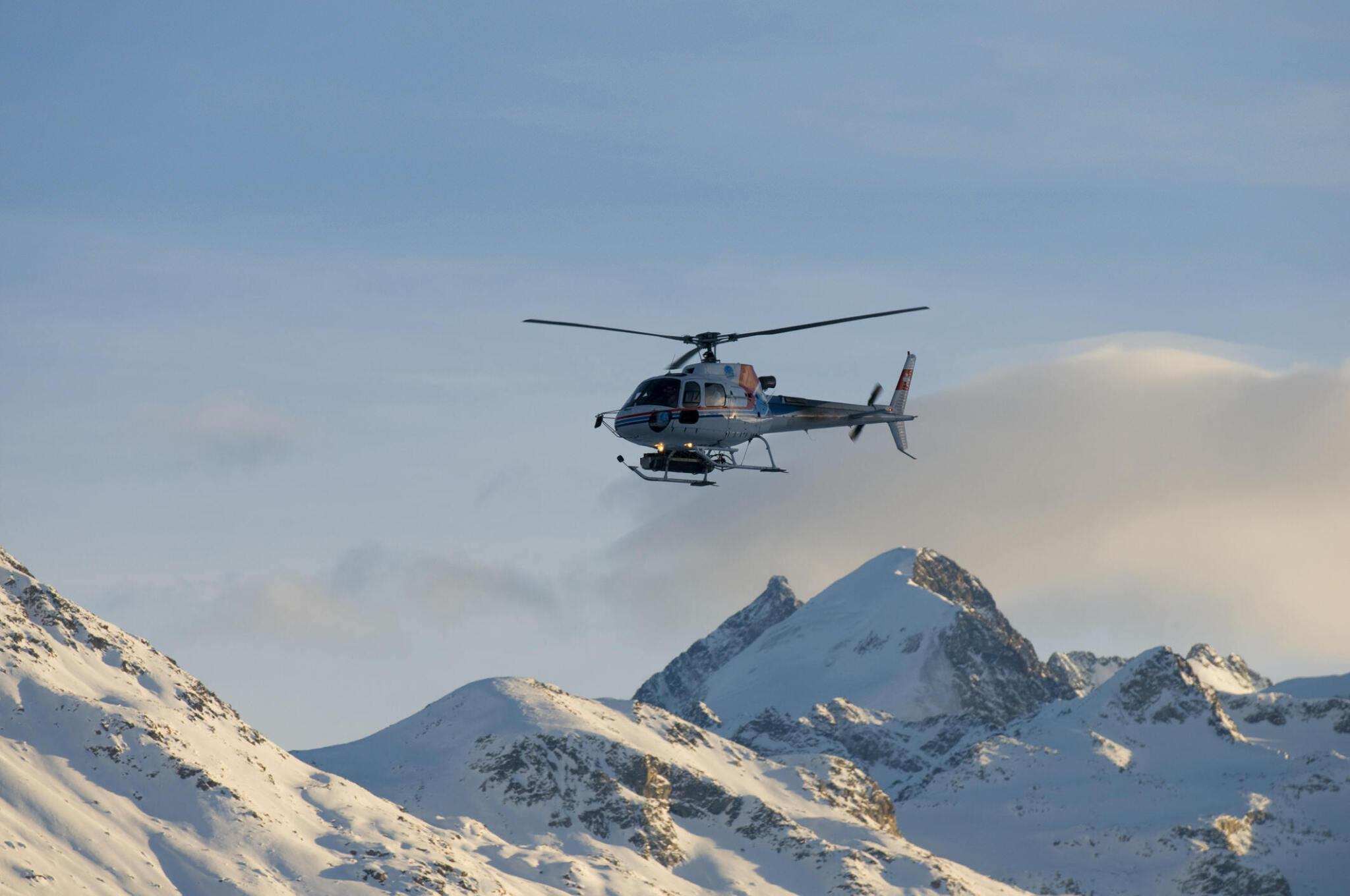
Start early in the morning for a hike to Kala Patthar, one of the most famous viewpoints in the Everest region. Enjoy the spectacular sunrise over Mount Everest, Nuptse, Pumori and the surrounding Himalayan peaks. After spending time at the viewpoint, descend to Gorak Shep for breakfast. Continue with the planned shared helicopter transfer to Lukla, offering an aerial perspective of the dramatic Himalayan landscape. The helicopter transfer is subject to weather, flight permissions and operational conditions.
Walking Duration: Approximately 2–3 hours for the Kala Patthar hike.
Overnight: Teahouse or hotel in Lukla.
After breakfast, transfer to Lukla Airport for your return flight to Kathmandu. Depending on weather and flight operations, the flight may operate directly to Kathmandu or via Manthali Airport. Upon arrival, transfer to your hotel by private vehicle. Spend the remaining day relaxing, shopping for souvenirs or exploring the cultural attractions of Kathmandu.
Overnight: Hotel in Kathmandu.
Enjoy breakfast at your hotel, depending on your departure schedule. Our representative will arrange your private transfer to Tribhuvan International Airport for your onward flight. Take home wonderful memories of the Everest Base Camp Trek and your experience in the Himalayas.
Trip Ends: Kathmandu, Nepal.
Video
Map
Everest Base Camp Trek – Packing List
Proper preparation is essential for the Everest Base Camp Trek, especially when trekking above 5,000 metres. Pack comfortable clothing, suitable trekking equipment and personal essentials to stay warm, safe and comfortable throughout the journey.
1. Clothing
-
Moisture-wicking trekking T-shirts (3–4)
-
Thermal base layers (2 sets)
-
Fleece jacket or warm mid-layer
-
Down jacket or insulated winter jacket
-
Waterproof and windproof jacket
-
Waterproof trekking trousers
-
Comfortable trekking pants (2–3 pairs)
-
Thermal leggings
-
Warm underwear and sports socks
-
Woollen socks (3–4 pairs)
-
Warm hat or beanie
-
Sun hat or cap
-
Neck gaiter or scarf
-
Warm gloves and waterproof outer gloves
2. Footwear
-
Comfortable, waterproof trekking boots
-
Lightweight shoes or sandals for teahouses
-
Comfortable camp shoes
-
Trekking socks
-
Gaiters (optional)
-
Microspikes (season and trail-condition dependent)
3. Trekking Equipment
-
40–50 litre trekking backpack
-
Duffel bag for porter-carried luggage
-
Backpack rain cover
-
Trekking poles
-
Sleeping bag suitable for approximately -15°C to -20°C
-
Headlamp with extra batteries
-
Water bottle or hydration bladder
-
Insulated water bottle
-
Quick-dry towel
-
Dry bags or waterproof packing bags
4. Personal Essentials
-
Passport and required travel documents
-
Passport-size photographs
-
Travel insurance documents
-
Trekking permits (if not arranged by the company)
-
Cash in Nepalese rupees
-
Sunglasses with UV protection
-
Sunscreen (SPF 50+)
-
Lip balm with SPF
-
Personal toiletries
-
Toothbrush and toothpaste
-
Hand sanitiser
-
Wet wipes and tissues
-
Quick-dry personal towel
5. Health and First Aid
-
Personal prescription medicines
-
Basic first-aid kit
-
Blister plasters and bandages
-
Pain relief medication
-
Antiseptic cream
-
Oral rehydration salts
-
Personal hygiene supplies
-
Altitude sickness medication (only after medical consultation)
-
Insect repellent
6. Electronics and Accessories
-
Mobile phone
-
Camera and spare batteries
-
Power bank
-
Charging cables
-
Universal travel adapter
-
Headphones
-
Portable solar charger (optional)
7. Snacks and Energy Foods
-
Energy bars
-
Chocolates
-
Dry fruits and nuts
-
Electrolyte supplements
-
Instant energy snacks
8. Optional Items
-
Lightweight binoculars
-
Book or Kindle
-
Playing cards
-
Travel pillow
-
Notebook and pen
-
Extra lightweight daypack
-
Reusable shopping bag
Important Packing Recommendations
| Item | Recommendation |
|---|---|
| Backpack | 30–40 litres for daily essentials |
| Duffel bag | 60–80 litres for trekking luggage |
| Sleeping bag | Rated around -15°C to -20°C |
| Trekking boots | Waterproof and well broken-in |
| Water bottle | 1–2 litres capacity |
| Sunglasses | UV400 protection |
| Sunscreen | SPF 50+ |
| Power bank | 10,000–20,000 mAh |
Note: Pack light and prioritize warm, layered clothing. Weather conditions in the Everest region can change quickly. Confirm porter baggage limits and any equipment provided by Guru Treks before departure.
Reviews
No reviews found.