
Tsho Rolpa Lake Trek 9 Days | Rolwaling Valley Adventure
Destination:
Tsho Rolpa Lake, Rolwaling Valley, Nepal
Trip Duration:
9 Days / 8 Nights
Max Altitude:
4,580m – Tsho Rolpa Lake
Activities:
Trekking, sightseeing, cultural exploration, Himalayan scenery, village walks
Start Point:
Kathmandu
Ending Point:
Kathmandu
Region:
Rolwaling Valley, Dolakha, Bagmati Province
Trip Grade:
Moderate to Challenging
Group Size:
1–15 people
Accomodation:
3-star hotel in Kathmandu and local teahouses/lodges during the trek
Meals:
Breakfast in Kathmandu; breakfast, lunch and dinner during the trek
Transportation:
Private vehicle or local bus/jeep
Permits Required:
Gaurishankar Conservation Area Permit (GCAP), TIMS Card
Best Season:
Spring (March–May) and Autumn (September–November)
The Tsho Rolpa Lake Trek is an unforgettable journey into the remote Himalayan wilderness of Nepal, offering a combination of dramatic mountain landscapes, traditional Himalayan culture, peaceful valleys, and a remarkable high-altitude glacial environment. Located in the Rolwaling region of Dolakha, Tsho Rolpa is surrounded by rugged mountain terrain and impressive Himalayan scenery, making the journey an excellent choice for travelers looking for an adventurous alternative to Nepal’s more established trekking destinations. The Tsho Rolpa Lake Trek 9 Days experience takes you away from busy tourist centers and into an environment where nature and traditional mountain life remain closely connected.
What makes this adventure special is the gradual transformation of the landscape. The journey begins in the culturally rich Kathmandu Valley before moving toward the mountainous Tama Koshi corridor and eventually entering the secluded Rolwaling Valley. As you gain elevation, the surroundings change from green hills, forests, rivers, and settlements to increasingly rugged terrain and alpine landscapes. This progression allows you to experience the diversity of Nepal’s Himalayan environment rather than simply traveling to one viewpoint and returning.
Discover the Remote Rolwaling Valley
The Rolwaling Valley is one of Nepal’s fascinating mountain regions, particularly for travelers who want to experience a quieter side of the Himalayas. The valley lies between dramatic mountain ranges and has historically remained relatively isolated because of its difficult geography. This isolation has helped preserve its distinctive cultural character and natural environment.
A major attraction of the Tsho Rolpa Lake Trek is the opportunity to experience this remoteness at walking pace. Instead of viewing the mountains from a vehicle, trekkers gradually move through forests, river valleys, traditional settlements, and increasingly exposed Himalayan terrain. The changing scenery creates a genuine sense of exploration throughout the journey.
The valley is also visually diverse. Lower sections contain forests and vegetation, while higher areas become more open and rocky. Mountain streams and the Rolwaling River provide a constant natural presence along parts of the route. Waterfalls appear along steep slopes, while distant Himalayan peaks gradually become more prominent as you progress deeper into the region.
This combination of wilderness and cultural landscape makes the Tsho Rolpa Lake Trek Itinerary particularly rewarding for travelers who want more than a conventional sightseeing experience. The destination is important, but the landscapes and communities encountered along the way are equally memorable.
Experience Authentic Himalayan Communities
The cultural experience is an important part of trekking through the Rolwaling region. The communities living in the valley have developed a lifestyle adapted to challenging Himalayan conditions, with traditions and practices influenced by the mountains, climate, and local Buddhist heritage.
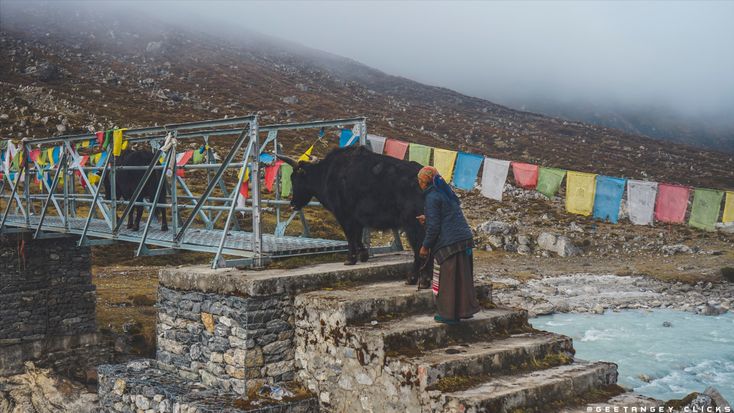
As you travel through the settlements, you can observe traditional homes, local agricultural practices, livestock, prayer flags, mani walls, and other elements of everyday Himalayan life. These experiences provide a more authentic understanding of the region than a short cultural visit in a major city.
Beding and other settlements in the valley are particularly significant because they provide an opportunity to see how communities have adapted to life at higher elevations. The villages are surrounded by dramatic mountains and reflect the close relationship between local people and their environment.
Religion and spirituality are also closely connected with daily life. Buddhist traditions have influenced the architecture, customs, and community identity of many Himalayan settlements. Monasteries, prayer flags, and religious symbols contribute to the peaceful atmosphere encountered along the journey.
Travelers should approach these cultural encounters respectfully. Asking permission before photographing people or religious activities, respecting local customs, and keeping noise to a minimum around spiritual sites are simple ways to practice responsible tourism.
Experience the Changing Himalayan Landscape
One of the most impressive aspects of the 9 Days Tsho Rolpa Lake Trek is the continuous change in scenery. The lower parts of the journey feel relatively green and settled, while the upper valley becomes increasingly rugged and exposed.
Forests provide a refreshing environment during the lower and middle portions of the journey. The sound of flowing water and birds creates a peaceful contrast to the more demanding sections at higher elevation. As the trail continues upward, vegetation becomes less abundant and the surrounding mountains become increasingly dominant.
This transition is particularly interesting for nature lovers and photographers. Different elevations provide different perspectives of the Himalayan environment, while changing weather and sunlight can dramatically alter the appearance of the mountains.
The valley also demonstrates the powerful forces that have shaped the Himalayas. Rivers, glaciers, erosion, and seasonal weather have contributed to the dramatic terrain visible throughout the region. The journey toward Tsho Rolpa therefore provides more than beautiful scenery; it offers an opportunity to observe the relationship between water, ice, mountains, and human settlement.
Reaching the High-Altitude Glacial Environment
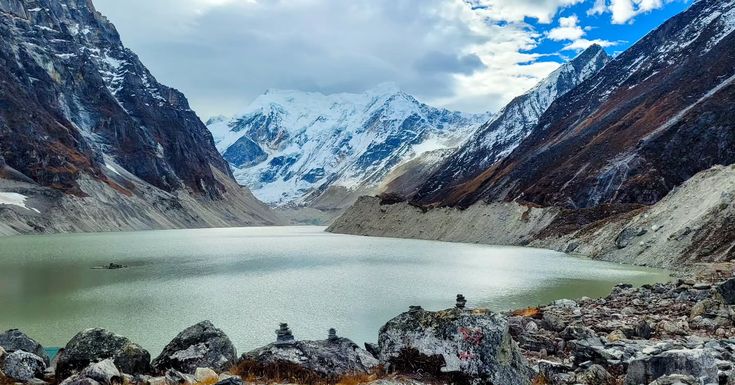
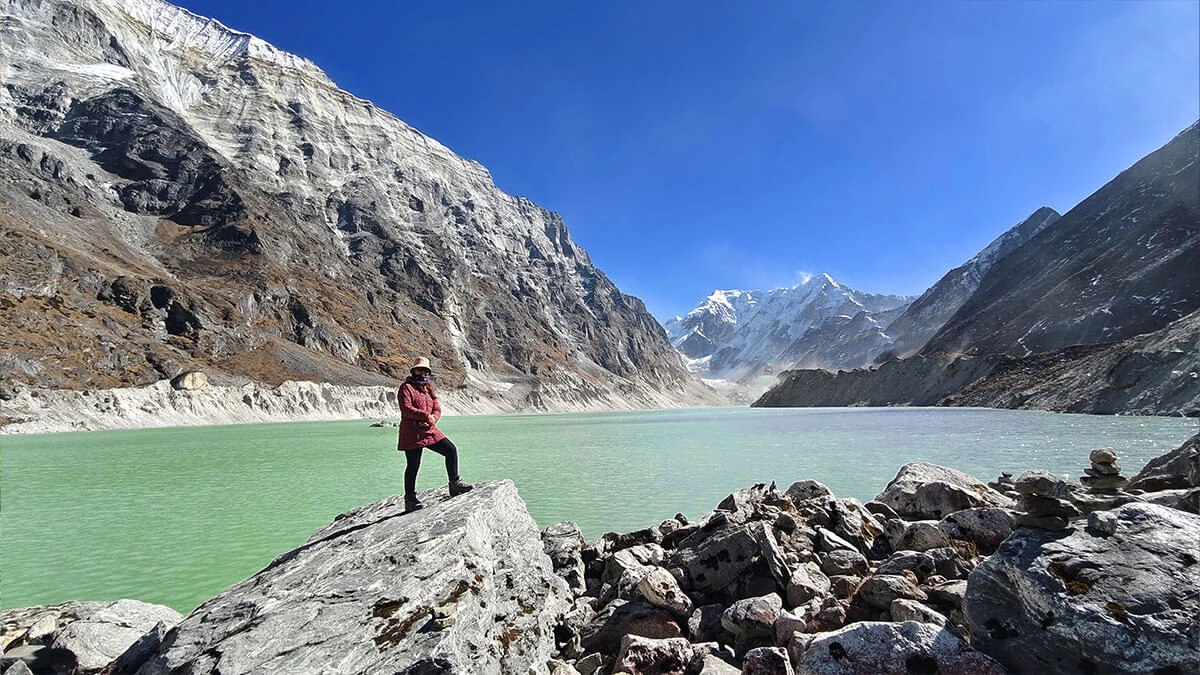
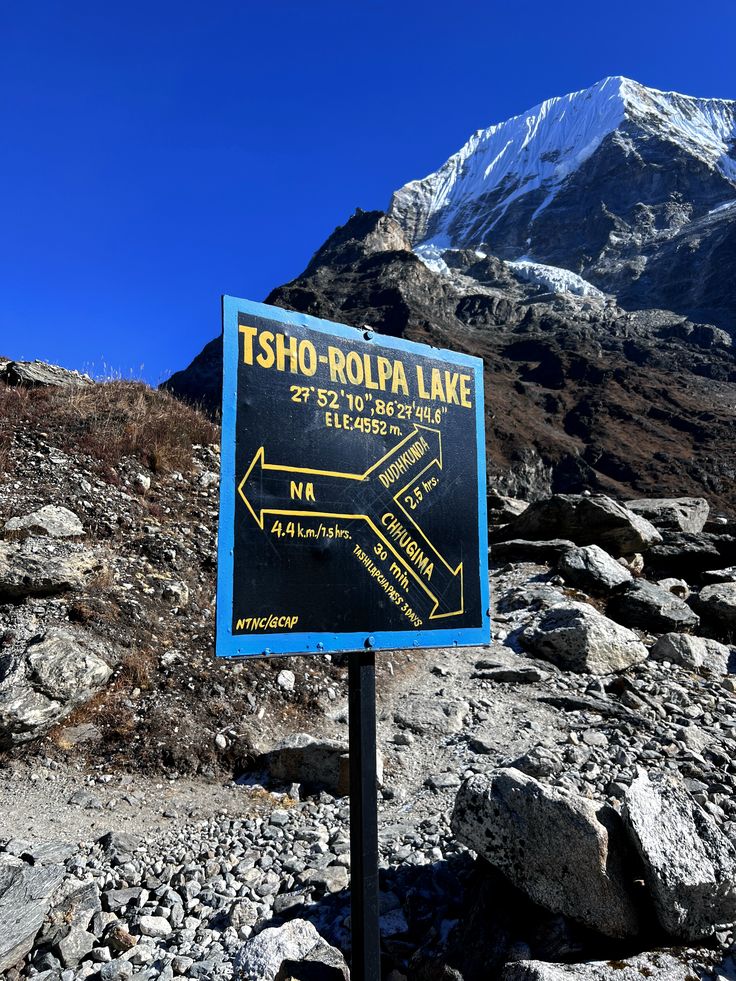
The ultimate attraction of the journey is the high-altitude environment surrounding Tsho Rolpa Lake. Located at approximately 4,580 meters, the lake sits within a dramatic landscape of rugged mountains and glacial terrain.
Reaching this elevation creates a completely different atmosphere from the lower valley. The air is noticeably thinner, vegetation is limited, and the landscape becomes more exposed. The surrounding mountains appear larger and more imposing, while the sense of isolation becomes particularly strong.
The lake itself provides a memorable focal point for the adventure. Its position within the Rolwaling landscape demonstrates the influence of glaciers and high-altitude water systems on the Himalayan environment. Weather conditions can change quickly in this region, meaning the appearance of the lake and surrounding mountains may vary throughout the day.
For photographers, the high-altitude landscape offers opportunities to capture dramatic Himalayan scenery. For other trekkers, simply spending time in such a remote environment can be the most rewarding part of the experience.
Understanding the Trekking Challenge
Anyone considering the Tsho Rolpa Lake Trek should understand that this is an adventure requiring physical preparation and appropriate altitude awareness. The route involves extended periods of walking over uneven mountain terrain, along with significant elevation gain.
The challenge is not limited to the distance. Rocky trails, steep sections, changing weather, and thinner air at higher elevations can make walking considerably more demanding than ordinary hiking at lower altitudes. Maintaining a comfortable pace and allowing adequate time for rest are therefore important.
The Tsho Rolpa Lake Trek difficulty and altitude should be considered when preparing for the journey. Previous hiking or trekking experience can be beneficial, but proper physical preparation is equally valuable. Regular walking, cardiovascular training, stair climbing, and hill hiking before departure can help build endurance.
Mental preparation also matters. High-altitude trekking is not a race, and maintaining a steady rhythm is generally more useful than trying to walk quickly. Being patient and paying attention to how your body responds to altitude can make the experience safer and more enjoyable.
A Different Kind of Nepal Adventure
The appeal of this adventure comes from its combination of wilderness, culture, and exploration. Nepal is internationally famous for destinations such as Everest and Annapurna, but the country contains many other remarkable Himalayan landscapes that receive far fewer visitors.
The Tsho Rolpa Lake Trek 9 Days route provides an opportunity to explore one of these less-traveled regions while still following a manageable trekking schedule. The relative lack of crowds can make the experience feel more personal and peaceful.
For travelers who enjoy photography, the journey provides a variety of subjects, from traditional mountain architecture and local life to forests, rivers, waterfalls, rugged cliffs, and high-altitude landscapes. Nature enthusiasts can appreciate the changing ecosystems, while adventure seekers can enjoy the physical challenge of reaching a remote Himalayan destination.
The journey can also appeal to experienced trekkers searching for something different from Nepal’s most commercialized routes. The combination of cultural authenticity and wilderness makes the region especially attractive to those who prefer exploration over crowded trekking trails.
Responsible Travel in the Himalayas
Responsible tourism is particularly important in remote mountain destinations. The environment around the Rolwaling Valley is sensitive, while local communities depend on limited resources and infrastructure.
Travelers can contribute positively by respecting local traditions, minimizing waste, avoiding unnecessary damage to the natural environment, and supporting locally operated accommodation and services where possible. Simple actions such as carrying reusable water bottles, properly disposing of waste, staying on established trails, and respecting wildlife can help reduce the impact of tourism.
Cultural responsibility is equally important. Local traditions and religious practices should be treated with respect, and interactions with residents should be friendly and considerate. Responsible travel helps ensure that the natural and cultural character of the valley remains protected for future visitors.
Who Should Choose This Trek?
The Tsho Rolpa Lake Trek is a strong choice for travelers who want to experience a remote Himalayan environment without committing to an extremely long expedition. It is particularly appealing to adventure travelers, nature lovers, photographers, experienced hikers, and visitors interested in traditional Himalayan communities.
It is also suitable for people who want to experience a different side of Nepal. Rather than focusing only on famous tourist destinations, the journey provides an opportunity to explore a quieter region where the relationship between people and mountains remains particularly visible.
The trek should, however, be approached with realistic expectations. Remote mountain travel can involve changing conditions and basic facilities. Travelers who appreciate simplicity, adventure, nature, and cultural discovery are likely to find the experience especially rewarding.
Start Your Rolwaling Adventure
The Tsho Rolpa Lake Trek offers a rare opportunity to experience the natural beauty and cultural character of the Rolwaling Valley in a single Himalayan adventure. The journey combines remote mountain landscapes, traditional communities, changing ecosystems, and an impressive high-altitude glacial destination.
Rather than simply ticking another destination off a travel list, this journey allows you to experience the Himalayas more intimately. You walk through the landscape, spend time among mountain communities, witness the gradual transition into the alpine environment, and eventually stand beside one of the region’s most remarkable glacial lakes.
For travelers seeking an authentic Himalayan experience away from the busiest trekking routes, the Tsho Rolpa Lake Trek 9 Days adventure provides an excellent opportunity to discover a less-explored part of Nepal.
Trekking Similar to Tsho Rolpa Lake Trek 9 Days
- Annapurna Circuit Trek: 15 Night – 16 Days
- Manaslu Circuit trek-14N/15D
- Everest Base Camp Trek- 12 Days/ 11 Night
Nepal Pilgrimage & Cultural Tours
- Buddhist Pilgrimage Tour 6 Nights / 7 Days
- Kathmandu, Pokhara & Muktinath 7 Nights / 8 Days
- 8 Days Culture, Wildlife & Heritage of Nepal
- Mani Rimdu Festival in Everest Region 11 Nights / 12 Days
- 1-Day Kathmandu UNESCO Heritage Tour with Complimentary Nagarkot Sunrise & Rani Jhula
Book Your Trip Today
Ready to explore the remote beauty of the Rolwaling Valley? Book your Tsho Rolpa Lake Trek today and prepare for an unforgettable Himalayan adventure. Our experienced team can assist you with trek planning, logistics, local support, and the preparations needed for your journey.
Book your trip today and discover Tsho Rolpa Lake, the spectacular Rolwaling Valley, and the authentic Himalayan experience of Nepal.
Frequently Asked Questions About Tsho Rolpa Lake Trek
1. How difficult is the Tsho Rolpa Lake Trek?
The Tsho Rolpa Lake Trek is a moderate to challenging trek involving several hours of walking, uneven mountain trails, steep sections, and significant elevation gain. The highest point is Tsho Rolpa Lake at approximately 4,580 meters. Good physical fitness, proper preparation, and an experienced trekking guide can make the journey more manageable.
2. How many days does the Tsho Rolpa Lake Trek take?
The complete Tsho Rolpa Lake Trek 9 Days itinerary takes nine days from Kathmandu and back to Kathmandu. The itinerary combines the journey to the Rolwaling Valley, trekking through traditional mountain settlements, reaching Tsho Rolpa Lake, and returning to Kathmandu.
3. What is the highest altitude of the Tsho Rolpa Lake Trek?
The highest altitude reached during the trek is approximately 4,580 meters (15,026 feet) at Tsho Rolpa Lake. Since the route reaches a high elevation, trekkers should maintain a steady pace, stay hydrated, take adequate rest, and remain aware of possible altitude-related symptoms.
4. What is the best time for the Tsho Rolpa Lake Trek?
The best seasons for the Tsho Rolpa Lake Trek are spring, from March to May, and autumn, from September to November. These periods generally offer favorable trekking conditions, clearer mountain views, and more stable weather compared with the winter and monsoon seasons.
5. Is the Tsho Rolpa Lake Trek suitable for beginners?
The trek is better suited to trekkers with reasonable fitness and some previous hiking or trekking experience because of its remote location, rugged terrain, and high altitude. However, a physically fit beginner can undertake the trek with proper preparation, a suitable pace, and experienced guide support.
6. Do I need a guide for the Tsho Rolpa Lake Trek?
A guide is strongly recommended for the Tsho Rolpa Lake Trek because the route passes through remote Himalayan terrain. An experienced guide can assist with navigation, accommodation, local communication, altitude awareness, and unexpected situations during the journey.
7. What permits are required for the Tsho Rolpa Lake Trek?
The trek generally requires a Gaurishankar Conservation Area Permit (GCAP) and TIMS Card, subject to current Nepal trekking regulations. Permit requirements can change, so the latest requirements should be confirmed before departure. GuruTreks can assist with the necessary trekking permits.
8. How do I get to Tsho Rolpa Lake from Kathmandu?
The journey begins with a road trip from Kathmandu toward the Dolakha and Rolwaling region. Depending on the travel arrangement and road conditions, transportation can include a local bus, shared vehicle, or private jeep. From the roadhead, the journey continues on foot through the Rolwaling Valley toward Tsho Rolpa Lake.
9. Is altitude sickness a concern on the Tsho Rolpa Lake Trek?
Yes. Altitude sickness can occur because the trek reaches approximately 4,580 meters. Trekkers should ascend gradually, walk at a comfortable pace, stay hydrated, get enough rest, and inform their guide immediately if they experience symptoms such as headache, dizziness, nausea, unusual tiredness, or breathing difficulties.
10. What is included in the Tsho Rolpa Lake Trek 9 Days package?
The package includes the services specified in the itinerary, such as Kathmandu accommodation, trekking accommodation, meals during the trek, an experienced trekking guide, porter support, transportation, required trekking permits, Kathmandu sightseeing where applicable, and other listed services. International airfare, Nepal visa fees, travel insurance, personal expenses, personal trekking equipment, tips, and other items listed under Excludes are not included.
Tsho Rolpa Lake Trek 9 Days | Rolwaling Valley Adventure Highlights
- Reach Tsho Rolpa Lake at 4,580m, one of Nepal’s spectacular high-altitude glacial lakes.
- Explore the remote Rolwaling Valley, surrounded by dramatic Himalayan landscapes and rugged mountain terrain.
- Experience traditional Sherpa culture in authentic mountain villages such as Simigaun, Beding, and Na Gaun.
- Enjoy spectacular views of Gaurishankar and the Rolwaling Himalayan Range throughout the trek.
- Walk through dense forests, waterfalls, rivers, suspension bridges, and alpine landscapes as the scenery changes with altitude.
- Visit Beding, the largest traditional settlement in the Rolwaling Valley, and experience its unique mountain lifestyle.
- Cross the Tama Koshi River and follow remote mountain trails far from Nepal’s busy trekking routes.
- Experience a genuine teahouse trekking adventure with overnight stays in local mountain lodges.
- Combine Kathmandu cultural sightseeing with Himalayan trekking, including visits to major UNESCO World Heritage Sites.
- Complete a challenging 9-day adventure from Kathmandu through the Rolwaling Valley and back.
Tsho Rolpa Lake Trek 9 Days Route Details
Begin your Tsho Rolpa Lake Trek in Kathmandu, where you complete your trek preparation and explore the city’s major cultural and religious landmarks, including Pashupatinath Temple, Boudhanath Stupa, Swayambhunath and Patan Durbar Square. From Kathmandu, travel by road toward the remote Rolwaling region, following the Tama Koshi River through Dolakha and Singati to Gongar Khola. From the roadhead, begin trekking through forested mountain trails to Simigaun and continue deeper into the Rolwaling Valley through Surmuche, Kyalche and Dongang. The trail then enters the higher Himalayan landscape, following the Rolwaling River toward Beding and Na Gaun, where traditional Sherpa settlements and dramatic mountain scenery surround the route. From Na Gaun, make the challenging high-altitude excursion to Tsho Rolpa Lake at 4,580m, the major highlight of the trek, before retracing the trail back to Beding. Continue downhill through the Rolwaling Valley to Gongar Khola, then drive back to Kathmandu for relaxation, shopping and a farewell dinner before your final departure from Nepal.
Route Breakdown
- Kathmandu | Days 1–2: Airport arrival, hotel transfer, Kathmandu sightseeing, visits to UNESCO World Heritage Sites, trek briefing and final preparation for the Rolwaling journey.
- Kathmandu → Gongar Khola → Simigaun | Day 3: Long scenic drive through the Araniko Highway and Tama Koshi corridor, passing Khadichaur, Dolakha and Singati before reaching Gongar Khola. Begin trekking across the suspension bridge and climb through forested terrain to Simigaun (2,019m). Overnight at a local teahouse.
- Simigaun → Dongang | Day 4: Trek deeper into the Rolwaling Valley through dense forests, waterfalls, wooden bridges and suspension bridges. Pass through Surmuche and Kyalche before continuing along the mountain trail to Dongang (2,800m). Overnight at a local teahouse.
- Dongang → Beding → Na Gaun | Day 5: Follow the Rolwaling River through increasingly rugged and high-altitude terrain. Pass traditional settlements and yak-grazing areas before reaching Beding (3,690m), an important Sherpa village in the valley. Continue climbing toward Na Gaun (4,183m) and spend the night at a local teahouse.
- Na Gaun → Tsho Rolpa Lake → Beding | Day 6: Trek toward the main destination through the alpine landscape, gradually climbing to Tsho Rolpa Lake (4,580m). Enjoy the spectacular glacial lake and surrounding Himalayan scenery before retracing the route and descending toward Beding. Overnight at a local teahouse.
- Beding → Gongar Khola | Day 7: Follow the trail downhill through forests, mountain villages and river valleys. Enjoy changing landscapes and views of Gaurishankar while retracing sections of the Rolwaling route. Reach Gongar Khola and celebrate the completion of the main trekking section. Overnight at a local teahouse.
- Gongar Khola → Kathmandu | Day 8: Leave the Rolwaling region by road and travel through Dolakha, Mude, Khadichaur, Dhulikhel and Banepa before reaching Kathmandu. Check into your hotel, relax after the journey, explore Thamel and enjoy a traditional farewell dinner.
- Kathmandu Departure | Day 9: Enjoy your final morning in Kathmandu according to your flight schedule. Our representative will transfer you to Tribhuvan International Airport for your onward journey, marking the end of your 9-day Tsho Rolpa Lake Trek.
Include
- Airport arrival and departure transfers by private vehicle.
- 3-star hotel accommodation in Kathmandu on a twin-sharing basis.
- Local teahouse/lodge accommodation throughout the trekking route.
- Breakfast in Kathmandu and breakfast, lunch, and dinner during the trek.
- Experienced, English-speaking trekking guide.
- Required trekking support staff and their meals, accommodation, and insurance.
- Porter service with appropriate baggage allowance.
- Kathmandu guided sightseeing tour with private transportation.
- Kathmandu sightseeing entrance fees for the listed attractions.
- Ground transportation between Kathmandu and Gongar Khola by local bus or shared/private vehicle, according to the selected option.
- Gaurishankar Conservation Area Permit (GCAP).
- TIMS Card, where applicable under the current trekking regulations.
- Trekking equipment such as sleeping bags and down jackets, if required and provided by the agency.
- Trekking guide's first-aid kit and basic safety equipment.
- Farewell dinner in Kathmandu.
- Government taxes and official service charges.
Exclude
- International airfare to and from Nepal.
- Nepal entry visa fee.
- Travel and trekking insurance, including emergency helicopter evacuation.
- Personal expenses such as laundry, telephone calls, internet, charging, and bottled drinks.
- Alcoholic beverages and other personal beverages.
- Snacks, chocolates, energy bars, and other personal food items.
- Hot showers and other optional services at mountain teahouses.
- Personal trekking equipment and clothing.
- Tips and gratuities for guides, porters, and drivers.
- Additional hotel accommodation or meals caused by early arrival, late departure, or itinerary changes.
- Costs arising from flight cancellations, delays, landslides, road blockages, bad weather, natural disasters, or other circumstances beyond the agency's control.
- Any services, activities, or expenses not specifically mentioned under Trip Includes.
Tsho Rolpa Lake Trek 9 Days | Rolwaling Valley Adventure Itinerary
Upon your arrival at Tribhuvan International Airport in Kathmandu, a representative from our team will meet you outside the terminal and transfer you to your hotel. After completing the airport formalities, you can settle into your room and take some time to recover from your journey. Depending on your arrival time, you may explore Thamel at your own pace, visit nearby shops and cafés, or simply relax at the hotel. In the evening, you will meet your trekking team for a brief introduction and receive information about the upcoming Tsho Rolpa Lake Trek. Accommodation: 3-star hotel in Kathmandu.
After breakfast, you will spend the day exploring Kathmandu’s cultural and historical attractions with a private guide. The sightseeing program generally covers Pashupatinath Temple, Boudhanath Stupa, Patan Durbar Square, and Swayambhunath, also known as the Monkey Temple. After the tour, you will return to the hotel for some rest before meeting your trekking guide for a detailed trek briefing. Your guide will explain the walking route, altitude changes, meals, accommodation, weather conditions, and safety precautions. Your trekking equipment will also be checked so that any missing or unsuitable items can be arranged before departure. Trek Duration: No trekking; approximately 6–7 hours of sightseeing. Accommodation: 3-star hotel in Kathmandu.
You will leave Kathmandu early in the morning for the long drive toward the Rolwaling Valley. The journey follows the Araniko Highway and gradually enters the mountainous landscape along the Tama Koshi River. You pass through Khadichaur, Dolakha, Singati, and the Upper Tama Koshi area before reaching Gongar Khola. Depending on road and traffic conditions, the drive can take most of the day. After reaching Gongar Khola, you begin your first trek of the journey by crossing a suspension bridge and following the uphill trail toward Simigaun. The trail passes through forested hills and traditional mountain settlements, providing your first real experience of walking in the Rolwaling region. After reaching Simigaun, you check into a local teahouse and enjoy dinner before resting for the night. Drive Duration: Approximately 7–9 hours. Trek Duration: Approximately 2–3 hours. Accommodation: Local teahouse/lodge in Simigaun.
After breakfast, you begin trekking deeper into the Rolwaling Valley. The trail climbs and descends through dense forests, following the river and passing waterfalls, wooden bridges, and suspension bridges along the way. You gradually leave the more populated lower valley behind as the surroundings become quieter and more remote. The route takes you through Surmuche and toward Kyalche, where a few simple teahouses can be found. From Kyalche, you continue for another section of the trail before reaching Dongang. The day’s walking is steady, with several uphill and downhill sections, so maintaining a comfortable pace is important. After arriving at Dongang, you check into a basic mountain teahouse and have dinner while enjoying the peaceful atmosphere of the valley. Trek Duration: Approximately 5–6 hours. Accommodation: Local teahouse/lodge in Dongang.
Today you continue farther into the classic Rolwaling Valley, following the rocky trail alongside the Rolwaling River. As you gain altitude, the forests gradually become thinner and the landscape begins to look more alpine. Along the trail, you may encounter yak herders and local villagers while passing traditional settlements that reflect the Sherpa culture of the region. You first reach Beding, one of the largest settlements in the Rolwaling Valley, where you can take a short break and observe the surrounding Himalayan scenery. From Beding, the trail continues toward Na Gaun, becoming increasingly rugged as the altitude rises. On arrival at Na Gaun, you check into a simple local teahouse. Your guide will encourage you to rest, drink plenty of water, and avoid unnecessary exertion because you are now above 4,000 meters. Trek Duration: Approximately 6–7 hours. Accommodation: Local teahouse/lodge in Na Gaun.
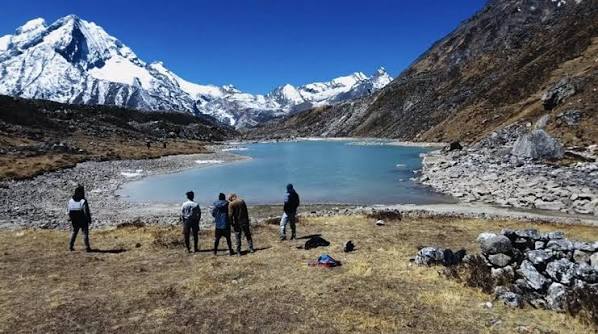
Today is the main highlight of the trek as you make your way to Tsho Rolpa Lake. After an early breakfast, you start walking through the high-altitude landscape, where vegetation becomes increasingly sparse and the surrounding mountains dominate the scenery. The trail gradually climbs toward the lake, and the effects of altitude become more noticeable, so your guide will maintain a steady pace with regular short breaks. After several hours of walking, you reach Tsho Rolpa Lake at approximately 4,580 meters. You will have time to admire the glacial lake, photograph the dramatic mountain surroundings, and enjoy the peaceful atmosphere before beginning the return journey. Rather than rushing back, you retrace the trail carefully toward Na Gaun and continue downhill to Beding. Once back at the village, you can relax, have a warm meal, and recover from the day’s demanding high-altitude walk. Trek Duration: Approximately 7–8 hours round trip. Accommodation: Local teahouse/lodge in Beding.
After breakfast, you begin the long descent from Beding toward Gongar Khola. Since you are returning to lower elevations, the air gradually becomes warmer and the vegetation becomes greener as you descend. Much of the trail follows the route you used earlier in the trek, allowing you to recognize familiar villages, forests, bridges, waterfalls, and sections of the Rolwaling River. You will also have opportunities to enjoy views of Gaurishankar and the surrounding mountains from different perspectives. Although the route is mainly downhill, the distance makes it a physically demanding day, so you should maintain a comfortable pace and take breaks when necessary. By late afternoon, you reach Gongar Khola, where you can relax after completing the trekking portion of your journey. Trek Duration: Approximately 7–8 hours. Accommodation: Local teahouse/lodge in Gongar Khola.
After breakfast, you leave Gongar Khola and begin the drive back to Kathmandu. The road follows the Tama Koshi corridor and passes through Dolakha, Mude, Khadichaur, Dhulikhel, and Banepa before entering Kathmandu Valley. The journey can be long and the road conditions may vary, but the changing scenery makes the drive interesting as you gradually move from the remote Himalayan foothills back toward the busy Kathmandu Valley. After arriving in Kathmandu, you will be transferred to your hotel and have time to shower, rest, and recover after the trek. Later, you can explore Thamel for souvenirs, handicrafts, trekking equipment, or gifts. In the evening, our team can arrange a farewell dinner at a traditional Nepali restaurant to celebrate the successful completion of your Tsho Rolpa adventure. Drive Duration: Approximately 7–9 hours. Accommodation: 3-star hotel in Kathmandu.
Your Tsho Rolpa Lake Trek officially concludes today. Depending on your flight schedule, you can enjoy breakfast at the hotel and spend your remaining free time relaxing or doing some last-minute shopping in Kathmandu. At the appropriate time, our representative will pick you up from the hotel and transfer you to Tribhuvan International Airport for your onward flight. We recommend allowing sufficient time for the airport transfer because Kathmandu traffic can be unpredictable. If you have additional days available, our team can also help arrange another tour, cultural experience, or adventure activity in Nepal. Accommodation: Not included unless an additional night is required.
Video
Tsho Rolpa Lake Trek Packing List
Reviews
No reviews found.