

Tharpu Chuli Peak Climbing – 16 Days | Tent Peak Nepal
Destination:
Tharpu Chuli (Tent Peak), Annapurna Sanctuary, Nepal
Trip Duration:
16 Days
Max Altitude:
5,663 m / 18,579 ft
Activities:
Trekking, Peak Climbing, Glacier & Snow Walking, Mountaineering
Start Point:
Kathmandu
Ending Point:
Kathmandu
Region:
Annapurna Region, Gandaki Province
Trip Grade:
Moderate to Challenging / Technical Peak Climbing
Group Size:
2–12 people
Accomodation:
Hotels in Kathmandu & Pokhara; teahouses/lodges during trekking; tented camping at climbing camps
Meals:
Breakfast in Kathmandu/Pokhara; breakfast, lunch & dinner during trekking and climbing
Transportation:
Private/tourist vehicle: Kathmandu–Pokhara–Kathmandu; road transport to/from trekking trailheads
Permits Required:
Nepal entry visa, Annapurna Conservation Area Permit (ACAP), TIMS card, and Tharpu Chuli climbing permit
Best Season:
Spring (March–May) and Autumn (September–November)
Tharpu Chuli Peak Climbing
Tharpu Chuli Peak Climbing is an immersive Himalayan mountaineering journey that brings together the natural grandeur of the Annapurna region and the challenge of reaching one of Nepal’s notable trekking peaks. Also known as Tent Peak, Tharpu Chuli rises above the dramatic landscapes of the Annapurna Sanctuary and provides an opportunity to progress from high-altitude trekking into a genuine Himalayan climbing experience. The journey is designed for adventurous travelers who want more than a conventional trek and are interested in experiencing the changing character of the mountains from deep valleys and forests to the exposed alpine environment surrounding the summit.
What makes Tent Peak Climbing Nepal particularly distinctive is the way the mountain experience develops gradually. Rather than beginning immediately with technical climbing, the journey allows participants to spend time moving through the Annapurna landscape and adapting to progressively higher elevations before reaching the climbing environment. This progression creates a natural transition between trekking and mountaineering while allowing travelers to experience the cultural and environmental diversity of the region along the way.
A Himalayan Experience Beyond Conventional Trekking
The Annapurna landscape is known for its extraordinary geographical contrasts. Within a relatively compact Himalayan region, travelers encounter subtropical vegetation, terraced hillsides, dense forests, steep mountain valleys and high alpine surroundings. Tharpu Chuli Climbing places the mountain itself within this remarkable setting, making the overall experience much broader than a summit objective alone.
The approach toward Tent Peak offers an opportunity to experience the Annapurna Sanctuary as a living mountain environment rather than simply passing through it. The atmosphere changes as the journey moves farther from settled areas. Forests become thinner, mountain walls become more imposing, and the landscape increasingly reflects the influence of altitude and snow. This gradual transformation gives the climb a strong sense of progression and makes the summit experience part of a much larger Himalayan adventure.
From Annapurna Sanctuary to Tent Peak
One of the defining aspects of the Tent Peak Climbing experience is its connection with the Annapurna Sanctuary. The sanctuary forms a naturally enclosed mountain amphitheater surrounded by some of the most recognizable peaks of the Annapurna Himalaya. Its dramatic setting provides a powerful backdrop for the later stages of the climbing journey.
The transition toward Tharpu Chuli introduces a different character to the adventure. The environment becomes more remote and alpine, and the focus shifts from long-distance trekking toward preparation for a summit attempt. This is where the experience begins to feel distinctly like Nepal peak climbing, requiring greater awareness of terrain, weather, movement and personal energy management.
For travelers coming from a trekking background, this progression provides an introduction to the discipline required in higher mountain environments. The emphasis is not simply on reaching the top, but on understanding how to move responsibly through changing terrain and follow appropriate climbing practices under professional guidance.
The Character of Tharpu Chuli
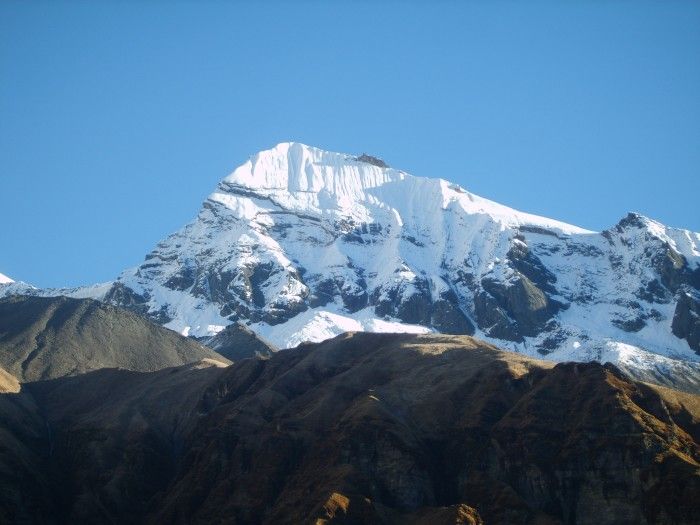
Tharpu Chuli, commonly referred to as Tent Peak, is an attractive objective for climbers seeking a Himalayan peak that combines trekking access with a more serious mountain challenge. Its position within the Annapurna region provides extensive views and a dramatic setting, while its summit section introduces the specialized nature of high-altitude climbing.
A Tharpu Chuli Peak Climbing adventure requires more commitment than an ordinary trekking itinerary because the objective involves operating in a high-altitude mountain environment. Conditions can change quickly, and the physical demands increase as the elevation rises. The experience therefore rewards preparation, patience and careful decision-making.
The summit is not simply a destination for photographs. It represents the culmination of the journey’s physical and mental progression. Reaching the top requires maintaining concentration, managing effort and responding appropriately to the mountain conditions encountered during the ascent.
A Transition Into Himalayan Mountaineering
For adventurous travelers interested in developing their mountaineering experience, Tharpu Chuli Peak Climbing Nepal can provide an important introduction to the realities of climbing a Himalayan peak. The journey brings together trekking skills and mountain-climbing practices within one continuous experience.
Participants become immersed in the rhythm of Himalayan travel: walking at a controlled pace, adapting to environmental changes, conserving energy and understanding that mountain objectives require flexibility. The experience also demonstrates why preparation and responsible mountain practices are essential when operating at higher elevations.
The climbing component adds another dimension to the journey. Instead of simply following a conventional trekking trail, climbers must become increasingly attentive to terrain and the conditions underfoot. The mountain environment demands a different level of awareness, particularly as the route approaches the summit zone.
Mountain Scenery and Sense of Place
The visual experience is another major element of Tent Peak Expedition adventures. The Annapurna region provides an exceptional combination of massive Himalayan peaks, deep valleys, dramatic ridgelines and changing vegetation. The surrounding scenery continually evolves throughout the journey, creating a strong sense of movement through different Himalayan environments.
The relationship between the climber and the landscape becomes especially apparent at higher elevations. The scale of the mountains becomes more difficult to comprehend as the surrounding terrain opens into vast alpine spaces. From this perspective, Tharpu Chuli is not an isolated mountain objective but part of a much larger Himalayan landscape.
The journey also offers a chance to experience the quieter side of mountain travel. Away from major urban centers, daily life becomes closely connected to the terrain, weather and traditional mountain routes. This creates opportunities to observe the distinctive atmosphere of the Annapurna region while maintaining the primary focus on the climbing adventure.
More Than Reaching the Summit
The significance of Tharpu Chuli Peak Climbing lies in the complete experience rather than a single moment at the summit. The approach, the gradual adaptation to altitude, the changing environment and the preparation for the climb all contribute to the final objective.
A successful summit attempt can provide a strong sense of personal achievement because it represents the culmination of sustained effort over many days. At the same time, the mountain encourages humility. Weather, snow conditions, physical response and other environmental factors can influence the outcome of a climbing attempt, making flexibility an important part of responsible mountaineering.
This balance between ambition and respect for the mountain is central to the Himalayan climbing experience. The objective is to pursue the summit while recognizing that safety and sound judgment remain essential throughout the journey.
Who Can Consider Tent Peak Climbing?
Tent Peak Climbing Nepal is particularly suited to adventurous travelers who want to move beyond standard trekking and experience a more demanding Himalayan objective. Previous experience with high-altitude trekking can be valuable because the journey requires sustained physical effort and adaptation to changing mountain conditions.
Travelers should approach the climb with realistic expectations. A trekking peak should not be interpreted as an ordinary hiking destination. The mountain environment can be physically demanding, and the summit section requires appropriate preparation and professional guidance.
The experience can also appeal to photographers, mountain enthusiasts and travelers interested in exploring the Annapurna region from a different perspective. The combination of cultural landscapes, dramatic Himalayan scenery and mountaineering makes the journey substantially different from a conventional sightseeing or trekking holiday.
Why Choose the Tharpu Chuli Experience?
The appeal of Tharpu Chuli Climbing comes from its combination of accessibility, adventure and Himalayan character. The journey provides a structured progression from the lower mountain environment into the high alpine world while keeping the summit as a clear long-term objective.
Rather than treating the mountain solely as a technical challenge, the journey allows travelers to experience the Annapurna region as a complete destination. The result is an adventure that combines exploration, physical challenge, mountain culture and the pursuit of a Himalayan summit.
For those searching for Tharpu Chuli Peak Climbing, Tent Peak Climbing, or Tent Peak Climbing Nepal, this adventure represents an opportunity to experience the Annapurna Himalaya from both a trekker’s and mountaineer’s perspective. It is a journey where the changing landscape, gradual progression and summit challenge come together to create a memorable Himalayan experience.
Trekking Similar to Tharpu Chuli Peak Climbing
- Annapurna Circuit Trek: 15 Night – 16 Days
- Manaslu Circuit trek-14N/15D
- Everest Base Camp Trek- 12 Days/ 11 Night
Nepal Pilgrimage & Cultural Tours
- Buddhist Pilgrimage Tour 6 Nights / 7 Days
- Kathmandu, Pokhara & Muktinath 7 Nights / 8 Days
- 8 Days Culture, Wildlife & Heritage of Nepal
- Mani Rimdu Festival in Everest Region 11 Nights / 12 Days
- 1-Day Kathmandu UNESCO Heritage Tour with Complimentary Nagarkot Sunrise & Rani Jhula
Tharpu Chuli Peak Climbing – 16 Days | Tent Peak Nepal Highlights
- Summit Tharpu Chuli (Tent Peak) at 5,663 m
- Experience Himalayan peak climbing in the Annapurna region
- Trek through the spectacular Annapurna Sanctuary
- Overnight at Tent Peak Base Camp and High Camp
- Panoramic views of Annapurna I, Annapurna South, Hiunchuli and Machhapuchhre
- Combine Annapurna Base Camp trekking with a technical peak climb
- Experience snow, glacier and high-altitude alpine terrain
- Learn and practice essential mountaineering techniques under climbing-guide supervision
- Walk through rhododendron, bamboo and Himalayan forests
- Experience traditional Gurung villages and mountain culture
- Witness sunrise and sunset over the Annapurna Himalayas
- Scenic road journey between Kathmandu and Pokhara
- Capture dramatic Himalayan landscapes and summit views
- Challenge yourself with a rewarding Himalayan summit experience
- Complete a 16-day Kathmandu–Annapurna Sanctuary–Tent Peak–Kathmandu adventure
Tharpu Chuli Peak Climbing Route – Tent Peak Climbing via Annapurna Sanctuary
The Tharpu Chuli Peak Climbing route combines the spectacular Annapurna Sanctuary Trek with the technical ascent of Tent Peak (Tharpu Chuli) at approximately 5,663 m. The journey begins in Kathmandu and continues by scenic drive to Pokhara before reaching Nayapul, the gateway to the Annapurna trekking trails. From Nayapul, the trail passes through traditional mountain settlements and lush Himalayan forests toward Chhomrong and Sinuwa, followed by Bamboo, Dovan, and Himalaya. The route then enters the dramatic high-altitude landscape of the Annapurna Sanctuary, passing through Machhapuchhre Base Camp and Annapurna Base Camp before turning toward Tharpu Chuli Base Camp. After preparing for the climb, the route ascends to Tent Peak High Camp and continues toward the summit through challenging alpine terrain. After the Tharpu Chuli summit, the descent follows the Annapurna Sanctuary route toward Deurali and Chhomrong before reaching Sauli Bazaar/New Bridge. The journey concludes with a drive to Pokhara and onward to Kathmandu.
Route Map:
Kathmandu → Pokhara → Nayapul → Chhomrong → Sinuwa → Bamboo → Dovan → Himalaya → Machhapuchhre Base Camp → Annapurna Base Camp → Tharpu Chuli Base Camp → Tharpu Chuli High Camp → Tharpu Chuli Summit (5,663 m) → Deurali → Chhomrong → Sauli Bazaar/New Bridge → Pokhara → Kathmandu
Include
- Airport arrival and departure transfers by private vehicle.
- Accommodation in Kathmandu and Pokhara in a standard hotel on a twin-sharing basis.
- Breakfast during hotel stays in Kathmandu and Pokhara.
- Accommodation in teahouses/lodges during the trekking section.
- Full-board meals during the trekking and peak-climbing period, including breakfast, lunch and dinner.
- Experienced, licensed and trained trekking/peak-climbing guide.
- Required number of porters to carry trekking and group equipment.
- Staff accommodation, meals, salary, insurance and necessary field allowances.
- Annapurna Conservation Area Permit (ACAP).
- TIMS card and applicable trekking permits.
- Tharpu Chuli (Tent Peak) climbing permit and applicable government fees.
- Necessary group climbing equipment such as ropes and other shared technical equipment as required by the climbing team.
- Tented accommodation at Tharpu Chuli Base Camp and High Camp where required.
- Kathmandu–Pokhara–Kathmandu transportation by tourist or private vehicle.
- Transportation between the trekking trailhead and Pokhara according to the itinerary.
- Guide and climbing support during the Tharpu Chuli summit attempt.
- Government/local taxes and applicable service charges.
Exclude
- International airfare to and from Nepal.
- Nepal entry visa fee.
- Travel and mountaineering insurance, including helicopter evacuation and emergency rescue coverage.
- Personal climbing and trekking equipment such as mountaineering boots, crampons, ice axe, harness, helmet, down jacket, sleeping bag and trekking poles.
- Personal clothing and other individual trekking gear.
- Lunch and dinner in Kathmandu and Pokhara unless specifically stated in the package.
- Personal beverages, bottled water, alcoholic drinks and soft drinks.
- Personal expenses such as laundry, telephone calls, internet, charging and souvenirs.
- Snacks and additional food or drinks outside the included meals.
- Additional accommodation or transportation caused by early arrival, late departure, flight cancellation or itinerary changes.
- Costs arising from delays, bad weather, natural disasters, political disturbances or other circumstances beyond the company's control.
- Emergency evacuation and rescue costs.
- Tips and gratuities for guides, porters and other support staff.
- Any services, permits, entrance fees or expenses not specifically mentioned under “Trip Includes.”
Tharpu Chuli Peak Climbing – 16 Days | Tent Peak Nepal Itinerary
Arrive in Kathmandu, where you will be welcomed by our representative and transferred to your hotel. After check-in, you can rest and recover from your journey or explore the surrounding area at your own pace. Later, you will receive a briefing about the Tharpu Chuli (Tent Peak) climbing program, including the itinerary, trekking conditions, equipment requirements, safety procedures, and preparations for the climbing section. Your climbing guide will also check your essential mountaineering equipment and help identify any missing items that may need to be arranged in Kathmandu. Overnight at hotel in Kathmandu.
After breakfast, enjoy a half-day sightseeing tour of some of Kathmandu’s important cultural and historical landmarks. Depending on the schedule, you may visit UNESCO World Heritage Sites such as Pashupatinath Temple, Boudhanath Stupa, Swayambhunath (Monkey Temple), or Kathmandu Durbar Square. The sightseeing provides an introduction to Nepal’s rich cultural heritage before heading into the Annapurna region. After the tour, return to the hotel and spend the remainder of the day preparing for the trek and peak-climbing adventure. Make sure your personal belongings and climbing equipment are properly organized. Overnight at hotel in Kathmandu.
After breakfast, begin the scenic drive from Kathmandu to Pokhara. The journey follows the winding Prithvi Highway through Nepal’s changing landscapes, passing rivers, terraced hills, traditional settlements, and countryside. As you approach Pokhara, views of the Himalayan range may become visible in clear weather. Pokhara is a beautiful lakeside city and the main gateway for trekking in the Annapurna region. After arrival, check in at your hotel and have time to rest or explore the lakeside area. You can also use this opportunity to make final preparations for the trekking days ahead. Overnight at hotel in Pokhara.
After breakfast, drive from Pokhara toward Nayapul, the traditional starting point for the Annapurna trekking route. From Nayapul, begin your trekking journey through the foothills of the Annapurna Himalayas. The trail passes through villages, cultivated terraces, forests, and suspension bridges while gradually taking you deeper into the mountain landscape. The route provides an opportunity to experience the rural lifestyle and natural beauty of the region. Continue along the trail toward the overnight settlement according to the day’s trekking conditions. Overnight at a local teahouse or lodge.
Today, the trail continues toward Chhomrong, one of the major settlements on the Annapurna Sanctuary route. The trek involves a mixture of uphill and downhill sections as the path crosses mountain streams and passes through lush forests and terraced hillsides. Chhomrong is situated on a hillside with impressive views of the surrounding mountains, including Annapurna South and Machhapuchhre in clear conditions. From Chhomrong, continue toward Sinuwa through forested trails and stone steps. The increasingly dramatic mountain scenery signals that you are entering the Annapurna Sanctuary. Overnight at a teahouse in Sinuwa.
After breakfast, continue deeper into the Annapurna Sanctuary. The trail passes through dense rhododendron, bamboo, and Himalayan forests, following the Modi Khola valley upstream. You will pass through Bamboo and Dovan, with the trail gradually gaining altitude as the valley becomes narrower and the surrounding cliffs rise dramatically. The environment becomes cooler and the vegetation changes as you move toward higher elevations. Continue trekking through the forested valley until reaching Himalaya, where you will stop for the night. Take time to rest and hydrate because the altitude will continue to increase over the following days. Overnight at a teahouse in Himalaya.
Today’s trek takes you farther into the high Himalayan environment. After leaving Himalaya, follow the Modi Khola valley toward the upper sanctuary, passing through the Hinku Valley and areas of increasingly rugged mountain terrain. The trail gradually leaves the dense forest behind as the landscape becomes more alpine, with rocky slopes, glaciers, and towering Himalayan peaks surrounding the route. Continue toward Machhapuchhre Base Camp (MBC), situated beneath the spectacular Machhapuchhre mountain. The views of Machhapuchhre, Annapurna South, Hiunchuli, and surrounding peaks can be particularly impressive from this area. Overnight at a teahouse or lodge at Machhapuchhre Base Camp.
Rise early to experience the spectacular mountain scenery around the Annapurna Sanctuary. After breakfast, continue trekking toward Annapurna Base Camp (ABC), following the trail through the high alpine basin. As you approach the base camp, the surrounding mountains seem to rise directly from the sanctuary, creating a dramatic 360-degree Himalayan panorama. Annapurna I, Annapurna South, Hiunchuli, Machhapuchhre, and other surrounding peaks dominate the skyline. Spend time exploring the area, taking photographs, and appreciating the mountain environment. Since you are now at a significant altitude, take care to maintain a comfortable pace and stay properly hydrated. Overnight at a teahouse or lodge near Annapurna Base Camp.
Today marks the transition from the Annapurna Sanctuary trek into the technical peak-climbing section. After breakfast, leave the main Annapurna Base Camp area and follow the route toward Tharpu Chuli Base Camp. The trail enters more rugged and remote terrain, with rocky ground, glacial landscapes, and increasingly open views of the surrounding peaks. Your climbing guide will assess the trail and conditions while helping the group maintain a steady pace. Upon reaching Tent Peak Base Camp, establish or settle into the campsite and prepare for the climbing days ahead. Your guide will provide instructions about climbing techniques, rope systems, crampon use, ice-axe handling, and safety procedures as appropriate to the conditions. Overnight at Tent Peak Base Camp.
After breakfast, begin the ascent toward Tharpu Chuli High Camp. Today’s route involves steeper and more demanding terrain as you move higher above the base camp. Depending on current snow and glacier conditions, sections may require the use of crampons, harnesses, ropes, and other mountaineering equipment. Your climbing team will move carefully under the guidance of experienced climbing staff. Upon reaching High Camp, settle into the camp and prepare for the summit attempt. The guide will review the next day’s climbing schedule, weather conditions, equipment, rope procedures, and safety considerations. Eat an early meal and rest as much as possible because the summit attempt will begin very early the following day. Overnight at Tent Peak High Camp.
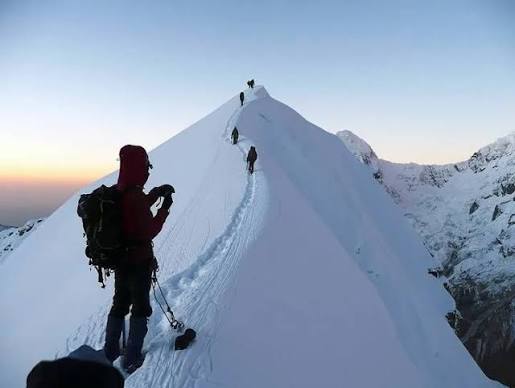
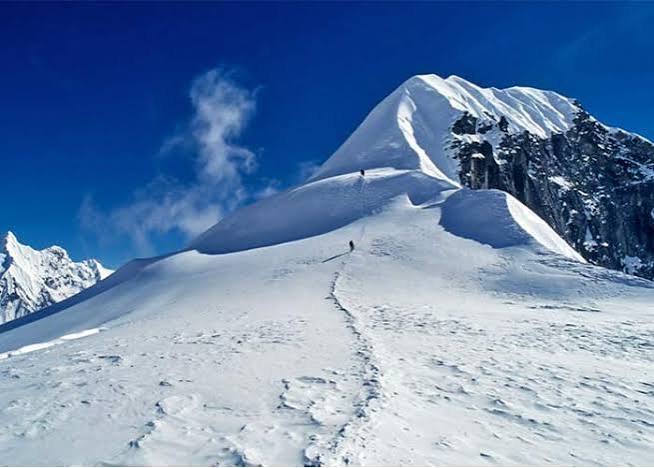
Today is the main objective of the expedition. Begin the summit attempt in the early hours, usually before sunrise, when conditions are generally suitable for climbing and there is sufficient time to complete the ascent and return safely. The climb may involve snow, ice, rocky sections, steep slopes, and exposed ridges depending on the prevailing conditions. Your climbing guide will determine the appropriate route and rope system and will assist the team throughout the ascent. After reaching the summit of Tharpu Chuli, take time to appreciate the spectacular panorama of the Annapurna and Dhaulagiri Himalayan ranges and surrounding peaks, weather permitting. After celebrating the achievement and taking photographs, begin the descent carefully back toward the lower camp. Descending safely is an essential part of the summit day, so maintain concentration and follow the guide’s instructions throughout the return. Overnight at the appropriate camp depending on weather, route conditions, and the team’s progress.
After completing the summit section, begin descending toward Deurali. The descent provides a significant change in environment as you gradually leave the high alpine terrain behind. Follow the trail through rocky landscapes and mountain valleys before reconnecting with the established Annapurna Sanctuary route. As you lose elevation, the air becomes warmer and vegetation gradually becomes more prominent. Take the opportunity to recover after the demanding summit attempt while maintaining a comfortable pace. Upon reaching Deurali, settle into the teahouse and enjoy a well-earned rest. Overnight at a teahouse in Deurali.
Continue descending through the Annapurna Sanctuary toward Chhomrong. The trail passes through forests of rhododendron, bamboo, and other Himalayan vegetation as the altitude decreases. You will retrace sections of the route used during the approach, but the surrounding scenery may look very different on the descent. Continue through Dovan, Bamboo, and toward the lower valleys before reaching the Chhomrong area. Chhomrong is an important village on the Annapurna route and offers impressive views of the surrounding mountains when the weather is clear. After arrival, relax at the teahouse and enjoy the warmer temperatures and comfortable surroundings. Overnight at a teahouse in Chhomrong.
After breakfast, begin the final trekking section of the journey. Descend through the lower hills, passing through forested trails, terraced farmland, and traditional mountain settlements. Continue toward Sauli Bazaar/New Bridge, where you will conclude the trekking portion of the Tharpu Chuli adventure. From there, meet the waiting vehicle and drive back to Pokhara. Upon arrival, check into your hotel and enjoy the comforts of the lakeside city after the demanding trek and peak climb. The evening can be spent relaxing around the lakeside area or simply recovering at the hotel. Overnight at hotel in Pokhara.
After breakfast, begin the scenic drive back to Kathmandu. The route follows the highway through river valleys, terraced hills, villages, and winding mountain roads. Use the journey to relax after completing the Tharpu Chuli climbing adventure. Upon reaching Kathmandu, transfer to your hotel and check in. The remainder of the day is free for rest, shopping for souvenirs, or exploring the city independently. It is also a good opportunity to organize photographs and memories from the journey. Overnight at hotel in Kathmandu.
Your Tharpu Chuli (Tent Peak) climbing adventure concludes today. Depending on your flight schedule, you will be transferred to Tribhuvan International Airport for your onward journey. Our representative will assist you with the airport transfer and departure arrangements. Take with you the memories of trekking through the Annapurna Sanctuary, reaching the high camps, and attempting the summit of Tharpu Chuli. We hope your Himalayan adventure has been rewarding and memorable and look forward to welcoming you again for another adventure in Nepal.
Video
Tharpu Chuli (Tent Peak) Climbing – Packing List
For a 5,663 m peak-climbing itinerary, the packing list should cover both the lower-altitude Annapurna Sanctuary trek and the technical snow and ice climbing section.
Clothing & Personal Gear
- Waterproof trekking jacket
- Waterproof trekking trousers
- Down jacket
- Fleece jacket or warm mid-layer
- Thermal base-layer top and bottom
- Trekking shirts and T-shirts
- Trekking trousers
- Lightweight hiking shorts
- Warm insulated trousers
- Wool or fleece hat
- Sun hat or cap
- Neck gaiter or buff
- Lightweight and warm gloves
- Waterproof shell gloves
- Several pairs of trekking socks
- Warm woolen socks
- Underwear
- Comfortable camp clothes
Trekking Equipment
- Sturdy waterproof trekking boots
- Comfortable camp shoes or sandals
- Trekking poles
- Backpack, approximately 40–60 L
- Daypack, approximately 20–30 L
- Waterproof backpack cover
- Duffel bag for porter-carried equipment
- Dry bags or waterproof packing bags
- Headlamp with spare batteries
- Water bottles or hydration bladder
- Water purification tablets or filter
Peak-Climbing Equipment
- Mountaineering boots suitable for snow and ice
- Crampons
- Mountaineering ice axe
- Climbing harness
- Climbing helmet
- Ascender/Jumar
- Descender/belay device
- Locking and non-locking carabiners
- Prusik loops/accessory cord
- Climbing gloves
- Gaiters
- Mountaineering goggles
- Snow or glacier sunglasses
- Face protection or balaclava
Some technical climbing equipment may be provided by the operator. Confirm the final equipment list with your climbing company before departure.
Sleeping & Camp Gear
- Four-season sleeping bag suitable for high altitude
- Sleeping-bag liner
- Insulated sleeping mat if required
- Small travel pillow or inflatable pillow
- Tent and group camping equipment where provided by the operator
Personal & Medical Items
- Personal first-aid kit
- Prescription medicines
- Basic pain-relief medication
- Blister treatment and plasters
- High-SPF sunscreen
- Lip balm with sun protection
- Sunglasses
- Personal toiletries
- Quick-dry towel
- Hand sanitizer
- Wet wipes and tissues
- Biodegradable soap
- Small personal waste bags
Electronics & Documents
- Passport
- Nepal visa and travel documentation
- Travel insurance documents
- Copies of important documents
- Camera or phone
- Power bank
- Universal travel adapter
- Charging cables
- Spare headlamp batteries
- Waterproof document pouch
Useful Extras
- Small padlocks
- Spare sunglasses or goggles
- Trekking snacks, energy bars and chocolate
- Water purification tablets
- Thermos or insulated flask
- Lightweight repair or sewing kit
- Duct tape
- Small multi-tool for general gear repairs
- Binoculars or camera, if desired
Keep frequently needed items such as rain gear, water, snacks, sunscreen, warm layers and personal medication in your daypack. Technical climbing equipment should be packed separately and checked by the climbing guide before the summit attempt.
Reviews
No reviews found.