

Sing La Pass Trek – 10 Days
Destination:
Nepal
Trip Duration:
9–10 Days
Max Altitude:
~4,050–4,500 meters (Sing La Pass)
Activities:
Trekking, Camping, Cultural Exploration, Mountain Views
Start Point:
Bhalche (Nuwakot)
Ending Point:
Arughat (Dhading/Gorkha)
Region:
Ganesh Himal Region
Trip Grade:
Ganesh Himal Region
Group Size:
2–10 people
Accomodation:
Camping + Basic Homestays
Meals:
Local meals + camping food (3 meals a day during trek)
Transportation:
Private jeep/bus (Kathmandu → Bhalche, Arughat → Kathmandu)
Permits Required:
Langtang National Park Entry Permit (in some route variations) & TIMS Card (Trekkers’ Information Management System)
Best Season:
Spring (March–May) – clear views + rhododendron bloom & Autumn (September–November) – best weather + visibility
Sing La Pass Trek – A Remote Journey in the Ganesh Himal Trekking Route
The Sing La Pass Trek is one of the most rewarding yet lesser-known trekking experiences in Nepal, offering a rare opportunity to explore the untouched landscapes of the Ganesh Himal trekking route. Unlike commercial trekking regions, this trail remains raw, remote, and deeply connected to local culture and nature. For travelers seeking an offbeat trek in Nepal, this journey delivers a perfect blend of wilderness, solitude, and authentic Himalayan life.
Starting from the quiet hills of Bhalche and gradually descending toward Arughat, the trail follows a natural ridge system that leads trekkers through forests, alpine pastures, and high mountain passes. The detailed Sing La Pass trek itinerary Nepal highlights a progressive transition in terrain, climate, and scenery, making it an engaging experience from start to finish. Every section of the route feels distinct, ensuring that the trek never becomes repetitive.
Why Choose the Sing La Pass Trek
Choosing the Sing La Pass Trek means stepping away from heavily trafficked trekking corridors and entering a region where tourism has minimal impact. The Ganesh Himal trekking route is known for its peaceful trails, allowing trekkers to fully immerse themselves in the natural surroundings without the distractions of crowds or commercial infrastructure.
This offbeat trek in Nepal is particularly appealing to those who value authenticity. Villages along the trail retain traditional lifestyles, and interactions with locals feel genuine rather than tourism-driven. The route offers a deeper understanding of rural Himalayan culture, making the journey not just scenic but also culturally enriching.
Another reason to consider this trek is its balance of challenge and reward. The ascent toward the pass is gradual but demanding, providing a sense of accomplishment upon reaching higher elevations. The panoramic views from the ridgeline are among the most underrated in Nepal, often compared to more famous viewpoints but without the crowds.
Landscape and Terrain Along the Route
The Sing La Pass Trek showcases a remarkable variety of landscapes within a relatively short distance. The lower sections of the trail are dominated by lush forests, where rhododendron, oak, and pine create a dense canopy. During spring, these forests come alive with vibrant blooms, adding color and depth to the trekking experience.
As the trail progresses, the environment begins to change. The forest gradually thins out, giving way to open meadows and alpine terrain. This shift marks the transition into higher elevations, where the landscape becomes more rugged and dramatic. The detailed Sing La Pass trek itinerary Nepal emphasizes this gradual transformation, ensuring proper acclimatization while maintaining a steady pace.
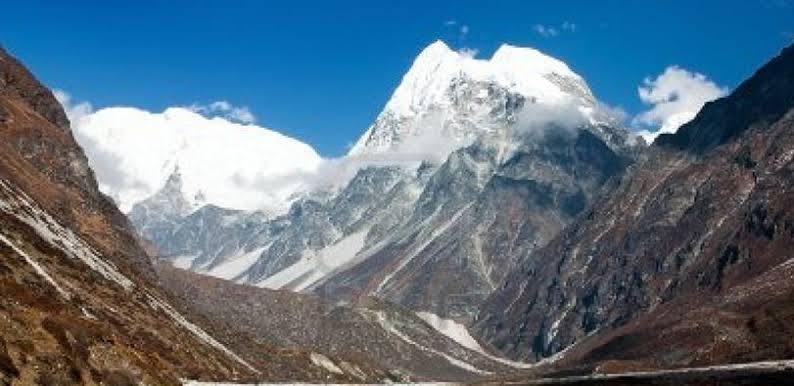
The approach to the pass itself is characterized by exposed ridgelines and wide mountain views. This section of the Ganesh Himal trekking route is particularly striking, as it offers uninterrupted panoramas of surrounding peaks and valleys. The sense of space and openness at this altitude is one of the defining features of the trek.
Cultural Experience on the Sing La Pass Trek
One of the standout aspects of the Sing La Pass Trek is the opportunity to experience traditional Himalayan culture in its most authentic form. The villages along the route are primarily inhabited by Tamang communities, who have preserved their customs, architecture, and way of life over generations.
In places like Serthung, trekkers can observe daily routines that revolve around agriculture, livestock, and community life. Unlike more developed trekking regions, these villages have not been significantly altered by tourism. This makes the offbeat trek in Nepal especially valuable for those interested in cultural immersion.
The Ganesh Himal trekking route also provides insight into local traditions, festivals, and hospitality. Staying in homestays or interacting with villagers adds a personal dimension to the journey, making it more meaningful and memorable.
Trail Conditions and Trekking Experience
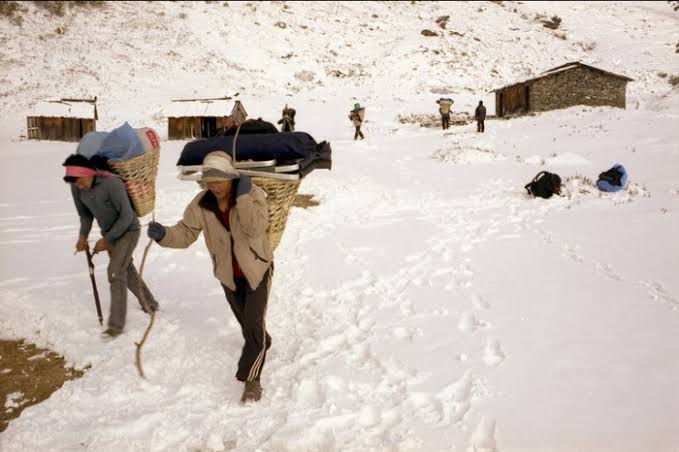
The Sing La Pass Trek is not a typical tea house trek. Instead, it combines sections of basic accommodation with camping, depending on the availability of facilities along the route. This adds to the sense of adventure and makes the trek more immersive.
Trail conditions vary throughout the journey. Some sections are well-defined, especially near villages, while others are less distinct and require careful navigation. This is why the detailed Sing La Pass trek itinerary Nepal often includes support from experienced guides who are familiar with the terrain.
For trekkers looking for a true wilderness experience, this aspect of the Ganesh Himal trekking route is a major highlight. The lack of infrastructure means that the environment remains pristine, offering a rare glimpse into untouched Himalayan landscapes.
Scenic Highlights and Photography Opportunities
The Sing La Pass Trek is a paradise for photography enthusiasts. The changing landscapes, dramatic ridgelines, and traditional villages provide endless opportunities for capturing unique moments. Early mornings and late afternoons are particularly rewarding, as the light enhances the natural beauty of the surroundings.
From the high points along the Ganesh Himal trekking route, trekkers can capture sweeping views that extend across multiple mountain ranges. The absence of crowds allows for uninterrupted shots, making this offbeat trek in Nepal ideal for those seeking original and undisturbed visuals.
Accessibility and Route Flow
Although the Sing La Pass Trek is remote, it is relatively accessible from Kathmandu. The journey begins with a drive to Bhalche, followed by a continuous trekking route that eventually connects to Arughat. This natural flow from start to finish makes the trek logistically manageable while still maintaining its remote character.
The detailed Sing La Pass trek itinerary Nepal is designed to ensure a smooth progression through different elevations and landscapes. Each day builds upon the previous one, creating a cohesive and well-paced trekking experience.
Trekking Similar to Sing La Pass Trek
- Annapurna Circuit Trek: 15 Night – 16 Days
- Manaslu Circuit trek-14N/15D
- Everest Base Camp Trek- 12 Days/ 11 Night
Nepal Pilgrimage & Cultural Tours
- Buddhist Pilgrimage Tour 6 Nights / 7 Days
- Kathmandu, Pokhara & Muktinath 7 Nights / 8 Days
- 8 Days Culture, Wildlife & Heritage of Nepal
- Mani Rimdu Festival in Everest Region 11 Nights / 12 Days
- 1-Day Kathmandu UNESCO Heritage Tour with Complimentary Nagarkot Sunrise & Rani Jhula
Final Thoughts on the Sing La Pass Trek
The Sing La Pass Trek stands out as a truly unique trekking experience in Nepal. By combining remote landscapes, cultural authenticity, and a challenging yet rewarding route, it offers something beyond the typical trekking journey. The Ganesh Himal trekking route remains one of the last regions where trekkers can experience the Himalayas in their purest form.
For those searching for a meaningful and less commercial adventure, this offbeat trek in Nepal provides the perfect opportunity. With a well-planned detailed Sing La Pass trek itinerary Nepal, trekkers can explore a region that is both visually stunning and culturally rich, making it one of the most underrated treks in the country.
Sing La Pass Trek – 10 Days Highlights
- Cross the high Sing La Pass (approximately 4,000m+), offering wide ridge views of the Ganesh Himal range and surrounding Himalayan peaks
- One of Nepal’s most offbeat trekking routes, far from crowded trails like Everest and Annapurna
- Diverse landscapes including dense rhododendron forests, alpine meadows, exposed ridgelines, and deep river valleys
- Authentic wilderness experience with a combination of camping and basic homestays in remote Himalayan terrain
- Cultural immersion in traditional Tamang villages such as Serthung
- Seasonal rhododendron blooms in spring, adding vibrant color to the forest trails
- Unique Bhalche to Arughat route connecting high ridges with the Budhi Gandaki valley
- Very low tourist traffic, ideal for trekkers seeking solitude and remote adventure
- Clear night skies and peaceful high-altitude campsites
- Excellent photography opportunities with uninterrupted Himalayan views
Sing La Pass Trek Route Details & Trail Overview
The Sing La Pass Trek follows a remote and less-defined trail through the Ganesh Himal region, starting from Bhalche in Nuwakot and ending at Arughat in the Budhi Gandaki valley. The route begins with a steady ascent through dense rhododendron and oak forests, gradually transitioning into alpine terrain as it passes through Gonga and Rupchet. From here, trekkers move along exposed ridgelines and highland pastures toward the Sing La Pass, the highest point of the journey, offering expansive views of the Ganesh Himal and surrounding ranges.
After crossing the pass, the trail descends into more inhabited areas, reaching traditional Tamang settlements such as Serthung. The landscape shifts again into terraced farmland and mixed forest as the route continues downward through Laba and Dumchet. The final section follows local trails toward the Budhi Gandaki River, eventually connecting to Arughat. This route combines wilderness trekking, cultural villages, and varied terrain, making it one of the most offbeat and authentic trekking experiences in Nepal.
Include
- All ground transportation (Kathmandu to Bhalche and Arughat to Kathmandu by private vehicle or local transport)
- Licensed trekking guide and necessary support staff (cook and porters for camping sections)
- Accommodation during the trek (camping equipment and basic homestays where available)
- Three meals a day during the trek (breakfast, lunch, and dinner)
- Camping logistics including tents, kitchen equipment, and sleeping arrangements (if organized trek)
- Required trekking permits (TIMS card and applicable entry permits based on route)
- Guide and staff insurance, salary, food, and accommodation
- Basic first aid kit carried by the guide
Exclude
- International flights to and from Nepal
- Nepal entry visa fees
- Hotel accommodation and meals in Kathmandu (unless specified)
- Personal trekking gear (clothing, boots, sleeping bag if not included)
- Travel insurance (must include high-altitude coverage)
- Personal expenses (drinks, snacks, Wi-Fi, charging, hot showers where available)
- Tips for guide and support staff
- Emergency evacuation (helicopter rescue, if required)
- Any additional costs due to delays, weather, landslides, or itinerary changes
- Extra nights or services not mentioned in the itinerary
Sing La Pass Trek – 10 Days Itinerary
You begin your journey early from Kathmandu, driving northwest along the Trishuli highway. The road initially follows the Trishuli River with views of roadside towns, hydropower sites, and terraced hills. After Betrawati, the route diverts onto a narrower rural road that climbs steadily into the hills of Nuwakot. The road conditions become rough and dusty, especially during dry seasons, and muddy in monsoon.
You pass through scattered Tamang villages where traditional stone houses and farmland dominate the landscape. In some cases, the trekking may start from Salangkhu Khola depending on road accessibility, but most itineraries now push up to Bhalche by jeep. By late afternoon, you arrive at Bhalche, a quiet ridge-top village surrounded by forest and hills. The air feels cooler and cleaner, and this marks the transition from road journey to remote trekking terrain. Overnight is in a basic homestay or tented camp.
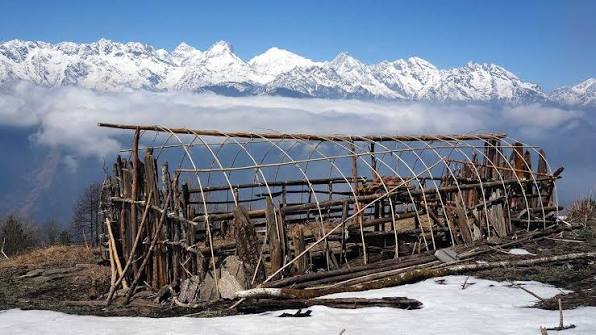
The trail begins with a continuous uphill walk through dense forest dominated by rhododendron, oak, and pine. During spring, the forest becomes vibrant with blooming rhododendrons, while in autumn it remains dry but clear. The path is narrow and sometimes uneven, used mainly by locals and herders rather than commercial trekking groups. You cross small clearings, grazing patches, and occasional temporary huts used during seasonal livestock movement.
The ascent is steady and physically demanding as you gain nearly 1,000 meters in elevation throughout the day. The environment is peaceful, with very little human traffic, and the only sounds are birds, wind, and distant livestock bells. After about 5–6 hours of trekking, you reach Gonga, a small forest clearing used as a campsite. There are no permanent settlements here, making it a quiet and isolated overnight stop surrounded by thick woodland.
Leaving Gonga, the trail gradually exits the dense forest and enters transitional terrain where vegetation begins to thin out. The path climbs along ridgelines and open slopes, offering wider views compared to the previous day. As you gain altitude, the forest gives way to alpine grasslands and yak grazing areas. The landscape becomes more rugged and exposed, with fewer trees and more wind. The trail itself is less defined in some sections, requiring careful navigation, especially in foggy conditions.
You may encounter herders or temporary shelters, but no permanent villages exist in this zone. As you approach Rupchet, the scenery opens dramatically with expansive meadows and distant Himalayan views, including parts of the Ganesh Himal range when weather permits. Rupchet is essentially a high-altitude pasture used for grazing, and camping here provides a raw wilderness experience with vast open surroundings and minimal human presence.
This day is reserved for proper acclimatization before crossing the high pass. Instead of complete rest, you take a short hike to higher ridges above Rupchet to help your body adjust to the altitude. These hikes offer even better panoramic views of the Ganesh Himal massif, along with glimpses of Langtang peaks in the distance. The terrain is dry, open, and windswept, with scattered rocks and alpine vegetation.
Weather conditions can change quickly, with strong winds and sudden temperature drops. You spend the rest of the day relaxing, hydrating, and preparing for the upcoming pass crossing. This acclimatization stop is crucial for reducing the risk of altitude sickness and ensuring a safer ascent the next day.
From Rupchet, the trail continues upward across rugged alpine terrain. The route is less defined, often following natural ridgelines and shepherd paths rather than a clearly marked trekking trail. You gradually climb toward the Sing La region, passing rocky sections and open highland slopes. The environment becomes increasingly barren, with very limited vegetation and no permanent water sources in some sections, making proper planning important.
The air is thinner, and the pace naturally slows as you gain altitude. After 4–5 hours of trekking, you reach a suitable campsite near the base area of Sing La Pass. There is no formal “phedi” in all cases, but trekkers typically camp at a sheltered spot before the final ascent. The evening is cold and often windy, and you prepare for an early start the next morning.
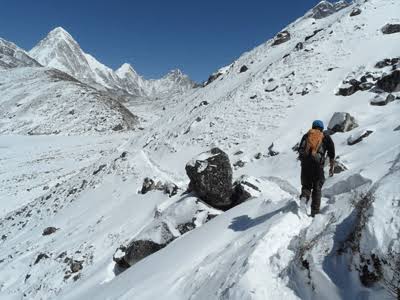
This is the most challenging and rewarding day of the trek. You start early in the morning, often before sunrise, to avoid strong winds at higher altitude. The climb to the pass is gradual but physically demanding due to thin air and exposure. The trail follows a ridge, with some steep sections and loose terrain. After several hours of ascent, you reach Sing La Pass, marked by prayer flags and open views in all directions.
From the top, you can see the Ganesh Himal range, Langtang region, and deep valleys stretching toward Dhading and Gorkha. After spending some time at the pass, you begin a long and steep descent. The landscape quickly transitions from barren alpine terrain to greener hillsides. The descent requires careful footing, especially on loose or steep sections. After 6–8 hours of total trekking, you reach Serthung, a traditional Tamang village where you can stay in a basic homestay and experience local culture.
The trail continues descending through inhabited areas, passing terraced farmland, small forests, and scattered houses. Compared to previous days, the environment feels more lively and culturally rich. You walk along well-used village paths, interacting with locals engaged in agriculture and daily activities. The temperature becomes warmer as you lose altitude, and vegetation becomes denser.
The walk is moderate and less physically demanding, taking around 5–6 hours. Laba is a peaceful rural village where you spend the night, experiencing simple hospitality and traditional mountain life.
Today’s route continues downhill through mixed forest and hillside villages. The trail is more established, often used by locals for travel and trade. You cross small streams, walk through cultivated land, and pass scattered settlements. The landscape becomes greener and more humid compared to the alpine region earlier in the trek. Depending on your pace and itinerary, you either stop at Mongey Kharka or continue further to Dumchet. Both locations serve as transition points before reaching the Budhi Gandaki valley.
The final trekking day involves descending toward the Budhi Gandaki River, where the trail connects with routes used in the Manaslu region. The path becomes wider and easier, following riverbanks and village trails. You cross suspension bridges and pass through small settlements before reaching Arughat Bazaar. This marks the official end of the trekking section. The area is more developed, with shops, roads, and transportation facilities.
After breakfast, you begin the return journey to Kathmandu by road. The drive follows the Budhi Gandaki and then joins the Prithvi Highway. The journey takes around 6–8 hours, passing through hills, rivers, and roadside towns. As you approach Kathmandu, the landscape transitions back to urban surroundings, marking the end of your remote Sing La Pass adventure.
Video
Packing List – Sing La Pass Trek
Clothing
Pack for layering, as temperatures vary significantly from warm lowlands to cold high passes.
- Moisture-wicking base layers (top and bottom)
- Insulating layer (fleece or light down jacket)
- Heavy down jacket (for high altitude and Night cold camps)
- Waterproof and windproof jacket and pants
- Trekking pants and lightweight shirts
- Thermal innerwear (for nights)
- Warm hat/beanie and sun hat
- Gloves (inner + insulated outer)
- Buff or neck gaiter
- Undergarments and extra socks (wool recommended)
Footwear
Comfort and grip are essential on remote and uneven trails.
- Sturdy, broken-in trekking boots
- Camp shoes or sandals
- Wool or synthetic trekking socks
Trekking Gear
Essential for a remote and camping-based trek.
- Backpack (40–60L) + rain cover
- Duffel bag (if using porter support)
- Sleeping bag (rated -10°C to -15°C)
- Trekking poles
- Headlamp with extra batteries
- Water bottles or hydration system
- Sunglasses (UV protection)
Camping Equipment
Often arranged by trekking agencies, but important to note.
- Tent (4-season recommended)
- Sleeping mat
- Cooking gear and fuel
- Mess kit (plate, cup, utensils)
Personal Items
- Quick-dry towel
- Toiletries (biodegradable soap, toothbrush, toothpaste)
- Sunscreen (SPF 30+) and lip balm
- Wet wipes / tissue paper
- Hand sanitizer
- Personal medications
First Aid & Safety
- Basic first aid kit
- Diamox (for altitude, if prescribed)
- Pain relievers and blister care
- Water purification tablets or filter
Documents & Essentials
- Passport copy
- Permits (TIMS, National Park if required)
- Travel insurance (high altitude coverage)
- Cash (no ATMs on route)
Optional but Useful
- Power bank / solar charger
- Camera / phone for photos
- Notebook or journal
- Snacks (energy bars, nuts, chocolates)
This list is designed specifically for a remote, offbeat, partially camping trek, so packing smart and light while covering essentials is key.
Sing La Pass Trek – 10 Days FAQs
The Sing La Pass Trek is a remote trekking route in Nepal’s Ganesh Himal region that connects Bhalche (Nuwakot) to Arughat (Dhading/Gorkha). It is known for crossing the high Sing La Pass and offering an offbeat alternative to more popular trekking regions.
The trek lies in the Ganesh Himal region of central Nepal, northwest of Kathmandu. It passes through Nuwakot and Dhading districts before descending into the Budhi Gandaki valley.
The trek is considered moderate to challenging. It involves steep ascents, high-altitude walking (above 4,000 meters), and remote trails with limited infrastructure, making it suitable for trekkers with prior experience.
Most itineraries range between 9 to 10 days, including travel to and from the trailheads. Some variations may take longer depending on acclimatization and pace.
The highest point is Sing La Pass, which is approximately 4,000 to 4,500 meters, depending on the exact crossing point used.
Yes, a guide is highly recommended. The route is remote, less-marked, and has limited facilities, so local knowledge is essential for navigation, logistics, and safety.
Trekkers generally need a TIMS (Trekkers’ Information Management System) card. Depending on the route variation, a Langtang National Park permit may also be required.
The best seasons are spring (March to May) and autumn (September to November), when the weather is stable, skies are clear, and mountain views are at their best.
Accommodation is basic and limited. The trek typically involves a combination of camping and simple homestays in villages like Serthung.
No, this is one of Nepal’s least crowded trekking routes. It is ideal for those seeking solitude and a more authentic trekking experience.
Meals include simple local dishes such as dal bhat, noodles, potatoes, and seasonal vegetables. During camping sections, food is prepared by the trekking crew.
The trek usually starts with a drive from Kathmandu to Bhalche, which takes around 6–8 hours depending on road conditions.
Yes, since the trek crosses above 4,000 meters, there is a risk of altitude sickness. Proper acclimatization, hydration, and gradual ascent are important.
It is not ideal for complete beginners. Previous trekking experience and a good level of fitness are recommended due to the remote terrain and altitude.
This trek offers a unique combination of remote wilderness, authentic village culture, and panoramic Himalayan views without the crowds found in more commercial trekking regions.
Reviews
No reviews found.