
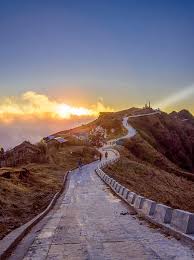
Sandakphu Trek from Nepal – 9 Days | India Trekking
Destination:
Sandakphu, West Bengal, India
Trip Duration:
9 Days / 8 Nights
Max Altitude:
3,636 m / 11,929 ft
Activities:
Trekking, Himalayan sightseeing, sunrise viewing, village walks, scenic drives
Start Point:
Kathmandu, Nepal
Ending Point:
Kathmandu, Nepal
Region:
Eastern Himalayas – Nepal & West Bengal, India
Trip Grade:
Moderate
Group Size:
2–15 people
Accomodation:
Hotels, lodges and mountain teahouses/homestays
Meals:
Breakfast, Lunch and Dinner
Transportation:
Domestic flight, private vehicle, road transfers and local trekking transport
Permits Required:
Singalila National Park / Sandakphu trekking permits and applicable local entry permits
Best Season:
March–May and October–December
Sandakphu Trek from Nepal: An Eastern Himalayan Adventure
The Sandakphu Trek from Nepal is a distinctive cross-border Himalayan adventure for travellers who want to discover a different side of the mountains beyond Nepal’s classic trekking destinations. The journey connects the eastern Himalayan landscapes of Nepal and India, introducing trekkers to a region shaped by mountain geography, diverse communities and centuries of movement across the Himalayan foothills. Rather than following one of Nepal’s established trekking corridors, this experience takes travellers toward the Singalila landscape, where quiet mountain settlements, dense forests and broad ridgelines create an atmosphere that feels both familiar and new.
For Nepali travellers, the Sandakphu Trek Nepal experience is particularly appealing because the destination remains geographically close to Nepal while offering an international trekking experience. The journey provides a chance to explore the Himalayan environment from the Indian side while encountering communities and cultural traditions that share strong connections with eastern Nepal. This combination makes Sandakphu an interesting option for travellers who have already explored popular trails in Nepal and want to experience another Himalayan route.
Discovering the Eastern Himalayan Landscape
One of the most memorable aspects of the trek is the gradual transformation of the landscape. The journey begins in the warmer foothills before moving into increasingly cooler mountain environments. Forests become denser in some sections, with rhododendron, magnolia and other Himalayan vegetation contributing to the character of the trail. In spring, flowering rhododendrons can add striking color to the hills, while autumn brings generally clearer conditions and excellent visibility.
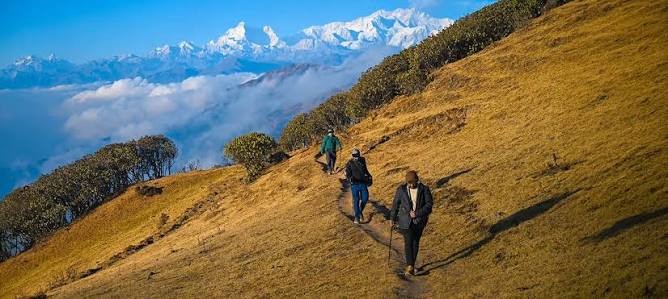
As the route gains elevation, the forest gradually gives way to more open terrain. The high ridges provide a completely different perspective from valley-based trekking, allowing travellers to see long stretches of mountain landscape rather than being surrounded by steep valley walls. The combination of forest trails, open ridges and distant Himalayan peaks keeps the walking experience varied throughout the adventure.
The changing scenery is one reason the Sandakphu Trek from Kathmandu works well as an alternative Himalayan holiday. It is not simply a walk toward a high point; the journey itself becomes an exploration of the different ecological and cultural environments found across the eastern Himalayan region.
Exploring the Singalila Region
The Singalila landscape forms the heart of the trekking experience. The ridge environment provides a mixture of wooded paths, mountain clearings and exposed sections where the surrounding Himalayan scenery becomes increasingly visible. Walking through this area gives trekkers a sense of the geographical connection between Nepal, West Bengal and the wider eastern Himalayas.
The region is also known for its distinctive mountain vegetation and wildlife habitat. Forest sections provide shade during the warmer parts of the day, while open areas create opportunities to appreciate the scale of the surrounding mountains. The peaceful character of the route makes it particularly attractive to travellers who prefer trekking environments away from heavily developed tourist centers.
Rather than rushing through the landscape, the experience encourages travellers to appreciate the gradual changes in scenery, altitude and atmosphere. Each section of the trail contributes something different to the overall journey.
Culture and Traditional Mountain Communities
The cultural side of the Sandakphu Trek itinerary from Nepal is equally important. Small settlements along the route provide insight into the daily lives of people living in the eastern Himalayan hills. Traditional houses, local hospitality and mountain lifestyles reflect the close relationship between communities and their surrounding environment.
Nepali language and cultural traditions are widely encountered throughout the region, creating a familiar atmosphere for travellers from Nepal. At the same time, the local identity has developed through its own history and relationship with Darjeeling and the surrounding Himalayan areas. This creates an interesting cultural contrast: travellers may recognize familiar traditions while discovering how they have evolved in a different geographic and administrative setting.
Staying in local communities also adds a personal dimension to the trek. Instead of experiencing the mountains only as scenery, travellers have opportunities to interact with people who live and work in the region. These encounters can become some of the most memorable parts of the journey.
Experiencing the Himalayan Panorama
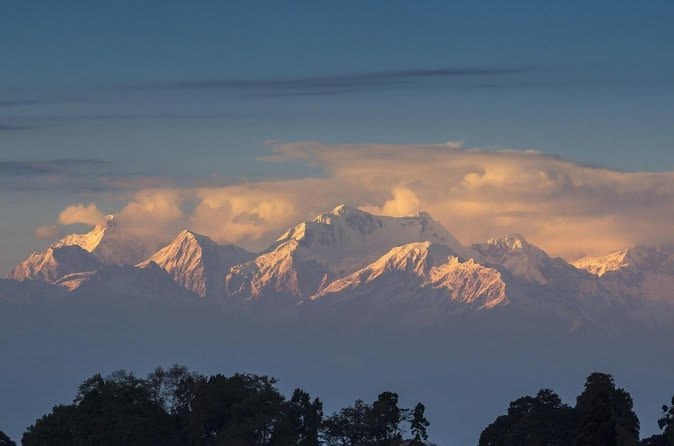
The high ridges are the defining visual feature of the Sandakphu Trek package from Nepal. From elevated viewpoints, the eastern Himalayas appear as a vast succession of peaks and ridgelines stretching across the horizon. On clear days, the panorama can include some of the world’s most recognizable Himalayan mountains.
The experience changes according to weather and light. Early mornings can provide exceptionally clear mountain visibility, while clouds and mist may create a completely different atmosphere later in the day. Sunrise and sunset can transform the appearance of the peaks, producing changing shades across the distant mountains.
For photographers and nature enthusiasts, these constantly changing conditions provide plenty of opportunities to capture landscapes, forests, villages and mountain life. However, the mountain views should always be considered weather-dependent, as cloud, fog and snowfall can temporarily obscure the panorama.
A Trek for Adventure and Exploration
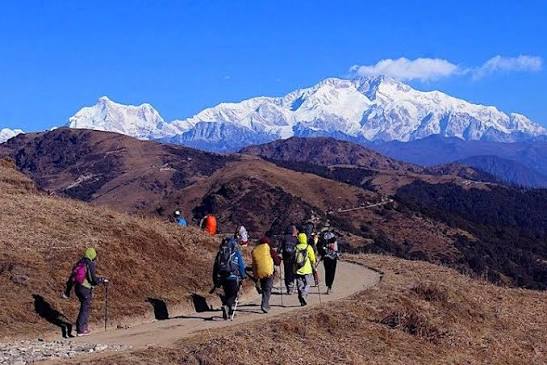
The Sandakphu route is suitable for travellers who enjoy active holidays and are comfortable spending several consecutive days walking in mountainous terrain. It does not require technical climbing skills, but trekkers should be prepared for sustained uphill and downhill sections and changing trail conditions.
Good physical preparation can make the experience considerably more comfortable. Regular walking, stair climbing, hiking and cardiovascular exercise before departure can help build endurance. Travellers should also become comfortable carrying a daypack and walking on uneven surfaces.
The journey is not only about reaching the highest point. The forests, villages, changing landscapes and interactions with local communities are integral parts of the experience. Travellers who approach the trek as a complete Himalayan journey rather than simply a summit objective can appreciate the route more fully.
Sandakphu Trek from Kathmandu for Nepali Travellers
The Sandakphu Trek from Kathmandu offers Nepali travellers a convenient way to experience an international Himalayan adventure while remaining connected to the familiar culture and geography of the eastern Himalayas. Starting from Nepal adds a different dimension to the journey, turning the trek into more than a standard India trekking package.
The cross-border character of the trip makes it suitable for travellers interested in combining trekking with cultural discovery. The transition from Nepal’s eastern plains into India’s Himalayan foothills demonstrates how landscapes and communities continue across modern borders.
For travellers who have already completed popular routes such as Annapurna, Everest or Langtang, Sandakphu can provide a fresh perspective on Himalayan trekking. It also works well for those who simply want a shorter international mountain adventure with a strong cultural component.
Why Choose This Himalayan Adventure?
The appeal of the Sandakphu Trek from Nepal comes from the variety of experiences contained within one journey. Travellers encounter changing ecosystems, traditional mountain communities, forested trails, open ridges and dramatic Himalayan scenery without requiring a technical mountaineering expedition.
It is an opportunity to see the eastern Himalayas from a different viewpoint and to appreciate the cultural connections that exist across the Nepal–India border. The combination of nature, culture and adventure makes the journey particularly suitable for travellers seeking something beyond conventional sightseeing.
For Nepali adventurers, Sandakphu offers the chance to step outside the country’s familiar trekking routes while remaining within a Himalayan environment that feels culturally connected. Whether the main motivation is mountain photography, hiking, cultural exploration or simply discovering a new destination, this trek provides a rewarding way to experience the eastern Himalayas from a different perspective.
Sandakphu Trek from Nepal – FAQs
1. What is the Sandakphu Trek from Nepal?
The Sandakphu Trek from Nepal is a cross-border Himalayan trekking journey that starts and ends in Nepal while the main trekking section takes place around the Singalila Ridge in West Bengal, India. The route reaches Sandakphu, approximately 3,636 meters above sea level, the highest point in West Bengal.
2. How difficult is the Sandakphu Trek?
The Sandakphu Trek is generally considered easy to moderate or moderate, depending on the itinerary and individual fitness. The trail includes several sustained climbs, particularly on the approach to Sandakphu, but it does not require technical mountaineering skills. Regular hiking and cardiovascular training before the trek are recommended.
3. Can Nepali travellers do the Sandakphu Trek?
Yes. Nepali travellers can undertake the Sandakphu Trek by travelling through eastern Nepal and entering India via the appropriate Nepal–India border crossing. Travellers should carry the required identity and travel documents and complete applicable border and trekking formalities before entering the trekking region.
4. What is the best time for the Sandakphu Trek?
The most popular trekking periods are March to May and October to December. Spring is particularly attractive for rhododendron blooms, while autumn and early winter generally offer clearer mountain views. June to September is less suitable because of monsoon rainfall, reduced visibility and potentially difficult trail conditions.
5. Can you see Mount Everest from Sandakphu?
Yes. On clear days, Sandakphu provides views toward Mount Everest, Kanchenjunga, Lhotse and Makalu. The viewpoint is particularly famous because several of the world’s highest Himalayan peaks can be seen from the same ridge. Visibility is weather-dependent, so mountain views cannot be guaranteed on every departure.
6. How long does the Sandakphu Trek take?
The core trekking section commonly takes around 4–6 days, depending on the starting point, route and descent plan. A Nepal-based package requires additional days for travel between Kathmandu, eastern Nepal, the India border, Siliguri and the trekking area.
7. What is the Sandakphu Trek route?
The standard trekking route generally follows Manebhanjan → Tumling → Kalipokhri → Sandakphu → Gurdum/Srikhola, although exact overnight stops can vary between operators. The longer Sandakphu–Phalut route continues beyond Sandakphu toward Phalut before descending through Gorkhey and Srikhola.
8. What permits are required for the Sandakphu Trek?
Trekkers need the applicable Singalila National Park entry/trekking permits and registration, along with any other local permissions required for the selected route. Requirements and fees can vary according to nationality and current regulations, so permits should be confirmed before departure.
9. What type of accommodation is available during the Sandakphu Trek?
Accommodation along the route is generally provided in basic mountain lodges, trekkers’ huts and homestays. Facilities are simpler than hotels in Kathmandu or Siliguri, but accommodation is available at the major overnight settlements along the trekking route.
10. Is the Sandakphu Trek suitable for first-time trekkers?
Yes, the trek can be suitable for fit beginners and first-time Himalayan trekkers, particularly when using a gradual itinerary rather than an accelerated version. However, trekkers should be comfortable walking uphill and downhill for several hours a day and should prepare adequately before reaching the higher sections.
Sandakphu Trek from Nepal – 9 Days | India Trekking Highlights
- Trek to Sandakphu (3,636 m), the highest point in West Bengal and the highest point on the Singalila Ridge.
- Enjoy panoramic views of Mount Everest, Kanchenjunga, Lhotse and Makalu on clear days.
- Experience a unique cross-border Himalayan journey from Nepal into India.
- Travel through the scenic Darjeeling and Singalila Ridge landscapes.
- Trek through rhododendron, magnolia and Himalayan forest landscapes.
- Explore traditional mountain villages including Manebhanjan, Tumling, Kalipokhri, Gurdum and Srikhola.
- Witness spectacular sunrise and sunset views from the Sandakphu ridge.
- Experience the distinctive Nepali and Himalayan mountain culture of the border region.
- Walk along sections of the historic India–Nepal border ridge.
- Combine Himalayan trekking with a scenic journey through Bhadrapur, Kakarbhitta and Siliguri.
- Stay in traditional mountain lodges and homestays along the trekking route.
- Enjoy a relatively short Himalayan trek suitable for travellers seeking an India trekking experience from Nepal.
Sandakphu Trek from Nepal: Kathmandu to Sandakphu Route
Sandakphu Trek from Nepal begins in Kathmandu and takes you across eastern Nepal into India’s Darjeeling and Singalila region. The journey combines scenic road travel, an international border crossing, Himalayan villages and a rewarding high-altitude trek to Sandakphu at 3,636 meters (11,929 ft). From Kathmandu, you fly to Bhadrapur and travel by road through Kakarbhitta before crossing into India and continuing to Siliguri. From Siliguri, the route climbs into the Darjeeling hills toward Manebhanjan, the traditional gateway to Sandakphu.
The trekking section follows the scenic Singalila Ridge through Chitrey, Meghma, Tumling, Gairibas and Kalipokhri before reaching Sandakphu. The summit section provides spectacular views of some of the world’s highest Himalayan peaks in clear weather. After enjoying the sunrise and mountain panorama from Sandakphu, descend through Gurdum and Srikhola before returning to Siliguri. The return journey follows the same eastern border corridor through Panitanki and Kakarbhitta to Bhadrapur, from where you fly back to Kathmandu.
Route Map:
Kathmandu → Bhadrapur → Kakarbhitta → Panitanki → Siliguri → Manebhanjan → Chitrey → Meghma → Tumling → Gairibas → Kalipokhri → Bikheybhanjang → Sandakphu → Gurdum → Srikhola → Rimbick → Siliguri → Panitanki → Kakarbhitta → Bhadrapur → Kathmandu
Include
- Domestic flight from Kathmandu to Bhadrapur and Bhadrapur to Kathmandu
- Airport transfers in Nepal
- Private ground transportation between Bhadrapur, Kakarbhitta, Siliguri and Manebhanjan
- India–Nepal border transfer assistance
- Transportation between the trekking trailhead and Siliguri
- Experienced English-speaking trekking guide
- Local trekking staff and necessary support staff
- Accommodation in Kathmandu and Siliguri on a twin-sharing basis
- Mountain lodge/teahouse or homestay accommodation during the trek
- Breakfast, lunch and dinner during the trekking portion
- Necessary Sandakphu/Singalila trekking permits and applicable local entry fees
- National park and conservation-related entry fees where applicable
- Trekking route registration and local charges
- Basic first-aid kit carried by the trekking team
- Trekking company service charges and government taxes
- One-way porter service for the trekking section, if included in the selected group package
- Official trip briefing and trekking assistance
Exclude
- International airfare to and from Nepal
- Nepal entry visa or other immigration-related costs, where applicable
- Personal travel insurance
- Emergency evacuation and rescue costs
- Personal medical expenses and medicines
- Lunch and dinner in Kathmandu and Siliguri unless specifically mentioned
- Personal snacks, beverages and bottled/mineral water
- Alcoholic drinks and other personal beverages
- Personal trekking equipment and clothing
- Sleeping bag and trekking gear rental, if required
- Excess baggage charges
- Laundry and personal expenses
- Wi-Fi, telephone calls and other communication costs
- Tips for guides, porters and drivers
- Expenses caused by flight delays, road closures, landslides, strikes, weather or other unforeseen circumstances
- Additional accommodation or transportation caused by changes to the itinerary
- Any services not specifically mentioned under Trip Includes
Sandakphu Trek from Nepal – 9 Days | India Trekking Itinerary
Begin the journey from Kathmandu with a flight to Bhadrapur in eastern Nepal. After landing, meet the trekking team and drive toward Kakarbhitta, Nepal’s eastern border point with India. Complete the necessary border formalities before crossing into Panitanki, West Bengal. Continue by road toward Siliguri, the main transport hub for the Darjeeling and eastern Himalayan region. The drive gradually changes from Nepal’s Terai plains to the foothills of the Himalayas. After arriving in Siliguri, check into the hotel and rest after the journey. A short briefing will be conducted covering the Sandakphu route, weather, walking conditions, permits, accommodation and safety procedures.
Overnight: Siliguri
Meals: Breakfast, Lunch and Dinner
Transport: Flight and private vehicle
After breakfast, leave Siliguri and drive toward Manebhanjan, the traditional gateway to the Sandakphu trek. The road climbs steadily through the Himalayan foothills, tea-growing areas and forested mountain terrain toward Darjeeling district. On the way, the landscape changes dramatically as the temperature becomes cooler and the road enters the hills. Manebhanjan sits at roughly 2,000 meters and is the principal starting point for the Sandakphu trail. After reaching the village, settle into a local lodge or homestay and meet the local trekking staff. Use the afternoon to explore the small mountain settlement, prepare your backpack and rest before the trek begins. Depending on operational requirements, the trekking team will also complete the necessary entry and permit formalities for the Singalila area.
Overnight: Manebhanjan
Meals: Breakfast, Lunch and Dinner
Driving: Approximately 4–5 hours
After an early breakfast, begin the first trekking day toward Tumling. The trail initially climbs through the forest toward Chitrey and continues along the Singalila Ridge. You pass through Lamaydhura and Meghma, small mountain settlements with a strong Nepali cultural character. The route alternates between forest sections, stone-paved paths and open ridge areas, with occasional views toward the surrounding Himalayan valleys. Meghma provides a natural place for a short rest before the trail continues toward Tonglu and Tumling. On clear days, the higher ridges begin to reveal views toward Kanchenjunga and the surrounding mountains. After several hours of walking, reach Tumling and check into a local lodge or homestay. The evening is ideal for relaxing and enjoying the mountain atmosphere before dinner.
Overnight: Tumling
Meals: Breakfast, Lunch and Dinner
Trek: Approximately 10–13 km
Walking time: 5–7 hours
Altitude: Around 2,900–3,000 m
Start the day with an early breakfast and continue along the Singalila Ridge toward Kalipokhri. The trail passes through forested sections and small settlements, with sections of the route following the ridge between Nepal and India. Continue toward Jaubari and Gairibas, where trekkers normally stop for lunch and a short break. After Gairibas, the trail climbs again through rhododendron and mountain forest toward Kaiyakata before continuing to Kalipokhri. The higher altitude becomes more noticeable today, so a steady pace and regular hydration are important. Kalipokhri is named after its small dark-colored lake, which is surrounded by prayer flags and forms one of the recognizable landmarks on the route. Arrive at the settlement in the afternoon and spend the evening resting at the lodge or homestay.
Overnight: Kalipokhri
Meals: Breakfast, Lunch and Dinner
Trek: Approximately 14–15 km
Walking time: 6–8 hours
Altitude: Around 3,000–3,200 m
Today is the main summit day of the trek. After an early breakfast, begin the climb from Kalipokhri toward Bikheybhanjang. From here, the trail becomes progressively steeper as it approaches Sandakphu, requiring a slower and more controlled pace. The final section is demanding because of the sustained ascent, but the scenery becomes increasingly rewarding as the trail reaches the high ridge. Sandakphu, at approximately 3,600 meters, is the highest point of West Bengal and provides one of the defining Himalayan viewpoints of the trek. From the summit area, clear weather can reveal a remarkable panorama including Kanchenjunga and other major Himalayan peaks, while exceptionally clear conditions may provide views toward Everest and Makalu as well. After reaching Sandakphu, check into the local lodge and take time to rest. If conditions permit, enjoy the sunset and the changing colors across the Himalayan range.
Overnight: Sandakphu
Meals: Breakfast, Lunch and Dinner
Trek: Approximately 6–7 km
Walking time: 3–5 hours
Maximum altitude: Approximately 3,636 m
Wake early for the sunrise over the Himalayan peaks. This is one of the most memorable moments of the trek, particularly when the weather is clear and the mountains are illuminated by the first light of the morning. After breakfast, begin descending from Sandakphu toward Gurdum. The trail initially follows the high ridge before gradually dropping through forests and quieter mountain terrain. Compared with the previous day’s steep ascent, today’s route is predominantly downhill, although some short uphill sections remain. As the trail loses altitude, the vegetation becomes greener and denser. Continue toward Gurdum, a small settlement surrounded by forest and mountain scenery. After reaching the village, settle into a local homestay or lodge and enjoy a relaxed evening away from the higher-altitude environment.
Overnight: Gurdum
Meals: Breakfast, Lunch and Dinner
Trek: Approximately 7–8 km
Walking time: 3–5 hours
After breakfast, continue the descent toward Srikhola through forested trails and traditional mountain settlements. The route gradually loses altitude and becomes warmer as you descend from the high ridge. Srikhola is a peaceful mountain settlement situated beside the Srikhola stream and is commonly used as one of the final overnight or road-access points on the Sandakphu route. Depending on road and vehicle conditions, continue by local/private vehicle toward Rimbick and onward to Siliguri. The road journey can be winding and slow in sections, but it provides a transition from the trekking environment back to the urban foothills. On arrival in Siliguri, check into the hotel, enjoy a hot shower and relax after completing the main trekking section.
Overnight: Siliguri
Meals: Breakfast, Lunch and Dinner
Trek: Approximately 10–13 km
Walking time: 4–6 hours
Transport: Private/local vehicle
After breakfast, leave Siliguri and drive toward Panitanki to complete the India–Nepal border crossing. Continue through Kakarbhitta and onward to Bhadrapur Airport. Depending on the flight schedule, enjoy lunch in the area before boarding the flight back to Kathmandu. This journey marks the end of the Himalayan trekking adventure across the eastern Nepal–India region. Upon arrival at Tribhuvan International Airport, transfer to your hotel or continue with your onward arrangements. The remainder of the day can be kept free for rest or optional Kathmandu sightseeing depending on the customer’s travel schedule.
Overnight: Kathmandu
Meals: Breakfast and Lunch
Transport: Private vehicle and flight
Your Sandakphu adventure officially concludes today. After breakfast, you will have free time depending on your international flight schedule. Guests can use the morning for last-minute shopping, relaxation or optional sightseeing around Kathmandu. A representative from the travel company can arrange the transfer to Tribhuvan International Airport for the onward journey. Guests extending their stay in Nepal can also add a Kathmandu sightseeing program, Pokhara tour or another trekking package as an optional extension.
Meals: Breakfast
Trip Ends: Kathmandu
Video
Sandakphu Trek Packing List
Clothing
- Moisture-wicking trekking T-shirts
- Long-sleeve trekking shirts
- Thermal innerwear
- Fleece jacket
- Down or insulated jacket
- Waterproof and windproof outer jacket
- Trekking trousers
- Thermal trekking pants
- Lightweight waterproof trousers
- Warm hat or beanie
- Sun hat/cap
- Neck gaiter or buff
- Warm gloves and lightweight inner gloves
- Comfortable underwear and trekking socks
- Extra warm socks
Footwear
- Waterproof trekking boots with good ankle support
- Lightweight camp shoes or sandals
- Gaiters, especially during wet or snowy periods
Trekking Equipment
- 40–50 liter trekking backpack
- Rain cover for backpack
- Small daypack, if required
- Trekking poles
- Sleeping bag suitable for cold mountain conditions
- Headlamp with spare batteries
- Water bottle or reusable hydration system
- Water purification tablets or filter
- Duffel bag for porter-supported luggage
Personal & Health Items
- Personal first-aid kit
- Prescription medicines
- Basic pain-relief and cold medicines
- Blister treatment and bandages
- Sunscreen SPF 30–50
- Lip balm with SPF
- Sunglasses with UV protection
- Hand sanitizer
- Biodegradable wet wipes
- Personal toiletries
- Quick-drying towel
Documents & Money
- Valid passport or accepted travel identification
- Required India–Nepal border documents
- Trekking and permit documents
- Travel insurance documents
- Emergency contact information
- Some Indian rupees for personal expenses
- Small amount of Nepali rupees for Nepal-side expenses
- Copies of important documents
Electronics
- Mobile phone
- Power bank
- Charging cables
- Universal travel adapter
- Camera and spare batteries, if required
Optional Items
- Binoculars
- Camera
- Trekking snacks and energy bars
- Thermos flask
- Earplugs
- Small personal lock
- Lightweight travel pillow
Packing tip: Sandakphu reaches approximately 3,636 m, and temperatures can become cold and windy, particularly around the summit. Pack in layers so you can adjust clothing throughout the trek. A waterproof outer layer and warm sleeping bag are particularly useful during the colder seasons.
Reviews
No reviews found.