

Paanch Pokhari Bhairab Kunda Trek – 17 Days
Destination:
Nepal – Paanch Pokhari & Bhairab Kunda
Trip Duration:
17 Days / 16 Nights
Max Altitude:
Approx. 4,250 m / 13,944 ft – Bhairab Kunda
Activities:
Trekking, hiking, sightseeing, cultural exploration, mountain photography
Start Point:
Kathmandu
Ending Point:
Kathmandu
Region:
Sindhupalchok, Langtang & Jugal Himal Region
Trip Grade:
Moderate to Challenging
Group Size:
2–12 people
Accomodation:
Hotels, local teahouses/lodges & tented camps
Meals:
Breakfast, lunch & dinner during the trek; breakfast in Kathmandu
Transportation:
Public bus and private/local road transportation
Permits Required:
TIMS Card and relevant local/trekking permits
Best Season:
Spring (March–May) and Autumn (September–November)
Discover a Remote Himalayan Trek in Nepal
The Paanch Pokhari Bhairab Kunda Trek is a remarkable journey through one of Nepal’s quieter Himalayan trekking areas. It is designed for travelers who want to explore landscapes beyond the country’s busiest trekking corridors while experiencing a combination of natural beauty, cultural traditions, sacred places, and remote mountain environments. The journey connects two important alpine lake destinations and provides a deeper experience of the surrounding Himalayan landscape.
Rather than concentrating only on reaching major viewpoints, the route creates a continuous journey through changing environments. Rural landscapes, forests, mountain ridges, traditional settlements, grazing areas, and highland terrain gradually transform as the trek progresses. This variety gives the Paanch Pokhari Trek Nepal experience a strong sense of exploration and allows travelers to appreciate the region at a slower pace.
Explore the Less-Traveled Sindhupalchok Himalayas
One of the defining characteristics of the Paanch Pokhari Bhairab Kunda Trek 17 Days is its remote atmosphere. The journey passes through areas where traditional lifestyles and natural surroundings remain closely connected. Instead of large trekking settlements and busy tourist trails, the landscape is shaped by small communities, agricultural areas, forests, grazing grounds, and mountain paths.
The surrounding hills provide constantly changing scenery as the trail moves through different elevations. Lower sections offer greener landscapes and cultivated hillsides, while higher areas become increasingly open and rugged. This gradual transition makes the trekking experience visually diverse and provides a natural progression into the Himalayan environment.
Experience the Sacred Paanch Pokhari Lakes
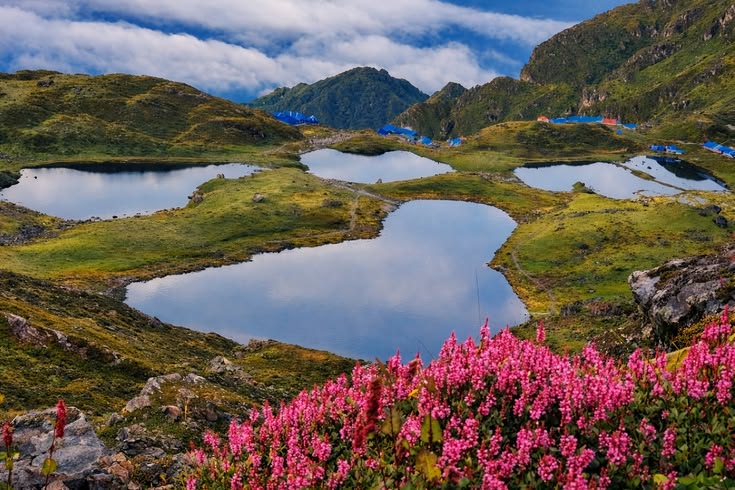
A major attraction of the Paanch Pokhari Trek Nepal is the opportunity to experience Paanch Pokhari, a sacred group of five alpine lakes. The destination has both natural and cultural importance and is associated with religious traditions that attract pilgrims to the area.
Reaching the lakes after traveling through remote mountain terrain creates a strong sense of accomplishment. The peaceful setting around the water provides an opportunity to appreciate the surrounding landscape away from busy settlements. The combination of alpine scenery and spiritual significance makes Paanch Pokhari one of the most distinctive destinations on this trekking route.
Discover the Spiritual Landscape of Bhairab Kunda
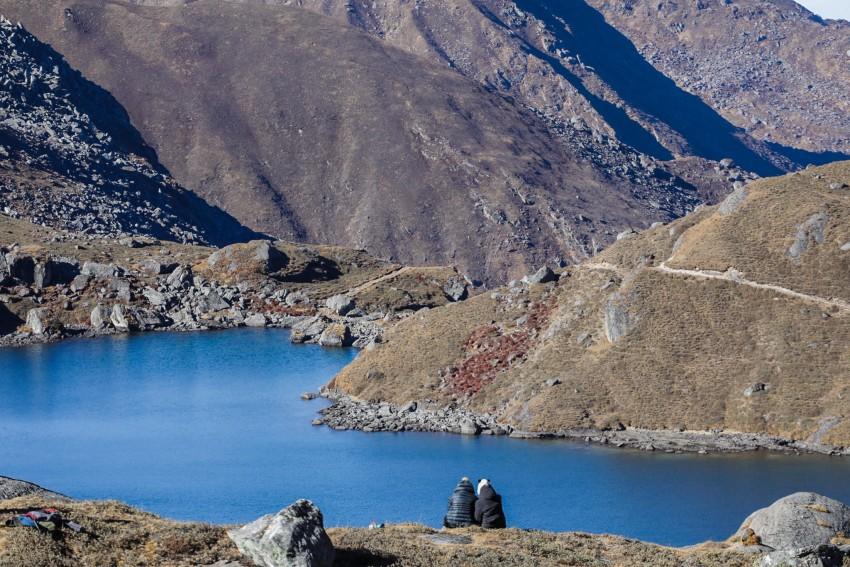
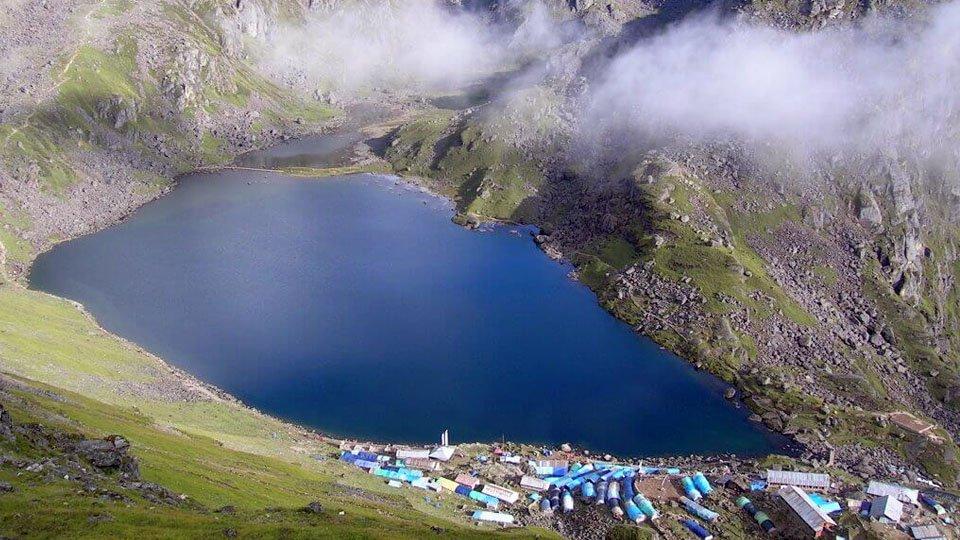
The Bhairab Kunda Trek Nepal section adds another important cultural and spiritual dimension to the journey. Bhairab Kunda is a sacred alpine lake associated with Hindu and Buddhist traditions, making it an important destination within the wider Himalayan landscape.
The experience of reaching the lake is enhanced by the surrounding wilderness. The combination of natural scenery and religious significance allows travelers to appreciate the area not simply as a scenic destination but as a place with continuing cultural importance.
Walk Through Diverse Himalayan Landscapes
The Paanch Pokhari and Bhairab Kunda Trek provides considerable landscape diversity throughout the journey. Forested sections create a completely different atmosphere from open mountain ridges and highland grazing areas. As the elevation changes, vegetation and terrain gradually transform, producing new scenery throughout the route.
Travelers can encounter woodland, agricultural hills, open pastures, rocky terrain, mountain slopes, and alpine environments. This variety ensures that the journey remains visually engaging and offers different experiences from one section of the trek to another.
Experience Traditional Mountain Life
The cultural appeal of the Paanch Pokhari Trekking Package extends beyond its sacred destinations. The route passes through rural areas where agriculture, livestock, traditional settlement patterns, and locally maintained trails remain important parts of everyday life.
Walking through these communities gives travelers an opportunity to observe the relationship between local people and their environment. The mountain landscape is not simply a backdrop for trekking; it is an important part of the livelihoods and traditions of the communities living throughout the region.
A Genuine Off-the-Beaten-Path Experience
For travelers searching for an Off the Beaten Path Trek Nepal, this journey offers an opportunity to explore a less-commercialized Himalayan region. The route provides a quieter alternative to some of Nepal’s more heavily visited trekking destinations.
The relatively remote character of the trail creates a stronger feeling of exploration. Limited infrastructure in some sections also means that travelers should be prepared for a simpler mountain experience. In return, the route offers peaceful surroundings, fewer crowds, and a closer connection with the natural environment.
A Trek for Nature and Photography
The changing scenery makes the Paanch Pokhari Bhairab Kunda Trek particularly appealing to nature lovers and photographers. Forest trails, mountain ridges, traditional settlements, grazing landscapes, alpine lakes, and distant Himalayan views provide numerous opportunities for photography.
Different times of day can completely change the appearance of the landscape. Early morning light, changing cloud formations, and evening conditions can create contrasting views of the surrounding mountains and valleys. The route therefore offers opportunities to capture both dramatic landscapes and smaller details of rural Himalayan life.
Connect Nature, Culture, and Spirituality
One of the strongest aspects of the Paanch Pokhari Bhairab Kunda Trek 17 Days is the way it combines several different elements of Himalayan travel. The journey includes natural landscapes, cultural encounters, spiritual destinations, rural environments, and remote trekking trails.
The two sacred lake destinations provide important focal points, while the sections between them allow travelers to experience the wider landscape. This balance makes the trek more than a journey between two attractions; it becomes an extended exploration of the region’s natural and cultural character.
Changing Environments Throughout the Journey
The progression through different elevations creates a constantly evolving experience. Greener lower landscapes gradually give way to forests, open mountain terrain, grazing areas, and alpine surroundings. Later, as the route descends, the environment changes again and becomes greener and more settled.
This gradual transformation gives the Paanch Pokhari Trek Nepal route a strong sense of movement. Each stage contributes something different to the overall experience, from rural foothills and forest paths to high mountain landscapes and sacred alpine destinations.
Prepare for a Remote Himalayan Adventure
Mountain conditions can vary considerably throughout the journey. Weather, trail conditions, and the remote nature of some sections mean that flexibility and preparation are important. Travelers should approach the trek with an appreciation for changing mountain conditions and the simpler facilities available in remote areas.
The reward is an experience that feels considerably removed from the developed tourism centers of Nepal. The peaceful surroundings and natural environment provide a genuine sense of adventure and discovery.
Complete the Journey Through the Himalayan Hills
The later portion of the Bhairab Kunda Trek Nepal provides a gradual transition from high mountain environments toward lower elevations. As the trail descends, vegetation becomes greener and signs of settlement become more noticeable.
This change creates a natural conclusion to the trekking experience. After spending time among remote alpine landscapes and sacred lakes, the journey eventually returns toward more accessible areas before completing the trip back in Kathmandu.
Why Choose the Paanch Pokhari Bhairab Kunda Trek?
The Paanch Pokhari Bhairab Kunda Trek offers a distinctive way to explore Nepal’s Himalayan landscape through a combination of remote trails, sacred alpine lakes, traditional communities, and changing mountain environments.
For travelers interested in an Off the Beaten Path Trek Nepal, the route provides the opportunity to discover a quieter side of the Himalayas while experiencing destinations with deep cultural significance. The combination of Paanch Pokhari and Bhairab Kunda creates a journey that brings together nature, spirituality, culture, and adventure.
The extended route also allows travelers to experience the journey itself rather than simply moving between major attractions. From forested hills and rural communities to highland landscapes and sacred lakes, each stage contributes to the character of this memorable Himalayan trekking experience.
Trekking Similar to Paanch Pokhari Bhairab Kunda Trek
- Annapurna Circuit Trek: 15 Night – 16 Days
- Manaslu Circuit trek-14N/15D
- Everest Base Camp Trek- 12 Days/ 11 Night
Nepal Pilgrimage & Cultural Tours
- Buddhist Pilgrimage Tour 6 Nights / 7 Days
- Kathmandu, Pokhara & Muktinath 7 Nights / 8 Days
- 8 Days Culture, Wildlife & Heritage of Nepal
- Mani Rimdu Festival in Everest Region 11 Nights / 12 Days
- 1-Day Kathmandu UNESCO Heritage Tour with Complimentary Nagarkot Sunrise & Rani Jhula
Frequently Asked Questions
1. How difficult is the Paanch Pokhari Bhairab Kunda Trek?
The Paanch Pokhari Bhairab Kunda Trek is a moderate-to-challenging trek involving long walking days, elevation gains and losses, and remote mountain trails. Good physical fitness and prior hiking experience are helpful.
2. What is the highest altitude of the trek?
The highest point of this itinerary is Bhairab Kunda at approximately 4,250 m (13,944 ft). Paanch Pokhari is also above 4,000 m, making acclimatization important.
3. What is the best season for the Paanch Pokhari Trek?
The best seasons are generally spring (March–May) and autumn (September–November). These periods typically offer favorable trekking conditions and good mountain visibility.
4. Is this trek suitable for beginners?
Fit and well-prepared beginners can undertake the trek, but it is not an easy trek. The long duration, high altitude, and remote sections require good stamina and preparation.
5. What type of accommodation is available?
Accommodation includes basic teahouses or local lodges in settled areas and tented camps in remote sections where lodge facilities are unavailable.
6. Do I need trekking experience for this route?
Technical climbing experience is not required, but previous multi-day trekking experience is beneficial. You should be comfortable walking for several hours on uneven and mountainous trails.
7. What permits are required for the trek?
The required permits depend on the current regulations and exact route. Generally, applicable TIMS and local trekking/area permits may be required. The trekking operator can arrange and confirm the necessary permits before departure.
8. What should I pack for the Paanch Pokhari Bhairab Kunda Trek?
Essential items include layered clothing, warm and waterproof outerwear, sturdy trekking boots, a sleeping bag, trekking poles, headlamp, water bottle, sunscreen, sunglasses, personal medication, toiletries, and a suitable backpack.
9. Is Paanch Pokhari a sacred destination?
Yes. Paanch Pokhari (Five Lakes) is a culturally and religiously significant destination associated with both Hindu and Buddhist traditions.
10. Is Bhairab Kunda a sacred lake?
Yes. Bhairab Kunda is considered a sacred alpine lake and is associated with Hindu and Buddhist religious traditions.
11. Can weather affect the trekking itinerary?
Yes. Mountain weather can change quickly and may affect trail conditions, walking schedules, camping, and transportation. The itinerary may need to be adjusted for safety when conditions require it.
Paanch Pokhari Bhairab Kunda Trek – 17 Days Highlights
- Trek to the sacred Paanch Pokhari (Five Lakes) at around 4,100–4,200 m.
- Visit the spiritually significant Bhairab Kunda alpine lake at approximately 4,250 m.
- Experience a 17-day off-the-beaten-path Himalayan trek through Sindhupalchok.
- Explore remote mountain landscapes, forests, alpine meadows, and traditional villages.
- Enjoy panoramic Himalayan views from high ridges and mountain viewpoints.
- Experience the culture and daily lifestyle of local Himalayan communities.
- Spend nights in remote mountain camps and traditional teahouses.
- Enjoy a dedicated acclimatization day at Hile Bhanjyang.
- Trek through peaceful highland grazing areas including Nosyam Pati, Sukpa Kharka, Nautale Kharka, and Chormu Kharka.
- Experience the changing landscapes from lower green hills to rugged alpine terrain.
- Combine two important sacred destinations Paanch Pokhari and Bhairab Kunda in one extended trek.
- Travel through less-crowded trekking trails away from Nepal's busiest Himalayan routes.
Paanch Pokhari Bhairab Kunda Trek Route – 17 Days
The 17-day Paanch Pokhari Bhairab Kunda Trek begins in Kathmandu and follows a remote trekking route through the hills and highlands of Sindhupalchok. After traveling by public bus from Kathmandu to Chautara, the trail gradually climbs through traditional villages, terraced farmland, dense forests, mountain ridges, and alpine grazing areas. From Chautara, trek through Phusre and Chyojyo Danda before reaching Hile Bhanjyang, where a dedicated acclimatization day allows you to rest and adjust to the increasing altitude.
From Hile Bhanjyang, continue through Nosyam Pati toward the spectacular Paanch Pokhari (Five Lakes), one of the main highlights of the journey. The trail reaches the high-altitude lake area through forests, open ridges, and rugged alpine landscapes, providing expansive views of the surrounding Himalayan ranges. After exploring the sacred lakes, descend gradually toward Sukpa Kharka, then continue through the remote settlements and mountain landscapes of Tembathang and Kyangsing.
The route then climbs and traverses highland terrain toward Nautale Kharka and Chormu Kharka, passing through forests, meadows, grazing areas, and isolated mountain trails. From Chormu Kharka, continue toward Bhairab Kunda, another important sacred alpine lake situated at approximately 4,250 m. The combination of Paanch Pokhari and Bhairab Kunda makes this route particularly notable for its high-altitude landscapes and cultural significance.
After visiting Bhairab Kunda, the trek begins its descent toward Serpagaon, with the landscape gradually changing from rugged alpine terrain to greener forests, agricultural areas, and traditional settlements. Continue trekking to Larcha, the final overnight point of the trekking section. From Larcha, travel by road back to Kathmandu, passing through scenic valleys, rivers, mountain settlements, and winding hill roads.
Complete Route:
Kathmandu → Chautara → Phusre → Chyojyo Danda → Hile Bhanjyang → Nosyam Pati → Paanch Pokhari → Sukpa Kharka → Tembathang → Kyangsing → Nautale Kharka → Chormu Kharka → Bhairab Kunda → Serpagaon → Larcha → Kathmandu
Include
- Airport pickup and drop-off in Kathmandu.
- 2 nights' accommodation in Kathmandu in a standard 3-star hotel.
- Local/public bus transportation from Kathmandu to Chautara.
- Road transportation from Larcha to Kathmandu.
- Experienced, English-speaking trekking guide.
- Porter service for the trek, with an appropriate porter-to-client ratio.
- Guide and porter accommodation, meals, salary, and insurance.
- Teahouse/lodge accommodation where available and tented camping in remote sections.
- Three meals per day during the trekking period: breakfast, lunch, and dinner.
- Trekking staff camping equipment, kitchen equipment, and necessary supplies for camping sections.
- Basic first-aid kit carried by the trekking team.
- Government/local trekking permits and required conservation/area permits.
- TIMS card, where applicable.
- Trekking equipment such as sleeping bags and trekking tents, where required by the operator.
- All applicable government taxes and official service charges.
Exclude
- International airfare to and from Nepal.
- Nepal entry visa and visa-extension fees.
- Travel insurance, including emergency evacuation and medical expenses.
- Personal trekking equipment and clothing.
- Personal expenses such as laundry, telephone calls, Wi-Fi, charging, and bottled/mineral water.
- Soft drinks, alcoholic beverages, and other beverages not included with meals.
- Meals and accommodation outside the services specifically mentioned in the itinerary.
- Tips for guides, porters, drivers, and other trekking staff.
- Personal medical expenses and medication.
- Emergency helicopter evacuation or other rescue costs.
- Additional accommodation or transportation caused by early arrival, late departure, itinerary changes, delays, or unforeseen circumstances.
- Costs arising from flight/road delays, cancellations, road closures, weather or natural events beyond the operator's control.
- Any services, activities, or expenses not specifically mentioned under Trip Includes.
Paanch Pokhari Bhairab Kunda Trek – 17 Days Itinerary
Accommodation: 3-star hotel in Kathmandu
Meals: Breakfast
Arrive at Tribhuvan International Airport in Kathmandu, where you will be welcomed and transferred to your hotel. After checking in, you can relax and recover from your journey. Depending on your arrival time, you may explore the nearby streets of Thamel or simply rest at the hotel. In the evening, your trekking team can provide a briefing covering the Paanch Pokhari–Bhairab Kunda route, walking conditions, altitude, equipment, meals, and safety procedures. Use the remaining time to check your trekking gear and prepare your backpack for the journey into the remote hills of Sindhupalchok.
Duration: Approximately 5–6 hours
Accommodation: Local lodge/teahouse in Chautara
Meals: Breakfast, lunch, dinner
After breakfast, travel from Kathmandu to Chautara by public bus. The road gradually leaves the Kathmandu Valley and enters the hill country of Sindhupalchok. During the journey, you will pass terraced farmland, traditional villages, rivers, forested hills, and winding mountain roads. Chautara is an established gateway for trekking routes toward Paanch Pokhari and the Jugal Himal region. After arriving, check into a local lodge and take time to organize your trekking equipment. The evening is kept relaxed so you can rest before beginning the trek the following morning.
Trekking duration: Approximately 5–6 hours
Accommodation: Tented camp/local teahouse
Meals: Breakfast, lunch, dinner
Begin your trek from Chautara after breakfast, following mountain trails toward Phusre. The route gradually climbs through rural landscapes, terraced fields, forest patches, and traditional settlements. As you leave the road behind, the surroundings become quieter and more natural. The trail includes a mixture of gradual ascents and relatively level sections, providing a good introduction to the trek. You will encounter local farming communities and enjoy views across the surrounding hills as you gain elevation. After approximately five to six hours of walking, reach Phusre and settle into the overnight camp or basic local accommodation. Remote Panch Pokhari trekking itineraries commonly use tented camping on these higher sections.
Trekking duration: Approximately 5–7 hours
Accommodation: Tented camp
Meals: Breakfast, lunch, dinner
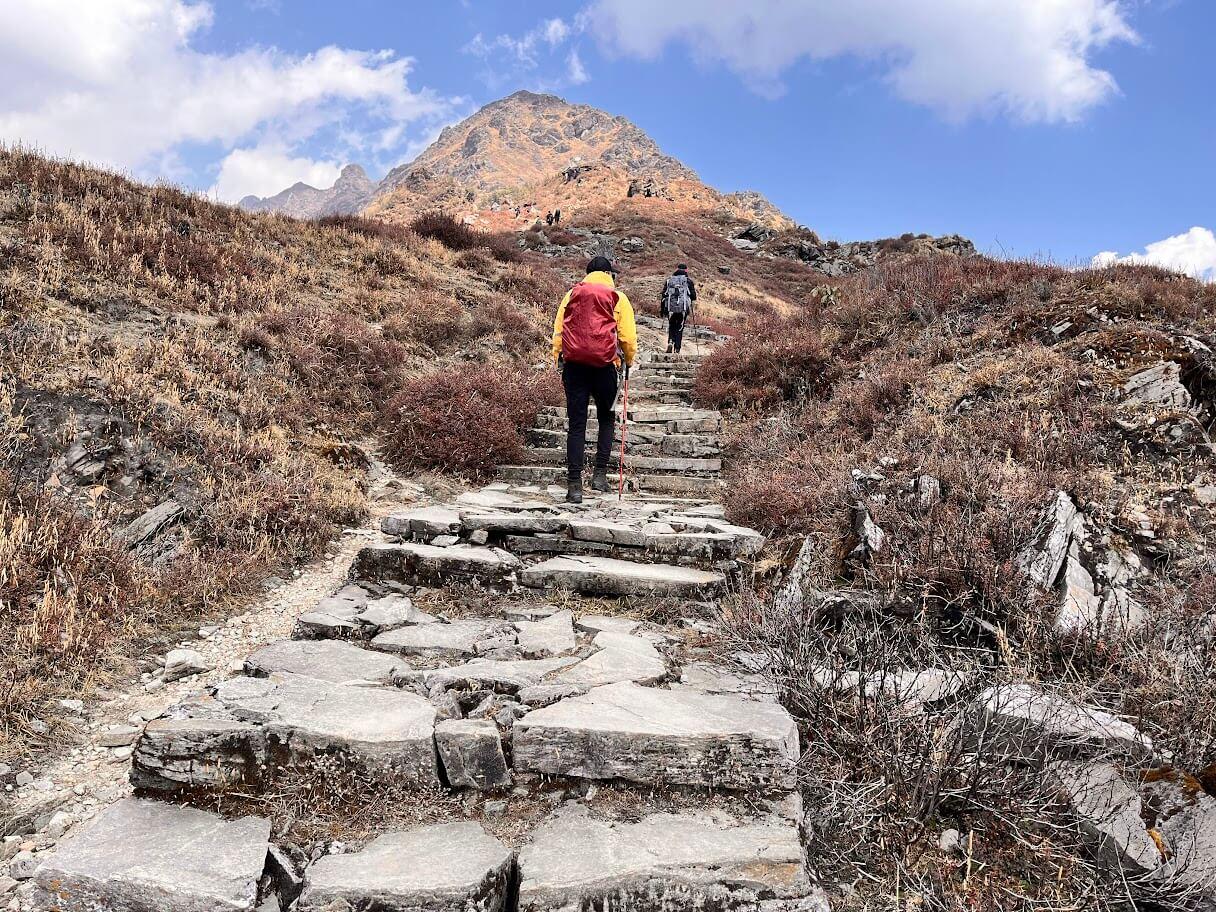
After breakfast, continue from Phusre toward Chyojyo Danda. The trail becomes more mountainous as you gain altitude, passing through rhododendron, pine, oak, and mixed forests. The route involves steady uphill sections with occasional flatter stretches where you can catch your breath and enjoy views of the surrounding hills. As you approach Chyojyo Danda, the landscape opens into higher mountain terrain and traditional grazing areas. The increasing elevation makes it important to maintain a comfortable pace and drink plenty of water. After around five to seven hours of trekking, arrive at the camping area and enjoy the evening surrounded by the quiet Himalayan landscape.
Trekking duration: Approximately 6–7 hours
Accommodation: Tented camp/local lodge
Meals: Breakfast, lunch, dinner
Today’s trek takes you deeper into the high mountain environment as you continue from Chyojyo Danda toward Hile Bhanjyang. The trail passes through forested slopes before gradually opening into alpine meadows and higher ridges. You will encounter a combination of uphill and downhill sections, with some steeper climbs requiring a slower and more deliberate pace. On clear days, the surrounding Himalayan ranges become increasingly visible from the higher ridges. Hile Bhanjyang is an important overnight point before continuing toward Nosyam Pati. After approximately six to seven hours on the trail, arrive at the campsite or basic lodge and enjoy a warm meal before resting. Similar published routes place Hile Bhanjyang around 3,400–3,700 m and use camping or basic lodge accommodation.
Duration: Full day
Accommodation: Tented camp/local lodge
Meals: Breakfast, lunch, dinner
Spend the day at Hile Bhanjyang to rest and allow your body to adjust to the increasing altitude. Instead of undertaking a long trek, take a short acclimatization walk around the surrounding ridge and return to camp for relaxation. You can explore nearby grazing areas, photograph the mountain scenery, or interact with local people when possible. Your guide will monitor the group for any signs of altitude-related discomfort and recommend appropriate pacing and hydration. This rest day is particularly useful because the route continues toward Nosyam Pati and Paanch Pokhari, where the altitude increases further. Enjoy a warm dinner at camp and prepare your equipment for the next day’s trek.
Trekking duration: Approximately 5–6 hours
Accommodation: Tented camp
Meals: Breakfast, lunch, dinner
After breakfast, leave Hile Bhanjyang and continue toward Nosyam Pati. The trail gradually climbs through dense rhododendron and pine forests before reaching more open highland terrain. As you gain elevation, the vegetation becomes shorter and the surrounding ridges become more prominent. The route offers increasingly impressive views of the Himalayan landscape on clear days. Walk at a steady pace, taking regular breaks to adjust to the altitude. After around five to six hours, reach Nosyam Pati, an important overnight camping point before the final approach to Paanch Pokhari. Settle into camp, enjoy dinner, and rest in preparation for the following day’s trek.
Trekking duration: Approximately 5–6 hours
Accommodation: Tented camp
Meals: Breakfast, lunch, dinner
Today you reach one of the main highlights of the trek: Paanch Pokhari, meaning “Five Lakes.” Leave Nosyam Pati after breakfast and follow the trail through rugged high-altitude terrain. The route climbs gradually across open ridges and alpine landscapes, with increasingly expansive views of the surrounding mountains. As you approach the lake area, the trail becomes more exposed and the landscape takes on a distinctly Himalayan character. Upon reaching Paanch Pokhari, explore the sacred lake complex and enjoy the spectacular surroundings. The area is an important pilgrimage destination for both Hindu and Buddhist communities. Spend the night at a tented camp near the lake.
Trekking duration: Approximately 5–6 hours
Accommodation: Tented camp
Meals: Breakfast, lunch, dinner
Wake up surrounded by the peaceful high-altitude scenery of Paanch Pokhari. After breakfast, begin the trek toward Sukpa Kharka, leaving the sacred lakes behind and continuing through remote mountain terrain. The trail follows open ridges, alpine meadows, rocky sections, and highland forests, depending on the exact trail conditions. You will gradually descend from the lake area while still remaining in a high-altitude environment. The route provides excellent opportunities to observe the region’s natural landscapes away from busy trekking routes. After approximately five to six hours of walking, arrive at Sukpa Kharka and establish camp. Enjoy dinner and a quiet evening beneath the mountain surroundings.
Trekking duration: Approximately 6–7 hours
Accommodation: Tented camp/local teahouse
Meals: Breakfast, lunch, dinner
Continue from Sukpa Kharka toward the remote settlement of Tembathang. Today’s trail gradually loses elevation as it passes through changing landscapes of alpine pasture, forest, streams, and mountain slopes. The descent provides some relief after the higher-altitude sections around Paanch Pokhari. Along the way, you may encounter isolated settlements, grazing areas, and traditional mountain landscapes that demonstrate the rural character of the region. The trail can be uneven in places, so careful footing is recommended. After approximately six to seven hours of trekking, arrive at Tembathang and settle into your camp or available local accommodation. Enjoy a warm meal and rest after the day’s walk.
Trekking duration: Approximately 5–6 hours
Accommodation: Tented camp/local teahouse
Meals: Breakfast, lunch, dinner
After breakfast, continue your journey from Tembathang toward Kyangsing. The trail winds through forested hills and remote mountain landscapes, with sections following natural contours along the slopes. You will cross smaller streams and pass through areas of woodland and open hillside while continuing deeper into the rural Himalayan environment. The route is less crowded than Nepal’s major trekking corridors, allowing you to enjoy a quieter experience. Take regular breaks and appreciate the changing scenery as you move between valleys and ridges. After around five to six hours of walking, reach Kyangsing, where you will spend the night at a tented camp or basic local accommodation.
Trekking duration: Approximately 5–6 hours
Accommodation: Tented camp
Meals: Breakfast, lunch, dinner
Today’s trail takes you from Kyangsing toward Nautale Kharka, continuing through remote hills and traditional grazing landscapes. The route includes forested sections, open pasture, and gradual climbs toward the kharka, or highland grazing area. As you gain elevation, the surrounding landscape opens up and provides broader views across the mountain ridges and valleys. The relatively isolated character of this section allows you to experience the quieter side of the Himalayas, away from large trekking groups and developed tourist infrastructure. After approximately five to six hours on the trail, arrive at Nautale Kharka and establish camp. Enjoy dinner and rest for the night before continuing toward Chormu Kharka.
Trekking duration: Approximately 5–6 hours
Accommodation: Tented camp
Meals: Breakfast, lunch, dinner
After breakfast, leave Nautale Kharka and continue toward Chormu Kharka. The trail winds through remote highland terrain, combining forested sections, open grazing areas, and undulating mountain paths. You will gradually make your way across the ridges while enjoying views of the surrounding hills and valleys. This section remains relatively isolated, offering a peaceful trekking experience with little infrastructure or settlement along the route. Depending on the season, you may see grazing livestock in the kharka areas. After around five to six hours of walking, arrive at Chormu Kharka and set up camp. Enjoy dinner and rest while preparing for the following day’s journey to Bhairab Kunda.
Trekking duration: Approximately 5–6 hours
Accommodation: Tented camp
Meals: Breakfast, lunch, dinner
Today you trek toward Bhairab Kunda, one of the major highlights of the journey. From Chormu Kharka, follow the mountain trail through rugged high-altitude terrain toward the sacred lake. The route includes gradual climbs and open ridge sections, with the surrounding landscape becoming increasingly dramatic as you approach Bhairab Kunda. On reaching the lake, take time to explore the peaceful surroundings and enjoy the panoramic mountain scenery. Bhairab Kunda is a significant pilgrimage site for both Hindu and Buddhist devotees. After exploring the area, return to camp for dinner and spend the night surrounded by the high Himalayan landscape.
Trekking duration: Approximately 5–6 hours
Accommodation: Local teahouse/lodge or tented camp
Meals: Breakfast, lunch, dinner
Leave Bhairab Kunda after breakfast and begin descending toward Serpagaon. After several days at higher elevations, today’s descent gradually takes you into warmer and more vegetated surroundings. The trail passes through forests, hillside paths, and rural landscapes, with occasional views across the valleys. As you lose elevation, the vegetation becomes noticeably denser and signs of village life become more frequent. Continue at a controlled pace, particularly on steeper downhill sections. After approximately five to six hours of trekking, reach Serpagaon and settle into a basic local lodge or campsite. Enjoy a relaxing evening and recover after the long high-altitude section of the trek.
Trekking duration: Approximately 5–6 hours
Accommodation: Local lodge/teahouse in Larcha
Meals: Breakfast, lunch, dinner
After breakfast, begin the final trekking stage from Serpagaon toward Larcha. The trail continues descending through forested hills, traditional settlements, agricultural land, and increasingly accessible mountain terrain. You will notice the transition from the remote highland environment toward the road-connected areas of the lower valleys. The route may include uneven paths and downhill sections, so take care with your footing. Along the way, enjoy your final views of the surrounding hills and reflect on the landscapes experienced during the trek. After approximately five to six hours, arrive in Larcha and check into a local lodge or teahouse. This is your final overnight stop before returning to Kathmandu.
Driving duration: Approximately 6–8 hours, depending on road conditions
Accommodation: Not included / onward travel
Meals: Breakfast
After breakfast, leave Larcha and begin the road journey back to Kathmandu. The drive follows winding mountain roads through valleys, riverside landscapes, hillside settlements, and rural communities before gradually approaching the Kathmandu Valley. The journey provides a final opportunity to enjoy Nepal’s diverse countryside from the road. Road travel times can vary depending on traffic, weather, road conditions, and seasonal disruptions. Upon reaching Kathmandu, the 17-day Paanch Pokhari–Bhairab Kunda Trek officially concludes. You can be dropped at your hotel or another agreed location in Kathmandu for your onward travel arrangements.
Video
Paanch Pokhari Bhairab Kunda Trek Packing List
Since this is a 17-day high-altitude trek reaching approximately 4,250 m, pack for changing temperatures, long walking days, remote camping sections, and limited facilities.
Clothing
- 2–3 moisture-wicking trekking T-shirts
- 1–2 long-sleeve thermal/base-layer tops
- 1–2 thermal base-layer bottoms
- 1 fleece jacket
- 1 warm down/synthetic insulated jacket
- 1 waterproof and windproof jacket
- 1 pair waterproof trekking trousers
- 2 pairs trekking trousers
- 3–4 pairs trekking underwear
- 4–5 pairs trekking socks
- Warm wool/fleece hat
- Sun hat or cap
- Buff or neck gaiter
- Lightweight gloves
- Warm insulated gloves for higher elevations
Trekking Footwear
- Broken-in hiking boots with good ankle support
- Lightweight camp shoes or sandals
- Spare shoelaces
- Gaiters, particularly for muddy or snowy conditions
Sleeping & Camping
- Sleeping bag suitable for cold mountain nights
- Sleeping bag liner, if preferred
- Headlamp with spare batteries
- Trekking tent and camping equipment, if camping independently
- Small inflatable or foam sleeping mat, if not provided by the operator
Backpack & Bags
- 40–50 L trekking backpack
- Small daypack, if your main luggage is carried separately
- Waterproof backpack cover
- Dry bags or waterproof packing bags
- Duffel bag for equipment carried by porters
- Small waist/hip pouch for valuables
Trekking Equipment
- Adjustable trekking poles
- Sunglasses with UV protection
- Water bottle or hydration bladder
- Water purification tablets or portable filter
- Reusable water bottle
- Trekking towel
- Personal first-aid kit
- Blister treatment/plasters
- Basic medication and prescribed medicines
- Sunscreen and lip balm with SPF
Toiletries & Personal Items
- Toothbrush and toothpaste
- Biodegradable soap
- Small shampoo
- Hand sanitizer
- Wet wipes
- Toilet paper/tissues
- Quick-drying towel
- Moisturizer
- Personal hygiene products
- Small waste bags
- Zip-lock bags
Electronics
- Mobile phone
- Power bank
- Charging cables
- Universal travel adapter
- Camera and spare batteries, if required
- Headlamp
Documents & Money
- Passport
- Nepal visa documents, if applicable
- Travel insurance details
- Trekking permit/TIMS documentation, as arranged
- Copies of important documents
- Emergency contact information
- Sufficient Nepalese rupees in small denominations
Recommended Extras
- Lightweight rain poncho
- Small repair/sewing kit
- Multi-purpose knife/tool for general camping use
- Energy bars, nuts, chocolate, or other personal snacks
- Electrolyte/rehydration packets
- Earplugs
- Small notebook and pen
- Binoculars or camera for landscape and wildlife viewing
Packing tip: Keep frequently used items such as your rain jacket, water, snacks, sunscreen, sunglasses, gloves, and first-aid supplies easily accessible. Avoid overpacking the route includes several long trekking days, and a lighter backpack makes the ascents and descents considerably more comfortable.
Reviews
No reviews found.