
15 Days Naya Kanga Peak Climbing in Nepal
Destination:
Naya Kanga Peak, Langtang Valley, Nepal
Trip Duration:
15 Days / 14 Nights
Max Altitude:
5,844 m (19,173 ft) – Naya Kanga Peak Summit
Activities:
Trekking, Peak Climbing, Mountaineering, Sightseeing, Acclimatization
Start Point:
Kathmandu
Ending Point:
Kathmandu
Region:
Langtang Region / Langtang National Park
Trip Grade:
Challenging / Strenuous
Group Size:
Small Group / Private Group
Accomodation:
Hotels in Kathmandu; Teahouses/Lodges during trekking; Tented Camps during climbing
Meals:
Breakfast in Kathmandu; Breakfast, Lunch & Dinner during trekking and climbing
Transportation:
Private/Shared Tourist Vehicle – Kathmandu to Syabrubesi and return
Permits Required:
Naya Kanga Peak Climbing Permit, Langtang National Park Entry Permit, TIMS Card
Best Season:
Spring (March–May) and Autumn (September–November)
Naya Kanga Peak Climbing in Nepal
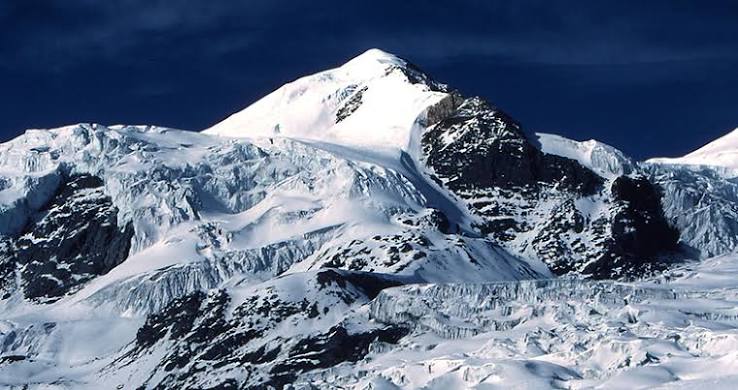
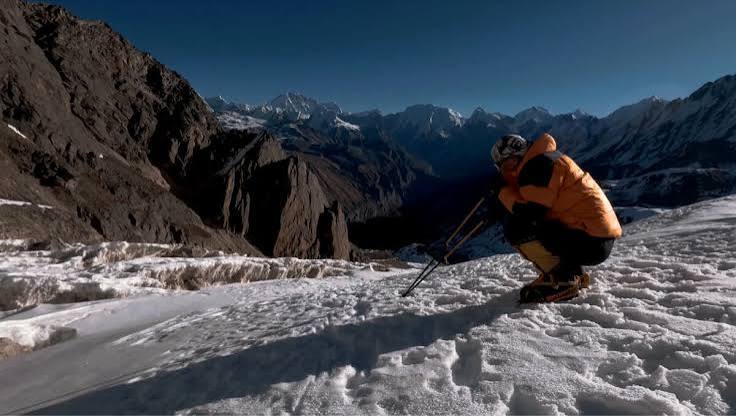
Naya Kanga Peak Climbing is a demanding Himalayan adventure that combines the atmosphere of the Langtang Valley with a genuine high-altitude mountaineering objective. Also known as Ganja La Chuli, Naya Kanga rises to 5,844 meters and is approached through the upper Langtang landscape. Unlike a conventional valley trek, the journey gradually transitions from established mountain trails to increasingly rugged terrain, creating a natural progression toward the climbing objective. The mountain’s normal climbing line follows the northeast ridge, with snow, ice, and steeper sections making the summit considerably more serious than an ordinary trekking route.
One of the defining features of the Naya Kanga Peak Expedition is the way the approach itself contributes to preparation for the climb. The Langtang Valley provides a gradual introduction to increasing altitude before the route leaves the main trekking corridor. Forested lower sections give way to open mountain terrain, allowing climbers to experience a noticeable change in landscape as they move higher. This combination makes the expedition appealing to trekkers who want to progress beyond a standard Himalayan walking holiday and experience the responsibilities and challenges associated with a peak-climbing objective.
The character of the mountain becomes more pronounced above Kyanjin. The climbing approach involves high-altitude terrain where conditions can vary significantly according to season and recent snowfall. Published climbing information describes the northeast ridge as the normal route, with snow and ice sections requiring appropriate mountaineering techniques and equipment. The precise difficulty can change depending on current conditions, making experienced leadership and conservative decision-making important throughout the ascent.
Why Choose Naya Kanga?
The appeal of Naya Kanga Peak Climbing in Nepal comes from its combination of accessibility and genuine alpine character. The mountain is situated in the Langtang region, which allows the expedition to incorporate a well-established approach through the valley before entering more remote climbing terrain. This gives participants an opportunity to experience two distinct sides of the Himalaya within one journey: the culturally rich trekking environment of Langtang and the demanding mountain environment surrounding the peak.
The changing scenery is another major attraction. Lower sections of the journey pass through forest and settled mountain landscapes, while the upper valley becomes increasingly open and rugged. From the higher areas around Kyanjin and the climbing route, the surrounding Himalayan skyline becomes a central part of the experience. Clear-weather views can include prominent peaks of the Langtang range and mountains toward Tibet, including Langtang Lirung, Dorje Lakpa, and Shishapangma.
The cultural dimension also remains an important part of the journey. The Langtang Valley is home to communities with strong Tamang and Tibetan cultural influences, and the route passes traditional settlements and Buddhist landmarks before reaching the higher mountain environment. The transition from villages and cultivated landscapes into alpine terrain gives the expedition a strong sense of progression rather than making the entire trip solely about the final summit.
A Progressive Alpine Experience
The Naya Kanga Peak Climbing Itinerary is designed around gradual altitude gain and preparation before the summit attempt. After reaching the upper Langtang Valley, climbers have time to adjust before moving toward the Base Camp area. This progression is particularly important because the expedition eventually reaches an altitude of 5,844 meters, where reduced oxygen availability can significantly affect physical performance.
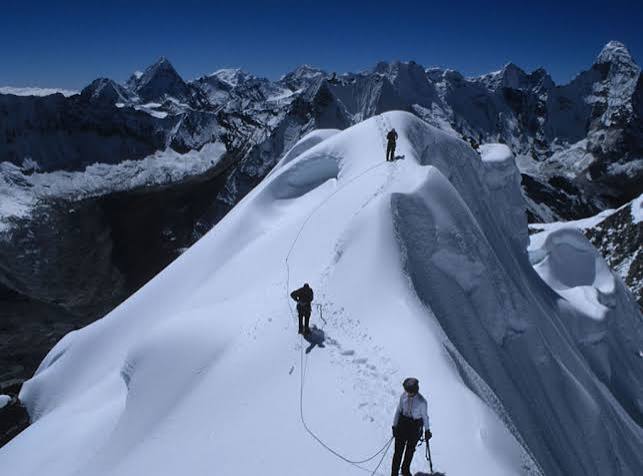
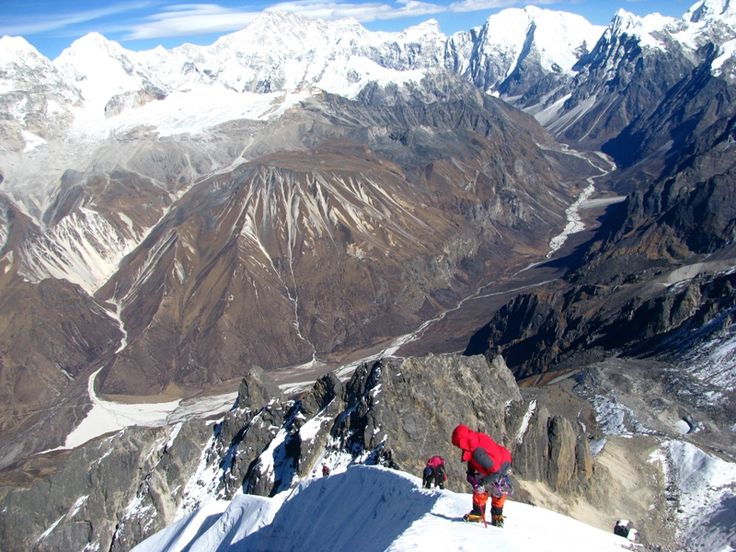
Above Kyanjin, the surroundings become increasingly remote. The route toward Base Camp introduces a more serious mountain environment, followed by the move to High Camp. From there, the summit push becomes the central objective of the expedition. The normal route involves a snow-and-ice ridge, and published route descriptions indicate that steeper sections can require rope systems and technical climbing equipment depending on conditions.
Summit day is therefore not simply an extension of trekking. It is a mountaineering day requiring patience, controlled movement, suitable equipment, and close communication with the climbing team. Weather and route conditions play a major role in determining the safest approach, and a summit attempt should only proceed when the climbing leader considers the conditions appropriate.
The Naya Kanga Peak Summit Experience
Reaching the Naya Kanga Peak Summit at 5,844 meters represents the culmination of the entire journey. The final ascent provides a dramatic contrast to the forested trails encountered at the beginning of the expedition. Snow-covered slopes, exposed mountain terrain, and expansive Himalayan surroundings create a distinctly alpine environment.
The summit experience is about more than reaching a particular elevation. It represents the culmination of acclimatization, physical preparation, trekking endurance, technical preparation, and careful decision-making. On clear days, the higher mountain position provides impressive views across the Langtang Himal and toward the Tibetan side of the range. Published climbing sources specifically highlight views toward Langtang Lirung, Lenpo Gang, Dorje Lakpa, and Shishapangma.
After the summit attempt, the journey continues back through the Langtang Valley. Descending allows climbers to gradually leave the alpine environment and return to the more familiar trails and settlements of the approach. The return journey provides a different perspective on landscapes already experienced during the ascent, while also giving the climbing team time to reflect on the expedition.
Who Is This Expedition For?
This adventure is best suited to travelers who are looking for more than a conventional trekking experience and are prepared for the demands of a high-altitude peak. Strong physical conditioning is important, while previous exposure to mountaineering techniques can be highly advantageous. The technical character of the summit route means that participants should take preparation seriously rather than considering Naya Kanga simply a high-altitude hike. Current route conditions can also influence the level of technical difficulty encountered.
For appropriately prepared climbers, the expedition offers a compelling introduction to Himalayan peak climbing. It combines a gradual approach, high-altitude acclimatization, remote mountain terrain, and a defined summit objective within the Langtang region. The result is an adventure that connects the cultural and natural character of the valley with the more technical environment of a Himalayan climbing route.
Experience the Langtang Himalaya
Ultimately, Naya Kanga Peak Climbing is an expedition built around progression: from Kathmandu to the Langtang Valley, from established trekking trails to remote mountain terrain, and from acclimatization to a challenging summit attempt. The combination of Himalayan scenery, local mountain culture, changing landscapes, and technical climbing makes it an appealing choice for travelers seeking a more ambitious Nepal adventure.
For those ready to move beyond conventional trekking, the Naya Kanga Peak Expedition provides an opportunity to experience the Langtang Himalaya from a much higher perspective. With careful preparation, appropriate equipment, experienced climbing support, and respect for changing mountain conditions, the journey can become one of the most rewarding high-altitude experiences in Nepal.
Trekking Similar to Naya Kanga Peak Climbing in Nepal
- Annapurna Circuit Trek: 15 Night – 16 Days
- Manaslu Circuit trek-14N/15D
- Everest Base Camp Trek- 12 Days/ 11 Night
Nepal Pilgrimage & Cultural Tours
- Buddhist Pilgrimage Tour 6 Nights / 7 Days
- Kathmandu, Pokhara & Muktinath 7 Nights / 8 Days
- 8 Days Culture, Wildlife & Heritage of Nepal
- Mani Rimdu Festival in Everest Region 11 Nights / 12 Days
- 1-Day Kathmandu UNESCO Heritage Tour with Complimentary Nagarkot Sunrise & Rani Jhula
15 Days Naya Kanga Peak Climbing in Nepal Highlights
- Summit Naya Kanga Peak at 5,844m (19,173ft) with spectacular Himalayan views.
- Trek through the scenic Langtang Valley and Langtang National Park.
- Experience the unique Tamang and Tibetan-influenced mountain culture of the Langtang region.
- Visit the historic and spiritual Kyanjin Gompa at 3,870m.
- Enjoy acclimatization and panoramic mountain views around Kyanjin Valley.
- Trek through beautiful rhododendron, bamboo, oak, and pine forests.
- Pass traditional mountain villages, mani walls, prayer wheels, chortens, and Buddhist prayer flags.
- Experience the remote and rugged landscapes surrounding Naya Kanga Base Camp.
- Spend a night at Naya Kanga High Camp at approximately 5,000m before the summit attempt.
- Undertake a challenging pre-dawn summit ascent with an experienced climbing guide.
- Use essential mountaineering equipment such as crampons, harness, ropes, and ice axe where required by conditions.
- Enjoy views of Langtang Lirung, Ganesh Himal, Manaslu, Shishapangma, and surrounding Himalayan peaks in favorable weather.
- Combine a rewarding Langtang trek with a technical Himalayan peak-climbing experience.
- Scenic overland journey between Kathmandu and Syabrubesi through Nepal's mountain countryside.
- Enjoy a carefully planned itinerary with acclimatization, gradual altitude gain, and a dedicated summit day.
Naya Kanga Peak Climbing Route: Kathmandu to 5,844m Summit
The 15-day Naya Kanga Peak Climbing adventure begins in Kathmandu, where you complete sightseeing, climbing permit preparation, equipment checks, and a detailed expedition briefing. From Kathmandu, a scenic drive takes you north through Nepal’s hill country to Syabrubesi (1,450m), the gateway to the Langtang Valley and the starting point of the trekking section.
From Syabrubesi, the trail follows the Langtang Khola through beautiful forests of oak, rhododendron, bamboo, and pine before reaching Lama Hotel (2,470m). The trek continues deeper into the valley toward Langtang Village (3,330m), passing traditional settlements, Buddhist prayer flags, mani walls, suspension bridges, and spectacular Himalayan scenery.
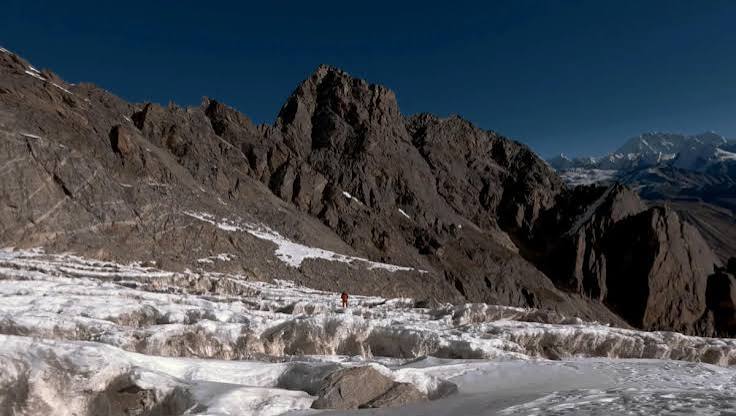
The trail then climbs gradually toward Kyanjin Gompa (3,870m), one of the most important settlements in the upper Langtang Valley. After spending an acclimatization day here, the expedition leaves the main trekking route and heads toward the remote Naya Kanga Base Camp (4,400m). The terrain becomes increasingly rugged and alpine as you approach the climbing zone.
From Base Camp, the route ascends toward Naya Kanga High Camp (5,000m). After preparing climbing equipment and checking weather and mountain conditions, the summit attempt begins early the following morning. The challenging ascent leads toward the Naya Kanga Peak summit at 5,844m, with technical climbing sections potentially requiring crampons, harnesses, ropes, and an ice axe depending on conditions.
After reaching the summit and enjoying panoramic Himalayan views, descend carefully to Naya Kanga Base Camp. The return journey retraces the route through Kyanjin Gompa, Langtang Village, Lama Hotel, and Syabrubesi. Finally, drive from Syabrubesi back to Kathmandu, completing the Naya Kanga Peak climbing expedition through the Langtang region.
Kathmandu (1,400m) ➡️ Syabrubesi (1,450m) ➡️ Lama Hotel (2,470m) ➡️ Langtang Village (3,330m) ➡️ Kyanjin Gompa (3,870m) ➡️ Naya Kanga Base Camp (4,400m) ➡️ Naya Kanga High Camp (5,000m) ➡️ 🏔️ Naya Kanga Summit (5,844m) ➡️ Naya Kanga Base Camp (4,400m) ➡️ Kyanjin Gompa (3,870m) ➡️ Langtang Village (3,330m) ➡️ Lama Hotel (2,470m) ➡️ Syabrubesi (1,450m) ➡️ Kathmandu (1,400m)
Include
- Airport arrival and departure transfers in Kathmandu by private vehicle.
- Accommodation in Kathmandu in a standard hotel on a twin-sharing basis.
- Accommodation in local teahouses/lodges during the Langtang trekking section.
- Tented camping accommodation at Naya Kanga Base Camp and High Camp.
- Breakfast during the Kathmandu stay.
- Full-board meals (breakfast, lunch, and dinner) during the trekking and climbing period.
- Experienced, licensed, and government-certified trekking/climbing guide.
- Required porters to carry trekking and climbing equipment according to the agreed group arrangement.
- Naya Kanga Peak climbing permit and necessary expedition documentation.
- Langtang National Park entry permit.
- TIMS card and applicable local trekking permits.
- Kathmandu–Syabrubesi–Kathmandu ground transportation.
- Guide and porter accommodation, meals, salary, insurance, and transportation.
- Camping equipment, including tents, kitchen equipment, dining equipment, and necessary camp accessories.
- Basic climbing equipment required for the expedition, as provided by the operator.
- Necessary climbing ropes and group technical equipment.
- Trekking and climbing route planning, coordination, and expedition support.
- Government taxes and applicable service charges.
- Pre-climb briefing, equipment check, and basic climbing orientation.
- Acclimatization day at Kyanjin Gompa.
- Assistance from the climbing team during the Naya Kanga summit attempt.
- Downhill and return support from the climbing area to the main trekking route.
Exclude
- International airfare to and from Nepal.
- Nepal entry visa fees.
- Personal travel, trekking, and mountaineering insurance.
- Emergency helicopter evacuation or other emergency rescue costs.
- Medical expenses and treatment costs.
- Personal expenses such as laundry, telephone calls, internet, and additional beverages.
- Bottled/mineral water and alcoholic or soft drinks.
- Snacks, chocolates, energy bars, and other personal food items.
- Personal trekking and climbing equipment such as sleeping bag, down jacket, trekking boots, crampons, harness, ice axe, helmet, gloves, goggles, and technical clothing unless specifically included in the package.
- Personal porter or additional porter services beyond the agreed arrangement.
- Extra hotel nights in Kathmandu caused by early arrival, late departure, flight changes, or itinerary alterations.
- Lunch and dinner in Kathmandu unless specifically mentioned in the package.
- Tips and gratuities for guides, porters, drivers, and support staff.
- Costs arising from flight delays, cancellations, road blockages, bad weather, natural disasters, political disturbances, or other circumstances beyond the operator's control.
- Any additional accommodation, meals, transportation, permits, or services resulting from itinerary changes requested by the client.
- Any other expenses not specifically mentioned under Trip Includes.
15 Days Naya Kanga Peak Climbing in Nepal Itinerary
Duration: Arrival day / transfer to hotel
Meals: Breakfast not included; other meals at own expense
Accommodation: 3-star hotel in Kathmandu
Arrive at Tribhuvan International Airport in Kathmandu, where you will be welcomed by the expedition representative and transferred to your hotel. After checking in, you can rest and recover from your journey. If your arrival time permits, you can take a short walk around Thamel and explore the lively streets of Kathmandu. In the evening, meet your trekking and climbing team for an initial briefing about the Naya Kanga Peak expedition, including the itinerary, altitude profile, weather, safety procedures, equipment, and upcoming trekking route.
Duration: 5–6 hours sightseeing and preparation
Meals: Breakfast
Accommodation: 3-star hotel in Kathmandu
After breakfast, explore some of Kathmandu’s major cultural attractions, such as Swayambhunath, Boudhanath, Pashupatinath Temple, and Kathmandu Durbar Square, depending on available time. These UNESCO-listed heritage sites introduce you to Nepal’s rich Hindu and Buddhist traditions. Later, return to the expedition office for final Naya Kanga Peak climbing preparations. Your guide will check your equipment, assist with any necessary rentals or purchases, verify permits and documentation, and provide a detailed briefing about the trekking and climbing sections. Spend the evening resting and preparing for the early departure to Syabrubesi.
Duration: Approximately 6–8 hours drive
Meals: Breakfast, Lunch, Dinner
Accommodation: Local teahouse/lodge in Syabrubesi
After an early breakfast, begin the scenic drive from Kathmandu toward Syabrubesi, the gateway to the Langtang Valley. The road passes through Trishuli Bazaar and follows winding mountain roads through green hills, terraced farmland, villages, and river valleys. Road conditions can influence the journey time. After reaching Syabrubesi, check into a local lodge and rest. Your guide will confirm the next day’s trekking arrangements and check that all personal and group equipment is ready. Enjoy dinner at the lodge and prepare for your first day of trekking.
Duration: Approximately 5–6 hours trekking
Meals: Breakfast, Lunch, Dinner
Accommodation: Teahouse/lodge at Lama Hotel
After breakfast, begin trekking through the lower Langtang Valley. The trail initially follows the Langtang Khola and gradually enters dense forests of oak, rhododendron, bamboo, and pine. Along the way, cross suspension bridges and pass small settlements and waterfalls while gradually gaining elevation. The trail includes several uphill and downhill sections, so maintaining a steady pace is important. After several hours of walking, reach Lama Hotel, a popular overnight stop surrounded by forest. Check into the lodge, enjoy a warm dinner, and rest for the next day’s climb toward Langtang Village.
Duration: Approximately 5–6 hours trekking
Meals: Breakfast, Lunch, Dinner
Accommodation: Teahouse/lodge in Langtang Village
Continue trekking deeper into the Langtang Valley after breakfast. The trail follows the Langtang Khola through beautiful forest before gradually opening into wider mountain landscapes. You will pass Ghoda Tabela and several smaller settlements, with the surrounding Himalayan peaks becoming increasingly visible. As you approach Langtang Village, the landscape reflects the region’s strong Tamang and Tibetan cultural influences, with mani walls, prayer flags, chortens, and traditional houses along the trail. Arrive at Langtang Village in the afternoon, check into your lodge, and enjoy dinner while preparing for the higher-altitude trek toward Kyanjin Gompa.
Duration: Approximately 3–4 hours trekking
Meals: Breakfast, Lunch, Dinner
Accommodation: Teahouse/lodge at Kyanjin Gompa
Today’s trek is shorter but takes you considerably higher into the upper Langtang Valley. After breakfast, follow the trail through Mundu and other small settlements, passing Buddhist monuments, prayer wheels, mani walls, and alpine meadows. As the trail climbs, spectacular views of Langtang Lirung and surrounding peaks begin to dominate the landscape. Continue toward Kyanjin Gompa, the main settlement in the upper valley and an important acclimatization point for the expedition. After arrival, check into the lodge, have lunch, and rest. Your guide will assess your condition and discuss the next day’s acclimatization activities.
Duration: Approximately 4–5 hours optional acclimatization hike
Meals: Breakfast, Lunch, Dinner
Accommodation: Teahouse/lodge at Kyanjin Gompa
Spend an important acclimatization day at Kyanjin Gompa before moving toward Naya Kanga Base Camp. After breakfast, take a gradual hike around the surrounding valley. Depending on weather, fitness, and group conditions, you may hike toward Kyanjin Ri or explore nearby viewpoints and alpine landscapes. The purpose is to gain some additional altitude during the day and return to the lodge to sleep at the same elevation. Your climbing guide will also conduct a final equipment inspection and explain the use of crampons, harnesses, ropes, ice axe, and other climbing equipment where required. Enjoy dinner and get a good night’s rest before entering the climbing section.
Duration: Approximately 5–6 hours trekking
Meals: Breakfast, Lunch, Dinner
Accommodation: Tented camp at Naya Kanga Base Camp
After breakfast, leave Kyanjin Gompa and head toward the Naya Kanga climbing area. The route gradually leaves the more established Langtang trekking trail and enters a quieter, more rugged alpine environment. The trail passes rocky terrain, high-altitude meadows, and increasingly barren mountain landscapes. As you gain elevation, walk slowly and maintain a steady pace to allow your body to adapt. After reaching Naya Kanga Base Camp at approximately 4,400m, the climbing team will establish camp and organize equipment. Enjoy a hot meal at camp and receive a briefing about the High Camp and summit attempt.
Duration: Approximately 4–5 hours climbing/trekking
Meals: Breakfast, Lunch, Dinner
Accommodation: Tented camp at Naya Kanga High Camp
Today you ascend toward Naya Kanga High Camp at approximately 5,000m. The terrain becomes steeper and more demanding as you move higher above Base Camp. Depending on current snow and mountain conditions, sections may require the use of climbing ropes and technical equipment under your guide’s supervision. Move slowly with regular breaks because of the increasing altitude. After reaching High Camp, settle into your tent and allow the climbing team to make final preparations for the summit attempt. Your guide will check weather forecasts and equipment and explain the early-morning summit schedule. Have an early dinner and rest as much as possible.
Duration: Approximately 10–12+ hours climbing
Meals: Breakfast, Lunch, Dinner
Accommodation: Tented camp at Naya Kanga Base Camp
Begin the summit attempt very early, generally before dawn, to maximize available daylight and take advantage of suitable mountain conditions. The ascent becomes increasingly challenging as you move over steep rocky, snowy, or icy terrain depending on the season. Under the supervision of your climbing guide, you may use crampons, harnesses, ropes, and an ice axe on technical sections. Continue carefully toward the summit at 5,844m, where clear weather can provide impressive views across the Langtang and surrounding Himalayan ranges. After spending a short time at the summit, begin the careful descent to High Camp and continue toward Base Camp. This is the most demanding day of the expedition, so maintaining a controlled pace and following your guide’s instructions is essential.
Duration: Approximately 6–7 hours trekking
Meals: Breakfast, Lunch, Dinner
Accommodation: Teahouse/lodge in Langtang Village
After breakfast, leave Naya Kanga Base Camp and descend toward Kyanjin Gompa. The route gradually moves from the remote climbing terrain back into the established Langtang Valley trekking route. Take a short break at Kyanjin Gompa before continuing downhill through alpine meadows and traditional settlements. The lower altitude provides a noticeable improvement in breathing after the summit attempt. Continue toward Langtang Village, where you will check into a lodge and enjoy a well-earned meal. Spend the evening resting and recovering from the demanding summit day.
Duration: Approximately 5–6 hours trekking
Meals: Breakfast, Lunch, Dinner
Accommodation: Teahouse/lodge at Lama Hotel
After breakfast, begin your descent from Langtang Village toward Lama Hotel. The trail retraces the route through traditional settlements and gradually enters the dense forest of the lower Langtang Valley. Follow the Langtang Khola and pass through Ghoda Tabela before continuing through forests of rhododendron, bamboo, oak, and pine. Although you are mostly descending, there are several short uphill sections. Arrive at Lama Hotel in the afternoon, check into your lodge, and enjoy a relaxed evening with your trekking team. Dinner and overnight at the lodge.
Duration: Approximately 5–6 hours trekking
Meals: Breakfast, Lunch, Dinner
Accommodation: Local teahouse/lodge in Syabrubesi
Continue descending through the forest after breakfast, following the Langtang Khola toward Syabrubesi. The trail includes suspension bridges, forested sections, small settlements, and several gradual ascents and descents. As you lose altitude, the landscape becomes greener and warmer. Continue at a comfortable pace until you reach Syabrubesi, where the trekking portion of the Naya Kanga expedition officially concludes. Check into the lodge, relax, and celebrate the completion of your trekking and climbing adventure with your guides and porters.
Duration: Approximately 6–8 hours drive
Meals: Breakfast, Lunch
Accommodation: 3-star hotel in Kathmandu
After breakfast, begin the scenic drive from Syabrubesi back to Kathmandu. Follow the winding mountain road through rural villages, terraced hills, forests, and river valleys before reconnecting with the main road toward the capital. Road and traffic conditions can affect the total journey time. Upon arrival in Kathmandu, transfer to your hotel and enjoy a hot shower and comfortable rest. The remainder of the day is free for shopping, exploring Thamel, relaxing, or enjoying a farewell dinner at your own expense.
Duration: Airport transfer according to flight schedule
Meals: Breakfast
Accommodation: Not included
Enjoy your final breakfast in Kathmandu before checking out of the hotel. Depending on your international flight schedule, the expedition representative will arrange your transfer to Tribhuvan International Airport. If you are continuing with another Nepal adventure, you can instead proceed with your next scheduled program. Your 15-day Naya Kanga Peak Climbing expedition concludes after completing the Langtang Valley trek and summit attempt.
Video
Naya Kanga Peak Climbing – Packing List
Clothing & Personal Gear
- Waterproof trekking jacket
- Down jacket suitable for high altitude
- Fleece jacket or warm mid-layer
- Thermal base-layer top and bottom
- Trekking shirts and T-shirts
- Trekking trousers
- Waterproof/windproof trousers
- Warm trekking trousers
- Underwear and comfortable clothing
- Warm fleece or wool sweater
- Sun hat or cap
- Warm woolen hat or beanie
- Neck gaiter or buff
- Lightweight and insulated gloves
- Heavy-duty mountaineering gloves
- Wool or thermal trekking socks
- Extra pairs of socks
- Comfortable camp and sleeping clothes
Footwear
- Waterproof trekking boots with good ankle support
- Mountaineering boots suitable for summit conditions
- Lightweight camp shoes or sandals
- Gaiters
- Spare shoelaces
Technical Climbing Equipment
- Mountaineering harness
- Climbing helmet
- Crampons compatible with your mountaineering boots
- Ice axe
- Ascender or jumar
- Carabiners
- Prusik loop
- Climbing sling
- Personal locking carabiner
- Climbing rope where required
- Climbing gloves
- Mountaineering goggles
- Headlamp with spare batteries
Note: Confirm with your climbing operator which technical equipment is provided as group equipment and which items you need to bring personally.
Sleeping & Camp Equipment
- Four-season sleeping bag suitable for sub-zero temperatures
- Sleeping bag liner
- Insulated sleeping mat or sleeping pad
- Small travel or inflatable pillow
- Headlamp
- Earplugs
- Duffel bag for porterage
- 30–40L daypack
- Waterproof backpack cover
- Dry bags or waterproof packing bags
Sun & High-Altitude Protection
- UV-protection sunglasses
- Glacier or mountaineering goggles
- High-SPF sunscreen
- Lip balm with SPF
- Sun hat
- Buff or face covering
- Moisturizer
- Small personal towel
First-Aid & Personal Medical Items
- Personal first-aid kit
- Personal prescription medicines
- Basic pain-relief medication
- Blister treatment and plasters
- Antiseptic wipes
- Elastic bandage
- Oral rehydration or electrolyte packets
- Water-purification tablets or filter
- Personal hygiene supplies
- Hand sanitizer
- Basic toiletries
Hydration & Food
- Reusable water bottles
- Insulated water bottle for high camp
- Hydration bladder
- Electrolyte supplements
- Energy bars
- Trail mix and nuts
- Dried fruit
- Chocolate
- Personal snacks for long climbing days
Electronics
- Mobile phone
- Power bank
- Universal travel adapter
- Charging cables
- Camera
- Spare camera batteries
- Memory cards
- Headlamp batteries
- Optional solar charger
Documents & Money
- Passport
- Nepal visa and travel documents
- Travel insurance covering high-altitude trekking and peak climbing
- Copies of passport and insurance documents
- Trekking and climbing permits
- Emergency contact information
- Passport-size photographs
- Nepalese cash
- Credit or debit card where accepted
Useful Extras
- Trekking poles
- Small repair kit
- Duct tape
- Zip-lock bags
- Garbage or waste bags
- Small combination lock
- Notebook and pen
- Binoculars
- Lightweight laundry soap
- Wet wipes
- Toilet paper and tissues
Essential Summit Gear
For the 5,844m Naya Kanga summit, pay particular attention to proper mountaineering boots, crampons, harness, helmet, ice axe, warm down clothing, thermal layers, gloves, goggles, sunglasses, headlamp, and a suitable four-season sleeping bag. The climbing guide should conduct a complete equipment check before leaving Kathmandu and again before the summit attempt.
Reviews
No reviews found.