
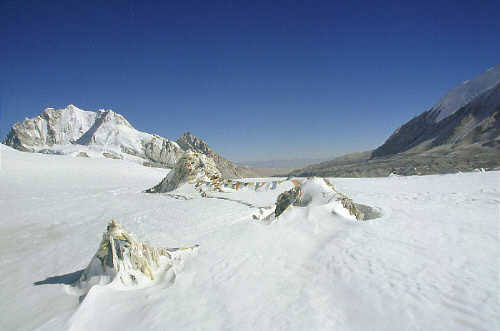
Nangpa La Pass Trek 20 Days
Destination:
Nangpa La Pass, Everest Region, Nepal
Trip Duration:
20 Days
Max Altitude:
5,806 m – Nangpa La Pass
Activities:
High-altitude trekking, mountain pass crossing, Himalayan sightseeing, Sherpa culture, village exploration, glacier exploration
Start Point:
Kathmandu
Ending Point:
Kathmandu
Region:
Everest / Khumbu Region, Nepal
Trip Grade:
Strenuous / Challenging
Group Size:
2–12 people
Accomodation:
Hotels in Kathmandu; teahouses/lodges and basic mountain accommodation/camping in remote high-altitude sections
Meals:
Breakfast in Kathmandu; Breakfast, Lunch & Dinner during the trek
Transportation:
Private airport transfers; domestic flights between Kathmandu and Lukla; trekking on foot
Permits Required:
Sagarmatha National Park Entry Permit, Khumbu Pasang Lhamu Rural Municipality Permit, and any additional restricted-area/route authorization required for the Nangpa La section
Best Season:
Spring (March–May) and Autumn (September–November)
Nangpa La Pass Trek
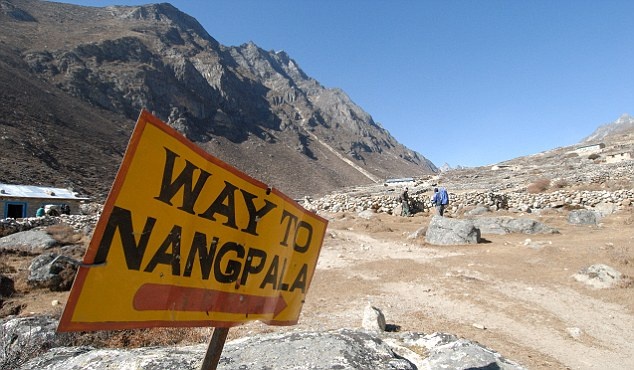
The Nangpa La Pass Trek is a challenging and remote Himalayan journey through the lesser-traveled northern part of Nepal’s Everest region. It is ideal for experienced trekkers who want to explore beyond the popular Everest Base Camp trails and discover a quieter side of the Khumbu. The route combines dramatic mountain scenery, historic Himalayan trade routes, traditional Sherpa settlements, remote valleys, glaciers, and high-altitude landscapes. Unlike standard Everest itineraries, the Nangpa La Trek takes travelers into the secluded Nangpa Valley and toward the historic Nangpa La Pass, creating a genuine wilderness experience in one of Nepal’s most spectacular mountain regions.
Exploring the Remote Nangpa Valley
The Nangpa Valley Trek is one of the most distinctive aspects of this adventure. After leaving the more established trekking corridor, the landscape gradually becomes quieter, more rugged, and less developed. The valley is surrounded by towering Himalayan mountains and offers a strong sense of isolation that is increasingly rare on Nepal’s popular trekking routes. The changing scenery, from forested lower valleys to exposed alpine terrain, makes the journey visually diverse. As the trail moves farther into the valley, trekkers experience a more remote Himalayan environment where nature, traditional mountain life, and the surrounding peaks dominate the landscape.
Historic Nangpa La Pass and the Nepal–Tibet Trade Route
The historic character of the Nangpa La Pass Nepal route adds an important cultural dimension to the trek. Nangpa La has traditionally served as a high mountain crossing connecting the Khumbu area with the Tibetan Plateau. The wider region was associated with movement between communities on both sides of the Himalayas, including traders and herders who relied on challenging mountain routes. Trekking through this landscape provides an opportunity to appreciate how Himalayan geography influenced communication, trade, and cultural exchange. The pass is therefore not simply a high point on the itinerary but part of a much older story of life and movement across the Himalayas.
Sherpa Culture and Traditional Mountain Life
The journey also offers meaningful opportunities to experience the heritage of the Khumbu’s Sherpa communities. Villages in the region reflect generations of adaptation to the demanding Himalayan environment. Traditional stone houses, Buddhist monuments, prayer flags, monasteries, agricultural terraces, and livestock practices provide insight into local mountain culture. The area around Thame is particularly important for understanding the cultural and historical identity of the northern Khumbu. Walking through these settlements gives travelers a chance to experience a side of Sherpa life that extends beyond the commercial centers of the Everest trekking industry.
A Journey Through Changing Himalayan Landscapes
One of the major attractions of the Nangpa La Pass Trek itinerary is the remarkable transformation of the landscape throughout the journey. Lower sections feature forests, rivers, cultivated slopes, and traditional villages, while higher elevations gradually transition into rocky terrain, glacial valleys, and barren alpine landscapes. The change in vegetation and terrain makes each section of the trek feel different. As the trail reaches the upper Nangpa Valley, the surrounding mountains become more imposing and the environment increasingly resembles a true high-altitude wilderness.
High-Altitude Adventure at Nangpa La
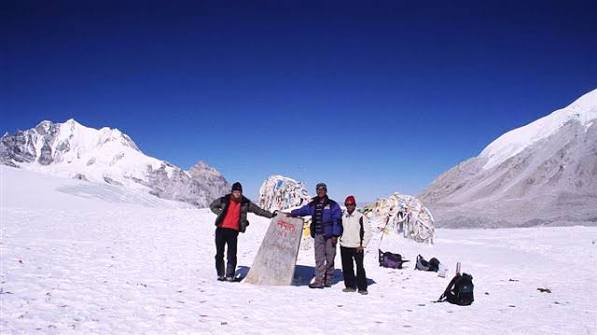
Reaching Nangpa La is the defining adventure of the trek. At approximately 5,806 meters, the pass lies in a demanding high-altitude environment where cold temperatures, reduced oxygen, rocky terrain, and changing weather can make trekking physically demanding. The approach requires patience and careful pacing, particularly as the trail moves into increasingly exposed terrain. For experienced trekkers, reaching the pass provides a powerful sense of achievement and an opportunity to experience one of the remote high mountain crossings of the Himalayas. The surrounding landscape offers expansive views of rugged peaks, glaciers, and remote valleys.
Nangpa La and Renjo La High-Pass Experience
The Nangpa La and Renjo La Trek combination makes this journey particularly attractive to experienced adventure travelers. Instead of focusing on one high mountain crossing, the route incorporates two significant passes within the wider Khumbu landscape. After experiencing the remote environment around Nangpa La, the journey continues toward Renjo La before descending toward the Gokyo region. These high-pass sections provide some of the most dramatic scenery of the trek and demonstrate the variety of terrain found within the Everest region. The combination also makes the adventure considerably more demanding than conventional lower-altitude trekking routes.
Gokyo Valley and Himalayan Scenery
The transition from the remote Nangpa Valley toward Gokyo introduces another spectacular side of the Khumbu. The Nangpa La Gokyo Trek experience combines secluded mountain trails with the famous glacial landscapes of the Gokyo Valley. The region is surrounded by impressive Himalayan peaks and is known for its striking turquoise lakes and expansive mountain scenery. Reaching Gokyo after crossing the high-altitude terrain creates a memorable contrast between the rugged wilderness of the northern valley and the open glacial landscape farther south.
Mountain Views and Natural Wilderness
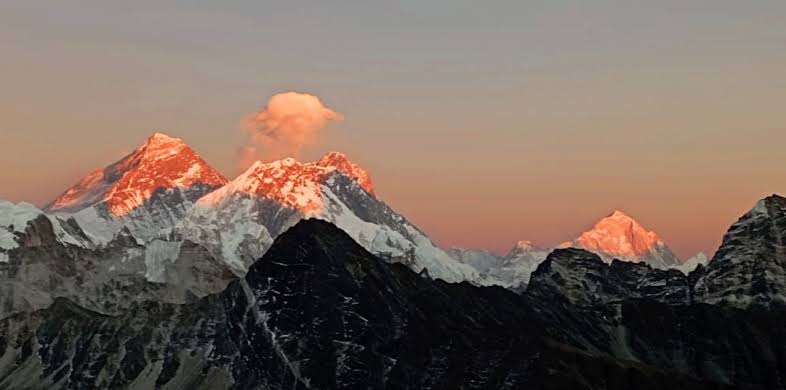
Throughout the Nangpa La Trek Nepal route, the surrounding Himalayan scenery remains one of the journey’s greatest attractions. Depending on weather and visibility, trekkers can enjoy views of some of the world’s most impressive mountain peaks, including Everest and other major summits of the Khumbu and surrounding Himalayan ranges. The upper sections provide especially dramatic landscapes where snow-covered mountains rise above glaciers, rocky ridges, and deep valleys. The relatively remote nature of the route also allows travelers to enjoy these surroundings with fewer crowds than on the busiest Everest trekking trails.
An Off-the-Beaten-Path Everest Region Trek
For travelers looking for a remote Everest region trek, the Nangpa route offers a compelling alternative to conventional itineraries. The journey combines the cultural familiarity of the Khumbu with less-developed mountain environments that receive significantly fewer visitors. The quieter trails and remote settlements create a stronger sense of exploration, while the historic importance of the route gives the adventure additional depth. It is particularly suited to trekkers who value wilderness, solitude, challenging terrain, and authentic mountain experiences.
Who Should Choose the Nangpa La Pass Trek?
The Nangpa La Pass Trek is best suited to experienced trekkers who are comfortable with long days, significant elevation changes, remote conditions, and high-altitude terrain. Previous experience with challenging Himalayan trekking is highly beneficial. The trek requires good physical preparation, appropriate equipment, careful acclimatization, and a flexible attitude toward mountain conditions. Travelers should understand that remote high-altitude trekking can be considerably more demanding than standard teahouse routes in the lower Khumbu.
Why Choose the Nangpa La Pass Trek?
The appeal of the Nangpa La Pass Trek 20 Days experience comes from its combination of adventure, history, culture, and wilderness. It takes travelers from the gateway of the Everest region into traditional Sherpa communities, across the remote Nangpa Valley, toward a historic Himalayan pass, and onward to the spectacular landscapes of Renjo La and Gokyo. Rather than simply visiting one famous destination, the journey creates a continuous exploration of different environments and cultures. For experienced adventurers seeking a quieter and more challenging alternative to Nepal’s classic Everest routes, the Nangpa La Pass Trek offers an unforgettable Himalayan experience.
Trekking Similar to Nangpa La Pass Trek
- Annapurna Circuit Trek: 15 Night – 16 Days
- Manaslu Circuit trek-14N/15D
- Everest Base Camp Trek- 12 Days/ 11 Night
Nepal Pilgrimage & Cultural Tours
- Buddhist Pilgrimage Tour 6 Nights / 7 Days
- Kathmandu, Pokhara & Muktinath 7 Nights / 8 Days
- 8 Days Culture, Wildlife & Heritage of Nepal
- Mani Rimdu Festival in Everest Region 11 Nights / 12 Days
- 1-Day Kathmandu UNESCO Heritage Tour with Complimentary Nagarkot Sunrise & Rani Jhula
Book Your Nangpa La Pass Trek Today
Ready to explore one of Nepal’s most remote and spectacular Himalayan routes? Book your Nangpa La Pass Trek today and experience the historic Nangpa Valley, dramatic high-altitude landscapes, traditional Sherpa culture, Nangpa La Pass, Renjo La, and the breathtaking Gokyo region. Whether you are an experienced trekker seeking a challenging adventure or looking for an off-the-beaten-path experience in the Everest region, our team can help you prepare for a safe and memorable journey. Contact us today to check availability, discuss your travel dates, and start planning your Nangpa La Pass Trek Nepal adventure.
Nangpa La Pass Trek FAQs
1. What is the Nangpa La Pass Trek?
The Nangpa La Pass Trek is a challenging high-altitude trek in Nepal’s Everest/Khumbu Region that follows the remote Nangpa Valley toward the historic Nangpa La Pass near the Nepal–Tibet border. The route combines remote Himalayan landscapes, Sherpa villages, high mountain terrain, Nangpa La, Renjo La, and the Gokyo Valley.
2. How difficult is the Nangpa La Pass Trek?
The Nangpa La Pass Trek is considered a challenging to strenuous high-altitude adventure. The major difficulties are the elevation, long trekking days, rugged terrain, remote conditions, and crossing high passes. Previous experience with high-altitude trekking is strongly recommended.
3. How high is Nangpa La Pass?
Nangpa La Pass is approximately 5,806 meters (19,049 feet) above sea level. Because of the extreme elevation, trekkers need proper acclimatization, preparation, and careful pacing.
4. How many days is the Nangpa La Pass Trek?
Our Nangpa La Pass Trek itinerary is designed as a 20-day journey, including arrival and departure days in Kathmandu, the Lukla flight, trekking through the Nangpa Valley, the high-pass section, Gokyo, and the return to Kathmandu.
5. What is the best season for the Nangpa La Pass Trek?
The best seasons are generally spring (March to May) and autumn (September to November). These periods usually offer better mountain visibility and more favorable trekking conditions. High-pass conditions can still change quickly, so the final decision to cross a pass should always depend on weather and trail conditions. Current trekking operators commonly recommend March–May and September–November for this route.
6. Does the Nangpa La Pass Trek include Renjo La and Gokyo?
Yes. This itinerary continues from the Nangpa Valley toward Renjo La Pass at around 5,360m and then descends to Gokyo. Renjo La provides a connection between the Gokyo Valley and the Thame/Nangpa La area.
7. What permits are required for the Nangpa La Pass Trek?
Trekkers need the applicable Sagarmatha National Park entry permit and Khumbu Pasang Lhamu Rural Municipality permit, along with any additional authorization required for the specific Nangpa La route. Permit requirements can change, particularly for remote or restricted areas, so they should be confirmed before departure.
8. Where does the Nangpa La Pass Trek start and end?
The trek starts in Kathmandu, followed by a flight to Lukla. The trekking route eventually returns to Lukla, from where you fly back to Kathmandu. The overall trip therefore starts and ends in Kathmandu.
9. Is the Nangpa La Pass Trek suitable for beginners?
Generally, the Nangpa La Pass Trek is not recommended for complete beginners. The route reaches extreme altitude and includes remote terrain and demanding high-pass sections. Previous trekking experience, particularly at high altitude, is highly beneficial.
10. What mountains can be seen during the Nangpa La Trek?
Depending on weather and visibility, the route provides views of major Himalayan peaks including Mount Everest, Cho Oyu, Lhotse, Makalu, Ama Dablam, Thamserku, and other surrounding peaks. The Gokyo section is particularly known for expansive Himalayan panoramas.
11. What is the highest point of the Nangpa La Pass Trek?
The highest point of this itinerary is Nangpa La Pass at approximately 5,806m. The route also crosses Renjo La at approximately 5,360m, making altitude one of the main challenges of the trek.
12. What accommodation is available during the Nangpa La Trek?
Accommodation varies according to the section of the route. Lower sections generally use teahouses and lodges, while the more remote high-altitude sections around the Nangpa Valley may require basic mountain accommodation or camping, depending on current local arrangements and conditions. Similar current itineraries describe a combination of lodge/teahouse and tented accommodation.
13. How long do you walk each day on the Nangpa La Trek?
Walking hours vary according to the section, altitude, terrain, and weather. Many trekking days involve approximately 4–8 hours of walking, with the high-pass days requiring slower and more careful progress. Current itineraries for the route similarly report approximately 4–8 hours on many trekking days.
14. What should I pack for the Nangpa La Pass Trek?
You should pack suitable high-altitude trekking clothing, waterproof layers, warm insulation, sturdy trekking boots, a sleeping bag, trekking poles, gloves, sunglasses, sunscreen, a headlamp, water bottles, personal medication, and appropriate high-altitude equipment. Your packing requirements should be adjusted according to the season and current conditions on the high passes.
15. Is the Nangpa La Pass Trek safe?
The trek can be undertaken safely with an experienced trekking team, proper acclimatization, suitable equipment, and careful attention to weather and altitude. Because the route is remote and reaches more than 5,800m, conditions can change rapidly. Guides should make the final decision about high-pass crossings based on current weather, snow, trail, and group conditions.
Nangpa La Pass Trek 20 Days Highlights
- Cross the spectacular Nangpa La Pass at 5,806m, one of the historic high mountain passes between Nepal and Tibet.
- Explore the remote Nangpa Valley, far from the busy trails of the main Everest Base Camp route.
- Experience traditional Sherpa culture and mountain communities in Thame, Khumjung, and surrounding villages.
- Visit the historic Thame Monastery, an important spiritual and cultural site in the Khumbu region.
- Trek through the dramatic Nangpa Glacier and high Himalayan wilderness.
- Enjoy spectacular views of Everest, Cho Oyu, Lhotse, Makalu, Ama Dablam, Thamserku, and other Himalayan peaks.
- Cross the challenging Renjo La Pass (5,360m) and descend toward the beautiful Gokyo Valley.
- Discover the turquoise Gokyo Lakes surrounded by spectacular Himalayan scenery.
- Experience the contrast between remote high-altitude landscapes and lush rhododendron and pine forests.
- Follow sections of the historic Nepal–Tibet Himalayan trade route through the Nangpa Valley.
- Enjoy the classic approach through Lukla, Phakding, Namche Bazaar, and Thame.
- Experience a challenging off-the-beaten-path Everest region adventure designed for experienced trekkers.
Nangpa La Pass Trek Route – Kathmandu to Nangpa La, Renjo La & Gokyo
Kathmandu → Lukla → Phakding → Namche Bazaar → Thame
The journey begins in Kathmandu with a scenic flight to Lukla, followed by a gradual trek through Phakding and the Dudh Koshi Valley toward Namche Bazaar. After an acclimatization day in Namche, the route leaves the busier Everest Base Camp trail and heads toward Thame, a historic Sherpa village connected with the traditional Nepal–Tibet trade route. From here, the surroundings become increasingly remote and alpine as you enter the Nangpa Valley.
Thame → Marulung → Lunag → Dzasampa → Nangpa Glacier → Nangpa La
The trail continues deep into the remote Nangpa Valley, passing Marulung and Lunag before reaching the high-altitude wilderness around Dzasampa and the Nangpa Glacier. The landscape becomes increasingly rugged, with rocky slopes, glaciers, snow-covered peaks, and very little vegetation. The major challenge is reaching Nangpa La Pass at 5,806m, a historic mountain crossing between Nepal and Tibet. The high-altitude section requires careful pacing, acclimatization, and favorable weather conditions.
Nangpa La → Lunag → Aire → Renjo La → Gokyo
After exploring Nangpa La, the route descends through the Nangpa Valley before continuing toward Aire and the Renjo La crossing. The trail climbs again toward Renjo La Pass at 5,360m, offering spectacular Himalayan views before descending into the beautiful Gokyo Valley. From the pass, the scenery opens toward the surrounding peaks and glacial lakes, and the arrival at Gokyo provides a dramatic contrast to the remote terrain of the Nangpa Valley.
Gokyo → Dole → Khumjung → Monjo → Lukla → Kathmandu
From Gokyo, the trek gradually descends through Dole and Khumjung, passing through rhododendron and pine forests and traditional Sherpa settlements. The trail continues toward Monjo and then follows the Dudh Koshi Valley back to Lukla. After celebrating the completion of the trek, you take a scenic flight from Lukla to Kathmandu, where you have time to rest and explore the city before your final departure. This complete route combines remote Himalayan wilderness, two high mountain passes, glaciers, Gokyo Lakes, Sherpa culture, historic trade routes, and spectacular Everest-region scenery.
Include
- Airport pickup and drop-off by private vehicle in Kathmandu.
- 3 nights' hotel accommodation in Kathmandu with breakfast.
- Domestic round-trip flights between Kathmandu and Lukla.
- Experienced, English-speaking trekking guide.
- Porters to carry trekking luggage, with an appropriate porter-to-trekker ratio.
- Guide and porter wages, meals, accommodation, insurance, and equipment.
- Teahouse/lodge accommodation throughout the trekking route.
- Full-board meals during the trek: breakfast, lunch, and dinner.
- Sagarmatha National Park Entry Permit.
- Khumbu Pasang Lhamu Rural Municipality Permit.
- Required permits and route authorization for the Nangpa La section, where applicable.
- Trekking information, route briefing, and necessary documentation.
- Basic first-aid kit carried by the trekking team.
- Government/local taxes and applicable service charges.
- Arrangement of emergency support and coordination during the trek.
Exclude
- International airfare to and from Nepal.
- Nepal tourist visa fee.
- Travel and comprehensive trekking insurance.
- Emergency helicopter evacuation and medical expenses.
- Personal medical expenses and prescribed medications.
- Personal trekking equipment and clothing.
- Sleeping bag and down jacket if not provided by the trekking company.
- Lunch and dinner in Kathmandu.
- Extra hotel accommodation in Kathmandu due to early arrival, late departure, or unforeseen itinerary changes.
- Food, accommodation, or transportation resulting from flight delays or cancellations caused by weather.
- Bottled water, hot showers, Wi-Fi, charging, and other personal expenses during the trek.
- Alcoholic beverages, soft drinks, and specialty beverages.
- Personal snacks and energy supplements.
- Laundry and other personal services.
- Tips for guides, porters, and support staff.
- Personal expenses and purchases.
- Any additional permits or government fees introduced after booking.
- Costs arising from natural disasters, political disturbances, strikes, illness, rescue, or other circumstances beyond the company's control.
- Anything not specifically mentioned under “What's Included.”
Nangpa La Pass Trek 20 Days Itinerary
Upon your arrival at Tribhuvan International Airport in Kathmandu, our representative will welcome you and transfer you to your hotel. After check-in and some time to rest, you can relax or take a short walk around the nearby streets if you wish. Kathmandu is Nepal’s cultural and historical heart, offering a fascinating mix of ancient temples, traditional courtyards, and lively local markets. In the evening, you will meet your trekking guide for a detailed briefing about the Nangpa La Pass Trek, including the route, altitude, weather, safety considerations, and necessary preparations. You will also have time to check your trekking equipment and make any last-minute arrangements. Overnight at a hotel in Kathmandu.
Altitude: 1,350m
Meals: Breakfast
Accommodation: Hotel
After an early breakfast, you will travel to the airport for your scenic flight to Lukla. The approximately 35–40-minute flight offers spectacular views of the Himalayan foothills and mountain ranges before landing at the small mountain airstrip in Lukla. After meeting the local porters and completing final preparations, you begin walking through the Dudh Koshi Valley. The trail passes through small Sherpa settlements, cultivated fields, and forested sections before reaching Phakding. Along the way, you can enjoy views of Kusum Kanguru and experience your first taste of trekking in the Everest region. The relatively short walking day allows your body to begin adapting to the increasing altitude. Overnight at a teahouse in Phakding.
Altitude: 2,600m
Meals: Breakfast, Lunch, Dinner
Accommodation: Teahouse
Today is the first substantial trekking day as you follow the Dudh Koshi River toward Namche Bazaar. The trail crosses several suspension bridges decorated with prayer flags and passes through forests of pine, fir, and rhododendron. After entering Sagarmatha National Park and passing through settlements such as Monjo and Jorsale, the trail follows the river before beginning the steep ascent toward Namche. The climb is demanding, but the surrounding scenery becomes increasingly impressive as you gain elevation. Weather permitting, you may catch your first distant glimpse of Mount Everest along with surrounding Himalayan peaks. After reaching Namche Bazaar, you can settle into your lodge and rest. Overnight in Namche.
Altitude: 3,440m
Meals: Breakfast, Lunch, Dinner
Accommodation: Teahouse
Today is dedicated to acclimatization, an important part of the trek because the route will soon enter much higher elevations. Rather than remaining completely inactive, you will take a short acclimatization hike around Namche and its surrounding viewpoints. Depending on your preference and physical condition, you can walk toward Syangboche, Khumjung, or the Everest View Hotel for panoramic views of Everest, Ama Dablam, Thamserku, and other Himalayan peaks. You can also explore Namche’s traditional streets, local shops, bakeries, and market areas. The afternoon is free for rest and preparation for the more remote section of the trek. Overnight in Namche.
Altitude: 3,440m
Meals: Breakfast, Lunch, Dinner
Accommodation: Teahouse
After breakfast, you leave the busy Everest Base Camp trail and head toward the quieter Thame Valley. The trail follows a less-traveled route through pine and rhododendron forests, with occasional views of the surrounding mountains. You pass through small settlements and traditional Sherpa landscapes before gradually approaching Thame. This area has a strong connection with the historic trans-Himalayan trade route between Nepal and Tibet and is also associated with renowned Sherpa mountaineers. Depending on the timing and local conditions, you may visit Thame Monastery, an important religious site in the valley. After exploring the village, you settle into your teahouse for the night. Overnight in Thame.
Altitude: 3,820m
Meals: Breakfast, Lunch, Dinner
Accommodation: Teahouse
Today the trek takes you deeper into the remote Nangpa Valley. Leaving Thame behind, you continue along an increasingly rugged trail surrounded by barren hills, rocky slopes, and high Himalayan landscapes. The settlements become smaller and less frequent as you move farther from the main trekking routes. The Nangpa Valley was historically used by traders and Tibetan communities crossing between Nepal and Tibet, and you may encounter yak herders using the traditional mountain trails. As the altitude increases, the pace becomes slower, allowing your body to adjust to the thinner air. After several hours of trekking, you arrive at Marulung, a small settlement used by trekkers and local herders. Overnight in Marulung.
Altitude: 4,150m
Meals: Breakfast, Lunch, Dinner
Accommodation: Teahouse
Today marks a significant increase in altitude as you continue farther into the high Nangpa Valley. The landscape changes dramatically, with fewer trees and more exposed rocky terrain. You follow the valley trail through increasingly remote surroundings, with high Himalayan peaks rising on both sides. The walking pace is deliberately slow because of the altitude, and regular rest breaks are important. As you approach Lunag, the scenery becomes more austere and alpine, with glacial terrain and snow-covered peaks dominating the horizon. After reaching Lunag, you have time to rest and prepare for the challenging days ahead. Overnight at the available mountain accommodation/camp in Lunag.
Altitude: 5,070m
Meals: Breakfast, Lunch, Dinner
Accommodation: Teahouse/Camp
After an early breakfast, you continue deeper into the high-altitude wilderness toward Dzasampa. The trail passes through rugged alpine terrain where vegetation becomes extremely sparse. You will walk across rocky slopes, moraine sections, and areas influenced by the surrounding glaciers. The dramatic Himalayan scenery makes this one of the most remote sections of the trek. Because of the elevation, the day’s walking will be slow and physically demanding, and your guide will monitor the group carefully for signs of altitude-related problems. After reaching Dzasampa, you settle in and rest as much as possible. Overnight at the available mountain accommodation/camp.
Altitude: 5,400m
Meals: Breakfast, Lunch, Dinner
Accommodation: Teahouse/Camp
Today you continue toward the Nangpa Glacier, entering an exceptionally remote and rugged Himalayan environment. The trail involves walking over rocky and glacial terrain, with steep mountain walls and snow-covered summits surrounding the valley. The higher elevation makes every section of the trail more demanding, so maintaining a steady pace and staying hydrated are particularly important. As you approach the glacier area, you can appreciate the immense scale of the mountains and the raw beauty of the Nangpa Valley. The area is far removed from the more developed trekking routes of the Everest region, providing a true wilderness experience. Overnight near the Nangpa Glacier area at the available mountain accommodation or camp.
Altitude: 5,700m
Meals: Breakfast, Lunch, Dinner
Accommodation: Camp/Basic Mountain Accommodation
Today is the major highlight of the trek as you explore the Nangpa La Pass, one of the historic high mountain crossings between Nepal and Tibet. You begin early, following your guide across demanding high-altitude terrain toward the pass. The route may involve rocky and glacial sections, and conditions can vary significantly depending on weather and snow. From the vicinity of Nangpa La, you can enjoy magnificent views of the surrounding Himalayan peaks and the remote valleys on both sides of the pass. Nangpa La has long been associated with trans-Himalayan trade and movement between the Tibetan Plateau and the Khumbu region. After spending some time taking in the scenery and photographing the historic mountain environment, you descend carefully toward the lower camp area. Overnight at the available mountain accommodation/camp.
Altitude: 5,806m
Meals: Breakfast, Lunch, Dinner
Accommodation: Camp/Basic Mountain Accommodation
After the demanding high-altitude exploration of Nangpa La, today begins the descent toward Lunag. Retracing the route through the upper Nangpa Valley, you gradually lose elevation and should notice the difference in breathing and physical comfort as you descend. The return journey provides an opportunity to appreciate landscapes that may have been difficult to fully absorb during the ascent. You continue carefully over rocky and uneven terrain before reaching Lunag. The remainder of the afternoon is available for rest, hydration, and recovery after the strenuous high-altitude section. Overnight in Lunag.
Altitude: 5,070m
Meals: Breakfast, Lunch, Dinner
Accommodation: Teahouse/Camp
Today you continue descending through the remote Nangpa Valley toward Aire. The trail gradually becomes less rugged as you lose elevation, although the surroundings remain distinctly alpine. You will pass rocky slopes, glacial landscapes, and remote grazing areas used by local yak herders. The decrease in altitude should make the walking more comfortable compared with the previous days. Along the way, your guide can explain the area’s traditional trade routes, Sherpa culture, and changing mountain environment. After reaching Aire, you can relax and enjoy the quieter atmosphere of this remote Himalayan settlement. Overnight in Aire.
Altitude: 4,910m
Meals: Breakfast, Lunch, Dinner
Accommodation: Teahouse/Camp
Today is another major adventure day as you cross Renjo La, one of the famous high passes of the Everest region. You begin early and gradually climb through rocky terrain toward the pass. The final ascent can be physically demanding, but reaching the top provides spectacular panoramic views of Everest, Lhotse, Makalu, Cho Oyu, and numerous other Himalayan peaks when weather conditions are favorable. After spending some time at the pass, you begin the descent toward the Gokyo Valley. The landscape changes as turquoise glacial lakes and snow-covered mountains come into view. Eventually, you reach Gokyo, a beautiful settlement beside the famous Gokyo Lakes. After the demanding day, you can rest and enjoy the mountain scenery. Overnight in Gokyo.
Altitude: 5,360m at Renjo La / 4,790m at Gokyo
Meals: Breakfast, Lunch, Dinner
Accommodation: Teahouse
After breakfast, you begin descending through the Gokyo Valley toward Dole. The trail follows the Dudh Koshi Valley, passing alongside glacial streams and through areas of alpine vegetation. As you lose altitude, the landscape gradually becomes greener, with juniper, rhododendron, and other vegetation returning to the trail. You will have excellent views of peaks such as Cho Oyu, Thamserku, and Ama Dablam depending on the weather. The descent provides a welcome change after several days at extreme altitude. After reaching Dole, you can relax at the teahouse and enjoy the peaceful surroundings. Overnight in Dole.
Altitude: 4,110m
Meals: Breakfast, Lunch, Dinner
Accommodation: Teahouse
Today you continue toward the traditional Sherpa village of Khumjung. The trail passes through forests and open mountain slopes, with impressive views of Ama Dablam and other peaks. As you descend, the air becomes warmer and the vegetation becomes thicker. Khumjung is one of the best-known Sherpa villages in the Khumbu region and is surrounded by dramatic Himalayan scenery. You can explore the village and experience its traditional stone houses, cultivated fields, and mountain culture. If time and local conditions permit, you may also visit important local cultural sites. Overnight in Khumjung.
Altitude: 3,780m
Meals: Breakfast, Lunch, Dinner
Accommodation: Teahouse
After breakfast, you leave Khumjung and continue descending toward Monjo. The trail passes through forests and traditional settlements before joining the main Everest trekking route. You will cross suspension bridges and follow the Dudh Koshi River as the trail gradually loses elevation. The lower altitude makes today’s walking considerably more comfortable than the high-altitude sections of the trek. After reaching Monjo, you can rest and enjoy your final evening in the Khumbu region. Monjo is located near the entrance checkpoint of Sagarmatha National Park and provides a pleasant setting for the night. Overnight in Monjo.
Altitude: 2,835m
Meals: Breakfast, Lunch, Dinner
Accommodation: Teahouse
Today is the final day of trekking. After breakfast, you follow the Dudh Koshi Valley back toward Lukla, passing through Phakding and several small villages along the route. The trail includes familiar suspension bridges, forest sections, cultivated fields, and mountain settlements. Although the walking is mostly downhill and relatively moderate, you can take your time and enjoy the final views of the Khumbu landscape. Upon reaching Lukla, you check into your lodge and have time to relax after completing the challenging Nangpa La adventure. In the evening, you can celebrate the successful completion of the trek with your guide, porters, and fellow trekkers. Overnight in Lukla.
Altitude: 2,800m
Meals: Breakfast, Lunch, Dinner
Accommodation: Teahouse
After breakfast, you head to the Lukla airstrip for your return flight to Kathmandu. The short mountain flight offers a final opportunity to enjoy aerial views of the Himalayan landscape. After landing in Kathmandu, you will be transferred to your hotel. The remainder of the day is free for relaxation after the long trek. You can rest at the hotel, explore nearby markets, purchase souvenirs, or enjoy a comfortable meal in one of Kathmandu’s many restaurants. Overnight at a hotel in Kathmandu.
Altitude: 1,350m
Meals: Breakfast
Accommodation: Hotel
Today is a flexible leisure day in Kathmandu. You can rest at the hotel or choose an optional guided sightseeing tour of some of the city’s major cultural and historical attractions. Depending on your interests and available time, the tour may include UNESCO World Heritage sites such as Kathmandu Durbar Square, Swayambhunath, Boudhanath, or Pashupatinath. This day also provides a useful buffer in case of flight delays or unexpected changes earlier in the itinerary. In the evening, you can enjoy a farewell dinner and reflect on your journey through the remote Nangpa Valley, Nangpa La, and the Khumbu region. Overnight at a hotel in Kathmandu.
Altitude: 1,350m
Meals: Breakfast
Accommodation: Hotel
Your Nangpa La Pass adventure comes to an end today. After breakfast, depending on your flight schedule, you will have some free time at the hotel before our representative transfers you to Tribhuvan International Airport for your international departure. Make sure you have all your belongings, travel documents, and souvenirs before leaving the hotel. We bid you farewell and hope you return home with unforgettable memories of Nepal’s Himalayan landscapes, Sherpa communities, historic mountain routes, and the challenging Nangpa La Pass adventure.
Altitude: 1,350m
Meals: Breakfast
Accommodation: Not included
Video
Nangpa La Pass Trek Packing List
Because the Nangpa La Pass Trek reaches 5,806m and includes remote, cold, high-altitude sections, you need to pack for both lower-elevation trekking and severe Himalayan conditions.
Clothing
- Moisture-wicking base-layer shirts
- Thermal underwear
- Fleece jacket or warm mid-layer
- Insulated down jacket
- Waterproof and windproof jacket
- Waterproof trekking trousers
- Comfortable trekking pants
- Thermal leggings
- Warm hat and sun hat
- Neck gaiter or buff
- Fleece or wool gloves
- Waterproof outer gloves
- Wool/synthetic trekking socks
- Warm thermal socks
- Lightweight comfortable clothes for Kathmandu
Footwear
- Broken-in waterproof trekking boots
- Lightweight camp shoes or sandals
- Gaiters
- Several pairs of trekking socks
High-Altitude & Technical Gear
- Four-season sleeping bag suitable for temperatures below freezing
- Trekking poles
- Headlamp with spare batteries
- Microspikes/crampons if required by current trail and snow conditions
- Sunglasses with strong UV protection
- Snow goggles if conditions require them
- Water bottles or hydration bladder
- Insulated water bottle for freezing conditions
Backpack & Travel Bags
- 40–50L trekking backpack
- Rain cover for backpack
- Duffel bag for porter
- Small daypack
- Waterproof packing bags/dry bags
- Zip-lock bags for electronics and documents
Personal & Hygiene Items
- Toothbrush and toothpaste
- Biodegradable soap
- Hand sanitizer
- Quick-dry towel
- Wet wipes
- Toilet paper
- Lip balm with SPF
- Sunscreen SPF 30–50+
- Moisturizer
- Personal toiletries
- Small first-aid kit
Health & Safety
- Personal medications
- Basic altitude-sickness medication as advised by a qualified medical professional
- Pain-relief medication
- Blister treatment
- Bandages and antiseptic wipes
- Reusable face mask
- Electrolyte/rehydration packets
- Basic water-purification tablets or filter
- Personal medical and travel insurance documents
Electronics
- Mobile phone
- Camera
- Spare batteries
- Power bank
- Universal travel adapter
- Charging cables
- Headlamp
- Portable solar charger if desired
Documents & Money
- Passport
- Nepal visa
- Travel insurance
- Flight details
- Trekking permits/authorization documents
- Emergency contact information
- Passport-sized photographs
- Nepali rupees in small denominations
Optional Items
- Lightweight binoculars
- Camera tripod
- Book or e-reader
- Trekking towel
- Earplugs
- Snacks, energy bars, chocolate, and nuts
- Reusable thermos
- Small repair/sewing kit
Packing tip: Keep your daily essentials in your daypack and place heavier items that you do not need during the day in the porter-carried duffel. For this trek, prioritize warmth, waterproofing, sun protection, hydration, and lightweight equipment, particularly for the Nangpa Valley and Nangpa La high-altitude sections.
Reviews
No reviews found.