
Markha Valley Trek from Nepal – 12 Days
Destination:
Markha Valley, Ladakh, India
Trip Duration:
12 Days / 11 Nights
Max Altitude:
Kongmaru La Pass – approx. 5,200 m / 17,060 ft
Activities:
Trekking, high-altitude hiking, mountain sightseeing, village visits, cultural exploration
Start Point:
Kathmandu, Nepal
Ending Point:
Kathmandu, Nepal
Region:
Ladakh, India – Markha Valley & Hemis National Park
Trip Grade:
Moderate to Challenging
Group Size:
2–15 people
Accomodation:
3-star hotels in Kathmandu; hotels/guesthouses in Leh; local homestays during the trek; tented camp at Nimaling
Meals:
Breakfast in Kathmandu and Leh; breakfast, lunch and dinner during trekking days
Transportation:
International flights Kathmandu–Delhi–Leh–Delhi–Kathmandu; private road transfers; trekking on foot
Permits Required:
Ladakh/Hemis National Park entry and applicable trekking permits; current requirements to be confirmed locally
Best Season:
June to September
Markha Valley Trek from Nepal
The Markha Valley Trek from Nepal is an extraordinary Himalayan adventure that combines the cultural richness of Nepal with the dramatic high-altitude landscapes of Ladakh, India. Designed for travelers who want to experience a less conventional Himalayan journey, this adventure begins with the vibrant atmosphere of Kathmandu before continuing toward the remote mountain environment of Ladakh. Rather than being only a trekking experience, the Markha Valley Trek introduces travelers to a fascinating combination of Buddhist heritage, traditional mountain communities, spectacular valleys, barren Himalayan terrain and challenging high-altitude trails.
Ladakh offers a landscape that is very different from the lush green mountains commonly associated with Nepal. The region is characterized by dry valleys, rugged cliffs, exposed mountainsides, deep gorges and wide-open skies. The contrast between the arid landscape and the snow-covered Himalayan peaks creates some of the most distinctive scenery in the Indian Himalayas. Throughout the Markha Valley Trek from Nepal, travelers experience this remarkable environment at a walking pace, allowing them to appreciate details that are easily missed when traveling by vehicle.
A Different Himalayan Experience
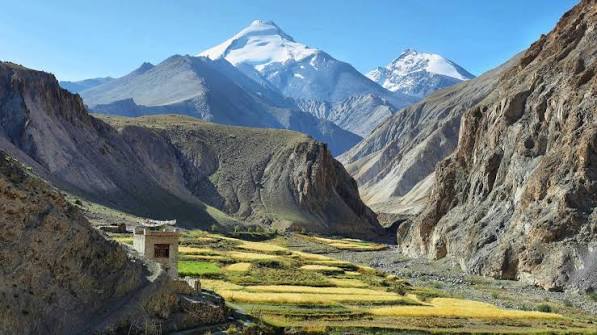
The appeal of the Markha Valley Trek comes from its combination of wilderness and culture. The trail does not simply pass through empty mountain terrain. Traditional settlements appear throughout the valley, where agriculture, livestock farming and Buddhist traditions continue to shape everyday life. Stone houses, cultivated fields, prayer flags, mani walls, chortens and small monasteries provide evidence of the region’s long cultural history.
For travelers coming from Nepal, the journey also provides an opportunity to compare two distinct Himalayan environments. Nepal is widely known for its green valleys, dense forests and enormous mountain ranges, while Ladakh presents a much drier and more rugged interpretation of the Himalayas. The transition between these environments makes the Markha Valley Trek from Nepal particularly interesting for experienced travelers looking for something beyond the more familiar trekking routes of Nepal.
The Character of Markha Valley
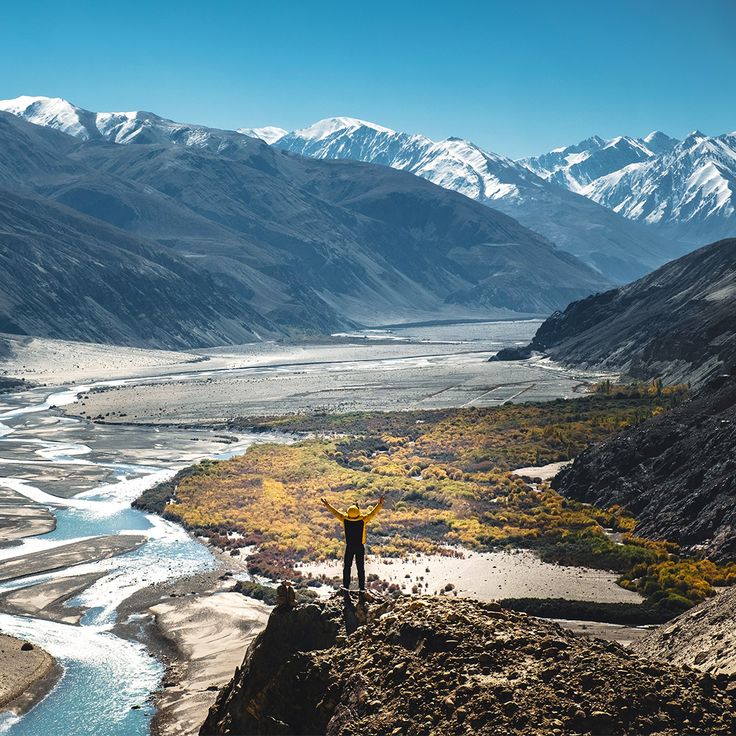
Markha Valley is one of Ladakh’s best-known trekking regions, yet it retains a strong feeling of remoteness in many sections. The valley is shaped by the Markha River, which provides an important source of water in an otherwise dry environment. Vegetation is concentrated around waterways and settlements, creating striking green pockets against the surrounding brown, red and grey mountains.
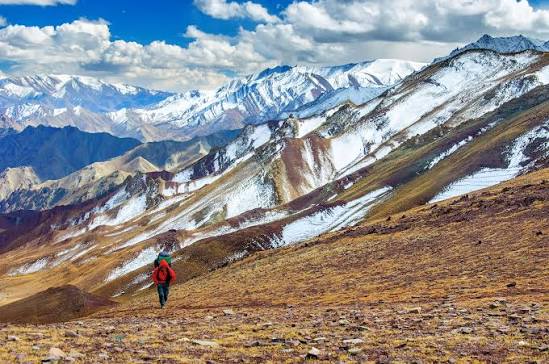
Walking through the valley reveals a constantly changing landscape. Some sections follow relatively open river corridors, while others pass through narrow valleys surrounded by steep rock walls. High mountain viewpoints provide expansive perspectives over the surrounding terrain, while lower sections offer opportunities to observe village agriculture and traditional architecture.
The changing scenery is one of the major attractions of the Markha Valley Trek. Instead of presenting the same landscape throughout the journey, the trail gradually moves from cultivated settlements and river valleys into high alpine terrain. This natural progression gives the trek a strong sense of adventure and discovery.
Traditional Ladakhi Culture
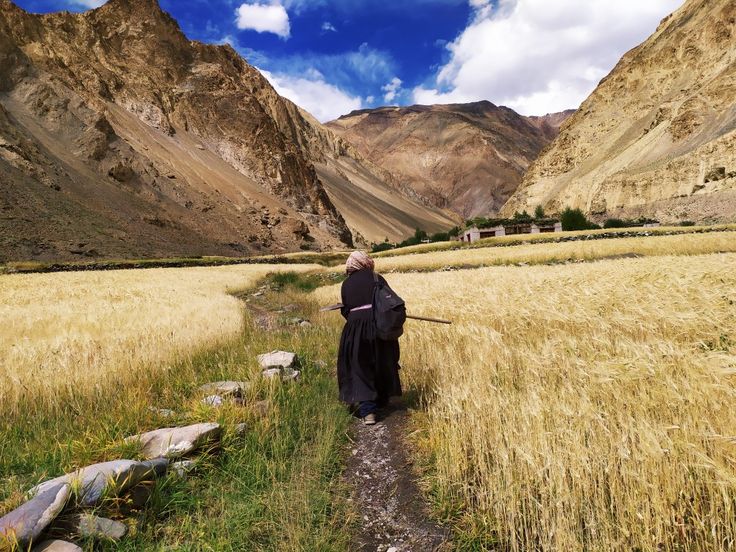
Culture is an important part of the Markha Valley Trek from Nepal. The communities scattered throughout the valley have adapted to an environment where water, agricultural land and resources are limited. Traditional homes are generally constructed using locally available materials, while fields are carefully cultivated during the short growing season.
Travelers may encounter local residents working in fields, caring for livestock or carrying out traditional household activities. Staying in village environments provides a more personal connection with Ladakh than simply visiting major tourist centers.
Buddhist culture is also deeply visible throughout the region. Prayer flags move in the mountain wind, mani walls line sections of the trail, and chortens and monasteries appear around villages and hillsides. These features are not simply attractions for visitors; they form part of the spiritual and cultural landscape of the communities.
Visitors should approach villages, religious sites and local homes respectfully. Asking permission before photographing people, avoiding unnecessary disturbance around religious structures and following local customs help create a positive experience for both travelers and residents.
High-Altitude Mountain Environment
The Markha Valley Trek is also a genuine high-altitude Himalayan experience. As the trail climbs higher, vegetation becomes increasingly limited and the surrounding landscape becomes more exposed. The mountains appear larger and more dramatic, while the air becomes noticeably thinner.
High altitude changes the nature of trekking. Even a relatively short distance can require considerable effort when walking above 4,000 meters. A steady pace is more useful than attempting to walk quickly, and travelers need to listen to their bodies throughout the journey.
The high-altitude environment also creates remarkable visibility. On clear days, distant mountain ranges appear sharply defined against the sky. Sunrise and sunset can transform the surrounding mountains into dramatic shades of gold, orange, pink and deep red. These moments are among the memorable visual experiences of the Markha Valley Trek from Nepal.
Nimaling and the Alpine Landscape
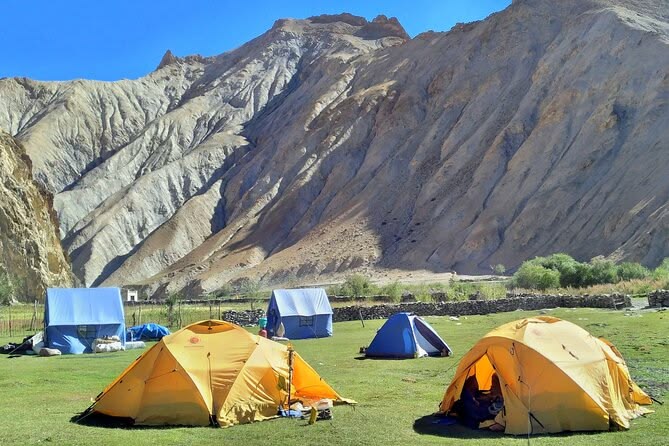
The upper section of Markha Valley introduces a completely different atmosphere. Traditional agricultural settlements gradually give way to open alpine landscapes used seasonally for grazing animals. Wide meadows surrounded by enormous mountain walls create a powerful contrast to the narrower valleys below.
Nimaling is particularly impressive because of its open setting and surrounding mountain scenery. The area provides an opportunity to experience the stark beauty of high-altitude Ladakh without the visual distractions of urban environments.
The presence of Kang Yatse adds another dramatic element to the landscape. The mountain rises prominently above the surrounding terrain, providing an impressive backdrop as trekkers move through the upper valley.
Kongmaru La Adventure
One of the defining experiences of the Markha Valley Trek from Nepal is crossing Kongmaru La. The pass represents the transition between two very different mountain environments and provides a demanding but rewarding high-altitude experience.
The approach to the pass requires determination because the combination of steep terrain and thin air can make progress slow. Reaching the top provides a strong sense of achievement, while the surrounding mountain panorama creates one of the trek’s most memorable viewpoints.
From the high pass, the vastness of Ladakh becomes particularly apparent. Rugged ridges stretch into the distance, deep valleys cut through the mountains, and the landscape appears almost untouched. The experience demonstrates why high-altitude trekking in Ladakh attracts travelers from around the world.
Wildlife and Natural Surroundings
The wider Markha Valley and surrounding protected landscapes support wildlife adapted to the harsh Himalayan environment. Depending on season, weather and luck, trekkers may encounter Himalayan birds and other mountain wildlife.
The natural environment is fragile, particularly at high altitude. Travelers should avoid leaving waste behind, disturbing animals or damaging vegetation. Responsible trekking helps preserve the landscapes and communities that make the Markha Valley Trek special.
Why Choose the Markha Valley Trek from Nepal?
The Markha Valley Trek from Nepal is suitable for travelers who want to combine an international Himalayan journey with a distinctive trekking experience. It offers something different from the classic trekking environments of Nepal while still retaining the essential qualities of a Himalayan adventure: remote valleys, mountain communities, Buddhist culture, challenging terrain and spectacular scenery.
For travelers who have already explored Nepal’s major trekking destinations, Markha Valley provides an opportunity to discover another side of the Himalayas. For first-time visitors to Ladakh, the trek provides an immersive introduction to the region’s landscapes and traditional communities.
The experience is particularly rewarding for photographers, mountain enthusiasts, cultural travelers and trekkers interested in high-altitude environments. The combination of dramatic geology, traditional settlements and Buddhist heritage means that every section of the journey offers a different subject to explore.
A Journey Beyond Trekking
Ultimately, the Markha Valley Trek from Nepal is more than a physical journey through the mountains. It is an opportunity to experience the relationship between people and one of the world’s most demanding environments. Life in Ladakh has developed around limited water, short agricultural seasons and extreme mountain conditions, yet the communities of the region have maintained distinctive traditions and cultural practices for generations.
Walking through these landscapes provides time to appreciate the scale of the Himalayas and the simplicity of mountain life. The journey encourages travelers to slow down, observe their surroundings and engage respectfully with local communities.
For anyone seeking a Himalayan adventure that combines cultural discovery, dramatic landscapes and genuine high-altitude trekking, the Markha Valley Trek from Nepal offers a memorable way to explore Ladakh while beginning and ending the journey in Nepal.
Markha Valley Trek from Nepal – 10 Frequently Asked Questions
1. What is the Markha Valley Trek from Nepal?
The Markha Valley Trek from Nepal is a high-altitude trekking adventure that combines travel from Kathmandu to Ladakh with a trek through the scenic Markha Valley. The route is known for traditional Ladakhi villages, Buddhist culture, dramatic mountain scenery, river crossings and the high Kongmaru La pass.
2. How difficult is the Markha Valley Trek?
The Markha Valley Trek is generally considered moderate to challenging. The main challenges are the high altitude, several hours of walking on uneven terrain, river crossings and the steep ascent and descent around Kongmaru La.
3. What is the highest altitude of the Markha Valley Trek?
The highest point is Kongmaru La Pass, generally reported at around 5,200–5,260 meters above sea level. The exact elevation varies slightly between published sources.
4. What is the best time for the Markha Valley Trek?
The main trekking season is generally June to September, when the high passes are more accessible and trekking services operate in the valley. Conditions can vary from year to year, particularly around snow and river crossings, so current local trail conditions should be checked before departure.
5. Do I need previous trekking experience for the Markha Valley Trek?
Previous high-altitude trekking experience is helpful but is not necessarily essential for a properly planned trip. Good physical fitness, gradual acclimatization and the ability to walk for several hours on consecutive days are important because the route reaches above 5,000 meters.
6. What type of accommodation is available during the Markha Valley Trek?
The trek is well known for its village homestay experience, with accommodation available in settlements such as Skiu, Markha and Hankar. The higher Nimaling section is generally handled with seasonal camping rather than permanent village accommodation.
7. Are there river crossings on the Markha Valley Trek?
Yes. River and stream crossings are a characteristic part of the Markha Valley Trek. Their depth and difficulty can change according to snowmelt, weather and season, so trekkers should follow the guidance of their local guide and avoid attempting unsafe crossings.
8. Is acclimatization important for the Markha Valley Trek from Nepal?
Yes. Acclimatization is particularly important because travelers reach Leh, which is already at high altitude, before ascending farther into the Markha Valley. Spending adequate time adjusting to the elevation before strenuous trekking helps reduce the risk of altitude-related problems.
9. What permits are required for the Markha Valley Trek?
Permit and fee requirements can depend on nationality and the current regulations in Ladakh. Trek operators may arrange applicable protected-area, wildlife or other local permissions. Foreign travelers should also ensure that their Indian entry requirements are completed before traveling from Nepal to India. Current requirements should be confirmed before departure because regulations can change.
10. Can I combine the Markha Valley Trek with a Nepal trip?
Yes. The Markha Valley Trek from Nepal is specifically designed to combine a Nepal stay with a Ladakh trekking experience. Travelers can spend time in Kathmandu before traveling onward to Ladakh, complete the trek, and return to Kathmandu afterward, making it suitable as an extension to a Nepal holiday or as a combined Nepal–Ladakh adventure.
Markha Valley Trek from Nepal – 12 Days Highlights
- Trek through the spectacular Markha Valley in Ladakh
- Cross the high-altitude Kongmaru La Pass at about 5,200 m
- Experience traditional Ladakhi villages and local homestays
- Explore the remote villages of Skiu, Markha and Hankar
- Camp beneath the dramatic Kang Yatse mountain
- Enjoy panoramic Himalayan views from Kongmaru La
- Trek through the scenic landscapes of Hemis National Park
- Experience ancient monasteries, chortens and mani walls
- Explore Leh, Thiksey, Shey and Hemis cultural sites
- Combine a Himalayan trek with an inbound journey from Nepal to Ladakh
- Experience Ladakh's dramatic deserts, valleys, rivers and high mountain passes
- Enjoy a balanced itinerary with acclimatization before the high-altitude trek
Markha Valley Trek from Nepal Route Map – Kathmandu to Ladakh
Markha Valley Trek from Nepal follows a scenic inbound route from Nepal to Ladakh, combining international travel, acclimatization and a high-altitude Himalayan trek. The journey begins in Kathmandu and continues through Delhi to Leh before entering the remote Markha Valley.
Arrow Map:
Kathmandu → Delhi → Leh → Chilling → Skiu → Markha → Hankar → Nimaling → Kongmaru La Pass → Chokdo → Shang Sumdo → Leh → Delhi → Kathmandu
From Leh, the Markha Valley Trek begins at Chilling and follows the Markha River through traditional Ladakhi villages, including Skiu, Markha and Hankar. The trail gradually climbs toward the alpine meadows of Nimaling, with spectacular views of Kang Yatse. The route then crosses Kongmaru La Pass at approximately 5,200 m, the highest point of the trek, before descending through Chokdo and Shang Sumdo. The final journey returns to Leh and continues via Delhi to Kathmandu.
Include
- Airport arrival and departure transfers in Kathmandu and Leh.
- Domestic/international flights required for the planned Kathmandu → Delhi → Leh → Delhi → Kathmandu routing.
- Accommodation in Kathmandu in a 3-star hotel.
- Accommodation in Leh in a comfortable hotel or guesthouse.
- Local homestay accommodation during the Markha Valley Trek.
- Tented accommodation at Nimaling.
- Breakfast in Kathmandu and Leh as specified in the itinerary.
- Breakfast, lunch and dinner during the trekking days.
- Private road transportation between Leh, Chilling and the trekking trailhead/roadhead as required.
- Experienced local trekking guide.
- Trekking support staff and necessary porter services, depending on group arrangement.
- Applicable trekking and protected-area entry permits.
- Required local registration and applicable government fees.
- Trekking equipment such as tents and camping kitchen equipment where camping is required.
- Sleeping bags and mattresses where provided by the trekking operator.
- First-aid kit and basic emergency trekking equipment.
- Acclimatization and cultural sightseeing in Leh.
- Basic trekking briefing before departure.
- Government taxes and applicable service charges.
Exclude
- Nepal visa or entry-related charges, if applicable.
- Indian visa and related application/service fees, if applicable.
- Travel insurance covering trekking and high-altitude evacuation.
- Personal expenses such as laundry, telephone calls, internet and shopping.
- Personal trekking clothing and equipment.
- Extra baggage charges on flights.
- Meals and drinks not specifically mentioned in the itinerary.
- Alcoholic and bottled beverages.
- Tips and gratuities for guides, porters, drivers and support staff.
- Emergency helicopter evacuation or other emergency rescue costs.
- Medical treatment, medicines and personal medical expenses.
- Additional accommodation caused by flight cancellations, delays, weather or other unforeseen circumstances.
- Any additional sightseeing or transportation not mentioned in the itinerary.
- Camera, photography and other personal equipment fees where applicable.
- Any cost resulting from itinerary changes caused by weather, road closures, political restrictions or other circumstances beyond the operator's control.
- Any services not specifically mentioned under Trip Includes.
Markha Valley Trek from Nepal – 12 Days Itinerary
Duration: Arrival and transfer, approximately 30–60 minutes depending on traffic
Accommodation: 3-star hotel in Kathmandu
Meals: Dinner
Arrive at Tribhuvan International Airport in Kathmandu and meet your representative for transfer to your hotel. After check-in, you can rest or explore the nearby Thamel area depending on your arrival time. In the evening, you will receive a briefing about the upcoming Ladakh journey, including the flight connection, high-altitude acclimatization, trekking equipment and general safety procedures. Overnight at a hotel in Kathmandu.
Duration: Approximately 7–10 hours including flight connections and airport procedures
Accommodation: Hotel/guesthouse in Leh
Meals: Breakfast and Dinner
After breakfast, transfer to Kathmandu airport for your flight to Delhi and onward connection to Leh, Ladakh. On arrival at Kushok Bakula Rimpochee Airport in Leh, you will be transferred to your hotel. Leh is situated at approximately 3,500 m, so no strenuous activity should be planned today. Spend the afternoon resting, hydrating and allowing your body to begin adjusting to the altitude. Overnight at a hotel or guesthouse in Leh.
Duration: Approximately 4–5 hours of gentle sightseeing
Accommodation: Hotel/guesthouse in Leh
Meals: Breakfast and Dinner
Today is reserved for acclimatization. After a relaxed breakfast, take a gentle sightseeing tour around Leh, visiting places such as Shanti Stupa, Leh Palace and the traditional market area. The sightseeing is intentionally kept easy because acclimatization is essential before ascending deeper into the Markha Valley. Spend the evening preparing your trekking equipment and meeting your guide. Overnight at a hotel or guesthouse in Leh.
Duration: Drive approximately 2–3 hours; trek approximately 5–6 hours
Trekking Distance: Approximately 10–11 km
Accommodation: Local homestay in Skiu
Meals: Breakfast, Lunch and Dinner
After breakfast, drive from Leh toward Chilling, following the dramatic mountain roads and river valleys of Ladakh. Chilling is the traditional gateway for the western approach to the Markha Valley. From Chilling, begin trekking toward Skiu, entering the rugged landscape around the Markha Valley and Hemis National Park. The trail follows the river and passes through spectacular barren mountain scenery before reaching Skiu. Skiu is a small traditional village where a local homestay provides a simple but authentic experience of Ladakhi village life. The Chilling–Skiu section is generally around 10–11 km and takes roughly 5–6 hours depending on trail conditions.
Duration: Approximately 6–7 hours
Trekking Distance: Approximately 15–21 km depending on the exact trail variation
Accommodation: Local homestay in Markha
Meals: Breakfast, Lunch and Dinner
After breakfast, continue eastward along the Markha River toward Markha village. This is one of the longer trekking days, with the trail passing through river crossings, willow-lined sections, cultivated fields and several small settlements. The route passes areas around Sara and Umlung before reaching the larger settlement of Markha. You will see traditional chortens, mani walls, old Buddhist structures and Ladakhi agricultural fields along the way. Markha is one of the principal villages on the route and offers a genuine opportunity to experience traditional Ladakhi village life. Overnight in a local family homestay. Depending on the selected trail variation, this day can be approximately 15–21 km and 6–7 hours.
Duration: Approximately 4–6 hours
Trekking Distance: Approximately 11–13 km
Accommodation: Local homestay or simple guesthouse in Hankar
Meals: Breakfast, Lunch and Dinner
Today the trail continues deeper into the upper Markha Valley. After leaving Markha, walk through the valley toward Umlung and Techa before continuing to Hankar. The scenery gradually becomes more rugged and alpine, while the cultivated fields become less frequent. Kang Yatse begins to dominate the landscape as you move farther into the upper valley. Hankar is a small traditional settlement at around 4,000–4,100 m, known for its dramatic mountain surroundings and the old Hankar Gompa. After reaching the village, settle into a simple local homestay and rest for the next day’s higher-altitude climb
Duration: Approximately 5–6 hours
Trekking Distance: Approximately 9–11 km
Accommodation: Alpine tented camp at Nimaling
Meals: Breakfast, Lunch and Dinner
After an early breakfast, begin the steady climb from Hankar toward Nimaling. The landscape changes dramatically as you leave the villages and agricultural areas behind and enter the high alpine pastures. The trail passes through Thachungtse and open mountain terrain before reaching Nimaling, situated at approximately 4,700–4,800 m. Nimaling is a spectacular high-altitude meadow used seasonally for grazing livestock, with Kang Yatse rising dramatically above the valley. Because there is no permanent village accommodation at this elevation, the night is spent in a tented camp. Keep the afternoon relaxed, hydrate well and prepare for the following day’s Kongmaru La crossing.
Duration: Approximately 6–8 hours
Trekking Distance: Approximately 12–17 km
Accommodation: Local homestay/guesthouse in Chokdo or nearby settlement
Meals: Breakfast, Lunch and Dinner
This is the most challenging and highest day of the trek. Start early from Nimaling and climb gradually toward Kongmaru La, the highest point of the route at approximately 5,150–5,260 m. The final ascent is steep and physically demanding because of the altitude. From the pass, you can enjoy dramatic views across the Ladakh and Zanskar ranges, with Kang Yatse among the prominent peaks. After spending some time at the pass, begin the long and steep descent through the rocky gorge toward Chokdo. The descent eventually reaches lower elevations and more sheltered terrain. Depending on the exact route used, the day’s distance is approximately 12–17 km and normally takes 6–8 hours. Overnight in a simple homestay or guesthouse around Chokdo.
Duration: Trek approximately 2–3 hours; drive approximately 2–3 hours
Trekking Distance: Approximately 5–7 km
Accommodation: Hotel/guesthouse in Leh
Meals: Breakfast and Lunch
After breakfast, complete the final relatively easy section of the trek toward Shang Sumdo. The trail descends gradually through the lower valley, crossing streams and continuing through the rugged Ladakhi landscape. At Shang Sumdo, meet your vehicle and drive back toward Leh. Depending on road and time conditions, you may have an opportunity to visit cultural sites such as Hemis Monastery or other monasteries along the route. Arrive in Leh and check into your hotel. Enjoy a hot shower and a well-earned evening of rest after completing the Markha Valley crossing. Overnight at a hotel in Leh.
Duration: Approximately 4–6 hours sightseeing
Accommodation: Hotel/guesthouse in Leh
Meals: Breakfast and Dinner
Enjoy a relaxed day in Leh following the trek. After breakfast, visit some of the important cultural attractions around the region, such as Thiksey Monastery, Shey Palace and Hemis Monastery, depending on local conditions and opening times. The remainder of the afternoon is free for shopping, photography or relaxing at a local café. This additional night in Leh also provides a comfortable buffer before your return journey to Nepal. Overnight at a hotel or guesthouse in Leh.
Duration: Approximately 7–10 hours including flights and airport procedures
Accommodation: Hotel in Kathmandu
Meals: Breakfast and Dinner
After breakfast, transfer to Leh airport for your flight to Delhi and onward connection to Kathmandu. On arrival at Tribhuvan International Airport, meet your representative and transfer to your hotel. Spend your final evening relaxing in Kathmandu or exploring the nearby Thamel area. Overnight at a hotel in Kathmandu.
Duration: Approximately 30–60 minutes airport transfer
Accommodation: Not included
Meals: Breakfast
After breakfast, your Markha Valley Trek from Nepal comes to an end. Depending on your flight schedule, you will have free time for last-minute shopping or sightseeing before being transferred to Tribhuvan International Airport for your onward flight.
Video
Markha Valley Trek from Nepal – Packing List
Because the trek reaches Kongmaru La at around 5,200 m, packing should cover cold temperatures, strong sun, wind, river crossings and changing mountain weather.
Clothing
- Moisture-wicking thermal base-layer tops and bottoms
- 2–3 trekking T-shirts
- Fleece jacket or warm mid-layer
- Insulated down/synthetic jacket
- Waterproof and windproof trekking jacket
- Waterproof trekking trousers
- Comfortable trekking trousers
- Thermal underwear
- Lightweight hiking shorts
- Warm fleece or wool sweater
- 3–4 pairs of trekking socks
- 1–2 pairs of warm wool socks
- Underwear
- Sun hat or cap
- Warm wool/fleece hat
- Buff or neck gaiter
- Lightweight gloves
- Warm insulated gloves
Footwear
- Well-broken-in trekking boots with good ankle support
- Lightweight camp shoes or sandals
- Extra trekking shoelaces
- Gaiters, particularly useful in snow or muddy conditions
Backpack & Bags
- 40–50 L trekking backpack
- Small daypack for acclimatization and sightseeing
- Waterproof backpack cover
- Dry bags or waterproof packing bags
- Duffel bag for items transported by vehicle/porter
- Small waist or security pouch
Sleeping & Camping Equipment
- Four-season or warm sleeping bag suitable for high altitude
- Sleeping bag liner
- Travel pillow or inflatable pillow
- Headlamp with spare batteries
- Trekking poles
- Small camping towel
Personal & Hygiene Items
- Toothbrush and toothpaste
- Biodegradable soap
- Hand sanitizer
- Wet wipes
- Quick-dry towel
- Toilet paper and tissues
- Lip balm with SPF
- Sunscreen, preferably SPF 30–50
- Moisturizer
- Personal medication
- Basic first-aid supplies
- Prescription medicines, if required
Sun & High-Altitude Protection
- UV-protection sunglasses
- Spare sunglasses
- Sunscreen
- SPF lip balm
- Sun hat
- Hydration system or reusable water bottles
- Water purification tablets or a suitable filtration method
Electronics
- Mobile phone
- Camera and spare batteries
- Power bank
- Universal travel adapter
- Charging cables
- Headlamp
- Offline maps/GPS if available
Documents & Money
- Passport
- Indian visa, if required for your nationality
- Flight tickets and travel documents
- Travel insurance documents
- Trekking/permit documents
- Emergency contact information
- Photocopies/digital copies of important documents
- Some Indian currency
- Credit/debit card where accepted
Recommended Trekking Accessories
- Trekking poles
- Water bottles or hydration bladder
- Small thermos
- Sunglasses
- Lightweight sit mat
- Multi-purpose knife/tool
- Small repair kit
- Duct tape
- Zip-lock bags
- Small personal rubbish bags
- Trekking snacks such as energy bars, nuts and chocolate
Optional Items
- Binoculars
- Book or e-reader
- Earplugs
- Travel journal
- Small power bank
- Portable solar charger
- Camera tripod
- Lightweight laundry detergent
Important: Avoid overpacking. Your main luggage can generally remain in Leh or be transported separately while you carry only the essentials needed for each trekking day. For the Kongmaru La crossing, warm layers, gloves, a windproof outer layer, trekking poles, sunglasses and reliable footwear are particularly important.
Reviews
No reviews found.