
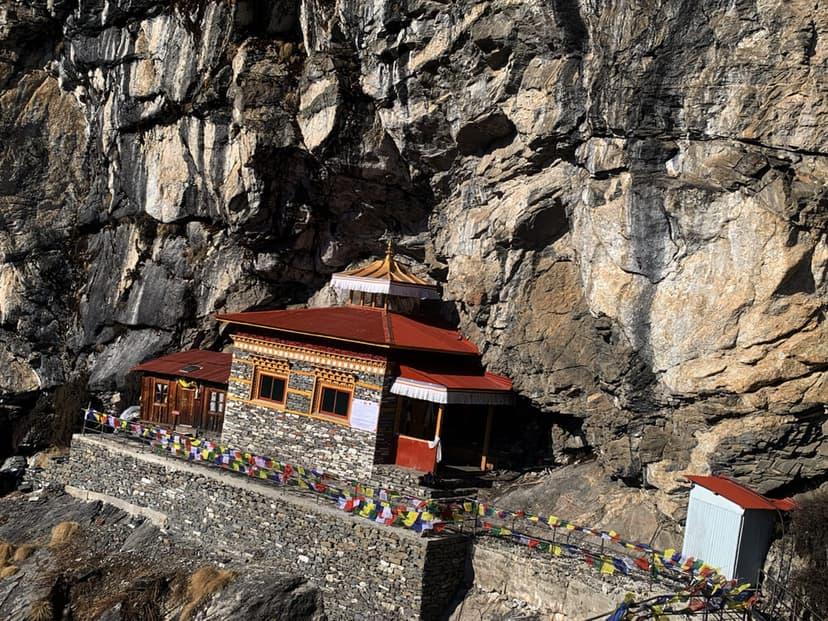

Manjushree Lake Trek – 8 Days in Nepal
Destination:
Manjushree Lake, Lapchi Valley, Dolakha, Nepal
Trip Duration:
8 Days / 7 Nights
Max Altitude:
4,850 m (Manjushree Lake)
Activities:
Trekking, sightseeing, Buddhist pilgrimage, monastery visits, cave exploration, high-altitude hiking
Start Point:
Kathmandu
Ending Point:
Kathmandu
Region:
Gaurishankar Conservation Area, Rolwaling Region, Dolakha
Trip Grade:
Challenging
Group Size:
2–12 people (customizable)
Accomodation:
Hotel in Charikot, basic local homestays and monastery guesthouse in Lapchi; camping backup may be required
Meals:
Breakfast, lunch and dinner during trekking; meals in Kathmandu not included
Transportation:
Public bus or private 4WD jeep between Kathmandu and Lamabagar; trekking on foot
Permits Required:
Gaurishankar Conservation Area Permit (GCAP); TIMS and any additional local permissions as applicable
Best Season:
Spring (March–May) and Autumn (September–November)
The Manjushree Lake Trek is a challenging Himalayan journey in the remote Lapchi Valley of Dolakha, Nepal. Located near the Nepal–Tibet border, this sacred destination combines mountain scenery, Buddhist heritage, peaceful landscapes, and a unique pilgrimage experience. The trek is an opportunity to explore a less-visited part of Nepal while discovering the spiritual significance of Lapchi Valley.
Situated at approximately 4,850 metres, Manjushree Lake is associated with Buddhist traditions and the spiritual history of the region. The journey passes through traditional settlements, mountain trails, monasteries, and places connected with the meditation and teachings of Milarepa. For trekkers interested in culture as well as adventure, the Manjushree Lake Trek in Nepal offers an experience beyond conventional trekking routes.
Highlights of Manjushree Lake Trek
-
Visit the sacred Manjushree Lake at approximately 4,850 metres.
-
Explore the remote and peaceful Lapchi Valley.
-
Discover the spiritual heritage of Milarepa’s meditation cave.
-
Visit Choro Gephel Ling Monastery.
-
Experience traditional Buddhist culture and local lifestyles.
-
Enjoy views of the surrounding Himalayan landscapes.
-
Explore one of Dolakha’s less-travelled trekking destinations.
Exploring Lapchi Valley and Its Spiritual Heritage
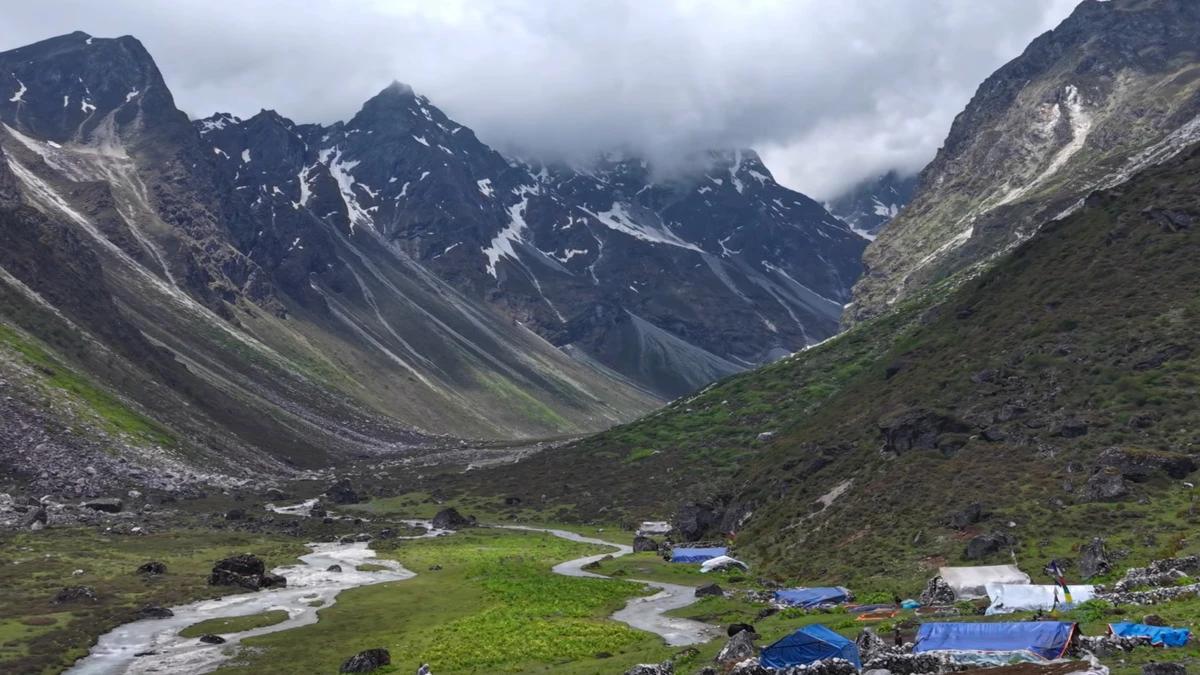
Lapchi Valley is one of the most culturally significant destinations in the Dolakha region. Surrounded by dramatic mountain landscapes, the valley is known for its Buddhist monasteries, meditation caves, and peaceful atmosphere. It is particularly associated with Milarepa, the respected Tibetan Buddhist yogi and poet who is believed to have meditated in this region.
During the Lapchi Valley Trek, visitors can explore important religious sites and learn about the traditions followed by local Buddhist communities. The journey provides an opportunity to experience the spiritual side of the Himalayas while enjoying the natural beauty of the surrounding mountains.
Manjushree Lake – A Sacred Himalayan Destination
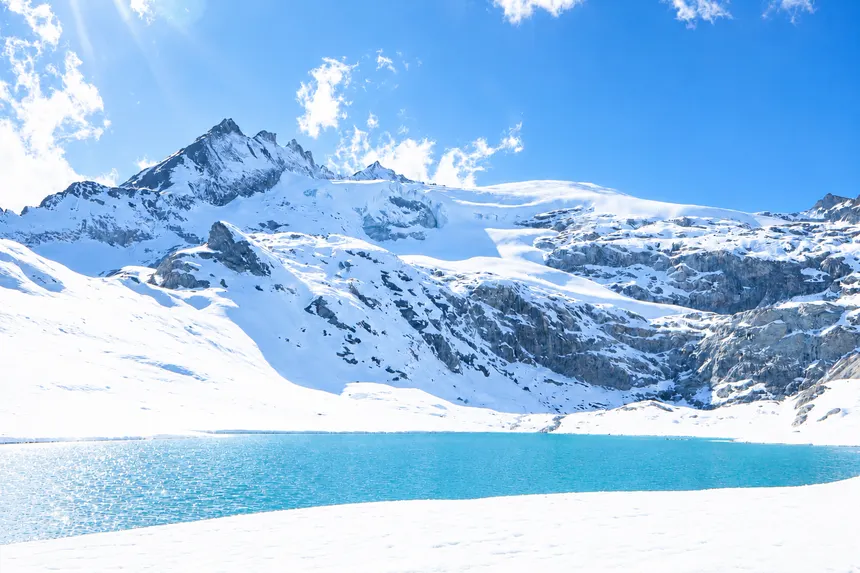
The main attraction of this journey is Manjushree Lake, located at a high altitude in the Lapchi region. The lake is valued for its religious significance and peaceful mountain surroundings. Reaching the lake requires a demanding uphill trek, making it a memorable destination for experienced hikers and pilgrims.
The high-altitude landscape, quiet surroundings, and cultural importance make the lake a special part of the Manjushree Lake pilgrimage trek. Visitors should respect local religious customs and keep the natural environment clean.
Milarepa Cave and Choro Gephel Ling Monastery
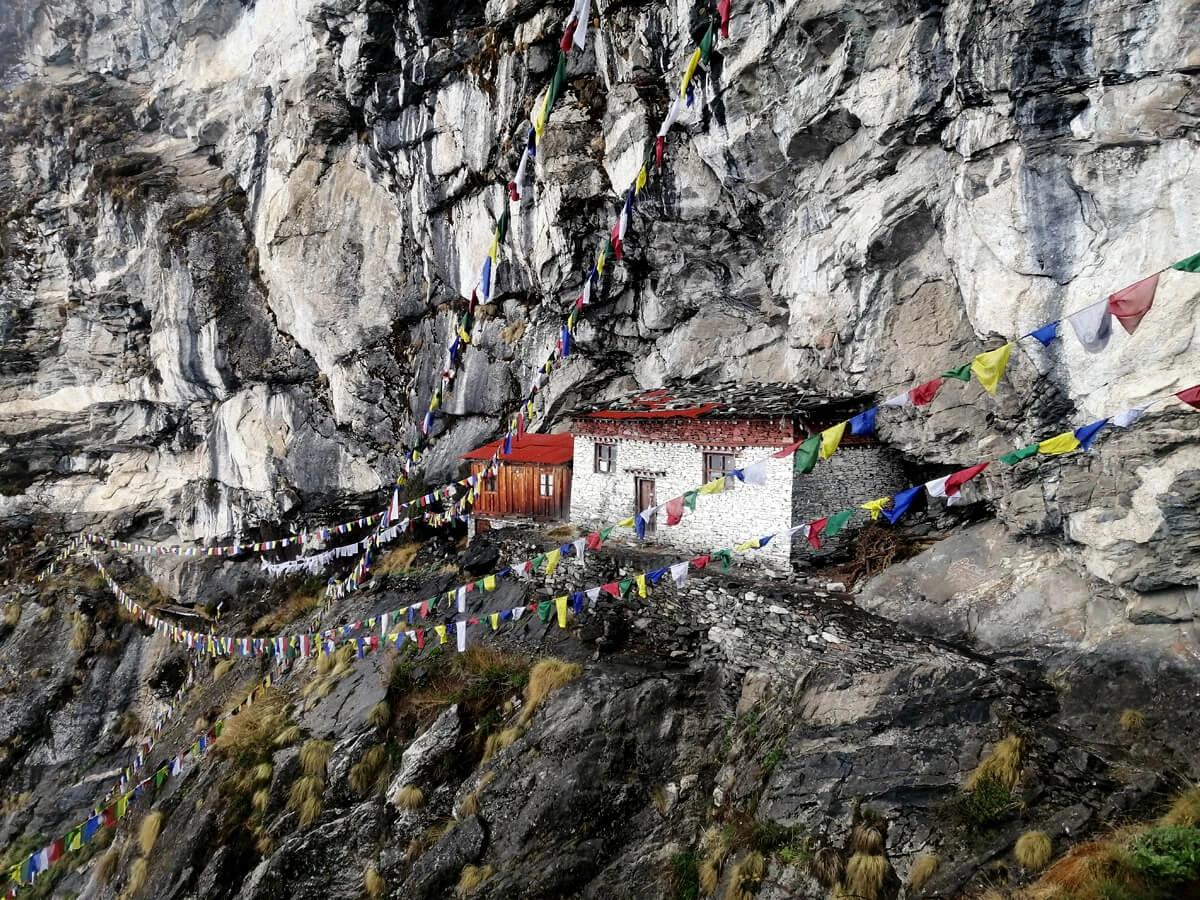
Milarepa’s meditation cave is among the important spiritual attractions of Lapchi Valley. It is connected with the life and meditation traditions of Milarepa and attracts visitors interested in Tibetan Buddhist history.
Choro Gephel Ling Monastery is another significant religious site in the area. Its peaceful setting reflects the region’s long-standing Buddhist traditions. Visiting these places adds cultural and spiritual depth to the Manjushree Lake journey.
Trekking Experience and Local Culture
The route to Manjushree Lake involves remote mountain trails, steep sections, changing weather, and high-altitude conditions. The journey generally begins with a drive from Kathmandu towards the Dolakha region before continuing on foot through settlements and Lapchi Valley.
Along the way, trekkers can experience traditional village life, interact with local communities, and observe the region’s religious customs. Facilities are basic in this remote area, so proper preparation and a knowledgeable local guide are important.
Best Time for Manjushree Lake Trek
Spring (March to May) and autumn (September to November) are generally considered suitable seasons for trekking in this region. These periods often provide more favourable weather and clearer mountain views. However, conditions can change quickly at higher elevations, so travellers should check local weather and trail conditions before departure.
Difficulty and Preparation
The Manjushree Lake Trek is a challenging high-altitude adventure. Trekkers should have good physical fitness and preferably previous trekking experience. The elevation gain, steep trails, and limited facilities require careful planning.
A suitable itinerary should include enough time for acclimatisation. The final ascent to the lake needs particular attention because of the altitude. Travelling with an experienced guide, carrying appropriate clothing and equipment, and having suitable travel insurance are strongly recommended.
Why Choose Manjushree Lake Trek?
The Manjushree Lake journey is ideal for travellers looking for a combination of Himalayan adventure, Buddhist heritage, and remote natural landscapes. Unlike Nepal’s more commercial trekking routes, Lapchi Valley offers a quieter experience with opportunities to explore monasteries, meditation sites, and traditional mountain communities.
Whether your interest is pilgrimage, cultural exploration, or challenging high-altitude trekking, this journey introduces you to a remarkable part of Dolakha. With proper preparation and local guidance, the Manjushree Lake Trek Nepal can become a memorable Himalayan experience.
Trekking Similar to Manjushree Lake Trek
- Annapurna Circuit Trek: 15 Night – 16 Days
- Manaslu Circuit trek-14N/15D
- Everest Base Camp Trek- 12 Days/ 11 Night
Nepal Pilgrimage & Cultural Tours
Frequently Asked Questions
1. Where is Manjushree Lake located?
Manjushree Lake is located in Lapchi Valley, Dolakha District, Nepal, near the Nepal–Tibet border.
2. How difficult is the Manjushree Lake Trek?
It is a challenging trek involving steep trails, remote terrain, and high-altitude walking. Good fitness and trekking preparation are recommended.
3. How many days are required for the trek?
An approximately 8-day itinerary from Kathmandu may be proposed, depending on road conditions, walking pace, and acclimatisation requirements.
4. What is the maximum altitude of Manjushree Lake?
The lake is commonly reported to be at approximately 4,850 metres above sea level.
5. When is the best time to visit Manjushree Lake?
Spring (March–May) and autumn (September–November) are generally preferred, subject to local weather and trail conditions.
6. Are permits required for the Manjushree Lake Trek?
Trekking and conservation-area requirements may apply. Exact permits and local permissions should be confirmed for the chosen route before departure.
7. Can beginners do the Manjushree Lake Trek?
Beginners with good fitness may consider it with proper preparation and professional guidance, but previous trekking experience is preferable.
8. What type of accommodation is available?
Accommodation is basic and may include local homestays, monastery accommodation, or other simple arrangements. Availability should be confirmed before travelling.
9. Is a guide necessary for the trek?
An experienced local guide is strongly recommended because the route is remote and trail conditions can change.
10. Why is Lapchi Valley important for Buddhist pilgrims?
Lapchi Valley is associated with Milarepa’s meditation history and features important Buddhist sites, including monasteries and meditation caves.
Manjushree Lake Trek – 8 Days in Nepal Highlights
- Explore the sacred and remote Manjushree Lake in the beautiful Lapchi Valley of Dolakha.
- Experience a unique Himalayan pilgrimage combining natural beauty, Buddhist spirituality and adventure.
- Visit the historic Milarepa Meditation Cave, associated with the renowned Tibetan Buddhist yogi.
- Discover the spiritual heritage of Choro Gephel Ling Monastery in Lapchi.
- Trek through the peaceful landscapes of Lapchi Valley, surrounded by rugged mountains, forests and alpine terrain.
- Enjoy spectacular views of the Himalayan mountain ranges and the surrounding Gaurishankar region.
- Experience traditional Buddhist culture, prayer sites and the peaceful atmosphere of remote mountain settlements.
- Follow scenic trails along the Tamakoshi River and through the remote highlands of Dolakha.
- Enjoy a challenging high-altitude trekking experience with the opportunity to explore one of Nepal's lesser-known pilgrimage destinations.
- Experience local hospitality and the traditional lifestyle of remote Himalayan communities.
- Enjoy an adventurous overland journey from Kathmandu through the scenic landscapes of Dolakha.
- Capture beautiful mountain scenery, sacred sites and memorable moments throughout the journey.
Manjushree Lake Trek – 8 Days Himalayan Pilgrimage Route
The Manjushree Lake Trek begins with a scenic drive from Kathmandu towards Charikot, Singati and Lamabagar in Dolakha, following the beautiful Tamakoshi River Valley. From Lamabagar, the trekking trail continues towards Lumnang and the remote Lapchi Valley, offering a combination of mountain scenery, traditional settlements and peaceful Himalayan landscapes. Along the way, explore the sacred Milarepa Meditation Cave and Choro Gephel Ling Monastery, important spiritual attractions associated with the Buddhist heritage of Lapchi. Continue towards the beautiful Manjushree Lake, the main highlight of the trek, before retracing the trail to Lamabagar and driving back to Kathmandu.
Trekking Route:
Kathmandu → Charikot → Singati → Lamabagar → Lumnang → Lapchi Valley → Milarepa Meditation Cave → Choro Gephel Ling Monastery → Manjushree Lake → Lapchi Valley → Lumnang → Lamabagar → Charikot → Kathmandu
Include
- Airport pickup and drop-off in Kathmandu, if arranged in the package.
- Ground transportation between Kathmandu, Lamabagar and the return point by private vehicle or 4WD jeep.
- Hotel accommodation in Charikot.
- Basic local accommodation or homestay during the trekking period.
- Breakfast, lunch and dinner during the trek.
- Experienced local trekking guide.
- Required trekking staff and porter support, as agreed in the package.
- Gaurishankar Conservation Area entry permit, subject to applicable requirements.
- Necessary local permissions for the Lapchi Valley route, if required.
- Basic first-aid support during the trek.
- Government taxes and service charges applicable to the package.
Exclude
- International airfare to and from Nepal.
- Nepal entry visa fees.
- Personal travel and medical insurance.
- Emergency evacuation and rescue expenses.
- Personal expenses such as laundry, telephone calls and internet.
- Snacks, chocolates, bottled drinks and additional beverages.
- Personal trekking equipment, clothing and footwear.
- Personal medicines and medical expenses.
- Tips for trekking guides, drivers and support staff.
- Additional accommodation and meals caused by delays, weather conditions or itinerary changes.
- Extra transportation costs due to unforeseen road or trail conditions.
- Additional porter services beyond the agreed package.
- Any services not specifically mentioned under the trip includes section.
Manjushree Lake Trek – 8 Days in Nepal Itinerary
Drive: approximately 8–10 hours.
Depart Kathmandu early in the morning and drive along the Araniko Highway towards Khadichaur and Charikot. Continue through Singati and follow the Tamakoshi River towards Lamabagar. The journey passes through rugged mountain roads, river valleys and the Upper Tamakoshi hydropower area.
Arrive at Lamabagar and settle into a basic local lodge or homestay. Prepare your trekking equipment for the following day.
Overnight: Lamabagar.
Trek: approximately 5–6 hours.
After breakfast, begin trekking towards Lapchi Valley. Cross the river and follow the mountain trail through the narrow Tamakoshi gorge. The route gradually climbs through forested slopes, bamboo vegetation, rocky sections and small streams.
Enjoy the peaceful surroundings and views of the surrounding hills as you approach Lumnang, a remote settlement used as a resting point on the Lapchi route.
Overnight: Basic local accommodation or seasonal herder shelter at Lumnang.
Trek: approximately 4–5 hours.
Continue the uphill journey through the upper valley towards Lapchi Village. The landscape gradually changes from forested terrain to open mountain slopes and alpine surroundings.
On arrival, explore the traditional Buddhist settlement and visit Choro Gephel Ling Monastery, an important spiritual centre associated with the Buddhist heritage of Lapchi Kang.
Spend the afternoon exploring the monastery surroundings and enjoying the peaceful mountain environment.
Overnight: Basic homestay or monastery accommodation, subject to availability.
Walking: approximately 3–4 hours, optional acclimatization excursion.
Spend the day acclimatizing to the higher elevation before attempting Manjushree Lake. After breakfast, take a short excursion around the Lapchi settlement and visit the sacred meditation cave associated with Milarepa, the renowned Tibetan Buddhist yogi.
Learn about the spiritual significance of the Lapchi region, which has long been associated with meditation, Buddhist teachings and pilgrimage.
Return to the accommodation and spend the remainder of the day resting, hydrating and preparing for the high-altitude excursion.
Overnight: Lapchi Village.
Walking: approximately 7–8 hours round trip, as proposed in the route guide.
Start early in the morning with a packed lunch, sufficient drinking water and appropriate cold-weather clothing. Follow the high-altitude trail through open yak pastures, rocky terrain and glacial surroundings towards Manjushree Lake.
Upon reaching the sacred lake, take time to enjoy the remarkable Himalayan scenery and the spiritual atmosphere of this remote pilgrimage destination. The excursion may also include a visit to the nearby Sephuk Cave, subject to trail conditions and available time.
After spending time around the lake, retrace the same trail and descend to Lapchi Village.
Overnight: Lapchi Village.
Trek: approximately 4–5 hours
After breakfast, begin descending from Lapchi Village towards Lumnang, retracing the mountain trail through the upper valley. Enjoy the changing scenery as the alpine landscape gradually gives way to forested slopes and the Tamakoshi river gorge.
Take regular breaks along the way and enjoy the final views of the remote Lapchi region.
Overnight: Lumnang.
Trek: approximately 4–5 hours; drive: approximately 2 hours, subject to road conditions.
After breakfast, descend along the familiar trail towards Lamabagar. Complete the trekking section and meet your pre-arranged vehicle.
Drive along the Tamakoshi Valley towards Singati and Charikot. Upon arrival, check into your hotel and enjoy a comfortable evening after completing the Lapchi Kang and Manjushree Lake trekking experience.
Overnight: Hotel in Charikot.
Drive: approximately 5–6 hours, subject to road conditions.
After breakfast, begin the return journey to Kathmandu via the scenic mountain highway. Enjoy the landscapes of Dolakha and the surrounding river valleys along the way.
Arrive in Kathmandu and conclude your Manjushree Lake and Lapchi Kang Trek with wonderful memories of the sacred Himalayan region.
Overnight: Not included.
Video
Manjushree Lake Trek – Packing List
The Manjushree Lake Trek takes you through remote Himalayan terrain, cold mountain environments and high-altitude trails. Packing suitable clothing, trekking equipment and personal essentials is important for a safe and comfortable journey.
1. Clothing and Warm Wear
-
Thermal innerwear (2–3 sets)
-
Warm fleece jacket
-
Insulated down jacket
-
Waterproof and windproof jacket
-
Trekking trousers (2–3 pairs)
-
Comfortable trekking shirts
-
Warm woollen cap
-
Neck warmer or scarf
-
Thermal gloves and waterproof outer gloves
-
Woollen socks (4–5 pairs)
-
Comfortable underwear
-
Raincoat or poncho
2. Trekking Footwear
-
Waterproof trekking boots with good ankle support
-
Comfortable trekking socks
-
Lightweight sandals or slippers
-
Extra shoelaces
-
Gaiters (useful in snowy conditions)
3. Trekking Equipment
-
Comfortable trekking backpack (30–40 litres)
-
Duffel bag for main luggage
-
Trekking poles
-
Sleeping bag suitable for freezing temperatures
-
Headlamp or flashlight with spare batteries
-
Reusable water bottle or insulated flask
-
Waterproof backpack cover
-
Dry bags for clothing and electronics
-
Small personal towel
4. Personal Accessories
-
UV-protected sunglasses
-
Sunscreen (SPF 50+)
-
Lip balm with SPF
-
Moisturiser
-
Quick-dry towel
-
Toiletries and personal hygiene products
-
Hand sanitiser
-
Wet wipes and tissues
-
Toilet paper
-
Small mirror and comb
5. Personal Medicines and First Aid
-
Personal prescription medicines
-
Basic first-aid kit
-
Blister plasters and bandages
-
Pain relief medication
-
Altitude sickness medication, as prescribed by a doctor
-
Motion sickness tablets, if required
-
Antiseptic cream
-
Oral rehydration salts
-
Personal medical information and emergency contacts
6. Documents and Money
-
Original passport or valid identification
-
Passport-size photographs
-
Required trekking permits
-
Travel insurance covering high-altitude trekking and emergency evacuation
-
Emergency contact information
-
Cash in Nepalese Rupees
-
Waterproof document pouch
7. Snacks and Food Essentials
-
Energy bars
-
Dry fruits and nuts
-
Chocolates
-
Biscuits
-
Glucose or electrolyte sachets
-
Instant energy snacks
-
Reusable water bottle
8. Electronics and Other Essentials
-
Mobile phone
-
Power bank
-
Charging cables
-
Camera and spare batteries
-
Universal charging adapter
-
Small notebook and pen
-
Earphones
-
Solar charger (optional)
Important Packing Tips
-
Pack lightweight and warm clothing in layers to manage changing temperatures.
-
Carry waterproof protection for your backpack and important belongings.
-
Break in your trekking boots before the journey.
-
Keep essential medicines, documents and valuables in your daypack.
-
Avoid unnecessary luggage because the trekking route passes through remote areas.
-
Carry enough cash, as ATM and card facilities may not be available along the route.
-
Confirm sleeping bags, camping equipment and other group gear with your trekking operator before departure.
Recommended: Prepare for cold temperatures, limited accommodation facilities and high-altitude conditions, especially during the Manjushree Lake excursion.
Reviews
No reviews found.