

Lobuche East Peak Climbing with Everest Base Camp – 18 Days
Destination:
Lobuche East Peak, Everest Region, Nepal
Trip Duration:
18 Days / 17 Nights
Max Altitude:
6,119 m / 20,070 ft
Activities:
Peak Climbing, Trekking, Everest Base Camp Trek, Acclimatization, Mountain Hiking, Cultural Exploration
Start Point:
Kathmandu
Ending Point:
Kathmandu
Region:
Everest / Khumbu Region, Solukhumbu
Trip Grade:
Challenging / Alpine Peak Climbing
Group Size:
2–15 people
Accomodation:
Hotels in Kathmandu; Teahouses/Lodges during trekking; Tented Camping during peak climbing
Meals:
Breakfast in Kathmandu; Breakfast, Lunch & Dinner during trekking and climbing
Transportation:
Private Tourist Vehicle, Kathmandu–Lukla–Kathmandu Domestic Flight, Trekking
Permits Required:
Sagarmatha National Park Permit, Khumbu Pasang Lhamu Rural Municipality Permit, Lobuche East Peak Climbing Permit
Best Season:
Spring (March–May) and Autumn (September–November)
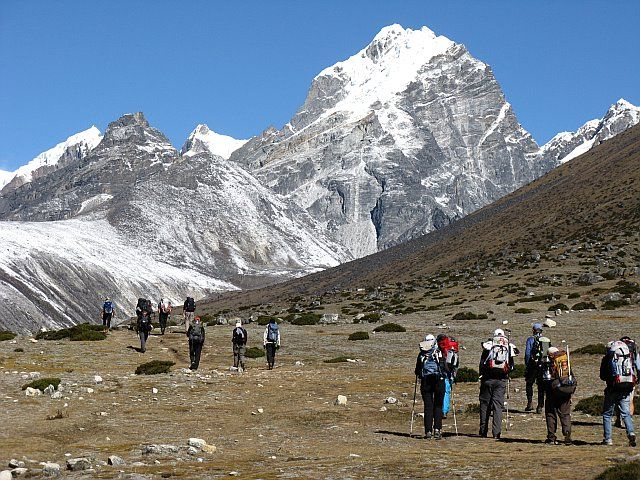
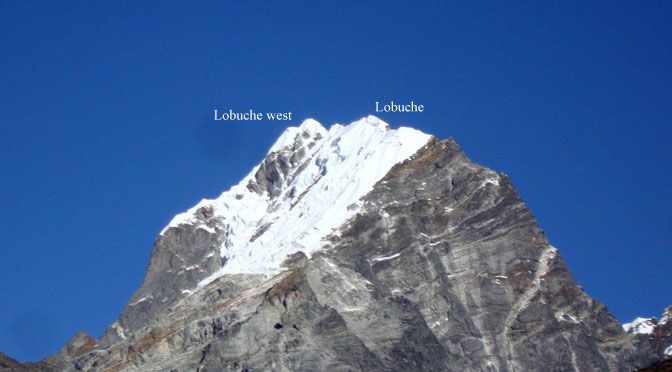
Lobuche East Peak Climbing is an exhilarating Himalayan mountaineering adventure that combines high-altitude trekking with the challenge of ascending one of Nepal’s most accessible trekking peaks. Rising to 6,119 meters (20,070 feet), Lobuche East provides an opportunity to experience genuine Himalayan peak climbing while traveling through the remarkable landscapes and communities of the Everest region. The expedition is particularly appealing to adventurous trekkers who want to progress beyond conventional high-altitude trekking and experience the discipline, preparation, and satisfaction associated with a Himalayan summit.
The Lobuche East Peak Climbing experience is not defined only by reaching the summit. The journey provides a gradual transition from established trekking trails into a more demanding alpine environment where physical endurance, altitude awareness, technical skills, and careful decision-making become increasingly important. The changing surroundings make the expedition especially rewarding, as lush lower valleys gradually give way to rugged mountain terrain, glacial landscapes, exposed slopes, and the high-altitude environment surrounding the world’s highest mountains.
A Himalayan Adventure Beyond Ordinary Trekking
For many travelers, Lobuche Peak Climbing represents an ideal introduction to Himalayan mountaineering. The mountain presents a meaningful challenge without requiring the extensive expedition logistics associated with Nepal’s major 7,000- or 8,000-meter peaks. However, its altitude and alpine terrain should not be underestimated. A successful ascent requires appropriate preparation, acclimatization, determination, and the ability to follow the guidance of an experienced climbing team.
The expedition also allows participants to experience the difference between trekking and peak climbing. Trekking primarily involves sustained movement over established mountain trails, whereas climbing Lobuche East introduces additional considerations such as rope systems, crampon use, ice-axe techniques, climbing harnesses, steep terrain, weather changes, and movement at extreme altitude. This combination makes the Lobuche East Peak Expedition an excellent choice for travelers looking for a more active and technically engaging Himalayan experience.
The Character of the Everest Region
The setting is one of the defining attractions of Lobuche East Climbing. The Everest region is renowned for its dramatic mountain scenery, but its appeal extends well beyond photographs of high peaks. The landscape reflects the interaction between mountains, glaciers, rivers, forests, and generations of Himalayan communities that have adapted to life at altitude.
As the environment changes with elevation, travelers experience a remarkable progression of landscapes. Lower sections feature greener vegetation and forested surroundings, while the upper valleys become increasingly open, dry, rocky, and dominated by enormous Himalayan formations. The contrast between traditional settlements and the vast scale of the surrounding mountains creates a distinctive character throughout the adventure.
The region is also closely connected with Sherpa culture and Himalayan Buddhist traditions. Monasteries, prayer flags, mani walls, chortens, traditional homes, and mountain communities provide cultural depth to the expedition. These elements transform the journey from a purely physical challenge into an opportunity to understand the people and traditions that define the Khumbu landscape.
Experiencing Everest Base Camp Alongside Peak Climbing
One of the defining characteristics of this adventure is the combination of Everest Base Camp and Lobuche Peak Climbing within a single expedition. Everest Base Camp is internationally recognized as one of the world’s iconic trekking destinations, attracting adventurers from around the globe. Experiencing the area as part of a peak-climbing expedition gives the journey an additional dimension.
Rather than treating Everest Base Camp as the sole objective, the expedition continues into a more demanding climbing environment. This progression allows participants to appreciate how the character of the Himalayas changes as the journey moves from trekking terrain toward a high-altitude mountaineering environment.
For travelers searching for an Everest Base Camp Trek with Lobuche Peak Climbing, this combination offers an opportunity to experience both the cultural and trekking aspects of the Khumbu region and the more technical side of Himalayan adventure.
Acclimatization and High-Altitude Awareness
Altitude is one of the most important considerations during Lobuche East Peak Climbing in Nepal. The expedition involves substantial elevation gain, making gradual acclimatization an essential part of the overall experience. Time spent adjusting to higher elevations allows participants to understand how their bodies respond to thinner air and helps the climbing team assess readiness for more demanding sections.
High-altitude climbing requires patience. The pace is generally controlled, hydration and nutrition become increasingly important, and physical symptoms must be taken seriously. Participants should be prepared to communicate openly with their guides regarding how they are feeling rather than treating the summit as an objective that must be reached regardless of circumstances.
Weather is another important factor. Himalayan conditions can change rapidly, particularly at higher elevations. Summit attempts therefore depend on a combination of physical readiness, route conditions, weather, and the professional assessment of the climbing team. Flexibility is an important part of any responsible Lobuche Peak Expedition Nepal experience.
The Challenge of the Summit
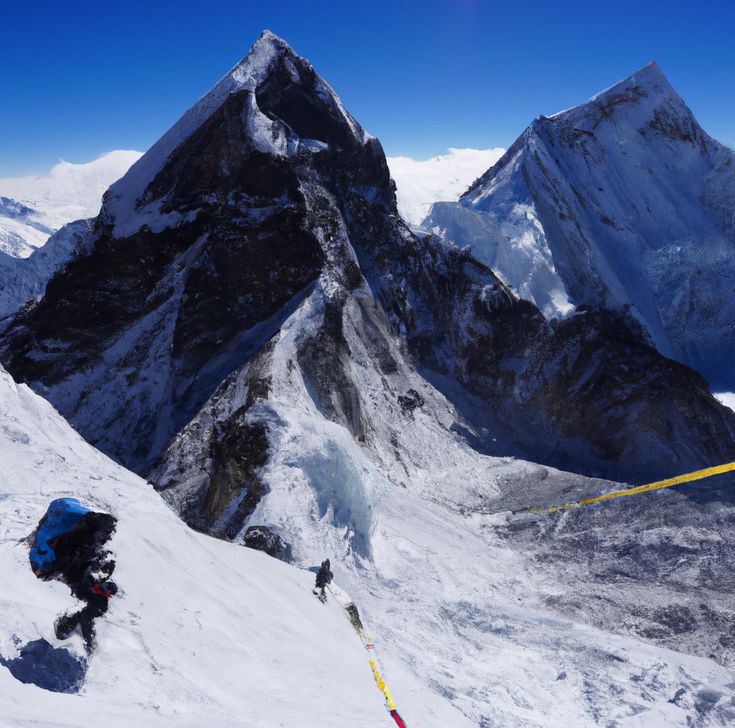
The summit phase represents the most demanding component of the adventure. The combination of altitude, cold, steep terrain, limited oxygen, and prolonged physical exertion requires concentration and perseverance. Participants must be comfortable using appropriate mountaineering equipment and following established climbing procedures.
The final ascent is often undertaken during the early hours when conditions can be more suitable for climbing. Darkness, cold temperatures, fatigue, and altitude make this section substantially different from ordinary trekking. Reaching the summit therefore represents more than simply arriving at a high point—it reflects the preparation and commitment invested throughout the expedition.
From the summit area, favorable weather can reveal an extraordinary panorama of the surrounding Himalayan landscape. The experience of standing above the high valleys after progressing through the Everest region creates one of the most memorable moments of the Lobuche East Summit experience.
Who Is Lobuche East Peak Climbing Suitable For?
The adventure is suited to physically active travelers who are comfortable with long days of trekking and want to develop or apply basic mountaineering skills. Previous high-altitude trekking experience can be beneficial, although suitability ultimately depends on individual fitness, preparation, experience, and the guidance of the climbing team.
Travelers considering the expedition should understand that Lobuche East Peak Climbing is a serious high-altitude activity rather than an ordinary sightseeing tour. Mental resilience is just as valuable as physical fitness. The ability to maintain a steady pace, manage discomfort, respond responsibly to changing conditions, and work cooperatively with the expedition team contributes significantly to the overall experience.
A Complete Himalayan Experience
What makes the Lobuche East Peak Climbing itinerary distinctive is the way it brings together several dimensions of Himalayan travel. Participants encounter Nepal’s cultural heritage, Sherpa communities, high mountain trails, dramatic alpine scenery, Everest-region landmarks, and the practical realities of peak climbing within one extended adventure.
The expedition offers an opportunity to step beyond conventional trekking while still experiencing the cultural and natural richness that makes Nepal one of the world’s premier mountain destinations. Every stage contributes something different: cultural encounters provide context, trekking develops endurance, acclimatization builds confidence, climbing preparation introduces technical skills, and the summit attempt brings the adventure to its ultimate challenge.
For those looking for a demanding yet achievable introduction to Himalayan mountaineering, Lobuche East Peak Climbing provides a compelling combination of adventure, culture, landscape, and personal achievement. The experience is not simply about standing on a 6,119-meter summit; it is about learning to move through the mountains responsibly, adapting to an extraordinary environment, and experiencing the Everest region from both a trekker’s and climber’s perspective.
Trekking Similar to Lobuche East Peak Climbing
- Annapurna Circuit Trek: 15 Night – 16 Days
- Manaslu Circuit trek-14N/15D
- Everest Base Camp Trek- 12 Days/ 11 Night
Nepal Pilgrimage & Cultural Tours
- Buddhist Pilgrimage Tour 6 Nights / 7 Days
- Kathmandu, Pokhara & Muktinath 7 Nights / 8 Days
- 8 Days Culture, Wildlife & Heritage of Nepal
- Mani Rimdu Festival in Everest Region 11 Nights / 12 Days
- 1-Day Kathmandu UNESCO Heritage Tour with Complimentary Nagarkot Sunrise & Rani Jhula
Lobuche East Peak Climbing with Everest Base Camp – 18 Days Highlights
- Summit Lobuche East Peak (6,119 m) with an experienced climbing team
- Trek to Everest Base Camp through the legendary Khumbu Valley
- Experience the spectacular Everest region and Himalayan landscapes
- Scenic Kathmandu–Lukla mountain flight
- Explore the vibrant Sherpa town of Namche Bazaar
- Acclimatization and cultural experience in the high Himalayas
- Visit the historic Tengboche Monastery
- Enjoy panoramic views of Mount Everest, Lhotse, Nuptse, Ama Dablam, Pumori, and Thamserku
- Trek alongside the dramatic Khumbu Glacier and surrounding moraines
- Receive practical peak-climbing and mountaineering training
- Overnight camping experience at Lobuche East Base Camp and High Camp
- Experience a challenging Lobuche East summit ascent
- Explore traditional Sherpa villages and Himalayan Buddhist culture
- Journey through Sagarmatha National Park
- Combine Everest Base Camp trekking with Himalayan peak climbing in one 18-day adventure
Lobuche East Peak Climbing Route – Everest Base Camp Trek | 18 Days
The Lobuche East Peak Climbing route combines the classic Everest Base Camp Trek with an exciting Himalayan peak-climbing expedition. The journey begins in Kathmandu with a scenic flight to Lukla, followed by trekking through Phakding, Namche Bazaar, Tengboche, Dingboche, and Lobuche. After reaching Everest Base Camp, the route returns toward Gorak Shep before heading to Lobuche East Base Camp.
From base camp, the expedition enters its climbing phase with acclimatization, technical preparation, and an ascent to Lobuche East High Camp. The summit day involves an early-morning climb toward the 6,119 m Lobuche East summit, followed by a descent to base camp. The return route passes through Tengboche, Namche, and Gorshalle before reaching Lukla and flying back to Kathmandu.
Route Map
Kathmandu → Lukla → Phakding → Namche Bazaar → Tengboche → Dingboche → Lobuche → Gorak Shep → Everest Base Camp → Gorak Shep → Lobuche East Base Camp → Lobuche East High Camp → Lobuche East Summit (6,119 m) → Lobuche East Base Camp → Tengboche → Namche Bazaar → Gorshalle → Lukla → Kathmandu
Include
- Airport pickup and drop-off in Kathmandu by private vehicle
- 3-star hotel accommodation in Kathmandu with breakfast
- Accommodation in teahouses/lodges during the trekking period
- Camping accommodation at Lobuche East Base Camp and High Camp
- Breakfast, lunch, and dinner during the trekking and climbing period
- Experienced, licensed, and government-authorized trekking guide
- Experienced climbing guide / climbing Sherpa
- Required porters for trekking and climbing equipment
- Kathmandu–Lukla–Kathmandu domestic flights
- Sagarmatha National Park entry permit
- Khumbu Pasang Lhamu Rural Municipality permit
- Lobuche East Peak climbing permit
- Climbing equipment and group climbing gear where applicable
- Tented camping equipment, kitchen and dining arrangements during the climbing section
- Necessary ropes and group mountaineering equipment
- Guide and support staff wages, meals, accommodation, insurance, and equipment
- Kathmandu sightseeing with an experienced city guide and private transportation
- Government taxes and applicable service charges
- Duffel bag for the trekking/climbing period
- Basic first-aid kit carried by the trekking team
- Company-authorized trekking and climbing certificate, where applicable
Exclude
- International airfare to and from Nepal
- Nepal entry visa fee
- Personal travel, medical, and emergency evacuation insurance
- Personal trekking and mountaineering equipment
- Sleeping bag and down jacket
- Personal expenses such as laundry, telephone, internet, and charging
- Bottled/mineral water and alcoholic or soft drinks
- Hot showers during the trek
- Extra accommodation or meals caused by early arrival, late departure, or itinerary changes
- Additional accommodation and meals in Kathmandu beyond the scheduled itinerary
- Costs resulting from flight delays, cancellations, bad weather, natural disasters, or other unforeseen circumstances
- Helicopter rescue or emergency evacuation expenses
- Personal medical expenses and medication
- Tips for guides, climbing Sherpas, porters, and other support staff
- Any additional climbing permit, government fee, or conservation charge introduced by the authorities
- Any services or expenses not specifically mentioned under Trip Includes
Lobuche East Peak Climbing with Everest Base Camp – 18 Days Itinerary
Upon your arrival at Tribhuvan International Airport in Kathmandu, you will be welcomed by our representative and transferred to your hotel. After check-in, you can rest and recover from your journey or explore the surrounding area if time permits. In the evening, you will receive a briefing about the Lobuche East Peak climbing itinerary, trekking conditions, safety procedures, equipment, and necessary preparations. You will also meet your trekking and climbing team and have an opportunity to check your climbing equipment before the adventure begins. Overnight at a hotel in Kathmandu.
Today begins with a half-day cultural sightseeing tour of Kathmandu. You will visit some of the city’s significant heritage and religious sites, experiencing the rich cultural traditions of the Kathmandu Valley. The sightseeing provides an introduction to Nepal’s history, architecture, and spiritual heritage before heading toward the Everest region. After the tour, the remaining time is available for final preparations, equipment checks, and purchasing or renting any necessary trekking and climbing gear. Overnight at a hotel in Kathmandu.
After an early breakfast, you will travel to the airport for a scenic flight toward Lukla, the main gateway to the Everest region. The short flight offers spectacular views of the Himalayan landscape as you approach Lukla’s mountain airstrip. After meeting the supporting crew and organizing your belongings, the trek begins through the surrounding Sherpa settlements, forests, and mountain trails. The trail gradually descends and follows the Dudh Koshi River toward Phakding. This relatively short opening trekking day allows your body to begin adjusting to the Himalayan environment. Overnight at a teahouse in Phakding.
After breakfast, you will continue along the Dudh Koshi Valley toward Namche Bazaar. The trail crosses several suspension bridges and passes through pine and rhododendron forests before entering Sagarmatha National Park. As you gain elevation, the landscape becomes increasingly mountainous. The final section involves a steady uphill climb toward Namche Bazaar, the famous Sherpa trading and trekking center of the Khumbu region. If weather conditions are clear, you may get your first impressive views of Himalayan peaks along the way. Overnight at a teahouse in Namche Bazaar.
Today is dedicated to acclimatization in Namche Bazaar. Rather than remaining completely inactive, a short hike to a higher elevation followed by a return to Namche helps your body adapt gradually to the increasing altitude. You may explore the surrounding viewpoints and visit nearby Sherpa cultural attractions while enjoying views of the Himalayan peaks. The day also provides an opportunity to rest, hydrate, organize your backpack, and prepare for the higher sections of the trek. Overnight at a teahouse in Namche Bazaar.
Leaving Namche Bazaar, the trail follows a scenic route overlooking the spectacular mountains of the Khumbu region. The path passes through forested sections and several small settlements before gradually descending toward the Dudh Koshi River. From there, you will climb toward Tengboche, one of the most culturally significant settlements in the Everest region. Tengboche is renowned for its historic Buddhist monastery and its panoramic Himalayan surroundings. After reaching the village, you can explore the monastery and enjoy views of peaks such as Ama Dablam, Thamserku, and surrounding mountains. Overnight at a teahouse in Tengboche.
Today you continue toward the higher Khumbu Valley. The trail descends through rhododendron and conifer forests before crossing the Imja Khola and continuing toward Pangboche. As the elevation increases, vegetation gradually becomes thinner and the surrounding landscape becomes more rugged. You will continue through traditional Sherpa settlements and open alpine terrain toward Dingboche. The village is an important acclimatization stop for trekkers heading toward Everest Base Camp and the region’s climbing peaks. Overnight at a teahouse in Dingboche.
After breakfast, the trek continues from Dingboche toward Lobuche. The landscape becomes increasingly alpine as you leave the more sheltered valleys behind. The trail passes through the settlement of Duglha before climbing toward the terminal moraine of the Khumbu Glacier. Along the route, you will encounter memorials dedicated to climbers and mountaineers who lost their lives in the Himalayas. From here, the trail continues across the rugged terrain toward Lobuche, surrounded by dramatic Himalayan peaks. Overnight at a teahouse or lodge in Lobuche.
Today is one of the major trekking days of the expedition. You will leave Lobuche early and follow the trail toward Gorak Shep, the last major settlement before Everest Base Camp. After a short break, you continue across the rugged glacial landscape toward Everest Base Camp. The route involves rocky and uneven terrain alongside the Khumbu Glacier and offers spectacular views of the surrounding mountains. After spending time at Everest Base Camp and taking in the dramatic Himalayan scenery, you retrace the trail back to Gorak Shep for the night. This demanding day requires steady pacing and adequate hydration. Overnight at a teahouse in Gorak Shep.
After breakfast, you leave Gorak Shep and retrace part of the trail toward Lobuche. From the main trekking route, you proceed toward the Lobuche East climbing area. The surroundings become increasingly remote and alpine as you approach the mountain’s base. Your climbing crew will establish or prepare the base camp, organize tents and equipment, and make arrangements for the upcoming climbing days. The remainder of the day is spent resting and becoming familiar with the climbing environment. Overnight at Lobuche East Base Camp.
Today is an important preparation and acclimatization day at Lobuche East Base Camp. Your climbing guide will provide practical instruction and refresh your knowledge of essential mountaineering techniques, including the use of crampons, harnesses, ropes, ice axe, and other climbing equipment. The team will also review rope procedures and movement techniques required for higher sections of the mountain. You will have time to rest, hydrate, organize your climbing equipment, and prepare mentally and physically for the summit attempt. Weather and route conditions will also be assessed before the next stage. Overnight at base camp.
Today you begin the ascent toward Lobuche East High Camp. The climb becomes more technical and demanding as you gain altitude. Depending on the route and conditions, sections of snow, ice, rock, and steep terrain may require the use of fixed ropes and climbing equipment. Your climbing guide will maintain a controlled pace and assist with technical sections while monitoring your condition at altitude. After reaching High Camp, the team will prepare the campsite and organize all equipment required for the summit attempt. You will have an early meal and rest as much as possible because the summit climb will begin during the night or very early the following morning. Overnight at Lobuche East High Camp.
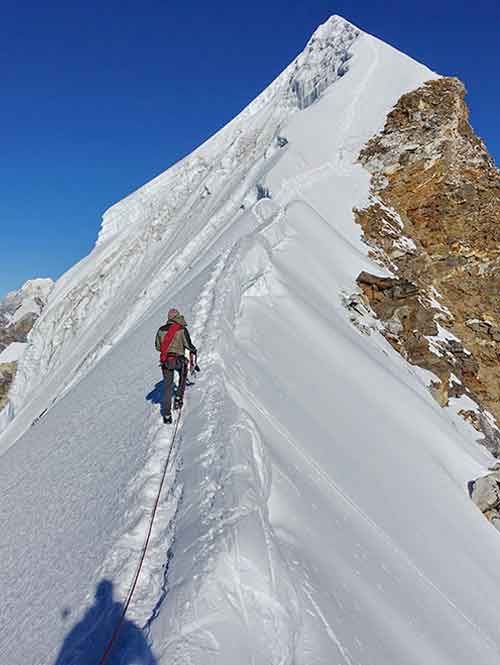
Today is the principal climbing day of the expedition. You will begin the summit attempt very early, generally before sunrise, depending on weather, route conditions, and the climbing team’s assessment. The ascent involves steep snow and ice sections where crampons, harnesses, ropes, and an ice axe may be required. With the guidance of your climbing team, you will gradually ascend toward the summit of Lobuche East. From the summit, you can experience expansive Himalayan views across the Everest region, weather permitting. After spending appropriate time at the summit, you will carefully descend back toward High Camp and continue to Lobuche East Base Camp. The descent requires particular attention because fatigue and changing snow conditions can increase difficulty. Overnight at base camp.
After completing the climbing section, you begin the descent toward the lower Khumbu Valley. The trail follows familiar terrain back toward the main Everest trekking route and continues through the high Himalayan landscape. As you lose elevation, the surrounding environment gradually becomes greener and more sheltered. You will continue toward Tengboche, where the famous monastery and mountain panorama provide a memorable setting for the evening. After the demanding summit days, the lower elevation also offers a welcome opportunity to recover. Overnight at a teahouse in Tengboche.
Today you continue descending through the Khumbu Valley toward Namche Bazaar. The trail passes through forests and hillside settlements while offering changing views of the surrounding mountains. After reaching Namche, you continue toward Gorshalle Village according to the planned route. The descent allows you to gradually leave the high-altitude environment behind while enjoying the traditional villages, suspension bridges, forests, and river valleys of the region. The day provides a relaxed transition toward the lower sections of the Everest trail. Overnight at a teahouse in Gorshalle Village.
Your final trekking day takes you back toward Lukla. The trail continues through the Dudh Koshi Valley, passing through familiar villages and forested sections along the route. After several days in the high mountains, the lower elevation and greener surroundings create a noticeable change in the landscape. Upon reaching Lukla, you can celebrate the completion of your trekking and climbing journey with your team. The evening provides an opportunity to rest and prepare for the following day’s flight to Kathmandu. Overnight at a teahouse or lodge in Lukla.
After breakfast, you will head to Lukla Airport for the return flight to Kathmandu. The short mountain flight provides another opportunity to enjoy aerial views of the Himalayan landscape, subject to weather conditions. Upon arrival in Kathmandu, you will be transferred to your hotel. The rest of the day is free for relaxation, shopping, exploring the city, or simply recovering after the expedition. Overnight at a hotel in Kathmandu.
Your Lobuche East Peak climbing adventure officially comes to an end today. Depending on your flight schedule, you will have free time to enjoy a final breakfast or make last-minute arrangements in Kathmandu. Our representative will assist with your transfer to Tribhuvan International Airport in time for your international departure. You leave Nepal with memories of the Everest region, Sherpa communities, Everest Base Camp, and the successful Lobuche East climbing experience.
Video
Lobuche East Peak Climbing – Packing List
Reviews
No reviews found.