

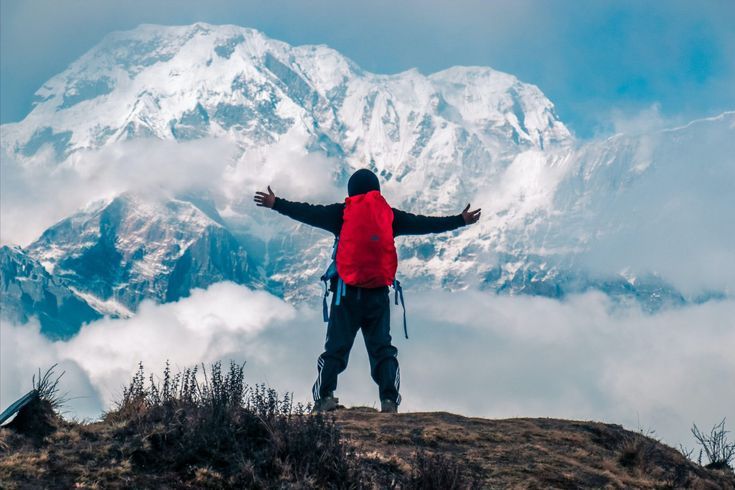
Kedarkantha Trek from Nepal | 7 Days India Trek
Destination:
Kedarkantha, Uttarakhand, India
Trip Duration:
7 Days / 6 Nights
Max Altitude:
3,810 m / 12,470 ft
Activities:
Trekking, Snow Trekking, Mountain Views, Camping, Summit Hiking, Scenic Drive
Start Point:
Kathmandu, Nepal
Ending Point:
Kathmandu, Nepal
Region:
Uttarakhand, Garhwal Himalayas, Western Himalayas, Uttarkashi, India
Trip Grade:
Moderate
Group Size:
2–12 People
Accomodation:
Hotels, Guesthouses, Homestays & Tented Camps
Meals:
Breakfast, Lunch & Dinner during the trek; breakfast during city stays
Transportation:
Flight, Private/Shared Tourist Vehicle & Trekking
Permits Required:
Govind Pashu Vihar National Park/Forest Entry Permit & applicable local trekking permits
Best Season:
December–April for snow; April–June and September–November for clearer trekking conditions
Kedarkantha Trek from Nepal
The Kedarkantha Trek from Nepal is an opportunity for Nepali travelers to experience a classic Himalayan snow adventure beyond Nepal while exploring the distinctive mountain landscapes of Uttarakhand in northern India. The journey combines international travel with a genuine Himalayan trekking experience, making it suitable for travelers who want to discover a different side of the Himalayas without committing to an extremely technical expedition.
What makes the Kedarkantha Trek from Nepal particularly interesting is the contrast between the familiar Himalayan environment of Nepal and the landscapes encountered in the Garhwal Himalayas. Although the mountains share the broader Himalayan ecosystem, Uttarakhand has its own traditional villages, forest landscapes, pilgrimage heritage and mountain culture. The trek provides an opportunity to experience these differences while remaining within a manageable trekking environment.
A Different Himalayan Experience
Kedarkantha is widely recognized as one of the accessible Himalayan summit treks in Uttarakhand. The experience is centered on walking through quiet mountain forests, open high-altitude landscapes and snow-covered terrain during the colder months. Instead of spending the entire journey above the tree line, trekkers experience a gradual change in scenery as the landscape develops from settled mountain communities into dense forests and eventually into open alpine surroundings.
For travelers searching for a Kedarkantha Trek from Kathmandu, this gradual transformation is one of the most rewarding aspects of the journey. The trail does not simply lead toward a summit; it provides changing landscapes throughout the approach. Forest sections offer shade and shelter, while higher areas provide increasingly open views across the surrounding Himalayan terrain.
Forests, Snow and Mountain Landscapes
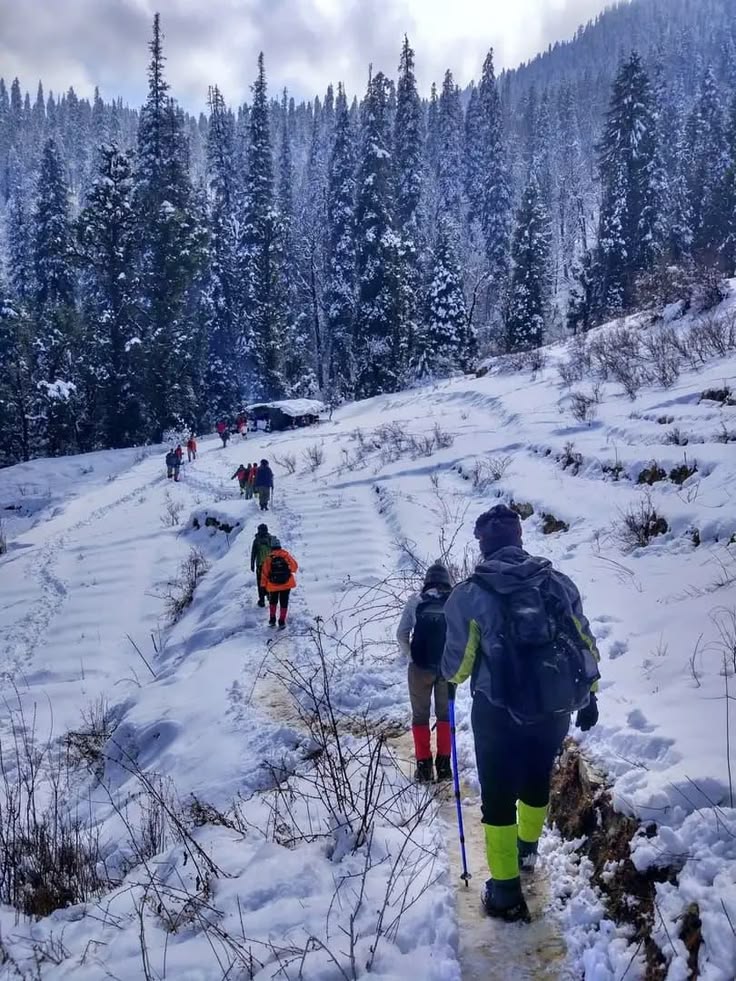
The natural environment is an important part of the Kedarkantha experience. The lower sections of the trekking region are characterized by Himalayan forests, with pine, oak and rhododendron contributing to the landscape. Depending on the season, the forest floor may be green and open or covered with frost and snow.
Winter gives the region a completely different character. Snow can transform the trail, campsites and surrounding slopes into a white mountain landscape. For travelers specifically looking for a Kedarkantha winter trek, this seasonal transformation is a major attraction. Walking through snow-covered forests and spending time in a cold Himalayan environment creates a very different experience from trekking during the warmer months.
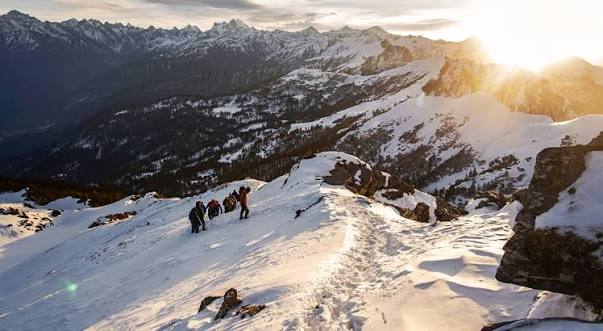
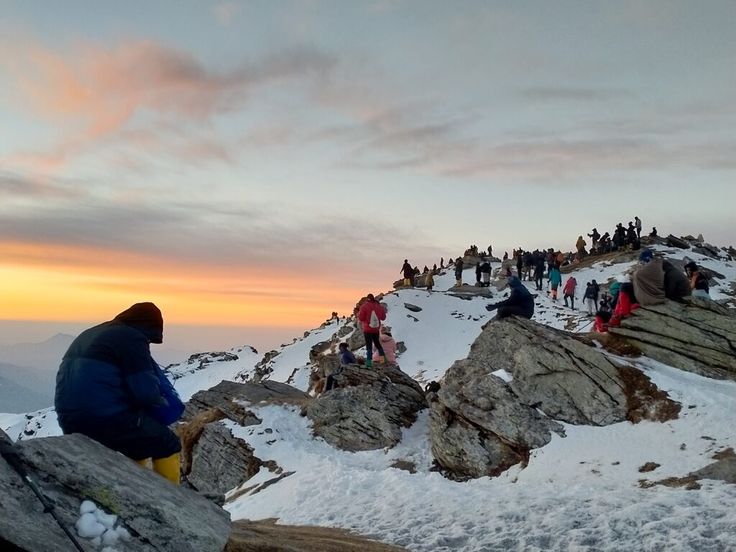
Clear weather can also reveal broad views of surrounding Himalayan peaks and ridges. Rather than focusing only on reaching the highest point, trekkers can appreciate the changing scenery throughout the journey. Sunrise and early-morning mountain light can be particularly impressive from elevated sections of the trail.
The Character of the Summit Experience
The summit section provides the defining challenge of the trek. The final approach requires steady effort and careful pacing, particularly when snow or ice is present. The experience is less about speed and more about maintaining a comfortable rhythm while managing the effects of increasing altitude.
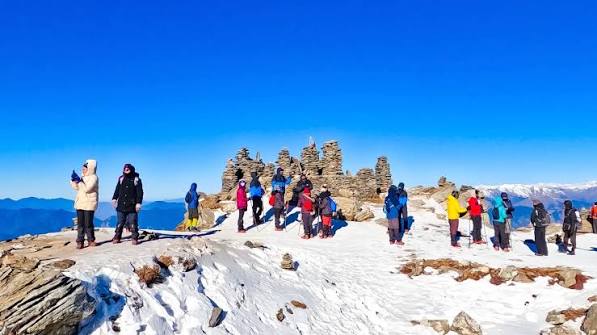
Reaching the summit creates a strong sense of achievement because the climb represents the culmination of several stages of mountain travel. From the higher viewpoint, the surrounding landscape opens considerably, providing an opportunity to appreciate the scale of the Garhwal Himalayas.
For trekkers from Nepal, the experience can also be interesting from a comparative perspective. Nepal is home to some of the world’s most famous trekking routes, but traveling to Uttarakhand allows visitors to see how another Himalayan region approaches trekking, mountain communities and outdoor tourism.
Local Mountain Culture
The journey also provides contact with the cultural landscape of Uttarakhand. Mountain settlements along the approach to the trekking region reflect the traditional lifestyle of communities living in the Himalayan foothills. Homes, agricultural terraces, local food and village environments provide a glimpse into everyday mountain life.
Uttarakhand also has a strong spiritual and pilgrimage tradition. Many landscapes in the state are connected with Hindu religious traditions, temples and pilgrimage routes. While the Kedarkantha Trek itself is primarily a mountain adventure, traveling through the region allows visitors to experience this wider cultural environment.
For international visitors, these cultural differences add depth to the trekking experience. The journey becomes more than a physical activity; it becomes an introduction to another Himalayan region and its people.
Why the Trek Appeals to Nepalese Travelers
A Kedarkantha Trek India from Nepal is particularly interesting for travelers who already appreciate Himalayan landscapes but want to explore a new trekking destination. The geographical proximity of India makes Uttarakhand an accessible extension of a Himalayan travel experience.
The journey can also be attractive to first-time international trekkers because it combines organized transportation with a relatively straightforward mountain route. Travelers can experience international travel, Indian mountain culture and Himalayan trekking within one organized adventure.
At the same time, the mountain environment should not be underestimated. Snow, cold temperatures, changing weather and altitude can affect trekking conditions. A positive experience depends on maintaining a steady pace, following the guidance of the trekking team and allowing the body enough time to adapt to the environment.
Seasonal Character
The appearance of Kedarkantha changes considerably throughout the year. Winter is associated with snow-covered trails and a classic snowy Himalayan atmosphere, making it especially appealing to travelers interested in winter trekking. Spring brings changes in the forest environment, with clearer trails and renewed vegetation.
The warmer trekking periods provide a different visual experience, with more exposed trails and greener surroundings. Autumn is often appreciated for its clearer mountain atmosphere and pleasant trekking conditions. Each season therefore offers a distinct interpretation of the same mountain landscape.
Travelers should choose their departure period according to the experience they want rather than assuming that one season provides the same conditions throughout the year. Snow conditions can also vary from one season to another, so current local information should be considered before departure.
A Journey Beyond the Trail
One of the distinctive aspects of the Kedarkantha Trek package from Nepal is that the adventure begins before reaching the trailhead. The transition from Kathmandu to the Indian Himalayas forms part of the overall experience. Travelers move from the urban environment of Nepal into India’s northern mountain region, gradually entering a landscape dominated by forests, valleys and high mountain terrain.
This makes the journey suitable for travelers who enjoy the complete travel experience rather than focusing exclusively on trekking. Road travel, village environments, changing landscapes and mountain communities all contribute to the character of the adventure.
The experience can also be an opportunity to meet fellow trekkers from different parts of India and other countries. Himalayan trekking routes often bring together travelers with different backgrounds who share an interest in mountain exploration.
Responsible Trekking
As with any Himalayan destination, responsible travel is important. Visitors should respect local communities, avoid unnecessary waste, follow designated trails and minimize their environmental impact. Snow-covered landscapes can appear untouched, but the ecosystem remains fragile.
Trekkers should also respect local customs and avoid disturbing wildlife or damaging vegetation. Carrying reusable water bottles, managing personal waste properly and using established camping and trekking facilities can help reduce pressure on the mountain environment.
A responsible approach also means respecting the instructions of local guides and authorities. Weather and trail conditions can change quickly in the mountains, and local knowledge is valuable when making decisions during the journey.
An Introduction to the Garhwal Himalayas
Ultimately, the Kedarkantha Trek from Nepal offers a balanced introduction to the Garhwal Himalayas. It combines the excitement of international travel with forests, snow, mountain villages and a rewarding summit experience.
For travelers searching for a Kedarkantha Trek itinerary from Nepal, the attraction lies not only in reaching the summit but in experiencing the entire transition from Kathmandu to the mountains of Uttarakhand. The journey introduces trekkers to a different Himalayan culture and landscape while providing the satisfaction of completing a high-altitude mountain adventure.
Whether experienced during the snowy winter months or the clearer trekking seasons, Kedarkantha offers an opportunity to slow down, walk through mountain landscapes and experience the Himalayan environment from a different perspective. For Nepalese adventure travelers looking beyond the country’s established trekking routes, it provides a memorable introduction to trekking in India’s Garhwal Himalayas.
Kedarkantha Trek from Nepal | 7 Days India Trek Highlights
- Trek from Nepal to the Kedarkantha region of Uttarakhand, India
- Scenic journey from Kathmandu → Delhi → Dehradun → Sankri
- Trek through beautiful pine, oak and Himalayan forests
- Explore the frozen or snow-covered Juda Ka Talab
- Camp at Kedarkantha Base Camp surrounded by Himalayan landscapes
- Early-morning climb to the 3,810 m Kedarkantha Summit
- Enjoy panoramic views of the Garhwal Himalayan ranges
- Experience snow trekking and winter camping
- Descend through the forest trail from the summit to Hargaon
- Complete the classic Sankri–Juda Ka Talab–Kedarkantha–Hargaon trekking circuit
- Experience traditional Himalayan villages and local mountain culture
- Combine an international journey from Kathmandu, Nepal, with an Indian Himalayan trekking adventure
Kedarkantha Trek from Nepal – Kathmandu to Kedarkantha Summit Route
The Kedarkantha Trek from Nepal combines an international journey from Kathmandu with a scenic Himalayan trekking route in Uttarakhand, India. The complete route begins in Kathmandu and travels through Delhi and Dehradun before reaching Sankri, the main gateway to the Kedarkantha trekking area.
Route Map:
Kathmandu 🇳🇵 → Delhi 🇮🇳 → Dehradun → Mussoorie → Purola → Mori → Sankri → Juda Ka Talab → Kedarkantha Base Camp → Kedarkantha Summit (3,810 m) → Hargaon → Sankri → Dehradun → Delhi → Kathmandu 🇳🇵
The journey starts with travel from Kathmandu to Delhi, followed by an onward transfer toward Dehradun. From Dehradun, the road gradually enters the Himalayan foothills, passing through mountain settlements and scenic valleys before reaching Sankri, the traditional starting point for the Kedarkantha Trek.
From Sankri, the trekking trail enters dense Himalayan forests of pine, oak and rhododendron. The gradual ascent leads toward Juda Ka Talab, a scenic high-altitude lake that can become frozen and surrounded by snow during winter. The trail then continues uphill toward Kedarkantha Base Camp, where trekkers spend the night preparing for the summit attempt.
The most important section of the Kedarkantha Trek from Nepal is the early-morning climb from Base Camp toward Kedarkantha Summit at approximately 3,810 m. The trail becomes steeper as it approaches the summit ridge, with snow and icy conditions commonly encountered during the winter trekking season. From the summit, trekkers can enjoy wide Himalayan views before beginning the descent toward Hargaon.
The return trail continues through forested mountain terrain from Hargaon back to Sankri. After completing the trekking circuit, the group travels by road back to Dehradun and continues toward Delhi for the return journey to Kathmandu.
Complete Route:
Kathmandu → Delhi → Dehradun → Sankri → Juda Ka Talab → Kedarkantha Base Camp → Kedarkantha Summit → Hargaon → Sankri → Dehradun → Delhi → Kathmandu
Include
- International flight tickets between Kathmandu and Delhi as per the itinerary
- Airport transfers in Delhi and Kathmandu
- Transportation from Delhi to Dehradun and Dehradun to Sankri and return
- Accommodation in Dehradun and Sankri in standard hotels, guesthouses, or homestays
- Tented accommodation during the trekking section
- Breakfast during city and road-trip stays as specified in the itinerary
- Full-board meals during the trekking days
- Experienced English-speaking trekking guide
- Required local trekking staff and support team
- Porter service for trekking baggage, where included in the package
- Kedarkantha trekking and applicable forest/national park entry permits
- Camping equipment including tents, sleeping arrangements and dining setup
- Trekking route planning and necessary local coordination
- First-aid kit and basic emergency support
- Summit-day assistance from the trekking team
- Government taxes and applicable service charges
Exclude
- Indian visa or other entry documentation costs, if applicable
- Personal travel insurance and emergency evacuation expenses
- Personal trekking equipment and clothing
- Sleeping bag and trekking gear rental, unless specifically mentioned
- Lunch and dinner outside the trekking package
- Food and drinks not included in the stated meal plan
- Personal expenses such as laundry, telephone calls and Wi-Fi
- Tips for guides, porters, drivers and support staff
- Excess baggage charges
- Additional hotel accommodation caused by early arrival, delayed departure or itinerary changes
- Costs arising from flight delays, cancellations, road closures, bad weather or other unforeseen circumstances
- Medical expenses and personal medication
- Any additional permits or government charges introduced after booking
- Any service not specifically listed under Trip Includes
Kedarkantha Trek from Nepal | 7 Days India Trek Itinerary
Your Kedarkantha adventure begins in Nepal with an international flight from Kathmandu to Delhi, followed by onward travel toward Dehradun, the main gateway for the Kedarkantha trek. Depending on flight schedules and border/transport arrangements, the journey can involve a combination of flight and road or rail travel. After reaching Dehradun, check into your hotel and rest after the long journey. Dehradun is the practical meeting and transportation point for the trek, with Sankri located roughly 190–210 km away by mountain road. Use the evening to meet your trekking team, check your equipment, organize your backpack, and prepare for the early departure toward Sankri the following morning.
After an early breakfast, begin the scenic drive from Dehradun toward Sankri. The road gradually leaves the urban valley and enters the Himalayan landscape, passing through mountain towns and villages including Mussoorie, Purola and Mori before continuing toward Sankri. The drive follows sections of the Tons River and passes through forested mountain terrain. The journey is long, generally taking around 8–10 hours depending on road and weather conditions. Sankri, at approximately 1,900–2,000 m, is the principal base village for the Kedarkantha trek. On arrival, check into a local guesthouse or homestay, meet your local trekking staff and complete the final preparations. Enjoy a warm dinner and rest early because the trekking section begins the next morning.
After breakfast, begin the first trekking day from Sankri. The trail initially passes through the village before entering dense Himalayan forests dominated by pine, oak and rhododendron. The route gradually climbs away from Sankri, with several uphill sections as you move toward Juda Ka Talab. The walking distance is approximately 4–5 km, although the exact route and campsite can vary according to local trail conditions. As you gain altitude, the forest becomes quieter and the landscape begins to feel increasingly alpine. Juda Ka Talab is a scenic high-altitude lake surrounded by forest and open camping areas. During the winter season, the lake and surrounding landscape can be covered with snow and ice. After reaching camp, settle into your tent, enjoy the mountain surroundings and take sufficient rest for the higher-altitude trek ahead.
Today the trail continues from Juda Ka Talab toward Kedarkantha Base Camp. The route climbs steadily through forest before gradually opening into larger meadows and ridge sections. The trees become thinner as you gain altitude, and on clear days you can begin seeing the surrounding Himalayan ranges and the Kedarkantha summit area. The trek is approximately 3–4 km and normally takes around 3–4 hours, although snow, ice and trail conditions can increase the walking time. The base camp is situated at roughly 3,400–3,500 m depending on the exact camping location used by the trekking operator. Once at camp, have lunch and spend the afternoon resting rather than undertaking unnecessary walks. Your trek leader will normally provide a briefing for the summit push, including the early start, cold-weather clothing, water, headlamp and trekking equipment. An early dinner and sufficient sleep are important because the summit attempt begins before dawn
This is the main summit day and the most demanding section of the trek. You will wake very early, usually around 2:30–3:30 AM depending on weather, trail and the planned sunrise timing. After a light breakfast, begin the climb toward Kedarkantha Summit with a headlamp. The trail becomes progressively steeper as it approaches the summit ridge, and winter snow or icy sections can make the ascent slower. The summit stands at approximately 3,800–3,810 m. After reaching the top, spend some time enjoying the panoramic Himalayan views, with the surrounding landscape including prominent ranges such as Swargarohini and Bandarpoonch visible in favorable weather. After photographs and a short rest, begin the descent. Rather than returning all the way to Juda Ka Talab, the standard circuit continues toward Hargaon, where you camp at a significantly lower altitude. This makes the day a long trekking day, so the descent should be taken carefully, particularly on snow or loose terrain.
After breakfast at Hargaon, begin the final trekking section toward Sankri. The trail descends through pine and oak forest, gradually losing altitude as you approach the village. The descent is approximately 4–6 km depending on the route and normally takes around 3–4 hours. After reaching Sankri, collect your luggage and have lunch before beginning the long drive back toward Dehradun. The road journey can take approximately 8–10 hours, so expect to arrive in Dehradun in the evening or later depending on road conditions. Check into your hotel and enjoy a comfortable night after completing the Kedarkantha trekking circuit. The official Uttarakhand Tourism itinerary also describes the return from the Hargaon area through the forest toward Sankri before the onward drive to Dehradun.
After breakfast, begin your return journey from Dehradun toward Delhi according to your international flight schedule. Allow sufficient travel time because the road journey between Dehradun and Delhi can be affected by traffic and mountain-to-plains road conditions. From Delhi, take your scheduled international flight back to Kathmandu. Your Kedarkantha Trek from Nepal ends upon arrival in Kathmandu, carrying with you the experience of trekking through the forests, snow-covered landscapes, high-altitude meadows and summit terrain of Uttarakhand.
Video
Kedarkantha Trek from Nepal – Packing List
-
Clothing
- 2–3 moisture-wicking T-shirts
- 1–2 thermal base-layer sets
- Fleece jacket or warm mid-layer
- Down or insulated winter jacket
- Waterproof and windproof outer jacket
- Trekking trousers
- Thermal leggings/trousers
- Warm hat/beanie
- Sun hat/cap
- Buff or neck warmer
- Waterproof gloves
- Warm woolen gloves
- 4–5 pairs of trekking socks
- Warm woolen socks
Footwear
- Waterproof trekking boots with good grip
- Lightweight camp shoes/sandals
- Gaiters for snow season
- Extra shoelaces
Backpack & Bags
- 40–50 L trekking backpack
- 15–20 L daypack
- Waterproof backpack cover
- Dry bags or waterproof packing bags
- Small waist/hip pouch for valuables
Sleeping & Camping
- Four-season sleeping bag suitable for sub-zero temperatures
- Sleeping bag liner
- Headlamp with spare batteries
- Trekking poles
- Sunglasses with UV protection
- Microspikes/crampons for icy or snowy conditions when required
Personal Items
- Passport and required travel documents
- Indian entry/visa documents if applicable
- Travel insurance documents
- Wallet and small amount of Indian currency
- Mobile phone
- Power bank
- Universal travel adapter
- Reusable water bottles or hydration bladder
- Water purification tablets/filter
Sun & Skin Protection
- Sunscreen SPF 30–50+
- Lip balm with SPF
- Moisturizer
- Sunglasses
- Small towel
Personal Hygiene
- Toothbrush and toothpaste
- Biodegradable soap
- Hand sanitizer
- Wet wipes
- Toilet paper/tissues
- Basic toiletries
- Quick-dry towel
First-Aid & Medication
- Personal prescription medicines
- Basic first-aid kit
- Pain-relief medicine
- Bandages and blister treatment
- Antiseptic wipes
- ORS/electrolytes
- Any medication recommended by your doctor
Optional but Useful
- Camera
- Extra memory card
- Power bank
- Binoculars
- Small thermos/flask
- Snacks, energy bars and dry fruits
- Notebook or trekking journal
- Earplugs and eye mask
For the Nepal-to-India Journey
- Valid passport and applicable travel documents
- Flight tickets and accommodation confirmations
- Emergency contact details
- Copies of important documents stored separately and digitally
- Some Indian cash for small purchases during the journey
Reviews
No reviews found.