
Kashmir Great Lakes Trek from Nepal – 8 Days
Destination:
Kashmir, India
Trip Duration:
8 Days / 7 Nights
Max Altitude:
4,200 m / 13,780 ft – Gadsar Pass
Activities:
Trekking, Hiking, Camping, Alpine Lake Exploration, Mountain Photography, Sightseeing
Start Point:
Srinagar, Kashmir, India
Ending Point:
Srinagar, Kashmir, India
Region:
Kashmir / Indian Himalayas
Trip Grade:
Moderate to Difficult
Group Size:
2–15 People
Accomodation:
3-Star Hotel in Srinagar; Tented Camps during the trek
Meals:
Breakfast, Lunch and Dinner
Transportation:
Private Vehicle / Tourist Vehicle; Kathmandu–Srinagar flights not included in trekking transport
Permits Required:
Kashmir Great Lakes Trek permits and local registration/checkpoint formalities, as applicable
Best Season:
June to September
Kashmir Great Lakes Trek from Nepal
Discover Kashmir Beyond the Usual Tourist Experience
The Kashmir Great Lakes Trek from Nepal offers an opportunity to experience one of the most distinctive mountain environments in the Indian Himalayas while beginning the journey from Kathmandu. Instead of focusing only on conventional sightseeing, this adventure takes travelers into quieter mountain landscapes where nature, open valleys and highland scenery become the main attractions.
Kashmir is widely known for its beautiful valley, lakes, gardens and traditional culture, but the surrounding mountains reveal a very different side of the region. The trekking experience provides an opportunity to move beyond the familiar tourist areas and spend meaningful time surrounded by nature.
A Changing Himalayan Landscape
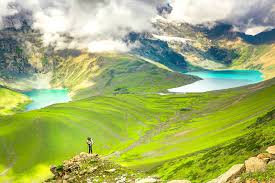
One of the most memorable aspects of the Kashmir Great Lakes Trek is the variety of scenery encountered throughout the journey. The environment continually changes as the trail moves through different sections of the mountains. Open grassy areas, rocky slopes, streams, ridges and broad valleys create a constantly evolving visual experience.
This diversity makes the trek particularly appealing to travelers who enjoy landscape photography. The same mountain environment can look completely different depending on the time of day and weather conditions. Morning light can illuminate distant ridges, while clouds and mist can create a completely different atmosphere later in the day.
Alpine Meadows and Seasonal Flowers
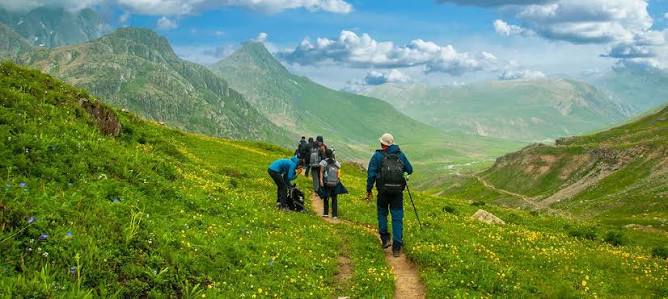
The highland environment provides an opportunity to experience Kashmir’s seasonal mountain vegetation. During the warmer trekking months, sections of the landscape can become covered with flowering plants, adding color to the broad alpine meadows.
Walking through these open spaces provides a different experience from trekking through dense forest. The wide views allow travelers to appreciate the scale of the surrounding mountains and observe the relationship between the valleys, ridges and higher peaks.
For nature lovers, these sections can be among the most enjoyable parts of the journey because they provide opportunities to slow down, photograph the surroundings and simply appreciate the landscape.
Experience Kashmir Trekking from Nepal
For travelers searching for Kashmir trekking from Nepal, this journey provides an opportunity to explore a Himalayan region outside Nepal’s traditional trekking destinations. Starting from Kathmandu creates a convenient connection between two important mountain tourism regions of South Asia.
Although Nepal and Kashmir are both famous for Himalayan scenery, their landscapes have their own distinctive character. Exploring Kashmir after traveling from Nepal allows visitors to experience a different mountain environment, local culture and style of trekking.
A Journey Through Remote Mountain Environments
As the trek progresses, the surroundings gradually become quieter and more remote. The changing environment creates a genuine sense of leaving the populated areas behind and entering the mountains.
Several days of walking also establish a natural rhythm. Mornings begin with preparation for the day, followed by hours of walking through changing terrain. Breaks provide opportunities to enjoy the surroundings, while evenings offer time to rest and reflect on the day’s experience.
This gradual transition is an important part of the appeal of the Kashmir Great Lakes Trek India experience. The destination is not simply about reaching one particular viewpoint; it is about experiencing the landscape as it changes throughout the journey.
Mountain Lakes and Natural Surroundings
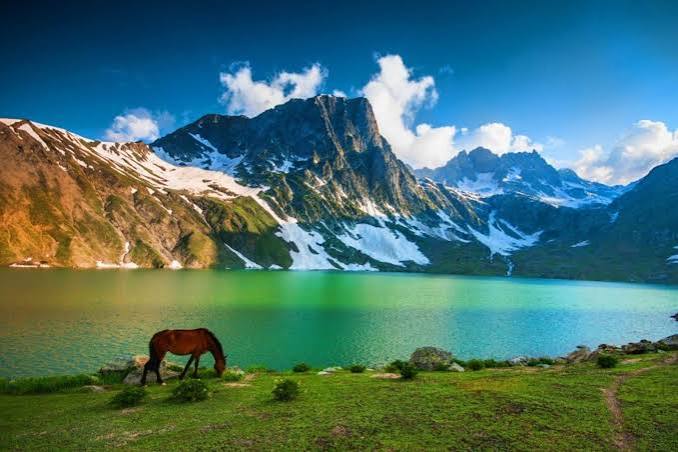
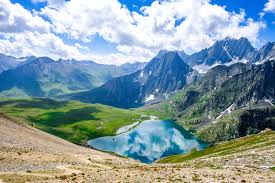
Water is a recurring feature of the Kashmir mountain environment. Streams and waterways appear along sections of the trail, while the alpine lakes provide some of the most distinctive scenery of the region.
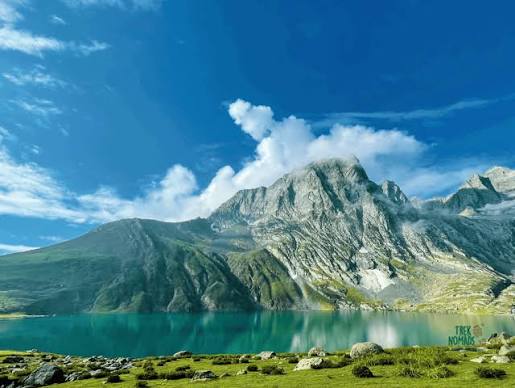
The appearance of the lakes can change according to sunlight, clouds and wind. On calm days, surrounding mountains may appear clearly reflected on the water, while changing weather can give the same location a completely different character.
These natural environments provide excellent opportunities for photography and quiet observation. Spending time beside the lakes also creates a welcome contrast to the physical effort of trekking.
Weather Adds Character to the Adventure
Mountain weather is an important part of the experience. Conditions can change during the day, and temperatures can vary considerably between sunny periods and evening hours.
Clouds, mist, sunlight and changing visibility can all transform the appearance of the mountains. Rather than producing the same scenery throughout the journey, these conditions create a dynamic environment in which familiar landscapes can look different from one moment to another.
For trekkers, this also creates an opportunity to experience the mountains in a more authentic way rather than expecting perfectly clear conditions every day.
Experience Kashmir’s Local Culture
The journey is not limited to natural scenery. Kashmir has a distinctive cultural heritage that can be experienced during time spent around the valley and Srinagar.
Traditional architecture, local food, handicrafts and everyday life provide additional dimensions to the trip. Travelers can experience the contrast between the quieter mountain environment and the cultural atmosphere of Kashmir’s populated areas.
This combination makes the journey more than a standalone trekking adventure. It becomes an opportunity to understand another Himalayan region through both its natural environment and local traditions.
A Different Kind of Himalayan Adventure
The Kashmir Great Lakes Trek itinerary is particularly suitable for travelers who prefer an active holiday rather than a conventional sightseeing tour. The experience requires sustained walking, but it also provides plenty of opportunities to slow down and appreciate the surroundings.
There is no need for every moment to be focused on reaching the next destination. Mountain walking allows travelers to observe small details along the trail, photograph changing scenery, interact with fellow trekkers and enjoy the peaceful atmosphere of the highlands.
The experience is therefore as much about the journey itself as the destinations encountered along the way.
Disconnect From Everyday Routine
Spending several days in the mountains naturally creates distance from normal urban routines. Away from the noise and constant activity of cities, travelers have more time to concentrate on their surroundings.
Simple experiences can become memorable: watching clouds move across a mountain ridge, listening to flowing water, photographing changing light or sharing stories with fellow trekkers after a day outdoors.
For many travelers, this slower pace is an important part of what makes a multi-day Himalayan trek different from a short sightseeing excursion.
Kashmir Great Lakes Trek Package From Nepal
For travelers considering a Kashmir Great Lakes Trek package from Nepal, the journey can be viewed as a complete Himalayan travel experience rather than simply a trekking activity.
The combination of traveling from Kathmandu, experiencing Kashmir’s cultural environment and spending extended time in its mountain landscapes creates several distinct experiences within one trip. It can appeal to adventure travelers, photographers, nature enthusiasts and visitors interested in exploring another part of the Himalayas.
An Opportunity for Mountain Photography
The constantly changing landscape makes photography one of the natural activities associated with the journey. Mountain ridges, open meadows, waterways, changing skies and alpine environments provide numerous subjects.
Early morning and evening can produce particularly different lighting conditions, while changing weather can create dramatic variations in visibility and atmosphere. Travelers interested in photography can therefore find opportunities throughout the journey rather than only at specific viewpoints.
Why Explore Kashmir From Nepal?
For travelers based in Nepal, the Kashmir Great Lakes Trek from Kathmandu provides an opportunity to discover another Himalayan destination without limiting their mountain experiences to Nepal.
The journey combines two regions with strong mountain identities while offering noticeably different landscapes and cultural experiences. It is an interesting choice for repeat Himalayan travelers who want to explore beyond familiar trekking routes.
A Memorable Himalayan Experience
The Kashmir Great Lakes Trek from Nepal brings together mountain landscapes, alpine environments, cultural experiences and the slower rhythm of multi-day trekking. Its appeal comes from the variety encountered throughout the journey rather than from a single attraction.
From the changing appearance of the mountains to peaceful moments beside alpine waterways, the experience provides many opportunities to appreciate Kashmir at a slower pace. For travelers looking to explore the Indian Himalayas through an active and immersive journey, this trek offers a distinctive way to discover the natural and cultural character of Kashmir.
Kashmir Great Lakes Trek from Nepal – 8 Days Highlights
- Trek through the spectacular Kashmir Great Lakes landscape of the Indian Himalayas
- Explore the alpine Vishansar, Krishansar, Satsar, Gangabal and Nundkol Lakes
- Cross Gadsar Pass at approximately 4,200 m, the highest point of the classic route
- Cross Gadsar Pass at approximately 4,200 m, the highest point of the classic route
- Begin the trek from the scenic mountain town of Sonamarg
- Walk through expansive alpine meadows, valleys, ridges and high-altitude landscapes
- Experience traditional mountain camping beside remote Himalayan lakes
- Enjoy panoramic views of the surrounding Kashmir mountains and Mount Harmukh
- Descend through changing landscapes from high alpine terrain to the forests around Naranag
- Complete the classic Sonamarg–Naranag Kashmir Great Lakes trekking route
- Combine the trek with Srinagar sightseeing and Dal Lake
- Experience Kashmir's landscapes, villages and mountain culture
- Convenient inbound trekking experience from Nepal, starting with arrival in Srinagar
- Suitable for trekkers looking for a challenging high-altitude alpine lake adventure in India
Kashmir Great Lakes Trek from Nepal – Srinagar to Sonamarg, Gadsar & Gangabal
Include
- Airport pickup and drop-off in Srinagar as per the itinerary
- Private transportation between Srinagar, Sonamarg, Naranag and Srinagar
- Accommodation in a comfortable hotel in Srinagar
- Tented accommodation during the Kashmir Great Lakes Trek
- Breakfast, lunch and dinner throughout the trek
- Packed lunches during trekking days where required
- Experienced local trekking guide
- Trekking support staff and camping crew
- Tents and sleeping arrangements during the trek
- Camping equipment and cooking equipment
- Trekking permits and applicable local entry fees
- First-aid kit and basic emergency support
- Camping kitchen and support staff
- All applicable local taxes and service charges
Exclude
- International or domestic airfare between Kathmandu and Srinagar
- Indian visa and related documentation fees, if applicable
- Travel insurance, including high-altitude trekking and emergency evacuation coverage
- Personal trekking equipment and clothing
- Sleeping bag and personal trekking gear, unless specifically stated
- Porter or personal porter services
- Personal expenses such as laundry, telephone calls and internet
- Bottled water, soft drinks and alcoholic beverages
- Meals and accommodation not mentioned in the itinerary
- Emergency evacuation or rescue costs
- Medical expenses and personal medication
- Tips and gratuities for guides, drivers and trekking staff
- Additional accommodation or transportation caused by weather, flight delays, road closures or other unforeseen circumstances
- Any expenses arising from itinerary changes beyond the operator's control
- Anything not specifically mentioned under Trip Includes
Kashmir Great Lakes Trek from Nepal – 8 Days Itinerary
Fly from Kathmandu to Srinagar, connecting through the appropriate Indian hub depending on the available flight schedule. Upon arrival at Srinagar Airport, meet your local representative and transfer to your hotel. After check-in, take time to rest after the international journey and complete any necessary trek preparation. If the arrival time permits, you can take a relaxed walk around Srinagar or enjoy views of Dal Lake. A trek briefing and final equipment check can be arranged in the evening so that everyone is prepared for the following day’s journey toward Sonamarg.
Duration: Flight/transfer day; approximately 4–6 hours of travel depending on flight connection
Accommodation: Hotel in Srinagar
Meals: Dinner
After an early breakfast, drive from Srinagar toward Sonamarg, approximately 80–85 km away. Sonamarg sits at roughly 2,730–2,800 m and is the traditional gateway for the Kashmir Great Lakes Trek. From the roadhead, begin walking through the beautiful alpine surroundings, initially following meadows and ascending through forested sections toward Shekdur. The trail gradually leaves the lower valley behind and enters more open mountain terrain. Continue climbing toward the Nichnai valley, with changing views of the surrounding mountains and meadows. After several hours of walking, reach the Nichnai campsite, situated at approximately 3,500 m. Settle into your tent, enjoy a hot meal and rest for the first high-altitude night of the trek.
Trek: Sonamarg → Shekdur → Nichnai
Distance: Approximately 10–12 km
Trekking time: 5–6 hours
Accommodation: Tented camp at Nichnai
Meals: Breakfast, packed lunch and dinner
Wake up early and have breakfast at camp before beginning the day’s trek. The trail climbs from the Nichnai meadow toward Nichnai Pass, which is around 4,100 m. The ascent becomes steeper in sections, but the landscape opens dramatically as you approach the pass. After crossing the pass, descend into a broad high-altitude valley where the scenery changes from the green meadows around Sonamarg to the stark alpine environment characteristic of the Kashmir Great Lakes. Continue toward Vishansar Lake, one of the principal highlights of the trek. The turquoise lake is surrounded by mountains and open alpine meadows, creating an impressive campsite environment. Depending on trail and camping conditions, the camp is positioned in the Vishansar lake area.
Trek: Nichnai → Nichnai Pass → Vishansar Lake
Distance: Approximately 10–12 km
Trekking time: 6–7 hours
Highest point: Nichnai Pass, approx. 4,100 m
Accommodation: Tent camp near Vishansar Lake
Meals: Breakfast, lunch and dinner
After breakfast, continue deeper into the Great Lakes landscape. The trail passes around Vishansar and Krishansar Lakes, with the two lakes forming one of the most recognizable sections of the route. From the lake basin, the trail gradually climbs toward Gadsar Pass, the highest point of the classic route at approximately 4,200 m. Weather can change quickly at this altitude, so the pace should remain controlled and the group should stay together. After crossing the pass, descend toward the Gadsar valley and continue to the camping area. This is generally regarded as one of the more demanding days because of the combination of distance, altitude gain and high-pass crossing.
Trek: Vishansar → Krishansar → Gadsar Pass → Gadsar
Distance: Approximately 12–14 km
Trekking time: 6–8 hours
Highest point: Gadsar Pass, approx. 4,200 m
Accommodation: Tent camp at Gadsar
Meals: Breakfast, lunch and dinner
Enjoy breakfast at camp before setting out toward Satsar. The trail gradually moves through high-altitude meadows and valleys, with sections of rocky terrain and streams along the way. Depending on seasonal conditions, the landscape can contain wildflowers and grazing areas. The route eventually reaches the Satsar region, named for its collection of several alpine lakes. The exact number of visible lakes varies with seasonal water levels and the route taken. An army/checkpoint area may also be encountered on this section, so travelers should keep their required identification readily accessible. After reaching the Satsar campsite, relax and enjoy the surrounding mountain scenery before dinner.
Trek: Gadsar → Satsar
Distance: Approximately 10–12 km
Trekking time: 5–6 hours
Accommodation: Tent camp at Satsar
Meals: Breakfast, lunch and dinner
Today’s trek takes you toward the Gangabal and Nundkol lake area. After breakfast, leave Satsar and continue through a mixture of alpine meadows, ridges and mountain terrain. The trail includes an ascent toward the Zaj Pass area before continuing toward the Gangabal valley. As you approach Gangabal, the massive presence of Mount Harmukh becomes increasingly prominent. Gangabal and Nundkol are twin alpine lakes situated beneath the Harmukh massif and form one of the major scenic highlights of the entire trek. Reach the campsite near Gangabal, settle into your tent and enjoy the evening around the lake. If weather and trail conditions allow, there is time to walk around the lake area before returning to camp.
Trek: Satsar → Zaj Pass → Gangabal/Nundkol
Distance: Approximately 11–13 km
Trekking time: 6–7 hours
Accommodation: Tent camp near Gangabal Lake
Meals: Breakfast, lunch and dinner
After breakfast, begin the final trekking day. Leave the Gangabal area and start the long descent toward Naranag. The character of the landscape gradually changes as you lose altitude, moving from open alpine terrain toward greener slopes and forested sections. Continue downhill until you reach Naranag, marking the completion of the main Kashmir Great Lakes trekking route. The classic route finishes at Naranag after approximately a week of trekking from Sonamarg. Meet the waiting vehicle at Naranag and drive back to Srinagar. On arrival, check into the hotel and enjoy a well-earned hot shower and comfortable bed after several nights of camping.
Trek: Gangabal → Naranag
Distance: Approximately 10–15 km depending on the exact trail/campsite
Trekking time: 5–7 hours
Drive: Naranag → Srinagar, approximately 2 hours depending on traffic
Accommodation: Hotel in Srinagar
Meals: Breakfast, packed lunch and dinner
After breakfast, transfer to Srinagar Airport according to your flight schedule for the return journey to Kathmandu. Your Kashmir Great Lakes Trek ends with your departure from Srinagar.
Duration: Approximately 3–6 hours of travel depending on flight connection
Accommodation: Not included
Meals: Breakfast
Video
Packing List – Kashmir Great Lakes Trek from Nepal
Clothing
- Moisture-wicking trekking T-shirts
- Full-sleeve thermal base layers
- Fleece jacket or warm mid-layer
- Insulated down/synthetic jacket
- Waterproof and windproof trekking jacket
- Waterproof trekking trousers
- Trekking pants
- Thermal leggings or base-layer bottoms
- Warm hat or beanie
- Sun hat or cap
- Neck gaiter or buff
- Lightweight gloves
- Warm insulated gloves
- Wool or synthetic trekking socks
- Extra underwear
Footwear
- Waterproof trekking boots with good ankle support
- Comfortable camp shoes or sandals
- Gaiters for muddy or wet sections
Backpack & Bags
- 40–60 L trekking backpack
- Waterproof backpack cover
- Small daypack, if required
- Dry bags or waterproof packing bags
- Duffel bag for items not needed during the trek
Sleeping & Camping
- Sleeping bag suitable for cold high-altitude nights
- Sleeping bag liner
- Lightweight sleeping mat, if not provided by the operator
- Small travel pillow or inflatable pillow
- Headlamp with spare batteries
Personal Items
- Reusable water bottles or hydration bladder
- Water purification tablets or filtration system
- Sunglasses with UV protection
- Sunscreen
- Lip balm with SPF
- Personal toiletries
- Quick-dry towel
- Hand sanitizer
- Wet wipes and tissues
- Small personal first-aid kit
- Personal medicines
- Trekking poles
- Multi-purpose pocket knife or tool, where legally permitted
Electronics
- Mobile phone
- Camera
- Power bank
- Charging cables
- Universal travel adapter
- Waterproof pouch for electronics
Documents & Money
- Passport
- Indian visa or applicable travel authorization
- Flight tickets and travel documents
- Travel insurance documents
- Emergency contact details
- Copies of important documents
- Small amount of Indian currency
- Nepalese currency for the Nepal portion of the journey
Recommended Extras
- Lightweight rain poncho
- Small backpack lock
- Zip-lock bags for valuables
- Energy bars or personal snacks
- Electrolyte packets
- Garbage bags for personal waste
- Small sewing/repair kit
Important: Pack light and keep essential items waterproof. Weather in the Kashmir highlands can change rapidly, particularly around the high passes and lake sections, so warm layers and reliable waterproof clothing are important.
Reviews
No reviews found.