

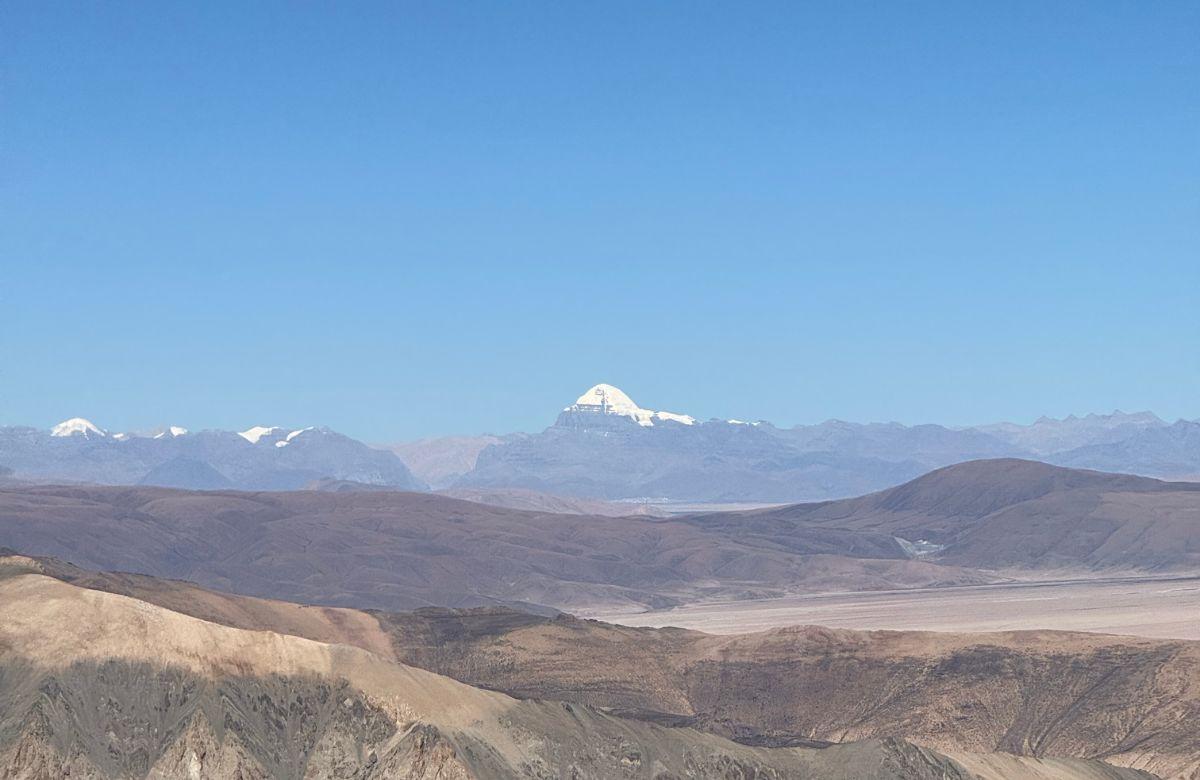
Kailash View Expedition: 23‑Day Arun Valley Trek & Lapche La Sunrise Adventure
Destination:
Arun Valley, Western Himalaya – Nepal (Kathmandu → Simikot → Lapche La → Hilsa border → Kathmandu)
Trip Duration:
23 days
Max Altitude:
5 050 m – summit of Lapche La Pass (sunrise view of Mount Kailash)
Activities:
High‑altitude trekking, sunrise photography on Lapche La, cultural visits to Buddhist monasteries (Yalbang Gompa, Halji monastery), Tibetan‑border crossing ceremony at Hilsa, village homestays, wildlife/bird‑watching, optional yak‑supported rides, Kathmandu cultural tours (Pashupatinath, Boudhanath, Patan)
Start Point:
Kathmandu, Nepal (Tribhuvan International Airport)
Ending Point:
Kathmandu, Nepal (departure from Tribhuvan International Airport)
Region:
Western Nepal – Karnali Province, Arun Valley, bordering Tibet (Hilsa)
Trip Grade:
Moderate‑to‑Challenging (requires good fitness, altitude tolerance up to 5 050 m)
Group Size:
8 – 12 trekkers (guided small‑group)
Accomodation:
Hotels in Kathmandu, tea‑houses/guesthouses on the trail, tents at high camps, homestays in villages
Meals:
Breakfast‑Lunch‑Dinner (B‑L‑D) daily; packed high‑energy meals on summit day
Transportation:
Domestic flights (Kathmandu Simikot, via Nepalgunj), airport‑hotel transfers, on‑foot trekking
Permits Required:
Arun Valley Trek Permit, Restricted Area Permit (Hilsa border), TIMS (trekking permit)
Best Season:
May – early Oct (your June‑July window is ideal)
Kailash View Expedition – A 23‑Day High‑Altitude Himalayan Adventure
Discover the remote Arun Valley, chase the legendary Lapche La sunrise, and stand in awe of the Mount Kailash view trek that only a handful of trekkers experience each year.
Why Choose the Kailash View Expedition?
The Kailash‑View Expedition is not just another trek; it is a fully‑guided, high‑altitude Himalayan adventure that blends spectacular mountain scenery with deep cultural immersion. While many treks stop at popular destinations like Everest Base Camp or Annapurna, this expedition takes you deep into western Nepal’s untouched wilderness, where the sky meets the jagged ridges of the Arun Valley and the sacred silhouette of Mount Kailash dominates the horizon.
- Exclusivity – The Lapche La pass, perched at 5 050 m, is one of the least‑traveled high‑passes in the Himalaya. A sunrise from this point offers a panoramic view of Mount Kailash that is considered a spiritual pilgrimage for Buddhists, Hindus, and Bon practitioners.
- Cultural Depth – From the Tibetan‑border town of Hilsa to the centuries‑old Yalbang Gompa monastery, you will walk through villages where ancient pilgrimage routes still echo, meeting locals who share stories that have been passed down through generations.
- Balanced Challenge – The itinerary is carefully paced for a moderate‑to‑challenging high‑altitude Himalayan adventure, with gradual ascents, built‑in acclimatization days, and a supportive porter team. The highest point (Lapche La) is reached on a lightweight summit day, keeping daily trekking distances manageable while still delivering an unforgettable mountaineering experience.
- All‑Inclusive Peace of Mind – All domestic flights, permits, accommodations, meals, guide, porters, and a Tibetan interpreter are bundled into one price, allowing you to focus on the journey rather than logistics.
If you crave a trek that combines rugged terrain, spiritual resonance, and authentic cultural encounters, the Kailash‑View Expedition delivers exactly that.
The Essence of the Arun Valley Trek
The heart of the expedition lies in traversing the Arun Valley trek. This remote corridor follows the mighty Arun River as it carves its way through steep cliffs and verdant valleys, offering an ever‑changing panorama of glaciers, alpine lakes, and snow‑capped peaks.
- Dramatic Landscapes – From the turquoise waters of Selima Tso to the stark, wind‑scoured ridges above Lapche La, the valley presents a kaleidoscope of colors that shift with the sun.
- Flora & Fauna – Trekkers often spot Himalayan thistles, alpine rhododendrons, and occasional golden‑eared quetzals, making photography and bird‑watching rewarding side‑activities.
- Remote Hospitality – Overnight stays in traditional guesthouses and modest tea houses allow you to experience the simple, warm hospitality of western Nepalese communities, where you will share meals of dal‑bhat, yak cheese, and butter tea with families that have lived off the land for centuries.
The Arun Valley trek is the backbone of the expedition, providing the logistical route that culminates in the unforgettable Lapche La sunrise experience.
The Iconic Lapche La Sunrise
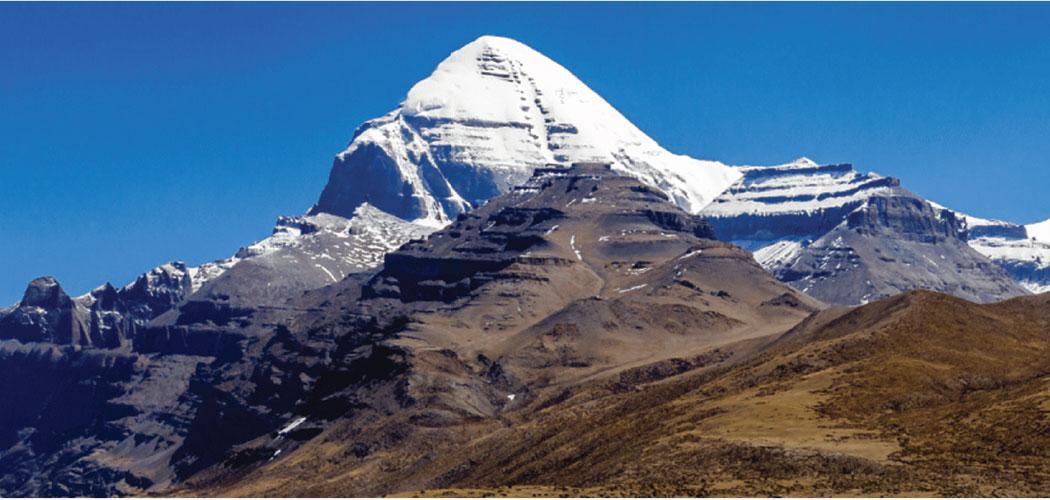
No other moment on the itinerary rivals the early‑morning ascent to Lapche La sunrise. With the first light spilling over the ridge, the snow‑capped peak of Mount Kailash awakens in a halo of gold, while surrounding giants Shishapangma, Langtang, and Annapurna—glimmer in the distance.
- Spiritual Significance – For centuries, pilgrims have believed that a view of Mount Kailash grants enlightenment. Standing on Lapche La as the sun paints the sky creates a meditative atmosphere that many describe as life‑changing.
- Photographic Opportunity – The low angle of the rising sun produces dramatic shadows and vibrant colors, ideal for high‑resolution landscape photography. Bring a wide‑angle lens and a tripod to capture this fleeting spectacle.
- Physical Feasibility – The summit day is designed as a short, high‑energy push (approximately 2 hours up, 2 hours down) to minimize altitude exposure while still providing ample time to savor the view before descending to the base camp for a warm, high‑altitude lunch.
The Lapche La sunrise is the defining highlight of the Mount Kailash view trek, cementing the expedition’s reputation among seasoned adventurers.
Cultural Encounters Along the Route
A trek through western Nepal would be incomplete without immersing yourself in the region’s unique cultural tapestry.
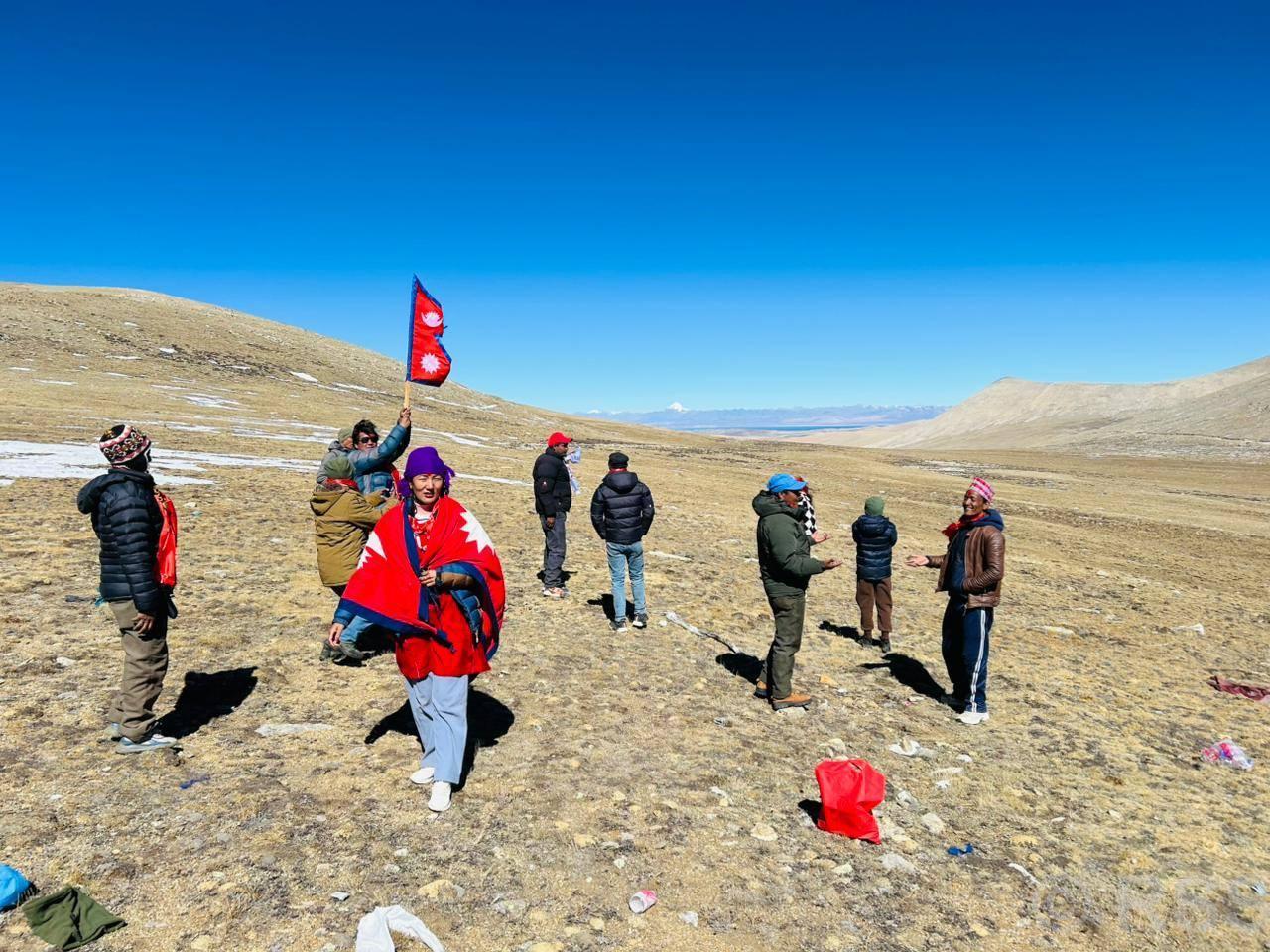
- Hilsa Border Crossing – The expedition includes a ceremonial crossing at the Nepal‑Tibet border, where you will witness the raising of both Nepali and Chinese flags and have a chance to photograph the “Gate of Kailash.”
- Monastic Visits – At Yalbang Gompa, a centuries‑old Buddhist monastery perched atop a high plateau, a monk leads a brief meditation session, allowing you to feel the serenity of Himalayan spirituality.
- Village Homestays – In Halji and Jang, families welcome trekkers into their homes, offering homemade yak cheese, barley tea, and stories of ancient trade routes that once connected the Himalaya with Tibet.
These cultural moments enrich the high‑altitude Himalayan adventure, providing context to the landscape and a deeper appreciation for the people who call it home.
Practical Details That Make the Expedition Seamless
While the narrative of the trek is compelling, the behind‑the‑scenes logistics ensure a smooth experience.
| Aspect | What You’ll Experience |
|---|---|
| Travel & Transfers | Domestic flight Kathmandu Simikot (via Nepalgunj) is scheduled on Day 3, with airport pick‑up in Kathmandu and a final transfer back after the trek. |
| Accommodation Style | Comfortable 4‑star hotel in Kathmandu, cozy tea houses on the trail, and sturdy high‑altitude tents at base camps. Every night includes hot meals and clean bedding. |
| Guides & Support | A licensed Nepali guide (English‑speaking) leads the group, supported by a dedicated porter team (1 porter per 2 trekkers) and a Tibetan interpreter for the Hilsa ceremony. |
| Safety & Health | Altitude acclimatization is built into the route, a comprehensive first‑aid kit is provided, and the guide team is trained to recognize and manage altitude‑related illnesses. Emergency evacuation coordination is included. |
| Season & Weather | Departing 20 June 2026 places you in early summer, offering clear skies for the Lapche La sunrise and moderate daytime temperatures in the valleys. |
These details let you focus on the wonder of the trek rather than the minutiae of planning.
Who Is This Expedition Designed For?
The Kailash‑View Expedition appeals to a specific segment of adventure travelers:
- Experienced Trekkers – Those comfortable hiking 4‑6 hours per day at elevations up to 5 000 m.
- Spiritual Seekers – Pilgrims and mindfulness practitioners drawn to the sacred aura of Mount Kailash.
- Photographers & Nature Lovers – Individuals who crave dramatic sunrise shots and pristine alpine ecosystems.
- Cultural Enthusiasts – Travelers eager to engage with Tibetan‑border communities and Buddhist monastic life.
If you fit one (or several) of these profiles, the expedition offers a perfectly balanced mix of physical challenge, spiritual resonance, and cultural immersion.
Sustainable Travel Practices
Guru Travels is committed to responsible tourism in the Arun Valley.
- Leave‑No‑Trace – All trekkers are required to pack out non‑biodegradable waste.
- Support Local Economy – Accommodations, meals, and porter wages are sourced from local families and cooperatives.
- Cultural Respect – Guides provide briefings on appropriate behavior at monasteries, temples, and village homes.
- Carbon Offset – The expedition’s carbon footprint (primarily domestic flights) is offset through certified reforestation projects in Nepal.
By joining the Kailash‑View Expedition, you contribute to the preservation of the region’s natural beauty and cultural heritage.
Trekking Similar to Kailash View Expedition
- Annapurna Circuit Trek: 15 Night – 16 Days
- Manaslu Circuit trek-14N/15D
- Everest Base Camp Trek- 12 Days/ 11 Night
Nepal Pilgrimage & Cultural Tours
- Buddhist Pilgrimage Tour 6 Nights / 7 Days
- Kathmandu, Pokhara & Muktinath 7 Nights / 8 Days
- 8 Days Culture, Wildlife & Heritage of Nepal
- Mani Rimdu Festival in Everest Region 11 Nights / 12 Days
- 1-Day Kathmandu UNESCO Heritage Tour with Complimentary Nagarkot Sunrise & Rani Jhula
Frequently Asked Questions (Quick Reference)
| Question | Answer |
|---|---|
| When does the trek start? | Saturday, 20 June 2026 (local time). |
| What is the highest altitude? | Lapche La Pass – 5 050 m. |
| Do I need a special permit? | Yes – Arun Valley Trek Permit, Restricted Area Permit for the Hilsa crossing, and TIMS permit (all handled by Guru Travels). |
| Is the trek suitable for vegans? | Vegetarian meals are standard; vegan options can be arranged with 48 h notice. |
| What gear must I bring? | Down jacket, insulated sleeping bag, waterproof trekking boots, trekking poles, sunglasses (UV‑400), sunscreen, and a water‑purification method. (All other gear supplied.) |
| How many people are in the group? | Small‑group format of 8‑12 participants. |
| Is travel insurance required? | Yes – must cover high‑altitude trekking (≥ 5 000 m) and emergency evacuation. |
Booking & Next Steps
- Reserve Your Spot – Fill out the online booking form on the Guru Travels website.
- Secure Your Place – Pay a non‑refundable USD 300 deposit; the balance is due 45 days before departure.
- Prepare Your Gear – Review the packing list and attend the pre‑departure briefing (held in Kathmandu 2 weeks before the trek).
- Travel & Meet – Arrive in Kathmandu by the evening of 19 June, where your guide will greet you at the airport.
Ready to witness the sunrise over Mount Kailash? Book today and become part of a select group that experiences the Kailash‑View Expedition in its full glory.
Kailash View Expedition: 23‑Day Arun Valley Trek & Lapche La Sunrise Adventure Highlights
- Sunrise over Mount Kailash from Lapche La Pass – Day 10, an unforgettable 5 050 m summit where the first light bathes the sacred peak in golden hues.
- Selima Tso Lake – Day 8, a crystal‑turquoise high‑altitude lake set in a pristine alpine basin, perfect for sunrise/sunset photography.
- Talung Base Camp & Talung Valley – Day 7, the gateway to the remote western Himalaya with panoramic views of towering ridges and glacial streams.
- Hilsa (Nepal‑Tibet) Border Crossing – Day 15, a ceremonial entry at the historic Hilsa gate, complete with flag‑raising and photo‑op opportunities.
- Cultural Immersion in Village Homestays – Nights in Halji, Jang, and Yalbang Gompa give authentic experiences of Tibetan‑influenced Nepali life, Buddhist monasteries, and traditional cuisine.
- Yalbang Gompa Meditation Session – Day 18, a peaceful guided meditation in a centuries‑old monastery perched on a high plateau.
- Selima Tso to Lapche La Trek Transition – The dramatic shift from a tranquil lake environment to the stark, windswept pass showcases the region’s diverse terrain.
- Kathmandu Heritage Day – Day 22, visits to Pashupatinath, Boudhanath Stupa, and Patan Durbar Square, plus a chance for souvenir shopping in Thamel.
- Scenic Flights – The Kathmandu Simikot (via Nepalgunj) leg provides aerial vistas of the Karnali River gorge and the sprawling Himalayan massifs.
- High‑Altitude Camping – Nights at Talung Base Camp, Selima Tso, and Lapche La Base Camp give a rare opportunity to sleep under the stars at 4 400 m – 5 000 m elevations.
Kailash View Expedition Route Details
The expedition begins in Kathmandu, where you are welcomed at Tribhuvan International Airport and transferred to a comfortable 4‑star hotel in Thamel. After a brief orientation covering altitude safety, local customs, and the itinerary, you rest for the night and enjoy a welcome dinner of traditional Nepali dishes.
The next morning you catch a domestic flight to Nepalgunj and then onward to Simikot, the tiny airstrip that serves as the gateway to the remote Arun Valley. A short walk around Simikot lets you adjust to the thinner air while the first distant silhouettes of the western Himalaya appear on the horizon.
From Simikot you set out on foot, climbing gently to Dharapuri and then continuing through the charming villages of Kermi and Chungsa Khola. By the seventh day you reach Talung Base Camp at 4 400 m, where panoramic views of the Talung Valley unfold beneath you. The following day brings you to the turquoise Selima Tso lake, one of the most photogenic alpine lakes in the world; you set up camp on its sparkling shore and soak in the tranquil scenery.
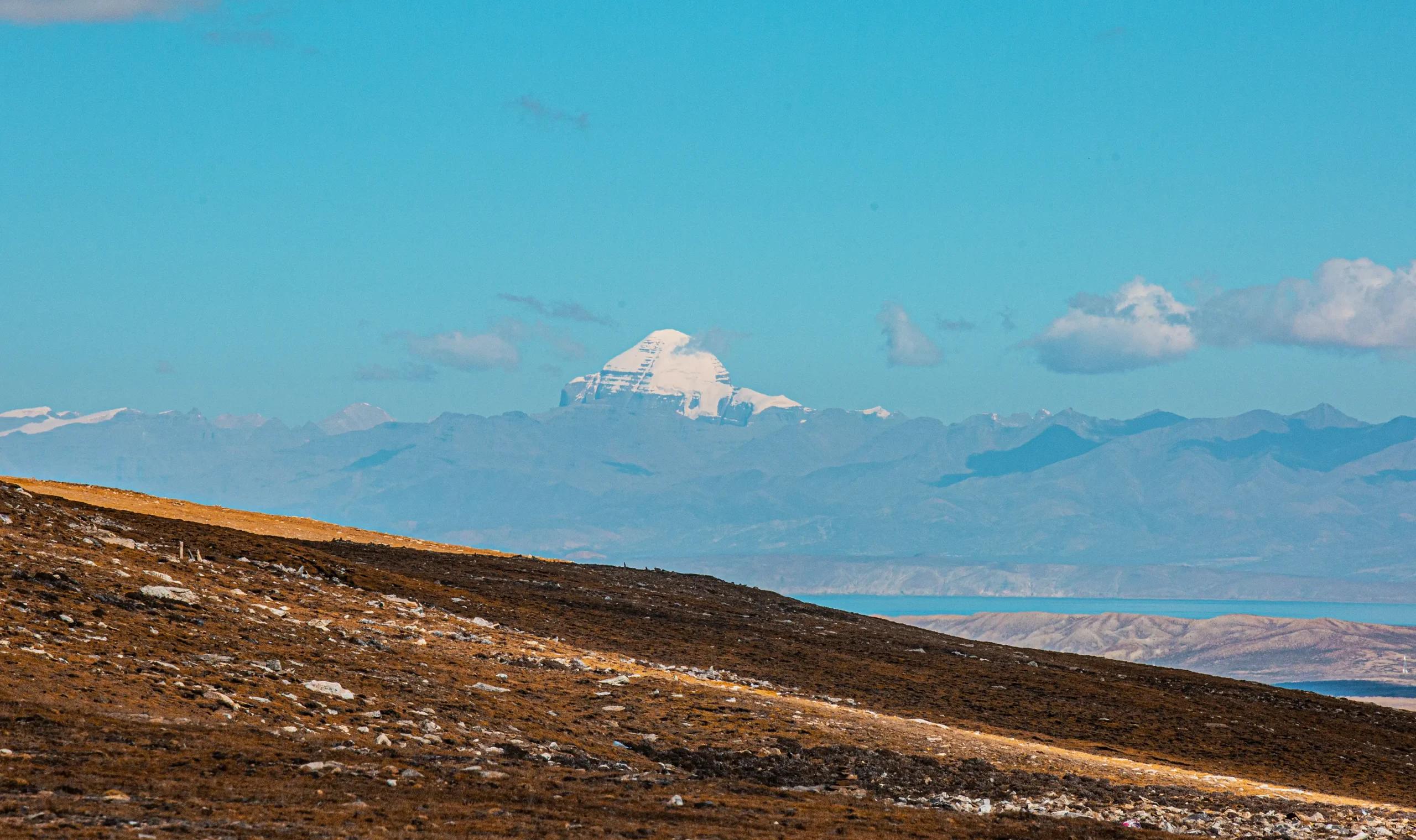
The route then leads to Lapche La Base Camp at 4 800 m, positioning you for the highlight of the trek: an early‑morning summit of Lapche La Pass (5 050 m) to witness the sacred Mount Kailash bathed in golden sunrise light. This moment, described by many participants as life‑changing, is followed by a celebratory dinner back at the base camp.
After the sunrise experience you descend to the historic village of Jang, then spend a night in a traditional homestay in Halji where you share tea with a local family and learn about their daily rituals. The trek continues through the gentle Till Khola valley and the peaceful Manepeme settlement before arriving at Hilsa, the official Nepal‑Tibet border crossing.
Here you take part in a brief ceremony, raise both Nepali and Chinese flags, and capture a memorable photo at the “Gate of Kailash.” The journey proceeds southward to Yari Pani Palbang, then to Tsala, and finally to the serene Yalbang Gompa monastery, where a guided meditation session offers a moment of inner peace high above the clouds.
The final stretch retraces the path back to Simikot, where you board a flight to Kathmandu via Nepalgunj. Back in the capital you enjoy two full days of cultural immersion: visits to the sacred Pashupatinath Temple, the massive Boudhanath Stupa, and the intricate Patan Durbar Square, followed by leisurely shopping in Thamel for pashmina shawls, handcrafted wood‑carvings, and local spices.
On the final morning you are transferred to the airport for your onward flight home, carrying with you the extraordinary memories of high‑altitude trekking, a sunrise over Mount Kailash, authentic Himalayan hospitality, and the lasting sense of achievement that comes from completing this demanding yet profoundly rewarding expedition.
Include
- All domestic flights required for the trek (Kathmandu Simikot via Nepalgunj)
- 4‑star hotel in Kathmandu (arrival night and final night)
- Guesthouses/tea‑houses and tents on every trekking night (Simikot, Dharapuri, Kermi, Chungsa Khola, Talung Base Camp, Selima Tso, Lapche La Base Camp, Jang, Halji, Till Khola, Manepeme, Hilsa border, Yari Pani Palbang, Tsala, Yalbang Gompa)
- Full board (breakfast + lunch + dinner) on all trekking days, plus a welcome dinner and a farewell dinner in Kathmandu
- High‑altitude packed meals for the Lapche La sunrise summit day
- Licensed Nepali trek guide (English‑speaking)
- Porter team (one porter per two trekkers)
- Tibetan interpreter for the Hilsa border ceremony
- Local driver for airport transfers in Kathmandu
- All required permits and fees (Arun Valley Trek Permit, Restricted Area Permit for Hilsa, TIMS trekking permit, any national‑park entry fees)
- Basic trekking gear supplied by the operator (trekking poles, first‑aid kit, maps/GPS, rain‑cover for the backpack)
- All on‑trail foot transportation (including any short jeep/van transfers)
- Guided cultural day in Kathmandu (Pashupatinath Temple, Boudhanath Stupa, Patan Durbar Square) and free time for shopping in Thamel
Exclude
- International airfare to/from Kathmandu
- Personal high‑altitude clothing and gear (down jacket, insulated sleeping bag, trekking boots, gaiters, gloves, hat, balaclava, trekking backpack, sleeping pad, etc.)
- Optional upgrades or extras (yak‑sled rides, helicopter‑view flights, private guide, extra porters, spa/massage, specialty meals such as vegan or gluten‑free)
- Nepal visa (if required) and any other entry/exit fees
- Personal travel documents (passport, insurance policy, copies of permits – you receive the permits but must keep them)
- Gratuities/tipping for guides, porters, drivers, hotel/restaurant staff (suggested 10 % of the total cost)
- Personal expenses not covered in meals (laundry, phone/internet charges, souvenirs, alcohol, extra bottled water, sunscreen, toiletries beyond basic kit)
- Medical costs not covered by your own insurance (treatment, medication, non‑covered evacuation)
- Currency‑exchange or ATM fees incurred while converting money
- Any costs arising from travel disruptions (flight cancellations, strikes, natural disasters, or changes you make to your schedule)
Kailash View Expedition: 23‑Day Arun Valley Trek & Lapche La Sunrise Adventure Itinerary
Your adventure begins at Tribhuvan International Airport, where a friendly guide meets you with a welcome sign and assists with luggage. A comfortable, air‑conditioned transfer whisks you to a centrally located 4‑star hotel in the bustling Thamel district. After a brief rest, you gather around a low table for a short orientation: the guide outlines the trek’s daily distances, altitude‑illness warning signs, waste‑reduction policies, and the emergency communication plan. In the evening, you can wander the maze‑like streets of Thamel, sampling street‑food “momo” (steamed dumplings) or savoring a traditional Nepali thali in a rooftop restaurant while the city lights flicker below the shadow of the ancient Swayambhunath Stupa.
A crisp early‑morning domestic flight lifts you over the fertile Terai plains, offering a bird’s‑eye view of the mighty Narayani River curving through rice paddies. Landing in Nepalgunj, you are escorted to a clean, family‑run guesthouse where you meet the local host, who warmly invites you to try his homemade mango pickle. A short city tour showcases the bustling market, the historic railway line, and the riverfront promenade. Since the altitude remains under 300 m, this day serves to ease you out of jet lag while your body begins the gentle acclimatization process needed for the higher terrain ahead.
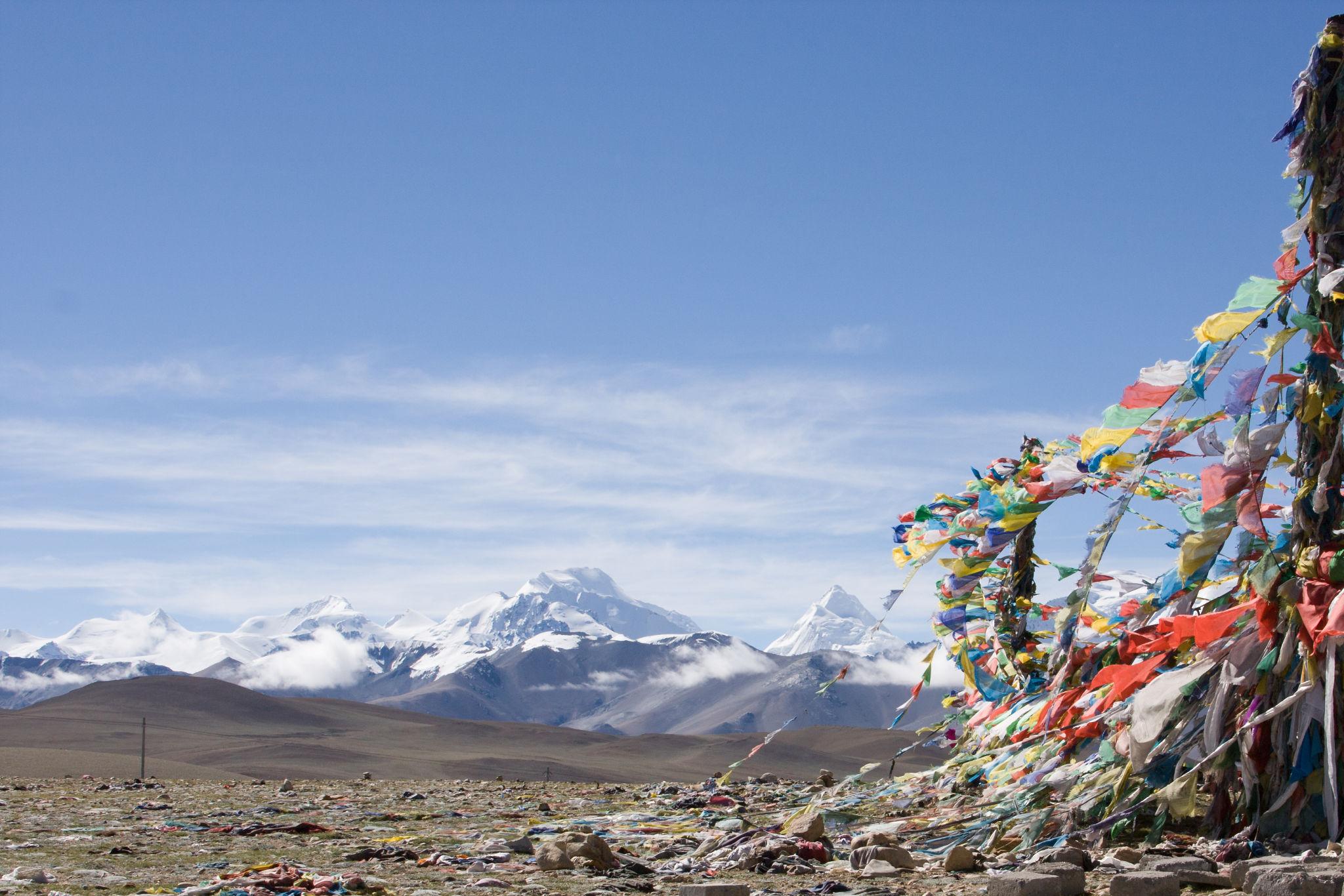
A 1‑hour‑15‑minute flight climbs steadily over the rolling foothills, gradually revealing the jagged silhouettes of the western Himalaya piercing the horizon. Upon arrival in Simikot, the “gate to the Kailash region,” you’re welcomed with a steaming cup of butter tea and a light lunch of dal‑bhat (lentil soup with rice). A brief, 30‑minute walk through Simikot’s modest bazaar introduces you to the vibrant prayer flags fluttering in the wind, the scent of yak milk, and the distant echo of temple bells. The evening is spent in a comfortable guesthouse where you can rest on a futon‑style bed, dry your trekking boots, and double‑check your equipment.
After a hearty breakfast of porridge topped with honey and fresh fruit, you set out on the first leg of the trek. The well‑trodden Sherpa trail snakes through terraced fields, over stone bridges spanning crystal‑clear streams, and climbs gently through rhododendron thickets that burst into vivid crimson in early summer. Reaching Dharapuri at 3 200 m after about four hours, you are greeted by a simple stone lodge with wooden interiors and a crackling fire. Here you enjoy a hot bowl of thukpa (noodle soup) and learn from the lodge keeper about the local Sherpa culture, their reverence for the mountains, and the ancient trade routes that once linked Tibet and Nepal.
The trail today ascends more sharply, rewarding you with panoramic outlooks of the surrounding ridges. You pass clusters of pine forests that whisper in the wind, and intermittently see yak caravans moving slowly with their heavy loads. At Kermi (3 500 m) you are welcomed by a traditional tea house built from locally quarried stone, its walls adorned with colorful thangka paintings depicting Buddhist deities. Lunch consists of steaming vegetable momos served with a tangy tomato‑chili sauce. The afternoon brings a short rest on a raised platform overlooking the valley, where the distant peaks turn a soft pink as the sun begins its descent.
From Kermi the path descends slightly before climbing again, crossing numerous suspension bridges that sway gently over the roaring Chungsa Khola. The river’s turquoise water reflects the sky like a giant mirror, and you can hear the rhythmic splash of water over smooth river stones. At the small settlement of Chungsa Khola (3 800 m) you are invited into a family’s homestead, where a pampering lunch of butter‑fried potatoes, fresh yak cheese, and barley tea awaits. The family shares legends of the “White River” and explains the ancient practice of leaving offerings for river spirits to ensure safe passage.
A longer, six‑hour trek leads you into the heart of the Talung Valley. The ascent is steady, allowing a gentle acclimatization to the 4 400 m altitude. You pass alpine meadows dotted with wild columbine and edelweiss, and beside you, occasional marmots pop up to observe the passing strangers. Upon reaching Talung Base Camp, you set up a sturdy four‑person tent on a flat, wind‑sheltered plateau. A high‑energy lunch of dried fruits, nuts, and a protein bar keeps you going, while the evening meal—a hot broth with instant rice, powdered milk, and a pinch of local spices—warms you from the inside out. The night sky at this height is astonishingly clear, revealing a tapestry of constellations unhindered by city lights.
The morning trek is relatively gentle, allowing you to arrive at the iconic Selima Tso after about five hours. The lake sits at 4 650 m, its surface a brilliant sapphire that reflects the surrounding snow‑capped peaks like a perfect mirror. You pitch your camp on a shore lined with smooth stones, and a short walk takes you to a viewpoint where the sunrise paints the mountains in gold and amber. Lunch is a packed “energy pack” of cheese, dried apricots, and a warm cup of ginger tea. In the evening, you prepare a simple stew using dehydrated vegetables and yak meat, savoring the aromatic steam as it rises into the crisp mountain air.
A calm, five‑hour trek brings you to the foot of Lapche La, the celebrated “Gateway to Kailash.” The trail winds through a high‑altitude moraine field, where scattered rocks tell the story of ancient glacial movement. Upon arrival at 4 800 m, you set up a well‑insulated base camp inside a wind‑proof bivouac shelter. The afternoon is spent acclimatizing, sipping hot barley tea, and preparing a high‑carb dinner of instant noodles, soy sauce packets, and a boiled egg. The camp’s location offers an unobstructed view of the pass, allowing you to watch clouds drift lazily across the ridge as dusk settles.
You rise before dawn, bundling up in a down jacket, thermal layers, hat, and gloves. After a 2‑hour ascent through firn and occasional snow patches, you crest the summit at 5 050 m just as the first rays of sunlight break over the horizon. The sky transforms from deep indigo to luminous orange, and the sacred silhouette of Mount Kailash emerges, bathed in a golden halo. The view is a 360° tableau of towering peaks—including the imposing Shishapangma, Langtang, and the distant Annapurna range. You pause for a brief meditation, breathing in the thin, pure air, before carefully descending back to base camp. A celebratory dinner of boiled potatoes, cheese, and hot chocolate rewards the effort, while the night is spent recounting the momentous sunrise with fellow trekkers.
A steady 5‑hour descent brings you to the tranquil hamlet of Jang at 4 200 m. The trail drops through a shimmering snowfield that crunches under each step, then opens into a gently sloping valley carpeted with hardy alpine grasses. Upon arrival, you are welcomed by monks chanting soft “om mani padme hum” prayers. They invite you into a modest stone monastery where you share a simple vegetarian lunch of lentil soup, barley, and locally harvested kale. The monks guide you through a short meditation session, emphasizing breath awareness a perfect antidote to the altitude’s effects. You spend the night in a modest guestroom with double‑layered blankets, listening to the distant wind whistling through prayer flag‑adorned rooftops.
The route today gently undulates, leading you to Halji (3 900 m) after a four‑hour trek. The village is perched on a small plateau, its stone houses roofed with thatch. Central to the settlement is a small monastery with beautifully painted thangkas depicting the life of the Buddha. The resident monk, with a calm smile, narrates the story of the valley’s Buddhist heritage and the seasonal pilgrimages that pass through. Lunch is a nourishing bowl of barley porridge, sweetened with yak butter and a drizzle of honey harvested from local beehives. You stay the night in a welcoming homestay, where a local family prepares a fragrant thali steamed rice, mixed vegetable curry, lentil dal, and a side of pickled radish served on a low wooden table.
A five‑hour trek along the gentle banks of the Till River brings you to Till Khola at 3 500 m. The river’s calm flow creates a perfect habitat for a variety of high‑altitude birds. Keep an eye out for the striking golden‑eared quetzal, the elusive Himalayan snowcock, and the melodious racket‑tailed treepie. A short rest on a flat river rock allows you to sip warm ginger tea while a local guide points out insect life and the subtle changes in alpine flora as you progress. Lunch consists of a portable sandwich—whole‑grain bread, cheese, and cucumber paired with dried apricots for a sweet finish. In the evening, you relax in a cozy tea house, sharing stories over a bowl of hearty spinach soup and fresh naan.
The day’s four‑hour trek takes you across vibrant meadows carpeted with wild lupines, gentians, and alpine poppies that sway in the gentle breeze. En route you pass a small yak farm where you are invited to watch the milking process and taste fresh yak milk sweet, slightly buttery, and surprisingly refreshing at high altitude. Lunch is served at the farm’s simple canteen: steaming bowls of khichdi (rice and lentils) with a side of boiled vegetables and a dollop of yak butter. You finish the day at Manepeme (3 200 m), a charming tea house nestled beside a glassy pond. Dinner is a comforting pot of boiled potatoes and carrots seasoned with local herbs, served alongside freshly baked flatbread.
After a nourishing breakfast, you embark on a five‑hour ascent toward the Hilsa border, climbing to 3 800 m. The trail alternates between steep stone steps and gentle switchbacks, offering spectacular panoramas of the sprawling Tibetan plateau beyond. Upon reaching the border outpost, you participate in a small ceremonial protocol raising the Nepali and Chinese flags side‑by‑side while a local officer records your crossing. A group photo at the “Gate of Kailash” captures the moment, with the towering mountains as a dramatic backdrop. A celebratory lunch of fried rice with diced yak meat, fresh salad, and a sweet mango dessert marks the achievement. You settle for the night in a modest, clean guesthouse just inside the border, where warm tea and soft laminar blankets ensure a restful sleep.
The descent to Yari Pani Palbang (3 600 m) is a gentle four‑hour trek across broad, wind‑blown pastures that stretch for miles. You spot grazing yaks and the occasional Tibetan shepherd herding his flock of hardy goats. The air carries the faint scent of pine resin and the distant hum of prayer bells from a far‑off chorten (stupa). A packed lunch of energy bars, dried mango, and a thermos of hot barley tea sustains you. In the evening you set up a sturdy, double‑layered tent on a flat expanse, cooking a simple yet satisfying dinner of instant miso soup, ramen noodles, and a boiled egg. The night sky glitters with a dense Milky Way, inspiring quiet reflection.
The trail climbs steadily over a series of moraine ridges, offering fleeting glimpses of a sparkling glacier that clings to the valley wall. After a five‑hour ascent you arrive at Tsala (4 200 m). The settlement is perched on a terrace that overlooks the glacier’s terminus, providing a perfect spot for sunset photography. Lunch is served at a small tea house: thick barley porridge sweetened with honey, accompanied by a dollop of locally fermented yak yogurt. After dinner a hearty stew of carrots, potatoes, and shredded yak meat you sit on the terrace, wrapped in a woolen shawl, watching the sun dip behind the snowy peaks, painting the sky in shades of magenta and violet.
A gentle four‑hour trek leads you down to Yalbang Gompa (3 950 m), a peaceful Buddhist monastery nestled amid pine forests. The monk‑in‑charge greets you with a warm “Tashi Delek” and invites you to join a short guided meditation focused on compassion and gratitude. A simple vegetarian lunch of steamed rice, lentil dal, and stir‑fried bamboo shoots is prepared by the resident monks, who explain the significance of each ingredient in their daily practice. The evening meal, a clear vegetable broth with rice noodles, is enjoyed in the monastery’s communal dining hall, where you share stories with fellow travelers beside the flickering glow of butter lamps.
Leaving the monastery, you follow an ancient caravan trail that once carried silk, salt, and spices between Tibet and Nepal. The six‑hour trek traverses a rolling plateau, dotted with abandoned stone cairns and weathered wooden waystations. At Dhara Phuri (4 000 m) you arrive at a historic waypoint where traders once rested their beasts of burden. Lunch is a robust bowl of thukpa with yak meat and fresh cilantro, providing both comfort and nourishment. The day ends at a rustic tea house that serves yak cheese and a steaming pot of butter tea, the perfect antidote to the crisp mountain air.
A longer, six‑hour descent takes you back to Simikot, retracing much of the earlier ascent but now with the perspective of having crossed the sacred pass. The trail passes through open grasslands where wildflowers sway, then descends through a narrow gorge marked by ancient petroglyphs etched into the rock faces. Upon reaching Simikot, you are welcomed back at the guesthouse with a celebratory welcome dinner grilled trout, roasted sweet potatoes, and a mango‑lime dessert. The evening is free for you to reflect on the journey, perhaps jotting notes in a journal or sharing photos with new friends.
Early morning, you board a short flight from Simikot back to Nepalgunj, then connect to a domestic flight that lands in Kathmandu. The city’s lively streets and bustling traffic feel both familiar and fresh after days of high‑altitude solitude. You are transferred to the same comfortable 4‑star hotel used on Day 1, where a relaxing afternoon awaits. Options include a soothing yoga class, a traditional spa massage (ideal for sore legs), or a leisurely stroll through the historic Durbar Square. A celebratory dinner at a reputable restaurant features classic Nepali dishes dal‑bhat, achar (pickle), and a plate of spicy goat curry paired with locally brewed barley beer.
A full day is dedicated to exploring Kathmandu’s rich cultural tapestry. The morning begins with a guided tour of Pashupatinath Temple, where you witness the solemn cremation rituals along the Bagmati River. Afterward, you visit the massive Boudhanath Stupa, circling its massive mandala while spinning prayer wheels. A lunch of Newari specialty “chiwda” (spiced beaten rice) and “bara” (lentil patties) is enjoyed at a local family home. The afternoon includes a visit to Patan Durbar Square, where exquisite woodcarvings and stone sculptures tell tales of the Malla kings. The evening offers free time to shop for handicrafts hand‑woven pashmina scarves, intricately carved wooden masks, and delicate silver jewelry. A farewell dinner features a traditional “khaja set” (assorted Nepali snacks) and a performance of folk music and dance.
After a leisurely breakfast of fresh fruit, yogurt, and toast, you are escorted to Tribhuvan International Airport. Your guide assists with luggage and checks that all travel documents are in order. As you board your outbound flight, the guide offers a warm “Namaste” and wishes you safe travels, hoping you’ll carry the memories of towering peaks, serene monasteries, and the warm hospitality of the Himalayan people back into your daily life.
Video
Kailash View Expedition – Packing List (23‑Day High‑Altitude Trek)
Below is a checklist organized by category. Mark items with if you already own them, if you need to purchase/rent, and if you plan to borrow. Adjust quantities to your personal preferences, but keep the total pack weight ≤ 15 kg (including personal items) for comfort on the steep, high‑altitude sections.
1. Clothing (layering system)
| Item | Qty | Why it’s needed |
|---|---|---|
| Base layer (long‑sleeve thermal top) | 2–3 | Moisture‑wicking, keeps you dry next to the skin |
| Base layer (thermal leggings) | 2–3 | Same purpose for lower body |
| Mid‑layer fleece or lightweight down jacket | 1–2 | Insulation for 3 000 – 4 500 m |
| Heavy‑weight down jacket (‑15 °C or colder) | 1 | Summit night & early‑morning at 5 050 m |
| Insulated soft‑shell or windproof shell (water‑proof, breathable) | 1 | Protection against wind, rain, snow |
| Light‑weight rain‑proof jacket (Gore‑Tex or similar) | 1 | Emergency waterproof layer |
| Trekking pants (quick‑dry, zip‑off possible) | 2 | Comfort on the trail |
| Insulated insulated pants (soft‑shell) | 1 | Cold‑weather evenings |
| Warm hat (fleece or wool) | 1 | Keeps head warm at night |
| Sun hat / cap with wide brim | 1 | Sun protection for lower elevations |
| Balaclava / neck gaiter | 1 | Wind protection for high passes |
| Waterproof mittens (inner liner + outer shell) | 1 pair | Cold hands on Lapche La |
| Lightweight gloves (liner) | 1 pair | For lower altitude work |
| Wool or synthetic socks (crew‑length) | 5–6 pairs | Moisture‑wicking; change daily |
| Thermal socks (mid‑calf, heavy) | 2 pairs | For nights at base camp / summit |
| Casual shirt / tee for evenings in town | 2 | Kathmandu evenings |
| Comfortable trousers / jeans for Kathmandu | 1 | City travel |
| Sleepwear (light pajama) | 1 | Hotel comfort |
2. Footwear
| Item | Qty | Notes |
|---|---|---|
| Trekking boots ( rigid, ankle‑support, waterproof) | 1 pair | Break‑in before departure; size‑up ½ size for socks |
| Camp shoes / lightweight sandals | 1 pair | For evenings at base‑camps (to let feet breathe) |
| Warm liners or thin wool socks (optional) | 2 pairs | Extra insulation for high camps |
3. Gear & Equipment
| Item | Qty | Details |
|---|---|---|
| Backpack (40–55 L, frame, rain cover) | 1 | Fits all gear, hip belt with padded webbing |
| Sleeping bag (rated −10 °C to −15 °C, down) | 1 | Must meet high‑altitude temperatures |
| Sleeping pad (inflatable or foam) | 1 | Adds insulation from cold ground |
| Trekking poles (adjustable, carbon/aluminum) | 1 pair | Reduces knee strain on descents |
| Headlamp + extra batteries | 1 set | Sunrise summit; night camp |
| Water bottles / hydration bladder (≥ 3 L total) | 2–3 | Easy refill at streams |
| Water purification (filter + iodine tablets) | 1 set | Safe drinking at high camps |
| Sunglasses (UV‑400, polarized) | 1 pair | Strong sunlight reflection on snow |
| Sun protection (SPF 30+ sunscreen, lip balm) | 1 set | High UV at altitude |
| Pocketknife / multi‑tool | 1 | Useful for repairs |
| Trekking map of Arun Valley + GPS device (optional) | 1 | Backup navigation |
| Power bank (10 000 mAh) + universal adapters (Type D/E) | 1 each | Keep phone/ GPS charged |
| Camera (DSLR or mirrorless) + extra batteries + memory cards | 1 set | Capture Kailash sunrise |
| Small day‑back (15–20 L) | 1 | For daily on‑trail items |
| Pack rain cover (extra) | 1 | Protect gear in heavy rain |
| Earplugs | 1 pair | For noisy evenings in hostels |
| Travel lock (TSA‑compatible) | 1 | Secure lockers at tea houses |
| Binoculars (8×42) | 1 (optional) | Spot wildlife, distant peaks |
| Notebook & pen | 1 | Trek journal, notes on flora/fauna |
4. Personal Health & Hygiene
| Item | Qty | Remarks |
|---|---|---|
| First‑aid kit (plasters, gauze, antiseptic wipes, pain reliever, ibuprofen, antihistamine) | 1 | Add any personal meds |
| Altitude sickness meds (Acetazolamide/Diamox – 125 mg) | 5–7 tablets | Start 24 h before ascent, as advised |
| Personal prescription meds (enough for entire trek) | As needed | Carry in original bottles |
| Hand sanitizer (alcohol‑based) | 1 small bottle | For camp hygiene |
| Toothbrush, travel‑size toothpaste | 1 each | |
| Biodegradable soap/shampoo | 1 small bottle | Use sparingly |
| Quick‑dry towel (microfiber) | 1 | Easy to pack |
| Wet wipes / feminine hygiene products | As needed | |
| Lip balm (with SPF) | 1 | Prevent chapped lips |
| Nail clippers / foot file | 1 | Keep nails short |
| Small mirror | 1 (optional) | |
| Personal hygiene wipes (toilet paper) | Small pack | Some remote toilets have none |
| Sunscreen (SPF 30+ broad spectrum) | 1 tube (50 ml) | Reapply every 2 h |
5. Nutrition & Snacks
| Item | Qty | Notes |
|---|---|---|
| Energy bars / granola bars | 20–30 | Quick calories on steep sections |
| Trail mix (nuts, dried fruit, chocolate) | 1–2 kg | High energy, easy to snack |
| Electrolyte drink powder | 1–2 packs | Re‑hydrate after exertion |
| Instant soup packets | 10–12 | Warm meals on high camps |
| Dehydrated meals (e.g., pasta, rice dishes) | 7–10 | For summit night & emergencies |
| Tea bags / coffee sachets | 1 box each | Warm beverage at camp |
| Salt tablets (if needed) | Small pack | High altitude electrolyte balance |
| Personal dietary items (gluten‑free, vegan, etc.) | As needed | Ensure you have alternatives |
6. Documents & Money
| Item | Qty | Tips |
|---|---|---|
| Passport (original) | 1 | Keep copy in separate bag |
| Visa (if required) | 1 | |
| Travel insurance documents (high‑altitude coverage) | 1 | Carry printed and digital copies |
| Permits (Arun Valley, Restricted Area) | 1 set | Original copies required at border |
| Emergency contacts list | 1 | Include guide’s phone, embassy |
| Cash (NPR & USD) | ~ 200 USD + 15 000 NPR | For tips, small purchases |
| Credit / debit cards (international) | 1–2 | Notify bank of travel dates |
| Small zip‑lock bags (for cash, documents) | Several | Waterproof protection |
7. Optional Extras (nice‑to‑have)
- Lightweight camp stove + fuel (if you prefer self‑cooking)
- Small repair kit (duct tape, trekking pole spare parts)
- Compact travel games / cards for evenings
- Portable solar charger (for extended off‑grid days)
- Lightweight insulated water bottle (keeps drinks warm)
- Small thermos for hot drinks on summit
Packing Tips & Weight Management
- Distribute weight evenly – Heavier items close to your back, centered on the hip belt.
- Compress clothing – Use stuff‑sacks or compression bags for base layers.
- Test your pack – Load everything and walk 2 km with the fully packed bag; aim for < 15 kg.
- Leave room for souvenirs – Reserve a small external pocket for purchases in Kathmandu.
- Check weather forecast – If an unexpectedly warm period is predicted, you can drop a heavy‑weight down jacket (donate or ship home later).
Kailash View Expedition: 23‑Day Arun Valley Trek & Lapche La Sunrise Adventure FAQs
Moderate‑to‑challenging. Daily walks are 4‑6 hours with altitude gains of up to 600 m; the highest point is 5 050 m (Lapche La Pass). Good fitness and basic altitude‑acclimatization are required.
• Nepal visa (if you are not a SAARC citizen – obtain on arrival or before travel.
• Arun Valley Trek Permit (issued by the Nepal Tourism Board).
• Restricted Area Permit for the Hilsa (Nepal‑Tibet) border crossing (handled by Guru Travels).
• TIMS trekking permit – included in the price.
• Trekking boots (ankle support, waterproof)
• Down jacket (‑15 °C rating)
• Insulated sleeping bag (‑10 °C/‑15 °C)
• Trekking poles, headlamp, sunglasses (UV‑400), sun‑cream, water‑purification tablets.
All other gear (backpack, sleeping pad, trekking poles, etc.) is supplied by the operator.
• All domestic flights (Kathmandu Simikot via Nepalgunj)
• 4‑star hotel in Kathmandu (arrival & final night)
• Guest‑house/tea‑house accommodation on every trekking night (tents at high camps)
• Full board (B‑L‑D) plus special high‑altitude meals for the Lapche La summit day
• Licensed Nepali guide, porter team (1 per 2 trekkers), Tibetan interpreter for the Hilsa ceremony
• All required permits & fees
• Kathmandu cultural day (Pashupatinath, Boudhanath, Patan)
• 24/7 emergency support and evacuation coordination
• Travel‑insurance verification assistance
• International airfare to/from Kathmandu
• Personal high‑altitude clothing & gear (down jacket, sleeping bag, boots, gloves, hat, etc.)
• Visa fees, travel insurance premiums, tips/gratuities, personal expenses (laundry, souvenirs, drinks, extra water, etc.)
• Optional extras (yak‑sled rides, helicopter view, private guide, spa, upgraded meals)
• Medical costs not covered by your own policy
Late May – early October. The June 20 2026 departure falls in the early‑summer window: stable weather, clear skies, and minimal monsoon rain – perfect for a sunrise on Lapche La.
Small‑group format: 8 – 12 participants per expedition, ensuring personal attention and manageable trekking pace.
Yes. Your policy must cover high‑altitude trekking (≥ 5 000 m) and emergency evacuation. Guru Travels will verify that your coverage meets these requirements.
• 60 days before departure: 80 % refund (20 % admin fee). <br>• 30‑59 days: 50 % refund. <br>• < 30 days: no refund, but a credit voucher (valid 12 months) may be issued at our discretion. <br>All cancellations must be submitted in writing.
• Acclimatization is built into the itinerary (gradual gains, rest day in Simikot).
• Altitude‑medicine (Acetazolamide/Diamox) is recommended; we supply a basic first‑aid kit.
• Guides are trained to recognize AMS, HAPE, HACE and will arrange descent or evacuation if needed.
Yes. Optional extras such as a yak‑sled ride, private tent, extra porter, special dietary meals, or extended stay in Kathmandu can be added for an additional fee. Contact the operations team for a personalized quote.
• Wake‑up ≈ 02:30 local time.
• Light packed breakfast before ascent.
• 2‑hour climb to 5 050 m; sunrise typically occurs around 05:30 – 06:00 local time.
• Panoramic view of Mount Kailash and surrounding peaks.
• Return to base camp for a hot, high‑energy lunch and rest.
Yes. All meals can be prepared vegetarian on request. Vegan options (tofu, beans, dried fruit, nuts) are available but must be requested at least 48 hours before departure.
Send a completed Booking Form (available on the Guru Travels website) together with a copy of your passport and a non‑refundable deposit of USD 300. The remaining balance is due 45 days before departure.
Reviews
No reviews found.