
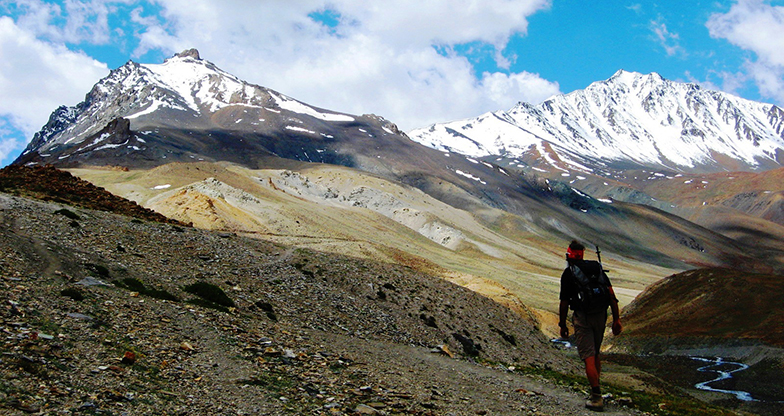
Indigenous Peoples Trail Trek 9 Days | Nepal Cultural Trek
Destination:
Nepal
Trip Duration:
9 Days / 8 Nights
Max Altitude:
3,146m – Thulo Sailung
Activities:
Trekking, village walks, cultural experiences, monastery visits, homestays, Himalayan sightseeing, river crossing
Start Point:
Kathmandu
Ending Point:
Kathmandu
Region:
Sindhupalchok, Ramechhap, Sailung Region, Sunkoshi Valley & Kavrepalanchok
Trip Grade:
Moderate
Group Size:
2–12 people
Accomodation:
Local lodges, community center, homestays and camping
Meals:
Breakfast, Lunch & Dinner during the trek
Transportation:
Private/shared tourist vehicle and local bus
Permits Required:
TIMS Card and applicable local/area permits
Best Season:
Spring (March–May) and Autumn (September–November)
Discover a Different Side of Nepal
The Indigenous Peoples Trail Trek offers a different way to experience Nepal, moving beyond the country’s famous high-altitude trekking routes and into communities where traditional lifestyles remain closely connected with the surrounding landscape. Rather than focusing only on dramatic mountain scenery, this journey introduces travelers to the people, customs, beliefs, stories, and everyday traditions that shape Nepal’s middle-hill communities. It is an ideal choice for travelers who want their trekking experience to feel more personal, meaningful, and connected to local life.
The Indigenous Peoples Trail Trek Nepal experience is especially suitable for travelers who want to understand Nepal through its communities rather than simply visit its most popular attractions. The journey creates opportunities to observe how people live, work, celebrate, and maintain traditions within the changing landscape of the country’s hills.
Experience Nepal Through Its Indigenous Communities
What makes the Indigenous Peoples Trail Trek distinctive is the opportunity to encounter several culturally diverse communities within one journey. The trail passes through an area where generations of people have developed their own languages, traditions, architecture, religious practices, agricultural systems, and forms of hospitality.
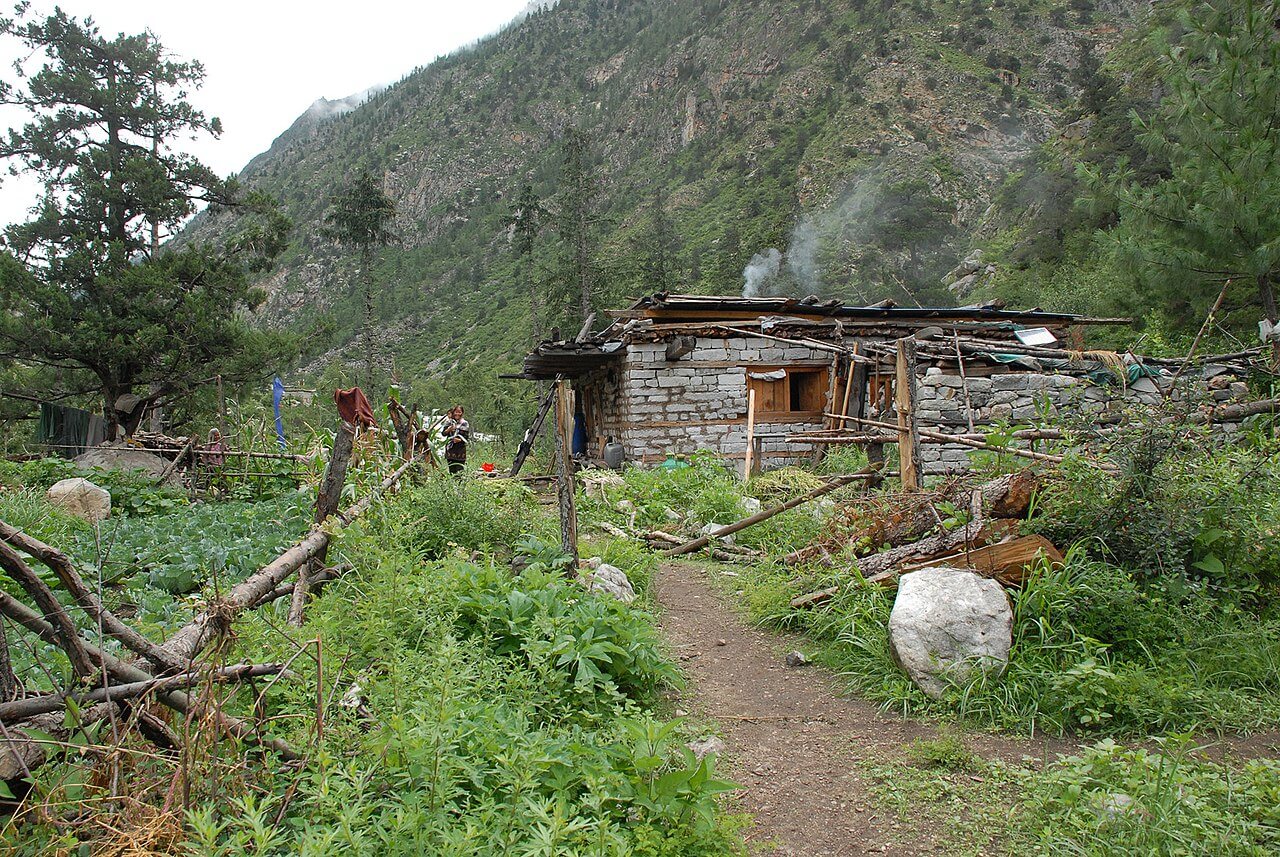
Walking through these communities allows travelers to experience rural Nepal at a natural pace rather than simply passing through as visitors. Traditional houses, village courtyards, farmland, local shrines, community gathering places, and everyday agricultural activities provide a glimpse into the relationship between people and their surroundings.
The cultural diversity along the route is particularly valuable for travelers interested in learning about Nepal beyond its well-known tourist destinations. Every community contributes a different perspective to the journey, creating a broader understanding of the country’s social and cultural landscape.
A Journey Rich in Sherpa, Tamang, Thami and Majhi Culture
The Indigenous Peoples Trek Nepal experience introduces travelers to communities with distinct cultural identities and histories. Sherpa, Tamang, Thami, and Majhi communities have developed traditions influenced by their environment, history, beliefs, and livelihoods.
Rather than treating culture as something seen only inside museums or heritage sites, this journey provides an opportunity to encounter living traditions within the communities themselves. Travelers can observe local architecture, religious practices, farming traditions, community activities, and everyday routines.
This cultural diversity demonstrates that Nepal’s identity extends far beyond the major Himalayan destinations. The country is home to numerous communities whose traditions, languages, beliefs, and lifestyles have developed over generations.
Authentic Community Experiences
One of the most meaningful aspects of the Indigenous Peoples Trail is the opportunity to interact with local residents. Community-based accommodation creates a more personal travel experience and allows visitors to experience rural hospitality in a natural setting.
Sharing meals, speaking with local families, observing daily activities, and learning about traditional practices can become some of the most memorable moments of the journey. These interactions also encourage travelers to understand local customs respectfully rather than simply observing communities from a distance.
For travelers seeking authentic experiences, the opportunity to spend time with local people adds a human dimension to the trek. The journey becomes not only a physical adventure but also an opportunity to exchange stories, perspectives, and cultural knowledge.
Walk Through Rural Nepal
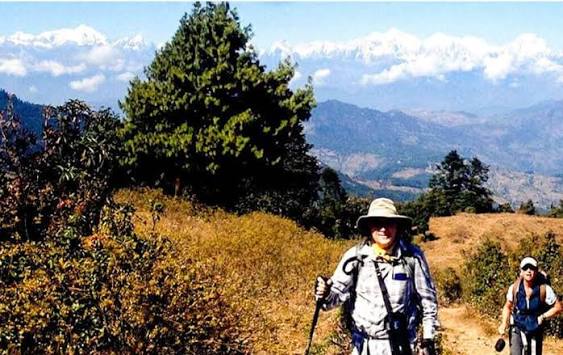
The Indigenous Peoples Trail Trek Nepal experience is also about discovering the countryside on foot. Walking provides a completely different perspective compared with traveling between destinations by vehicle. The slower pace allows travelers to notice changes in vegetation, agricultural practices, settlement patterns, architecture, and landscapes.
The trail passes through a variety of rural environments, creating a constantly changing experience. Forested areas provide peaceful walking surroundings, while cultivated hillsides demonstrate the importance of agriculture to local communities. Open landscapes provide opportunities to appreciate the surrounding hills and distant mountains.
This combination of walking and observation makes the trek particularly rewarding for travelers who enjoy discovering places gradually rather than rushing between major attractions.
Nature, Landscapes and Rural Life
Although culture is central to the Indigenous Peoples Trail Trek, nature remains an important part of the overall experience. The landscape includes forests, agricultural terraces, mountain ridges, valleys, and river environments.
The changing scenery also provides insight into how geography influences human settlement. Villages are closely connected with available farmland, water sources, forests, and traditional routes between communities. As you move through different environments, you can see how local people have adapted their lifestyles to the terrain.
For photographers and nature lovers, these changing landscapes provide opportunities to capture a quieter and more authentic side of Nepal. Traditional homes, terraced fields, forest trails, village life, cultural features, and rural landscapes can create photographs that tell a story beyond conventional mountain scenery.
A Meaningful Community-Based Trek
The Indigenous Peoples Trail Trek can also be an excellent choice for travelers interested in responsible and community-based tourism. Spending nights in locally operated accommodation and purchasing goods or services from rural communities can help distribute tourism benefits beyond Nepal’s major tourist centers.
Community-oriented tourism provides local families with opportunities to participate directly in the tourism economy. At the same time, travelers gain a more intimate experience of the places they visit.
This approach makes the journey particularly appealing to visitors who want their travel experience to have a positive local connection while respecting the culture and traditions of host communities.
An Alternative to Nepal’s Crowded Trekking Routes
Many visitors know Nepal primarily through famous trekking destinations. While these routes offer spectacular mountain experiences, travelers looking for quieter surroundings may prefer an alternative cultural route.
The Indigenous Peoples Trail Trek provides an opportunity to explore less-commercialized communities and landscapes while enjoying the satisfaction of a multi-day trekking adventure. The emphasis is not on technical climbing or reaching extreme elevations but on walking through rural landscapes and experiencing the cultural character of the region.
This makes the trek appealing to travelers who want adventure combined with cultural discovery rather than a purely high-altitude expedition.
Ideal for Cultural and Adventure Travelers
The Indigenous Peoples Trail Trek 9 Days is well suited to travelers who enjoy combining outdoor activity with cultural exploration. The experience offers opportunities to walk through varied landscapes, learn about local communities, discover traditional practices, and experience rural hospitality.
It can also be particularly rewarding for returning visitors to Nepal. Travelers who have already explored Kathmandu, Pokhara, Chitwan, or the country’s better-known trekking destinations can use this journey to discover a different side of Nepal.
Instead of concentrating exclusively on major tourist attractions, the trek provides a closer look at the communities and landscapes that make up everyday Nepal.
Why Choose the Indigenous Peoples Trail Trek?
The Indigenous Peoples Trail Trek is ultimately about connection — connection with people, landscapes, traditions, and the everyday life of rural Nepal. It combines the enjoyment of trekking with opportunities to learn, observe, and engage respectfully with local communities.
For travelers searching for an experience beyond conventional sightseeing, the Indigenous Peoples Trail Trek Nepal offers an opportunity to discover the country’s cultural diversity at a more personal level. The memories are created not only by the places visited but also by the people met, conversations shared, traditions discovered, and perspectives gained along the way.
If you are looking for a journey that combines adventure with genuine cultural discovery, the Indigenous Peoples Trail Trek 9 Days provides a meaningful way to experience Nepal from a different perspective. Instead of simply visiting Nepal, you get the opportunity to walk through its rural landscapes, meet its communities, understand its traditions, and appreciate the heritage that continues to shape local life.
Trekking Similar to Indigenous Peoples Trail Trek
- Annapurna Circuit Trek: 15 Night – 16 Days
- Manaslu Circuit trek-14N/15D
- Everest Base Camp Trek- 12 Days/ 11 Night
Nepal Pilgrimage & Cultural Tours
- Buddhist Pilgrimage Tour 6 Nights / 7 Days
- Kathmandu, Pokhara & Muktinath 7 Nights / 8 Days
- 8 Days Culture, Wildlife & Heritage of Nepal
- Mani Rimdu Festival in Everest Region 11 Nights / 12 Days
- 1-Day Kathmandu UNESCO Heritage Tour with Complimentary Nagarkot Sunrise & Rani Jhula
Book Your Indigenous Peoples Trail Trek
Experience a quieter and more authentic side of Nepal through community, culture, nature, and trekking. Whether your goal is cultural discovery, rural exploration, or simply experiencing a different side of the country, the Indigenous Peoples Trail Trek offers a memorable journey away from the usual tourist routes.
Book your Indigenous Peoples Trail Trek today and discover Nepal through the people, traditions, landscapes, and communities that make the journey truly special.
Frequently Asked Questions
1. What is the Indigenous Peoples Trail Trek in Nepal?
The Indigenous Peoples Trail Trek is a cultural and scenic trekking route in Nepal’s mid-hill region, particularly around Ramechhap. The trail is known for its diverse Indigenous communities, traditional villages, forests, terraced landscapes, Himalayan viewpoints, and community-based homestay experiences. It offers a quieter alternative to Nepal’s heavily traveled trekking routes.
2. How difficult is the Indigenous Peoples Trail Trek?
The Indigenous Peoples Trail is generally considered an easy to moderate trek. The route involves regular hill walking, ascents and descents, and several hours of walking on some days, but it does not require technical climbing or mountaineering skills. Its relatively low maximum elevation also makes it suitable for travelers who want a Himalayan trekking experience without extreme altitude.
3. What is the highest altitude reached on the Indigenous Peoples Trail Trek?
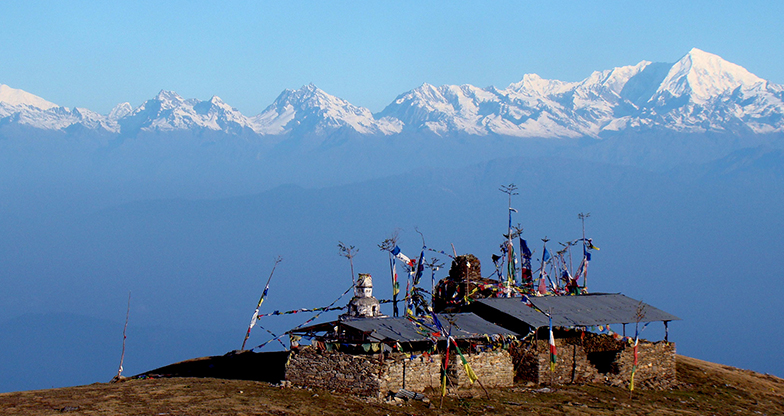
The highest point of the route is Thulo Sailung, at approximately 3,146 meters (10,322 feet). From this elevated ridge, trekkers can enjoy expansive views of the surrounding hills and, in clear conditions, several Himalayan ranges.
4. Which Indigenous communities can I experience during the trek?
The trail provides opportunities to experience the cultures and lifestyles of communities including Sherpa, Tamang, Thami, Newar, Yolmo, and Majhi. The exact communities encountered can vary depending on the route and itinerary, but cultural diversity is one of the defining characteristics of the Indigenous Peoples Trail.
5. What is the best season for the Indigenous Peoples Trail Trek?
The trek can be undertaken during much of the year, but autumn and spring are generally preferred for comfortable conditions and clearer mountain views. October to December and March to April are particularly noted for favorable conditions, while spring can also bring rhododendron blooms along parts of the route.
6. What type of accommodation is available on the Indigenous Peoples Trail?
Accommodation is primarily based around local homestays and community accommodation, with some itineraries also using lodges or camping. Homestays are an important part of the experience because they allow trekkers to stay within rural communities and experience local hospitality, food, and everyday life.
7. Do I need previous trekking experience for the Indigenous Peoples Trail Trek?
Previous trekking experience is generally not required. The route is considered relatively gentle compared with many high-altitude Himalayan treks. However, you should be comfortable walking for several hours on uneven hill trails and should have a reasonable level of physical fitness.
8. Is altitude sickness a concern on the Indigenous Peoples Trail?
The risk is generally lower than on high-altitude Himalayan treks because the route reaches approximately 3,146 meters at its highest point and then descends significantly. Nevertheless, altitude affects individuals differently, so maintaining a sensible pace, staying hydrated, and communicating with your guide if you feel unwell are important.
9. Is the Indigenous Peoples Trail Trek suitable for families and first-time trekkers?
It can be suitable for families and first-time trekkers who are comfortable with multi-day walking. The relatively moderate terrain and lower elevations make it more approachable than many demanding Himalayan routes. Families should still consider children’s age, fitness, walking ability, and the length of individual trekking days before booking.
10. Why choose the Indigenous Peoples Trail Trek instead of a popular Nepal trekking route?
The main appeal is the combination of culture, community, nature, and trekking. Instead of focusing primarily on high-altitude landscapes, the route takes travelers through traditional villages and Indigenous communities where they can experience local hospitality and everyday rural life. It is a strong choice for travelers looking for a quieter, culturally immersive, and off-the-beaten-path trekking experience in Nepal.
Indigenous Peoples Trail Trek 9 Days | Nepal Cultural Trek Highlights
- Explore the Indigenous Peoples Trail, one of Nepal’s authentic cultural trekking routes.
- Reach Thulo Sailung (3,146m) for spectacular panoramic Himalayan views.
- Experience Sherpa and Tamang culture through traditional villages and local communities.
- Discover Thami traditions with a cultural experience at Tinghare Village.
- Visit Buddhist monasteries, gompas, chortens, and mani walls along the trail.
- Walk through peaceful Sailung forests surrounded by diverse vegetation and birdlife.
- Experience the Majhi community and learn about their traditional riverside lifestyle at Lubughat.
- Cross the Sunkoshi River by traditional boat and suspension bridges.
- Stay in local homestays and experience authentic rural Nepalese hospitality.
- Explore historic Dhulikhel and its traditional Newari architecture and cultural heritage.
Indigenous Peoples Trail Trek Route
The 9-day Indigenous Peoples Trail Trek begins in Kathmandu and takes you through the scenic hills and traditional villages of the Sailung and Ramechhap regions. The route passes through Mude, Deurali, Thulo Sailung, Kholakharka, Surkey, Doramba, Khandadevi, Dongme and Lubughat before reaching Nepalthok and Dhulikhel. Along the trail, trekkers experience diverse Indigenous cultures, including Sherpa, Tamang, Thami and Majhi communities, while walking through forests, terraced farmland, mountain ridges and peaceful rural landscapes. The route reaches its highest point at Thulo Sailung (3,146m), offering panoramic Himalayan views, before gradually descending toward the Sunkoshi River and continuing to Dhulikhel. The trek combines natural scenery, cultural encounters, traditional homestays, sacred sites and authentic village experiences before returning to Kathmandu.
Include
- Kathmandu–Mude transportation by road.
- Nepalthok–Dhulikhel transportation by local bus.
- Dhulikhel–Kathmandu transportation.
- Accommodation during the trek in local lodges, homestays, community accommodation, and camping as mentioned in the itinerary.
- Breakfast, lunch, and dinner during the trekking period.
- Experienced, licensed, and professional trekking guide.
- Required trekking staff and their meals, accommodation, and daily expenses.
- Camping equipment and necessary arrangements for the camping night at Dongme.
- Government and local trekking permits required for the Indigenous Peoples Trail, where applicable.
- Sunkoshi River crossing by local boat where required by the route.
- Basic first-aid kit carried by the trekking team.
- Trekking-related government taxes and service charges.
- Company service charges and necessary trekking arrangements.
Exclude
- International flights and airport departure taxes.
- Nepal entry visa and visa-related expenses.
- Travel insurance, including emergency evacuation and medical expenses.
- Personal expenses such as laundry, telephone calls, internet, and charging fees.
- Personal trekking equipment and clothing.
- Snacks, bottled drinks, alcoholic beverages, and beverages other than those included with meals.
- Hotel accommodation and meals in Kathmandu before or after the trek unless specifically mentioned.
- Tips and gratuities for the guide, porters, drivers, and other trekking staff.
- Personal expenses arising from delays, road conditions, natural events, or unforeseen circumstances.
- Emergency evacuation or rescue costs.
- Additional accommodation, meals, or transportation caused by itinerary changes beyond the company's control.
- Any services, activities, or expenses not specifically mentioned under Trip Includes.
Indigenous Peoples Trail Trek 9 Days | Nepal Cultural Trek Itinerary
Your journey begins early in the morning with breakfast in Kathmandu before setting out toward Mude, approximately 115 km northeast of the capital. The scenic drive follows the Araniko Highway, passing through the outskirts of Kathmandu and gradually entering greener countryside and hilly landscapes. After reaching Dolalghat, you can take a short break near the Sunkoshi River before continuing through Khadichaur and other small settlements toward Mude. The drive takes approximately 5 hours, depending on road and traffic conditions. After arriving at Mude, you will have time for lunch or refreshments before beginning the trek to Deurali. The walking trail passes through peaceful hills, local settlements, cultivated terraces, and forested sections. After approximately 3 hours of trekking, you will reach Deurali and settle in for the evening.
Duration: Approximately 5 hours drive + 3 hours trek
Accommodation: Local lodge/guesthouse or homestay in Deurali
After breakfast, you begin the day’s trek toward Kholakharka, following peaceful mountain trails through forests, open hillsides, and scattered settlements. The route gradually climbs toward Thulo Sailung at 3,146m, one of the major highlights of the trek. From the summit, clear weather can reveal spectacular views toward the Everest, Langtang, Ganesh Himal, and other Himalayan ranges. You can also see the Mahabharata hills and the Sunkoshi River winding through the lower valleys. After spending some time enjoying the panoramic surroundings, you continue along the ridge and descend toward Kholakharka. The total walking time is approximately 6 hours, including the sections around Thulo Sailung. After reaching Kholakharka, you can rest and enjoy the quiet mountain environment.
Duration: Approximately 6 hours trek
Accommodation: Kholakharka Community Center
After breakfast, the trail heads toward Surkey through a landscape of forests, villages, and traditional mountain settlements. Today’s route is predominantly downhill, making it relatively comfortable after the longer trek of the previous day. You will walk through the beautiful Sailung forest, where you may encounter different species of trees and birds depending on the season. Along the way, you can visit Rajbhir Monastery and observe local Buddhist traditions before continuing through Sherpa and Tamang settlements. Small gompas, chortens, prayer flags, and mani stones are scattered along the route, reflecting the cultural and spiritual character of the region. After approximately 5 hours of walking, you reach Surkey, where you can relax and experience local village hospitality.
Duration: Approximately 5 hours trek
Accommodation: Local homestay in Surkey
Today’s trek takes you from Surkey toward the culturally rich settlement of Doramba. After breakfast, you follow forested trails and rural paths through the middle hills. Along the way, you will reach Tinghare Village, where you may have the opportunity to experience a traditional Thami cultural program, depending on local arrangements and availability. The route then continues along forested hillsides and gradually opens into the green terraced landscape surrounding Doramba. With approximately 4 hours of trekking, today’s walk is relatively short and allows plenty of time to observe village life, agriculture, traditional houses, and the surrounding countryside. After reaching Doramba, you will check into your homestay and enjoy a relaxed evening with the local community.
Duration: Approximately 4 hours trek
Accommodation: Local homestay in Doramba
After breakfast, you leave Doramba and continue along the trail toward Khandadevi. The route gradually climbs through forested sections and rural landscapes before reaching Agleshwari Danda, an important sacred Hindu site. You can take time to visit the shrine and enjoy the peaceful surroundings. From the ridge, the trail offers beautiful views across the Mahabharata range and, when the weather is clear, toward the distant Himalayan peaks. The approximately 5-hour trek continues through forests, terraces, and small settlements before reaching Khandadevi. Once there, you can explore the village, enjoy the mountain scenery, and experience the local way of life.
Duration: Approximately 5 hours trek
Accommodation: Local homestay in Khandadevi
Begin the morning in Khandadevi with breakfast and, if the weather permits, enjoy the beautiful early-morning views toward the surrounding mountains. You then set out toward Dongme, following a long ridge through pine forests. Today’s trail is relatively easy compared with some of the earlier sections, with gentle climbs, level sections, and gradual descents. The peaceful forest environment makes this a pleasant day of walking, while occasional openings provide views of the surrounding hills and valleys. After approximately 5 hours of trekking, you arrive at Dongme. As this section of the route is more remote, you will spend the night in a camp, enjoying a quieter evening close to nature.
Duration: Approximately 5 hours trek
Accommodation: Camping in Dongme
After breakfast, you begin the descent from Dongme toward Lubughat. If the weather is clear, the morning starts with beautiful views of the surrounding hills and Himalayan landscape. The trail gradually loses elevation as you walk toward the Sunkoshi River, with the vegetation and landscape changing as you descend into the lower valley. After approximately 4 hours of trekking, you arrive at Lubughat, a village associated with the Majhi community, traditionally known for its close relationship with rivers and fishing. You will have an opportunity to learn about their lifestyle, customs, and traditions while experiencing the village environment firsthand. After exploring the settlement, you will stay with a local family for the night.
Duration: Approximately 4 hours trek
Accommodation: Local homestay in Lubughat
After breakfast, you continue toward Nepalthok, with the Sunkoshi River remaining an important part of the day’s landscape. The journey includes crossing the river by local boat and/or using suspension bridges, depending on the actual route and local conditions. Once you reach Nepalthok, the trekking section of the journey comes to an end and you board a vehicle toward Dhulikhel. The scenic drive takes approximately 2 hours, passing through rural settlements, terraced farmland, forests, and winding hill roads. After reaching Dhulikhel, you can explore the historic Newari town and its traditional architecture, temples, courtyards, and old houses. The relaxed evening provides an opportunity to experience Newari culture and hospitality.
Duration: Approximately 2 hours drive + river crossing/walking
Accommodation: Newari homestay in Dhulikhel
After breakfast, you leave Dhulikhel and drive back to Kathmandu. The journey generally takes around 2 hours, although travel time can vary depending on traffic and road conditions. Once you arrive in Kathmandu, the trek officially concludes. You can spend the remainder of the day relaxing or exploring more of the Kathmandu Valley according to your schedule. Thamel is a convenient place to shop for souvenirs, while Kathmandu Durbar Square, Patan, and Bhaktapur offer opportunities to explore Nepal’s historic architecture and cultural heritage. After nine days of walking through villages, forests, mountain ridges, and culturally diverse communities, you return to Kathmandu with the journey complete.
Duration: Approximately 2 hours drive
Accommodation: Not included / hotel in Kathmandu according to your onward travel arrangements
Video
Packing List – Indigenous Peoples Trail Trek
Pack light and carry only the essentials for this 9-day cultural trek. Since the route includes forest trails, village paths, higher elevations around Thulo Sailung, and a camping night at Dongme, prepare for changing weather and varied walking conditions.
Clothing
- Lightweight trekking shirts – 2–3
- Trekking pants – 2 pairs
- Thermal innerwear – 1 set
- Fleece jacket or warm layer
- Down or insulated jacket
- Waterproof/windproof jacket
- Warm sweater or fleece
- Undergarments and trekking socks
- Warm hat and sun hat/cap
- Lightweight gloves
- Comfortable sleepwear
Footwear
- Comfortable, well-broken-in trekking boots
- Lightweight sandals or camp shoes
- Extra trekking socks
- Gaiters, especially during wet or muddy seasons
Trekking Equipment
- Comfortable 30–40L trekking backpack
- Waterproof backpack cover
- Sleeping bag suitable for cool mountain nights
- Trekking poles
- Headlamp with spare batteries
- Water bottle or reusable hydration system
- Small daypack, if required
- Dry bags or waterproof packing bags
Personal & Health Items
- Personal first-aid and regular medicines
- Sunscreen and lip balm with SPF
- Sunglasses
- Personal toiletries
- Hand sanitizer
- Wet wipes and tissues
- Quick-drying towel
- Basic personal hygiene products
- Insect repellent
Documents & Money
- Passport or valid identification
- Permits and trekking documents
- Travel insurance details
- Emergency contact information
- Small amount of Nepalese cash for personal expenses
Useful Extras
- Mobile phone and charger
- Power bank
- Universal travel adapter
- Camera and spare batteries
- Small flashlight
- Snacks, energy bars, or dry fruits
- Zip-lock bags for keeping valuables and electronics dry
Packing Tip: Keep your main backpack as light as possible and use waterproof bags to protect clothing, electronics, and important documents. The trail involves several village homestays as well as a camping night, so a warm sleeping bag, comfortable trekking shoes, and reliable rain protection are particularly useful.
Reviews
No reviews found.