

Humla Changla Valley Trek – 19 Days
Destination:
Humla Changla Valley, Nepal
Trip Duration:
19 Days
Max Altitude:
5,496m – Phyajang La Pass
Activities:
Trekking, High-Altitude Trekking, Camping, Cultural Exploration
Start Point:
Kathmandu
Ending Point:
Kathmandu
Region:
Humla, Karnali Province, Western Nepal
Trip Grade:
Difficult / Challenging
Group Size:
Minimum 2 people
Accomodation:
Hotel, Lodge & Tented Camping
Meals:
Breakfast, Lunch & Dinner
Transportation:
Domestic Flights, Private/Shared Tourist Transport & Trekking
Permits Required:
Humla Restricted Area Trekking Permit + applicable trekking permits
Best Season:
Spring (April–May) & Autumn (September–October)
Humla Changla Valley Trek
The Humla Changla Valley Trek is a demanding Himalayan journey designed for travelers who want to experience one of Nepal’s most remote mountain environments. Rather than following the country’s heavily traveled trekking corridors, this adventure takes you deep into the isolated landscapes of Humla, where rugged valleys, high mountain passes, seasonal grazing grounds and traditional settlements create a remarkably wild atmosphere. The route combines challenging high-altitude walking with an opportunity to experience a part of Nepal where tourism remains relatively limited. For experienced trekkers, the Humla Changla Valley Trek Nepal experience offers a strong sense of wilderness, cultural immersion and exploration throughout the journey.
Humla Changla Valley Trek Experience
One of the defining characteristics of the Humla Changla Valley Trek is the gradual transformation of the surrounding landscape as the trail moves farther into the mountains. The journey begins in an environment influenced by settled communities and cultivated land before developing into a much more open alpine setting. As the route progresses, the landscape becomes increasingly rugged, with mountain slopes, rocky terrain, broad valleys and high grazing areas replacing the more populated lower sections.
This changing environment makes the trek particularly rewarding for travelers interested in geographical and ecological diversity. Instead of experiencing the same type of scenery throughout the journey, trekkers encounter different mountain environments as they progress toward the higher sections. The contrast between lower valleys and exposed alpine terrain also gives the Humla Changla Valley Trek itinerary a strong feeling of progression and adventure.
Remote Himalayan Environment
The remote character of Humla is an important part of the experience. The region has historically remained geographically isolated, and many communities continue to depend on traditional forms of agriculture, animal husbandry and mountain trade. Trekking through this environment provides a different perspective on life in the Himalayas compared with more commercialized trekking destinations.
The Humla trekking experience is especially appealing to travelers who value solitude. The trail does not have the same level of tourism infrastructure associated with Nepal’s major trekking routes, and the journey requires greater logistical preparation. This sense of isolation is part of what makes the Changla Valley Trek distinctive. The mountains feel expansive, the valleys remain relatively quiet, and the journey itself becomes as important as reaching a particular destination.
Cultural Character of the Journey
The cultural dimension adds another layer to the Humla Changla Valley Trek. The route passes through remote communities where mountain life remains closely connected to the surrounding landscape. Traditional houses, agricultural areas, livestock and seasonal movement through highland pastures provide opportunities to observe everyday life in western Nepal’s mountain region.
For visitors, these encounters are best approached respectfully and patiently. The trek is not simply a physical journey through high mountains; it is also an opportunity to understand how communities have adapted to difficult terrain and changing seasons. The relatively limited tourism presence means that interactions can feel more natural than on heavily visited trails.
High-Altitude Adventure
Altitude becomes increasingly important as the trek moves toward the upper sections of the route. The landscape above the lower valleys is more exposed and demanding, with thinner air and changing weather conditions. The journey therefore requires a steady pace and careful attention to physical condition.
The Humla Changla Valley Trek Nepal route is particularly suited to trekkers who enjoy challenging mountain environments rather than comfortable lodge-based journeys. The combination of remote terrain, high elevation and extended time in the mountains requires preparation and a willingness to adapt to changing conditions.
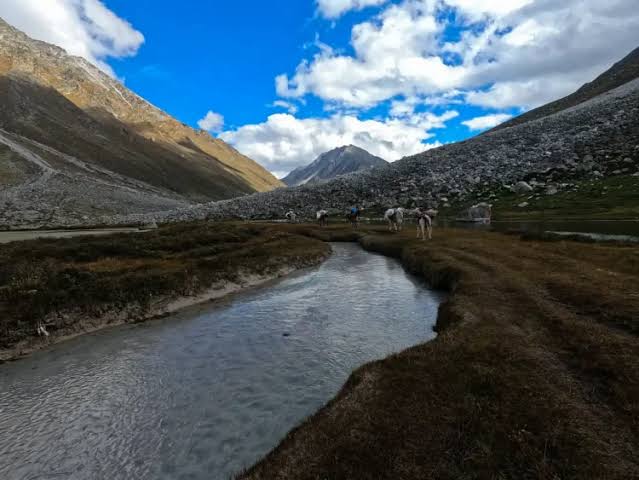
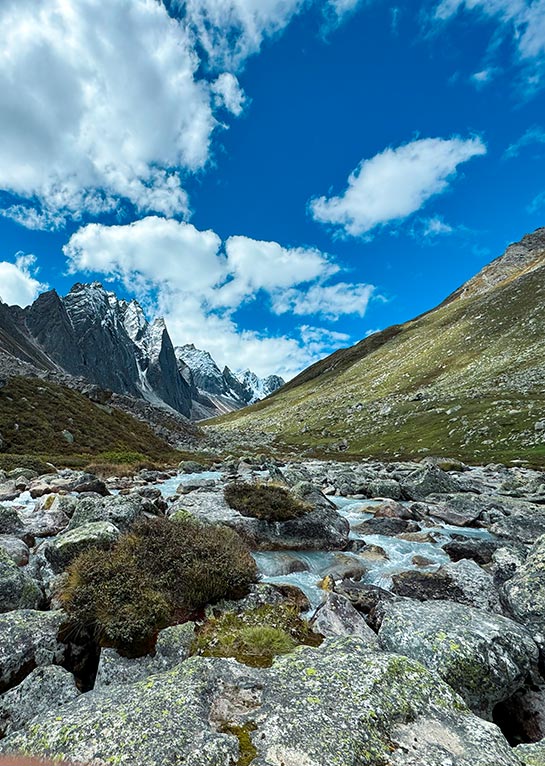
The high mountain environment also creates some of the trek’s most memorable visual experiences. Broad alpine valleys, rugged ridges and expansive Himalayan horizons provide a dramatic setting throughout the upper sections. Clear weather can reveal extensive views across the surrounding mountain landscape, while changing cloud and light can completely transform the appearance of the valleys.
A True Off-the-Beaten-Path Trek
For travelers searching for remote treks in Nepal, the Humla Changla Valley Trek stands out because of its comparatively untouched character. It offers an experience centered on exploration rather than established tourism infrastructure. There are fewer commercial facilities, fewer visitors and fewer conveniences, making the journey feel closer to a traditional Himalayan expedition.
This aspect also means that trekkers should approach the route with realistic expectations. The experience is not designed around luxury or extensive facilities. Instead, its appeal comes from wilderness, remoteness, cultural encounters and the opportunity to spend an extended period traveling through a less-visited part of Nepal.
The Changla Valley trekking experience can therefore be particularly rewarding for experienced travelers who have already explored popular Himalayan routes and are looking for something substantially different. The remoteness creates a stronger sense of self-reliance and connection with the environment.
Why Choose Humla Changla Valley Trek?
The biggest attraction of the Humla Changla Valley Trek is its combination of wilderness and cultural authenticity. The route offers an opportunity to explore a remote corner of Nepal while traveling through landscapes that remain relatively untouched by mass tourism.
It is also an excellent choice for trekkers who enjoy journeys with a strong expedition-style character. Rather than simply walking from one established tourist settlement to another, the experience involves moving through remote mountain environments where the surroundings themselves become a major part of the adventure.
Another reason to consider this Humla trekking itinerary is the sense of discovery it provides. Western Nepal contains many mountain landscapes that receive far less international attention than the Everest and Annapurna regions. Traveling through Humla allows visitors to experience a different side of Nepal and gain a broader understanding of the country’s Himalayan geography.
Who Is the Trek Best Suited For?
The Humla Changla Valley Trek is best suited to experienced and physically prepared trekkers who are comfortable with remote mountain travel. The route demands endurance, adaptability and a willingness to spend extended periods away from developed tourism facilities.
Travelers should also appreciate that remote trekking requires flexibility. Mountain environments can change quickly, and conditions may influence the timing or progression of a journey. A positive attitude toward unexpected changes is therefore an important part of the experience.
This trek can be particularly attractive to photographers, wilderness enthusiasts, experienced hikers and travelers interested in cultural exploration. Those looking for a quieter alternative to Nepal’s mainstream trekking destinations may find the Changla Valley Trek especially appealing.
An Authentic Western Himalayan Adventure
The Humla Changla Valley Trek Nepal experience is ultimately about exploring a less-traveled side of the Himalayas. Its combination of remote landscapes, traditional communities, challenging mountain terrain and long stretches away from developed trekking infrastructure gives the journey a distinctive character.
For travelers prepared for the demands of remote trekking, the Humla Changla Valley Trek provides an opportunity to experience western Nepal at a slower and more immersive pace. The mountains, villages, valleys and highland environments collectively create a journey that is not simply about reaching a destination but about experiencing the remote Himalayan landscape itself.
If your idea of trekking goes beyond popular routes and you want to explore a quieter, wilder and culturally distinctive part of Nepal, the Humla Changla Valley Trek offers an authentic adventure through one of the country’s most fascinating mountain regions.
Trekking Similar to Humla Changla Valley Trek
- Annapurna Circuit Trek: 15 Night – 16 Days
- Manaslu Circuit trek-14N/15D
- Everest Base Camp Trek- 12 Days/ 11 Night
Nepal Pilgrimage & Cultural Tours
- Buddhist Pilgrimage Tour 6 Nights / 7 Days
- Kathmandu, Pokhara & Muktinath 7 Nights / 8 Days
- 8 Days Culture, Wildlife & Heritage of Nepal
- Mani Rimdu Festival in Everest Region 11 Nights / 12 Days
- 1-Day Kathmandu UNESCO Heritage Tour with Complimentary Nagarkot Sunrise & Rani Jhula
Book Your Adventure Today
Ready to explore the remote landscapes of western Nepal? Book your Humla Changla Valley Trek today and begin an unforgettable journey through the spectacular mountains and valleys of Humla. Whether you are an experienced trekker seeking a genuine off-the-beaten-path adventure or a traveler looking to discover a less-explored side of Nepal, this journey offers an exceptional combination of wilderness, culture and Himalayan exploration.
Contact us today to reserve your Humla Changla Valley Trek and start planning your Himalayan adventure.
Frequently Asked Questions – Humla Changla Valley Trek
1. Is the Humla Changla Valley Trek a restricted-area trek?
Yes. The route enters designated restricted areas of Humla, so the required Restricted Area Trekking Permit must be obtained through a registered trekking agency.
2. How difficult is the Humla Changla Valley Trek?
It is a difficult and challenging trek suitable mainly for experienced trekkers. The remote terrain, high altitude, long walking days and crossing of Phyajang La make good physical preparation important.
3. What is the highest point of the Humla Changla Valley Trek?
The highest point is Phyajang La Pass at 5,496m (18,031ft).
4. How many days does the Humla Changla Valley Trek take?
The complete itinerary takes 19 days, including travel to and from Humla and a reserve day for potential weather or flight delays.
5. What is the best season for the Humla Changla Valley Trek?
The best seasons are generally spring (March–May) and autumn (September–November), when weather and visibility are typically more favorable for high-altitude trekking.
6. Where does the Humla Changla Valley Trek start and end?
The trekking section starts and ends at Simikot. The complete trip starts and finishes in Kathmandu, with flights through Nepalgunj.
7. Do I need a guide for the Humla Changla Valley Trek?
Yes. Because the route involves restricted areas and remote terrain, the trek should be arranged through a registered trekking agency with the required guide and support staff.
8. Is the Humla Changla Valley Trek suitable for beginners?
It is not recommended as a first high-altitude trek. Previous trekking experience, good physical fitness and preparation for remote mountain conditions are strongly recommended.
9. What type of accommodation is available during the trek?
The trek is primarily a camping trek, with organized tented accommodation in remote sections. Hotels or basic accommodation may be used in Kathmandu, Nepalgunj and Simikot.
10. How do I reach Simikot for the trek?
You normally fly Kathmandu → Nepalgunj → Simikot. At the end of the trek, you return by Simikot → Nepalgunj → Kathmandu. Flights are weather-dependent, so flexibility is important.
11. What permits are required for the Humla Changla Valley Trek?
A Humla Restricted Area Trekking Permit is required for the designated restricted sections, along with any other applicable permits and local fees for the exact route.
12. What should I pack for the Humla Changla Valley Trek?
Essential equipment includes warm layers, waterproof clothing, sturdy trekking boots, a suitable sleeping bag, trekking poles, sun protection, personal medication and water-purification equipment. Because the trek reaches 5,496m, proper cold-weather gear is particularly important.
Humla Changla Valley Trek – 19 Days Highlights
- Cross the spectacular Phyajang La Pass at 5,496m, the highest point of the trek.
- Explore the remote Changla Valley, one of the least-visited trekking regions of Nepal.
- Experience the untouched Himalayan landscapes of Humla far from the crowded trekking routes.
- Discover traditional Humla villages and experience the unique culture and lifestyle of local mountain communities.
- Trek through dramatic alpine valleys, rocky mountain passes, yak pastures and high-altitude terrain.
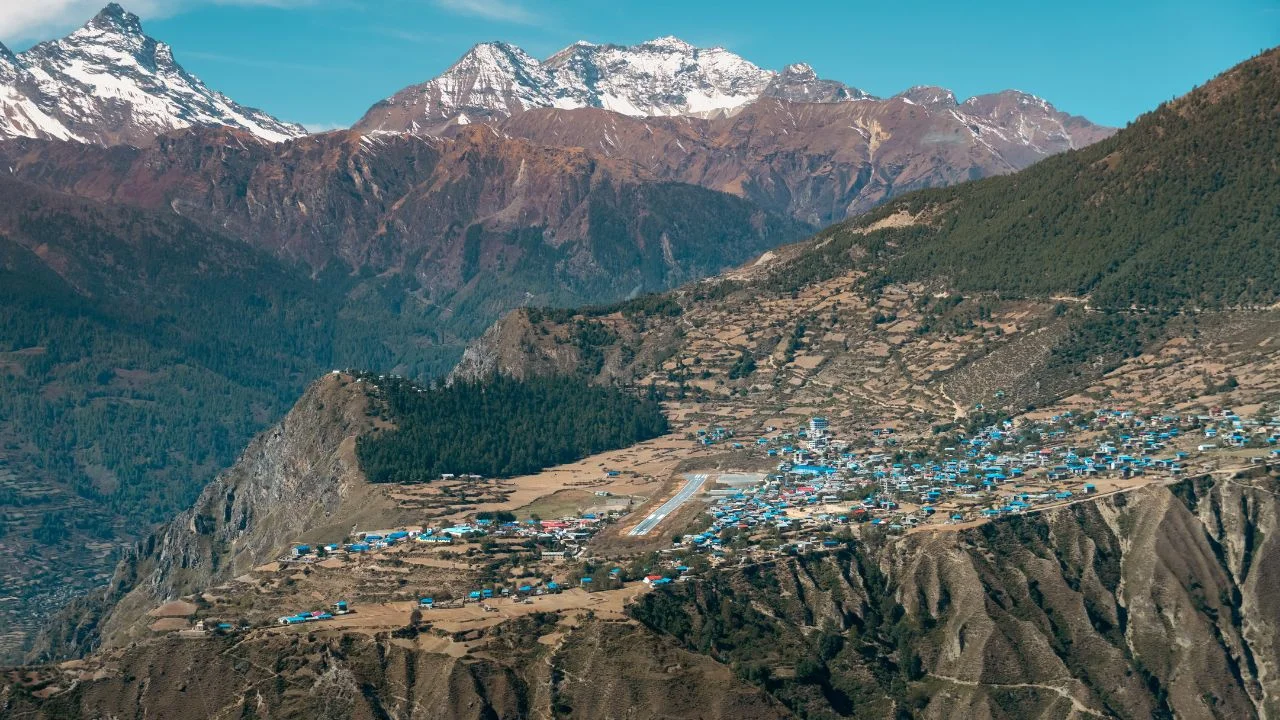
- Fly into Simikot, the remote mountain gateway and administrative center of Humla.
- Enjoy spectacular views of the western Himalayan ranges throughout the high-altitude sections.
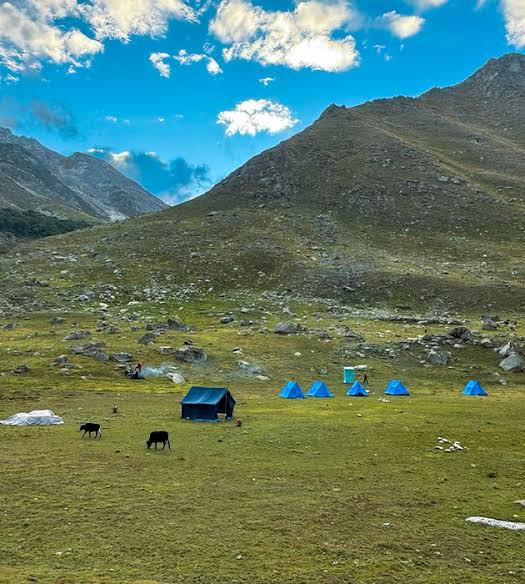
- Experience authentic wilderness camping in remote locations with very limited infrastructure.
- Cross diverse landscapes, from lower valleys and forests to barren alpine terrain above 4,000m.
- Enjoy an authentic off-the-beaten-path adventure in one of Nepal's most isolated trekking regions.
Humla Changla Valley Trek Route – Simikot, Changla Valley & Phyajang La Pass
Kathmandu to Simikot: The journey begins in Kathmandu before flying to Nepalgunj and then taking a mountain flight to Simikot at 2,910m. Simikot is the main gateway to remote Humla and marks the beginning of the trekking adventure.
Route: Kathmandu → Nepalgunj → Simikot
Simikot to Phyajang Base: From Simikot, the trail gradually climbs through Dojam, Shambakong, Fwaji, Gurukpa and Sumna. The scenery transitions from cultivated hills and forested valleys to alpine landscapes as you gain elevation. The route finishes at Phyajang Base at 4,556m, where you prepare for the high pass crossing.
Route: Simikot → Dojam → Shambakong → Fwaji → Gurukpa → Sumna → Phyajang Base
Phyajang La Pass to Changla Valley: This is the most challenging section of the trek. The trail climbs from Phyajang Base to Phyajang La Pass (5,496m) before descending toward Nying Kuna. It then continues through Chhorten Chhobu and Takchi across rugged high-altitude valleys and remote mountain terrain.
Route: Phyajang Base → Phyajang La Pass (5,496m) → Nying Kuna → Chhorten Chhobu → Takchi
Changla Valley to Simikot & Kathmandu: The final trekking section passes through Talung, Tsongsa, Sechi and Dhinga before returning to Simikot. After completing the trek, you fly through Nepalgunj and return to Kathmandu.
Route: Takchi → Talung → Tsongsa → Sechi → Dhinga → Simikot → Nepalgunj → Kathmandu
Include
- Airport pickup and drop-off in Kathmandu.
- 3-star hotel accommodation in Kathmandu and Nepalgunj on a twin-sharing basis.
- Accommodation in Simikot according to the itinerary.
- Full-board camping accommodation during the trek.
- Breakfast, lunch and dinner during the trekking period.
- Domestic flights: Kathmandu → Nepalgunj → Simikot and Simikot → Nepalgunj → Kathmandu, subject to flight schedules and weather conditions.
- Experienced, licensed and government-authorized trekking guide.
- Necessary trekking staff and porters.
- Porter service with appropriate porter-to-trekker ratio.
- Staff salaries, food, accommodation, insurance and equipment.
- Tented camping equipment, including sleeping tents, dining tent, kitchen tent and toilet tent where required.
- Sleeping bags and trekking mattresses for the camping section.
- Kitchen and cooking equipment with a trained camping cook.
- Humla Restricted Area Trekking Permit.
- Applicable local government and trekking permits required for the designated route.
- TIMS card, where applicable under current regulations.
- National park/conservation area permits, if applicable to the final route.
- Trekking agency service charges and government taxes.
- Ground transportation required for the scheduled itinerary.
- Trekking equipment and group camping equipment as arranged by the agency.
- First-aid kit and basic medical supplies carried by the trekking team.
- Necessary official paperwork and permit-processing fees.
- Government taxes and service charges.
Exclude
- International airfare to and from Nepal.
- Nepal entry visa fee.
- Travel insurance, including emergency evacuation and helicopter rescue coverage.
- Personal medical and emergency expenses.
- Extra hotel accommodation or meals caused by early arrival, late departure or itinerary changes.
- Additional accommodation or meals caused by flight delays or cancellations beyond the planned itinerary.
- Personal trekking equipment and clothing.
- Wi-Fi, internet, telephone calls and other communication expenses.
- Hot showers, laundry and other personal services during the trek.
- Bottled/mineral water and personal beverages.
- Alcoholic drinks, soft drinks and other beverages.
- Snacks, chocolates and energy bars.
- Personal expenses and shopping.
- Tips for guides, porters, cooks and other trekking staff.
- Any additional transportation not specifically mentioned in the itinerary.
- Additional accommodation or transportation resulting from bad weather, natural disasters, political disturbances or other unforeseen circumstances.
- Costs arising from itinerary changes requested by the client.
- Helicopter evacuation or rescue charges.
- Medical treatment and medication.
- Any permits, fees or charges introduced or increased by the government after booking.
- Anything not specifically listed under “Trip Includes.”
Humla Changla Valley Trek – 19 Days Itinerary
Upon arrival at Tribhuvan International Airport in Kathmandu, you will be welcomed by your trekking team and transferred to your hotel. After checking in and taking some time to rest, you can explore the nearby streets of Kathmandu if time permits. A trek briefing will be organized in the evening, covering the route, permits, packing requirements, altitude considerations, and safety procedures for the remote Humla region. Overnight at a hotel in Kathmandu.
After breakfast, you will travel from Kathmandu to Nepalgunj, either by a short domestic flight or according to the current transportation arrangements. Nepalgunj is a major gateway to western and far-western Nepal and serves as the staging point for flights toward Simikot. After arrival, you will check into your hotel and have the remainder of the day to relax. Depending on flight schedules, there may be an opportunity to explore the local market and surrounding area. Overnight at a hotel in Nepalgunj.
An early morning flight takes you from Nepalgunj to Simikot, the administrative center of Humla and the starting point of the trek. The flight offers impressive views of the western Himalayan landscape as the aircraft approaches the mountain airstrip. After landing at Simikot, you will meet the local trekking crew and settle into your accommodation. Because you have gained considerable altitude in a short period, the remainder of the day is kept easy to allow your body to begin acclimatizing. You can take a gentle walk around Simikot and observe the local houses, fields, monasteries, and mountain surroundings. Overnight in Simikot.
The trek begins after breakfast with a descent from Simikot toward the lower valleys of Humla. The trail passes through rural settlements, cultivated terraces, forests, and sections of the Karnali river valley. The route gradually moves through landscapes that are considerably less developed than the main trekking regions of Nepal, giving you an early impression of the remoteness of Humla. After several hours of walking, you reach Dojam, a small settlement where the trekking crew establishes camp. The relatively lower elevation provides a comfortable first trekking night after leaving Simikot. Overnight at camp in Dojam.
After breakfast, you continue deeper into the Humla wilderness toward Shambakong, also known as Mathillo Shangu. The trail gradually gains elevation as it follows mountain slopes and narrow valleys. You will encounter traditional villages, grazing areas, cultivated land, and forested sections along the route. The landscape becomes increasingly rugged as the trail moves farther away from the main settlements. Local people and pack animals may occasionally be encountered along the trail, reflecting the traditional way of transporting goods through this remote region. After reaching Shambakong, you settle into camp and rest for the evening. Overnight at camp.
Today’s trail continues through increasingly high and mountainous terrain. From Shambakong, the route climbs gradually through remote hillsides and alpine vegetation toward Fwaji. As you gain altitude, the landscape changes from cultivated slopes and dense vegetation to more open mountain terrain. The surrounding ridges and distant Himalayan peaks become increasingly prominent. The walking pace is maintained steadily to help with acclimatization, with regular breaks for rest and hydration. Upon reaching Fwaji, the crew prepares camp while you have time to relax and enjoy the peaceful mountain surroundings. Overnight at camp in Fwaji.
The trek from Fwaji to Gurukpa involves another gradual gain in elevation. The trail passes through remote highland terrain with sparse vegetation, rocky slopes, and grazing areas. Depending on the season, you may see yak and other livestock grazing on the open hillsides. The changing scenery provides excellent views of the surrounding Humla mountains, while the increasing altitude makes the day’s walking more demanding than the previous stages. After reaching Gurukpa, you will have time to rest and allow your body to adjust to the higher elevation. Overnight at camp in Gurukpa.
Today you enter a more pronounced high-altitude environment as the trail climbs toward Sumna. The vegetation becomes thinner and the landscape increasingly dominated by rocky slopes, alpine meadows, and barren mountain ridges. The gradual ascent is important for acclimatization, so the group maintains a controlled pace with sufficient rest stops. As you approach Sumna, the surrounding mountains appear more imposing and the sense of isolation becomes stronger. After arriving at the campsite, you can rest, hydrate, and take a short acclimatization walk around camp if conditions permit. Overnight at camp in Sumna.
The route continues upward from Sumna toward Phyajang Base. This is a demanding high-altitude trekking day as the trail passes through rugged terrain and increasingly sparse vegetation. The surrounding landscape consists mainly of alpine slopes, rocky ground, and broad mountain valleys. The trekking crew will maintain a slow pace to reduce the effects of altitude gain. After reaching Phyajang Base, the afternoon is used for rest and acclimatization in preparation for the high pass crossing the following day. You can take a short walk around the camp while avoiding strenuous activity. Overnight at camp at Phyajang Base.
This is one of the most challenging and rewarding days of the trek. You begin early from Phyajang Base and climb gradually toward Phyajang La Pass at approximately 5,496 meters. The ascent is strenuous because of the high altitude, cold temperatures, and rugged terrain. The trail may cross rocky slopes, scree, snow, or icy sections depending on the season and current conditions. From the pass, you can enjoy dramatic views across the remote Himalayan landscape before beginning the descent toward Nying Kuna, also known as Yak Kharka. The descent requires careful footing, particularly on loose or snow-covered ground. After arriving at Nying Kuna, the rest of the afternoon is dedicated to recovery. Overnight at camp in Nying Kuna.
After breakfast, you leave Nying Kuna and continue across the high valleys of Humla. Today’s trail generally involves a gradual descent and traverse through remote alpine terrain. The landscape is characterized by barren slopes, high mountain ridges, grazing grounds, and dramatic Himalayan scenery. The route remains isolated, with very few permanent settlements and limited infrastructure. As you approach Chhorten Chhobu, the trail gradually descends to the campsite. The lower altitude compared with the previous night provides some relief after the high pass crossing. Overnight at camp in Chhorten Chhobu.
The trek continues toward Takchi through rugged mountain country. The trail follows natural contours across slopes and valleys, with occasional steep sections requiring careful walking. You may encounter traditional grazing areas and seasonal settlements used by local herders. The surrounding mountains remain impressive, while the landscape gradually shows more vegetation as you lose elevation. After reaching Takchi, you will have time to relax and recover from the previous high-altitude stages. The campsite provides an opportunity to enjoy the quiet surroundings and observe the traditional highland environment. Overnight at camp in Takchi.
Today’s journey takes you from Takchi to Talung, continuing through the remote highlands of the Changla Valley region. The route involves traversing mountain slopes and crossing open valleys with spectacular views of surrounding peaks and ridges. Although the elevation remains above 4,000 meters, the gradual nature of the route makes the day more manageable after the earlier pass crossing. The trail may include rocky sections and uneven terrain, so good trekking footwear is important. Upon reaching Talung, the trekking crew sets up camp and you can spend the evening resting or exploring the immediate surroundings. Overnight at camp in Talung.
From Talung, the trail begins to descend gradually toward Tsongsa. The reduction in altitude brings noticeable changes in the environment, with vegetation becoming more visible and the terrain becoming somewhat less barren. The trail passes through valleys and slopes that have traditionally been used for seasonal grazing. Along the way, you can enjoy views of the surrounding mountains while experiencing the quietness of one of Nepal’s least-visited trekking regions. After reaching Tsongsa, you will settle into camp and enjoy a relatively comfortable evening at a lower elevation. Overnight at camp in Tsongsa.
The trek continues from Tsongsa toward Sechi, following a route through remote valleys and mountain slopes. Today’s elevation profile is comparatively gentle, allowing you to recover from the more demanding high-altitude sections of the trek. The trail passes through alpine and subalpine landscapes, with patches of vegetation and grazing areas appearing along the route. Depending on the season, you may see local herders moving between settlements and pasturelands. After reaching Sechi, you can relax at camp and enjoy the surrounding mountain scenery. Overnight at camp in Sechi.
You continue your descent from Sechi toward Dhinga. The lower elevation brings warmer temperatures and a gradual return of thicker vegetation. The trail follows mountain contours through valleys, forests, and traditional rural landscapes. Compared with the high-altitude stages, today’s walk is more comfortable, although the uneven terrain still requires careful footing. The surrounding landscape begins to feel more inhabited as you approach the lower parts of the Humla region. After reaching Dhinga, the crew prepares camp and you can enjoy a relaxed evening. Overnight at camp in Dhinga.
Today marks the final trekking day of the Humla Changla Valley journey. You leave Dhinga and follow the trail back toward Simikot, gradually descending through the mountain landscape. Along the way, you will pass through villages, agricultural terraces, forests, and familiar sections of the route. The return to Simikot provides a chance to reflect on the remote landscapes and high-altitude passes crossed during the trek. After reaching Simikot, you can enjoy a well-earned rest and celebrate the completion of the trekking section with your guides and porters. Overnight at a hotel or lodge in Simikot.
After breakfast, you prepare for the flight from Simikot to Nepalgunj. Flights in the western Himalayas are dependent on weather and visibility, so departure times can sometimes change. After reaching Nepalgunj, you connect with a flight to Kathmandu according to the available schedule. Once in Kathmandu, you will be transferred to your hotel and have the remainder of the day free to rest, shop for souvenirs, or explore the city. In the evening, you can enjoy a farewell dinner and celebrate the successful completion of the Humla Changla Valley Trek. Overnight at a hotel in Kathmandu.
This additional day is kept as a contingency day for the unpredictable conditions of the remote western Himalayas. It may be required if flights between Nepalgunj and Simikot are delayed or canceled because of poor weather, or if difficult trail conditions require the trekking itinerary to be adjusted. If the scheduled journey has proceeded without interruption, the reserve day can instead be used as a flexible day in Kathmandu for sightseeing, shopping, cultural exploration, or relaxation before departure. Keeping this buffer in the itinerary is particularly useful for a Humla trek because weather conditions can affect both mountain flights and high-altitude trekking routes.
Video
Humla Changla Valley Trek Packing List
Because the trek reaches 5,496m at Phyajang La Pass and involves remote camping, you need to be prepared for cold, changing weather and limited facilities.
Clothing
- Moisture-wicking thermal base layers
- Fleece jacket or warm mid-layer
- Down or insulated jacket
- Waterproof and windproof trekking jacket
- Waterproof trekking trousers
- Thermal trousers
- Comfortable trekking pants
- Lightweight T-shirts
- Long-sleeve trekking shirts
- Warm hat/beanie
- Sun hat or cap
- Buff or neck gaiter
- Warm gloves and waterproof outer gloves
- Wool or thermal socks
- Lightweight underwear
- Comfortable camp clothes
Trekking Footwear
- Waterproof trekking boots with good ankle support
- Lightweight camp shoes or sandals
- Gaiters, especially for snow or muddy sections
- Spare shoelaces
Sleeping & Camping
- Four-season sleeping bag suitable for temperatures below freezing
- Sleeping bag liner
- Trekking pillow or inflatable pillow
- Headlamp with spare batteries
- Trekking poles
- Duffel bag for porter transport
- Daypack of approximately 25–35 liters
- Waterproof backpack cover
- Dry bags or waterproof packing bags
Personal & Sun Protection
- UV-protection sunglasses
- Spare sunglasses
- Sunscreen with high SPF
- Lip balm with SPF
- Small quick-dry towel
- Personal toiletries
- Biodegradable soap
- Toilet paper and tissues
- Wet wipes
- Hand sanitizer
- Personal hygiene products
Water & Nutrition
- Reusable water bottles or hydration bladder
- Water purification tablets or a portable water filter
- Electrolyte/rehydration sachets
- Energy bars and trail snacks
- Chocolate, nuts or dried fruit
Medical & First Aid
- Personal prescription medicines
- Basic first-aid kit
- Blister treatment
- Pain-relief medicine
- Basic stomach/diarrhea medicine
- Bandages and antiseptic wipes
- Personal medication for common altitude-related symptoms, after consulting a medical professional
- Reusable face mask if desired
Documents & Money
- Valid passport
- Nepal visa
- Copies of passport and visa
- Passport-size photographs
- Trekking permits and permit documents
- Travel insurance documents
- Emergency contact details
- Some Nepalese rupees in cash
- Waterproof document pouch
Electronics
- Mobile phone
- Camera and spare batteries
- Power bank
- Universal travel adapter
- Charging cables
- Headlamp
- Solar charger if desired
Optional but Useful
- Binoculars
- Lightweight trekking towel
- Small repair/sewing kit
- Multi-purpose knife/tool
- Earplugs
- Book or e-reader
- Trekking map
- Small personal waste bags
Important: Keep your backpack as light as possible. Since this is a remote and high-altitude trek with camping, prioritize warm layers, a suitable sleeping bag, waterproof gear, good trekking boots, sun protection, hydration equipment and essential medication.
Reviews
No reviews found.