
Helambu Trek Nepal 9 Days
The Helambu Trek is a remote Himalayan journey that passes through rural mountain regions where facilities are basic and conditions can vary. Trekkers are advised to be well-prepared for changing weather, simple accommodation, and limited infrastructure throughout the route.
Weather in the Himalayas can change suddenly, especially at higher elevations such as Thadepati. Delays or itinerary adjustments may occur due to rain, landslides, snowfall, or trail conditions, and safety will always be the top priority during the trek. Flexibility in your travel schedule is strongly recommended.
Accommodation along the trail is in basic teahouses with simple rooms and shared facilities. While food is freshly prepared, menu options may be limited in remote villages. Drinking water should be treated or purified before consumption.
Mobile network coverage and internet access are not reliable in several sections of the trek, particularly in higher or forested areas. Trekkers should be prepared for limited connectivity during the journey.
This trek involves walking 4–6 hours daily on uneven mountain trails with gradual altitude gain up to 3,690 meters. A reasonable level of fitness is recommended for a comfortable experience.
Travel insurance covering high-altitude trekking, medical emergencies, and evacuation is strongly advised before joining the trip.
By joining the Helambu Trek, trekkers acknowledge the natural risks of Himalayan travel and agree to follow guide instructions at all times for a safe and enjoyable experience.
Destination:
Helambu Region, Nepal (Langtang area near Kathmandu)
Trip Duration:
9 Days
Max Altitude:
3,690 meters (Thadepati)
Activities:
Trekking, cultural sightseeing, village exploration, monastery visits, photography
Start Point:
Kathmandu → Drive to Thankune Bhanjyang
Ending Point:
Sermathang → Drive back to Kathmandu
Region:
Langtang – Helambu Region
Trip Grade:
Easy to Moderate (suitable for beginners with basic fitness)
Group Size:
1–15 people (private & group departures available)
Accomodation:
Teahouses/lodges during trekking, standard hotel in Kathmandu
Meals:
Breakfast in Kathmandu; Full board meals (Breakfast, Lunch, Dinner) during trekking
Transportation:
Private vehicle for airport transfers, sightseeing, and drive to/from trekking points
Permits Required:
Langtang National Park Entry Permit & TIMS Card (Trekkers’ Information Management System)
Best Season:
Spring (March–May): Rhododendron blooms, clear mountain views & Autumn (September–November): Stable weather, best visibility
Helambu Trek – Complete Himalayan Cultural Journey
The Helambu Trek is one of the most accessible and culturally rich trekking experiences in Nepal, located just north of Kathmandu in the Langtang region. Known for its beautiful blend of Himalayan scenery, traditional villages, and Buddhist heritage, this trek offers a perfect balance between nature and culture without requiring extreme altitude or technical climbing skills. It is especially popular among trekkers looking for a short yet rewarding Himalayan adventure close to the capital.
Unlike many high-altitude trekking routes in Nepal, the Helambu region remains relatively lower in elevation, making it suitable for beginners as well as experienced trekkers seeking a relaxed journey. The trail passes through peaceful landscapes, terraced fields, dense forests, and authentic villages inhabited mainly by the Hyolmo and Tamang communities. This cultural richness is one of the defining features of the Helambu Trek Nepal experience.
Why Choose Helambu Trek
The Helambu Trek from Kathmandu is widely chosen because of its convenience and diversity. Starting just a short drive from the capital, trekkers quickly transition from urban surroundings into serene natural landscapes. Within a few hours of walking, the environment changes dramatically—from busy city life to quiet forest trails and panoramic mountain viewpoints.
One of the biggest advantages of this trek is its accessibility. Unlike longer expeditions in the Everest or Annapurna regions, this trek requires less time, lower budget, and moderate physical fitness. This makes the Helambu Trek Package ideal for travelers who want to experience the Himalayas without committing to long or physically demanding routes.
Another major highlight is the cultural immersion. The villages along the route are deeply influenced by Tibetan Buddhism, and trekkers encounter monasteries, prayer flags, mani walls, and traditional stone houses throughout the journey. The hospitality of the local people adds a warm and memorable dimension to the trek.
Landscape and Natural Beauty
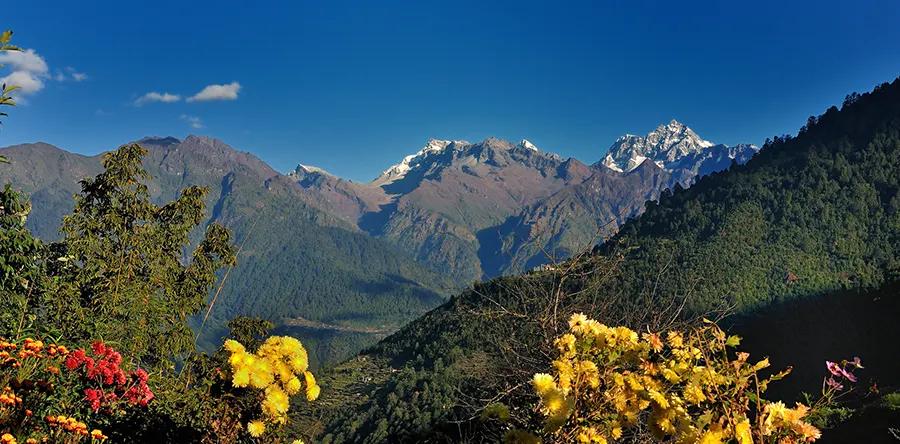
The Helambu region is known for its diverse natural environment. The trek begins in lower hills covered with terraced farmlands and gradually ascends into dense forests filled with rhododendron, oak, and pine trees. During spring, the forests come alive with blooming rhododendrons, creating a colorful and vibrant landscape.
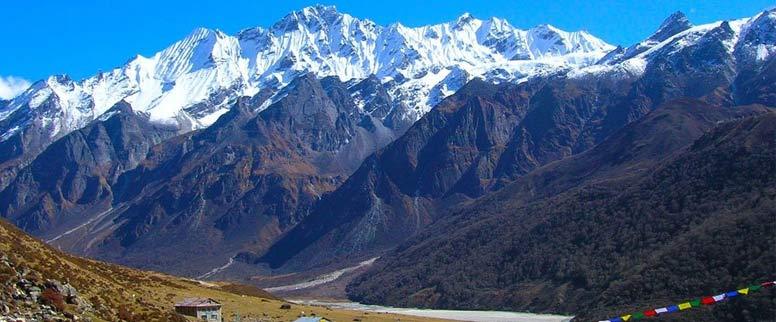
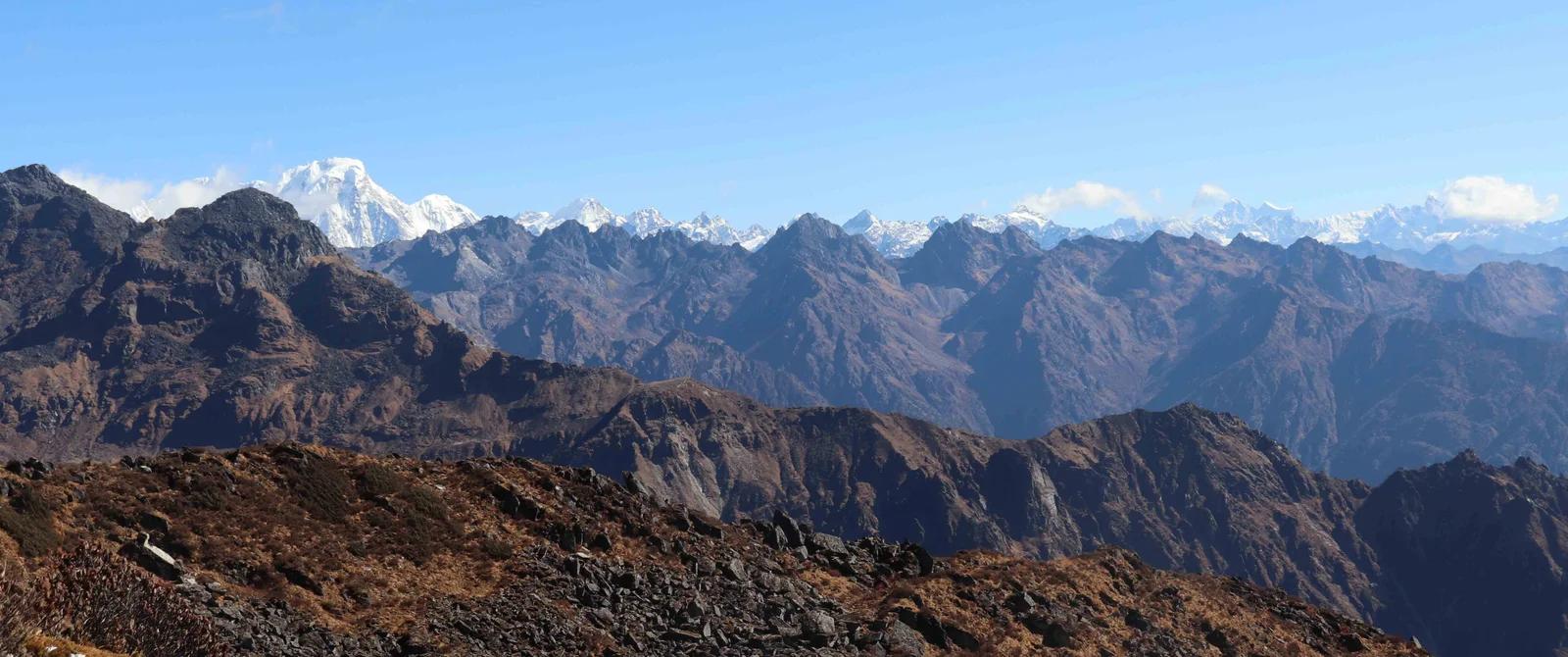
As trekkers gain elevation, the scenery opens up into wide ridgelines offering spectacular views of the Langtang Himalayan range. Peaks such as Dorje Lakpa, Langtang Lirung, and other snow-covered mountains dominate the skyline on clear days. These panoramic views are especially impressive from Thadepati, the highest point of the trek.
The combination of forest trails, alpine ridges, and traditional villages makes the Helambu region one of the most visually diverse trekking areas near Kathmandu.
Cultural Experience in Helambu Region
One of the most unique aspects of the Helambu Trek is its strong cultural identity. The region is primarily inhabited by the Hyolmo (Yolmo) people, who follow Tibetan Buddhist traditions. Their lifestyle, architecture, and spiritual practices are deeply rooted in Himalayan culture.
Villages such as Melamchi Gaun, Tarkeghyang, and Sermathang offer an authentic glimpse into rural mountain life. Ancient monasteries stand at the center of these settlements, where monks perform daily rituals and local residents gather for religious ceremonies. Prayer wheels, chortens, and mani walls are commonly seen along the trail, adding a spiritual atmosphere to the trekking experience.
This cultural depth makes the trek more than just a nature walk—it becomes a journey into the heritage and traditions of the Himalayan people.
Trekking Experience and Difficulty Level
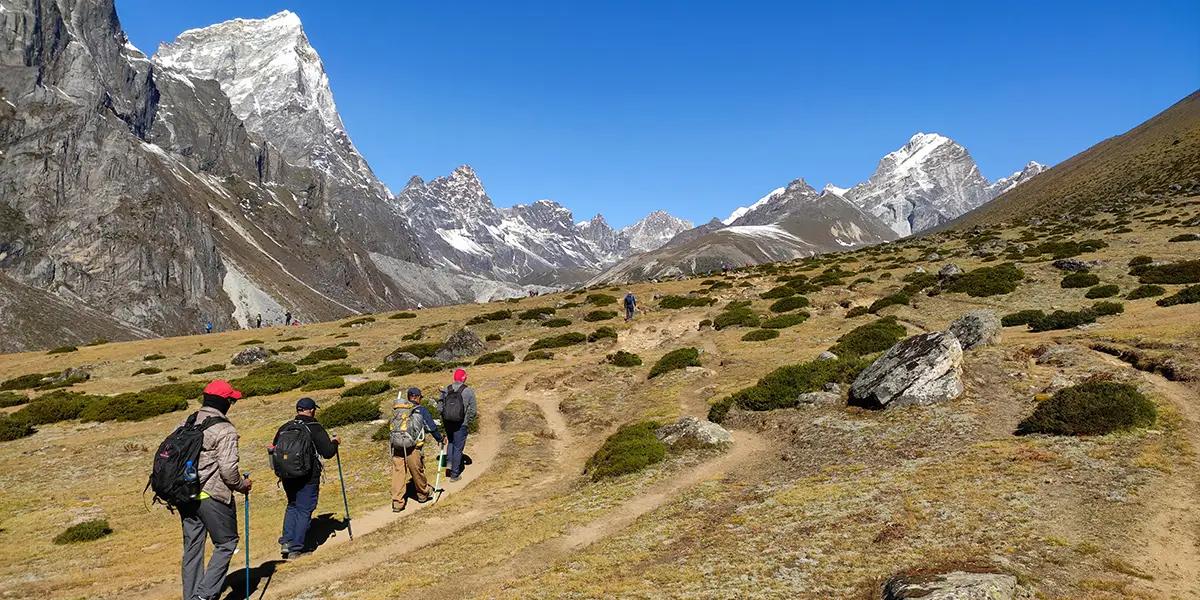
The Helambu route is considered a moderate trekking journey, suitable for beginners with basic fitness levels. Daily walking hours typically range from 4 to 6 hours, depending on the itinerary and pace. The trail includes gradual ascents and descents, with no technical climbing required.
Altitude gain is steady and manageable, with the highest point reaching around 3,690 meters at Thadepati. Because of this moderate elevation profile, the risk of altitude sickness is relatively low compared to higher Himalayan treks.
The Helambu Trek Package is often recommended for first-time trekkers in Nepal, families, and travelers who prefer a less crowded and more relaxed trekking experience.
Accessibility from Kathmandu
One of the strongest advantages of this trek is its proximity to Kathmandu. The journey begins with a short drive from the capital into the foothills of the Helambu region. This easy access makes the Helambu Trek from Kathmandu highly convenient for travelers with limited time.
The return journey is equally simple, with road access from Sermathang or Melamchi Bazaar back to Kathmandu. This eliminates the need for domestic flights or complex logistics, making the trek cost-effective and time-efficient.
Because of this accessibility, Helambu is often chosen as an introductory trekking route for visitors exploring Nepal for the first time.
Best Time for Helambu Trek
The Helambu Trek Best Time is during spring (March to May) and autumn (September to November). These seasons offer the most stable weather conditions, clear skies, and excellent mountain visibility.
In spring, the trails are decorated with blooming rhododendron forests, creating vibrant natural scenery. The temperatures are mild, making trekking comfortable throughout the day.
Autumn is considered the most popular season due to its crystal-clear views of the Himalayas and stable climate after the monsoon. The trails are dry, and visibility is at its peak, making it ideal for photography and mountain observation.
Winter trekking is also possible but can be cold, especially at higher elevations. Monsoon season (June to August) brings heavy rainfall, slippery trails, and reduced visibility, making it less favorable.
Flora, Fauna, and Environment
The Helambu region is rich in biodiversity. Trekkers pass through protected forest areas where various species of birds, animals, and plants can be observed. The lower sections are covered with subtropical vegetation, while higher regions feature alpine forests and open ridges.
Wildlife sightings may include Himalayan birds, monkeys, deer, and various mountain species. The natural environment remains relatively untouched compared to more commercial trekking routes, preserving its peaceful and pristine character.
Accommodation and Local Lifestyle
Accommodation along the Helambu trail consists mainly of teahouses and small family-run lodges. These provide basic but comfortable facilities, including simple rooms and local meals. The hospitality of the local people plays a major role in enhancing the trekking experience.
Meals typically include traditional Nepali food such as dal bhat, noodles, soups, and seasonal vegetables. The simplicity of the food reflects the remote nature of the region while still providing sufficient nutrition for trekking.
The lifestyle in these villages remains traditional, with agriculture, animal husbandry, and small trade forming the main sources of income.
Sustainable and Responsible Trekking
As tourism grows in the region, sustainable trekking practices are becoming increasingly important. Trekkers are encouraged to respect local culture, minimize plastic waste, and support local businesses along the trail. Responsible trekking helps preserve the natural environment and supports the livelihoods of local communities.
Choosing a locally operated Helambu Trek Package also ensures that tourism benefits are directly shared with guides, porters, and villagers.
Trekking Similar to Helambu Trek
- Annapurna Circuit Trek: 15 Night – 16 Days
- Manaslu Circuit trek-14N/15D
- Everest Base Camp Trek- 12 Days/ 11 Night
Nepal Pilgrimage & Cultural Tours
- Buddhist Pilgrimage Tour 6 Nights / 7 Days
- Kathmandu, Pokhara & Muktinath 7 Nights / 8 Days
- 8 Days Culture, Wildlife & Heritage of Nepal
- Mani Rimdu Festival in Everest Region 11 Nights / 12 Days
- 1-Day Kathmandu UNESCO Heritage Tour with Complimentary Nagarkot Sunrise & Rani Jhula
Final Thoughts
The Helambu Trek is a perfect combination of accessibility, cultural richness, and natural beauty. Its close proximity to Kathmandu, moderate difficulty level, and authentic Himalayan atmosphere make it one of the best short trekking options in Nepal. Whether you are a beginner or an experienced trekker, this journey offers a meaningful and memorable experience in the heart of the Himalayas.
Book Your Helambu Trek Today
Experience the beauty of the Himalayas with our Helambu Trek package, a perfect short adventure near Kathmandu. This trek offers stunning mountain views, peaceful forest trails, and rich Hyolmo cultural villages, all in a 9-day journey suitable for beginners and experienced trekkers alike.
Our Helambu Trek from Kathmandu package includes guides, permits, accommodation, meals, and transportation for a safe and hassle-free experience. Discover one of the best short trekking routes in Nepal with comfort and expert support.
Book your Helambu Trek Package today and explore the natural beauty and culture of the Helambu region.
Helambu Trek Nepal 9 Days Highlights
- Spectacular Himalayan Views: Witness breathtaking panoramas of the Langtang Himal range, including peaks like Dorje Lakpa, especially from the scenic ridge at Thadepati (3,690m).
- Ideal Short Trek Near Kathmandu: Experience a complete Himalayan adventure within just 9 days, making it perfect for travelers with limited time.
- Authentic Cultural Experience: Discover the rich traditions of the Hyolmo and Tamang communities in villages like Melamchi Gaun and Tarkeghyang.
- Beautiful & Peaceful Forest Trails: Trek through dense rhododendron, oak, and pine forests, offering serene landscapes and fresh mountain air.
- High Ridge Trekking Experience: Walk along stunning ridgelines with open views of valleys and mountains, adding variety and excitement to the journey.
- Spiritual & Monastic Encounters: Visit ancient Buddhist monasteries, prayer walls, and chortens that reflect the deep spiritual essence of the region.
- Beginner-Friendly Adventure: The trek is graded easy to moderate, suitable for first-time trekkers and those seeking a less strenuous Himalayan route.
- Less Crowded & Offbeat Trail: Enjoy a quieter trekking experience compared to popular routes like Everest Base Camp and Annapurna.
- Diverse Landscapes in a Compact Route: From terraced farmlands to alpine ridges and traditional villages, the trek offers incredible variety in a short duration.
- Easy Accessibility & Return Route: Convenient road access from Kathmandu to the starting point and return from Sermathang via Melamchi makes logistics simple and efficient.
Helambu Trek Route Details
Include
- Airport Transfers: Pickup and drop-off from Tribhuvan International Airport in a private vehicle
- Accommodation in Kathmandu: Standard hotel stay (2 nights) with breakfast
- Teahouse Accommodation During Trek: Comfortable local lodges on twin-sharing basis
- Meals During Trek: Full board meals (Breakfast, Lunch, Dinner) with tea/coffee
- Professional Trekking Guide: Licensed, English-speaking guide with experience in the Helambu region
- Porter Service: 1 porter for 2 trekkers (carrying up to 20–25 kg combined)
- Transportation: Private vehicle for Kathmandu sightseeing and drive to/from trek start and end points
- Kathmandu Sightseeing Tour: Guided tour of UNESCO World Heritage Sites with private transport
- Permits: Langtang National Park Entry Permit & TIMS Card
- First Aid & Safety: Basic first aid kit carried by the guide
- All Government Taxes & Service Charges
Exclude
- International Airfare: Flights to and from Nepal
- Nepal Entry Visa Fees
- Travel Insurance: (Mandatory, should cover trekking and emergency evacuation)
- Personal Expenses: Drinks, snacks, laundry, hot showers, Wi-Fi, and charging fees during trek
- Lunch & Dinner in Kathmandu: Except breakfast
- Trekking Gear: Personal equipment such as sleeping bag, down jacket, trekking poles (can be rented)
- Tips for Guide & Porter: Expected but not mandatory
- Emergency Rescue & Evacuation: In case of unforeseen situations
- Extra Costs Due to Delays: Weather, landslides, strikes, or personal itinerary changes
- Any Services Not Mentioned in the “Includes” Section
Video
Helambu Trek Packing List
Preparing the right gear is essential for a safe and comfortable journey on the Helambu Trek. Since this is an easy to moderate trek with changing weather and varying altitudes, your packing should focus on layering, comfort, and practicality.
Clothing (Layering System)
- Moisture-wicking base layers (t-shirts and thermals)
- Insulating mid-layer (fleece or light jacket)
- Warm down jacket (for higher altitudes)
- Waterproof and windproof jacket (outer shell)
- Trekking pants (quick-dry)
- Comfortable innerwear
- Warm hat or beanie and sun hat
- Gloves (light and warm pair)
- Buff or scarf for dust and cold
Footwear
- Sturdy trekking boots (well broken-in)
- Comfortable camp shoes or sandals
- Wool or synthetic trekking socks (3–5 pairs)
- Blister kit or tape
Trekking Gear and Essentials
- Backpack (30–40L for personal use)
- Duffel bag (carried by porter if applicable)
- Trekking poles (recommended)
- Headlamp with extra batteries
- Reusable water bottles or hydration bladder
- Water purification tablets or filter
- Sunglasses with UV protection
Personal Items and Toiletries
- Toothbrush, toothpaste, biodegradable soap
- Quick-dry towel
- Sunscreen (SPF 30+) and lip balm
- Hand sanitizer and wet wipes
- Toilet paper or tissues
- Personal hygiene items
Health and First Aid
- Personal medications
- Basic first aid kit (bandages, antiseptic, pain relievers)
- Altitude sickness medication (if recommended)
- Oral rehydration salts (ORS)
- Insect repellent
Documents and Money
- Passport and photocopies
- Travel insurance documents
- Trekking permits (TIMS and National Park permit)
- Cash (Nepali Rupees for personal expenses)
Extras and Optional Items
- Power bank or extra batteries
- Camera or smartphone
- Notebook or journal
- Snacks (energy bars, nuts, dried food)
- Lightweight book or playing cards
Packing Tips
- Pack light but include all essentials
- Use a layering system for temperature changes
- Keep daily essentials in your daypack
- Use waterproof bags or rain covers to protect your gear
Helambu Trek Nepal 9 Days FAQs
The Helambu Trek is located in the Langtang region of Nepal, just north of Kathmandu. It lies within Sindhupalchok District and covers scenic villages such as Kutumsang, Thadepati, Melamchi Gaun, Tarkeghyang, and Sermathang.
The Helambu Trek is considered easy to moderate. It does not require technical climbing skills, but trekkers should be prepared for daily walking of 4–6 hours with gradual altitude gain up to 3,690 meters.
A standard Helambu Trek itinerary takes around 7 to 9 days, depending on the route, walking pace, and included sightseeing in Kathmandu.
The highest point of the trek is Thadepati, which is approximately 3,690 meters above sea level.
The best seasons are spring (March to May) and autumn (September to November). These months offer clear skies, stable weather, and excellent mountain views.
Yes, trekkers need a Langtang National Park Entry Permit and a TIMS (Trekkers’ Information Management System) card to complete the trek legally.
Accommodation is in basic teahouses and lodges along the route. Rooms are simple, usually twin-sharing, with common dining areas.
Teahouses provide a variety of meals including dal bhat (rice and lentils), noodles, soups, potatoes, eggs, and basic continental dishes. Meals are freshly prepared using local ingredients.
Yes, it is one of the best beginner-friendly treks in Nepal due to its moderate altitude, short duration, and well-established trails.
The trek usually starts with a drive from Kathmandu to Thankune Bhanjyang or Sundarijal, depending on the route, followed by trekking through the Helambu region.
Foreign trekkers need a Langtang National Park Permit and a TIMS card. These are usually arranged by trekking agencies.
The risk is relatively low compared to high-altitude treks, but mild symptoms can still occur above 3,000 meters. Proper hydration and slow ascent help prevent issues.
You should pack layered clothing, trekking boots, a warm jacket, rain gear, personal toiletries, a first aid kit, and essential documents.
Mobile coverage is available in some villages, but it becomes weak or unavailable in higher and remote sections.
Yes, but it is recommended to hire a guide or join a group for safety, navigation, and better cultural experience.
Reviews
No reviews found.