

Har Ki Dun Trek from Nepal | 10 Days Trekking Package
Destination:
Har Ki Dun Valley, Uttarakhand, India
Trip Duration:
10 Days / 9 Nights
Max Altitude:
3,566 m / 11,700 ft
Activities:
Trekking, Hiking, Mountain Views, Village Walk, Nature Exploration, Cultural Experience, Photography
Start Point:
Kathmandu, Nepal
Ending Point:
Kathmandu, Nepal
Region:
Garhwal Himalaya, Uttarakhand, India
Trip Grade:
Moderate
Group Size:
2–12 people
Accomodation:
3-Star Hotel, Mountain Guesthouse/Lodge & Camping
Meals:
Breakfast in cities; Breakfast, Lunch & Dinner during trekking
Transportation:
Domestic/International Flight, Private Vehicle, Mountain Jeep & Local Transfers
Permits Required:
Forest/trekking permits and entry permissions as applicable; Indian visa required for eligible foreign travelers
Best Season:
April–June and September–November
Har Ki Dun Trek from Nepal
A Himalayan Journey from Nepal to Uttarakhand
The Har Ki Dun Trek from Nepal offers a distinctive opportunity to explore the Indian Himalayas while beginning the journey in Nepal. This cross-border Himalayan adventure connects Kathmandu with the mountain landscapes of Uttarakhand, introducing travelers to the natural and cultural character of the Garhwal Himalaya.
For travelers searching for a Har Ki Dun Trek from Kathmandu, the journey provides more than a conventional trekking holiday. It combines international travel with an immersive Himalayan experience where forests, mountain settlements, river valleys and traditional communities become part of the journey.
Discover the Garhwal Himalaya
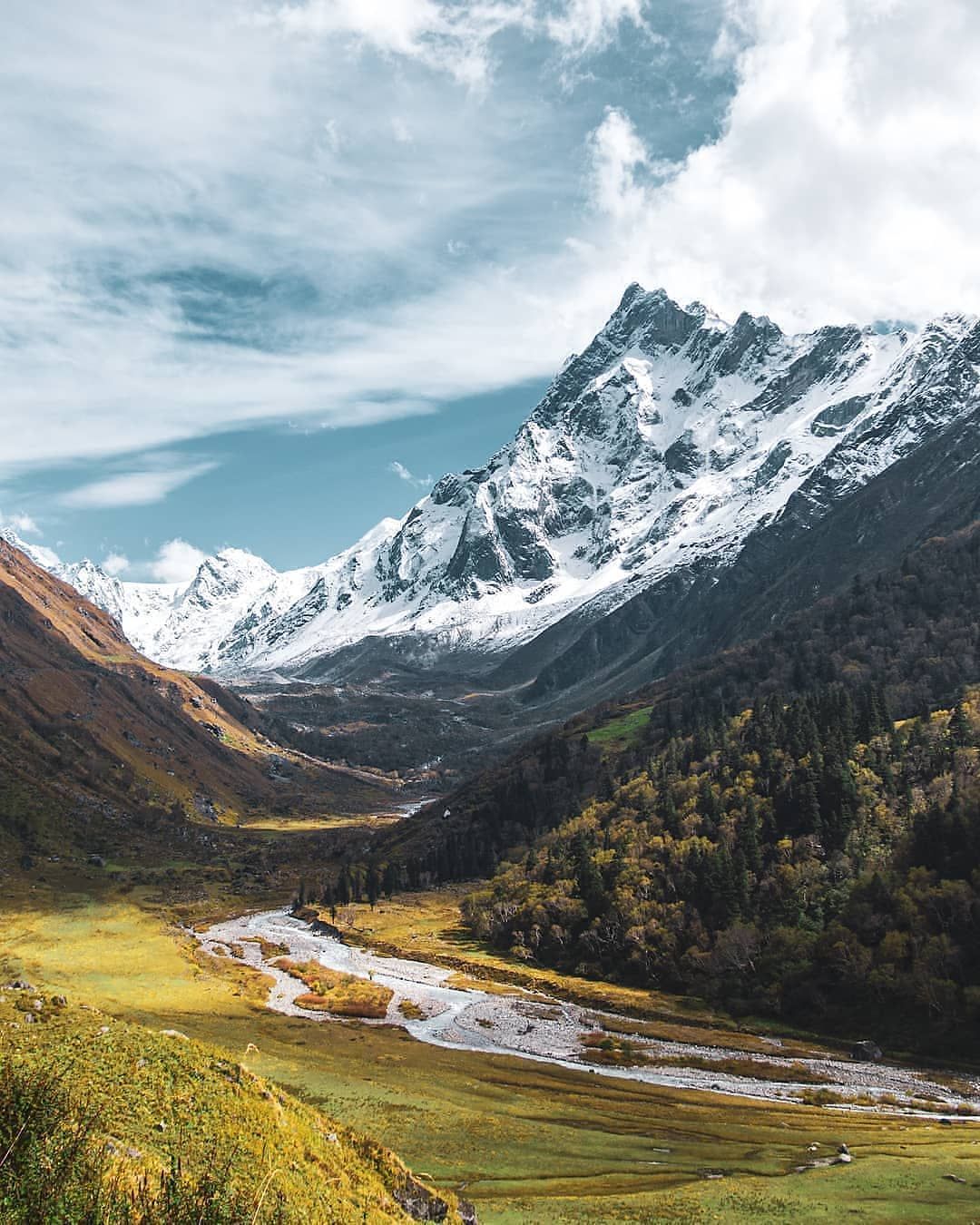
The Garhwal Himalaya has a distinct identity within the wider Himalayan mountain system. Its landscapes range from forested valleys and agricultural settlements to expansive alpine environments. The Har Ki Dun Valley Trek allows travelers to experience these changing environments gradually rather than simply arriving at a high-altitude destination.
As the journey moves away from major cities, the landscape becomes increasingly rural. Mountain communities, cultivated slopes and traditional settlements provide an insight into how people have adapted their lives to challenging Himalayan terrain. The surrounding environment remains closely connected with everyday life, agriculture and local traditions.
Experience Traditional Himalayan Villages
One of the most rewarding aspects of the Har Ki Dun Trek is the opportunity to encounter traditional mountain communities. Villages along the trekking region provide a glimpse into local architecture, agricultural practices and the cultural heritage of Uttarakhand.
Walking through these communities creates a more personal experience than simply observing them from a vehicle. Travelers can see traditional houses, cultivated terraces, local pathways and the relationship between villages and the surrounding mountains.
The cultural experience is an important part of the Har Ki Dun Trek package from Nepal, particularly for travelers interested in combining trekking with authentic Himalayan encounters.
Forests, Rivers and Mountain Landscapes
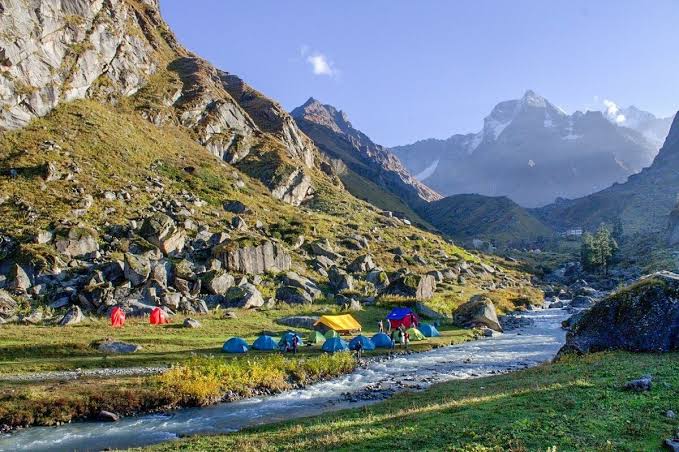
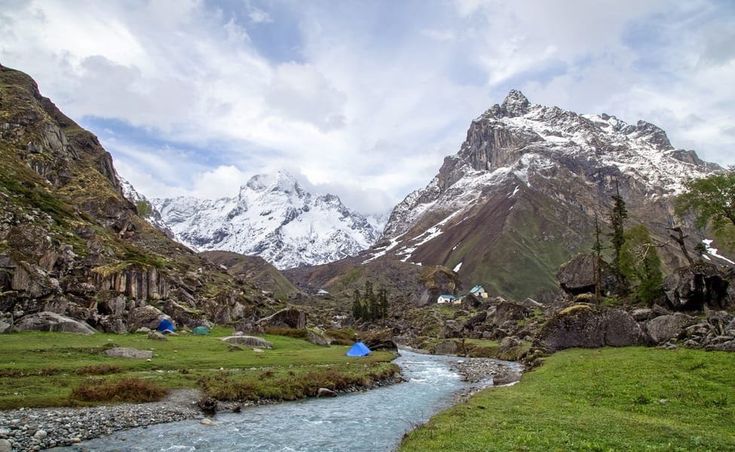
The natural scenery changes continuously throughout the journey. Forest trails create shaded walking sections, while open areas reveal broader views of the surrounding mountains. Rivers and streams add movement to the landscape, and changing elevation gradually introduces a different Himalayan environment.
The combination of forests, waterways, meadows and mountain scenery makes this Uttarakhand Trek from Nepal particularly diverse. Rather than experiencing one type of landscape throughout the journey, trekkers encounter several distinct environments within a single adventure.
This variety also makes the trek attractive to nature lovers and photographers. Mountain light, changing weather, village scenes and natural landscapes provide opportunities for photography throughout the journey.
A Cultural and Nature-Based Trekking Experience
The Har Ki Dun Trek from Kathmandu is well suited to travelers who want more than a physically focused hiking experience. The journey creates opportunities to observe local culture while spending extended periods in natural surroundings.
Traditional architecture, agricultural landscapes and village life provide a cultural dimension, while forests and mountain valleys create the natural backdrop. Together, these elements create a balanced Himalayan experience.
Travelers are encouraged to approach local communities respectfully, particularly when photographing people, entering village areas or observing cultural activities.
Slow Travel in the Himalayas
One of the defining characteristics of this journey is its slower pace. Away from major urban areas, everyday travel becomes less focused on schedules and more focused on the surrounding environment.
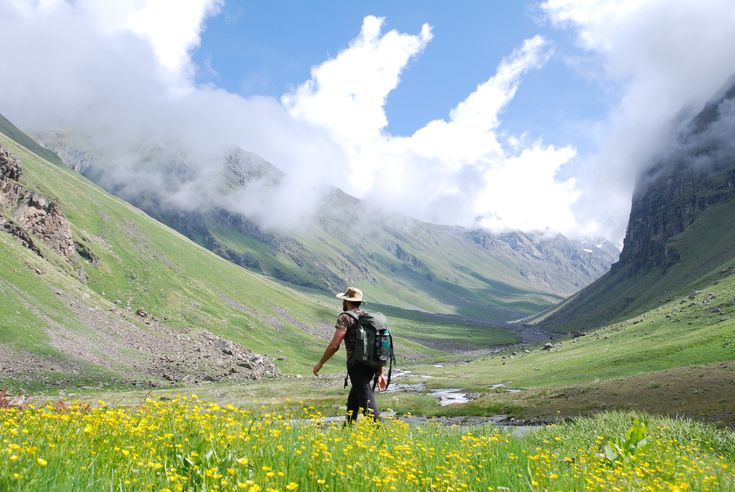
Walking through mountain landscapes provides time to appreciate details that can easily be missed during conventional sightseeing. Small streams, forest sounds, mountain vegetation, traditional homes and changing views become part of the experience.
For travelers looking to disconnect from the fast pace of city life, the Har Ki Dun Trek from Nepal provides an opportunity to spend meaningful time outdoors and experience the mountains at a more natural rhythm.
An Accessible Introduction to the Indian Himalayas
The Har Ki Dun Trek package from Nepal can also appeal to trekkers who want to explore the Indian Himalayas without undertaking a technical mountaineering expedition. The experience is centered on sustained walking and adapting to mountain environments rather than technical climbing.
This makes the journey an interesting option for travelers who have already experienced trekking in Nepal and want to discover another part of the Himalayan range.
The cross-border nature of the journey also gives experienced Nepal-based trekkers a chance to compare the landscapes and cultural character of Uttarakhand with the Himalayan destinations they may already know.
From Kathmandu to the Indian Himalayas
For travelers beginning in Nepal, the journey provides a natural connection between Kathmandu and Uttarakhand. Kathmandu serves as the starting point before the route continues toward the Indian Himalayas.
Searching for a Har Ki Dun Trek itinerary from Kathmandu often means looking beyond the trekking trail itself. The overall experience includes the transition from an international Himalayan capital to India’s mountain environment and finally into the quieter valleys surrounding the trekking region.
This makes the trip suitable for travelers who enjoy the journey as much as the destination.
Seasonal Character of the Trek
The Himalayan environment changes throughout the year. Vegetation, weather, visibility and trail conditions can vary depending on the season. These seasonal differences can significantly influence the character of the landscape.
Travelers should therefore approach the Har Ki Dun Trek with an understanding that Himalayan conditions are naturally variable. Weather can influence visibility and trail conditions, while seasonal changes can alter the appearance of forests, meadows and surrounding mountains.
This natural variation is one of the characteristics that makes returning to Himalayan destinations a different experience each time.
Why Choose the Har Ki Dun Trek from Nepal?
The Har Ki Dun Trek from Nepal combines several elements into one journey: cross-border travel, Himalayan landscapes, traditional communities, nature exploration and trekking.
Rather than focusing solely on reaching a particular point, the experience encourages travelers to appreciate the entire journey. The transition from Kathmandu to Uttarakhand, the gradual change in landscapes and the encounters with mountain communities all contribute to the character of the trip.
For travelers searching for an Indian Himalaya trek from Nepal, this journey provides an opportunity to explore a lesser-known side of the Himalayan region while experiencing the distinctive culture and landscapes of Uttarakhand.
Experience Har Ki Dun from Nepal
The Har Ki Dun Trek package from Nepal is ultimately a journey through changing landscapes and cultures. It connects Nepal with the Garhwal Himalaya and offers travelers the opportunity to experience Uttarakhand through walking, exploration and cultural encounters.
From traditional mountain communities to quiet forests and expansive Himalayan scenery, the journey offers a different perspective on the Himalayas. For those searching for a Har Ki Dun Trek from Kathmandu, it provides an opportunity to discover a new Himalayan destination while enjoying a thoughtfully organized cross-border adventure.
Har Ki Dun Trek from Nepal – Frequently Asked Questions
These FAQs are based on recurring questions appearing in current search results and trekking/travel guides, with the answers adapted specifically for your Har Ki Dun Trek from Nepal package.
1. How difficult is the Har Ki Dun Trek?
The Har Ki Dun Trek is generally described as easy to moderate or moderate. It does not involve technical climbing, but trekkers need reasonable cardiovascular fitness because of the repeated walking days and changing altitude.
2. What is the best time for the Har Ki Dun Trek?
The commonly recommended trekking periods are April to June and September to November. Spring and early summer offer greener landscapes and flowering vegetation, while the post-monsoon period generally provides clearer mountain views and autumn scenery. Winter conditions can be substantially colder and snowier.
3. Is Har Ki Dun Trek suitable for beginners?
Yes. Previous Himalayan trekking experience is generally not essential because the route does not require technical climbing skills. However, beginners should prepare for several consecutive days of walking and be comfortable hiking for multiple hours per day.
4. What is the maximum altitude of the Har Ki Dun Trek?
The Har Ki Dun Valley is approximately 3,566 m (11,700 ft) above sea level. The gradual approach from Sankri allows trekkers to gain altitude progressively rather than reaching the valley directly from a low-altitude location.
5. How many days are required for the Har Ki Dun Trek?
The core trek from the Sankri area is commonly organized over approximately 6–9 days, depending on the route, acclimatization stops and side excursions. Your Har Ki Dun Trek from Nepal is organized as a 10-day/9-night complete journey because it also includes the Kathmandu–Delhi–Dehradun travel connections.
6. Do I need a permit for the Har Ki Dun Trek?
Yes, trekking in the protected areas around Har Ki Dun can require forest, wildlife sanctuary or other local permissions. Requirements and fees can change, particularly for international visitors, so the applicable permits should be confirmed for the traveler’s nationality and departure date before the trek.
7. How do I reach Har Ki Dun from Nepal?
For this Har Ki Dun Trek from Nepal, the journey begins in Kathmandu and continues to Delhi before traveling onward to Dehradun and Sankri. From Sankri, a local mountain transfer reaches Taluka, where the main trekking route begins toward Seema, Osla and Har Ki Dun.
8. Is Har Ki Dun Trek open during winter?
Winter trekking is possible in some circumstances, but snow can significantly change trail conditions and increase the difficulty of the journey. Winter conditions should be checked before departure, and the operating route should be confirmed with the local trekking team.
9. Is mobile network available during the Har Ki Dun Trek?
Mobile connectivity becomes limited as you move deeper into the trekking area. Current trekking guides report that connectivity is available around some lower settlements but can disappear on sections between Seema and Har Ki Dun. Travelers should therefore avoid relying on continuous mobile coverage during the trek.
10. What makes the Har Ki Dun Trek special?
The Har Ki Dun Valley Trek combines mountain scenery with forests, river valleys, alpine landscapes and traditional Himalayan settlements. The route’s cultural character, particularly around villages such as Osla, makes it different from a trek focused solely on reaching a high viewpoint or summit.
Har Ki Dun Trek from Nepal | 10 Days Trekking Package Highlights
- Trek through the spectacular Har Ki Dun Valley in the Garhwal Himalayas of Uttarakhand, India.
- Experience a complete Nepal-to-India Himalayan trekking journey starting and ending in Kathmandu.
- Explore the traditional Himalayan village of Osla, known for its distinctive wooden houses, terraced fields and mountain culture.
- Follow the scenic Supin River through dense pine, deodar and Himalayan oak forests.
- Reach Har Ki Dun Valley at approximately 3,566 m, surrounded by dramatic Himalayan peaks and alpine meadows.
- Enjoy spectacular views toward the Swargarohini mountain range in clear weather.
- Walk through changing landscapes from river valleys and forests to alpine meadows and high-altitude terrain.
- Experience traditional Garhwali mountain villages and rural Himalayan lifestyles.
- Enjoy a dedicated Har Ki Dun Valley exploration and acclimatization day.
- Stay in a combination of comfortable city hotels, mountain guesthouses and Himalayan campsites.
- Experience freshly prepared Breakfast, Lunch and Dinner during the trekking section.
- Travel through the scenic mountain roads connecting Dehradun, Mori, Purola and Sankri.
- Combine trekking with nature photography, village exploration, mountain sightseeing and cultural experiences.
- Enjoy a carefully paced 10-day / 9-night itinerary with transportation between Nepal, Delhi, Dehradun and the trekking region.
- Experience the quieter side of the Indian Himalayas away from major urban destinations.
Har Ki Dun Trek from Nepal: Kathmandu to Har Ki Dun via Delhi, Dehradun & Sankri
The Har Ki Dun Trek from Nepal begins in Kathmandu with onward travel to Delhi, followed by a scenic journey to Dehradun, Uttarakhand, the gateway to the Garhwal Himalayas. From Dehradun, the route continues through the mountain roads toward Sankri, the main base village for the Har Ki Dun Trek. After an overnight stay and trek preparation in Sankri, a short mountain jeep drive takes you to Taluka, the starting point of the trekking trail.
From Taluka, the Har Ki Dun Trek route follows the beautiful Supin River through dense Himalayan forests, streams, wooden bridges and traditional mountain settlements. The trail gradually climbs toward Seema and Osla, where trekkers can experience the traditional lifestyle, architecture and landscapes of the Garhwal Himalaya. Continuing deeper into the valley, the route reaches Har Ki Dun Valley at approximately 3,566 m, surrounded by alpine meadows and spectacular Himalayan mountain scenery, including views toward the Swargarohini range in favorable weather.
The itinerary includes a dedicated Har Ki Dun Valley exploration day, allowing trekkers to enjoy the alpine landscape and nearby viewpoints at a comfortable pace. After exploring the valley, the trek retraces the route through Seema and Taluka before returning to Sankri. The journey then continues by road from Sankri to Dehradun and onward to Delhi, before the final flight back to Kathmandu. This 10-day Har Ki Dun Trek package from Nepal combines international travel, Himalayan road journeys, village experiences and guided trekking into one complete Nepal-to-India trekking itinerary.
Arrow Map
Kathmandu 🇳🇵 → Delhi → Dehradun → Sankri → Taluka → Seema → Osla → Har Ki Dun (3,566 m) → Seema → Taluka → Sankri → Dehradun → Delhi → Kathmandu 🇳🇵
Include
- Airport pickup and drop-off in Kathmandu and Delhi as per the confirmed itinerary.
- Return flight Kathmandu–Delhi–Kathmandu, if included in the selected package.
- Transportation between Delhi, Dehradun and Sankri by suitable private/shared vehicle.
- Mountain jeep transfer from Sankri to Taluka and Taluka to Sankri.
- Accommodation in 3-star hotels in Delhi.
- Accommodation in guesthouses/mountain lodges in Sankri.
- Basic lodge/guesthouse or camping accommodation during the trekking section.
- Tent accommodation at Har Ki Dun during the high-altitude camping nights.
- Breakfast, lunch and dinner during trekking days.
- Breakfast at the city hotels as specified in the itinerary.
- Experienced English-speaking trekking guide.
- Required trekking support staff and local trekking crew.
- Camping equipment, including tents, dining tent and kitchen equipment where camping is arranged.
- Sleeping bags and mattresses for camping, where provided by the operator.
- Applicable trekking, forest and entry permits included in the package.
- Necessary local transportation and transfers mentioned in the itinerary.
- Basic first-aid kit carried by the trekking team.
- Government/local taxes applicable to the included services.
- Guided exploration of Har Ki Dun Valley.
- Assistance throughout the trek from the trekking team.
Exclude
- International or domestic flights unless specifically mentioned in the confirmed package price.
- Indian visa fees and related visa-processing expenses.
- Travel insurance, including emergency evacuation and medical coverage.
- Personal expenses such as laundry, telephone calls, Wi-Fi and other communication costs.
- Bottled/mineral water and personal beverages.
- Alcoholic drinks and other beverages outside the included meal plan.
- Snacks, chocolates, energy bars and other personal food items.
- Personal trekking equipment and clothing.
- Trekking shoes, jackets, gloves, sunglasses and other personal gear.
- Backpack/daypack and other personal luggage expenses.
- Porter services for personal luggage unless specifically included.
- Horse/mule services for personal baggage unless specifically mentioned.
- Emergency evacuation by helicopter or other means.
- Medical treatment, medicines and hospital expenses.
- Costs resulting from delays, road closures, flight cancellations, bad weather or other circumstances beyond the operator's control.
- Additional accommodation or meals caused by an extended stay outside the planned itinerary.
- Tips and gratuities for guides, drivers and trekking staff.
- Personal sightseeing in Delhi or other cities not specifically mentioned in the itinerary.
- Any service not specifically listed under Trip Includes.
Har Ki Dun Trek from Nepal | 10 Days Trekking Package Itinerary
Duration: 1.5–2 hours flight + airport/transfer time
Accommodation: 3-star hotel in Delhi
Meals: Breakfast, depending on flight timing
Your journey begins in Kathmandu, Nepal, with a flight to New Delhi, India. After completing immigration and customs formalities at Indira Gandhi International Airport, you will meet the representative and transfer to your hotel. The rest of the day is kept free for rest after the international journey. If your arrival is early, you may explore nearby parts of Delhi, but it is advisable to keep the evening relaxed because the following day involves a long road journey into the Himalayas. Overnight at a comfortable 3-star hotel in Delhi.
Duration: Approximately 9–11 hours by road/train + road
Distance: Delhi–Dehradun approximately 250 km; Dehradun–Sankri approximately 200 km
Accommodation: Hotel/guesthouse in Sankri
Meals: Breakfast, Lunch & Dinner
After an early breakfast, travel from Delhi toward Dehradun, the gateway to the Garhwal Himalayas. Depending on the final transportation arrangement, this section can be operated by train or private vehicle. From Dehradun, continue by road toward Sankri, passing through Mussoorie, Naugaon, Purola, Mori and the Tons River valley. The mountain scenery becomes increasingly dramatic as the road enters the remote Garhwal region. Sankri, at around 1,900–2,000 m, is the principal base for the Har Ki Dun trek.
Arrive in Sankri in the late afternoon or evening. Check into your guesthouse, meet the trekking guide and crew, complete a briefing, and check your trekking equipment. Enjoy a warm dinner and rest before beginning the trek the next morning.
Duration: 45–60 minutes jeep drive + 5–7 hours trekking
Distance: Approximately 12 km drive + 11–14 km trek
Accommodation: Trekker lodge/guesthouse or camping at Seema
Meals: Breakfast, Lunch & Dinner
After an early breakfast, drive from Sankri to Taluka, the traditional roadhead for the Har Ki Dun trek. The approximately 12-km mountain road normally takes around 45–60 minutes, although road conditions can affect the journey. From Taluka, begin trekking along the Supin River through forests of pine, deodar, walnut and other Himalayan vegetation. The trail includes wooden bridges, streams, forest sections and small mountain settlements.
Continue toward Osla and Seema, taking regular breaks along the river. The walking section generally takes around 5–7 hours depending on the exact campsite and group pace. Seema is located at roughly 2,500–2,600 m. On arrival, check into a basic mountain lodge or settle into your campsite. Dinner will consist of freshly prepared mountain food such as dal, rice, vegetables, chapati and soup. Overnight at Seema.
Duration: Approximately 5–7 hours trekking
Distance: Approximately 11–12 km
Accommodation: Camp at Har Ki Dun
Meals: Breakfast, Lunch & Dinner
After breakfast, begin the most scenic section of the trek toward Har Ki Dun Valley. The trail gradually climbs through forests, meadows and open mountain terrain while following the upper Supin Valley. As you gain altitude, the landscape becomes increasingly alpine, with broad meadows, glacial streams and dramatic mountain walls surrounding the trail.
The route from Seema toward Har Ki Dun is generally around 11–12 km and takes approximately 5–7 hours depending on the route and walking pace.
By afternoon, arrive at Har Ki Dun, situated at approximately 3,566 m. The valley is surrounded by impressive Himalayan peaks, including views toward the Swargarohini massif when weather conditions are clear. After reaching camp, enjoy lunch or refreshments, settle into your tent and spend the evening exploring the immediate surroundings. Dinner is served at camp, followed by an overnight stay beneath the Himalayan sky.
Duration: 4–7 hours optional exploration
Distance: Approximately 4–8 km depending on excursion
Accommodation: Camp at Har Ki Dun
Meals: Breakfast, Lunch & Dinner
Today is dedicated to exploring the Har Ki Dun Valley and allowing your body to adjust to the higher altitude. After breakfast, take a relaxed walk around the valley with your guide. Depending on weather, trail conditions and group fitness, optional excursions toward viewpoints, alpine meadows or nearby areas such as Morinda Tal may be arranged. Some itineraries also offer longer excursions toward the Jaundhar Glacier area, but these should only be undertaken when conditions and timing are suitable.
The day is intentionally less strenuous than the main trekking days. Enjoy the views of the surrounding peaks, photograph the valley and observe the changing Himalayan landscape. Return to camp for lunch and spend the afternoon resting. A warm dinner will be served at the campsite before another night at high altitude.
Duration: Approximately 5–6 hours trekking
Distance: Approximately 11–12 km
Accommodation: Camp/guesthouse at Seema or Osla
Meals: Breakfast, Lunch & Dinner
After breakfast, begin the descent from Har Ki Dun, following the same valley trail toward Seema and Osla. Descending gives you a different perspective of the landscape, with the trail gradually moving from open alpine terrain back into forests and lower mountain vegetation.
Continue through the Supin Valley, taking breaks beside the river and enjoying the changing scenery. The descent generally takes around 5–6 hours.
Arrive at Seema or the Osla area in the afternoon. After checking into the campsite or local guesthouse, relax and enjoy a hot meal. If time permits, you can take a short walk around the village and observe the traditional Himalayan architecture and agricultural terraces. Overnight at Seema/Osla.
Duration: 4–6 hours trekking + approximately 1 hour jeep drive
Distance: Approximately 11–14 km trek + 12 km drive
Accommodation: Hotel/guesthouse in Sankri
Meals: Breakfast, Lunch & Dinner
After breakfast, begin the final trekking section toward Taluka. The trail descends through the forest alongside the Supin River. Because this is the final trekking day, take your time and enjoy the forest scenery and mountain villages that you may have passed quickly during the uphill journey.
Reach Taluka after approximately 4–6 hours of walking, depending on the exact starting point and pace. From Taluka, board a local jeep and drive approximately 12 km back to Sankri.
Once in Sankri, check into your guesthouse and enjoy a hot shower and a comfortable bed. The evening can be spent relaxing in the village or celebrating the completion of the trek with the trekking team. Overnight in Sankri.
Duration: Approximately 8–10 hours Sankri–Dehradun + onward transfer to Delhi
Accommodation: 3-star hotel in Delhi
Meals: Breakfast, Lunch & Dinner
After an early breakfast, leave Sankri and begin the long drive back toward Dehradun. The road descends through the Tons Valley, passing Mori, Purola, Naugaon and Mussoorie before reaching Dehradun. The Sankri–Dehradun journey is approximately 200–220 km and commonly takes around 8–10 hours, depending on road conditions.
After reaching Dehradun, continue onward to Delhi by train or private vehicle according to the confirmed transportation schedule. Upon arrival in Delhi, transfer to your hotel, check in and rest after the long mountain journey. Overnight at a 3-star hotel in Delhi.
Duration: Flexible
Accommodation: 3-star hotel in Delhi
Meals: Breakfast & Dinner
This day is kept as a buffer and leisure day for an international inbound itinerary. It provides additional flexibility in case mountain-road conditions, weather or transportation delays affect the previous day’s journey. After breakfast, guests can rest at the hotel or explore selected attractions in Delhi depending on their international flight schedule.
For a more active program, optional sightseeing can include major Delhi landmarks and cultural areas. Return to the hotel in the evening and prepare for the flight back to Nepal the following day. Overnight in Delhi.
Duration: Approximately 1.5–2 hours flight + airport procedures
Accommodation: Not included / own arrangement
Meals: Breakfast
After breakfast, transfer to Indira Gandhi International Airport for your return flight to Kathmandu, Nepal. Complete the required airport and immigration formalities and board your flight to Kathmandu. Upon arrival in Nepal, the Har Ki Dun Trek from Nepal officially concludes.
Video
Har Ki Dun Trek from Nepal – Packing List
Essential Documents
- Passport and required travel documents
- Indian visa, where applicable
- Travel insurance documents
- Flight and transportation tickets
- Trekking permits and identification copies
- Emergency contact information
- Small waterproof document pouch
Clothing
- Quick-dry trekking T-shirts
- Full-sleeve thermal base layers
- Thermal innerwear
- Fleece jacket
- Warm down/synthetic jacket
- Waterproof and windproof jacket
- Trekking pants
- Thermal trousers
- Lightweight comfortable trousers for evenings
- Underwear and socks
- Warm woolen socks
- Gloves
- Warm hat/beanie
- Sun hat or cap
- Neck gaiter or buff
Footwear
- Waterproof trekking boots with good ankle support
- Lightweight camp shoes or sandals
- Gaiters, especially during snowy or muddy conditions
Backpack & Bags
- 40–60 L trekking backpack
- 15–25 L daypack
- Rain cover for backpack
- Waterproof dry bags or packing cubes
- Small waist pouch for valuables
Sleeping & Camping
- Sleeping bag suitable for cold Himalayan nights
- Sleeping bag liner
- Lightweight travel pillow or inflatable pillow
- Headlamp with spare batteries
Personal & Hygiene Items
- Toothbrush and toothpaste
- Biodegradable soap
- Small towel
- Wet wipes
- Hand sanitizer
- Toilet paper and tissues
- Lip balm
- Moisturizer
- Sunscreen
- Personal toiletries
- Quick-dry towel
Health & First Aid
- Personal prescription medicines
- Basic first-aid kit
- Blister treatment
- Bandages and antiseptic wipes
- Pain-relief medication
- ORS/electrolyte packets
- Motion-sickness medicine if required
- Any altitude-related medication prescribed by your doctor
Sun & Weather Protection
- UV-protection sunglasses
- Sunscreen
- Sun hat/cap
- Rain jacket
- Waterproof backpack cover
- Lightweight umbrella, optional
Electronics
- Mobile phone
- Power bank
- Charging cables
- Universal travel adapter
- Camera and spare batteries, if required
- Headphones/earphones
Trekking Accessories
- Trekking poles
- Water bottles or hydration bladder
- Water purification tablets/filter
- Reusable water bottle
- Sunglasses
- Small headlamp
- Multi-purpose pocket knife/tool, where legally permitted
- Trekking towel
- Lightweight snacks and energy bars
Recommended Personal Items
- Small amount of Indian currency
- Reusable shopping bag
- Notebook and pen
- Earplugs
- Small garbage bags for personal waste
- Camera or binoculars, optional
Packing Tip: Keep your main luggage as light as possible and carry only essential trekking equipment on the trail. Weather in the Garhwal Himalayas can change quickly, so warm layers, waterproof protection and proper trekking footwear are particularly important for the Har Ki Dun route.
Reviews
No reviews found.