
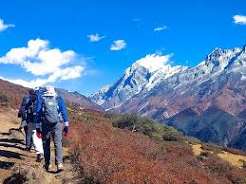
Goecha La Trek from Nepal – 14 Days | Sikkim Trek
Destination:
Goecha La, Sikkim, India
Trip Duration:
14 Days / 13 Nights
Max Altitude:
4,600 m / 15,092 ft – Goecha La Viewpoint 1
Activities:
Trekking, Hiking, Mountain Viewing, Camping, Sightseeing, Cultural Experience
Start Point:
Kathmandu, Nepal
Ending Point:
Kathmandu, Nepal
Region:
Sikkim, India – Kanchenjunga Region
Trip Grade:
Challenging
Group Size:
2–12 people
Accomodation:
Hotels/Lodges in Kathmandu, Siliguri, Yuksom and Pelling; Tea houses/trekking lodges where available; Camping during the trek
Meals:
Lunch and Dinner
Transportation:
Tourist/Private Vehicle, Road Transportation, Trekking
Permits Required:
Indian entry/immigration documentation, Sikkim permits, Protected Area/National Park permits and trekking registration as applicable
Best Season:
March–May and October–November
A Journey from Nepal to the Himalayas of Sikkim
The Goecha La Trek from Nepal is a challenging Himalayan adventure that connects the landscapes of Nepal with the high mountain wilderness of Sikkim, India. Rather than beginning directly in Sikkim, this journey is designed for travelers who want to start and finish their adventure in Kathmandu and experience the overland transition from Nepal into the eastern Himalayas. The journey gradually changes from the busy urban environment of Kathmandu to the subtropical plains of eastern Nepal, the foothills of West Bengal and finally the remote mountain landscapes surrounding the Kanchenjunga region. This changing environment makes the experience more than a conventional trekking holiday, as the journey itself becomes an important part of the adventure.
Discovering Sikkim Beyond the Usual Himalayan Trails
Sikkim offers a distinctive Himalayan experience shaped by its mountain geography, forests, Buddhist heritage and diverse communities. The Goecha La region lies in the eastern Himalayas beneath some of the world’s most impressive mountain landscapes. Unlike many popular Himalayan routes that are dominated by villages and established trekking infrastructure, this journey moves progressively into quieter forests and alpine environments. The route provides an opportunity to observe how the landscape changes with elevation, from lush vegetation in the lower valleys to rhododendron forests, open meadows and rugged high-altitude terrain.
For travelers familiar with trekking in Nepal, the Goecha La Trek Sikkim experience offers a different perspective of the Himalayas. The mountain scenery is strongly influenced by the Kanchenjunga massif and surrounding peaks, while the route itself has its own character, vegetation and cultural setting. The combination of Nepalese and Sikkimese landscapes creates a distinctive cross-border travel experience without making the trek feel like an extension of a conventional Nepal trekking route.
A Gradual Introduction to the Mountain Environment
The journey toward the trekking region is deliberately gradual. After leaving Kathmandu, the route passes through eastern Nepal before entering India and continuing toward Sikkim. This transition provides time to adjust to the changing environment before reaching the trailhead. Once in Yuksom, the atmosphere changes completely. The road journey gives way to walking trails, forest paths and mountain landscapes, creating a strong sense of entering a more remote Himalayan environment.
The lower sections of the trek are particularly attractive for nature lovers. Thick forests provide a constantly changing backdrop as the trail moves deeper into the mountains. Depending on the season, rhododendrons can add vibrant color to the landscape, while moss-covered trees, ferns, mountain streams and birds contribute to the feeling of walking through an untouched Himalayan ecosystem. The forest gradually becomes thinner as the route gains elevation, eventually giving way to alpine terrain.
The Character of the Goecha La Experience
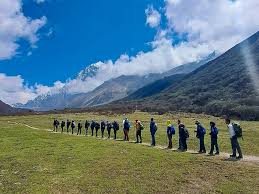
One of the defining features of the Goecha La Trek itinerary from Nepal is the progression between different mountain environments. The early stages involve forest walking and steady climbing, while the middle section introduces high mountain meadows and broad Himalayan views. As the trail continues higher, the landscape becomes more exposed and dramatic. The enormous mountain walls surrounding the route become increasingly prominent, giving trekkers a clear sense of entering the high Himalayas.
The route is physically demanding because of its sustained elevation gain, long trekking days and high-altitude sections. It is particularly important to approach the higher portions patiently rather than treating the trek simply as a race toward the destination. The progression through lower and higher camps allows trekkers to become accustomed to the changing altitude while experiencing the landscape at a natural pace. The high point of the journey is not simply about reaching a particular elevation; it is about experiencing the transformation of the Himalayan environment along the way.
Mountain Views and the Kanchenjunga Landscape
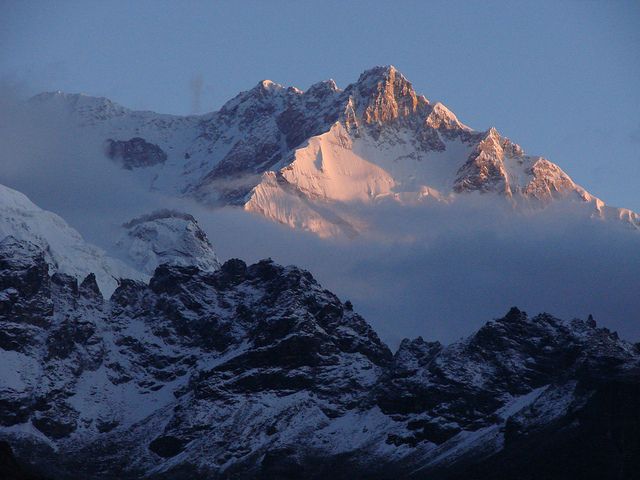
The mountains are central to the character of this journey. As the trail approaches the higher sections, views toward Kanchenjunga and surrounding Himalayan peaks become increasingly impressive. Mount Pandim is another major visual presence, particularly around the upper sections of the route. The combination of enormous peaks, alpine valleys and open mountain terrain creates some of the most memorable scenery of the adventure.
The early-morning journey toward Goecha La Viewpoint 1 is especially significant. Walking through the high mountain landscape before sunrise creates a completely different atmosphere from daytime trekking. As daylight develops, the surrounding peaks gradually become visible, and clear weather can provide expansive views across the Himalayan skyline. Conditions in the mountains can change quickly, so the experience naturally depends on weather and trail conditions.
A Trek for Adventure-Focused Travelers
The Goecha La Trek package from Nepal is suited to travelers looking for a demanding Himalayan experience rather than a relaxed sightseeing holiday. The journey requires regular walking, preparation for changing weather and comfort with basic mountain conditions. The higher sections require particular attention to pacing, hydration, clothing and acclimatization.
At the same time, the trek is not only about physical challenge. The quieter surroundings provide opportunities to disconnect from busy urban life and spend extended periods in nature. Long sections of the trail are surrounded by forest, mountain valleys and open landscapes, creating a sense of solitude that is increasingly difficult to find on heavily developed trekking routes.
Culture, Nature and a Cross-Border Adventure
Another distinctive aspect of the journey is the combination of Nepalese and Sikkimese travel experiences. Beginning in Kathmandu gives travelers an introduction to Nepal’s mountain-oriented culture before the journey moves eastward toward Sikkim. Once in Sikkim, the cultural environment changes, reflecting the region’s diverse Himalayan communities and Buddhist traditions.
The journey therefore brings together different aspects of Himalayan travel: overland exploration, mountain trekking, nature, high-altitude scenery and cultural discovery. Travelers are able to experience the transition between regions rather than simply arriving at a trekking destination by air and immediately beginning the trail.
An Unforgettable Eastern Himalayan Journey
The Goecha La Trek from Nepal offers a distinctive way to explore the eastern Himalayas by combining a Nepal-based beginning with an extended trekking experience in Sikkim. Its appeal lies in the gradual transformation of the landscape, the quieter character of the trekking region, the dramatic Kanchenjunga surroundings and the opportunity to experience a less conventional Himalayan route.
For travelers seeking an adventure that combines cross-border travel with serious mountain trekking, this journey provides an opportunity to explore Sikkim from a deeper perspective. From the forests surrounding the lower trail to the open alpine landscapes near the highest sections, every stage introduces a different side of the Himalayas. The result is a rewarding mountain experience that connects Nepal and Sikkim through one continuous journey and leaves travelers with lasting memories of the eastern Himalayan wilderness.
Goecha La Trek from Nepal – Frequently Asked Questions
1. How difficult is the Goecha La Trek from Nepal?
The Goecha La Trek from Nepal is considered a challenging high-altitude trek. The difficulty comes from long trekking days, steep ascents and descents, changing weather and walking above 4,000 m. Previous trekking experience and good physical preparation are recommended.
2. What is the best time for the Goecha La Trek?
The best seasons for the Goecha La Trek Sikkim are generally spring (March to May) and autumn (October to November). These periods usually offer more favorable trekking conditions, clearer mountain views and relatively stable weather, although conditions can change quickly in the mountains.
3. How high does the Goecha La Trek reach?
The highest point normally included in the trekking itinerary is Goecha La Viewpoint 1 at approximately 4,600 m (15,092 ft). Access to the actual Goecha La Pass can be restricted, so trekkers should distinguish between the permitted viewpoint and the pass itself.
4. How many days are needed for the Goecha La Trek from Nepal?
A complete Goecha La Trek itinerary from Nepal can take around 14 days, including the overland journey from Kathmandu to Sikkim, trekking days, acclimatization, the Goecha La viewpoint excursion and the return journey to Nepal. The duration can vary according to transportation and trekking arrangements.
5. Where does the Goecha La Trek start?
The trekking portion of the journey starts at Yuksom in West Sikkim. For a Nepal-based package, travelers normally travel from Kathmandu through eastern Nepal and Siliguri before reaching Yuksom by road.
6. Do Nepalese citizens need permits for the Goecha La Trek?
Yes. Trekking in Sikkim’s protected and regulated areas requires the applicable permits, registrations and entry documentation. Nepalese travelers should carry valid identification and follow the current requirements of the Sikkim authorities and the trekking operator before entering the trekking area.
7. What mountains can be seen during the Goecha La Trek?
The trek provides views of the Kanchenjunga massif, Mount Pandim, Kabru, Rathong and other Himalayan peaks, depending on weather and visibility. Dzongri and the higher sections toward Goecha La Viewpoint are particularly known for panoramic mountain scenery.
8. Is the Goecha La Trek suitable for beginners?
The trek can be challenging for inexperienced trekkers because of its altitude and demanding terrain. Beginners who have good cardiovascular fitness and prepare properly may undertake it with professional support, but previous experience with multi-day mountain trekking is beneficial.
9. What is the route of the Goecha La Trek?
The main trekking route follows Yuksom → Sachen → Tshoka → Phedang → Dzongri → Thansing → Lamuney → Samiti Lake → Goecha La Viewpoint 1, followed by a descent through the lower sections back toward Yuksom. The Nepal inbound journey adds Kathmandu → Kakarbhitta → Siliguri → Yuksom before the trek begins.
10. What should I pack for the Goecha La Trek?
Trekkers should prepare warm and layered clothing, waterproof outerwear, sturdy trekking boots, a sleeping bag suitable for cold conditions, trekking poles, headlamp, water bottles, sun protection, personal medication and basic first-aid supplies. Because the route reaches around 4,600 m, suitable cold-weather and high-altitude trekking equipment is particularly important.
Goecha La Trek from Nepal – 14 Days | Sikkim Trek Highlights
- Trek from Nepal to Sikkim through the Kakarbhitta–Siliguri gateway and into the Himalayan landscapes of West Sikkim.
- Explore Yuksom, the historic starting point of the Goecha La trekking route.
- Walk through dense rhododendron, oak and magnolia forests with changing Himalayan vegetation.
- Experience the traditional trekking camps of Sachen, Tshoka, Dzongri, Thansing and Lamuney.
- Enjoy spectacular mountain views from Dzongri Top, including Kanchenjunga, Pandim, Kabru and Rathong.
- Spend an acclimatization day at Dzongri before entering the higher alpine terrain.
- Cross the dramatic Prek Chu valley and follow its river through the mountain landscape.
- See the striking Mount Pandim rising above the Thansing and Lamuney areas.
- Visit the beautiful high-altitude Samiti Lake, surrounded by alpine mountains.
- Make an early-morning trek to Goecha La Viewpoint 1 at around 4,600 m for sunrise views toward the Kanchenjunga massif.
- Experience several days of Himalayan camping in remote alpine surroundings.
- Explore Pelling and West Sikkim on the return journey after completing the trek.
- Combine a challenging Himalayan trek with Sikkimese culture, mountain scenery and remote wilderness.
- Complete the journey with a convenient Kathmandu–Sikkim–Kathmandu inbound trekking route.
Goecha La Trek from Nepal: Kathmandu to Goecha La Viewpoint
Goecha La Trek from Nepal follows a spectacular cross-border journey from Kathmandu into the Himalayan state of Sikkim, India. The adventure begins in Kathmandu and travels east across Nepal to Kakarbhitta, where you cross into India through Panitanki before continuing to Siliguri, West Bengal. From Siliguri, the route climbs into the mountains of Sikkim, passing through Jorethang and eventually reaching Yuksom, the traditional gateway and starting point of the Goecha La trekking route.
Route: Kathmandu → Kakarbhitta → Panitanki → Siliguri → Jorethang → Yuksom → Sachen → Tshoka → Phedang → Dzongri → Thansing → Lamuney → Samiti Lake → Goecha La Viewpoint 1 → Thansing/Kokchurang → Phedang → Tshoka → Bakhim → Sachen → Yuksom → Pelling → Siliguri → Panitanki → Kakarbhitta → Kathmandu
The trekking section begins at Yuksom, where the trail enters the forested landscapes of the Kanchenjunga region. The first trekking stage leads toward Sachen, following the Prek Chu valley through dense Himalayan forests containing rhododendron, oak, magnolia and other mountain vegetation. From Sachen, the trail climbs through Bakhim to Tshoka, a mountain settlement surrounded by forests and Himalayan scenery.
From Tshoka, the route continues uphill toward Phedang and then Dzongri, one of the most important high-altitude locations on the trek. The landscape changes from dense forest to open alpine meadows as the elevation increases. A dedicated acclimatization day at Dzongri allows trekkers to hike toward Dzongri Top and enjoy views of Kanchenjunga, Mount Pandim, Kabru and other surrounding peaks while preparing for the higher sections of the route.
The trail then descends toward Kokchurang and continues through the Prek Chu valley before reaching Thansing. From Thansing, the route enters increasingly rugged alpine terrain and follows the valley toward Lamuney. The dramatic slopes of Mount Pandim dominate the landscape along this section. Trekkers then continue toward Samiti Lake, a beautiful high-altitude lake surrounded by rocky mountain slopes and alpine terrain.
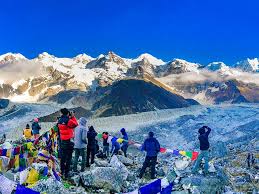
The main highlight of the Goecha La Trek from Nepal is the pre-dawn ascent toward Goecha La Viewpoint 1. Trekkers normally leave Lamuney very early in the morning, passing Samiti Lake before continuing over the high mountain trail. At approximately 4,600 m, Goecha La Viewpoint 1 provides spectacular views toward the Kanchenjunga massif and surrounding Himalayan peaks when weather conditions are clear. After enjoying the mountain panorama, the trail descends toward Lamuney and continues back toward Thansing or Kokchurang for an overnight stay. Access beyond the designated viewpoint can be restricted, so the itinerary should not guarantee reaching the actual Goecha La Pass.
The return trek follows the high mountain trail back toward Phedang and Tshoka, before descending through Bakhim and Sachen to Yuksom. After completing the trekking section, the journey continues by road toward Pelling, where trekkers can experience more of West Sikkim’s cultural and mountain landscapes. The return journey then continues through Jorethang and Siliguri before crossing back into Nepal through Panitanki and Kakarbhitta and continuing to Kathmandu.
This route combines long-distance travel from Nepal with a challenging high-altitude trek through Sikkim’s forests, alpine meadows, mountain valleys and Kanchenjunga landscapes. The gradual progression from Yuksom to Dzongri, followed by acclimatization and the ascent toward Goecha La Viewpoint 1, provides the main trekking experience, while the Nepal–India road journey makes this itinerary suitable for travelers beginning and ending their adventure in Nepal.
Include
- Airport/transportation assistance in Kathmandu as per the package itinerary.
- Kathmandu–Kakarbhitta–Kathmandu ground transportation.
- Kakarbhitta–Panitanki border transfer and transportation to Siliguri
- Siliguri–Yuksom–Siliguri transportation by private/tourist vehicle.
- Transportation between Yuksom, Pelling and other scheduled destinations.
- Hotel accommodation in Kathmandu, Siliguri, Yuksom and Pelling as specified in the itinerary.
- Camping accommodation during the Goecha La trekking section.
- Three meals a day during the trekking period: breakfast, lunch and dinner.
- Professional English-speaking trekking guide.
- Required trekking support staff and porters according to group requirements.
- Porter service for essential trekking baggage.
- Trekking tents, dining tent, kitchen equipment and basic camping equipment.
- Sleeping arrangements and necessary camping equipment.
- Trekking and camping equipment carried by the support team.
- Trekking route registration and applicable Sikkim trekking permits.
- Applicable protected-area/national-park entry and trekking fees.
- Required local trekking registrations and administrative fees.
- Guide and support staff wages, food, accommodation and insurance.
- First-aid kit and basic emergency trekking supplies.
- Government and local taxes applicable to the trekking package.
- Kathmandu pre- and post-trek assistance from the local trekking team.
Exclude
- International flights to and from Nepal.
- Nepal visa or India/Sikkim immigration-related charges, where applicable.
- Personal travel and medical insurance.
- Expenses arising from emergency evacuation or rescue.
- Personal expenses such as laundry, telephone calls and internet.
- Bottled water, soft drinks, alcoholic beverages and other personal drinks.
- Snacks and extra food outside the included meals.
- Hot showers or additional bathing facilities during the camping trek.
- Personal trekking equipment such as sleeping bags, trekking boots, jackets, backpacks and trekking poles.
- Excess baggage and porter charges beyond the included baggage allowance.
- Tips and gratuities for guides, porters and drivers.
- Accommodation and meals caused by delays, flight cancellations, road closures or itinerary changes outside the operator's control.
- Additional hotel nights or transportation not specified in the itinerary.
- Costs resulting from natural disasters, severe weather, political disturbances or other unforeseen circumstances.
- Any additional sightseeing, activities or services not specifically mentioned under inclusions.
- Personal medical expenses and medication.
- Any other expenses not specifically listed under Trip Includes.
Goecha La Trek from Nepal – 14 Days | Sikkim Trek Itinerary
Your Goecha La Trek from Nepal begins with an early departure from Kathmandu toward eastern Nepal. Travel by road through the Nepalese Terai, passing through major towns and settlements as you gradually approach Kakarbhitta, Nepal’s eastern border point with India. After completing the immigration and customs formalities, cross into India through Panitanki and continue toward Siliguri in West Bengal. The journey is long, so this day is primarily dedicated to transportation. Depending on road conditions and departure time, you may arrive in Siliguri in the evening. Check into your hotel, have dinner and rest properly before beginning the mountain journey into Sikkim the following morning.
Overnight: Hotel in Siliguri
Meals: Breakfast, lunch and dinner
Transport: Private vehicle / tourist vehicle
After breakfast, leave Siliguri and drive toward Yuksom, the historic gateway to the Goecha La trekking route. The road enters the mountainous landscape of Sikkim and follows winding roads through the Rangit valley. Continue through Melli and toward Jorethang, where you can take a break for lunch before continuing into West Sikkim. The landscape becomes increasingly mountainous as you approach Yuksom. Yuksom sits at roughly 1,780 m and is the traditional starting point of the trek. On arrival, check into your accommodation, meet the trekking crew and complete the necessary documentation and briefing. Use the afternoon to check your backpack and trekking equipment, because the following morning marks the beginning of the trail.
Overnight: Hotel/lodge in Yuksom
Altitude: Approx. 1,780 m
Drive: Around 150 km / 6–8 hours
Meals: Breakfast, lunch and dinner
After an early breakfast, walk from Yuksom toward Sachen, entering the forested section of the Goecha La trail. The trail follows the Prek Chu valley and passes through dense Himalayan vegetation containing oak, magnolia, rhododendron, ferns and other mountain plants. The first part of the trek is relatively gradual, allowing you to settle into the rhythm of walking with a backpack. You cross streams and suspension bridges while the sound of the river accompanies much of the route. The trail gradually becomes more secluded as you move deeper into the protected mountain landscape. After several hours of walking, arrive at Sachen, a small forest campsite surrounded by thick vegetation. This is your first night camping on the actual Goecha La trail.
Overnight: Camp at Sachen
Altitude: Approx. 2,200 m
Trek: Around 7–9 km / 4–6 hours
Meals: Breakfast, lunch and dinner
Today the trail becomes steeper as you climb from Sachen toward Bakhim and Tshoka. After breakfast, continue through the forest, following the route along the Prek Chu valley before beginning the more substantial ascent toward Bakhim. Bakhim provides an opportunity to rest and enjoy views through openings in the forest. From Bakhim, continue climbing toward Tshoka, a small historic mountain settlement surrounded by forests and high Himalayan peaks. The vegetation changes noticeably as the elevation increases, with rhododendron and coniferous trees becoming more prominent. Tshoka is situated at approximately 2,950–3,000 m and represents a significant altitude gain from the previous night. After reaching camp, settle in, enjoy a warm meal and prepare for the steeper climb toward Dzongri.
Overnight: Camp/lodge at Tshoka
Altitude: Approx. 2,950–3,000 m
Trek: Around 7–8 km / 5–6 hours
Meals: Breakfast, lunch and dinner
Today is one of the most important climbing days of the trek. Leave Tshoka after breakfast and follow the trail through dense rhododendron forest toward Phedang. Much of the route consists of wooden steps and steep uphill sections, so a slow and steady pace is important. As you climb higher, the forest begins to thin and the trail gradually enters more open alpine terrain. From Phedang, continue toward Deorali Top and then descend and climb through the high mountain landscape toward Dzongri. The appearance of the surrounding peaks becomes increasingly impressive as you approach the Dzongri meadows. Dzongri sits around 4,000 m and is one of the principal high-altitude camps on the Goecha La route. Arrive in the afternoon, settle into camp and rest.
Overnight: Camp at Dzongri
Altitude: Approx. 3,950–4,020 m
Trek: Around 8–10 km / 6–7 hours
Meals: Breakfast, lunch and dinner
Today is dedicated to acclimatization. Rather than immediately continuing to higher altitude, take a shorter morning hike toward Dzongri Top. Begin early so you can experience the changing light over the Himalayan peaks. From the viewpoint, clear weather can reveal spectacular views of Kanchenjunga, Pandim, Kabru and Rathong and the surrounding mountain ranges. Dzongri Top reaches roughly 4,150–4,200 m depending on the exact viewpoint used. After spending time at the viewpoint, descend back to the campsite for breakfast or a late morning meal. The rest of the day should be spent resting, hydrating and preparing for the higher sections of the trek. This additional acclimatization day is especially valuable because the next stages take you above 4,000 m.
Overnight: Camp at Dzongri
Altitude: Dzongri approx. 4,020 m
Dzongri Top: Approx. 4,150–4,200 m
Trek: Around 2–4 km / 2–3 hours
Meals: Breakfast, lunch and dinner
After breakfast, leave Dzongri and begin descending toward the Prek Chu valley. The route initially crosses open alpine terrain before dropping toward Kokchurang. Although today’s overall destination is at a similar altitude to Dzongri, the trail involves both descent and subsequent climbing. After reaching the river area around Kokchurang, continue along the valley toward Thansing. The landscape is now much more open, with fewer trees and extensive mountain meadows. Mount Pandim becomes an imposing presence as you approach Thansing. The campsite at Thansing lies around 3,900 m and provides a dramatic setting beneath the surrounding peaks. After arriving, enjoy a warm meal and rest because you will soon enter the highest part of the trek.
Overnight: Camp at Thansing
Altitude: Approx. 3,900–3,950 m
Trek: Around 7–10 km / 5–7 hours
Meals: Breakfast, lunch and dinner
Today’s trek is shorter but takes you deeper into the high-altitude environment. Leave Thansing and gradually follow the upper valley toward Lamuney. The forest is now largely behind you, and the landscape consists mainly of alpine meadows, rocky slopes, streams and exposed mountain terrain. The massive presence of Mount Pandim dominates the surrounding scenery. Continue gradually upward until reaching Lamuney, generally around 4,150–4,200 m. Depending on the operational arrangement, you may continue toward the area around Samiti Lake or use Lamuney as the overnight camp before the early-morning Goecha La viewpoint attempt. Samiti Lake is one of the most beautiful landmarks on this section of the route, sitting at approximately 4,300 m. After reaching camp, rest as much as possible and prepare your headlamp, warm clothing, water and snacks for the following morning’s pre-dawn departure.
Overnight: Camp at Lamuney
Altitude: Approx. 4,150–4,200 m
Samiti Lake: Approx. 4,300 m
Trek: Around 4 km / 2–3 hours
Meals: Breakfast, lunch and dinner
This is the hardest and most important day of the Goecha La Trek. Wake around 2:00–3:00 AM, have a light breakfast and begin walking with a headlamp. The trail climbs gradually from Lamuney toward Samiti Lake, which can be particularly atmospheric before sunrise. From the lake, continue across the high-altitude terrain toward the Goecha La viewpoint area. The trail becomes increasingly rocky and exposed, and the cold, darkness and altitude make this section physically demanding. As daylight approaches, continue toward Goecha La Viewpoint 1, generally around 4,600 m. From the viewpoint, clear conditions provide dramatic views toward the Kanchenjunga massif, Pandim, Kabru and surrounding peaks. Spend some time at the viewpoint before beginning the long descent. Return through Samiti Lake and Lamuney and continue toward Thansing or, depending on the itinerary and conditions, Kokchurang for the overnight stay. The actual Goecha La pass should not be advertised as guaranteed access because access beyond the permitted viewpoint can be restricted.
Overnight: Thansing or Kokchurang
Highest accessible point: Approx. 4,600 m / 15,100 ft
Trek: Approximately 14–18 km / 10–13 hours
Start: Around 2:00–3:00 AM
Meals: Breakfast, packed lunch and dinner
After the demanding Goecha La viewpoint day, begin your descent through the lower section of the trail. Depending on where you camped the previous night, descend from Thansing toward Kokchurang and follow the route toward Phedang. This section offers a different perspective of the landscape because you are now moving from the high alpine environment back toward the rhododendron forests. The route is long but gradually loses altitude, making breathing easier as you descend. Continue toward Phedang and then onward to Tshoka. By the time you reach Tshoka, you will once again be surrounded by forest and lower-altitude vegetation. Rest at camp and enjoy a proper meal after the long high-altitude trekking days.
Overnight: Camp/lodge at Tshoka
Altitude: Approx. 3,000 m
Trek: Around 13–14 km / 7–9 hours
Meals: Breakfast, lunch and dinner
Today is the final trekking day. After breakfast, leave Tshoka and descend through the forest toward Bakhim. The trail contains numerous steps and can be slippery, particularly after rain, so trekking poles are useful. From Bakhim, continue toward Sachen, retracing part of the route used at the beginning of the trek. After Sachen, continue through the forest and across the streams and suspension bridges along the Prek Chu valley. Eventually the forest trail brings you back toward Yuksom. Reaching Yuksom marks the completion of the trekking portion of your Goecha La adventure. After several nights in mountain camps, enjoy a hot shower, comfortable accommodation and a relaxed evening.
Overnight: Hotel/lodge in Yuksom
Altitude: Approx. 1,780 m
Trek: Around 14–15 km / 7–9 hours
Meals: Breakfast, lunch and dinner
After breakfast, leave Yuksom by road and travel toward Pelling, one of West Sikkim’s best-known mountain destinations. The journey provides an opportunity to recover after the trek while still experiencing the cultural and natural landscape of Sikkim. After reaching Pelling, visit selected local attractions depending on the available time and road conditions, such as Pemayangtse Monastery or Rabdentse ruins. On clear days, Pelling offers impressive views toward the Kanchenjunga range. Spend the evening relaxing at your hotel and enjoying a comfortable bed after the trekking expedition.
Overnight: Hotel in Pelling
Altitude: Approx. 2,000–2,150 m
Transport: Private vehicle
Meals: Breakfast, lunch and dinner
Enjoy breakfast before beginning the return drive from Pelling toward Siliguri. Follow the winding mountain roads through West Sikkim and descend gradually toward the lower valleys. Continue through Jorethang and onward toward the plains of West Bengal. As the altitude decreases, the Himalayan scenery gradually gives way to subtropical landscapes. Arrive in Siliguri by afternoon or evening depending on traffic and road conditions. Check into your hotel and use the remaining time to rest or prepare for your onward journey to Nepal.
Overnight: Hotel in Siliguri
Transport: Private vehicle
Meals: Breakfast, lunch and dinner
After breakfast, begin the final leg of your journey back to Nepal. Drive from Siliguri toward Panitanki and cross the India–Nepal border at Kakarbhitta after completing the required immigration and customs formalities. Continue through eastern Nepal and travel westward toward Kathmandu. Depending on the road conditions and your chosen transport, this can be a long travel day. Alternatively, the itinerary can be extended by one night in eastern or central Nepal for a more comfortable return journey. Your Goecha La Trek from Nepal officially concludes after reaching Kathmandu.
Meals: Breakfast
Transport: Private vehicle / tourist bus
Route: Siliguri → Panitanki → Kakarbhitta → Kathmandu
Video
Goecha La Trek from Nepal – Packing List
Because the Goecha La Trek from Nepal reaches around 4,600 m at Goecha La Viewpoint 1, trekkers should prepare for cold temperatures, changing weather, long walking days and basic camping conditions.
Clothing
- 2–3 moisture-wicking trekking T-shirts
- 1–2 long-sleeve thermal/base-layer shirts
- 1 warm fleece jacket
- 1 lightweight down or insulated jacket
- 1 waterproof and windproof jacket
- 1 waterproof trekking trousers
- 2 pairs of comfortable trekking trousers
- 1 thermal/inner trouser
- 4–5 pairs of trekking socks
- 2 pairs of warm woollen socks
- Thermal innerwear
- Warm hat or beanie
- Sun hat/cap
- Buff or neck gaiter
- Lightweight gloves
- Warm insulated gloves
- Comfortable clothes for Kathmandu, Siliguri and Yuksom
Trekking Gear
- 40–60 litre trekking backpack
- Waterproof backpack cover
- Duffel bag for porter-supported luggage
- Daypack, if required
- Adjustable trekking poles
- Headlamp with spare batteries
- Reusable water bottles or hydration bladder
- Water purification tablets or filter
- Sleeping bag suitable for sub-zero temperatures
- Trekking gaiters
- Microspikes/crampons if required by seasonal trail conditions
- Small dry bags or waterproof packing bags
- Lightweight towel
Footwear
- Waterproof, broken-in trekking boots with good ankle support
- Comfortable camp shoes or sandals
- Extra shoelaces
- Warm trekking socks
- Gaiters for snow, mud or wet conditions
Personal Items
- Passport and required travel documents
- Nepal citizenship document for applicable India/Sikkim entry and permit procedures
- Copies of identification documents
- Passport-size photographs
- Travel insurance documents
- Emergency contact information
- Wallet and sufficient Indian currency
- Small padlock for bags
- Sunglasses with good UV protection
- Sunscreen, preferably SPF 30–50+
- Lip balm with SPF
- Personal toiletries
- Quick-drying biodegradable soap
- Toothbrush and toothpaste
- Hand sanitizer
- Wet wipes and tissues
- Toilet paper
- Small garbage bags
Medical & First Aid
- Personal prescription medicines
- Basic first-aid kit
- Blister treatment
- Pain-relief medicine
- Bandages and antiseptic wipes
- ORS/electrolyte packets
- Personal medication for altitude-related problems as prescribed by a doctor
- Motion-sickness medicine if required
- Any regular medication you normally use
Electronics
- Mobile phone
- Power bank
- Charging cables
- Universal travel adapter
- Camera and spare batteries
- Headlamp
- Small waterproof pouch for electronics
High-Altitude Essentials
- Water bottle/hydration system
- Electrolytes
- Energy bars, nuts or dried fruit
- Sunglasses with strong UV protection
- Sunscreen and lip balm
- Warm down/insulated jacket
- Thermal base layers
- Gloves and beanie
- Sleeping bag
- Headlamp for the early-morning Goecha La viewpoint climb
Documents for Nepal-to-Sikkim Travel
Keep all important documents together in a waterproof document pouch:
- Valid passport or applicable citizenship identification
- Required India entry/immigration documentation
- Sikkim trekking permits and registrations
- Travel insurance
- Trekking agency emergency contact
- Hotel and transportation confirmations
- Copies of important documents
Tip: Pack light and use a porter-supported duffel where available. Keep your daily essentials, water, warm layer, rain protection, medication, documents and valuables in your daypack.
Reviews
No reviews found.