
Dzongri Trek from Nepal | 8 Days Sikkim Trekking Package
Destination:
Dzongri, Sikkim, India
Trip Duration:
8 Days
Max Altitude:
4,150 m / 13,615 ft
Activities:
Trekking, Hiking, Mountain Views, Nature Walk, Sunrise Viewing, Cultural Exploration
Start Point:
Kathmandu, Nepal
Ending Point:
Kathmandu, Nepal
Region:
Sikkim, Kanchenjunga
Trip Grade:
Moderate to Challenging
Group Size:
2–12 People
Accomodation:
Hotels, Lodges & Trekking Camps
Meals:
Breakfast in Kathmandu/Yuksom; Breakfast, Lunch & Dinner during trek
Transportation:
Flight, Private Vehicle & Trekking
Permits Required:
Sikkim Entry Permit, Protected Area/Trekking Permits
Best Season:
March–May and October–November
Dzongri Trek from Nepal
Discover the Eastern Himalayas Beyond Nepal
The Dzongri Trek from Nepal is a cross-border Himalayan adventure that takes travelers from Kathmandu into the spectacular mountain landscapes of Sikkim, India. It is designed for travelers who want to explore a different side of the Himalayas while beginning their journey in Nepal. The experience combines international travel, mountain trekking, changing landscapes, local culture and the spectacular wilderness surrounding the Kanchenjunga region.
For travelers who have already experienced popular trekking destinations in Nepal, the Sikkim Dzongri Trek provides an opportunity to discover another important Himalayan landscape. Sikkim has its own distinctive character, shaped by its mountain environment, cultural traditions and location in the eastern Himalayas. The journey therefore feels different from a conventional Nepal trekking holiday while retaining the sense of adventure associated with Himalayan travel.
A Journey from Kathmandu to Sikkim
One of the special features of the Dzongri Trek from Kathmandu is that the adventure begins before the trekking itself. Traveling from Nepal toward northeastern India creates a gradual transition between different landscapes and cultures. The journey moves from the urban environment of Kathmandu toward the foothills and mountain roads leading into Sikkim.
As the landscape changes, travelers begin to experience the natural character of the region. Roads wind through mountain terrain, hills become increasingly forested, and settlements become smaller as the journey progresses. This transition creates a meaningful introduction to Sikkim before entering the trekking environment.
The cross-border nature of the journey also makes this more than a standard trekking holiday. Travelers have the opportunity to experience two Himalayan destinations within the same adventure and observe differences in landscape, culture and local life.
Explore the Natural Beauty of Sikkim
The Dzongri Trek India experience is strongly connected with the natural environment of western Sikkim. The region is known for its forested mountain slopes, deep valleys, streams and dramatic Himalayan scenery. As the trail gains elevation, the surrounding environment changes noticeably.
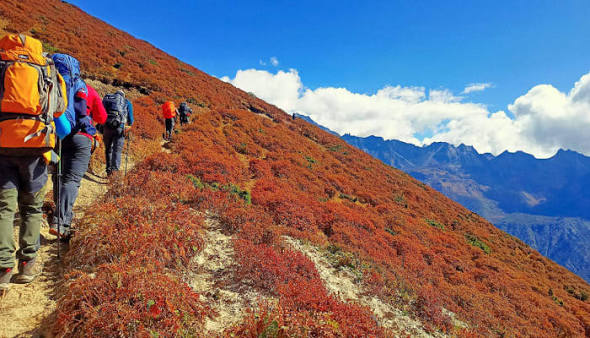
Lower sections of the journey are surrounded by dense Himalayan vegetation, creating a cool and shaded atmosphere. The forest landscape includes rhododendrons, magnolias, ferns, moss-covered trees and other mountain vegetation. The changing vegetation provides a clear visual indication of the increasing altitude.
As the landscape opens at higher elevations, forests gradually give way to alpine surroundings. The contrast between dense woodland and open mountain terrain is one of the most rewarding aspects of the Sikkim Dzongri Trek.
Trek Through the Kanchenjunga Landscape
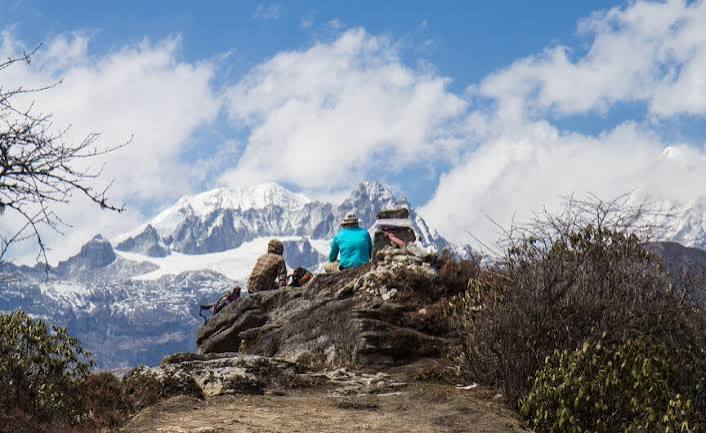
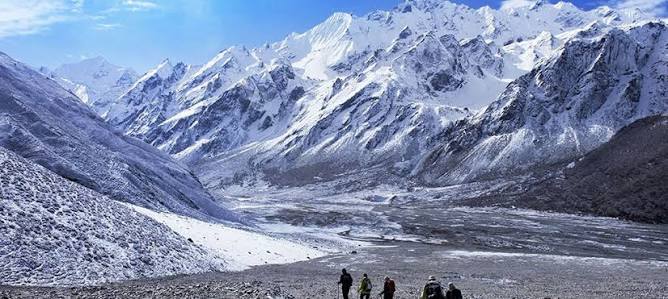
The wider Kanchenjunga landscape provides an impressive setting for the adventure. The mountains become increasingly prominent as travelers move deeper into the trekking region. Snow-covered summits, rugged ridges and deep valleys create a dramatic backdrop throughout the higher sections.
The attraction is not simply one individual viewpoint. The entire journey offers changing perspectives of the surrounding mountains. Weather, light and elevation continually alter the appearance of the landscape, making different sections of the trek visually distinct.
For photographers and mountain enthusiasts, this changing scenery provides excellent opportunities to capture forests, mountain trails, highland landscapes and Himalayan peaks.
Experience the Changing Himalayan Environment
A major strength of the Dzongri Trek from Nepal itinerary is the variety of environments encountered during the journey. Rather than remaining within one type of landscape, the trail passes through several ecological zones.
The lower mountain environment is dominated by dense vegetation and flowing streams. Higher sections become cooler and more open, with increasingly rugged terrain and expansive mountain views. This gradual transition makes the trek particularly interesting for travelers who want to observe how Himalayan ecosystems change with elevation.
The changing environment also creates opportunities to experience different forms of wildlife and plant life. Travelers should remember that this is a sensitive natural environment and should avoid disturbing animals, plants or their habitats.
Discover the Culture of Sikkim
The Nepal to Dzongri Trek Sikkim journey also introduces travelers to the distinctive cultural identity of the region. Sikkim’s communities, traditions and Himalayan heritage contribute significantly to the character of the trip.
Travelers can observe differences in local architecture, lifestyles, religious traditions and community practices compared with those commonly encountered in Nepal. The region’s Buddhist heritage is particularly important to its cultural identity, while local communities maintain traditions closely connected with the surrounding mountains.
This cultural element adds depth to the trekking experience because the journey is not only about landscapes. It also provides an opportunity to understand the people and traditions that have developed in this Himalayan environment.
Yuksom and the Beginning of the Trekking Experience
Yuksom has an important place in the history and trekking culture of Sikkim. It provides the transition between road travel and the mountain trail and is closely associated with trekking toward the higher landscapes of western Sikkim.
For travelers undertaking a Dzongri Trek package from Nepal, reaching Yuksom marks the beginning of the walking adventure. From here, the atmosphere becomes increasingly focused on nature and mountain travel as the route leaves the more developed areas behind.
The surrounding landscape provides an excellent introduction to the forests and mountain environment that characterize the trek.
Experience the Mountain Settlements
The journey also provides glimpses of life in the mountain communities of Sikkim. Settlements along the trekking environment are surrounded by forests and steep mountain slopes, creating a strong contrast with the urban environment travelers leave behind.
Tshoka is particularly memorable because of its mountain setting and the transition it represents between the lower forest environment and the higher trekking landscape. Spending time in these areas allows travelers to experience a quieter side of the Himalayas and appreciate how communities adapt to mountain geography.
Reach the High Himalayan Landscape
As the trek progresses, the landscape becomes increasingly alpine. The open terrain around the higher sections provides a completely different atmosphere from the dense forests encountered earlier.
At this elevation, the surrounding mountains dominate the scenery. The scale of the Himalayan landscape becomes particularly impressive, with broad views extending across rugged ridges and snow-covered peaks.
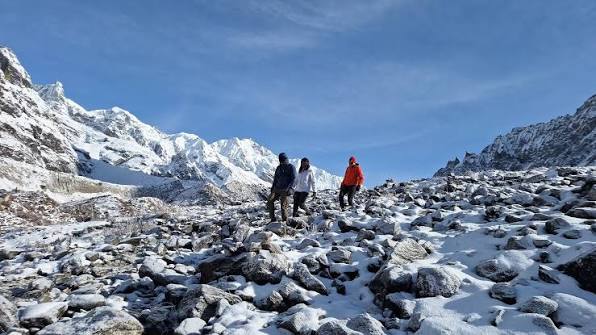
The high-altitude environment is also where the physical character of the trek becomes most noticeable. Travelers should maintain a comfortable pace and listen to their bodies as they move through the higher sections.
Sunrise and Mountain Photography
The early-morning mountain environment around Dzongri offers some of the most memorable visual experiences of the journey. When weather conditions are clear, the surrounding peaks can be illuminated by the first sunlight of the day.
The changing colors of the mountains, combined with the open highland landscape, create excellent conditions for photography. Travelers interested in landscape photography should keep their cameras accessible during the higher sections because visibility can change quickly in mountain environments.
A Trek for Adventure and Exploration
The Dzongri Trek from Nepal is particularly suitable for travelers who want more than a conventional sightseeing experience. Walking through the mountains provides a much closer connection with the landscape than traveling exclusively by vehicle.
Every day brings a different combination of terrain, vegetation and mountain scenery. The gradual progression from lower forests toward the high Himalayan environment creates a genuine feeling of exploration.
Travelers should be prepared for sustained walking and changing mountain conditions. Prior hiking experience and regular physical preparation can make the journey more comfortable and enjoyable.
Responsible Travel in Sikkim
Responsible tourism is especially important in Himalayan environments. The natural areas surrounding the Dzongri Trek India route are valuable ecosystems that require careful protection.
Travelers should follow established trails, avoid leaving waste behind, respect local communities and avoid disturbing wildlife. Carrying reusable items, minimizing plastic waste and following local trekking regulations are simple ways to reduce environmental impact.
Respect for local culture is equally important. Visitors should follow local customs, ask before photographing people and communities, and treat religious and cultural sites appropriately.
Why Choose the Dzongri Trek from Nepal?
For travelers searching for a Dzongri Trek from Nepal itinerary, this journey offers an opportunity to explore a less familiar Himalayan destination while beginning from Kathmandu. The combination of cross-border travel, Sikkim’s distinctive culture, changing Himalayan ecosystems and spectacular mountain scenery creates an experience that is different from a typical Nepal trekking route.
The Dzongri Trek from Kathmandu is also an appealing option for travelers who want to extend their Himalayan experience beyond Nepal. Instead of limiting the adventure to familiar destinations, the journey introduces the landscapes and traditions of Sikkim while maintaining the adventurous character of a Himalayan trek.
Experience Sikkim Beyond the Ordinary
The Dzongri Trek package from Nepal brings together mountain adventure, nature and cultural discovery in one journey. From the moment travelers leave Kathmandu, the landscape gradually changes, eventually leading into the forests and high mountains of Sikkim.
The combination of dense Himalayan forests, traditional mountain settlements, alpine landscapes and spectacular views of the Kanchenjunga range makes the journey particularly memorable. For those seeking a different Himalayan experience, the Dzongri Trek from Nepal provides a chance to discover Sikkim on foot and experience the eastern Himalayas from a new perspective.
Frequently Asked Questions
1. Is the Dzongri Trek from Nepal suitable for beginners?
The Dzongri Trek is generally considered a moderate to challenging Himalayan trek. Beginners can undertake it if they have good physical fitness and prepare for several hours of walking on uneven and steep mountain trails. Previous high-altitude trekking experience is helpful but not essential. The main challenge is the rapid increase in elevation, particularly on the approach to Dzongri.
2. What is the best time for the Dzongri Trek from Nepal?
The main trekking seasons are spring and autumn. March to May offers pleasant trekking conditions and rhododendron blooms, while September to November generally provides clearer mountain views. Autumn is particularly popular for panoramic views of the Kanchenjunga range. The monsoon period is generally avoided because heavy rainfall can make trails wet, slippery and prone to landslides.
3. What is the highest point reached on the Dzongri Trek?
The Dzongri campsite is around 4,018–4,030 meters, while Dzongri Top reaches approximately 4,150–4,200 meters above sea level. Dzongri Top is the main high viewpoint of the trek and offers panoramic views toward Kanchenjunga and other major Himalayan peaks.
4. Do Nepalese citizens need a permit for the Dzongri Trek?
Nepalese citizens have different entry requirements from other foreign nationals. The Government of Sikkim states that Nepalese citizens require citizenship documentation for the relevant Sikkim entry formalities, while trekking in the protected Kanchenjunga area still requires the applicable protected-area and trekking permissions. Permit requirements should be confirmed with the trekking operator before departure because regulations can change.
5. Do foreign travelers need special permits for the Dzongri Trek?
Yes. Foreign travelers visiting Sikkim need the applicable entry authorization, and trekking in the Kanchenjunga protected area requires additional permissions. The Government of Sikkim states that foreign trekkers visiting designated protected areas must obtain the relevant Protected Area Permit, with trekking arrangements made through a registered travel agency.
6. How do I travel from Nepal to the Dzongri Trek starting point?
Travelers from Nepal normally begin by traveling from Kathmandu toward Bagdogra in West Bengal, India, and then continue overland to Yuksom in Sikkim. Bagdogra is one of the main air gateways for reaching the region, while New Jalpaiguri is the nearest major railway station. Yuksom is the established starting point for the Dzongri trekking route.
7. What kind of fitness is required for the Dzongri Trek?
Good cardiovascular fitness and regular walking practice are recommended. Trekkers should be comfortable with sustained uphill and downhill walking on uneven terrain. Training through walking, hiking, stair climbing or similar aerobic activities before the trip can help prepare the body for the elevation gain and longer trekking days.
8. Can I do the Dzongri Trek without a guide?
Independent trekking should not be assumed to be permitted. Current route information states that trekking in the Kanchenjunga National Park area requires a registered guide, while Sikkim’s government guidance requires foreign trekking groups in designated protected areas to arrange their trek through a registered travel agency. A local trekking operator can handle the required permissions and guide arrangements.
9. What can I see from Dzongri Top?
Dzongri Top provides expansive views across the Kanchenjunga mountain landscape. Depending on weather and visibility, trekkers can see prominent peaks including Kanchenjunga, Pandim, Kabru and Rathong. Sunrise from the viewpoint is one of the major attractions of the Dzongri Trek.
10. Is the Dzongri Trek possible during the monsoon season?
The monsoon is generally not recommended for the Dzongri Trek because heavy rainfall can create slippery trails, poor visibility and landslide-related travel disruptions. The more commonly recommended trekking periods are spring and autumn, when trail and mountain-view conditions are generally more favorable.
Dzongri Trek from Nepal | 8 Days Sikkim Trekking Package Highlights
- Trek through the beautiful forests and alpine landscapes of West Sikkim.
- Explore historic Yuksom, the traditional gateway to the Dzongri Trek.
- Walk through rhododendron, magnolia and Himalayan mountain forests.
- Experience the charming mountain settlement of Tshoka.
- Reach Dzongri, surrounded by spectacular Himalayan peaks.
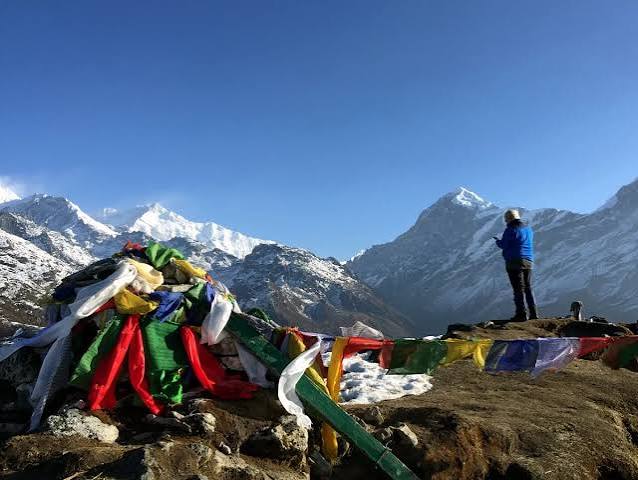
- Enjoy sunrise views from Dzongri Top over the Kanchenjunga range.
- See dramatic views of Kanchenjunga, Pandim, Kabru and Rathong peaks.
- Experience the diverse landscapes of Khangchendzonga National Park.
- Cross scenic mountain streams and suspension bridges along the trail.
- Combine a Sikkim Himalayan trek with an inbound journey from Nepal.
Dzongri Trek from Nepal Route: Kathmandu → Bagdogra → Yuksom → Tshoka → Dzongri
The Dzongri Trek from Nepal begins in Kathmandu with a flight to Bagdogra, followed by a scenic drive through the foothills of West Bengal and into the mountains of Sikkim. From Yuksom, the gateway to the Sikkim Dzongri Trek, the trekking route enters dense Himalayan forests and follows the trail through Sachen and Bakhim before reaching the beautiful mountain settlement of Tshoka. The trail then climbs through rhododendron and alpine forests to Phedang and continues toward Dzongri, where spectacular views of the Kanchenjunga range, Pandim, Kabru and surrounding Himalayan peaks await. A sunrise hike to Dzongri Top provides one of the major highlights of the trek before descending through Tshoka and Sachen back to Yuksom. The journey concludes with an overland transfer to Bagdogra and a return flight to Kathmandu.
Route Map:
Kathmandu, Nepal → ✈️ Bagdogra → 🚐 Yuksom → 🥾 Sachen → Bakhim → Tshoka → Phedang → Dzongri → ⛰️ Dzongri Top → Tshoka → Sachen → Yuksom → 🚐 Bagdogra → ✈️ Kathmandu
Include
- Airport pickup and drop-off in Kathmandu.
- Round-trip flight between Kathmandu and Bagdogra, subject to flight schedule.
- Private ground transportation between Bagdogra/Siliguri and Yuksom.
- Accommodation in Kathmandu on a twin-sharing basis.
- Hotel/lodge accommodation in Yuksom before and after the trek.
- Trekking accommodation in lodges, guesthouses or camps along the route.
- All meals during the trekking portion as specified in the itinerary.
- Experienced English-speaking trekking guide.
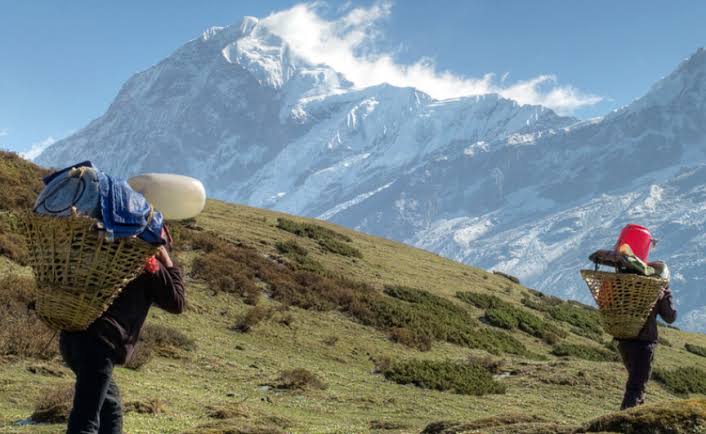
- Porters for carrying trekking equipment and luggage, where arranged.
- Trekking staff's accommodation, meals, insurance and allowances.
- Required Sikkim entry and trekking permits.
- Protected-area/park entry fees where applicable.
- Necessary local registration and trekking documentation.
- Camping equipment, including tents, sleeping mats and kitchen equipment where camping is required.
- Trekking route coordination and local support.
- Dzongri Top sunrise excursion.
- Government taxes and applicable service charges.
Exclude
- International airfare other than the specified Kathmandu–Bagdogra flights.
- Indian visa or other immigration/documentation fees, if applicable.
- Travel insurance, including trekking, medical evacuation and trip cancellation coverage.
- Personal trekking equipment such as sleeping bags, trekking boots, jackets and backpacks.
- Personal expenses such as laundry, telephone calls, Wi-Fi and charging fees.
- Alcoholic beverages and bottled/mineral water.
- Meals and accommodation not specifically mentioned in the itinerary.
- Tips and gratuities for guides, porters and drivers.
- Emergency evacuation or rescue costs.
- Medical expenses and personal medication.
- Excess baggage and baggage charges.
- Expenses caused by flight delays, road closures, weather, landslides or other unforeseen circumstances.
- Any additional accommodation or transportation resulting from itinerary changes.
- Optional sightseeing or activities not mentioned in the itinerary.
- Anything not specifically listed under What's Included.
Dzongri Trek from Nepal | 8 Days Sikkim Trekking Package Itinerary
Begin your journey from Kathmandu with a flight toward Bagdogra in West Bengal, India, followed by a scenic overland drive toward West Sikkim. After completing the necessary entry and local travel formalities, continue through the foothills and winding mountain roads toward Yuksom, the historic gateway to the Dzongri trekking route. The drive takes several hours and gradually changes from the busy plains to forested mountain landscapes. Depending on flight and road conditions, arrive in Yuksom in the evening and check into a local hotel or lodge. Take the evening to rest, meet your trekking team, check your equipment and prepare for the following morning’s trek.
Overnight: Yuksom
Meals: Breakfast
Approx. altitude: 1,780 m / 5,840 ft
After breakfast, begin the trek from Yuksom through dense forest toward Sachen. The trail initially passes through the historic surroundings of Yuksom before entering the forest of the Khanchendzonga landscape. You will cross several small streams and suspension bridges while gradually gaining altitude. The trail is shaded for much of the day, with occasional clearings providing views of the surrounding hills. The walk becomes steeper in sections as you approach Sachen, but the relatively moderate distance makes it a suitable first trekking day. Arrive at the Sachen campsite in the afternoon, settle into your camp or trekking accommodation and enjoy a warm meal before resting in the forest surroundings.
Trekking: approximately 7–8 km
Walking time: about 5–6 hours
Overnight: Sachen
Meals: Breakfast, lunch and dinner
Approx. altitude: 2,200 m / 7,200–7,400 ft
Start the morning with breakfast before continuing deeper into the forest. The trail from Sachen gradually climbs toward Bakhim, passing through thick woodland and crossing mountain streams. Bakhim provides a natural rest point where you can stop for tea, water and a short break while enjoying views across the surrounding valleys. From Bakhim, the trail continues upward through rhododendron and Himalayan forests toward Tshoka. As you climb higher, the vegetation begins to change and the first impressive mountain views appear through the trees. Reach Tshoka by afternoon and settle into your lodge or campsite. If the weather is clear, you can explore the small settlement and enjoy views toward the surrounding snow-covered peaks.
Trekking: approximately 6–7 km
Walking time: about 5–6 hours
Overnight: Tshoka
Meals: Breakfast, lunch and dinner
Approx. altitude: 2,980 m / 9,790 ft
Today is one of the most demanding and rewarding days of the trek. After breakfast, leave Tshoka and begin the long ascent toward Phedang. The trail climbs through beautiful rhododendron, magnolia and alpine forests, with increasingly dramatic views as you gain altitude. The ascent becomes steeper in sections, so maintain a steady pace and take regular breaks. After reaching Phedang, continue along the high trail toward Dzongri. The landscape gradually opens into alpine meadows, and the surrounding peaks become much more prominent. As you approach Dzongri, the first clear views of the Kanchenjunga, Pandim and Kabru mountain ranges create an impressive backdrop. Arrive at Dzongri in the afternoon, have a warm meal and rest at the high-altitude camp.
Trekking: approximately 8–9 km
Walking time: about 7–9 hours
Overnight: Dzongri
Meals: Breakfast, lunch and dinner
Approx. altitude: 4,018 m / 13,190 ft
Wake early for the highlight of the trek: the sunrise hike to Dzongri Top. After a light breakfast or hot drink, walk uphill through the alpine meadows toward the viewpoint. The climb is relatively short but can feel demanding because of the altitude and cold morning conditions. From Dzongri Top, enjoy a wide Himalayan panorama featuring the Kanchenjunga range, Kabru, Pandim and surrounding peaks. On a clear morning, the first sunlight gradually illuminates the snow-covered mountains, creating one of the most memorable views of the journey. After spending time at the viewpoint, descend carefully to Dzongri for breakfast and spend the rest of the day resting and acclimatizing. This slower day is important after the rapid altitude gain of the previous days.
Trekking: approximately 2–3 km round trip
Walking time: about 2–3 hours
Overnight: Dzongri
Meals: Breakfast, lunch and dinner
Approx. altitude: Dzongri 4,018 m / 13,190 ft; Dzongri Top around 4,150–4,200 m depending on route/reference
After breakfast, begin the descent from Dzongri toward Tshoka, retracing the trail through Phedang. Descending is generally easier than the previous ascent, but the steep sections require careful footing, particularly if the trail is wet, icy or muddy. As you lose altitude, the vegetation becomes denser and the air gradually becomes warmer. Take time to appreciate the changing landscape, from open alpine meadows around Dzongri to rhododendron forests lower down. Reach Tshoka in the afternoon and check into your accommodation. Enjoy a relaxed evening with the trekking team and recover after the high-altitude section of the journey.
Trekking: approximately 8 km
Walking time: about 6–7 hours
Overnight: Tshoka
Meals: Breakfast, lunch and dinner
Approx. altitude: 2,980 m / 9,790 ft
Today you descend all the way back to Yuksom. After breakfast, follow the forest trail from Tshoka toward Bakhim and then continue down to Sachen. The trail passes through dense Himalayan woodland, suspension bridges and streams that you encountered during the ascent. From Sachen, continue along the undulating forest trail toward Yuksom. Although the overall route is downhill, some short uphill sections remain, so maintain a comfortable pace. Arrive in Yuksom by afternoon or early evening and check into your hotel. After several nights in trekking camps, enjoy a comfortable shower and a relaxed evening in town.
Trekking: approximately 15–17 km
Walking time: about 6–8 hours
Overnight: Yuksom
Meals: Breakfast, lunch and dinner
Approx. altitude: 1,780 m / 5,840 ft
After breakfast, leave Yuksom for the drive back toward Siliguri and Bagdogra. The route follows the winding mountain roads through West Sikkim and gradually descends toward the plains. Depending on your flight schedule, continue to Bagdogra Airport for your return flight toward Kathmandu. If the flight schedule requires additional travel time, your operator can arrange an overnight stay in Siliguri and connect you with the next available flight. Your Dzongri Trek concludes with your arrival back in Kathmandu, carrying memories of the forests, alpine landscapes and spectacular Himalayan views of western Sikkim.
Meals: Breakfast
End of trek: Kathmandu, Nepal
Video
Dzongri Trek from Nepal – Packing List
Clothing
- Moisture-wicking trekking T-shirts
- Thermal base layers
- Fleece jacket
- Down or insulated jacket
- Waterproof and windproof jacket
- Trekking pants
- Thermal trousers
- Waterproof pants
- Warm hat or beanie
- Sun hat/cap
- Warm gloves
- Lightweight inner gloves
- Woolen trekking socks
- Extra underwear
Footwear
- Waterproof trekking boots with good ankle support
- Comfortable camp shoes or sandals
- Gaiters for wet, muddy or snowy conditions
Trekking Gear
- 40–60 L trekking backpack
- Waterproof backpack cover
- Duffel bag if porter service is arranged
- Sleeping bag suitable for cold mountain temperatures
- Trekking poles
- Headlamp with spare batteries
- Water bottle or hydration bladder
- Sunglasses with UV protection
- Small daypack for essential items
Personal & Health Items
- Personal first-aid kit
- Prescription medicines
- Basic pain-relief medicine
- Blister treatment
- Sunscreen and lip balm with SPF
- Personal toiletries
- Hand sanitizer
- Wet wipes and biodegradable tissues
- Quick-dry towel
Documents & Money
- Passport
- Indian visa/entry documents if applicable
- Required Sikkim permits
- Travel insurance documents
- Emergency contact details
- Copies of important documents
- Some Indian currency
- Credit/debit card
Electronics
- Mobile phone
- Camera
- Power bank
- Charging cables
- Universal travel adapter
- Spare batteries or memory cards
Optional but Useful
- Binoculars
- Trekking towel
- Snacks, energy bars or chocolate
- Reusable zip-lock bags
- Small thermos
- Earplugs
- Book or entertainment for evenings
- Portable water purification tablets/filter
Important: Pack light and keep only essential items for the trek. Temperatures around Dzongri can be very cold, particularly before sunrise, so warm layers, a suitable sleeping bag, waterproof footwear and reliable rain/wind protection are especially important.
Reviews
No reviews found.