
Damodar Kunda Trek Nepal – 20 Days
Destination:
Damodar Kunda, Nepal
Trip Duration:
20 Days
Max Altitude:
4,890 meters (Damodar Kunda)
Activities:
Trekking, cultural exploration, pilgrimage, sightseeing
Start Point:
Kathmandu
Ending Point:
Kathmandu
Region:
Upper Mustang
Trip Grade:
Challenging (High altitude & remote trekking)
Group Size:
2 – 12 people
Accomodation:
Hotel in Kathmandu & Pokhara; teahouse/lodge during trek
Meals:
Breakfast in cities; full board meals (Breakfast, Lunch, Dinner) during trek
Transportation:
Tourist bus (Kathmandu–Pokhara–Kathmandu), domestic flights (Pokhara–Jomsom–Pokhara)
Permits Required:
Upper Mustang Restricted Area Permit & Annapurna Conservation Area Permit
Best Season:
Spring (March–May) & Autumn (September–November) – best weather, clear views, and stable trekking conditions
Damodar Kunda Trek
The Damodar Kunda Trek is one of Nepal’s most remote and spiritually significant high-altitude journeys, offering an experience that blends adventure, isolation, and deep cultural immersion. Located in the far northern reaches of Upper Mustang, the Damodar Kunda Trek takes trekkers far beyond the commonly traveled Himalayan trails into a landscape that feels untouched by modern development. This trek leads to the sacred Damodar Kunda, a destination revered for centuries and surrounded by myths, beliefs, and raw natural beauty.
Damodar Kunda Trek Experience in Upper Mustang Region
The Damodar Kunda Trek offers a completely different trekking experience compared to mainstream routes in Nepal. Instead of lush forests and crowded villages, the trail unfolds across barren cliffs, windswept plateaus, and vast open valleys. This trans-Himalayan terrain gives the Damodar Kunda Trek a distinct identity, making it one of the most unique trekking routes in the country.
Trekkers on the Damodar Kunda Trek pass through isolated settlements where Tibetan-influenced culture dominates everyday life. Stone houses, ancient monasteries, and prayer flags define the landscape, providing a strong sense of cultural authenticity. The remoteness of the Damodar Kunda Trek ensures that interactions with locals feel genuine and uncommercialized, offering a rare glimpse into traditional Himalayan living.
Spiritual Importance of Damodar Kunda Trek
The Damodar Kunda Trek holds immense religious value, particularly for Hindu pilgrims who believe that bathing in the sacred lakes cleanses sins and brings spiritual liberation. The lakes are associated with Lord Vishnu, and their presence makes the Damodar Kunda Trek more than just an adventure it becomes a sacred journey.
Buddhist influence is equally visible along the Damodar Kunda Trek, with chortens, mani walls, and monasteries scattered across the region. The coexistence of these spiritual traditions enhances the cultural richness of the Damodar Kunda Trek, making it a meaningful experience for both trekkers and pilgrims.
Landscape and Natural Beauty of Damodar Kunda Trek
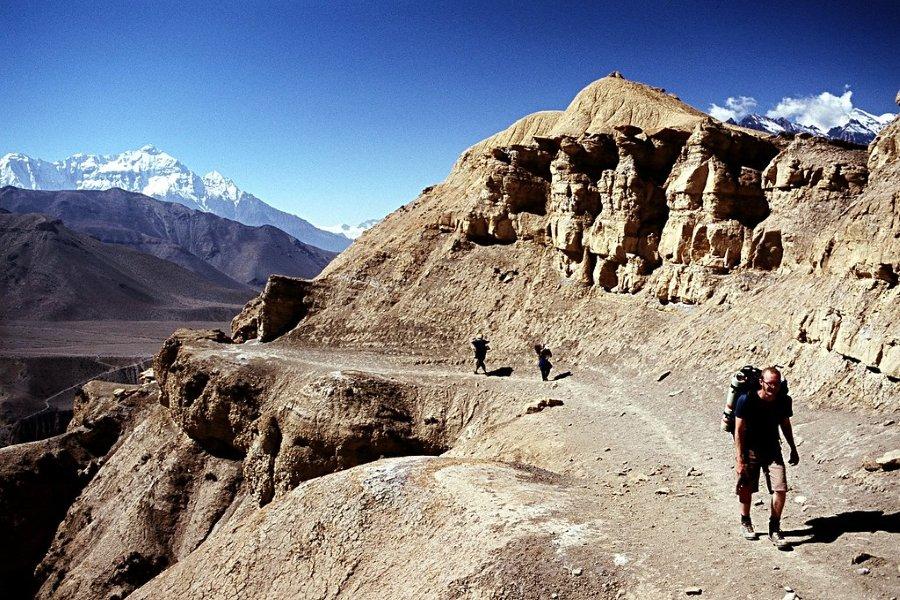
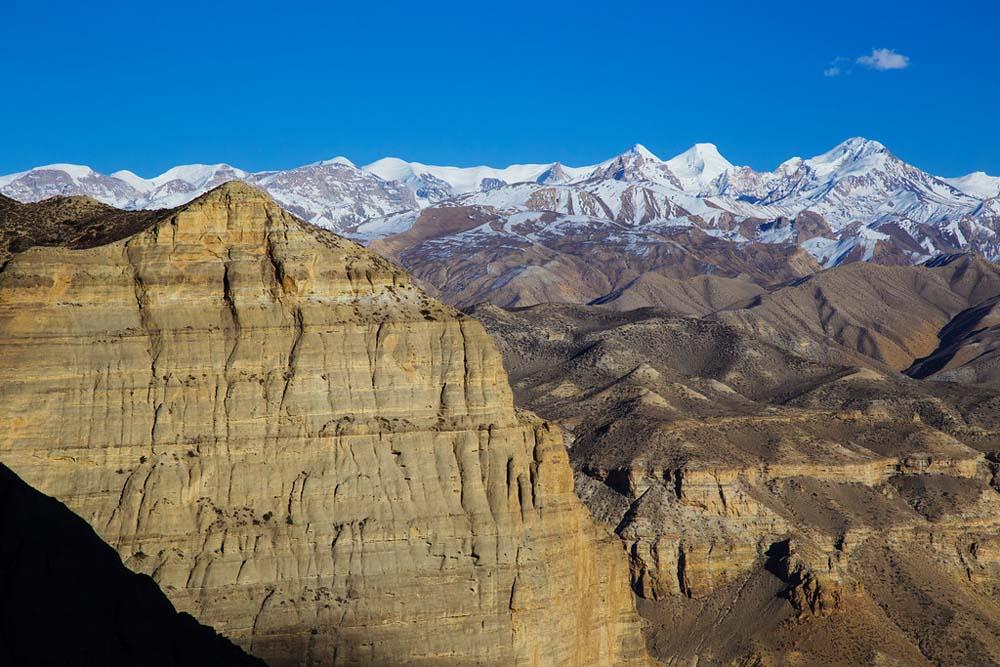
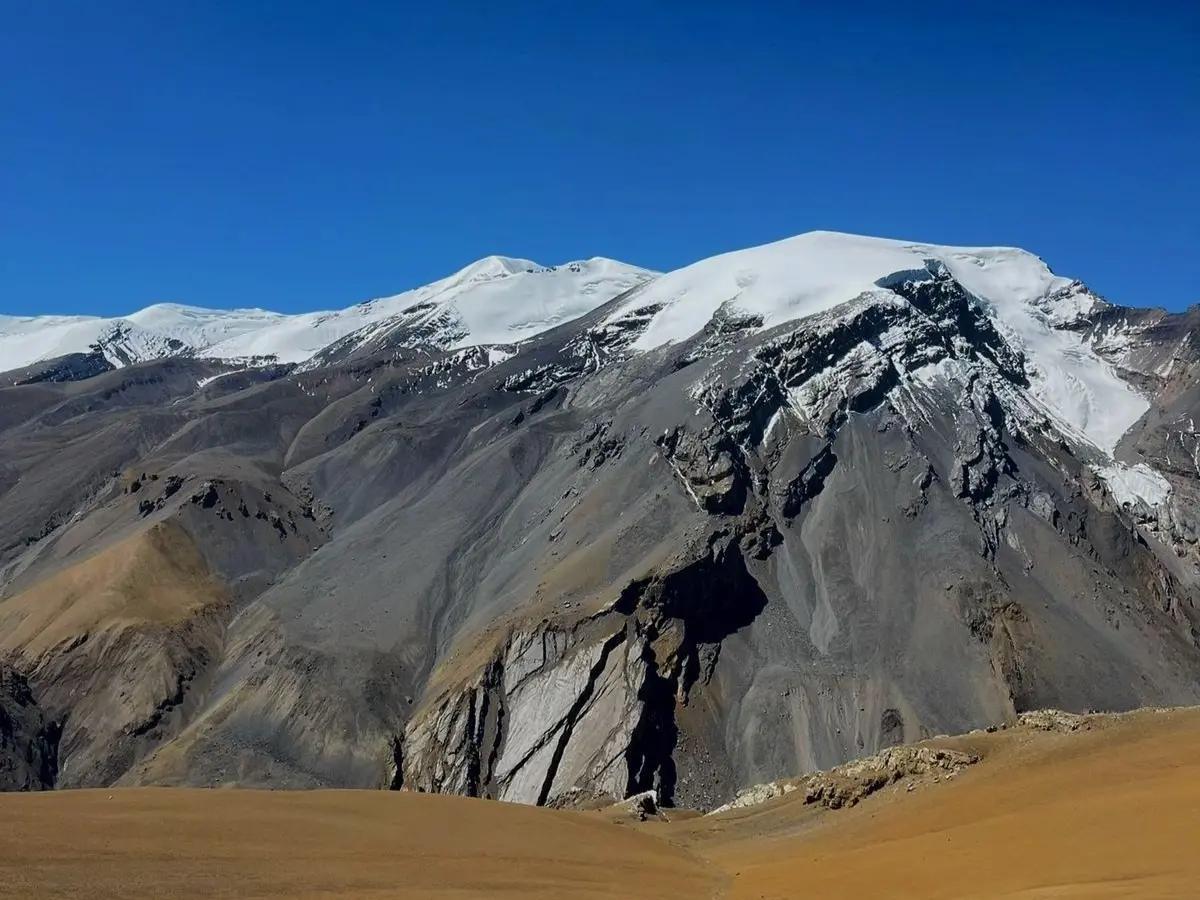
The terrain of the Damodar Kunda Trek is dramatic and ever-changing. Deep canyons, eroded rock formations, and high-altitude deserts dominate the scenery, creating a rugged yet mesmerizing environment. The stark contrast between dry landscapes and distant snow-covered peaks is one of the defining visual features of the Damodar Kunda Trek.
Due to its location in a rain-shadow area, the Damodar Kunda Trek experiences minimal rainfall, resulting in clear skies and expansive views. This unique geography allows trekkers to witness a side of Nepal that is vastly different from the greener regions of the Himalayas.
Why Damodar Kunda Trek is a Unique Adventure
The Damodar Kunda Trek is ideal for those seeking solitude and exclusivity. Unlike popular trekking routes, the Damodar Kunda Trek sees very few visitors, preserving its raw and untouched nature. This sense of isolation is one of the biggest appeals of the Damodar Kunda Trek, attracting trekkers who want to escape crowded trails.
Another defining feature of the Damodar Kunda Trek is its combination of physical challenge and spiritual depth. The journey demands endurance and preparation, but it rewards trekkers with unmatched scenery and a profound sense of accomplishment. Completing the Damodar Kunda Trek is not just about reaching a destination—it is about experiencing a journey that is both physically and mentally transformative.
Cultural Encounters on Damodar Kunda Trek
Culture plays a central role in the Damodar Kunda Trek experience. The region’s isolation has helped preserve ancient traditions, languages, and customs. Trekkers often witness traditional farming practices, local festivals, and monastic rituals that have remained unchanged for generations.
The people of Upper Mustang are known for their hospitality and resilience. Interacting with these communities adds a human element to the Damodar Kunda Trek, making it more than just a scenic adventure. These cultural encounters leave a lasting impression and deepen the overall trekking experience.
Best Season for Damodar Kunda Trek
The Damodar Kunda Trek can be undertaken during multiple seasons, but spring and autumn offer the best conditions. During these periods, the weather is stable, visibility is excellent, and temperatures are moderate. The rain-shadow location also allows the Damodar Kunda Trek to be feasible during monsoon months, which is uncommon for most treks in Nepal.
Seasonal variations add different dimensions to the Damodar Kunda Trek, from clear mountain views to dramatic skies and changing landscapes. Choosing the right time enhances the overall experience and ensures safer trekking conditions.
Challenges of Damodar Kunda Trek
The Damodar Kunda Trek is a demanding expedition that requires proper preparation. High altitude, long trekking days, and limited infrastructure make the Damodar Kunda Trek suitable for experienced trekkers. The remoteness of the region means that facilities are basic, and in many sections, camping is necessary.
Altitude is one of the biggest challenges on the Damodar Kunda Trek, as trekkers reach elevations above 5,000 meters. Proper acclimatization and physical fitness are essential for successfully completing the Damodar Kunda Trek.
Trekking Similar to Damodar Kunda Trek
- Annapurna Circuit Trek: 15 Night – 16 Days
- Manaslu Circuit trek-14N/15D
- Everest Base Camp Trek- 12 Days/ 11 Night
Nepal Pilgrimage & Cultural Tours
- Buddhist Pilgrimage Tour 6 Nights / 7 Days
- Kathmandu, Pokhara & Muktinath 7 Nights / 8 Days
- 8 Days Culture, Wildlife & Heritage of Nepal
- Mani Rimdu Festival in Everest Region 11 Nights / 12 Days
- 1-Day Kathmandu UNESCO Heritage Tour with Complimentary Nagarkot Sunrise & Rani Jhula
Final Experience: Damodar Kunda Trek as a Complete Himalayan Journey
The Damodar Kunda Trek stands out as one of Nepal’s most extraordinary trekking experiences. It combines spiritual significance, cultural richness, and raw natural beauty in a way that few other treks can match. From the remote valleys of Upper Mustang to the sacred waters of Damodar Kunda, every step of the Damodar Kunda Trek offers something unique and unforgettable.
For trekkers seeking a journey that goes beyond the ordinary, the Damodar Kunda Trek provides an unparalleled adventure into one of the most isolated and fascinating regions of the Himalayas.
Damodar Kunda Trek Nepal – 20 Days Highlights
- Explore the sacred and remote Damodar Kunda, a revered pilgrimage site for both Hindus and Buddhists
- Trek through the mystical landscapes of Upper Mustang, known for its desert-like terrain and dramatic cliffs
- Visit the ancient walled city of Lo Manthang, rich in Tibetan culture and heritage
- Experience authentic Tibetan-influenced lifestyle, monasteries, and centuries-old traditions in remote Himalayan villages
- Discover the hidden cave monastery of Luri Gompa with ancient murals and spiritual significance
- Enjoy breathtaking views of the Annapurna, Dhaulagiri, and Damodar Himalayan ranges throughout the trek
- Walk along the world’s deepest gorge carved by the Kali Gandaki River
- Traverse less crowded, off-the-beaten-path trails far from commercial trekking routes
- Experience high-altitude adventure reaching up to 4,890 meters in a raw Himalayan environment
- Combine adventure, culture, and spirituality in one of Nepal’s most unique and restricted trekking regions
Route Details – Damodar Kunda Trek
The Damodar Kunda Trek route begins from the vibrant city of Kathmandu with a scenic drive to Pokhara, followed by a short but breathtaking mountain flight to Jomsom. From Jomsom, the trek officially starts as you follow the windswept Kali Gandaki Valley toward Kagbeni, the entry point to the restricted Upper Mustang region.
The trail gradually ascends through traditional Mustang villages such as Chele, Syangboche, Ghami, and Tsarang, eventually leading to the ancient walled city of Lo Manthang. This section of the route offers a mix of barren desert landscapes, deep canyons, eroded cliffs, and centuries-old monasteries, all reflecting strong Tibetan cultural influence.
After acclimatization in Lo Manthang, the route diverts eastward into a more remote and less-traveled section of Upper Mustang. The trail passes through isolated settlements like Yara and ascends toward the sacred Damodar Kunda, situated at an altitude of 4,890 meters. This part of the journey is physically demanding and requires camping due to the absence of teahouses, but it rewards trekkers with untouched landscapes and profound spiritual significance.
After reaching Damodar Kunda, the trek retraces a different path via Tangge and Chhusang, eventually reconnecting with the main trail back to Jomsom. A scenic flight returns you to Pokhara, followed by a drive back to Kathmandu, completing this extraordinary Himalayan adventure through one of Nepal’s most remote and culturally rich regions.
Include
- Airport transfers in Kathmandu (arrival & departure)
- 3-star hotel accommodation in Kathmandu and Pokhara with breakfast
- Tourist bus transportation between Kathmandu and Pokhara (both ways)
- Domestic flights: Pokhara – Jomsom – Pokhara
- Full board meals (Breakfast, Lunch, Dinner) during the trek
- Teahouse/lodge accommodation throughout the trek (camping setup in remote areas like Damodar Kunda)
- Experienced, licensed trekking guide and necessary support staff (porters)
- All required trekking permits: Upper Mustang Restricted Area Permit and Annapurna Conservation Area Permit.
- Trekking equipment for camping (tents, kitchen gear, etc. where required)
- First aid kit and basic medical support
- All government taxes and service charges
Exclude
- International airfare to/from Kathmandu
- Nepal visa fees and travel insurance (mandatory for high-altitude trekking)
- Lunch and dinner in Kathmandu and Pokhara (unless specified)
- Personal expenses (wifi, phone calls, laundry, hot showers, battery charging, etc.)
- Personal trekking gear (sleeping bag, down jacket, trekking poles, etc.)
- Tips for guide and porters (expected but not mandatory)
- Emergency rescue, evacuation, or medical expenses
- Extra costs due to delays (weather, flight cancellation, political issues, natural disasters)
- Any services not specifically mentioned in the “Includes” section
Damodar Kunda Trek Nepal – 20 Days Itinerary
Upon your arrival at Tribhuvan International Airport in Kathmandu, you will be warmly welcomed by your trekking representative and transferred to your hotel in the heart of the city. After check-in, you can take some time to rest and recover from your journey or explore the lively streets nearby, especially the popular Thamel area known for its trekking shops, cafes, and cultural ambiance.
In the evening, a comprehensive trek briefing will be organized, where your guide will explain the entire route, altitude profile, acclimatization plan, safety precautions, and cultural etiquette of the Upper Mustang region. You will also review your trekking equipment, finalize permits, and prepare mentally for the adventurous journey ahead in one of Nepal’s most remote Himalayan regions.
After an early breakfast, you begin a scenic overland journey from Kathmandu to Pokhara, covering approximately 200 kilometers over 6–8 hours. The drive follows winding mountain highways alongside the Trishuli River, offering constantly changing landscapes of lush hills, terraced farmlands, small villages, and roadside markets. Along the way, you may stop for lunch at a riverside restaurant and enjoy the peaceful surroundings.
As you approach Pokhara, the scenery opens up to reveal glimpses of the Annapurna range on clear days. Upon arrival, you will check into your hotel near Phewa Lake. In the evening, you can enjoy a leisurely lakeside walk, boat ride, or relax in a café while watching the reflection of the mountains in the tranquil waters.
Early in the morning, you take a short yet spectacular flight from Pokhara to Jomsom, one of the most scenic mountain flights in Nepal. As the aircraft flies between the Annapurna and Dhaulagiri massifs, you will witness dramatic Himalayan views and deep river valleys below. Upon landing at Jomsom, a windy town located in the Kali Gandaki Valley, you begin your trek toward Kagbeni.
The trail is relatively gentle, following the riverbed through a dry and windswept landscape typical of Mustang. After 3–4 hours of walking, you reach Kagbeni, a historic village known for its medieval architecture, narrow alleyways, prayer wheels, and ancient monasteries. This village serves as the gateway to Upper Mustang and offers a unique blend of Tibetan culture and Himalayan tradition.
Today marks the official entry into the restricted Upper Mustang region, where the landscape dramatically changes into a high-altitude desert with striking rock formations and deep canyons. The trail follows the Kali Gandaki River before gradually climbing above the valley. You pass through small settlements, chortens, and eroded cliffs that resemble natural sculptures carved by wind and time.
The route involves a mix of ascents and descents along narrow paths with stunning views of the surrounding barren hills. After several hours of trekking, you arrive at Chele, a small village perched on a ridge, offering panoramic views of the Mustang landscape. The village provides a peaceful setting for overnight rest and acclimatization.
The trek today is physically demanding yet incredibly rewarding as you cross several high passes, including Taklam La and Dajori La, both adorned with colorful prayer flags fluttering in the strong mountain winds. The trail climbs steeply and then descends through rugged terrain, offering spectacular views of the Mustang region’s vast and barren landscapes. Along the way, you may encounter small villages and ancient cave dwellings carved into cliffs.
The changing scenery and increasing altitude make this day both challenging and exciting. After a long day of trekking, you reach Syangboche, a quiet village surrounded by dramatic mountain vistas, where you can rest and enjoy the tranquility of the high Himalayas.
Leaving Syangboche, the trail descends through beautiful landscapes dotted with small settlements and cultivated fields. You will pass one of the longest mani walls in the Mustang region, intricately carved with Buddhist prayers, which is considered sacred and must be passed on the left side. The trail then continues through a series of gentle ascents and descents before reaching Ghami, a picturesque village surrounded by cliffs and agricultural land. The village offers insight into the daily lives of local people and provides a peaceful environment for relaxation after a rewarding day of trekking.
Today’s journey takes you across wide valleys and over a suspension bridge spanning a deep gorge. The trail gradually ascends toward Tsarang, an important cultural and historical village in Upper Mustang. Upon arrival, you will notice the impressive red monastery and ancient fortress that dominate the landscape. These structures reflect the region’s rich Tibetan Buddhist heritage. You can spend the evening exploring the monastery, interacting with locals, and learning about the traditions and history of this unique Himalayan community.
The trail to Lo Manthang is one of the most exciting segments of the trek, as you approach the ancient walled capital of Mustang. After a steady climb over a high ridge, you are rewarded with your first view of Lo Manthang, surrounded by its protective walls. The path then descends gently into the city. Once inside, you will be amazed by the narrow alleys, traditional mud-brick houses, monasteries, and the royal palace that still stands as a symbol of Mustang’s history. This culturally rich destination offers a rare glimpse into a preserved Tibetan-influenced civilization.
This day is dedicated to acclimatization and exploration, allowing your body to adjust to the high altitude while experiencing the cultural richness of Lo Manthang. You can visit ancient monasteries such as Jampa, Thubchen, and Chode Gompa, each showcasing beautiful murals, statues, and religious artifacts. An optional excursion to the Chhoser caves reveals ancient sky caves carved into cliffs, believed to have been used for meditation and habitation centuries ago. This day provides both physical rest and cultural immersion.
After spending a rewarding acclimatization day in Lo Manthang, you leave the walled city behind and venture toward the more remote eastern region of Upper Mustang. The trail descends gradually from Lo Manthang through barren hills and vast open valleys shaped by centuries of wind erosion. Unlike the main trekking route, this section is less frequented, offering a true sense of wilderness and isolation.
You cross dry riverbeds, walk along narrow trails carved into cliffs, and pass occasional shepherd camps. The landscape feels raw and untouched, with dramatic rock formations and deep gorges surrounding you. After several hours of trekking, you reach Yara, a small and scattered village set against a backdrop of towering cliffs. The peaceful atmosphere and limited outside influence make this an ideal place to experience authentic Mustang culture and lifestyle.
Today’s trek is both culturally and spiritually significant as you head toward the sacred Luri Gompa, one of the oldest and most fascinating cave monasteries in the Mustang region. The trail involves crossing a river and navigating through narrow canyons with steep walls rising on either side. The terrain is rugged and requires careful footing, but the journey is incredibly rewarding.
Upon reaching Luri Gompa, you will explore the monastery built inside a natural cave, adorned with ancient Buddhist murals, chortens, and relics that date back centuries. The spiritual ambiance of this hidden sanctuary, combined with its dramatic location, makes it one of the most unique highlights of the entire trek. You will spend the night nearby, surrounded by the silence of the high Himalayan desert.
The journey today takes you deeper into the remote and high-altitude wilderness of Upper Mustang. As you leave Luri Gompa behind, the trail becomes less defined and more challenging, requiring careful navigation across vast plateaus and rocky terrain. The altitude gain is significant, and you will notice the air becoming thinner as you ascend. The surrounding environment is stark and dramatic, with wide open spaces, minimal vegetation, and distant snow-capped peaks.
After a long and demanding trek, you arrive at Ghuma Thanti, a basic campsite area used by trekkers and pilgrims heading toward Damodar Kunda. Due to the high elevation, temperatures can drop rapidly, especially at night, so proper acclimatization and warm clothing are essential.
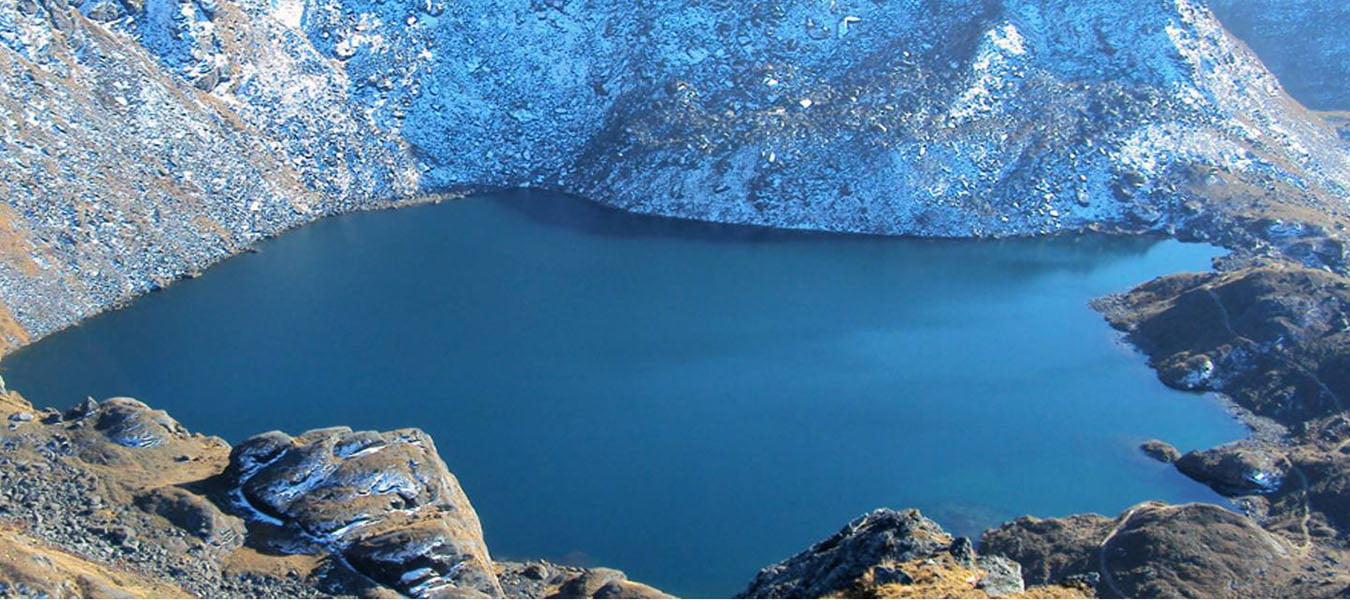
This is the most important and spiritually significant day of the entire trek as you make your way to the sacred Damodar Kunda. The trail climbs steadily across high-altitude terrain, offering breathtaking views of the surrounding Himalayan landscape. After several hours of trekking, you reach the holy lakes of Damodar Kunda, revered by both Hindus and Buddhists. According to belief, bathing in these sacred waters cleanses sins and brings spiritual purification.
The serene and isolated setting, surrounded by barren mountains and vast skies, creates a deeply peaceful and meditative atmosphere. You will spend some time exploring and reflecting at the site before retracing your steps back to Ghuma Thanti for the night.
After achieving the main objective of reaching Damodar Kunda, you begin your return journey by descending back toward Yara. The descent provides a different perspective of the landscapes you encountered earlier, allowing you to appreciate the vastness and beauty of the region once again.
The trail gradually becomes easier as you lose altitude, and the oxygen level increases, making the walk more comfortable. You pass through familiar terrain and remote valleys before reaching Yara, where you will rest and reflect on the incredible journey to the sacred lakes.
The trek from Yara to Tangge is one of the most adventurous and less-traveled sections of the route. The trail winds through narrow gorges, crosses small streams, and involves several steep ascents and descents along rugged paths carved into cliffs. The terrain is challenging but incredibly scenic, offering a true sense of exploration in a remote Himalayan environment.
Tangge is a small and isolated village with traditional houses and a simple lifestyle, largely untouched by modern development. Spending the night here provides a rare opportunity to experience the authentic culture and hospitality of Mustang’s remote communities.
Today is a long and physically demanding trekking day as you make your way from Tangge to Chhusang. The trail descends through expansive valleys, crosses several streams, and passes through dramatic landscapes characterized by red cliffs and unique rock formations.
As you continue descending, the terrain gradually becomes less harsh, and signs of vegetation begin to reappear. Upon reaching Chhusang, you will notice the distinctive red cliffs that define the village’s landscape. After a long day of trekking, you can relax and enjoy the more moderate altitude.
The trail today follows the Kali Gandaki River back toward Jomsom, marking the final stage of your trekking journey. Compared to previous days, the route is relatively easier, allowing you to walk at a relaxed pace while enjoying the familiar landscapes. You pass through villages, apple orchards, and wide riverbeds shaped by strong winds.
Upon reaching Jomsom, you will have access to better facilities, including comfortable lodges, bakeries, and shops. This is a great opportunity to celebrate the successful completion of the trek with your team.
Early in the morning, you take a scenic flight from Jomsom to Pokhara, once again enjoying breathtaking aerial views of the Annapurna and Dhaulagiri ranges. After landing in Pokhara, you may take a short break to relax or have breakfast before continuing your journey back to Kathmandu by road.
The drive offers one last opportunity to enjoy Nepal’s diverse landscapes. Upon arrival in Kathmandu, you will check into your hotel and enjoy a well-deserved rest after the long journey.
This is a free day in Kathmandu where you can relax or explore the city at your own pace. You may choose to visit UNESCO World Heritage Sites such as Swayambhunath (Monkey Temple), Pashupatinath Temple, or Kathmandu Durbar Square. Alternatively, you can spend time shopping for souvenirs in Thamel or enjoying local cuisine in one of the many restaurants. This day allows you to unwind and reflect on your trekking experience in the Himalayas.
On your final day, you will be transferred to Tribhuvan International Airport for your departure. Depending on your flight schedule, you may have some free time for last-minute shopping or relaxation. As you leave Nepal, you carry with you unforgettable memories of the Damodar Kunda Trek, including breathtaking landscapes, cultural encounters, and the spiritual experience of visiting one of the Himalaya’s most sacred sites.
Video
Packing List – Damodar Kunda Trek
Clothing (Layering System)
- Moisture-wicking base layers (top & bottom)
- Insulating mid-layers (fleece/down jacket)
- Waterproof and windproof outer jacket and pants
- Lightweight trekking shirts and pants
- Thermal underwear (for cold nights)
- Warm hat/beanie and sun hat
- Gloves (inner and insulated outer)
- Buff or scarf for dust and wind protection
- Extra socks (wool or synthetic)
Footwear
- Sturdy, well broken-in trekking boots with ankle support
- Comfortable camp shoes or sandals
- Gaiters (optional but useful for dusty trails)
Bags and Storage
- Main duffel bag (carried by porter)
- Daypack (20–30L for daily essentials)
- Dry bags or waterproof covers
- Packing cubes (optional for organization)
Sleeping and Camping Gear
- Four-season sleeping bag (-15°C to -20°C recommended)
- Sleeping bag liner
- Headlamp with extra batteries
- Trekking poles (highly recommended)
Personal Essentials
- Reusable water bottles or hydration bladder
- Water purification tablets or filter
- Sunglasses with UV protection
- Sunscreen (SPF 50+) and lip balm
- Quick-dry towel
- Toiletries (toothbrush, toothpaste, wet wipes, tissue)
Health and First Aid
- Personal medications
- Basic first aid kit (bandages, antiseptic, blister care)
- Diamox (for altitude sickness, consult a doctor)
- Pain relievers and rehydration salts
- Hand sanitizer
Documents and Money
- Passport with visa
- Trekking permits: Upper Mustang Restricted Area Permit and Annapurna Conservation Area Permit
- Travel insurance (required for high-altitude trekking)
- Cash (Nepali Rupees for remote areas)
Electronics and Extras
- Power bank or solar charger
- Camera or smartphone
- Extra batteries and memory cards
- Universal adapter
- Notebook and pen
Optional Items
- Energy bars or snacks
- Lightweight book or cards
- Binoculars
- Personal comfort items
Packing carefully is essential for remote trekking in Upper Mustang, especially around Damodar Kunda where facilities are extremely limited.
Damodar Kunda Trek Nepal – 20 Days FAQs
Damodar Kunda is located in the remote northern part of Upper Mustang, near the Tibetan plateau. It is a sacred alpine lake revered by both Hindus and Buddhists.
The trek is considered challenging due to high altitude, long trekking days, and its remote terrain. It is suitable for experienced trekkers with good physical fitness and prior high-altitude trekking experience.
The trek reaches an altitude of around 5,400 meters (17,716 ft) at Damodar Kunda, making proper acclimatization essential.
You need two main permits:
- Upper Mustang Restricted Area Permit
- Annapurna Conservation Area Permit
These permits are mandatory and must be arranged through a registered trekking agency.
The best seasons are:
- Spring (April to June)
- Autumn (September to November)
These months offer stable weather, clear skies, and better trekking conditions.
The Damodar Kunda Trek typically takes 18 to 22 days, depending on the itinerary, acclimatization days, and route variations.
Yes, due to high elevations, there is a risk of altitude sickness. Trekkers should acclimatize properly and may carry medications like Diamox after consulting a doctor.
Yes, trekking in Upper Mustang is restricted, and you are required to travel with a licensed guide through a registered trekking agency.
Accommodation includes:
- Basic teahouses in lower Mustang regions
- Camping in remote high-altitude areas near Damodar Kunda
Facilities become very limited as you go higher.
The cost typically ranges from USD 2,500 to 4,500, depending on services, group size, and itinerary inclusions.
Yes, travel insurance is mandatory and must cover high-altitude trekking and emergency helicopter evacuation.
This trek is not recommended for beginners due to its remoteness, altitude, and physical demands. Prior trekking experience is strongly advised.
The trek offers:
- Sacred lakes and spiritual significance
- Unique Tibetan-influenced culture
- Remote and untouched landscapes
- Stunning Himalayan desert scenery
Connectivity is very limited. Some lower regions may have weak signals, but most of the trek, especially near Damodar Kunda, has no network coverage.
Reviews
No reviews found.