
Chandrashila Trek from Nepal – 9 Days | Uttarakhand India
Destination:
Chandrashila, Uttarakhand, India
Trip Duration:
9 Days / 8 Nights
Max Altitude:
4,000 m / 13,123 ft
Activities:
Trekking, hiking, sightseeing, mountain photography, pilgrimage
Start Point:
Kathmandu, Nepal
Ending Point:
Kathmandu, Nepal
Region:
Uttarakhand – Garhwal Himalayas, India
Trip Grade:
Easy to Moderate
Group Size:
2–15 people
Accomodation:
3-star hotels, guesthouses and trekking camps
Meals:
Breakfast, lunch and dinner as specified in the itinerary
Transportation:
Domestic flight, private/shared vehicle and trekking
Permits Required:
Applicable trekking/local entry permits and monument/forest fees
Best Season:
March–June and September–December
Chandrashila Trek from Nepal
The Chandrashila Trek from Nepal offers an opportunity to experience the Himalayan landscapes of northern India while beginning the journey from Nepal. Unlike a short weekend hiking trip, this adventure combines international travel, mountain roads, traditional Himalayan settlements, forest trails, alpine landscapes, and a rewarding summit experience. It is designed for travelers who want to explore a different section of the Himalayas while enjoying a well-organized journey between two neighboring Himalayan countries.
The journey introduces travelers to the natural and cultural character of Uttarakhand, a mountainous state in northern India known for its valleys, forests, temples, pilgrimage routes, and Himalayan scenery. The trekking area lies within the Garhwal Himalayas, where the landscape changes continuously as the journey moves from lower mountain valleys toward higher elevations. This changing environment is one of the most appealing aspects of the Chandrashila Trek India experience.
Discovering Uttarakhand Beyond the Main Cities
The journey through Uttarakhand is as important as the trek itself. After leaving the larger urban areas, the road gradually enters a quieter mountain environment where settlements become smaller and the landscape becomes increasingly dominated by steep hills, forests and river valleys. Traditional villages appear along the roadsides, while terraced fields demonstrate how communities have adapted agriculture to the mountainous terrain.
Traveling through this region provides a different perspective on the Indian Himalayas. Rather than simply reaching the trekking trail by road, travelers have time to observe the gradual transition from the plains and foothills into the high mountain environment. Rivers, suspension bridges, forested slopes and distant mountain ridges become recurring features of the journey.
This gradual transition also makes the experience suitable for travelers who want more than a summit photograph. The Chandrashila Trek connects natural landscapes with local life and the spiritual traditions that are deeply associated with the Garhwal region.
The Himalayan Character of the Trek
The trekking experience begins in a quieter village environment before entering the forest. Walking rather than traveling by vehicle allows travelers to appreciate details that are easy to miss from the road. Forest paths, changing vegetation, birds, mountain streams and occasional clearings create a varied trekking environment.
One of the defining characteristics of this region is its forest landscape. Depending on the season and elevation, trekkers can encounter oak, rhododendron, maple and other Himalayan vegetation. Spring is particularly attractive because flowering rhododendrons add color to the surrounding forests, while autumn can provide crisp mountain air and clearer distant views.
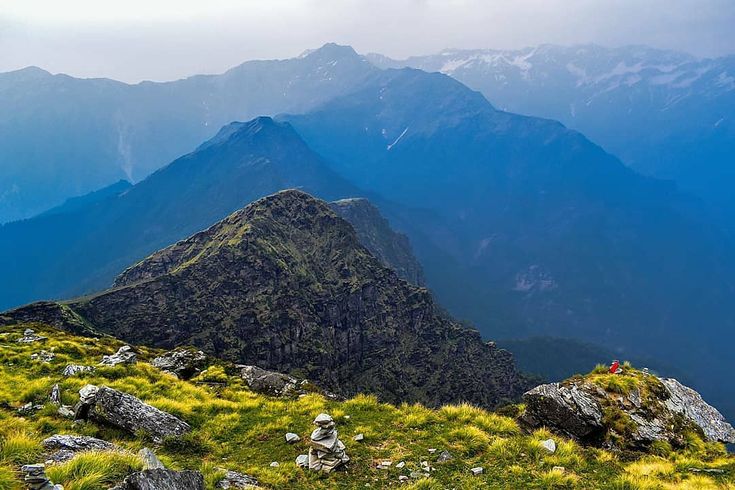
As the trail gains elevation, the scenery gradually opens. Dense forest gives way to more exposed mountain landscapes and high-altitude meadows. These transitions make the walking experience visually diverse without requiring travelers to undertake an extremely long expedition.
Deoriatal and the Mountain Landscape
The early trekking section introduces one of the region’s most peaceful natural settings. Deoriatal is surrounded by forest and mountain scenery and provides a calm contrast to the more demanding summit section later in the journey. The area is particularly appealing during clear weather, when the surrounding Himalayan peaks can be reflected in the lake.
Spending time in this environment also creates an opportunity to slow down after the initial road journey. Rather than treating the lake as simply another point on a trekking route, travelers can enjoy the atmosphere, forest surroundings and changing light across the mountains.
For photographers, this section can be especially rewarding in the early morning and late afternoon. Mountain landscapes, forest trails and village environments provide a range of subjects throughout the journey.
Walking Through the Garhwal Forests
The middle portion of the trek provides a more immersive wilderness experience. Trails pass through forests and open mountain areas where the surrounding landscape changes with elevation. The sound of the forest, mountain air and absence of busy urban surroundings create a completely different atmosphere from the beginning of the journey.
The trail also demonstrates the relationship between Himalayan communities and their environment. Mountain settlements, grazing areas and traditional paths are part of a landscape that has been used by local communities for generations.
Travelers should approach these areas respectfully. Local customs, religious sites, private property and community spaces should be treated with consideration. Responsible trekking helps preserve the character of the region while ensuring that tourism benefits local communities.
The Spiritual Side of the Journey
The Chandrashila Trek is not purely a mountain adventure. Spirituality is an important part of the experience, particularly around Tungnath. The temple and surrounding landscape reflect the long-standing religious significance of the Garhwal Himalayas.
For visitors interested in culture and religion, the journey provides an opportunity to understand how pilgrimage and mountain travel overlap in this region. The trail toward Tungnath is used not only by trekkers but also by pilgrims, particularly during the appropriate pilgrimage season.
This cultural dimension gives the trek a distinctive character. The mountains are not simply viewed as wilderness; they are also part of a living religious and cultural landscape.
The Final Approach to Chandrashila
The final approach represents the most rewarding physical section of the adventure. After progressing through forests and mountain terrain, the landscape becomes increasingly open as the trail approaches the higher reaches above Tungnath.
The ascent requires a steady pace rather than rushing toward the summit. Altitude can make relatively short climbs feel harder than expected, so maintaining an appropriate rhythm is important. Weather can also change quickly in the mountains, making flexibility an essential part of the experience.
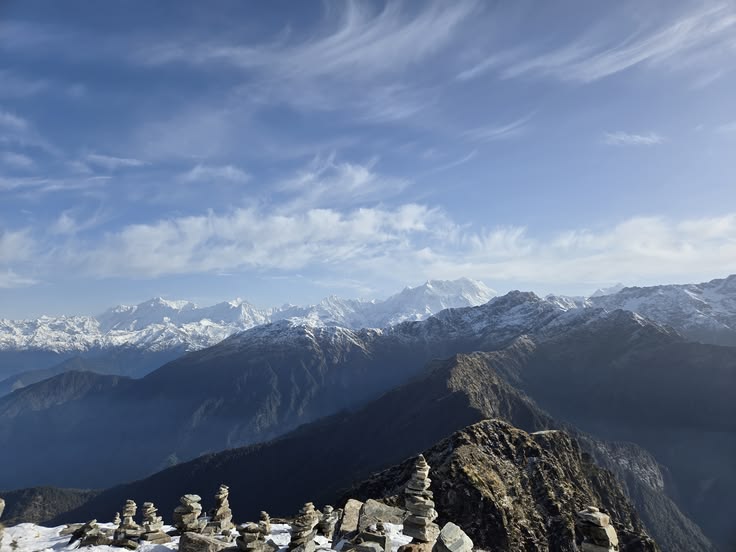
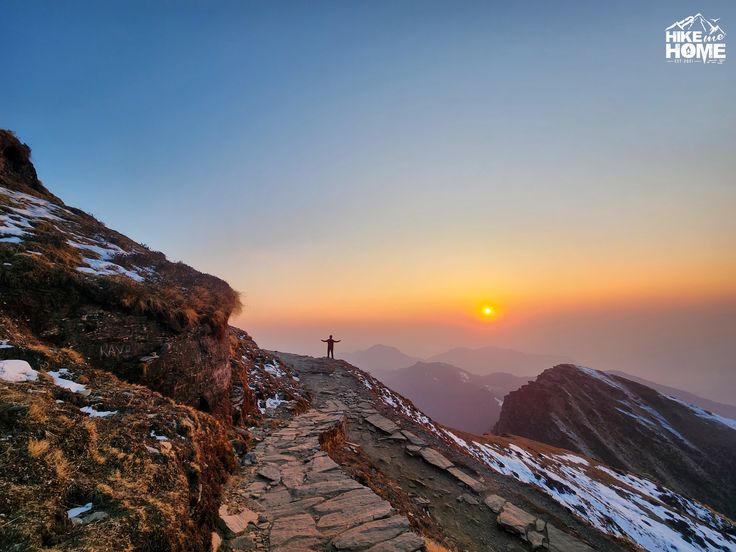
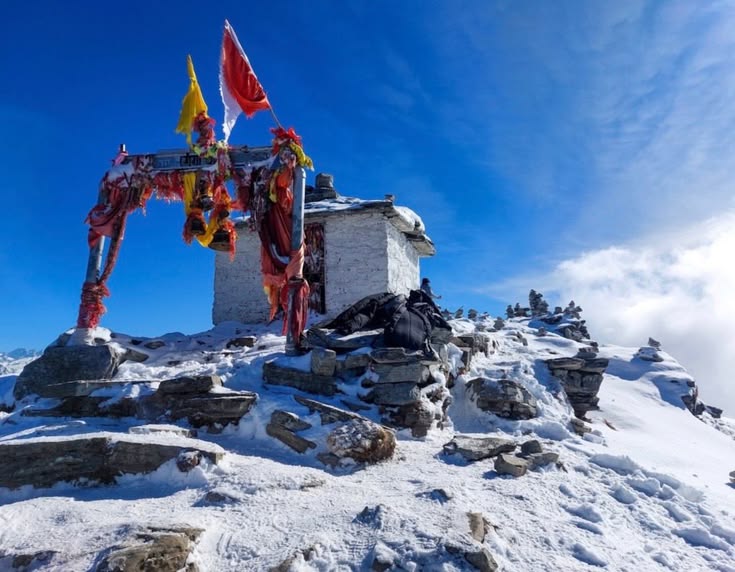
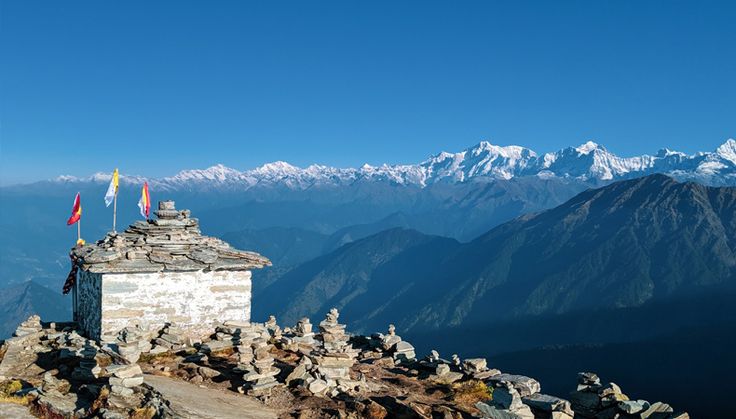
Reaching Chandrashila provides a strong sense of achievement because the summit brings together the different landscapes experienced throughout the journey. On clear days, the surrounding Himalayan panorama extends across numerous snow-covered peaks and ridges.
The summit experience is particularly dependent on weather. Clouds, wind, snow and visibility can change rapidly, so travelers should appreciate the journey itself rather than treating a completely clear summit view as guaranteed.
A Trek for Different Seasons
One of the interesting features of the Chandrashila Trek from Nepal itinerary is the way the landscape changes throughout the year. Spring brings flowering vegetation and fresh greenery, making forest sections especially attractive. Summer provides generally comfortable conditions for mountain travel, although weather can still change.
Autumn is known for clearer skies and impressive mountain visibility, while winter creates a completely different experience as snow transforms the upper trekking areas. Travelers choosing a winter departure should understand that snow and cold can significantly alter trail conditions.
The best departure period therefore depends on the type of experience a traveler wants. Those interested in flowers and greener landscapes may prefer spring, while travelers looking for snow-covered scenery may choose winter conditions with appropriate preparation.
Why Travel from Nepal?
For Nepali travelers, organizing the Chandrashila Trek from Nepal creates an opportunity to explore another Himalayan destination without limiting the adventure to Nepal’s familiar trekking regions. Nepal and northern India share many geographical and cultural connections, yet the Garhwal Himalayas provide a noticeably different trekking environment.
The journey also works well for travelers who have already experienced popular trekking destinations in Nepal and want to explore a new Himalayan region. Instead of repeating familiar landscapes, the trip introduces a different combination of Indian Himalayan culture, pilgrimage traditions, forests and mountain trails.
The cross-border nature of the journey also makes the experience more memorable. Travelers begin in Nepal, travel through India, and eventually return to Nepal after completing the trek.
Planning the Chandrashila Experience
Understanding the Chandrashila Trek from Nepal cost requires considering more than the trekking section itself. International transportation, India-side transfers, accommodation, meals, permits or local fees, guide services and seasonal travel conditions can all influence the final package price.
Travelers should also consider the difference between traveling during peak and quieter periods. Weather, accommodation availability and transportation conditions may affect operational costs. A package designed specifically for travelers from Nepal should therefore clearly separate the Nepal-to-India travel component from the trekking component.
The Chandrashila Trek from Nepal itinerary is best approached as a complete travel experience rather than simply a summit trek. Allowing sufficient time for transportation, rest and mountain travel makes the journey more comfortable and reduces the pressure of connecting long road journeys with demanding trekking days.
A Complete Himalayan Travel Experience
The appeal of the Chandrashila Trek from Nepal comes from the combination of landscapes and experiences rather than a single attraction. The journey moves from city environments to Himalayan foothills, mountain valleys, traditional villages, forests, meadows, sacred landscapes and finally the high summit environment of Chandrashila.
It provides an accessible way to discover the Garhwal Himalayas while experiencing the cultural character of Uttarakhand along the way. For travelers seeking a Himalayan adventure with a combination of trekking, nature, spirituality and cross-border exploration, the Chandrashila Trek India experience offers a distinctive journey beyond the more familiar trekking routes of Nepal.
Frequently Asked Questions – Chandrashila Trek from Nepal
1. What is the Chandrashila Trek from Nepal?
The Chandrashila Trek from Nepal is an inbound Himalayan trekking journey that starts in Nepal and takes travelers to Uttarakhand, India. The trekking section combines Deoriatal, Chopta, Tungnath Temple and Chandrashila Summit before returning to Nepal.
2. How difficult is the Chandrashila Trek?
The Chandrashila Trek is generally considered easy to moderate to moderate, depending on the route and season. The trail is manageable for reasonably fit beginners, but the final climb from Tungnath to Chandrashila is steeper and becomes more challenging with snow or poor weather. Uttarakhand Tourism classifies its Deoriatal–Chandrashila route as moderate.
3. What is the highest altitude of Chandrashila Trek?
Chandrashila is generally described at around 4,000 meters (13,123 feet), although official Uttarakhand Tourism route pages give slightly different figures depending on the itinerary, including approximately 3,683–3,700 m.
4. How long is the Chandrashila Trek?
The standard Deoriatal–Chandrashila trekking route covers roughly 30–33 km, depending on the exact route. The Chopta–Tungnath–Chandrashila section itself is approximately 9–10 km round trip according to Uttarakhand Tourism.
5. What is the best time for the Chandrashila Trek?
March to June and September to November are popular periods for the trek. Spring is particularly attractive for rhododendron blooms, while September to November generally offers clearer Himalayan views. Winter brings snow to the higher trail and requires appropriate equipment and preparation.
6. Is Tungnath included in the Chandrashila Trek?
Yes. Tungnath Temple is an important part of the standard route to Chandrashila. From Chopta, the trail climbs toward Tungnath before continuing approximately 1.5 km farther toward the Chandrashila summit.
7. How far is Chandrashila from Tungnath?
The distance from Tungnath to Chandrashila is approximately 1.5 km one way. Although short in distance, this section is significantly steeper than the trail below Tungnath and can be more demanding in snowy conditions.
8. Can beginners do the Chandrashila Trek?
Yes, reasonably fit beginners can undertake the trek with proper preparation. The main considerations are the altitude, continuous uphill walking and the steeper final section to Chandrashila. Winter conditions can increase the difficulty considerably.
9. What mountains can be seen from Chandrashila Summit?
On clear days, the summit provides panoramic views of major Himalayan peaks including Nanda Devi, Trishul, Chaukhamba, Kedar Dome and other surrounding peaks. Visibility depends heavily on weather and cloud conditions.
10. What is the Chandrashila Trek from Nepal cost?
The Chandrashila Trek from Nepal cost depends on the package structure, travel dates, group size, flights, accommodation category and services included. An India-side trek price should not be treated as the Nepal inbound package price because a Nepal package also needs to account for international transportation and associated travel arrangements. Uttarakhand Tourism currently lists an India-side Chopta–Chandrashila package at approximately INR 9,000 per person, but this does not represent the complete cost of traveling from Nepal.
Chandrashila Trek from Nepal – 9 Days | Uttarakhand India Highlights
- Experience a complete Himalayan trekking adventure from Nepal to Uttarakhand, India.
- Trek to the spectacular Chandrashila Summit at around 4,000 m.
- Visit the sacred Tungnath Temple, one of the highest Shiva temples in the world.
- Explore the peaceful and scenic Deoriatal Lake.
- Trek through beautiful rhododendron, oak and maple forests.
- Walk across the scenic Rohini Bugyal alpine meadows.
- Enjoy panoramic views of the Garhwal Himalayas from Chandrashila Summit.
- See spectacular Himalayan peaks including Chaukhamba, Nanda Devi, Trishul and Kedar Dome in clear weather.
- Experience the changing landscapes from green Himalayan forests to high-altitude mountain terrain.
- Enjoy a snow trekking experience around Chopta and Tungnath during winter.
- Combine Himalayan nature, adventure, spirituality and mountain culture in one journey.
- Travel comfortably with organized transportation from Kathmandu, Nepal, making the trek accessible for Nepali travelers.
Chandrashila Trek from Nepal – Route via Deoriatal, Chopta & Tungnath
The Chandrashila Trek from Nepal begins in Kathmandu and takes you on a scenic journey into the Garhwal Himalayas of Uttarakhand, India. The trip starts with travel from Kathmandu to Delhi, followed by a road journey to Rishikesh, the gateway to the Himalayan trekking region. From Rishikesh, the route follows the mountain roads through Devprayag, Rudraprayag and Ukhimath before reaching Sari Village, the starting point of the trekking section.
From Sari, the trail gradually climbs toward the beautiful Deoriatal Lake, surrounded by dense Himalayan forests and views of the high mountains. The route then continues through rhododendron, oak and maple forests toward Rohini Bugyal and Syalmi, providing a combination of forest trails, open meadows and mountain scenery. The trail eventually reaches Baniyakund and Chopta, a scenic Himalayan destination often described as the gateway to the Tungnath and Chandrashila trek.
The main highlight of the Chandrashila Trek from Nepal is the ascent from Chopta to Tungnath Temple, followed by the steeper climb toward Chandrashila Summit at around 4,000 meters. From the summit, trekkers can enjoy expansive views of the Garhwal Himalayas, including peaks such as Chaukhamba, Nanda Devi, Trishul and Kedar Dome when weather conditions are clear. After spending time at the summit, the trail descends through Tungnath to Chopta before the return journey by road to Rishikesh and Delhi, followed by the flight back to Kathmandu.
Route Map:
Kathmandu → Delhi → Rishikesh → Sari → Deoriatal → Rohini Bugyal → Syalmi → Baniyakund → Chopta → Tungnath → Chandrashila → Chopta → Rishikesh → Delhi → Kathmandu
Include
- Accommodation in Kathmandu/Delhi/Rishikesh and Uttarakhand as specified in the itinerary
- Accommodation in comfortable hotels, guesthouses and trekking camps during the trip
- Daily meals as mentioned in the itinerary
- Domestic flight between Kathmandu and Delhi as specified in the package
- Airport transfers in Kathmandu and Delhi
- Private/shared tourist transportation throughout the India itinerary
- Transportation between Rishikesh, Sari, Chopta and other route points
- Experienced English-speaking trekking guide
- Local trekking support staff
- Camping equipment where required
- Sleeping arrangements during camping nights
- Applicable trekking and local entry permits
- Monument, forest and local entry fees mentioned in the itinerary
- Trekking guide and support during the Chandrashila ascent
- Basic first-aid assistance
- Government taxes and service charges applicable to the package
Exclude
- International airfare other than the flights specifically mentioned in the package
- Indian visa or applicable travel documentation fees
- Travel insurance
- Emergency evacuation and rescue expenses
- Personal medical expenses and medicines
- Personal porter unless specifically included
- Personal trekking equipment and clothing
- Extra accommodation or meals caused by delays, flight cancellations or itinerary changes
- Meals and drinks not specifically mentioned in the itinerary
- Laundry and other personal expenses
- Tips and gratuities for guides, drivers and support staff
- Alcoholic beverages and other personal beverages
- Additional transportation outside the planned itinerary
- Camera/video fees where applicable
- Expenses arising from weather conditions, natural disasters, road closures or other unforeseen circumstances
- Anything not specifically mentioned under Trip Includes
Chandrashila Trek from Nepal – 9 Days | Uttarakhand India Itinerary
Duration: Full day
Accommodation: Hotel in Rishikesh
Meals: Breakfast, Lunch & Dinner
Begin your Chandrashila Trek from Nepal with your journey from Kathmandu to India. Depending on the confirmed flight schedule, travel by air to Delhi and continue toward Rishikesh by road. Rishikesh is the practical gateway for the Uttarakhand section of the journey and has road and rail connections with northern India. After reaching Rishikesh, check into the hotel and rest after the long journey. Use the evening for a trek briefing, equipment check and preparation for the mountain drive the following morning. Overnight stay at a comfortable hotel in Rishikesh.
Duration: Approximately 8–10 hours drive
Accommodation: Hotel/guesthouse in Sari
Meals: Breakfast, Lunch & Dinner
After breakfast, leave Rishikesh for Sari Village, following the mountain road through Devprayag and the scenic Garhwal Himalayas. The journey passes through Devprayag, where the Bhagirathi and Alaknanda rivers meet, before continuing toward Rudraprayag and Ukhimath. The final section takes you toward Sari, the traditional base village for the Deoriatal section of the trek. Uttarakhand Tourism describes the Rishikesh–Sari drive as approximately eight hours under normal conditions. Arrive at Sari, check in and enjoy the peaceful Himalayan village surroundings. Overnight in Sari.
Duration: 1–2 hours trekking / approximately 3 km
Accommodation: Trekking camp
Meals: Breakfast, Lunch & Dinner
After breakfast, begin your first trekking day with the gradual climb from Sari Village to Deoriatal. The well-defined trail passes through forests containing rhododendron and maple trees and gradually gains elevation toward the lake. The official Uttarakhand Tourism route gives the Sari–Deoriatal section as approximately 3 km and 1–2 hours. After reaching Deoriatal, settle into camp and explore the lakeside surroundings. On a clear day, the lake provides beautiful views toward the Chaukhamba massif. Spend the evening at the campsite and enjoy the quiet mountain environment. Overnight in a trekking camp near Deoriatal.
Duration: Approximately 6–7 hours trekking / around 10 km
Accommodation: Trekking camp at Syalmi
Meals: Breakfast, Lunch & Dinner
Start the day after breakfast and continue deeper into the forested Himalayan trail. The route from Deoriatal toward Syalmi passes through rhododendron and maple forests and reaches the scenic Rohini Bugyal meadow. The official route describes this section as approximately 10 km and 6–7 hours, with views toward Kedar Dome and Chaukhamba appearing through the forest. During spring, rhododendron flowers add color to the trail. Continue toward Syalmi, where the trekking team establishes camp for the night. Enjoy dinner at camp and rest for the next day’s walk. Overnight in Syalmi.
Duration: Approximately 5–7 hours trekking and short drive, depending on trail/road conditions
Accommodation: Hotel/camp in Chopta or Baniyakund
Meals: Breakfast, Lunch & Dinner
After breakfast, continue through the forested trail toward Baniyakund and the Chopta area. The trail includes sections through dense forest and mountain ridges before reaching the road-accessible area around Baniyakund. Depending on the operating route and current local conditions, the final section can be completed by a short vehicle transfer. The official Uttarakhand itinerary uses Baniyakund and Chopta as the approach area for the Tungnath–Chandrashila climb. After reaching your accommodation, relax and prepare for the early morning summit attempt. Because the next day involves a substantial ascent, an early dinner and good rest are recommended. Overnight at a hotel, guesthouse or trekking camp in Chopta/Baniyakund.
Duration: Approximately 6–8 hours trekking / around 9–10 km round trip
Accommodation: Hotel/camp in Chopta or Baniyakund
Meals: Breakfast, Packed Lunch & Dinner
Start early for the main objective of the trek. From Chopta, follow the established uphill trail toward Tungnath Temple, located at approximately 3,500–3,680 m depending on the reference used. From Tungnath, continue approximately 1.5 km toward Chandrashila Summit. Uttarakhand Tourism describes the final section as a steep climb, while its detailed route gives approximately 9–10 km and 7–8 hours for the Baniyakund–Chandrashila outing including the return. At the summit, spend time taking in the wide Himalayan panorama before beginning the descent through Tungnath to Chopta. During winter, snow can cover the upper trail and make the ascent substantially more demanding. Return to your accommodation for a well-earned dinner and overnight stay.
Duration: Approximately 7–9 hours drive
Accommodation: Hotel in Rishikesh
Meals: Breakfast, Lunch & Dinner
After breakfast, leave the Chopta region and begin the return journey toward Rishikesh. Travel through Ukhimath and the mountain valleys toward Rudraprayag before continuing through the lower Himalayan roads. The journey offers a final opportunity to enjoy the landscapes of Uttarakhand before returning to Rishikesh. Uttarakhand Tourism lists the Chopta–Rishikesh road journey at approximately 170 km and about five hours, although actual travel time can vary considerably with road, traffic and weather conditions. Check into your Rishikesh hotel and spend the evening relaxing after the trek. Overnight in Rishikesh.
Duration: Approximately 5–7 hours by road, depending on transport
Accommodation: Hotel in Delhi
Meals: Breakfast & Dinner
Enjoy a relaxed breakfast before leaving Rishikesh for Delhi. The day is intentionally kept free from trekking so travelers have sufficient recovery time before the international return journey. After reaching Delhi, check into the hotel and rest. Depending on the flight schedule, there may also be time for a short city experience or shopping, but the main purpose of the day is to provide a practical buffer before the international departure. Overnight in Delhi.
Duration: Full day including airport transfer and flight
Accommodation: Not included / onward travel
Meals: Breakfast
After breakfast, transfer to Delhi airport for your return flight to Kathmandu. Your Chandrashila Trek from Nepal concludes after completing the Himalayan trekking route through Deoriatal, Rohini Bugyal, Chopta, Tungnath and Chandrashila.
Video
Chandrashila Trek from Nepal – Packing List
Clothing
- Lightweight trekking trousers
- Thermal innerwear
- Full-sleeve trekking shirts
- Fleece jacket
- Warm down or insulated jacket
- Waterproof and windproof jacket
- Waterproof trekking trousers
- Warm socks and extra pairs
- Woolen gloves
- Warm woolen hat or beanie
- Sun hat/cap
- Comfortable travel clothes for Kathmandu, Delhi and Rishikesh
Footwear
- Waterproof trekking shoes with good ankle support
- Comfortable walking shoes or sandals for hotels
- Lightweight camp shoes
- Extra shoelaces
Trekking Equipment
- 40–60 liter trekking backpack
- Small daypack
- Trekking poles
- Headlamp with spare batteries
- Sleeping bag suitable for the season
- Backpack rain cover
- Waterproof dry bags or packing cubes
- Water bottle or hydration system
- Thermos flask for cold-weather trekking
Personal & Travel Essentials
- Valid passport and required travel documents
- Indian visa/entry documentation, if applicable
- Travel insurance documents
- Flight tickets and booking confirmations
- Emergency contact information
- Cash in Indian currency
- Mobile phone and charger
- Power bank
- Universal travel adapter
- Sunglasses with UV protection
- Sunscreen
- Lip balm with SPF
- Personal toiletries
- Quick-dry towel
- Hand sanitizer
- Wet wipes and tissues
Health & First Aid
- Personal prescription medicines
- Basic first-aid kit
- Blister treatment
- Pain-relief medicine
- Bandages and antiseptic
- ORS/electrolyte packets
- Basic altitude-related medication as advised by a qualified medical professional
Recommended for Winter
- Heavy insulated jacket
- Extra thermal layers
- Insulated waterproof gloves
- Woolen socks
- Neck warmer or buff
- Microspikes/crampons when required by trail conditions
- Gaiters
- Extra warm layers
Tip: Keep your main luggage organized separately for the India road journey and carry only essential trekking equipment in your daypack during the hiking sections.
Reviews
No reviews found.