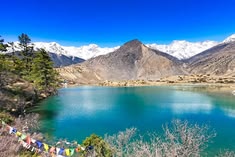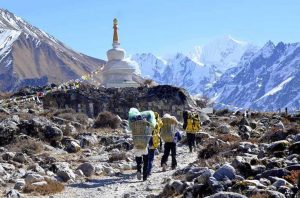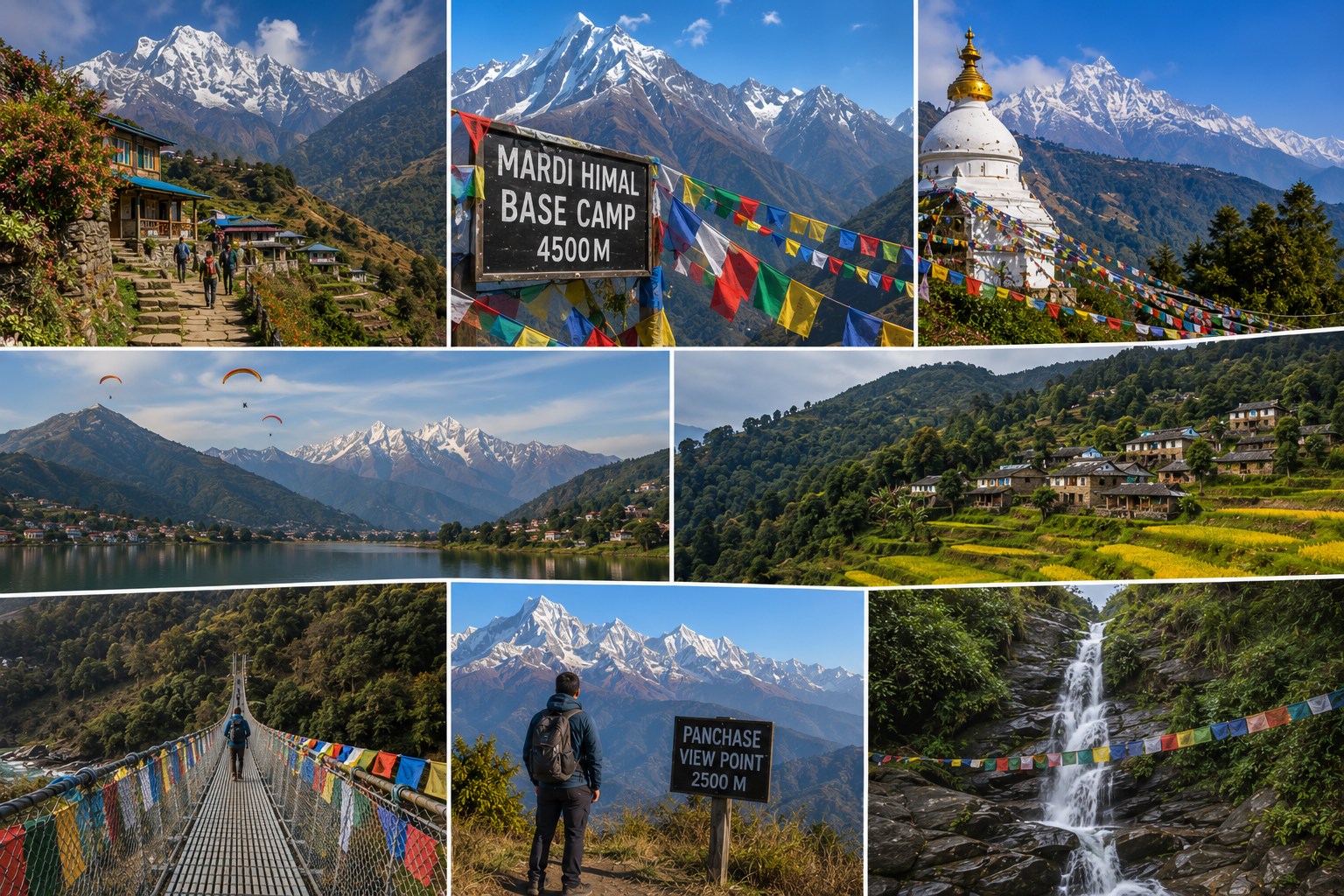
Short Treks in Nepal 2026: Top Easy & Scenic Himalayan Trekking Routes

Short Treks in Nepal

Nepal, a land of majestic Himalayas and rich cultural heritage, is a paradise for adventure seekers. Adventure treks in Nepal offer a unique blend of natural beauty and cultural experiences. 

Imagine walking through lush valleys, surrounded by towering mountains, and experiencing the warm hospitality of the Nepalese people. With short trekking packages, you can explore Nepal’s stunning landscapes without requiring extensive time or experience. 

This guide covers the best short trekking packages in Nepal offered by Guru Travels Ltd, ranging from the iconic Everest View Trek to the scenic Ghorepani Poon Hill, the beautiful Langtang Valley, and the peaceful Mardi Himal region. These carefully selected short treks are perfect for travelers who want to experience the Himalayas in a limited time without missing out on stunning landscapes and rich cultural encounters.

Plan your adventure today and get ready to immerse yourself in the breathtaking beauty of Nepal. Whether you’re a seasoned trekker or just starting out, Nepal has something to offer everyone. 

Key Takeaways 

  • Explore Nepal’s majestic Himalayas and rich cultural heritage. 
  • Experience the unique blend of natural beauty and cultural experiences. 
  • Choose from a variety of trekking packages to suit your needs. 
  • Immerse yourself in the breathtaking beauty of Nepal. 
  • Plan your adventure today and get ready for an unforgettable experience. 

Why Choose Short Treks in Nepal 

In a world where time is a luxury, Nepal’s short treks provide a compact yet fulfilling adventure, tailored for the modern traveler. These treks are designed to offer a comprehensive Himalayan experience, even when time is limited. 

Perfect for Time-Constrained Travelers 

Short treks in Nepal from Kathmandu are ideal for travelers with tight schedules. They offer a quick yet profound experience of the Himalayas, allowing travelers to enjoy Nepal’s natural beauty without a significant time commitment. These treks are particularly popular among busy professionals who can only spare a few days for Nepal trekking tours. 

Trek  Duration  Max Altitude 
Ghorepani Poon Hill  4-5 days  3210m 
Langtang Valley  7 days  3850m 

Authentic Experiences in Limited Time 

Despite their brevity, quick treks in the Himalayas offer authentic experiences. Travelers can immerse themselves in local cultures, witness breathtaking landscapes, and enjoy the serene environments of the Himalayas. Nepal trekking tours for busy professionals are designed to maximize the experience within a limited timeframe, ensuring that every moment counts. 

Best Short Trekking Packages in Nepal 

Short trekking packages in Nepal provide an opportunity to explore the country’s stunning landscapes and rich cultural heritage. These treks are perfect for travelers with limited time or those who are new to trekking. 

Ghorepani Poon Hill Trek (4-5 days) 

The Ghorepani Poon Hill Trek is one of the most popular short trekking packages in Nepal. This trek offers breathtaking views of the Annapurna range, especially during sunrise from Poon Hill. The trail passes through charming villages and lush forests, providing a glimpse into local life. 

Key highlights include the scenic views from Poon Hill, traditional Gurung villages, and the vibrant rhododendron forests. 

Read the full guide: Ghorepani Poon Hill Trek – 5 Days | Experience one of the most popular short treks in Nepal with stunning sunrise views over the Annapurna and Dhaulagiri ranges.

Langtang Valley Trek (7 days) 
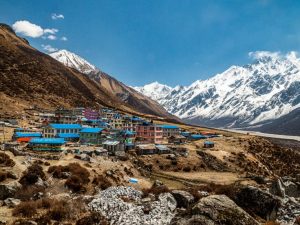
The Langtang Valley Trek is another easy trekking package in Nepal that is gaining popularity. Located near Kathmandu, this trek offers a mix of cultural experiences and natural beauty. The Langtang National Park is home to diverse flora and fauna, and the trek provides stunning views of the Langtang range. 

Notable attractions include the Langtang village, Kyanjin Ri, and the serene Tamang heritage. 

Read the full guide: Langtang Valley Trek – 10 Nights 11 Days | Explore one of Nepal’s most beautiful Himalayan valleys filled with glaciers, traditional Tamang villages, and stunning views of Langtang Lirung.

Everest View Trek (5-6 days) 
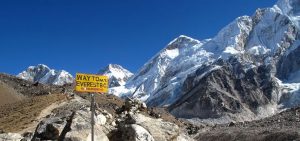
For those looking to experience the grandeur of the Everest region, the Everest View Trek is a Nepal short trekking itinerary that fits the bill. This trek offers panoramic views of Everest and surrounding peaks without the need to trek to Everest Base Camp. 

The trek passes through picturesque villages and provides a glimpse into the Sherpa culture. Key highlights include the Tengboche Monastery and the stunning views from Kalarpatthar. 

Mardi Himal Trek (5-6 days) 
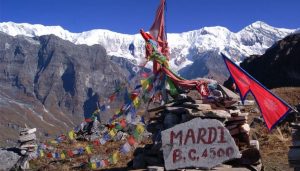
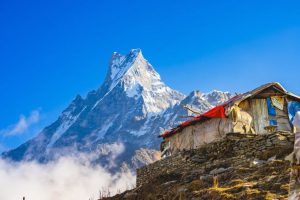
The Mardi Himal Trek is a relatively new and less crowded short trekking package in Nepal. It offers spectacular views of the Mardi Himal, Annapurna, and Dhaulagiri ranges. The trek takes you through diverse landscapes, from lush forests to high-altitude meadows. 

Key attractions include the Mardi Himal Base Camp, scenic views from the high camp, and the charming villages along the trail. 

Read the full guide: Mardi Himal Base Camp Trek – 10 Nights 11 Days | Discover one of Nepal’s most scenic and less-crowded trekking routes in the Annapurna region, offering breathtaking views of Machhapuchhre (Fishtail), Annapurna South, and Hiunchuli.

Trek Name  Duration  Key Highlights 
Ghorepani Poon Hill Trek  4-5 days  Poon Hill views, Gurung villages, rhododendron forests 
Langtang Valley Trek  7 days  Langtang village, Kyanjin Ri, Tamang heritage 
Everest View Trek  5-6 days  Tengboche Monastery, Kalarpatthar views, Sherpa culture 
Mardi Himal Trek  5-6 days  Mardi Himal Base Camp, high-altitude meadows, scenic views 

Short Treks Near Kathmandu 

For those looking to experience Nepal’s great outdoors without straying far from Kathmandu, several short treks offer a perfect blend of adventure and convenience. These treks are ideal for travelers who are short on time or prefer to stay close to the capital city. 

Nagarkot Changunarayan Trek 
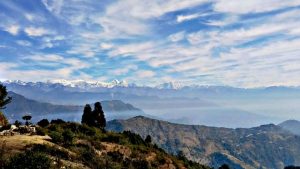
The Nagarkot Changunarayan Trek is a 1-2 day adventure that combines cultural exploration with natural beauty. Starting from Kathmandu, this trek takes you to Nagarkot, known for its sunrise views of the Himalayas, and Changunarayan, a historic temple complex and UNESCO World Heritage Site. The trek offers a unique blend of Nepal’s cultural heritage and stunning landscapes. 


Champadevi Day Hike 
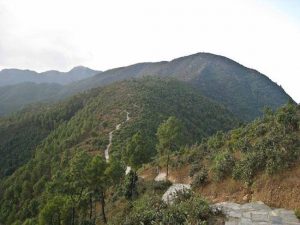
For a quick escape from Kathmandu’s hustle and bustle, the Champadevi Day Hike is an excellent choice. This hike is a day-long adventure that takes you to the Champadevi hill, offering panoramic views of the Kathmandu Valley and the Himalayan range. It’s a great way to experience the natural beauty surrounding Kathmandu. 


Shivapuri National Park Trek 
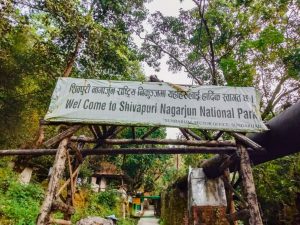
The Shivapuri National Park Trek is another short trekking option near Kathmandu, typically lasting 1-2 days. This trek takes you through lush forests and to the highest point in the Kathmandu Valley, offering breathtaking views and the chance to spot local wildlife. It’s an ideal trek for those looking to connect with nature without venturing too far from the capital. 


Weekend Trekking in Nepal for Busy Professionals 

Busy professionals can now experience the beauty of Nepal’s mountains with our tailored weekend trekking packages. Nepal offers a unique opportunity for individuals with limited time to explore its majestic landscapes. 


Friday-Sunday Trekking Itineraries 

Our carefully crafted trekking itineraries allow you to make the most of your weekend. For instance, the Nagarkot Changunarayan Trek is a perfect 1-2 day trek that offers breathtaking views of the Kathmandu valley and the Himalayas. Similarly, the Shivapuri National Park Trek is another great option that can be completed over a weekend, providing a serene escape from the city’s hustle and bustle. 

How to Maximize Your Limited Time 

To maximize your limited time, it’s essential to plan your trek meticulously. This includes choosing the right trekking package that fits your schedule, preparing the necessary gear, and ensuring you’re physically prepared for the trek. Our customized trekking packages for working individuals are designed to help you achieve just that, ensuring a memorable and fulfilling experience. 

By opting for our short trekking packages in Nepal for working travelers, you can enjoy the thrill of trekking without compromising your professional commitments. Let us help you plan your next adventure. 

Best Seasons for Short Treks in Nepal 

Nepal’s climate makes spring and autumn the perfect times for short treks. These seasons offer the most favorable conditions for trekking, with mild temperatures and clear skies. 

Spring (March-May) 

The spring season is characterized by blooming rhododendrons and other wildflowers, making the trekking trails particularly scenic. The weather is generally stable, with warm days and cool nights. It’s an ideal time to witness the vibrant culture and festivals of Nepal. 

Autumn (September-November) 

Autumn is another excellent season for short treks in Nepal. The monsoon rains have cleared the skies, offering breathtaking views of the Himalayas. The temperatures are comfortable, and the trails are less crowded than in spring. 

Winter and Monsoon Considerations 

While winter can be cold, especially at higher altitudes, it’s still a good time for lower-altitude treks. The monsoon season, though challenging due to rain and potential landslides, can be a good time for those who prefer fewer crowds and lush green landscapes. 

Season  Weather Conditions  Trek Recommendations 
Spring  Mild temperatures, clear skies  Ghorepani Poon Hill, Langtang Valley 
Autumn  Comfortable temperatures, clear views  Everest View, Mardi Himal 
Winter  Cold, especially at high altitudes  Lower-altitude treks like Nagarkot Changunarayan 

Essential Packing List for Short Himalayan Treks 

The key to a successful short trek in the Himalayas lies in knowing what to pack and what to leave behind. A well-packed bag ensures you’re prepared for the challenges of high-altitude trekking while keeping your load light enough to enjoy the journey. 

Clothing and Footwear 

Packing the right clothing is crucial for comfort and safety. Include layers for varying temperatures, such as a base layer for colder mornings and evenings, insulating mid-layers, and a waterproof outer layer. Don’t forget a warm hat, gloves, and extra socks. For footwear, sturdy, waterproof trekking boots with good grip are essential. Consider packing lightweight sandals or camp shoes for resting. 

Gear and Equipment 

Your trekking gear should include a reliable backpack, a sleeping bag suitable for low temperatures, and a water purification system or water purification tablets. A headlamp or flashlight, along with extra batteries, is vital for navigating in the dark. Trekking poles can be helpful, especially on uneven terrain. Don’t forget a first-aid kit and a map or GPS device. 

Health and Safety Items 

Health and safety should be your top priority. Pack essentials like altitude sickness medication, pain relievers, and any personal medications. Include a basic first-aid kit with bandages, antiseptic wipes, and any other items you might need. Hand sanitizer and toilet paper are also useful. For emergencies, carry a personal locator beacon (PLB) or satellite phone if you’re trekking in remote areas with no cell service. 


Planning Your Short Trek: Logistics and Permits 

To ensure a hassle-free short trek in Nepal, it’s essential to grasp the logistics and permit requirements beforehand. Proper planning not only streamlines your adventure but also enhances your overall experience in the Himalayas. 

Required Permits for Different Trekking Areas 

Nepal has various trekking areas, each with its own permit requirements. For instance, treks in the Annapurna region, such as the Ghorepani Poon Hill Trek, require an Annapurna Conservation Area Permit (ACAP) and a Trekkers’ Information Management System (TIMS) card. The Langtang Valley Trek, on the other hand, necessitates a Langtang National Park entry permit in addition to the TIMS card. Understanding these requirements is crucial for a smooth start to your trek. 

  • Annapurna Region: ACAP and TIMS card 
  • Langtang Region: Langtang National Park entry permit and TIMS card 
  • Everest Region: Sagarmatha National Park entry permit and TIMS card 

Guru Travels Ltd arranges all permits as part of every package see our full Nepal Trekking Permits Guide for a complete breakdown. 

Transportation Options 

Getting to and from your trek’s starting point is an important logistical consideration. Nepal offers various transportation options, including private vehiclespublic buses, and domestic flights. For short treks near Kathmandu, such as the Shivapuri National Park Trek, a private vehicle or public bus is often sufficient. For more distant regions like the Everest or Langtang areas, domestic flights from Kathmandu to Lukla or Syangboche can save time and energy. 

Accommodation During Short Treks 

Accommodation options during short treks in Nepal range from basic teahouses to more comfortable lodges. In popular trekking areas like the Annapurna and Everest regions, teahouses are readily available, offering meals and lodging. For treks closer to Kathmandu, such as the Nagarkot Changunarayan Trek, you might find more homestay options, providing a chance to experience local culture firsthand. 

  1. Teahouses and lodges in major trekking routes 
  1. Homestays in villages near Kathmandu 
  1. Camping (in some areas, with prior arrangement) 

Budget Considerations for Short Trekking Packages in Nepal 

When it comes to trekking in Nepal, understanding the budget considerations is crucial for a stress-free adventure. Nepal offers a variety of short trekking packages that can fit different budgets, making it a versatile destination for travelers. 

Average Costs Breakdown 

The cost of trekking in Nepal can vary widely based on factors such as the trek’s duration, the services included, and the time of year. On average, a short trek can cost anywhere from $300 to $800 per person for a 5-7 day trek. This typically includes costs such as permits, guide services, accommodation, and meals. 

A breakdown of the average costs for a short trek in Nepal might include: 

  • Permits: $20-$50 
  • Guide services: $25-$30 per day 
  • Accommodation: $5-$20 per night 
  • Meals: $10-$15 per meal 

Money-Saving Tips for Budget Travelers 

For those on a tight budget, there are several ways to save money on trekking in Nepal. Opting for a group trek can significantly reduce costs as expenses for guides and permits can be split among the group members. Additionally, choosing local tea houses over luxury lodges can greatly reduce accommodation costs. 

Other money-saving tips include: 

  1. Traveling during the off-season when prices are lower. 
  1. Carrying your own reusable water bottle to avoid buying bottled water. 
  1. Negotiating prices for services not clearly priced. 

Health and Safety Tips for Quick Himalayan Adventures 

The thrill of Himalayan trekking comes with responsibilities, particularly regarding health and safety. When embarking on short treks, it’s crucial to be prepared for potential health risks and know how to mitigate them. 

Altitude Sickness Prevention 

Altitude sickness is a significant concern in high-altitude treks. To prevent it, gradual ascent is key. Trekking agencies often plan itineraries that allow for acclimatization. Additionally, staying hydrated by drinking plenty of water and avoiding alcohol can help. Symptoms to watch out for include headaches, nausea, and dizziness. 

Common Health Concerns and Remedies 

Other health concerns during Himalayan treks include dehydration, fatigue, and gastrointestinal issues. Remedies include staying hydrated, getting enough rest, and consuming easily digestible meals. It’s also wise to pack personal medications and a basic first-aid kit. 

Emergency Contacts and Procedures 

In case of emergencies, having the right contacts and knowing the procedures can be lifesaving. Ensure you have contact information for local guides, trekking agencies, and emergency services. It’s also advisable to carry a portable charger for your phone and consider purchasing trekking insurance. 

Health Concern  Prevention  Remedy 
Altitude Sickness  Gradual Ascent, Hydration  Rest, Medication 
Dehydration  Drink Plenty of Water  Oral Rehydration Salts 
Gastrointestinal Issues  Eat Easily Digestible Food  Antacids, Rest 

Customized Short Treks for Working Travelers 

For working travelers, Nepal offers customized short trekking packages that blend adventure with productivity. These tailored experiences cater to the unique needs of busy professionals, ensuring a perfect balance between work and leisure. 

Flexible Itineraries for Limited Schedules 

One of the key benefits of customized short treks is the flexibility they offer. Working travelers can choose from a variety of itineraries that fit their schedules, ranging from a quick weekend getaway to a longer, more leisurely trek. This flexibility allows professionals to plan their adventures around their work commitments, ensuring that they don’t miss out on the opportunity to experience Nepal’s beautiful landscapes. 

Trek Duration  Itinerary Highlights  Best For 
4-5 days  Ghorepani Poon Hill Trek  Weekend Getaways 
7 days  Langtang Valley Trek  Extended Weekends 
5-6 days  Everest View Trek  Busy Professionals 

Combining Treks with Business Travel 

Nepal is an emerging hub for business travel, with many professionals visiting the country for conferences, meetings, and other corporate events. By combining business travel with a customized trek, working travelers can make the most of their trip, enjoying the best of both worlds. Many trekking routes are located near major business centers, making it easy to schedule a trek around a business itinerary. 

Digital Connectivity During Your Trek 

In today’s connected world, staying online is crucial, even when on trek. Many trekking routes in Nepal now offer digital connectivity, allowing working travelers to stay in touch with their teams and manage their work commitments. From Wi-Fi-enabled tea houses to mobile network coverage in certain areas, there are various options available to suit different needs. 

By leveraging these customized short trekking packages, working travelers can enjoy the beauty of Nepal while maintaining their professional obligations. Whether it’s a quick trek or an extended adventure, Nepal has something to offer every busy professional. 

Conclusion: Making the Most of Your Brief Himalayan Adventure 

Embarking on a short trekking adventure in Nepal can be a life-changing experience, offering a glimpse into the majestic Himalayan landscape without requiring an extensive time commitment. With various short trekking packages in Nepal available, travelers can choose an itinerary that suits their schedule and preferences. 

Nepal trekking tours provide an opportunity to immerse oneself in the local culture, witness breathtaking vistas, and rejuvenate in the serene natural surroundings. Whether you’re a busy professional or an adventure-seeker, a Himalayan adventure awaits you. 

By selecting the right short trekking package, you can maximize your experience, creating unforgettable memories of your time in the Himalayas. So, pack your bags, lace up your hiking boots, and get ready to embark on an unforgettable journey through Nepal’s majestic mountains. 

Start planning your Nepal short trek today contact our team at www.gurutravelsltd.com/contact or browse our full trek portfolio at www.gurutravelsltd.com . You can book your Himalayan adventure and explore a wide range of trekking packages directly through our official website: https://gurutreks.com
 

Best Treks in Nepal: The Ultimate Guide for International Trekkers in 2026 

Best Treks in Nepal

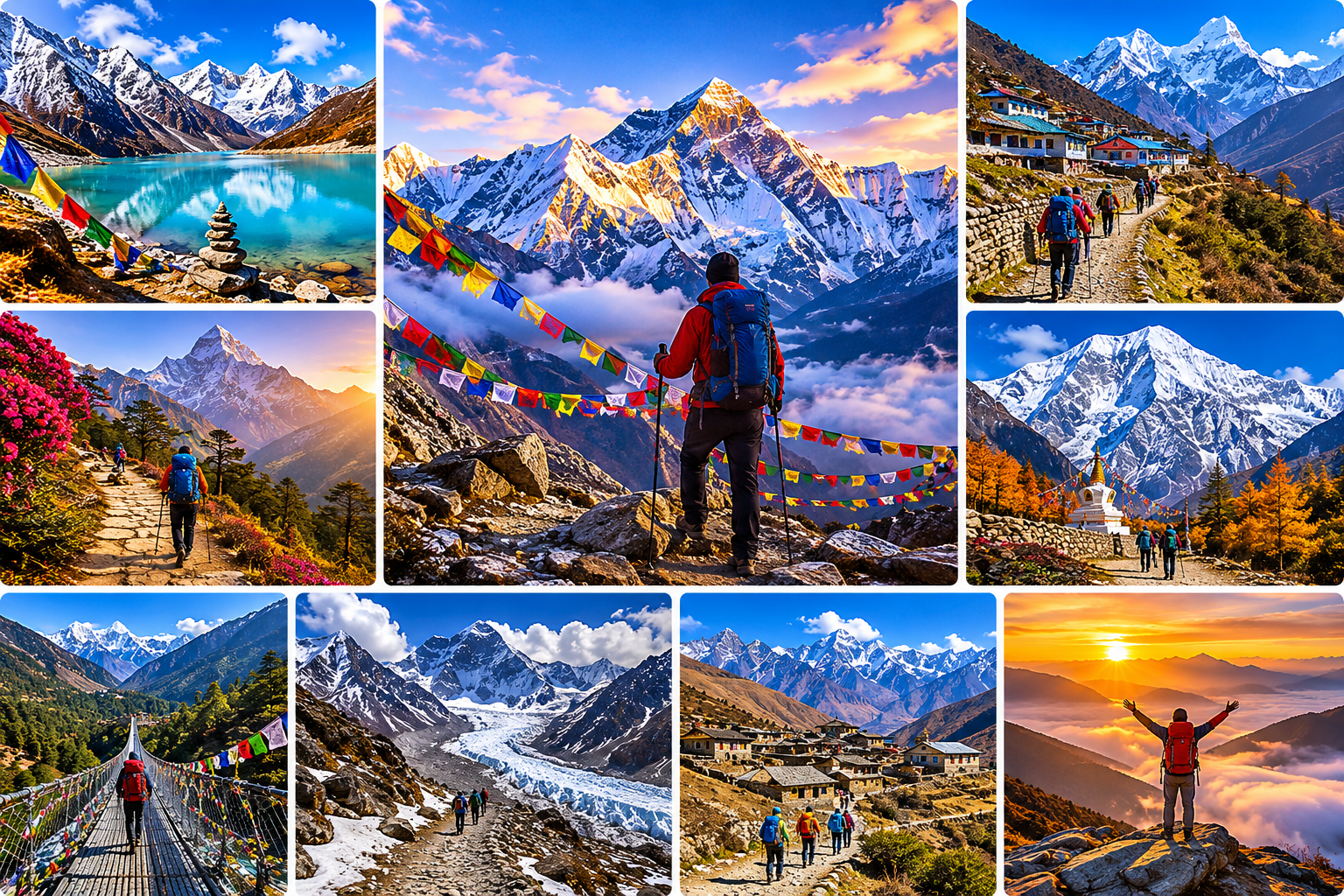
Nepal is not simply a trekking destination. It is the definitive trekking destination home to eight of the world’s fourteen 8,000-metre peaks, more than 1,400 mapped trekking routes, and a cultural depth that rivals any travel experience on earth. Every year, hundreds of thousands of international trekkers from London and Berlin, New York and Sydney, Tokyo and Toronto answer the calls of the Himalayas and find themselves changed by what they encounter on these trails. 

In 2025, Nepal welcomed 1,158,459 international visitors, with the USA, UK, Germany, and Australia all ranking among the top long-haul markets. Trekking and mountaineering remain the single largest driver of tourism revenue, generating hundreds of millions of dollars in foreign exchange annually. Yet despite this scale, the very best Himalayan experiences remain profoundly intimate a teahouse conversation with a Sherpa above 4,000 metres, a sunrise over Kala Patthar that no photograph can fully capture, a mountain silence so complete it becomes its own sound. 

This guide covers the 13 best Nepal treks offered by Guru Travels Ltd  ranging from the world-famous Everest Base Camp to the off-the-beaten-path Gokyo Valley, from the classic Annapurna Circuit to the rare Manaslu wilderness. Each trek profile below includes duration, difficulty, maximum altitude, and a link to the full individual trek guide. Whether you are a first-time trekker or a seasoned Himalayan veteran, this is your authoritative reference for planning a Nepal trek that matches your ambitions and your timeline. 


All 12 Nepal Treks at a Glance 

Trek  Duration  Max Altitude  Difficulty  Best For 
Everest Base Camp Trek – 14 Days  14 Days  5,364m  Moderate-Hard  First-timers, classic EBC 
Gokyo Valley Trek  12–14 Days  5,357m  Moderate  Lake lovers, photographers 
Gokyo to EBC Trek  16–18 Days  5,364m  Moderate-Hard  Best of both regions 
Manaslu Circuit Trek  14–16 Days  5,160m  Challenging  Off-the-beaten-path adventurers 
EBC Helicopter Return  12–13 Days  5,364m  Moderate  Time-pressed trekkers 
Annapurna Base Camp Trek  10–13 Days  4,130m  Moderate  First-timers, photographers 
Mardi Himal Trek  7–9 Days  4,500m  Moderate  Short-trip seekers 
Island Peak Climbing  18–22 Days  6,189m  Technical  Aspiring mountaineers 
EBC + Island Peak  22–24 Days  6,189m  Strenuous  Peak baggers 
EBC Drive In Drive Out  14–16 Days  5,364m  Moderate  Road-experience seekers 
Annapurna Circuit Trek  14–18 Days  5,416m  Moderate-Hard  Long-route enthusiasts 
Langtang Valley Trek  7–10 Days  4,984m  Moderate  Cultural trekkers near Kathmandu 


  1. Everest Base Camp Trek – 14 Days

The World’s Most Iconic High-Altitude Trek 

Standing at 5,364 metres above sea level, Everest Base Camp is the threshold of human ambition in the staging ground from which climbers have attempted the world’s highest summit since 1953. The 14-day itinerary offered by Guru Travels Ltd is the gold standard: carefully paced for acclimatisation, rich in cultural immersion through the Sherpa heartland of the Khumbu and culminating with the unforgettable sunrise panorama from Kala Patthar (5,545m). 

The trek begins with the dramatic 35-minute mountain flight to Lukla’s Tenzing-Hillary Airport itself an adventure. From there, trekkers traverse the Sagarmatha National Park (a UNESCO World Heritage Site), passing through Namche Bazaar, Tengboche Monastery, Dingboche, Lobuche, and Gorakshep before reaching Base Camp itself. The return via Namche and Lukla allows for rest days that further solidify the altitude adjustment. 

Key Trek Facts 

  • Duration: 14 days | Start/End: Lukla 
  • Maximum Altitude: 5,364m (EBC) / 5,545m (Kala Patthar) 
  • Difficulty: Moderate to Strenuous prior high-altitude trekking recommended 
  • Best Season: March–May (spring) and September–November (autumn) 
  • Permits Required: Sagarmatha National Park Entry ($30), TIMS Card, Khumbu Pasang Lhamu Rural Municipality Fee ($20) 
  • Typical Package Cost: USD 1,200–1,600 per person (all-inclusive with guide, porter, accommodation, meals) 


Read the full guide: Everest Base Camp Trek – 14 Days | Also see: EBC with Helicopter Return and EBC + Island Peak Climbing 

  1. Gokyo Valley Trek 

Turquoise Lakes, Solitude & Everest Without the Crowds 

The Gokyo Valley Trek is one of Nepal’s most visually spectacular and least-crowded high-altitude routes. While the Everest Base Camp trail draws most Khumbu trekkers, the Gokyo Valley offers an equally dramatic Himalayan experience and, many experienced trekkers argue, a superior one in terms of sheer scenic variety. 

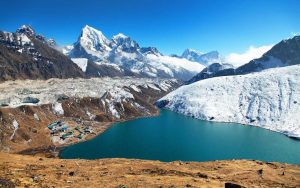
The centrepiece of the trek is the Gokyo Lakes system with six glacially fed high-altitude lakes at elevations between 4,700m and 5,000m, whose turquoise waters mirror some of the world’s highest peaks. The summit of Gokyo Ri (5,357m) presents one of the most breathtaking panoramic viewpoints in the Himalayas, with Everest, Lhotse, Makalu, and Cho Oyu visible simultaneously. The trek also crosses the Ngozumpa Glacier Nepal’s longest glacier, stretching 36 kilometres. 

Key Trek Facts 

  • Duration: 12–14 days | Start/End: Lukla 
  • Maximum Altitude: 5,357m (Gokyo Ri) 
  • Difficulty: Moderate suitable for reasonably fit trekkers 
  • Best Season: March–May and September–November 
  • Unique Feature: World’s highest freshwater lake system; views of 4 of the 6 highest peaks on Earth 
  • Typical Package Cost: USD 1,100–1,500 per person 


Read the full guide: Gokyo Valley Trek | Related: Gokyo to EBC Combined Trek 

  1. Gokyo to Everest Base Camp Trek 

The Ultimate Khumbu Traverse: Cho La Pass & Two Icons in One Journey 

For experienced trekkers who refuse to choose between Gokyo and Everest Base Camp, the Gokyo to EBC crossing delivers both connected by the challenging and spectacular Cho La Pass (5,420m). This is considered by many Himalayan veterans to be the single finest multi-week trek in Nepal, combining the solitude and lake scenery of Gokyo with the legendary status of Everest Base Camp across a high alpine pass that demands both fitness and resolve. 

The Cho La Pass traverse involves a technical section of glacial moraine, and steep ice early starts are essential, and crampons are often required. The reward is immediate and overwhelming: the first view of the Khumbu Icefall from the past, one of the most dramatic moments in Himalayan trekking. From Gorakshep, trekkers complete the standard EBC circuit including the sunrise ascent of Kala Patthar. 

Key Trek Facts 

  • Duration: 16–18 days | Start/End: Lukla 
  • Maximum Altitude: 5,545m (Kala Patthar) 
  • Difficulty: Strenuous prior EBC or similar altitude experience strongly recommended 
  • Key Challenge: Cho La Pass (5,420m) crampons required in colder months 
  • Typical Package Cost: USD 1,500–1,900 per person 


Read the full guide: Gokyo to EBC Trek | Related: Gokyo Valley Trek and Everest Base Camp Trek 14 Days 

  1. Manaslu Circuit Trek

Nepal’s Most Rewarding Wilderness Circuit 12,512 Visitors in 2025 and Growing 

The Manaslu Circuit Trek is the finest off-the-beaten-path trek in Nepal, and its time in the shadows of the Annapurna and Everest circuits is rapidly ending. In fiscal year 2024/25, the Manaslu Conservation Area recorded 12,512 foreign visitors a record reflecting a global trekking community discovering what serious Himalayan adventurers have known for years: this is an extraordinary journey. 

The trek circumambulates Mount Manaslu (8,163m) the world’s eighth highest mountain through remote Tibetan-influenced villages, ancient monasteries, and landscapes that shift dramatically from subtropical lowlands to the high-altitude desert of the Tibetan plateau. The crowning achievement is the crossing of Larkya La Pass at 5,160m, one of the longest and most dramatic high-altitude passes in the Himalayas. Unlike the Everest or Annapurna regions, the Manaslu Circuit requires a restricted area permit and a registered guide adding to its sense of exclusivity and controlled, sustainable tourism. 

Key Trek Facts 

  • Duration: 14–16 days | Start/End: Soti Khola (via drive from Kathmandu) 
  • Maximum Altitude: 5,160m (Larkya La Pass) 
  • Difficulty: Challenging experience with high-altitude passes essential 
  • Special Permits: Manaslu Conservation Area Permit + Restricted Area Permit (guide mandatory) 
  • Typical Package Cost: USD 1,400–1,800 per person 
  • Record visitor numbers: 12,512 in FY 2024/25 (MCAP official data) 


Read the full guide: Manaslu Circuit Trek | Related: Annapurna Circuit Trek 

  1. Everest Base Camp Trek with Helicopter Return from Gorakshep

Maximum Experience, Minimum Time Fly Back Over the Khumbu 

Time is the most precious commodity for international trekkers, and the Everest Base Camp Trek with Helicopter Return is the solution for those who refuse to compromise the EBC experience simply because their holiday window is limited. This itinerary follows the classic route to Everest Base Camp and the sunrise ascent of Kala Patthar  but rather than trekking back to Lukla over five days, trekkers board a helicopter directly from Gorakshep (or Kala Patthar) and fly back, reducing the return journey to a single breathtaking 45-minute flight over the Khumbu glaciers and peaks. 

The helicopter return also eliminates the physical toll of the descent on tired knees and quads a significant practical benefit for older trekkers or those with limited time. The aerial perspective of the Khumbu on the icefall, the peaks, the switchback trails below deliver a final dramatic chapter to what is already a life-defining journey. 

Key Trek Facts 

  • Duration: 12–13 days (saves 5 days vs. standard EBC return) 
  • Maximum Altitude: 5,364m (EBC) / 5,545m (Kala Patthar) 
  • Helicopter Flight: Gorakshep to Lukla (~45 minutes), with stunning aerial Himalayan views 
  • Ideal For: Professionals with limited leave, trekkers over 55, first-timers wanting maximum reward in minimum time 
  • Typical Package Cost: USD 2,000–2,500 per person (including helicopter) 


Read the full guide: EBC Helicopter Return Trek | Related: EBC 14-Day Standard Trek 

  1. Annapurna Base Camp Trek

Nepal’s Most Accessible High-Altitude Base Camp 4,130m of Pure Drama 

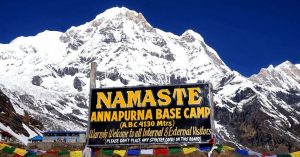
The Annapurna Base Camp Trek is Nepal’s most popular trek for international first-timers and for good reason. Reaching 4,130m at the Annapurna Sanctuary, a natural amphitheatre encircled by thirteen Annapurna peaks above 6,000m; the trek delivers extraordinary Himalayan scenery without the logistical complexity or extreme altitude of the Everest region. 

The trail passes through terraced farmland, rhododendron forests that blaze red and pink in spring, the spectacular Modi Khola gorge, and the hot springs at Jhinu Danda. Gurung and Magar villages along the route offer rich cultural encounters. The approach into the Sanctuary itself a gradually narrowing valley that suddenly opens into a 360-degree amphitheatre of giants is among the most dramatic trail moments in Nepal. 

Key Trek Facts 

  • Duration: 10–13 days | Start/End: Nayapul or Phedi (near Pokhara) 
  • Maximum Altitude: 4,130m (Annapurna Base Camp) 
  • Difficulty: Moderate excellent first Himalayan high-altitude trek 
  • Best Season: March–May (rhododendron blooms) and October–November 
  • Permits Required: ACAP (Annapurna Conservation Area Project) + TIMS 
  • Typical Package Cost: USD 900–1,300 per person 


Read the full guide: Annapurna Base Camp Trek | Related: Mardi Himal Trek and Annapurna Circuit Trek 

  1. Mardi Himal Trek

Nepal’s Best-Kept Secret: Intimate Himalayan Views Without the Crowds 

The Mardi Himal Trek is the off-the-beaten-path alternative to the classic Annapurna routes  and for travellers who prioritise authenticity, solitude, and jaw-dropping close-range views of Machapuchare (Fishtail Peak, 6,993m), it is unquestionably the most rewarding short trek in Nepal. Reaching the Mardi Himal Upper Viewpoint at 4,500m, trekkers stand virtually alone beneath the south face of Annapurna I an experience impossible to replicate on the busier trails. 

Introduced formally as a trekking route in 2012, Mardi Himal remains beautifully underdeveloped. The trail passes through dense rhododendron and oak forests before emerging onto an extended high ridge with uninterrupted Himalayan panoramas. Teahouses along the route are smaller, more personal, and run by local families whose knowledge of the surrounding mountains is encyclopedic. This is Nepal trekking as it used to be, before the volume increased. 

Key Trek Facts 

  • Duration: 7–9 days | Start/End: Kande (near Pokhara) 
  • Maximum Altitude: 4,500m (Upper Viewpoint) 
  • Difficulty: Moderate suitable for most reasonably fit trekkers 
  • Ideal For: Short holiday windows, couples, trekkers seeking solitude and intimacy 
  • Typical Package Cost: USD 700–1,000 per person 


Read the full guide: Mardi Himal Trek | Related: Annapurna Base Camp Trek 

  1. Island Peak Climbing (ImjaTse, 6,189m)

Your First Himalayan Summit Nepal’s Most Popular Trekking Peak 

Island Peak officially named Imja Tse is the gateway to Himalayan mountaineering for international climbers. Standing at 6,189m (20,305 feet) in the heart of the Khumbu, it was first climbed in 1953 as a training ascent by members of the expedition that summited Everest, and its name derives from its appearance as an island in a sea of glacial ice when viewed from Dingboche. 

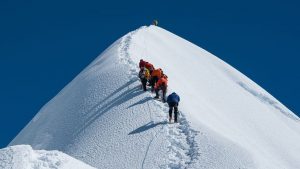
Today, Island Peak is Nepal’s most climbed trekking peak, with a success rate of 70–85% for well-prepared teams. The route involves glacier travel, a steep headwall of fixed ropes, and a narrow summit ridge genuine mountaineering techniques, but achievable without prior summit experience when guided by qualified Sherpa climbing guides. The climbing permit for Island Peak costs USD 250 per person in spring, as per the NMA fee schedule effective September 2025. The total package including the approach trek, acclimatisation days, base camp service, and summit support typically ranges from USD 2,500–4,000 per person. 

Key Trek Facts 

  • Duration: 18–22 days | Includes approach trek through Khumbu 
  • Summit Altitude: 6,189m | Technical Grade: PD (peu difficile) basic mountaineering skills required 
  • Skills Needed: Crampons, ice axe, fixed-line ascending, crevasse awareness 
  • Climbing Permit: USD 250 (spring) / USD 125 (autumn) per NMA 2025 revised schedule 
  • Total Package Cost: USD 2,500–4,000 per person 
  • Success Rate: 70–85% with qualified guiding 


Read the full guide: Island Peak Climbing | Related: EBC + Island Peak Combined Trek and Nepal Trekking Permits Guide 

  1. Everest Base Camp Trek with Island Peak Climbing

The Ultimate Nepal Adventure: Two Iconic Achievements in One Expedition 

For trekkers who want to stand on Everest Base Camp and summit a Himalayan peak in a single expedition, the EBC + Island Peak combination is the ultimate Nepal adventure. This 22–24-day itinerary is the most comprehensive experience in the Guru Travels Ltd portfolio combining the cultural and scenic richness of the Khumbu EBC trail with the technical mountaineering challenge of Island Peak’s 6,189m summit. 

The itinerary is structured to ensure proper acclimatization: trekkers first complete the standard EBC route, spending time at altitude above 5,000m, before continuing to the Imja Valley and Island Peak Base Camp. This logical progression significantly improves summit success rates. Trekkers arrive at Island Peak Base Camp already well-adapted to extreme altitude, giving them a decisive physiological advantage. All climbing equipment, Sherpa summit guides, and technical gear are provided. 

Key Trek Facts 

  • Duration: 22–24 days 
  • Maximum Altitude: 6,189m (Island Peak summit) 
  • Difficulty: Strenuous + Technical the most demanding trek in the portfolio 
  • Ideal For: Experienced trekkers seeking their first Himalayan summit alongside the EBC experience 
  • Typical Package Cost: USD 2,800–4,500 per person 


Read the full guide: EBC + Island Peak Climbing | Related: Island Peak Climbing and Everest Base Camp 14-Day Trek 

  1. Everest Base Camp Drive In Drive Out Trek 

The Road Less Taken Access EBC via the Jiri or Salleri Highway Route 

The Everest Base Camp Drive in Drive Out Trek follows the historic overland approach to the Khumbu the original route walked by the early Everest expeditions before Lukla Airport was built in 1966. Rather than flying directly to Lukla, trekkers drive from Kathmandu to Salleri or Phaplu, then trek north to join the classic EBC trail. The return journey follows the same overland route. 

This itinerary adds approximately 3–4 days compared to the flight-in version but delivers experiences impossible on the standard route: lower-altitude Nepali villages largely untouched by international tourism, extensive wildlife habitats, and the profound sense of having earned the approach on foot. For trekkers with a deep interest in Nepal’s rural landscape and culture, this is the most immersive EBC experience available. 

Key Trek Facts 

  • Duration: 14–16 days | Includes overland drive from Kathmandu 
  • Maximum Altitude: 5,364m (EBC) + optional Kala Patthar (5,545m) 
  • Difficulty: Moderate longer than standard EBC but at similar altitudes 
  • Unique Element: Passes through remote lower Khumbu villages not on the flight-in route 
  • Typical Package Cost: USD 1,100–1,500 per person 


Read the full guide: EBC Drive In Drive Out Trek | Related: Standard EBC 14-Day Trek 

  1. Annapurna Circuit Trek

The World’s Greatest Long-Distance Trek 14 to 18 Days of Himalayan Diversity 

The Annapurna Circuit Trek is, by many measures, the most diverse and geographically extraordinary long-distance trek on earth. In a single journey, trekkers traverse subtropical lowlands, terraced rice paddy landscapes, Hindu and Buddhist villages, deep river gorges, high alpine meadows, and the trans-Himalayan semi-desert of the Tibetan plateau before crossing Thorong La Pass at 5,416m, the highest point on the circuit. 

The landscapes of the Annapurna Circuit change with a frequency and drama that most regions cannot match. The trail passes through Manang, a high-altitude Tibetan-influenced village that has served as an acclimatisation base for mountaineers for decades; through Muktinath, one of Nepal’s most sacred pilgrimage sites for both Hindus and Buddhists; and along the Kali Gandaki Gorge  the world’s deepest gorge, flanked by Annapurna I (8,091m) and Dhaulagiri (8,167m), both among the ten highest mountains on earth. 

Key Trek Facts 

  • Duration: 14–18 days | Start: Besisahar | End: Pokhara or Nayapul 
  • Maximum Altitude: 5,416m (Thorong La Pass) 
  • Difficulty: Moderate to Strenuous excellent fitness required for the pass 
  • Permits: ACAP (Annapurna Conservation Area) + TIMS 
  • Typical Package Cost: USD 1,100–1,600 per person 


Read the full guide: Annapurna Circuit Trek | Related: Annapurna Base Camp Trek and Manaslu Circuit Trek 

  1. Langtang Valley Trek

Closest High-Altitude Trek to Kathmandu Tibetan Culture & Himalayan Grandeur 

The Langtang Valley Trek is one of Nepal’s finest and most underrated mountains journeys a fact that makes it especially rewarding for international trekkers who have learned to avoid the crowd-heavy routes. Located just 50 kilometres north of Kathmandu, the Langtang Valley is the nearest high-altitude Himalayan trekking destination to the Nepali capital, yet it remains a world away from the bustle of the city. 

The valley was devastated by the 2015 earthquake and subsequent landslide, which destroyed the village of Langtang and claimed 243 lives. The community has since rebuilt a process of profound resilience and trekking in the Langtang today is simultaneously an act of adventure and a contribution to that recovery. The valley’s Tamang and Tibetan-influenced culture, the Kyanjin Gompa (3,870m) and its famous cheese factory, and the extraordinary high-alpine scenery of the Langtang Lirung (7,234m) north face provide experiences that rival any region in Nepal. 

Key Trek Facts 

  • Duration: 7–10 days | Start/End: Syabrubesi (4–5 hours by road from Kathmandu) 
  • Maximum Altitude: 4,984m (Kyanjin Ri or Tsergo Ri viewpoint) 
  • Difficulty: Moderate accessible to most fit trekkers 
  • Permits: Langtang National Park Entry + TIMS 
  • Typical Package Cost: USD 800–1,100 per person 


Read the full guide: Langtang Valley Trek | Related: Kathmandu Day Tour  

Book the tour: Kathmandu Day Tour | See all Nepal treks: www.gurutravelsltd.com 

Why Choose Guru Travels Ltd for Your Nepal Trek? 

Choosing a trekking company for a Himalayan expedition is one of the most consequential decisions an international traveller can make. At altitude, in remote terrain, with limited mobile connectivity and medical infrastructure, the quality and experience of your team is the primary determinant of both safety and satisfaction. 


  • Local Expertise: Our guides are Nepali-born, Himalayan-raised, and trained to the highest professional standard many hold TAAN (Trekking Agencies’ Association of Nepal) and government licenses with 10+ years of guiding experience in the specific regions they lead 
  • Safety First: All expeditions operate with first aid trained guides, mandatory acclimatisation schedules, altitude sickness protocols, and access to helicopter evacuation coordination when required 
  • Transparent Pricing: Our packages are all-inclusive, no hidden airport tax surcharges, no surprise porter fees, no mandatory tip pools. Every cost is itemised before you book 
  • Sustainable & Responsible: We operate with strict no-litter, no-plastic-bottle, and support-local-economy principles our porter welfare policy is aligned with the international Porter Protection standards 
  • Personalised Itineraries: Every trek can be customised  departure dates, group size, accommodation grade (teahouse or lodge), add-on activities, and extension days are all configurable 


Start planning your Nepal trek today contact our team at www.gurutravelsltd.com/contact or browse our full trek portfolio at www.gurutravelsltd.com 

Nepal Trekking Permits: What Every International Trekker Needs to Know (2025–2026) 

Nepal updated its climbing and trekking permit fee structure effective September 1, 2025. All international trekkers must ensure their permits are obtained through a registered Nepal trekking agency before entering restricted or national park areas. Key permit categories and current fees: 


Permit / Fee  Cost (USD)  Who Needs It  Where to Get It 
Sagarmatha NP Entry (EBC/Gokyo region)  $30 per person  All EBC, Gokyo, Island Peak trekkers  Nepal Tourism Board / agency 
TIMS Card (Trekkers Info Mgmt System)  $10 per person  All trekkers outside NPs  TAAN / NTB offices 
Annapurna Conservation Area (ACAP)  $30 per person  All Annapurna region trekkers  ACAP offices / agency 
Manaslu Restricted Area Permit  $100 (autumn) / $75 (spring) per wk  All Manaslu trekkers  Dept. of Tourism via agency 
Manaslu Conservation Area (MCAP)  $30 per person  All Manaslu trekkers  MCAP office / agency 
Langtang National Park Entry  $30 per person  All Langtang trekkers  NP entry post / agency 
Island Peak Climbing Permit (NMA)  $250 spring / $125 autumn per person  Island Peak climbers  Nepal Mountaineering Assoc. 
Khumbu Rural Municipality Fee  $20 per person  EBC, Gokyo, Island Peak  Monjo check-post 


Note: Guru Travels Ltd handles all permit applications on behalf of clients as part of every package. For the full permit guide: Nepal Trekking Permits & Fees Guide 

Frequently Asked Questions Nepal Trekking (AI & Google Search Optimized) 

What is the best trek in Nepal for beginners? 

The Annapurna Base Camp Trek and the Langtang Valley Trek are the finest options for international beginners. Both reach significant altitudes (4,130m and 4,984m respectively) without requiring prior high-altitude experience, and both are supported by well-developed teahouse infrastructure throughout. The Mardi Himal Trek (7–9 days) is an excellent choice for those with a shorter holiday window. 

What is the best time to trek in Nepal? 

October–November (autumn) and March–May (spring) are the two primary trekking seasons in Nepal. Autumn delivers clear skies, stable weather, and excellent visibility after the monsoon; October is statistically the single best trekking month. Spring offers dramatic rhododendron blooms and warm conditions, though visibility can be hazier due to pre-monsoon haze. December–February is cold but possible on lower routes; June–September (monsoon) is generally unsuitable for high-altitude trekking. 

How difficult is Everest Base Camp Trek for an average person? 

The EBC Trek is classified as Moderate to Strenuous. The key challenge is not the terrain which is established throughout the trail but altitude. Trekkers spend multiple days above 4,000m and reach a maximum of 5,364m. With proper acclimatisation (built into the 14-day itinerary), a good fitness base, and the support of an experienced guide, most motivated adults in reasonable health can complete it successfully. Prior trekking experience to 3,000m+ is recommended. 

How much does a Nepal trek cost? 

Trek costs vary by route and package grade. Budget: USD 900–1,200 (Annapurna BC, Langtang, Mardi Himal). Mid-Range: USD 1,200–1,800 (Everest Base Camp, Manaslu Circuit, Annapurna Circuit). Premium/Combined: USD 2,500–4,500 (Island Peak Climbing, EBC + Island Peak). All Guru Travels Ltd packages are all-inclusive: guide, porter, accommodation, meals, permits, and internal transport. International flights to Kathmandu are excluded. 

Do I need a guide for trekking in Nepal? 

Nepal made registered guides mandatory for trekking in the Everest, Annapurna, and Langtang regions from April 2023. For restricted area treks such as Manaslu Circuit, a licensed guide has always been legally required. Beyond compliance, a skilled local guide significantly enhances safety, cultural understanding, route navigation, and altitude management for all critical factors in the Himalayas. 

What permits are required for trekking in Nepal? 

Requirements vary by region. At minimum, all trekkers need a TIMS card and the relevant national park or conservation area permit. Manaslu Circuit additionally requires a Restricted Area Permit. Island Peak requires an NMA climbing permit (USD 250 in spring 2025–26). Guru Travels Ltd arranges all permits as part of every package see our full Nepal Trekking Permits Guide for a complete breakdown. 

Begin Your Himalayan Journey with Guru Travels Ltd 

Nepal’s trails are waiting. Whether your goal is to stand at Everest Base Camp and watch the sun rise over the world’s highest peaks, summit Island Peak and join the small fraternity of Himalayan climbers, circumnavigate Manaslu through unspoiled wilderness, or circle the Annapurna massif across one of earth’s greatest mountain passes Guru Travels Ltd has the expertise, the local knowledge, and the commitment to make it happen. 

Explore our complete trek portfolio at www.gurutravelsltd.com. To speak with one of our trek specialists and begin building your personalized Nepal itinerary, contact us at www.gurutravelsltd.com/contact. Also check out our Amazing Thailand Tour from Nepal blog for complete travel guides, itinerary ideas, visa information, top attractions, and budget-friendly Thailand packages from Nepal.