
Nar Phu Valley Trek 14 Days | Breathtaking Kang La Pass & Ancient Tibetan Culture
Destination:
Nar Phu Valley, Annapurna Region, Nepal
Trip Duration:
14 Days (13 Nights)
Max Altitude:
5,320m – Kang La Pass
Activities:
High-altitude trekking, Cultural village exploration, Monastery visits, Himalayan landscape, photography, Crossing Kang La Pass & Wildlife and nature observation
Start Point:
Kathmandu (drive to Koto via Besisahar)
Ending Point:
Jomsom / Pokhara / Kathmandu (depending on itinerary option)
Region:
Annapurna Conservation Area, Nar Phu Restricted Area, Manang Region & Marsyangdi Valley Corridor
Trip Grade:
Strenuous (High-altitude remote trekking)
Group Size:
2–12 Trekkers (Small group recommended)
Accomodation:
Tea Houses / Basic Lodges during trek and Standard hotel in Kathmandu & Pokhara
Meals:
Breakfast, Lunch, Dinner during trek | Variety of Nepali, Tibetan & basic international food | Vegetarian options available
Transportation:
Kathmandu ⇄ Besisahar/Koto: Private jeep or bus | Trekking trail: On foot | Return: Jeep / bus from Jomsom or Besisahar
Permits Required:
Nar Phu Restricted Area Permit (RAP) | Annapurna Conservation Area Permit (ACAP) | TIMS Card (if applicable)
Best Season:
Spring: March – May & Autumn: September – November
Nar Phu Valley Trek 14 Days
Introduction: Nar Phu Valley Trek 14 DaysNepal
The Nar Phu Valley Trek 14 Days is one of Nepal’s most remote and culturally preserved Himalayan adventures, located in the restricted region of the Annapurna Conservation Area. This trek offers a rare opportunity to explore untouched Tibetan-influenced villages, dramatic high-altitude landscapes, ancient monasteries, and one of the most scenic mountain passes in Nepal — the Kang La Pass (5,320m).
Unlike popular trekking routes such as Everest Base Camp or Annapurna Base Camp, the Nar Phu Valley remains isolated and less commercialized, making it ideal for trekkers seeking solitude, raw Himalayan beauty, and authentic cultural immersion.
Nar Phu Valley Trek 14 Days Region Overview
The trek passes through multiple geographical and cultural regions, each offering unique experiences:
Annapurna Conservation Area (ACAP Zone)
The journey begins in the protected Annapurna Conservation Area, Nepal’s largest conservation region. This zone is rich in biodiversity, forests, rivers, and mountain ecosystems. Trekkers gradually transition from subtropical landscapes into alpine terrain.
Marsyangdi River Valley
The initial trekking corridor follows the Marsyangdi River, passing through steep cliffs, suspension bridges, and narrow gorges. This section serves as the gateway to the restricted Nar Phu region.
Koto Entry Point
Koto marks the official entry into the restricted area. From here, the trail becomes more remote, rugged, and less populated, signaling the start of the true Himalayan wilderness experience.
Nar Phu Restricted Valley
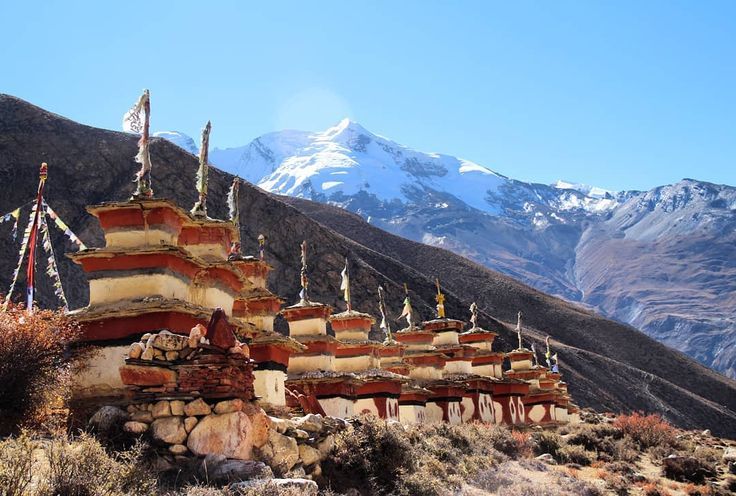
The core of the trek lies in the hidden valleys of Nar and Phu. These settlements are heavily influenced by Tibetan Buddhism and have preserved centuries-old traditions. Stone-built houses, prayer flags, chortens, and monasteries define the landscape.
Manang Region Connection
After crossing the high pass, the trek connects to the Manang Valley, a part of the famous Annapurna Circuit route, offering better accommodation and panoramic Himalayan views.
Nar Phu Valley Trek 14 Days Route Overview
The Nar Phu Valley Trek 14 Days itinerary follows a remote and adventurous path:
Kathmandu → Besisahar → Koto → Meta → Phu Gaon → Nar Phedi → Nar Village → Kang La Pass (5,320m) → Ngawal → Manang → Jomsom → Kathmandu
This route combines both restricted valley trekking and classic Annapurna circuit terrain, making it one of the most diverse trekking experiences in Nepal.
Nar Phu Valley Cultural Experience
One of the most powerful aspects of the Nar Phu Valley Trek Nepal is its deep cultural richness.
Traditional Villages
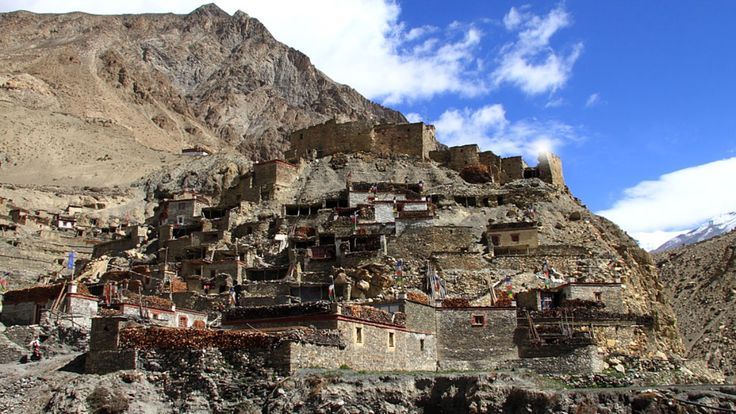
Villages like Phu Gaon and Nar Village are built using stone architecture, reflecting ancient Himalayan settlement styles that have remained unchanged for centuries.
Tibetan Buddhist Influence
The region is heavily influenced by Tibetan Buddhism. Monasteries such as Tashi Lhakhang Gompa play an important role in local spiritual life.
Traditional Lifestyle
Locals still depend on yak herding, farming, and seasonal migration. Life here is simple, spiritual, and closely connected to nature.
Festivals & Rituals
Depending on the season, trekkers may witness local Buddhist ceremonies, prayer rituals, and cultural celebrations.
High Altitude Adventure & Kang La Pass
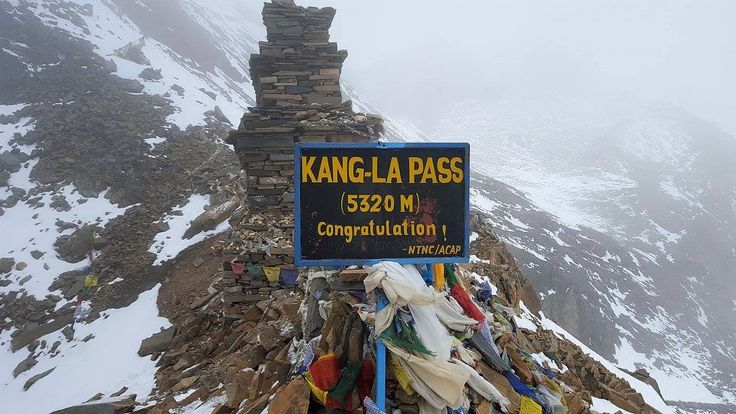
A major challenge and highlight of this trek is crossing the Kang La Pass (5,320m).
Kang La Pass Experience
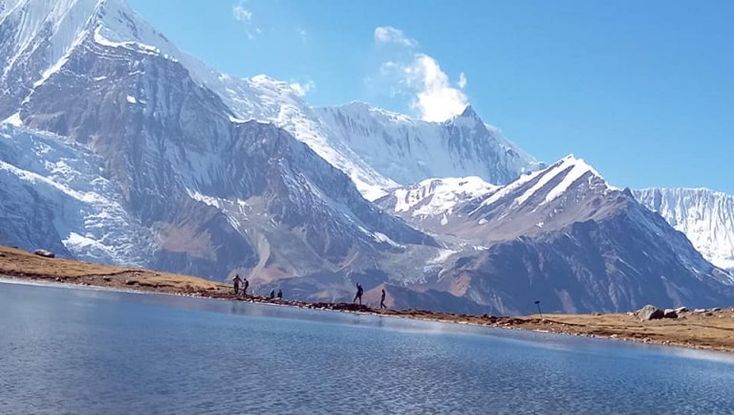
The ascent to Kang La Pass is physically demanding due to thin air, cold temperatures, and steep terrain. However, the reward is one of the most spectacular panoramic views in Nepal.
From the top, trekkers can see:
- Annapurna II
- Gangapurna
- Tilicho Peak
- Manaslu range (on clear days)
Difficulty Level
This section requires strong physical fitness, acclimatization, and mental endurance, making the trek suitable for experienced trekkers.
Activities During Nar Phu Valley Trek
The Nar Phu Valley Trek 14 Days includes a wide range of adventure and cultural activities:
High-Altitude Trekking
Long trekking days through remote valleys, cliffs, and mountain terrain.
Mountain Pass Crossing
Crossing Kang La Pass is the most challenging and rewarding section of the trek.
Cultural Exploration
Interaction with local communities in Nar and Phu villages provides deep cultural immersion.
Monastery Visits
Exploring ancient monasteries offers insight into Tibetan Buddhist traditions.
Photography Opportunities
The trek offers dramatic landscapes, from deep canyons to snow-covered peaks.
Wildlife Observation
Trekkers may spot Himalayan blue sheep, yaks, marmots, and rare birds.
Best Season for Nar Phu Valley Trek 14 Days
Choosing the right time is crucial for a safe and enjoyable trek.
Spring (March–May)
- Clear skies
- Blooming rhododendrons
- Stable weather
- Ideal trekking conditions
Autumn (September–November)
- Best mountain visibility
- Dry trails
- Perfect weather stability
- Peak trekking season
❌ Winter and monsoon are generally avoided due to snow blockage and landslides.
Accommodation & Food Experience
Accommodation
Accommodation during the Nar Phu Valley Trek 14 Days Nepal is basic:
- Tea houses in remote villages
- Shared rooms with simple facilities
- Better lodges in Manang region
- Hotel stay in Kathmandu
Food
Food options are simple but nutritious:
- Dal Bhat (traditional Nepali meal)
- Tibetan bread and noodles
- Soups and potatoes
- Vegetarian meals available
Transportation Overview for Nar Phu Valley Trek 14 Days
- Kathmandu to Besisahar/Koto: Jeep or bus
- Trekking route: On foot
- Return from Jomsom/Besisahar: Jeep or bus
The journey includes both off-road driving and high-altitude trekking transitions.
Permits Required for Nar Phu Valley Trek 14 Days
To complete the Nar Phu Valley Trek 14 Days, the following permits are mandatory:
- Nar Phu Restricted Area Permit (RAP)
- Annapurna Conservation Area Permit (ACAP)
- TIMS Card (depending on agency arrangement)
These permits are issued only through registered trekking agencies.
Important Nar Phu Valley Trek 14 Days Information
- Nar Phu Valley Trek 14 Days is a restricted trekking region
- Solo trekking is not allowed
- Altitude sickness risk is high above 3,000m
- Travel insurance with helicopter evacuation is essential
- Weather conditions can affect itinerary flexibility
Preparation Tips for Nar Phu Valley Trek 14 Days
Proper preparation ensures a safe and successful journey:
- Build stamina through cardio training
- Practice hiking with a backpack
- Prepare layered clothing for cold weather
- Carry essential trekking gear and medication
- Stay hydrated and maintain slow pace at high altitude
Why Choose Nar Phu Valley Trek 14 Days?
The Nar Phu Valley Trek Nepal is ideal for trekkers who want:
- A remote and less crowded Himalayan experience
- Authentic Tibetan culture and lifestyle
- High-altitude adventure with mountain passes
- Unique landscapes different from mainstream routes
- A blend of restricted valley trekking and Annapurna circuit views
This trek is not just a journey — it is an exploration of one of Nepal’s last hidden Himalayan worlds.
Explore more Trekking like Nar Phu Valley Trek 14 Days:
- Everest Base Camp Trek- 12 Days/ 11 Night
- South Annapurna Base Camp Trek-7Night/8Days Adventure
- Ghorepani Poon Hill Trek 5 Days
- Manaslu Circuit Trek 14 Days
- Annapurna Circuit Trek 13 Days
External Links (Recommended):
- Nepal Tourism Board – Official Tourism Information
https://ntb.gov.np - Department of Immigration Nepal – Visa & Travel Regulations
https://www.immigration.gov.np
The Nar Phu Valley Trek 14 Days is one of Nepal’s most exceptional and rewarding Himalayan journeys, offering a rare blend of remote wilderness, ancient Tibetan culture, and high-altitude adventure. From the dramatic gorges of the Marsyangdi Valley to the hidden stone villages of Nar and Phu, every step of the trek reveals a landscape and lifestyle that has remained untouched for centuries.
Crossing the challenging Kang La Pass (5,320m) stands as the ultimate highlight of the journey, rewarding trekkers with breathtaking panoramic views of the Annapurna and surrounding Himalayan ranges. Along the way, travelers experience peaceful monasteries, traditional Himalayan hospitality, and the raw beauty of one of Nepal’s least explored regions.
Unlike commercial trekking routes, Nar Phu offers solitude, authenticity, and a true sense of exploration. It is a trek for those who seek more than just scenery — it is for those who want cultural depth, physical challenge, and a genuine Himalayan wilderness experience.
For adventure seekers, photographers, and cultural explorers, the Nar Phu Valley Trek remains one of Nepal’s most unforgettable and enriching trekking adventures.
Nar Phu Valley Trek 14 Days | Breathtaking Kang La Pass & Ancient Tibetan Culture Highlights
- Explore the hidden Nar & Phu Valleys, one of Nepal’s most remote and least-visited trekking regions
- Experience authentic Tibetan-influenced Himalayan culture in ancient stone villages
- Cross the dramatic Kang La Pass (5,320m) with panoramic Himalayan views
- Trek through rugged gorges, cliffs, and high-altitude desert landscapes
- Visit centuries-old monasteries like Tashi Lhakhang Gompa
- Walk through the restricted Annapurna Conservation Area with special permit access
- Enjoy a true off-the-beaten-path adventure with minimal crowds
- Witness stunning views of peaks like Annapurna II, Gangapurna, and Tilicho Peak
- Experience traditional lifestyle, yak herding, and mountain hospitality in remote villages
- Combine adventure trekking with cultural immersion in untouched Himalayan terrain
Nar Phu Valley Trek 14 Days Route Details
The Nar Phu Valley Trek (14 Days) begins with a scenic drive from Kathmandu to the Annapurna region, entering the trail from Koto via Besisahar. The route then ascends through narrow gorges, pine forests, and remote Himalayan landscapes into the restricted Nar Phu Valley. Trekkers explore the ancient villages of Meta, Phu Gaon, and Nar, experiencing unique Tibetan-influenced culture and untouched mountain life. The journey continues with the challenging crossing of the Kang La Pass (5,320m), offering breathtaking views of the Annapurna range, before descending into the Manang region. The trek concludes by connecting with the Annapurna Circuit trail and returning via Jomsom or Besisahar back to Kathmandu.
Include
- Airport pick-up and drop-off in Kathmandu
- 2–3 nights hotel accommodation in Kathmandu (BB plan)
- All required trekking permits (RAP, ACAP, TIMS if needed)
- Licensed trekking guide throughout the trek
- Porter service (2 trekkers : 1 porter basis)
- All ground transportation (Kathmandu ⇄ Besisahar/Koto and return)
- Tea house accommodation during the trek
- Three meals per day during trekking (breakfast, lunch, dinner)
- Government taxes and company service charges
- First aid kit carried by guide
Exclude
- International airfare to/from Nepal
- Nepal entry visa fees
- Travel insurance (must cover high-altitude evacuation)
- Personal expenses (snacks, drinks, souvenirs, etc.)
- Hot showers, WiFi, and device charging fees in trekking areas
- Alcoholic beverages and bottled drinks
- Extra accommodation or meals due to delays (weather/flight)
- Tips for guide and porter
- Emergency evacuation or helicopter rescue (if required)
- Any services not mentioned in inclusions
Nar Phu Valley Trek 14 Days | Breathtaking Kang La Pass & Ancient Tibetan Culture Itinerary
Your journey begins as you arrive in Kathmandu, the bustling cultural heart of Nepal. After landing at Tribhuvan International Airport, you are warmly welcomed and transferred to your hotel in the lively Thamel area. The short drive introduces you to the city’s vibrant energy—narrow streets filled with motorbikes, temples standing beside modern shops, and locals going about their daily routines.
Once checked in, you can rest after your flight or take a gentle walk around Thamel to stretch your legs and get your first feel of Nepal. In the evening, you will meet your trekking guide for a detailed briefing about the Nar Phu Valley Trek, where you’ll learn about the route, altitude challenges, daily routines, and safety precautions. A traditional Nepali welcome dinner gives you your first taste of local cuisine and hospitality, setting the tone for the adventure ahead.
Today is dedicated to exploring the cultural and spiritual richness of the Kathmandu Valley while also preparing for your trek. You will visit some of Nepal’s most iconic UNESCO World Heritage Sites, beginning with Pashupatinath Temple, where you may witness sacred Hindu rituals along the Bagmati River. You will then head to Boudhanath Stupa, one of the largest Buddhist stupas in the world, where monks and pilgrims walk in prayerful circles.
The journey continues to Swayambhunath, a hilltop shrine offering panoramic views of the valley, followed by a visit to Kathmandu Durbar Square, a historic complex of palaces and temples showcasing Nepal’s royal past. Throughout the day, you gain insight into the traditions and beliefs that shape life in Nepal. In the afternoon, you return to your hotel for final trek preparations, including checking your gear, organizing your bags, and ensuring everything is ready for the journey into the mountains.
Leaving the city behind, you begin a scenic drive along the Prithvi Highway, following the winding Trishuli River. As the journey progresses, the urban environment gradually gives way to rolling green hills, terraced farmland, and small roadside villages. The drive is long but visually rewarding, offering glimpses of everyday rural life in Nepal.
You will stop along the way for meals and short breaks, allowing you to stretch and enjoy the surroundings. Upon reaching Besisahar, the gateway to the Annapurna region, you settle into a comfortable guesthouse. The atmosphere here is noticeably quieter and more relaxed compared to Kathmandu, marking your transition into the trekking phase of the journey.
Today’s journey becomes more adventurous as you switch to a 4WD vehicle and continue deeper into the mountains. The road is rough and winding, passing through dense forests, cascading waterfalls, and steep cliffs. As you ascend, the air becomes cooler and thinner, and snow-capped peaks begin to appear more prominently in the distance. The drive takes you through villages like Dharapani and Chame, where you get a glimpse of mountain life.
By the time you reach Koto, you are firmly in the Himalayan region, surrounded by dramatic landscapes. This is also the entry point to the restricted Nar Phu Valley, where permits are checked before continuing further. You spend the night in a teahouse, experiencing the simple yet welcoming accommodations typical of mountain trekking routes.
Your trekking adventure begins today as you leave the main Annapurna Circuit trail and enter the secluded Nar Phu Valley. The trail follows a river through dense pine forests, gradually narrowing into a dramatic canyon. You cross suspension bridges and walk along rocky paths carved into cliffs, with the sound of the river echoing below. The climb is steady rather than steep, but the duration and altitude gain make it physically engaging.
As you progress, the sense of remoteness increases, with fewer trekkers and more untouched natural surroundings. Eventually, the valley opens up and you reach Meta, a small settlement perched in a wide, open landscape. The views here are expansive, offering your first real sense of the high Himalayan environment.
Today’s trek takes you deeper into a stark and rugged high-altitude landscape. Vegetation becomes sparse, replaced by rocky terrain and dry hills that resemble a Himalayan desert. Along the way, you pass ancient chortens, mani walls, and remnants of old settlements that reflect the region’s long history and Tibetan influence.
The altitude becomes more noticeable, requiring a slower pace and frequent breaks. As you approach Phu Village, the scenery becomes even more dramatic, with towering cliffs and snow-covered peaks surrounding the settlement. Phu itself feels like a hidden world, with tightly clustered stone houses and a strong sense of tradition and isolation.
This day is essential for allowing your body to adjust to the high altitude. Rather than complete rest, you take short walks around the village and to nearby viewpoints. A visit to Tashi Lhakhang Monastery provides both cultural insight and stunning views of the surrounding mountains.
The slower pace of the day allows you to fully absorb the atmosphere of Phu, interact with locals, and observe their traditional way of life. Proper acclimatization here greatly reduces the risk of altitude sickness as you continue higher in the coming days.
You begin your return journey from Phu, retracing your steps through the same dramatic landscapes. The descent makes walking physically easier in terms of breathing, though it can be tiring on the legs.
The views appear different when traveling in the opposite direction, offering a fresh perspective on the terrain. Upon reaching Nar Phedi, you may stay in a monastery, providing a unique and peaceful environment for the night. The simplicity of the accommodation adds to the authenticity of the experience.
Today’s trek is a short but steady uphill climb through high-altitude terrain. Due to the thin air, even a few hours of walking feels demanding and requires a slow, controlled pace. The trail gradually ascends into Nar Village, set in a wide alpine valley surrounded by barren hills and dramatic Himalayan peaks.
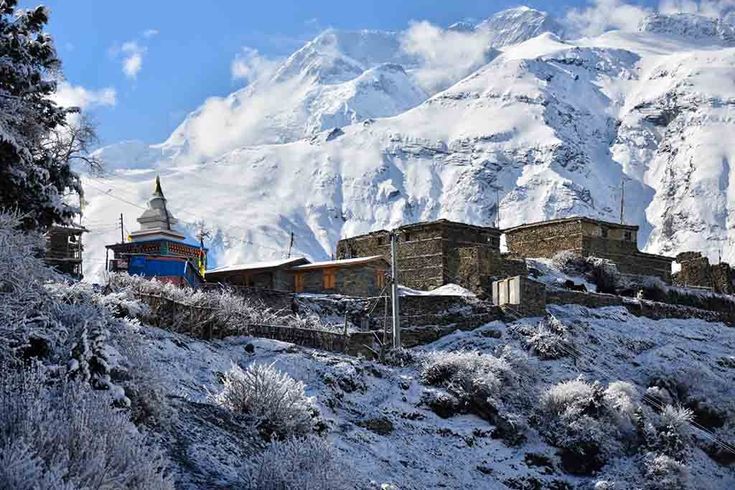
As you approach, the landscape opens up beautifully, revealing a traditional settlement of stone houses and prayer flags. Nar offers a strong sense of Tibetan-influenced culture and mountain isolation. Life here is simple, spiritual, and deeply connected to nature. You settle into a teahouse and rest in preparation for the next acclimatization day.
This rest day is essential for adjusting to high altitude before crossing Kang La Pass. You take short, slow hikes toward higher ground, gradually exposing your body to thinner air. The main focus is on rest, hydration, and energy conservation. Nar Village feels peaceful and remote, surrounded by vast mountain scenery and silence.
You may explore viewpoints or walk part of the upcoming pass route before returning. The slower pace helps reduce altitude risks and prepares your body physically and mentally. The day ends with quiet rest in a basic mountain teahouse.
This is the toughest and most rewarding day of the entire trek. You begin early, climbing steadily toward Kang La Pass in cold, thin-air conditions. The ascent is long and physically intense, requiring endurance and determination.
At the top, you are rewarded with breathtaking panoramic views of Annapurna II, Gangapurna, and surrounding Himalayan giants. After spending time at the summit, you descend carefully toward Ngawal. As altitude decreases, breathing becomes easier and energy returns. Reaching Ngawal brings a deep sense of achievement and relief after the demanding crossing.
After the previous day’s challenge, today’s trek is relatively easy and relaxing. The trail gently descends through open alpine landscapes and scenic mountain views. Walking becomes comfortable as you gradually re-enter a more developed trekking route.
You arrive in Manang, a larger village with bakeries, cafes, shops, and better facilities. Compared to remote Nar and Phu, Manang feels lively and comfortable. The afternoon is free for rest, exploration, and recovery. It is a perfect place to relax after days in remote wilderness.
You leave the high mountains behind and begin a long jeep drive toward Pokhara. The road is rough and winding at first, passing through rugged valleys, rivers, and waterfalls. Gradually, the landscape transforms into green hills and warmer lowlands.
The descent feels dramatic as you move from alpine wilderness to lush countryside. Upon reaching Pokhara, you check into a comfortable hotel near Lakeside. The calm lake atmosphere and warmer climate provide complete relaxation after the trek. It is a perfect place to unwind and reflect on the journey.
On your final day, you travel back to Kathmandu either by a scenic flight or a long tourist bus ride. The journey offers one last look at Nepal’s changing landscapes—from lakes and hills to bustling city life. Upon arrival in Kathmandu, your Nar Phu Valley Trek officially concludes.
The experience leaves you with lasting memories of remote valleys, high mountain passes, and authentic Himalayan culture. It is a journey of both physical challenge and deep cultural immersion. You end the trip with a strong sense of achievement and unforgettable Himalayan experiences.
Video
Packing List – Nar Phu Valley Trek 14 Days
Clothing
- Thermal base layers (top & bottom)
- Fleece jacket / warm mid-layer
- Down jacket (essential for high altitude)
- Waterproof/windproof jacket & pants
- Trekking pants (2–3 pairs)
- Quick-dry t-shirts
- Warm hat, sun hat/cap, buff or neck gaiter
- Gloves (light + thermal)
- Trekking socks (4–6 pairs)
Footwear
- Waterproof trekking boots (well broken-in)
- Camp shoes or sandals
- Gaiters (optional but useful in snow/dust)
Gear & Equipment
- Backpack (30–40L for day use)
- Duffel bag (for porter, if included)
- Sleeping bag (-10°C to -20°C rated)
- Trekking poles
- Headlamp with extra batteries
- Sunglasses (UV protection)
Personal Care
- Sunscreen (SPF 50+)
- Lip balm with SPF
- Hand sanitizer & wet wipes
- Basic toiletries
- Quick-dry towel
- Personal first aid kit
Health & Medication
- Altitude sickness tablets (consult doctor)
- Pain relievers & basic medicines
- Rehydration salts
- Personal prescription medicines
Electronics
- Phone & power bank
- Camera (optional)
- Charging cable & adapter (Nepal plug type C/D/M)
Important Documents
- Passport
- Trekking permits copy
- Travel insurance (mandatory for high altitude rescue)
- Extra passport photos
Nar Phu Valley Trek 14 Days | Breathtaking Kang La Pass & Ancient Tibetan Culture FAQs
1. Where is Nar Phu Valley located?
Nar Phu Valley is located in the Annapurna region of Nepal, near the Tibetan border, between the Manang Valley and the upper Mustang region.
2. Is Nar Phu Valley Trek a restricted area trek?
Yes, it is a restricted trekking region, and trekkers must obtain a special Restricted Area Permit (RAP) and travel with a licensed guide through a registered agency.
3. How difficult is the Nar Phu Valley Trek?
It is considered a strenuous trek due to long walking days, remote terrain, and high altitude, especially the crossing of Kang La Pass (5,320m).
4. What is the best time to do Nar Phu Valley Trek?
The best seasons are:
- Spring (March–May)
- Autumn (September–November)
These months offer stable weather and clear mountain views.
5. How long does the Nar Phu Valley Trek take?
The standard itinerary is 14 days, including arrival, trekking days, and return to Kathmandu.
6. What is the maximum altitude of this trek?
The highest point is Kang La Pass at 5,320 meters (17,454 ft).
7. Do I need a guide for Nar Phu Valley Trek?
Yes, a licensed guide is mandatory as the region is restricted. Solo trekking is not allowed.
8. What kind of accommodation is available?
Accommodation is mainly basic tea houses and homestays, with simple rooms and shared facilities in remote areas.
9. Is altitude sickness a concern on this trek?
Yes. Since the trek goes above 5,000m, there is a risk of altitude sickness. Proper acclimatization, hydration, and a slow pace are important.
10. What permits are required for Nar Phu Valley Trek?
You need:
- Nar Phu Restricted Area Permit (RAP)
- Annapurna Conservation Area Permit (ACAP)
- TIMS card (depending on route arrangement)
11. What type of food is available during the trek?
You will get basic Nepali, Tibetan, and simple international meals such as dal bhat, noodles, soups, and potatoes. Vegetarian options are widely available.
12. Can beginners do the Nar Phu Valley Trek?
It is not recommended for absolute beginners. Some trekking experience and good physical fitness are advised.
Nar Phu Valley is located in the Annapurna region of Nepal, near the Tibetan border, between the Manang Valley and the upper Mustang region.
Yes, it is a restricted trekking region, and trekkers must obtain a special Restricted Area Permit (RAP) and travel with a licensed guide through a registered agency.
It is considered a strenuous trek due to long walking days, remote terrain, and high altitude, especially the crossing of Kang La Pass (5,320m).
The best seasons are:
- Spring (March–May)
- Autumn (September–November)
These months offer stable weather and clear mountain views.
The standard itinerary is 14 days, including arrival, trekking days, and return to Kathmandu.
The highest point is Kang La Pass at 5,320 meters (17,454 ft).
Yes, a licensed guide is mandatory as the region is restricted. Solo trekking is not allowed.
Accommodation is mainly basic tea houses and homestays, with simple rooms and shared facilities in remote areas.
Yes. Since the trek goes above 5,000m, there is a risk of altitude sickness. Proper acclimatization, hydration, and a slow pace are important.
You need:
- Nar Phu Restricted Area Permit (RAP)
- Annapurna Conservation Area Permit (ACAP)
- TIMS card (depending on route arrangement)
You will get basic Nepali, Tibetan, and simple international meals such as dal bhat, noodles, soups, and potatoes. Vegetarian options are widely available.
It is not recommended for absolute beginners. Some trekking experience and good physical fitness are advised.
Reviews

EBC has consistently delivered a reliable and professional experience
EBC has consistently delivered a reliable and professional experience. Their team is responsive, knowledgeable, and focused on practical solutions. We appreciated the clarity of communication throughout the process
John Doe
,USA
EBC has been very positive
Our experience with EBC has been very positive. The onboarding was smooth, and their support team was readily available when questions arose. Overall, a dependable partner
Harley Smith
,UK