
Tsum Valley Trek 12 Days – Hidden Himalayan Valley Adventure
- This is a restricted trekking region, and special permits including the Manaslu Conservation Area Permit (MCAP) are mandatory. Solo trekking is not allowed; a licensed guide and minimum group requirement must be followed.
- The trek enters high-altitude terrain within the Manaslu Conservation Area, so proper acclimatization, fitness, and preparation are essential to avoid altitude-related risks.
- Accommodation and facilities are basic in remote villages—expect simple tea houses, limited electricity, and minimal connectivity.
- Carry sufficient cash from Kathmandu, as there are no ATMs or banking services along the route.
- Weather in the Himalayan region can change rapidly; flight delays, road disruptions, or itinerary changes may occur due to natural conditions.
- Travel insurance covering high-altitude trekking and emergency evacuation is strongly recommended and often required by agencies.
- This is a remote and physically demanding trek; participants should be in good health and prepared for long trekking days.
Destination:
Tsum Valley, Manaslu Conservation Area, Nepal
Trip Duration:
12 Days
Max Altitude:
Approx. 3,700 m (Mu Gompa area)
Activities:
Trekking, cultural exploration, monastery visits, photography, Himalayan sightseeing, village experience
Start Point:
Kathmandu
Ending Point:
Kathmandu
Region:
Gorkha District, Northern Nepal (Tsum Valley / Manaslu Region)
Trip Grade:
Moderate (physically demanding due to consecutive trekking days and limited acclimatization time)
Group Size:
2–10 persons (standard restricted area rule applies)
Accomodation:
Tea houses / basic homestays during trek, standard hotel in Kathmandu
Meals:
Full board during trek (Breakfast, Lunch, Dinner) + breakfast in Kathmandu
Transportation:
Private jeep or local bus from Kathmandu to Machha Khola and return
Permits Required:
Restricted Area Permit (Tsum Valley), Manaslu Conservation Area Permit (MCAP) & TIMS Card (if required based on current regulations)
Best Season:
Spring (March–May) and Autumn (September–November)
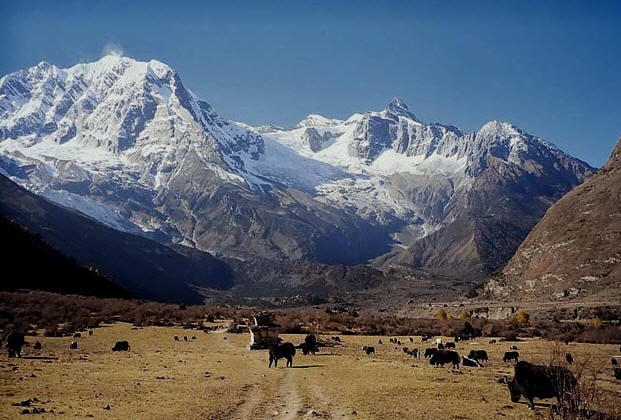
The Tsum Valley Trek 12 Days is one of Nepal’s most remote and culturally preserved Himalayan journeys. Hidden deep within the northern part of the Manaslu Conservation Area, this trek leads into the sacred and isolated valley of Tsum Valley, a region often described as a “hidden Buddhist sanctuary” of the Himalayas.
Unlike mainstream trekking routes such as Everest or Annapurna, this journey offers a rare combination of untouched landscapes, ancient Tibetan-influenced culture, spiritual monasteries, and raw mountain wilderness. The 12-day itinerary is designed for trekkers who want a compact yet deeply immersive Himalayan experience without compromising cultural depth or natural beauty.
This detailed guide explains everything about the trek including region, culture, experience, highlights, difficulty, and what makes this journey one of the most unique trekking adventures in Nepal.
Introduction to Tsum Valley Trek 12 Days
The Tsum Valley Trek 12 Days begins in the lower hills of Gorkha District and gradually climbs into high-altitude Himalayan terrain. The trail follows the Budhi Gandaki River before entering a hidden valley that remained closed to outsiders until 2008.
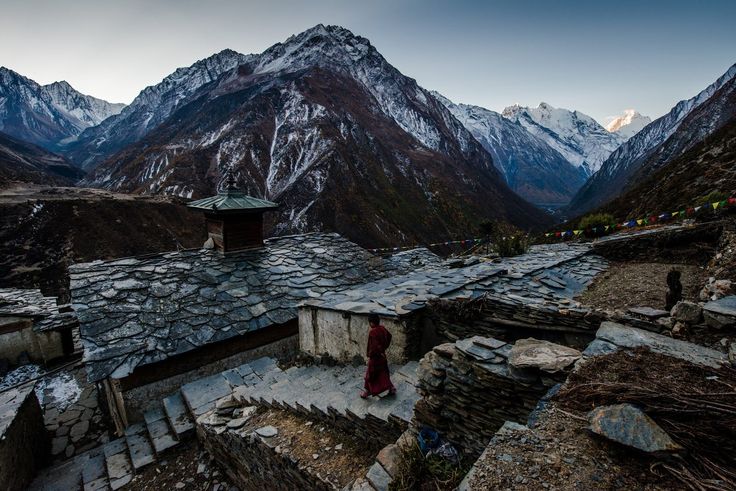
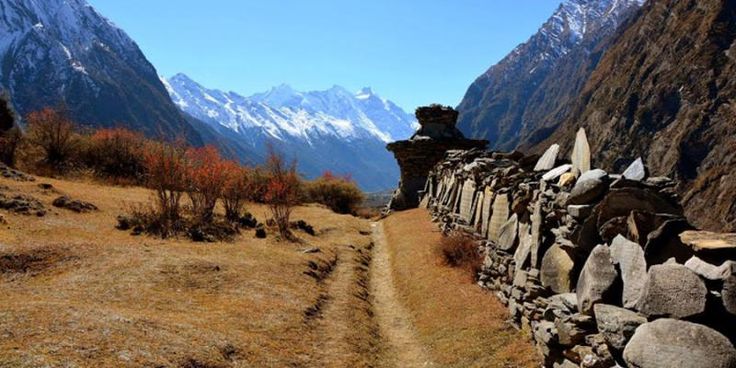
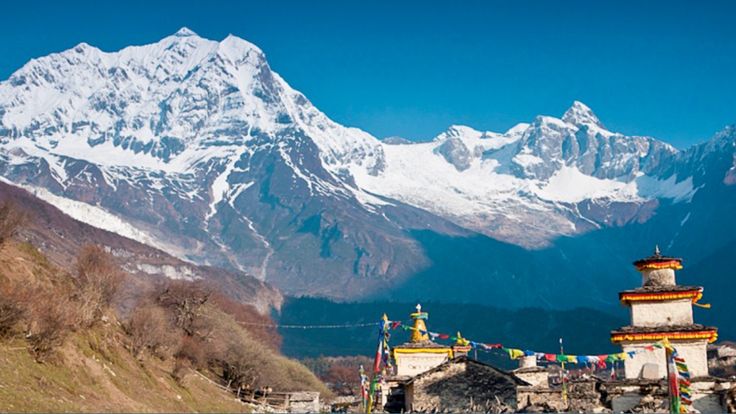
Because of this long isolation, the region has preserved its ancient Tibetan Buddhist traditions, making it one of the most culturally rich trekking destinations in Nepal. Stone-built villages, prayer flags, mani walls, and centuries-old monasteries define the landscape of this sacred valley.
The trek is not just a physical journey—it is also a spiritual and cultural experience that reflects the deep Himalayan heritage of northern Nepal.
Tsum Vally Trek 12 Days Geographic Location & Region
The Tsum Valley Trek 12 Days is located in the northern part of the Manaslu Conservation Area, within Gorkha District of Nepal. This region lies close to the Tibetan border, which heavily influences its culture, architecture, and lifestyle.
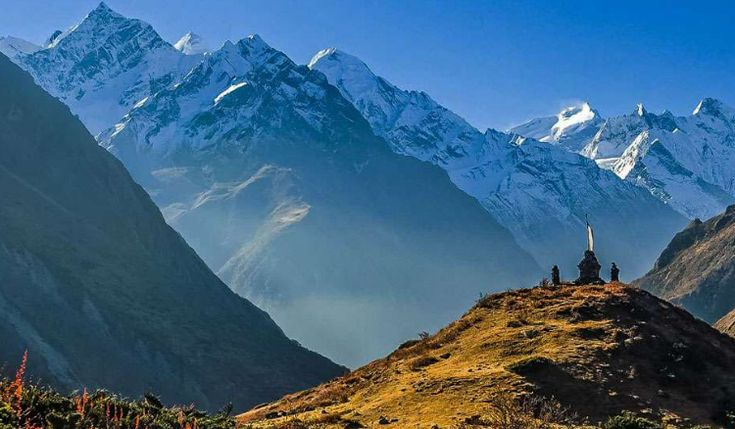
The valley is surrounded by the Ganesh Himal and Sringi Himal ranges, creating a dramatic natural amphitheater of snow-capped peaks and deep river gorges. Due to its geographical isolation, the valley remained untouched by modernization for centuries.
Today, it is recognized as one of Nepal’s most protected trekking regions, requiring special permits and guided access.
Cultural Importance of Tsum Valley Trek 12 Days
One of the most remarkable aspects of the Tsum Valley Trek 12 Days is its strong Tibetan Buddhist heritage. The local people, known as “Tsumbas,” follow traditional customs that have remained unchanged for generations.
The valley is filled with ancient monasteries, chortens, and sacred caves where Buddhist saints once meditated. Spirituality is deeply embedded in everyday life, and visitors can witness prayer rituals, butter lamp offerings, and chanting monks throughout the journey.
A key spiritual highlight is Mu Gompa, one of the highest and most significant monasteries in the valley. Located near the upper region of Tsum, it serves as a center for meditation, learning, and spiritual retreat.
Tsum Valley trek 12 Days Natural Beauty & Landscape
The Tsum Valley Trek 12 Days offers some of the most dramatic Himalayan scenery in Nepal. The trail passes through deep river valleys carved by the Budhi Gandaki River, dense forests of pine and rhododendron, and high alpine landscapes that open into wide mountain basins.
As trekkers ascend higher, the environment becomes more rugged and isolated, with breathtaking views of snow-covered peaks, glacial rivers, and untouched wilderness.
Because the valley lies within the Manaslu Conservation Area, biodiversity is well preserved. The region is home to Himalayan wildlife such as Himalayan tahr, blue sheep, and various species of birds.
Tsum Valley Trek 12 Days Experience & Trail Conditions
The trekking experience of the Tsum Valley Trek 12 Days is moderate to challenging due to its continuous elevation gain and remote terrain. While the trail does not involve technical climbing, trekkers must be prepared for long walking days, basic infrastructure, and limited facilities.
The journey begins with relatively easier walking through lower hills and gradually transitions into steeper and more demanding terrain as altitude increases.
Suspension bridges, rocky paths, narrow ridges, and forest trails define the trekking experience. The remoteness of the region adds to the adventure, making it feel like a true expedition into untouched Himalayan wilderness.
Tsum Valley Trek 12 Days Spiritual & Emotional Experience
Unlike commercial trekking routes, the Tsum Valley Trek 12 Days offers a deeply peaceful and reflective experience. The silence of the mountains, combined with the spiritual atmosphere of monasteries and prayer flags, creates a sense of inner calm.
Many trekkers describe the valley as a place where time slows down. The simplicity of life in the mountains, combined with the kindness of local villagers, makes this trek emotionally enriching as well as physically rewarding.
Tsum Valley Trek 12 Days Accommodation & Lifestyle
Accommodation along the Tsum Valley Trek 12 Days is basic but comfortable enough for trekkers. Tea houses and homestays provide simple lodging and meals.
Rooms are typically twin-sharing with basic bedding. Facilities such as hot showers, electricity, and Wi-Fi are limited and may not be available in higher villages.
Despite the simplicity, the hospitality of local people is warm and welcoming, giving trekkers a chance to experience authentic Himalayan village life.
Tsum Valley Trek 12 Days Food & Dining Experience
Food during the Tsum Valley Trek 12 Days is simple and nutritious. The most common meal is dal bhat (rice, lentils, vegetables), which provides energy for long trekking days.
Other options include noodles, soups, Tibetan bread, potatoes, and seasonal vegetables. As altitude increases, food variety becomes more limited, but meals remain fresh and locally prepared.
Tsum Valley Trek 12 Days Route Summary
The typical route of the Tsum Valley Trek 12 Days is:
Kathmandu → Machha Khola → Jagat → Lokpa → Chumling → Chhekampar → Nile → Chhule → Mu Gompa → Return via same route → Kathmandu
This route follows a gradual ascent into the hidden valley and then retraces the journey back, ensuring full exploration of the region.
Tsum Valley Trek 12 Days Difficulty Level
The Tsum Valley Trek 12 Days is classified as moderate, but can feel challenging due to:
- Continuous uphill trekking
- Limited acclimatization time in 12-day itinerary
- Remote terrain and basic facilities
- Long daily walking hours (5–7 hours average)
However, with proper preparation and fitness, most trekkers can complete it successfully.
Who Can Do Tsum Valley Trek 12 Days?
The Tsum Valley Trek 12 Days is suitable for:
- Experienced trekkers looking for offbeat routes
- Cultural and spiritual travel enthusiasts
- Adventure seekers wanting remote Himalayan experiences
- Physically fit beginners with preparation
It is not ideal for travelers seeking luxury, short hikes, or highly developed trekking infrastructure.
Best Time to Visit
The best seasons for the Tsum Valley Trek 12 Days are:
Spring (March–May)
- Blooming rhododendrons
- Stable weather
- Clear mountain views
Autumn (September–November)
- Best visibility
- Dry trails
- Ideal trekking conditions
Winter and monsoon are generally not recommended due to harsh weather and slippery trails.
Permits Required for Tsum Valley Trek 12 Days
Trekkers must obtain special permits to enter the region:
- Restricted Area Permit (Tsum Valley)
- Manaslu Conservation Area Permit (MCAP)
- TIMS Card (subject to regulation updates)
A licensed guide is mandatory for this trek.
Why Choose Tsum Valley Trek 12 Days?
The Tsum Valley Trek 12 Days stands out because:
- It is one of Nepal’s most isolated trekking valleys
- Offers authentic Tibetan Buddhist culture
- Less crowded compared to Everest and Annapurna
- Combines adventure, spirituality, and nature
- Provides a rare off-the-beaten-path experience
Photography Highlights of Tsum Valley Trek 12 Days
This trek is a paradise for photographers. Key subjects include:
- Ancient monasteries and prayer flags
- Mountain landscapes and glaciers
- Traditional village life
- Wildlife and alpine scenery
Important Notes of Tsum Valley Trek 12 Days
- No solo trekking allowed
- Weather can change rapidly in high mountains
- Basic facilities in remote areas
- Cash must be carried from Kathmandu
- Travel insurance is strongly recommended
Explore more Trekking like Kori Danda Trek 9 Days:
- Everest Base Camp Trek- 12 Days/ 11 Night
- South Annapurna Base Camp Trek-7Night/8Days Adventure
- Ghorepani Poon Hill Trek 5 Days
- Manaslu Circuit Trek 14 Days
- Annapurna Circuit Trek 13 Days
External Links (Recommended):
- Nepal Tourism Board – Official Tourism Information
https://ntb.gov.np - Department of Immigration Nepal – Visa & Travel Regulations
https://www.immigration.gov.np
Final Thoughts of Tsum Valley Trek 12 Days
The Tsum Valley Trek 12 Days is more than just a trekking route—it is a journey into a hidden world preserved by time, culture, and geography. From sacred monasteries to untouched Himalayan landscapes, every step in the valley offers a deeper connection with nature and spirituality.
For travelers seeking a meaningful and less commercial Himalayan adventure, this trek remains one of Nepal’s most rewarding experiences.
Tsum Valley Trek 12 Days – Hidden Himalayan Valley Adventure Highlights
- Explore one of Nepal’s most remote and untouched Himalayan valleys, hidden near the Tibetan border
- Visit ancient Buddhist monasteries like Mu Gompa and experience centuries-old spiritual traditions
- Trek through the protected landscapes of the Manaslu Conservation Area with dramatic gorges and alpine scenery
- Discover authentic Tibetan-influenced villages such as Chhekampar and Chumling
- Experience deep cultural immersion with prayer flags, mani walls, and local monastic life
- Capture breathtaking views of Ganesh Himal and surrounding snow-capped peaks
- Walk through pristine, less-crowded trails far from commercial trekking routes
- Enjoy a peaceful Himalayan atmosphere ideal for reflection and spiritual connection
- Spot Himalayan wildlife and diverse alpine ecosystems along the trail
- Experience a true off-the-beaten-path adventure with raw mountain hospitality
Route Details – Tsum Valley Trek 12 Days
Tsum Valley Trek 12 Days begins with a scenic drive from Kathmandu to Machha Khola, the gateway to the Manaslu region. From here, the trail follows the Budhi Gandaki River, passing through Jagat before entering the restricted area at Lokpa—the official entry point to Tsum Valley.
As the route progresses, trekkers ascend through Chumling and Chhekampar, where Tibetan-influenced culture becomes more prominent. The trail continues north toward Nile and Chhule, leading to the spiritual highlight of the Tsum Valley Trek 12 Days journey—Mu Gompa, located near the upper valley at around 3,700 meters.
After exploring the monastery and surrounding highland landscapes, the return journey retraces the same route back through the valley villages and down to Machha Khola, followed by a drive back to Kathmandu.
Include
- Airport pick-up and drop-off in Kathmandu
- Hotel accommodation in Kathmandu (standard category)
- All required trekking permits, including Manaslu Conservation Area Permit (MCAP) and Restricted Area Permit for Tsum Valley
- Experienced licensed trekking guide
- Necessary porter service (as per group size/arrangement)
- Transportation (Kathmandu ↔ Machha Khola by jeep or bus)
- Full board meals (Breakfast, Lunch, Dinner) during trek
- Tea house / homestay accommodation during trekking days
- Government taxes and agency service charges
- First aid medical kit carried by guide
Exclude
- International airfare to/from Nepal
- Nepal entry visa fees
- Travel insurance (mandatory, must cover high-altitude trekking & emergency evacuation)
- Personal expenses (drinks, snacks, laundry, phone/internet charges)
- Hot showers, charging fees, and Wi-Fi in tea houses
- Extra accommodation or meals in Kathmandu beyond itinerary
- Personal trekking gear (sleeping bag, down jacket, etc. if not provided)
- Tips for guide and porter (expected but not compulsory)
- Emergency rescue or evacuation costs if required
- Any services not explicitly mentioned in the “Includes” section
Tsum Valley Trek 12 Days – Hidden Himalayan Valley Adventure Itinerary
Your journey begins early in the morning as you leave Kathmandu and head west toward the remote Manaslu region. The drive is long but incredibly scenic, gradually transitioning from busy urban roads to quiet countryside. As you pass through terraced farmlands, riverside villages, and rolling hills, you get your first taste of rural Nepal.
The route goes via Arughat, a key trading center, where the road begins to feel more rugged and adventurous. From here, the track follows the Budhi Gandaki River, weaving through narrow valleys with dramatic cliffs, waterfalls, and suspension bridges visible along the way. The final stretch is bumpy but rewarding, eventually bringing you to Machha Khola, a small village set beside the river.
After the long drive of around 8–9 hours, you settle into a teahouse, enjoy a warm meal, and prepare for the trekking journey ahead.
Drive Duration: 8–9 hours
Distance: ~160 km
Accommodation: Teahouse / Lodge
After breakfast, your trekking adventure officially begins. The trail follows the Budhi Gandaki River closely, taking you along a mix of rocky paths, forested sections, and narrow cliffside trails. You cross several suspension bridges that sway gently above the river, adding excitement to the day. Along the way, you pass small settlements such as Khorlabesi and Tatopani, where natural hot springs can sometimes be seen steaming beside the riverbanks. The route involves a series of gradual ascents and descents, making it physically engaging but not overly strenuous.
As you continue, the surroundings become more structured, with stone steps and neatly arranged houses appearing along the trail. Upon reaching Jagat, a charming village with traditional stone architecture, you officially enter the restricted Manaslu Conservation Area. Here, permits are checked, and the preserved cultural environment becomes more noticeable. You spend the night in a cozy teahouse, surrounded by the peaceful mountain atmosphere.
Trek Duration: 6–7 hours
Distance: ~14 km
Accommodation: Teahouse
Today’s trek begins with a steady climb through terraced fields and forested hillsides. The trail passes through Salleri and Sirdibas, offering occasional views of the surrounding hills and glimpses of local village life. You then arrive at Philim, a large and culturally rich Gurung village known for its well-organized layout and agricultural terraces. From here, the route diverges from the main Manaslu Circuit, leading you toward the quieter and more remote Tsum Valley.
As you leave the busier trail behind, the environment becomes noticeably more peaceful and untouched. The path ascends gradually through forests and narrow ridges, with fewer trekkers along the way. By the time you reach Lokpa, you’ll feel the shift into a more isolated and culturally distinct region. Lokpa serves as the gateway to Tsum Valley, where Tibetan-influenced traditions, architecture, and lifestyle begin to dominate.
Trek Duration: 6–7 hours
Distance: ~13 km
Accommodation: Teahouse
The day starts with a steep descent from Lokpa into a lush, forested valley. The trail drops down toward the Siyar Khola, which you cross via a suspension bridge surrounded by dense greenery. After crossing the river, the path climbs gradually through pine and rhododendron forests, interspersed with small farms and traditional houses. The environment feels peaceful and untouched, with fewer signs of modern development.
As you approach Chumling, the valley opens up, revealing beautiful views of surrounding hills and distant peaks. Chumling itself is a quiet and culturally rich village, where Tibetan Buddhist traditions are deeply rooted. You can explore local monasteries, spin prayer wheels, and observe mani walls carved with sacred inscriptions. The calm atmosphere and spiritual ambiance make this a memorable stop along the trek.
Trek Duration: 5–6 hours
Distance: ~10 km
Accommodation: Teahouse
Today involves a steady ascent as you move deeper into the upper valley. The trail climbs through increasingly open terrain, with vegetation gradually thinning as you gain altitude. Along the way, you pass chortens, prayer flags, and small settlements that reflect the strong Tibetan Buddhist influence of the region. The views become more expansive, with stunning panoramas of the Ganesh Himal range dominating the horizon.
As you approach Chhokangparo, the air becomes cooler and crisper, and the landscape takes on a more rugged, high-altitude character. Chhokangparo consists of two villages—Chhokang and Paro—situated on a plateau with incredible mountain views. The traditional stone houses and ancient monasteries give the village a timeless feel, offering a deep cultural experience alongside breathtaking natural beauty.
Trek Duration: 5–6 hours
Distance: ~9 km
Accommodation: Teahouse
Continuing northward, the trail leads you further into the remote upper Tsum Valley. You pass through Lamagaon and gradually make your way toward the sacred Milarepa Cave, also known as Piren Phu. This site holds spiritual significance, believed to be a meditation place of the Tibetan saint Milarepa. The trail itself is relatively gentle, but the higher altitude makes the walk more demanding, requiring a slower and steady pace.
The landscape becomes increasingly barren and dramatic, with fewer trees and more open, windswept terrain. Upon reaching Nile, one of the last villages before the Tibetan border, you’ll notice the strong Tibetan cultural influence in both architecture and daily life. The village is quiet, remote, and spiritually rich, providing a unique glimpse into traditional Himalayan living.
Trek Duration: 5–6 hours
Distance: ~10 km
Accommodation: Teahouse
This is the highlight of your trek as you make your way to the sacred Mu Gompa. The trail ascends gradually through open landscapes, offering stunning views of surrounding mountains and vast valleys. As you approach Mu Gompa, the sense of isolation and serenity becomes even more profound. The monastery, perched in a remote location, serves as an important spiritual center for the region.
You’ll have time to explore the monastery, interact with monks, and observe their daily routines. The peaceful atmosphere, combined with the breathtaking setting, makes this a truly unforgettable experience. After spending time at the monastery, you descend back to Nile, where you rest for the night.
Trek Duration: 6–7 hours (round trip)
Distance: ~12 km
Accommodation: Teahouse (Nile)
After reaching the highest point of the trek, you begin your descent back through the valley. The return journey follows the same route but offers a completely different perspective, with downhill walking making the trek feel more relaxed. You pass through Chhokangparo and Chumling once again, revisiting familiar landscapes that now feel more approachable.
Continuing further down, you arrive at Ripchet, a lesser-known and quieter settlement compared to other stops along the route. Ripchet provides a more intimate and authentic village experience, away from the relatively busier trekking hubs. Surrounded by forests and traditional farmland, it offers a peaceful environment to rest and reflect on your journey through the hidden valley.
Trek Duration: 6–7 hours
Distance: ~14 km
Accommodation: Teahouse
Leaving the peaceful village of Ripchet after breakfast, you begin a longer descent out of the inner Tsum Valley. The trail initially winds through quiet forested sections filled with pine and rhododendron, gradually opening into terraced farmlands and scattered settlements. As you descend, the change in altitude becomes noticeable—the air feels warmer, oxygen levels increase, and walking becomes more comfortable compared to the higher sections of the trek. You retrace your steps through familiar villages like Chumling and Lokpa, but the experience feels different as the return journey offers new perspectives of the same landscapes.
Eventually, you reconnect with the main Manaslu trekking route, where you may start encountering more trekkers again. The final stretch leads you to Philim, a larger Gurung village known for its organized layout, wider trails, and better-developed teahouses. After days in remote terrain, Philim feels lively and comfortable, making it an ideal place to relax and reflect on your journey through the hidden valley.
Trek Duration: 6–7 hours
Distance: ~13–14 km
Accommodation: Teahouse / Lodge
Today’s trek continues descending along the Budhi Gandaki River, following a familiar yet still captivating trail. The path includes a mix of gentle downhill sections, occasional uphill climbs, and several suspension bridge crossings that add rhythm to the walk. You pass through small settlements, waterfalls cascading down cliffs, and subtropical forests that become denser as you lose altitude. The warmer climate and lush greenery create a completely different atmosphere compared to the high-altitude landscapes of Mu Gompa.
Walking through these sections often brings a sense of nostalgia, as you revisit the same paths from earlier in the trek, now with a deeper appreciation of the journey you’ve completed. By late afternoon, you arrive back at Machha Khola, where you spend your final night in the trekking region. It’s a perfect time to relax, enjoy a warm meal, and celebrate the completion of your Tsum Valley adventure.
Trek Duration: 6–7 hours
Distance: ~14–15 km
Accommodation: Teahouse / Lodge
After breakfast, you leave the mountains behind and begin the long but scenic drive back to Kathmandu. The journey retraces the rugged road along the Budhi Gandaki River before connecting to more developed highways near Arughat. As you travel, you’ll pass through terraced hills, riverside villages, and bustling roadside markets, offering one final glimpse into rural Nepali life.
The transition from remote mountain trails to urban surroundings becomes more noticeable as you approach Kathmandu. Upon arrival, you can check into your hotel and enjoy the comforts of the city—hot showers, comfortable beds, and a variety of dining options. The evening is free for relaxation, shopping, or exploring areas like Thamel.
Drive Duration: 8–9 hours
Distance: ~160 km
Accommodation: Hotel
Your final day in Kathmandu is kept flexible for rest, exploration, or departure depending on your travel plans. After days of trekking in remote Himalayan terrain, this is the perfect opportunity to unwind and reflect on your journey. You may choose to visit cultural landmarks such as Swayambhunath Stupa or Pashupatinath Temple, explore local markets for souvenirs, or simply relax at a café.
Whether you spend the day sightseeing or preparing for your onward journey, it marks the end of an unforgettable experience through the hidden Tsum Valley—rich in natural beauty, ancient culture, and spiritual serenity.
Activity Duration: Flexible
Accommodation: Hotel (if staying)
Video
Packing List – Tsum Valley Trek 12 Days
Tsum Valley Trek 12 Days – Hidden Himalayan Valley Adventure FAQs
Yes. You need a Restricted Area Permit (RAP) for Tsum Valley along with the Manaslu Conservation Area Permit (MCAP). TIMS may also be required depending on regulations.
No. Solo trekking is not allowed. You must trek with a licensed guide and a minimum of 2 trekkers due to restricted area regulations.
The highest point is around 3,700 meters at Mu Gompa, located in the upper valley of the Tsum Valley.
It is considered moderate to challenging. The trail is not technical, but long walking days, basic facilities, and limited acclimatization make it physically demanding.
Accommodation is mostly in basic tea houses and homestays. Facilities are simple, with limited hot showers, electricity, and Wi-Fi in remote villages.
You’ll get simple trekking meals like dal bhat, noodles, soups, Tibetan bread, and rice-based dishes. Food variety decreases as you go higher into the valley.
The standard itinerary is 12–14 days, depending on route and pace. The 12-day version is a faster, more compact itinerary.
Costs generally range between $900 to $1500+, depending on services, guide, transport, and accommodation level.
Yes. Although the altitude is moderate compared to Everest region, gradual ascent is still important. Hydration and proper pacing are essential.
Connectivity is very limited. Some lower villages may have weak mobile signals, but higher areas have little to no network coverage.
Reviews

EBC has consistently delivered a reliable and professional experience
EBC has consistently delivered a reliable and professional experience. Their team is responsive, knowledgeable, and focused on practical solutions. We appreciated the clarity of communication throughout the process
John Doe
,USA
EBC has been very positive
Our experience with EBC has been very positive. The onboarding was smooth, and their support team was readily available when questions arose. Overall, a dependable partner
Harley Smith
,UK
You May Also Like
Ama Yangri Trek 1N 2D – Short & Easy Sunrise Trek from Kathmandu, Nepal
Experience the stunning Ama Yangri Trek 1N 2D, a short and easy Himalayan adventure near Kathmandu. Enjoy breathtaking sunrise views,…
Annapurna Circuit Trek 13 Days – Nepal Himalayan Adventure
Experience the Annapurna Circuit Trek in 13 days, one of Nepal’s most iconic Himalayan adventures. Cross the legendary Thorong La…
Api Himal Base Camp Trek – Epic 13-Day Adventure
Discover the ultimate Api Himal Base Camp Trek in far-west Nepal with this 13-day itinerary. Explore remote Himalayan trails, stunning…
Breathtaking Annapurna Base Camp Trek 12 Days
Embark on a breathtaking 12-day Annapurna Base Camp Trek and experience the heart of the Himalayas like never before. This…
Dhaulagiri Circuit Trek 18 Days | Best Hidden Valley & French Pass Trek Nepal
The Dhaulagiri Circuit Trek is a challenging 17-day expedition in Nepal that circles Mt. Dhaulagiri (8,167m), crossing French Pass and…
Dhorpatan Hunting Reserve Trek 12N 13D – Nepal’s Ultimate Wildlife & Camping Adventure
Discover the Dhorpatan Hunting Reserve Trek 12N 13D, Nepal’s only wildlife hunting reserve trek, offering remote wilderness, rare wildlife, and…
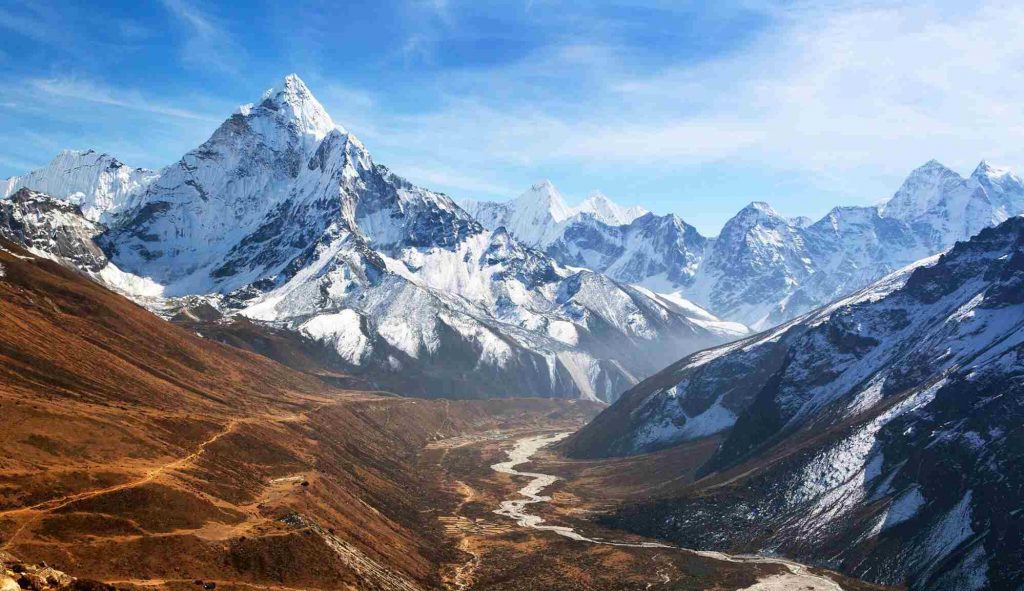
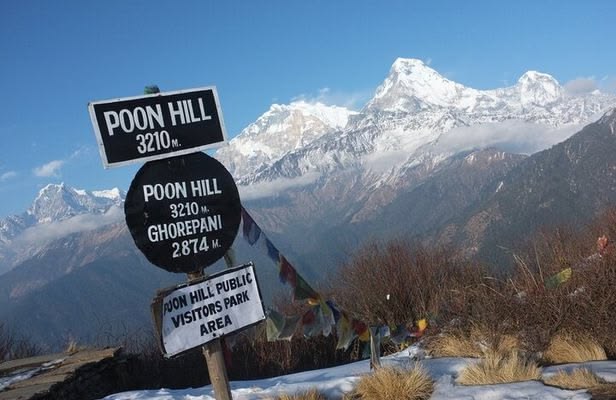
Ghorepani Poon Hill Trek 5 Days – Easy Annapurna Adventure with Stunning Sunrise Views
Experience the iconic Annapurna region on the 5-day Ghorepani Poon Hill Trek. Walk through traditional villages, lush forests, and terraced…
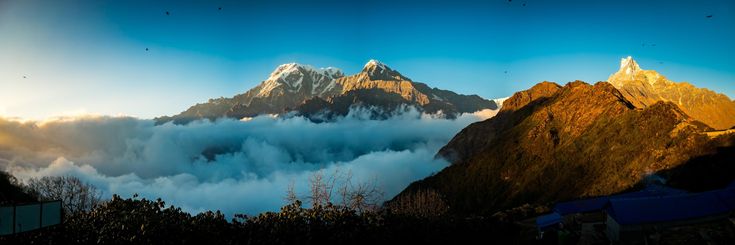
Kori Danda Trek 9 Days | Breathtaking Himalayan Trek in Nepal
Experience the hidden beauty of the Annapurna region with the Kori Danda Trek 9 Days, a perfect blend of culture,…
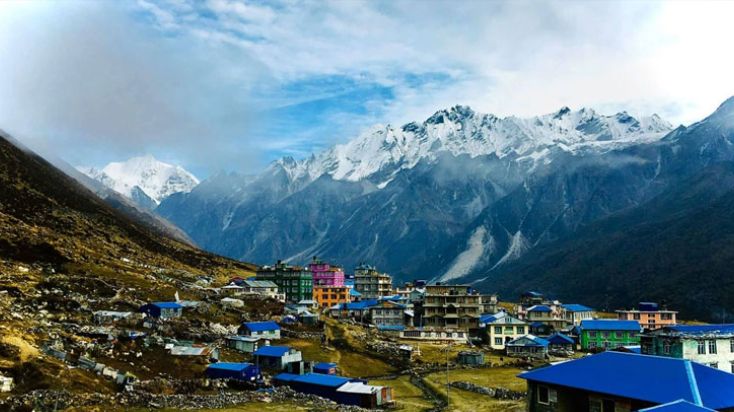
Langtang Valley Trek: 11 Days Stunning Himalayan Adventure
Experience the Langtang Valley Trek, a breathtaking Himalayan adventure near Kathmandu featuring stunning mountain views, rich Tamang culture, and beautiful…
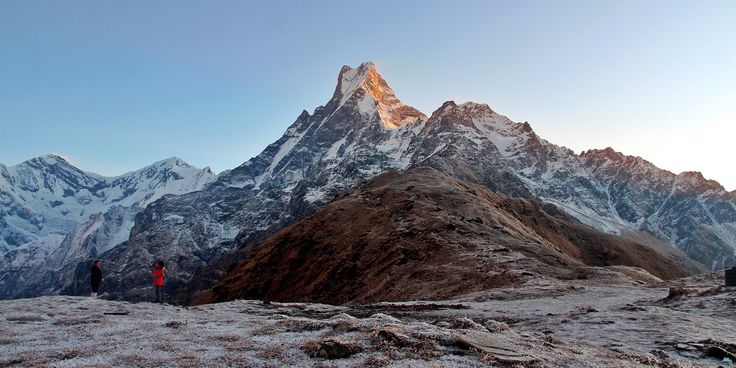
Mardi Base Camp Trek 11 Days– Easy & Scenic Nepal Trek
Mardi Base Camp Trek is a short and scenic Himalayan adventure in the Annapurna Region of Nepal, offering breathtaking views…
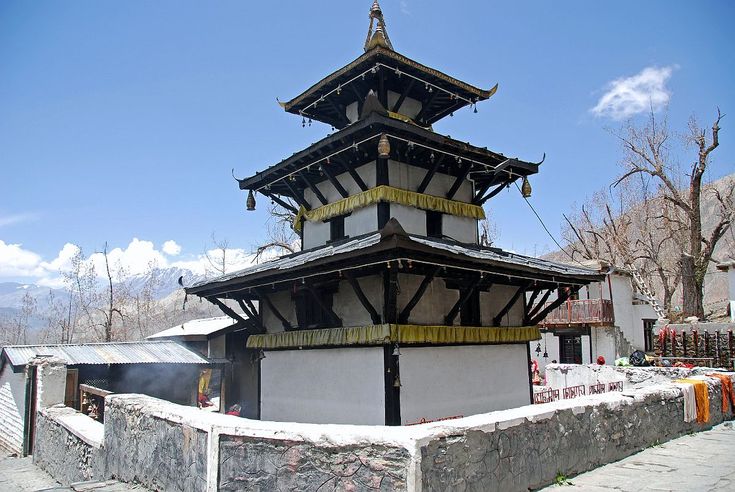
Muktinath Yatra from Kathmandu – 5 Days Spiritual Tour Nepal
Experience the sacred Muktinath Yatra, a spiritual journey to the holy Muktinath Temple in Mustang. Enjoy scenic Himalayan flights, temple…
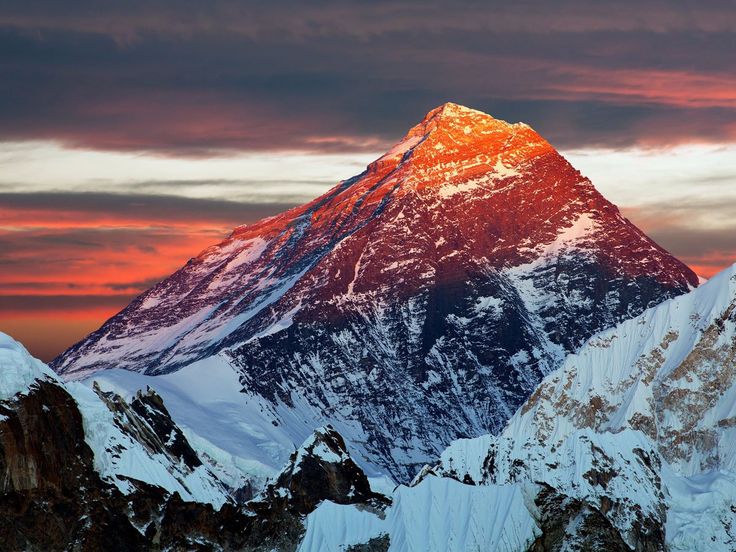
Nepal Himalayan Adventure – Everest Base Camp Trek 17 Days
Experience the thrill of reaching Mount Everest with our Everest Base Camp Trek 17 Days – Best Price Nepal Himalayan…
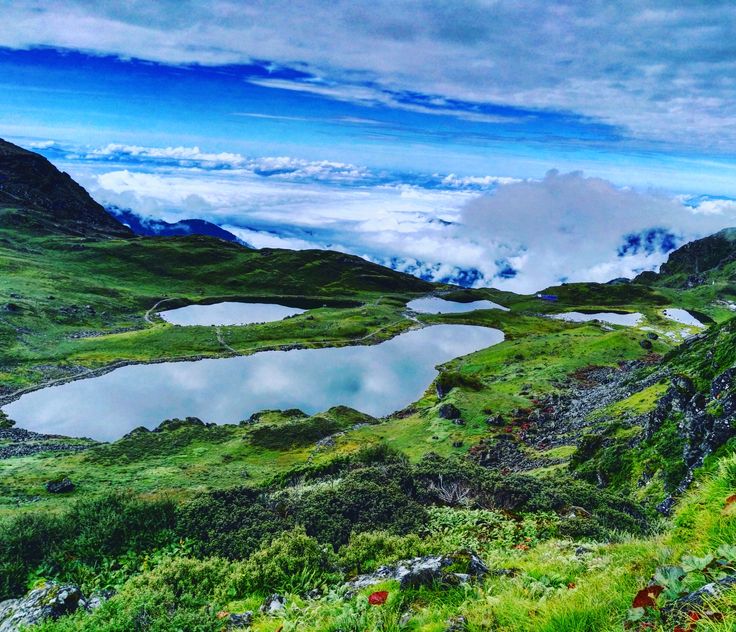
Paanch Pokhari Trek 5N 6D – Stunning Sacred Five Lakes Trek Near Kathmandu
Discover the Paanch Pokhari Trek 5N 6D, a sacred Himalayan journey to the Five Holy Lakes in the Jugal Himal…
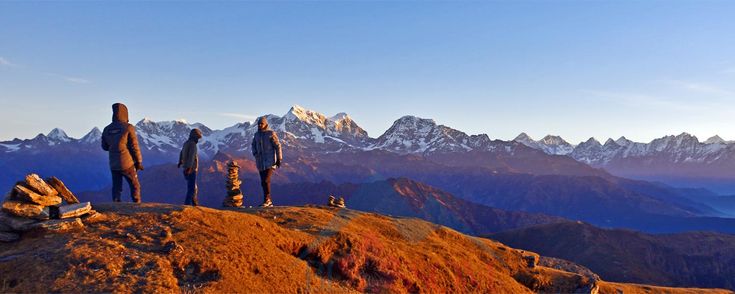
Pikey Peak Trek 9N 10D – Best Everest View Trek Without Lukla Flight
Experience the Pikey Peak Trek 9N 10D, a short and scenic Everest region trek offering stunning sunrise views of Mount…
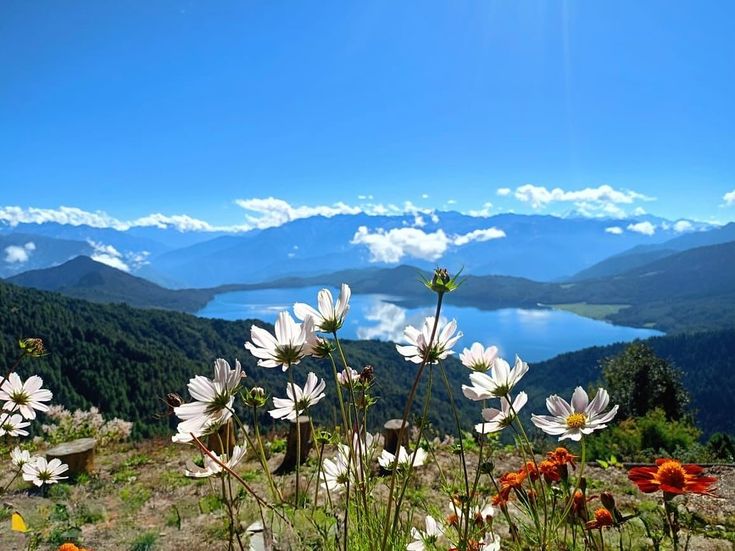
Rara Lake Trekking 6 Days Best Tour from Kathmandu
Discover the untouched beauty of Rara Lake Trekking in Nepal, a scenic fly-in adventure to Rara National Park featuring crystal-clear…
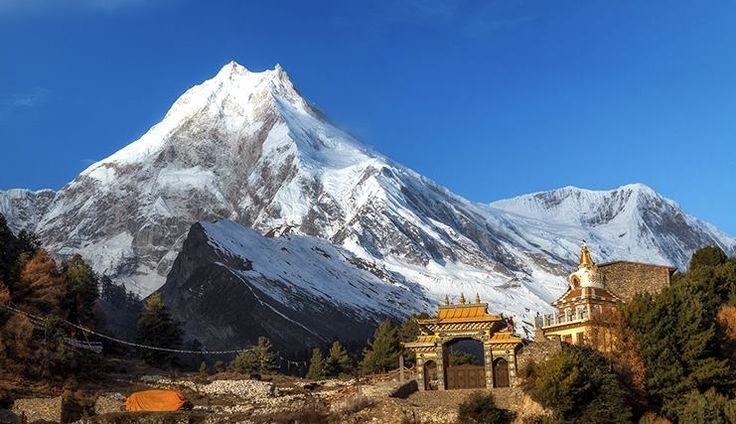
Scenic Manaslu Circuit Trek 14 Days | Larkya La Pass Adventure Nepal
Experience the breathtaking Manaslu Circuit Trek 14 Days, a remote Himalayan adventure around Mount Manaslu. Cross the iconic Larkya La…
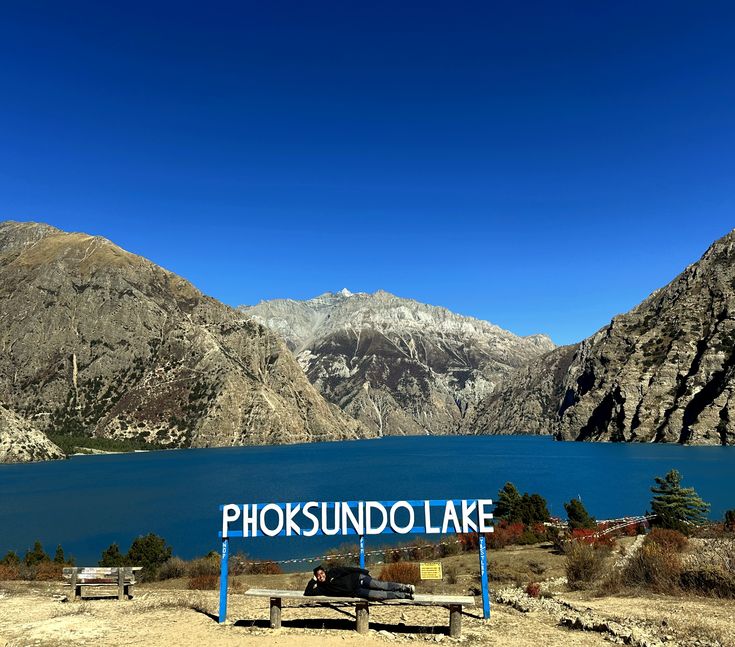
Shey Phoksundo Lake Trek 12 Days | Explore Dolpo’s Hidden Gem
Discover the breathtaking Shey Phoksundo Lake Trek in Nepal’s remote Dolpo region. This 12-day adventure offers stunning alpine landscapes, rich…
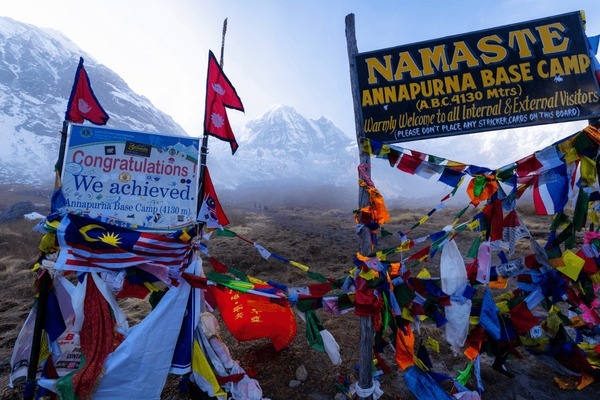
South Annapurna Base Camp Trek-7Night/8Days Adventure
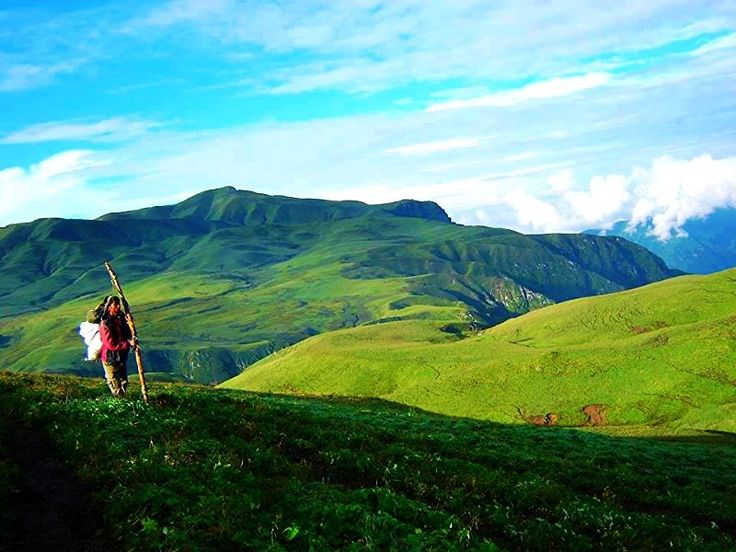
Ultimate Badimalika Trek 14 Days | Sacred Pilgrimage & Remote Himalayan Adventure Nepal
The Badimalika Trek 14 Days is a sacred and remote pilgrimage trekking journey in far-western Nepal that leads to the…
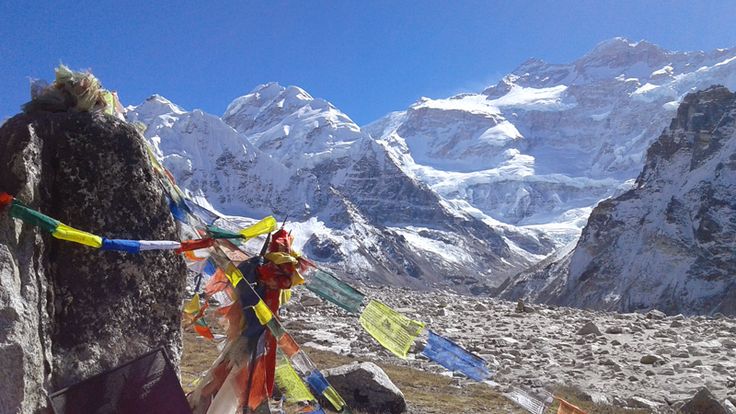
Unforgettable Kanchenjunga Trek 19 Days | Legendary Base Camp Adventure in Nepal
The Kanchenjunga Trek 19 Days is a remote and challenging Himalayan expedition in eastern Nepal that takes you to both…