Unforgettable Kanchenjunga Trek 19 Days | Legendary Base Camp Adventure in Nepal
Destination:
Kanchenjunga Base Camp Trek (North & South), Eastern Nepal
Trip Duration:
19 Nights / 20 Days
Max Altitude:
5,143m (Pangpema – North Base Camp)
Activities:
High-altitude trekking, remote wilderness trekking, mountain pass crossing, glacier valley exploration, camping/teahouse trekking, cultural village experience, photography
Start Point:
Kathmandu → Flight to Bhadrapur → Drive to Taplejung
Ending Point:
Taplejung → Flight from Bhadrapur → Kathmandu
Region:
Kanchenjunga Conservation Area, Eastern Nepal (Taplejung District)
Trip Grade:
Strenuous / Expedition Level
Group Size:
2 – 10 Trekkers (restricted area permit group requirement)
Accomodation:
Teahouse trekking in lower regions + basic lodges / possible camping support in high-altitude sections
Meals:
Full board during trek (Breakfast, Lunch, Dinner) + basic meals in tea houses
Transportation:
Flight Kathmandu–Bhadrapur–Kathmandu, jeep drive Bhadrapur–Taplejung, trekking on foot throughout route
Permits Required:
Kanchenjunga Restricted Area Permit (RAP), Kanchenjunga Conservation Area Permit (KCAP) & TIMS Card (as applicable)
Best Season:
Spring (March–May) and Autumn (September–November)
Kanchenjunga Trek 19 Days Introduction
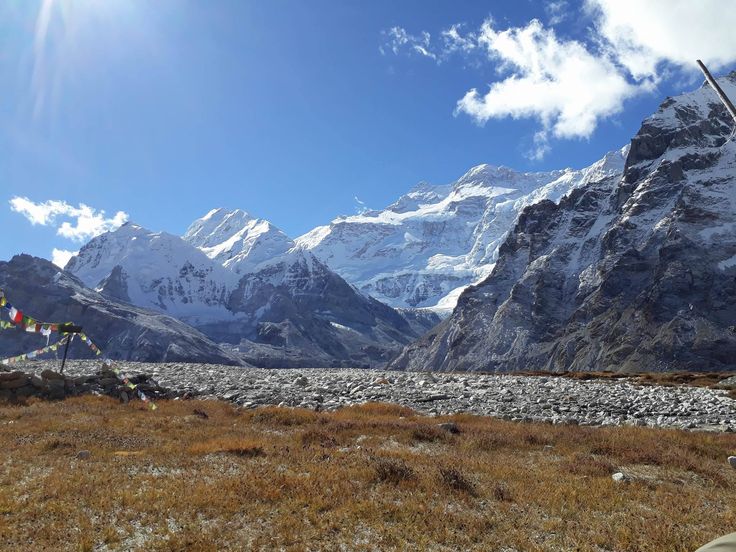
The Kanchenjunga Trek 19 Days is one of the most remote, adventurous, and least-explored trekking experiences in Nepal. Located in the far eastern Himalayas, this expedition takes trekkers deep into the wilderness of the Kanchenjunga Conservation Area to explore the base of the world’s third-highest mountain, Mt. Kanchenjunga (8,586m).
Unlike commercial trekking routes such as Everest Base Camp or Annapurna Circuit, the Kanchenjunga Trek 19 Days offers a raw and untouched Himalayan environment. The trail passes through dense forests, high alpine valleys, glacier moraines, and isolated mountain villages where traditional lifestyles are still preserved.
This trek is designed for experienced trekkers seeking a long expedition-style journey that includes both the North Base Camp (Pangpema) and South Base Camp (Oktang/Ramche). With its challenging terrain and limited infrastructure, the Kanchenjunga region is considered one of Nepal’s true wilderness trekking destinations.
Explore official tourism info: https://ntb.gov.np
Conservation details: https://dnpwc.gov.np
Why Choose Kanchenjunga Trek 19 Days?
The Kanchenjunga Trek 19 Days stands out due to its extreme isolation and natural diversity. It is one of the few treks in Nepal where you can experience both cultural richness and complete wilderness in a single journey.
Key reasons to choose Kanchenjunga Trek 19 Days:
- Trek to the base of Mt. Kanchenjunga (8,586m)
- Visit both North and South Base Camps
- Walk through untouched Himalayan landscapes
- Experience rare biodiversity including red panda habitats
- Cross high passes and remote alpine valleys
- Explore traditional Limbu, Rai, and Sherpa villages
Kanchenjunga Trek 19 Days is often called a “hidden gem” because it receives far fewer trekkers compared to Everest or Annapurna regions.
Region of Kanchenjunga Trek 19 Days
The Kanchenjunga Trek 19 Days is located in eastern Nepal within the Kanchenjunga Conservation Area, near the borders of India (Sikkim) and Tibet (China).
Key regions covered by Kanchenjunga Trek 19 Days:
- Taplejung (gateway district)
- Ghunsa Valley (main acclimatization hub)
- Kambachen & Lhonak (North Base Camp region)
- Pangpema (Kanchenjunga North Base Camp)
- Cheram & Ramche (South Base Camp region)
- Sele La high pass region
The region is known for its dramatic elevation changes, ranging from subtropical forests to glacial high-altitude terrain.
Difficulty Level of Kanchenjunga Trek 19 Days
The Kanchenjunga Trek 19 Days is classified as a strenuous to expedition-level trek.
Main challenges:
- Long trekking duration (19–20 days)
- Remote trails with no easy rescue access
- High altitude above 5,000 meters
- Multiple long walking days (6–8 hours daily)
- Limited communication and facilities
This trek is recommended only for trekkers with prior high-altitude experience and strong physical fitness.
Altitude Overview – Kanchenjunga Trek 19 Days
Key elevations:
- Taplejung: 1,800m
- Ghunsa: 3,400m
- Kambachen: 4,100m
- Lhonak: 4,780m
- Pangpema (North Base Camp): 5,143m
- Ramche (South Base Camp): 4,500m
Proper acclimatization is essential for completing the Kanchenjunga Trek 19 Days safely.
Accommodation on Kanchenjunga Trek 19 Days
Accommodation during the trek is basic but authentic.
Lower region:
- Teahouses and local lodges
- Simple rooms with shared facilities
Higher region:
- Very basic lodges or camping support (depending on operator)
- Limited heating and electricity
- Basic bedding conditions
Unlike luxury treks, the Kanchenjunga Trek 19 Days focuses on raw Himalayan experience.
Food on Kanchenjunga Trek 19 Days
Meals are simple but nutritious.
Typical meals:
- Dal Bhat (rice, lentils, vegetables)
- Noodles, soups, pasta
- Eggs, potatoes, seasonal vegetables
- Tibetan bread and porridge
- Tea, coffee, and hot drinks
Food variety reduces as altitude increases due to remoteness.
Best Season for Kanchenjunga Trek 19 Days
Spring (March–May)
- Blooming rhododendrons
- Stable weather conditions
- Clear mountain views
Autumn (September–November)
- Best visibility
- Dry trails
- Ideal trekking conditions
Monsoon and winter are not recommended due to landslides and extreme cold.
Highlights of Kanchenjunga Trek 19 Days
- Trek to Mt. Kanchenjunga (8,586m)
- Explore North & South Base Camps
- Remote wilderness trekking experience
- High Himalayan passes and glacier valleys
- Rare wildlife including red panda habitat
- Cultural villages of Limbu, Rai, and Sherpa communities
- One of Nepal’s least commercial trekking routes
Permits Required
To complete the Kanchenjunga Trek 19 Days, the following permits are required:
- Kanchenjunga Restricted Area Permit (RAP)
- Kanchenjunga Conservation Area Permit (KCAP)
- TIMS Card (depending on regulations)
👉 More info: https://ntb.gov.np
Transportation Details
Route:
- Kathmandu → Bhadrapur (flight)
- Bhadrapur → Taplejung (jeep drive)
- Trekking route on foot
- Return via same route
The journey to the starting point itself is long and scenic.
Kanchenjunga Trek 19 Days Route Summary
Kathmandu → Bhadrapur → Taplejung → Sekathum → Amjilosa → Gyabla → Ghunsa → Kambachen → Lhonak → Pangpema → return via Ghunsa → Sele La → Cheram → Ramche → Yamphudin → Taplejung → Kathmandu
Explore more Trekking like Kanchenjunga Trek 19 Days
- Everest Base Camp Trek- 12 Days/ 11 Night
- South Annapurna Base Camp Trek-7Night/8Days Adventure
- Ghorepani Poon Hill Trek 5 Days
- Manaslu Circuit Trek 14 Days
- Annapurna Circuit Trek 13 Days
Final Thoughts
The Kanchenjunga Trek 19 Days is one of Nepal’s most extraordinary trekking adventures, offering a rare combination of wilderness, culture, and high-altitude exploration. It is not just a trek but a full Himalayan expedition into one of the least disturbed regions on Earth.
For trekkers seeking isolation, challenge, and authentic Himalayan beauty, the Kanchenjunga Trek 19 Days delivers an unmatched experience.
Unforgettable Kanchenjunga Trek 19 Days | Legendary Base Camp Adventure in Nepal Highlights
- Trek to Mt. Kanchenjunga (8,586m), the world’s third-highest mountain
- Explore both North Base Camp (Pangpema) and South Base Camp (Oktang/Ramche)
- Experience one of Nepal’s most remote and least-crowded trekking regions
- Cross high Himalayan passes and remote alpine valleys in the Kanchenjunga Conservation Area
- Walk through untouched forests, glaciers, and dramatic mountain landscapes
- Rich biodiversity including possible sightings of red panda and Himalayan wildlife
- Authentic cultural experience with Limbu, Rai, and Sherpa communities
- Long expedition-style trek with deep wilderness immersion
- Panoramic views of Kanchenjunga massif and surrounding peaks
- True off-the-beaten-path Himalayan adventure in eastern Nepal
Kanchenjunga Trek 19 Days Route Overview – North & South Base Camp Expedition Nepal
The Kanchenjunga Trek 19 Days follows one of the most remote and adventurous trekking routes in eastern Nepal, leading deep into the Kanchenjunga Conservation Area near the borders of India and Tibet. The journey begins with a flight from Kathmandu to Bhadrapur, followed by a long scenic drive to Taplejung, the gateway to the Kanchenjunga region.
From Taplejung, the trail descends and gradually ascends through subtropical forests, terraced hillsides, and traditional Limbu villages, reaching remote settlements such as Sekathum, Amjilosa, and Gyabla. As the trek continues northward, the landscape becomes increasingly rugged, entering the Ghunsa Valley, one of the most important cultural and acclimatization hubs of the region.
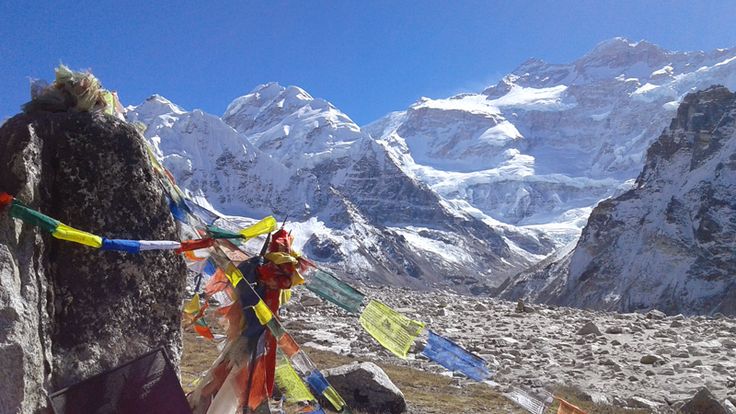
From Ghunsa, the route continues toward Kambachen and Lhonak, where trekkers experience dramatic glacial terrain and towering Himalayan peaks. A key highlight is the journey to Pangpema (North Base Camp), offering close-up views of Mt. Kanchenjunga (8,586m).
After returning via Ghunsa, the route crosses high alpine passes in the Sele La region, transitioning toward the southern side of the massif. The trail descends into Cheram and Ramche, leading to the stunning Oktang (South Base Camp) viewpoint.
The trek then continues through remote villages and forested valleys, eventually reaching Yamphudin and returning to Taplejung for the journey back to Kathmandu.
This route is a true Himalayan expedition combining both base camps, high passes, cultural diversity, and extreme wilderness, making it one of the longest and most rewarding trekking circuits in Nepal.
Include
- Airport pick-up and drop-off in Kathmandu
- Domestic flights: Kathmandu → Bhadrapur → Kathmandu (as per itinerary)
- Private vehicle transfers: Bhadrapur ↔ Taplejung (trek starting/ending point)
- Hotel accommodation in Kathmandu (standard tourist category)
- Teahouse accommodation during trekking (and basic lodge support in remote areas)
- Full board meals during trek (Breakfast, Lunch, Dinner)
- Experienced licensed trekking guide (English-speaking)
- Required number of porters (1 porter for 2 trekkers standard ratio)
- Kanchenjunga Restricted Area Permit (RAP)
- Kanchenjunga Conservation Area Permit (KCAP)
- TIMS card (if applicable under regulations)
- Staff insurance, salary, equipment, and allowances
- First aid kit carried by guide
- Government taxes and service charges
- Trekking briefing and assistance with gear preparation
Exclude
- International airfare to/from Nepal
- Nepal visa fees (available on arrival at airport)
- Travel insurance (mandatory, must cover high-altitude evacuation)
- Personal trekking equipment and clothing
- Hot showers, WiFi, and device charging fees in teahouses
- Extra accommodation in Kathmandu due to early arrival or delay
- Alcoholic drinks, soft drinks, bottled beverages, and snacks
- Personal expenses (laundry, phone calls, shopping, etc.)
- Tips for guide, porter, and support staff
- Emergency evacuation or helicopter rescue costs
- Any services not mentioned in the “Includes” section
Unforgettable Kanchenjunga Trek 19 Days | Legendary Base Camp Adventure in Nepal Itinerary
Arrival at Tribhuvan International Airport, Kathmandu. After immigration, you will be greeted by our representative and transferred to your hotel. The rest of the day is free for rest or short exploration around Thamel. In the evening, there will be a detailed trek briefing covering route conditions, altitude risks, packing check, and permit procedures.
Accommodation: Hotel in Kathmandu
Early morning flight from Kathmandu to Bhadrapur in eastern Nepal (approx. 45 minutes). From here, a long scenic jeep drive begins toward Taplejung, passing through tea gardens, rivers, and rural settlements. The drive is long but offers a gradual introduction to eastern Himalayan landscapes. On arrival, final trek preparations and rest.
Accommodation: Lodge in Taplejung
After breakfast, drive and begin trekking toward Sekathum. The trail follows the Tamor River valley with mixed road and trekking sections. You pass through small Limbu villages and terraced fields. The environment becomes more remote as vehicles disappear and trekking begins in earnest.
Accommodation: Teahouse / Basic lodge
The trek becomes steeper today with continuous uphill walking through dense bamboo forests and rhododendron vegetation. Several suspension bridges and waterfalls are crossed along the way. The trail is humid and forested, with occasional steep stone steps.
Accommodation: Teahouse
A gradual ascent through thick forest trails leads to Gyabla. The landscape begins changing as Tibetan-style houses and prayer flags appear. This section is peaceful but physically demanding due to continuous elevation gain.
Accommodation: Teahouse
The trail opens into the beautiful Ghunsa Valley, one of the most culturally rich villages in the Kanchenjunga region. The village is influenced by Tibetan Buddhism, with monasteries, chortens, and prayer wheels. Ghunsa also serves as a major acclimatization stop.
Accommodation: Teahouse
This rest day is essential for altitude adaptation. A short hike to nearby viewpoints or monastery visits is recommended to help acclimatization. The village offers basic facilities and a peaceful environment surrounded by mountains.
Accommodation: Teahouse
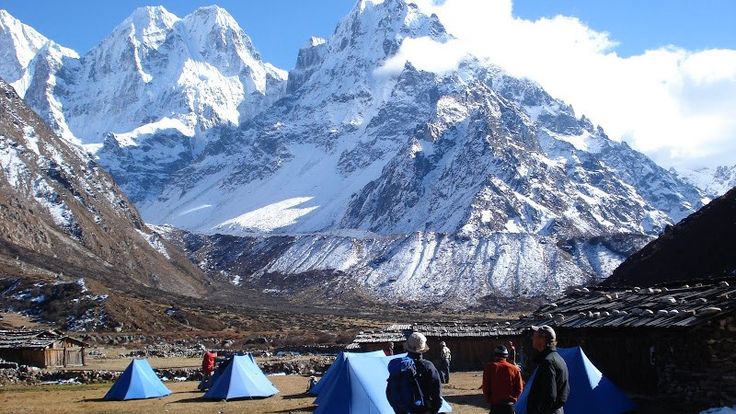
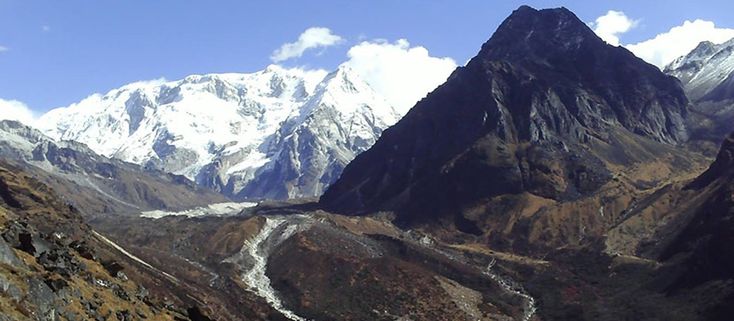
The trail follows the river upstream through rocky terrain and alpine forests. As altitude increases, vegetation becomes sparse. Stunning views of Mt. Jannu (Kumbhakarna) dominate the skyline. The terrain becomes more rugged and exposed.
Accommodation: Teahouse / Basic lodge
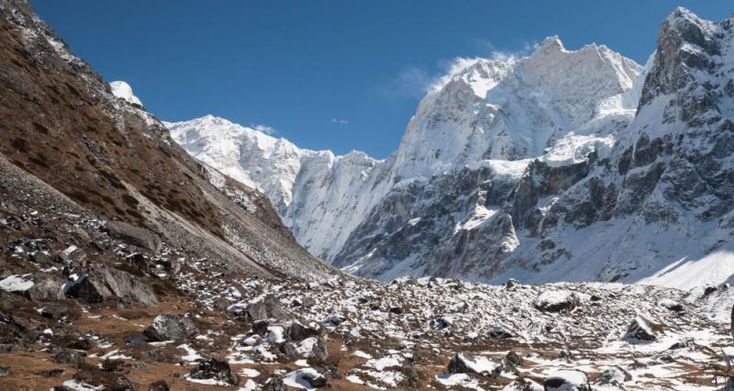
Today’s trek is challenging with steep ascents and glacial moraine paths. The landscape is dry, rocky, and windy. You are now deep in the high Himalayas with limited vegetation and extreme terrain conditions.
Accommodation: Basic teahouse / lodge
Early morning hike to Pangpema (Kanchenjunga North Base Camp). This is one of the most dramatic viewpoints of the trek, offering close views of the massive Kanchenjunga north face and surrounding peaks. After spending time at base camp, return to Lhonak for overnight.
Accommodation: Teahouse
Long descent back through Kambachen valley to Ghunsa. Oxygen levels improve as you descend, and the body begins recovery from high-altitude stress.
Accommodation: Teahouse
Today you leave the northern base camp route and move toward the remote Sele La pass region. The trail becomes less frequented and more isolated. Depending on conditions, overnight is either in basic teahouse or camping support.
Accommodation: Teahouse / Camping
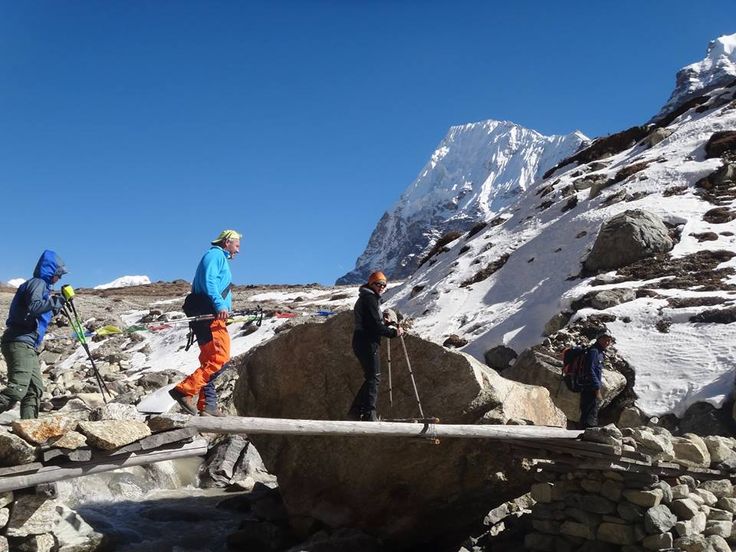
A physically demanding day crossing high alpine passes and ridges. Weather conditions can be unpredictable with wind and snow. After crossing, descend into the southern Kanchenjunga valley and reach Cheram.
Accommodation: Teahouse
The trail climbs gradually through glacial valleys and rocky moraines. The landscape becomes increasingly dramatic with views of Yalung Glacier and surrounding peaks.
Accommodation: Teahouse
A side hike to Oktang viewpoint (South Base Camp area) offers one of the most spectacular panoramas of Mt. Kanchenjunga’s southern face. After exploration and photography, return to Ramche.
Accommodation: Teahouse
A long descent through dense forests, waterfalls, and small settlements. The trail becomes warmer and greener as you drop in altitude. Yamphudin is a culturally rich village with mixed ethnic communities.
Accommodation: Teahouse
Final trekking day. Descend to road access and drive back to Taplejung. Celebrate completion of the trekking circuit.
Accommodation: Lodge in Taplejung
Long jeep drive from Taplejung to Bhadrapur followed by flight back to Kathmandu. Free evening for rest or shopping in Thamel.
Accommodation: Hotel in Kathmandu
Transfer to Tribhuvan International Airport for final departure or onward travel.
Video
Kanchenjunga Trek 19 Days – Complete Packing List
Clothing (Layer System)
- Thermal base layers (top & bottom)
- Fleece jacket / warm mid-layer
- Heavy down jacket (cold-rated -15°C or lower)
- Waterproof & windproof jacket (Gore-Tex recommended)
- Waterproof trekking pants
- Quick-dry trekking shirts (5–6 pcs)
- Warm trekking trousers / insulated pants
- Innerwear (thermal + quick dry)
- Wool trekking socks (6–8 pairs)
- Warm hat / beanie
- Sun hat / cap
- Neck buff / gaiter
Footwear
- Waterproof trekking boots (well broken-in)
- Light camp shoes / sandals
- Warm socks (extra pairs for high altitude)
- Gaiters (for mud, snow, and scree protection)
Bags & Storage
- Main duffle bag (60–80L, porter carried)
- Daypack (30–40L for daily essentials)
- Rain cover for backpack
- Dry bags / plastic liners for waterproofing
Sleeping & Camping Gear
- Sleeping bag (-15°C to -25°C rated)
- Sleeping bag liner (optional but recommended)
- Trekking poles
- Headlamp with extra batteries
- Lightweight travel towel
Accessories
- Warm gloves (inner + insulated outer)
- UV protection sunglasses (high altitude rated)
- Water bottles (2–3L capacity) or hydration bladder
- Thermos flask (for hot water/tea)
- Sunscreen (SPF 50+)
- Lip balm (UV protection)
Personal Hygiene
- Toothbrush & toothpaste
- Biodegradable soap / shampoo
- Wet wipes & tissue paper
- Hand sanitizer
- Quick-dry towel
- Nail cutter & basic hygiene kit
First Aid Kit
- Personal prescription medicines
- Paracetamol / painkillers
- Altitude sickness medicine (Diamox – consult doctor)
- Antiseptic cream & bandages
- ORS (rehydration salts)
- Anti-diarrheal tablets
- Blister treatment kit
Electronics & Gadgets
- Power bank (high capacity recommended)
- Universal travel adapter
- Mobile phone with offline maps
- Camera / GoPro (optional)
- Extra batteries / chargers
Energy & Snacks
- Energy bars / protein bars
- Chocolate & candies
- Nuts & dry fruits
- Electrolyte powder / drink mix
- Instant noodles / quick snacks (optional)
Important Documents
- Passport (valid at least 6 months)
- Nepal visa (on arrival or pre-arranged)
- Trekking permits (RAP, KCAP, TIMS)
- Travel insurance (high-altitude coverage mandatory)
- Passport-size photos (2–4 pcs)
Reviews

EBC has consistently delivered a reliable and professional experience
EBC has consistently delivered a reliable and professional experience. Their team is responsive, knowledgeable, and focused on practical solutions. We appreciated the clarity of communication throughout the process
John Doe
,USA
EBC has been very positive
Our experience with EBC has been very positive. The onboarding was smooth, and their support team was readily available when questions arose. Overall, a dependable partner
Harley Smith
,UK
You May Also Like
Annapurna Circuit Trek 13 Days – Nepal Himalayan Adventure
Experience the Annapurna Circuit Trek in 13 days, one of Nepal’s most iconic Himalayan adventures. Cross the legendary Thorong La…
Breathtaking Annapurna Base Camp Trek 12 Days
Embark on a breathtaking 12-day Annapurna Base Camp Trek and experience the heart of the Himalayas like never before. This…
Dhaulagiri Circuit Trek 18 Days | Best Hidden Valley & French Pass Trek Nepal
The Dhaulagiri Circuit Trek is a challenging 17-day expedition in Nepal that circles Mt. Dhaulagiri (8,167m), crossing French Pass and…
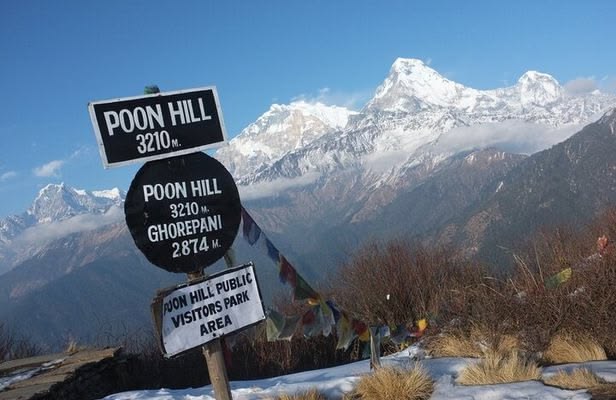
Ghorepani Poon Hill Trek 5 Days – Easy Annapurna Adventure with Stunning Sunrise Views
Experience the iconic Annapurna region on the 5-day Ghorepani Poon Hill Trek. Walk through traditional villages, lush forests, and terraced…
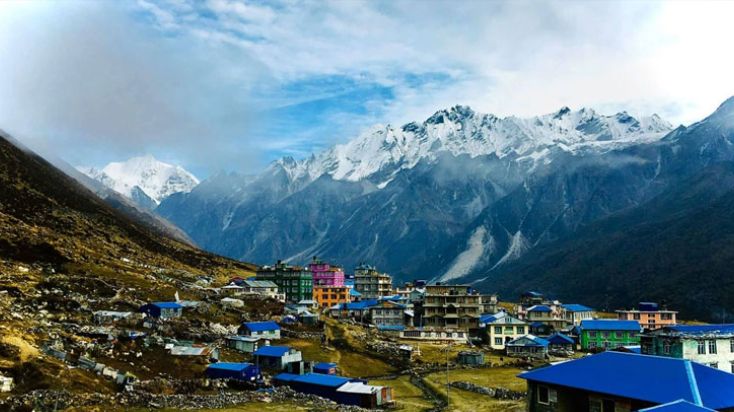
Langtang Valley Trek: 11 Days Stunning Himalayan Adventure
Experience the Langtang Valley Trek, a breathtaking Himalayan adventure near Kathmandu featuring stunning mountain views, rich Tamang culture, and beautiful…
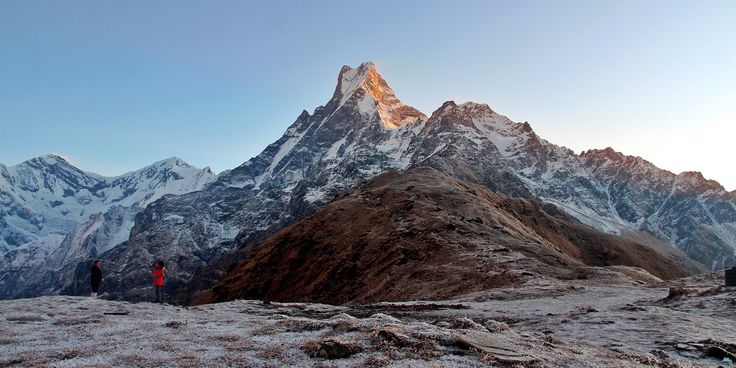
Mardi Base Camp Trek 11 Days– Easy & Scenic Nepal Trek
Mardi Base Camp Trek is a short and scenic Himalayan adventure in the Annapurna Region of Nepal, offering breathtaking views…
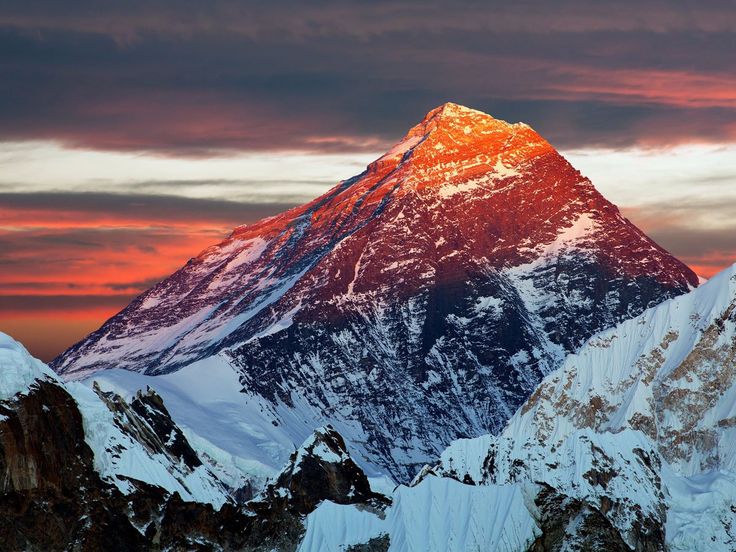
Nepal Himalayan Adventure – Everest Base Camp Trek 17 Days
Experience the thrill of reaching Mount Everest with our Everest Base Camp Trek 17 Days – Best Price Nepal Himalayan…
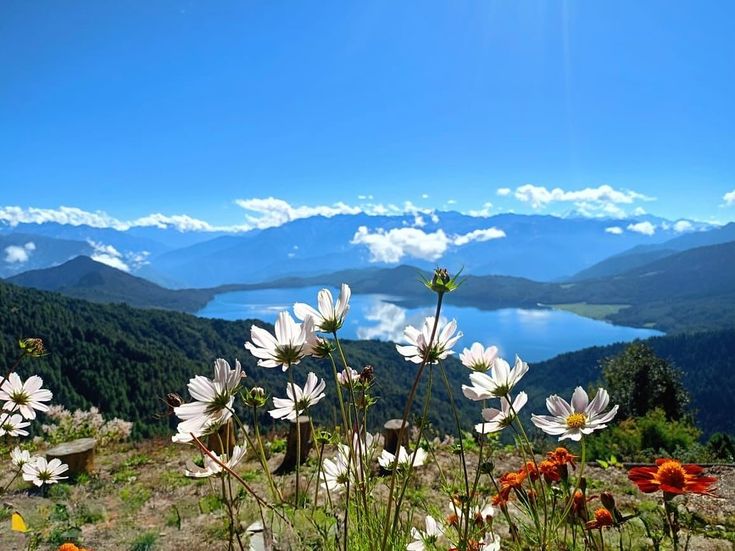
Rara Lake Trekking 6 Days Best Tour from Kathmandu
Discover the untouched beauty of Rara Lake Trekking in Nepal, a scenic fly-in adventure to Rara National Park featuring crystal-clear…
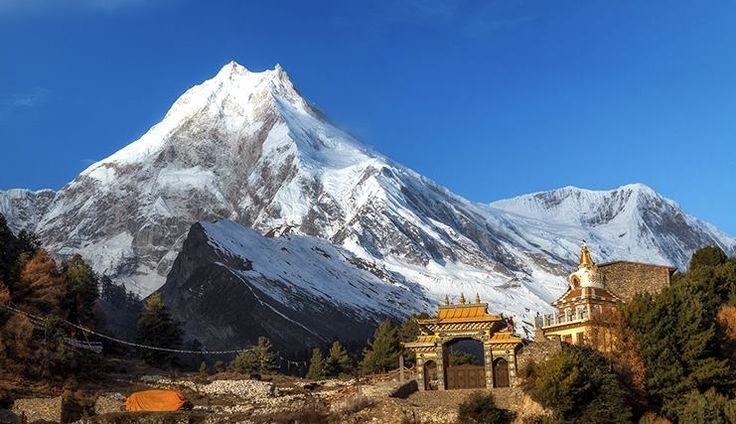
Scenic Manaslu Circuit Trek 14 Days | Larkya La Pass Adventure Nepal
Experience the breathtaking Manaslu Circuit Trek 14 Days, a remote Himalayan adventure around Mount Manaslu. Cross the iconic Larkya La…
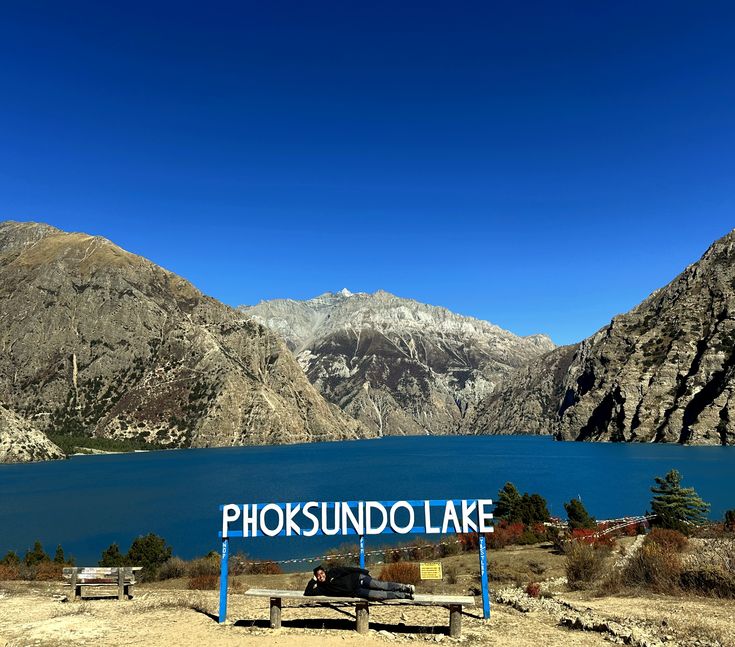
Shey Phoksundo Lake Trek 12 Days | Explore Dolpo’s Hidden Gem
Discover the breathtaking Shey Phoksundo Lake Trek in Nepal’s remote Dolpo region. This 12-day adventure offers stunning alpine landscapes, rich…